
MIIT Opens Fast-Track Export Certification for Agricultural Robots





On June 20, 2026, China’s Ministry of Industry and Information Technology introduced a selection notice for typical agricultural robot application scenarios and tied that process to a new export certification fast track for supporting Autonomous Robots products. The change matters because it connects policy selection with practical compliance steps: products linked to selected scenarios may move through CE, UKCA, ANVISA and other major market certification processes within 21 working days, while also receiving multilingual technical document templates and compliance pre-review support. For manufacturers, exporters, certification teams and procurement functions, the development is worth watching not simply as a policy announcement, but as a signal that certification preparation and delivery planning could become more closely linked to officially recognized application scenarios.
What the Notice Confirms
The confirmed facts are limited but commercially relevant. According to the provided event summary, MIIT issued a notice on June 20, 2026 regarding the selection of typical demonstration scenarios for agricultural robots. At the same time, it announced a “green channel” for export certification covering Autonomous Robots products supporting the selected scenarios. The summary states that certification cycles for major market schemes including CE, UKCA and ANVISA will be compressed to within 21 working days, and that multilingual technical documentation templates and compliance pre-review services will also be provided.
Where the Immediate Pressure Points May Shift
Scenario-linked manufacturers may face a new documentation threshold
From an industry perspective, the first group likely to feel the effect is manufacturers whose products are tied to the selected agricultural robot scenarios. The potential impact is not only faster certification timing, but also a sharper need to ensure that product files, technical descriptions and compliance materials are ready early. If access to the fast track depends on being matched to selected scenarios, then the quality and completeness of submission packages may become more important in product launch and export scheduling.
Export teams may need to realign shipment and certification planning
For export-oriented businesses, the announced 21-working-day certification window could affect how internal teams sequence order confirmation, certification filing and delivery preparation. Analysis shows that the practical issue is less about headline speed alone and more about whether the certification timeline can now be integrated more tightly into contract execution and shipment commitments. Companies should therefore pay closer attention to how certification status, technical files and market-specific documentation are coordinated before delivery dates are promised.
Certification and testing service participants may see front-loaded review work
For compliance consultancies, certification support providers and testing-related service participants, the multilingual templates and compliance pre-review element suggest that more work may move upstream into preparatory review rather than appearing only at the formal certification stage. What deserves closer attention is whether enterprises begin treating pre-review as a gatekeeping step for export readiness, especially where documents need to align across different market schemes such as CE, UKCA and ANVISA.
Procurement and channel-side buyers may revisit supplier readiness
Buyers, distributors and procurement teams may also be affected if supplier qualification starts to include not only product capability, but evidence that a product is connected to a selected demonstration scenario and can move through the stated certification channel. Observably, this could influence procurement screening, tender documentation checks and delivery-risk assessments, even if the exact execution rules have not yet been fully detailed in the provided information.
What Companies Should Track Next
Check how eligibility is defined in practice
The provided information confirms a green channel for products supporting selected scenarios, but it does not set out the detailed operational criteria in this input. Companies should therefore monitor how “supporting selected scenarios” is interpreted in execution, because that definition may determine which products can actually use the accelerated route.
Prepare technical files for multilingual review
Because multilingual technical document templates and compliance pre-review services are part of the announced package, enterprises should pay attention to whether existing technical files, manuals, declarations and test-related materials are structured for cross-market use. The main issue is not to assume approval outcomes, but to reduce the risk of delay caused by inconsistent documentation across target markets.
Reassess delivery promises and procurement schedules carefully
Analysis shows that a shorter stated certification cycle may affect delivery planning, but companies should avoid treating the announced timeline as a blanket guarantee for every transaction. Exporters and procurement teams should continue to align certification milestones, order timing and supplier commitments carefully until more execution feedback becomes available.
Watch for changes in bid and supplier qualification documents
What deserves closer attention is whether tenders, buyer qualification checklists or internal sourcing standards begin to reference selected agricultural robot scenarios, accelerated certification handling or document pre-review readiness. Even without full details in the current input, these are practical areas where rule signals can quickly translate into commercial requirements.
Why This Looks More Like an Execution Signal Than a Finished Rule Set
Observably, this development is more appropriate to understand as an execution-oriented policy signal than as a fully closed compliance framework. The reason is that the provided facts already point to concrete operational tools — a 21-working-day certification window, multilingual document templates and pre-review support — yet they do not fully describe the detailed eligibility boundaries, workflow standards or downstream market response. From an industry perspective, that combination usually means companies should treat the announcement seriously for planning purposes while still keeping room for follow-up verification.
How the Market Is Best Reading This Stage
At this stage, the announcement can be read as a meaningful link between agricultural robot scenario policy and export compliance facilitation for Autonomous Robots products. It should not be overstated as a guaranteed outcome across all products or markets, but it is a concrete sign that certification efficiency, documentation readiness and scenario-based policy recognition may be moving closer together. The most balanced conclusion is that this is an actionable policy development with direct relevance to compliance preparation and delivery planning, while detailed implementation and market uptake still require continued observation.
Basis of This Article and What Still Needs Verification
This article is generated on the basis of the user-provided news title, event date and event summary. For events of this type, relevant source categories typically include official government notices, regulator releases, trade or customs authority information, industry association updates, standards organization documents and reporting by established industry media. No specific official source link was provided in the input, so the precise official publication path still needs to be verified on an ongoing basis. Further observation should focus on detailed policy implementation, certification execution standards, any changes in tender or supplier qualification documents, industry feedback and how enterprises actually apply the announced green-channel arrangements.
Related News
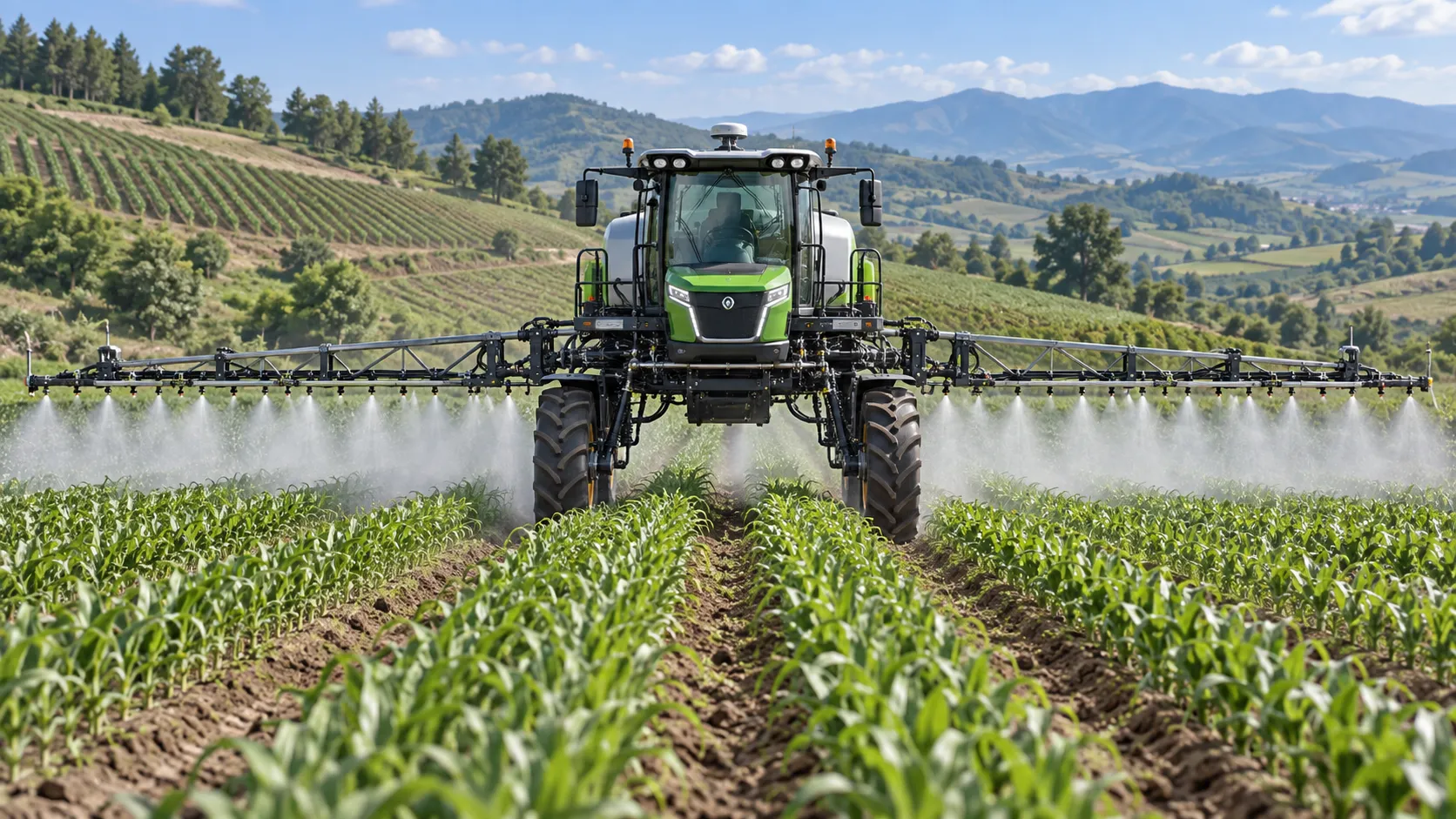
How to Select Precision Crop Protection Equipment for Variable Field Conditions
Precision crop protection equipment selection made simple: compare terrain, canopy, weather, control accuracy, and data workflows for reliable applications.

When Does Agricultural Machinery Leasing Cost Less Than Owning Equipment?
Agricultural machinery leasing can lower farm costs when use is seasonal or uncertain. Compare utilization, maintenance, cash flow, and risk to make a smarter equipment decision.
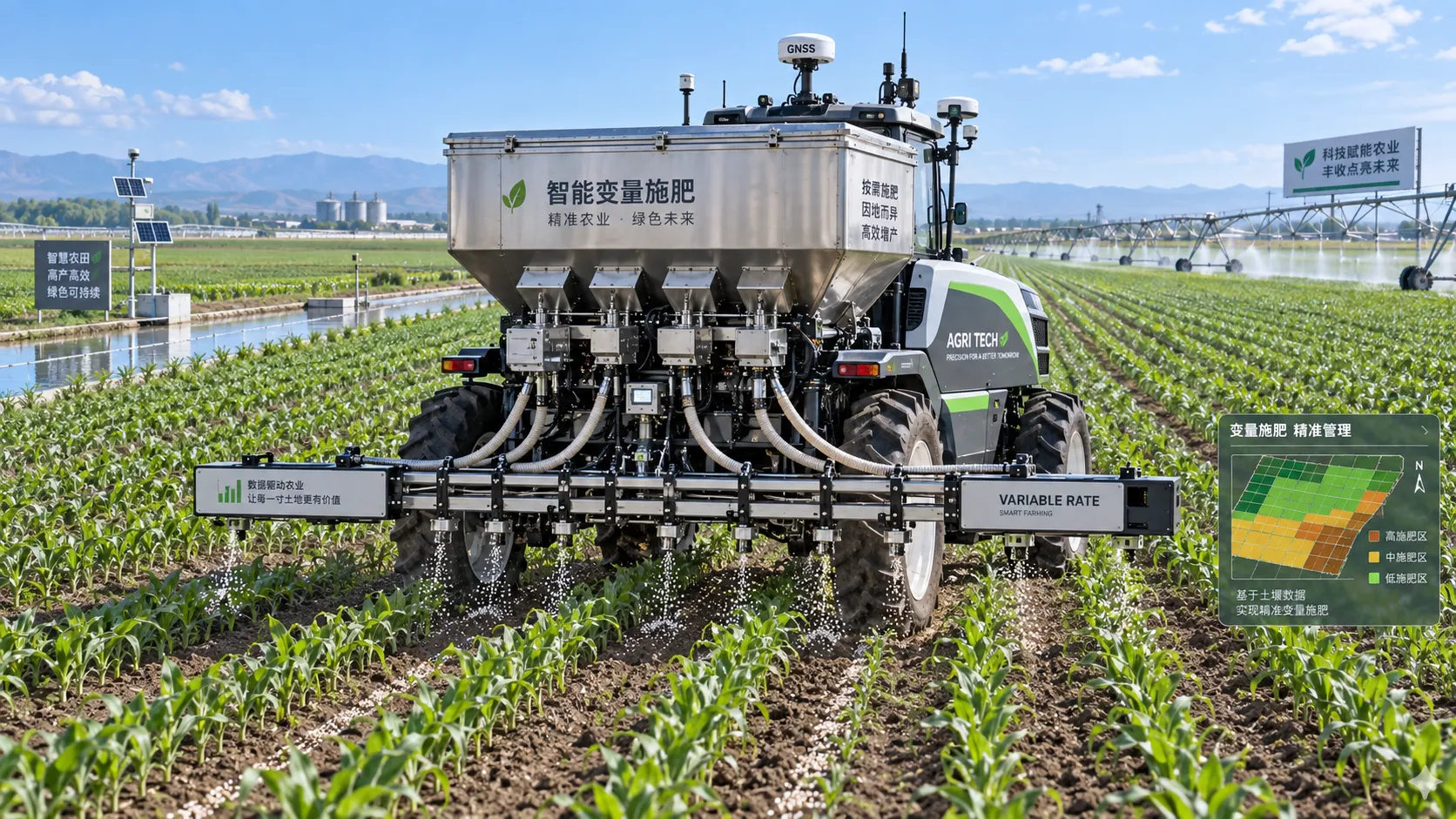
How to Evaluate Precision Fertilization System Suppliers for Farm-Scale Deployment
Precision fertilization systems suppliers: learn how to compare accuracy, integration, uptime, service, and total cost for confident farm-scale deployment.
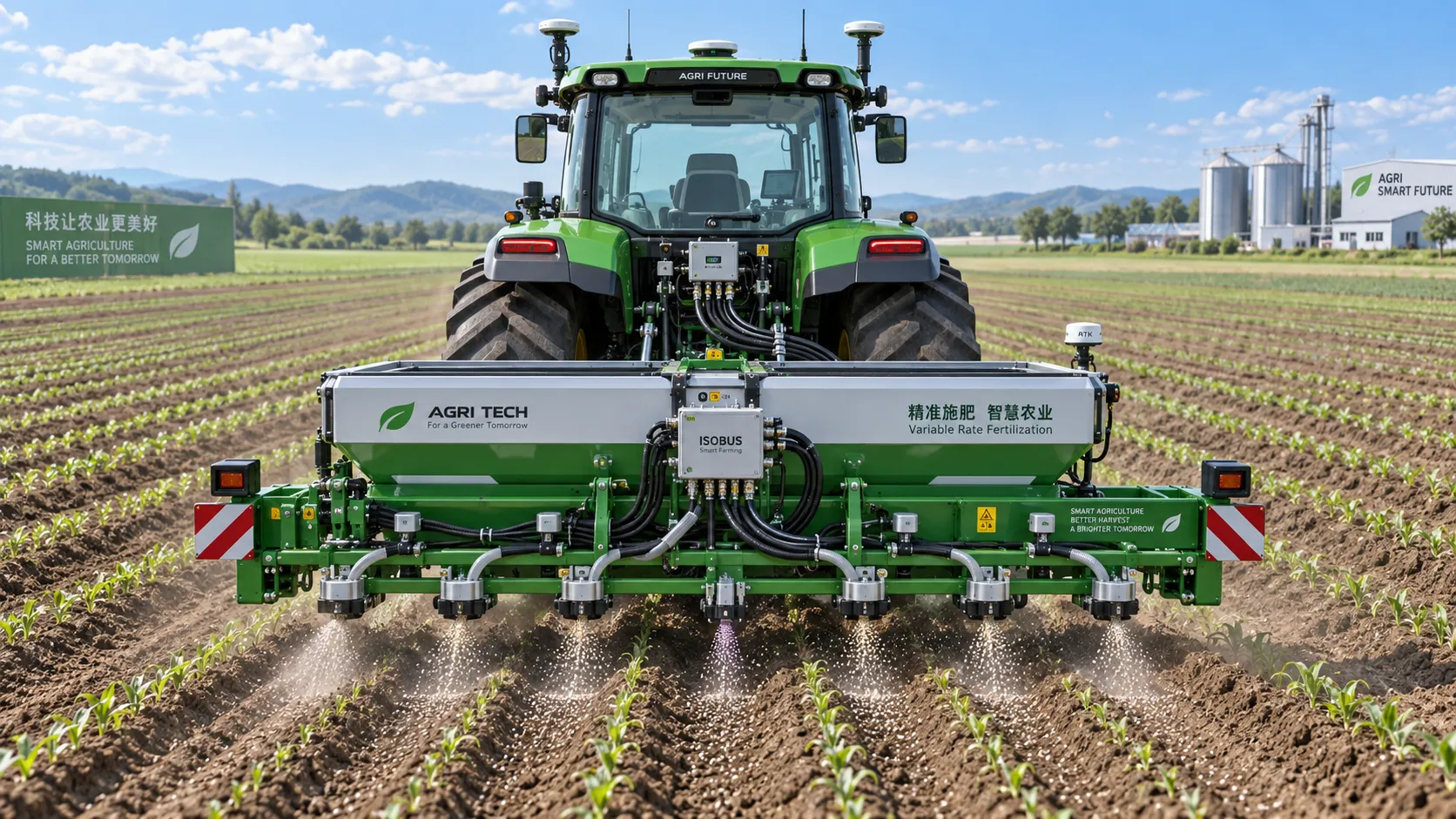
ISOBUS for Smart Agriculture: How It Connects Tractors, Implements, and Farm Data
ISOBUS for smart agriculture connects tractors, implements, terminals, and farm data—helping growers improve precision, documentation, and smarter field decisions.
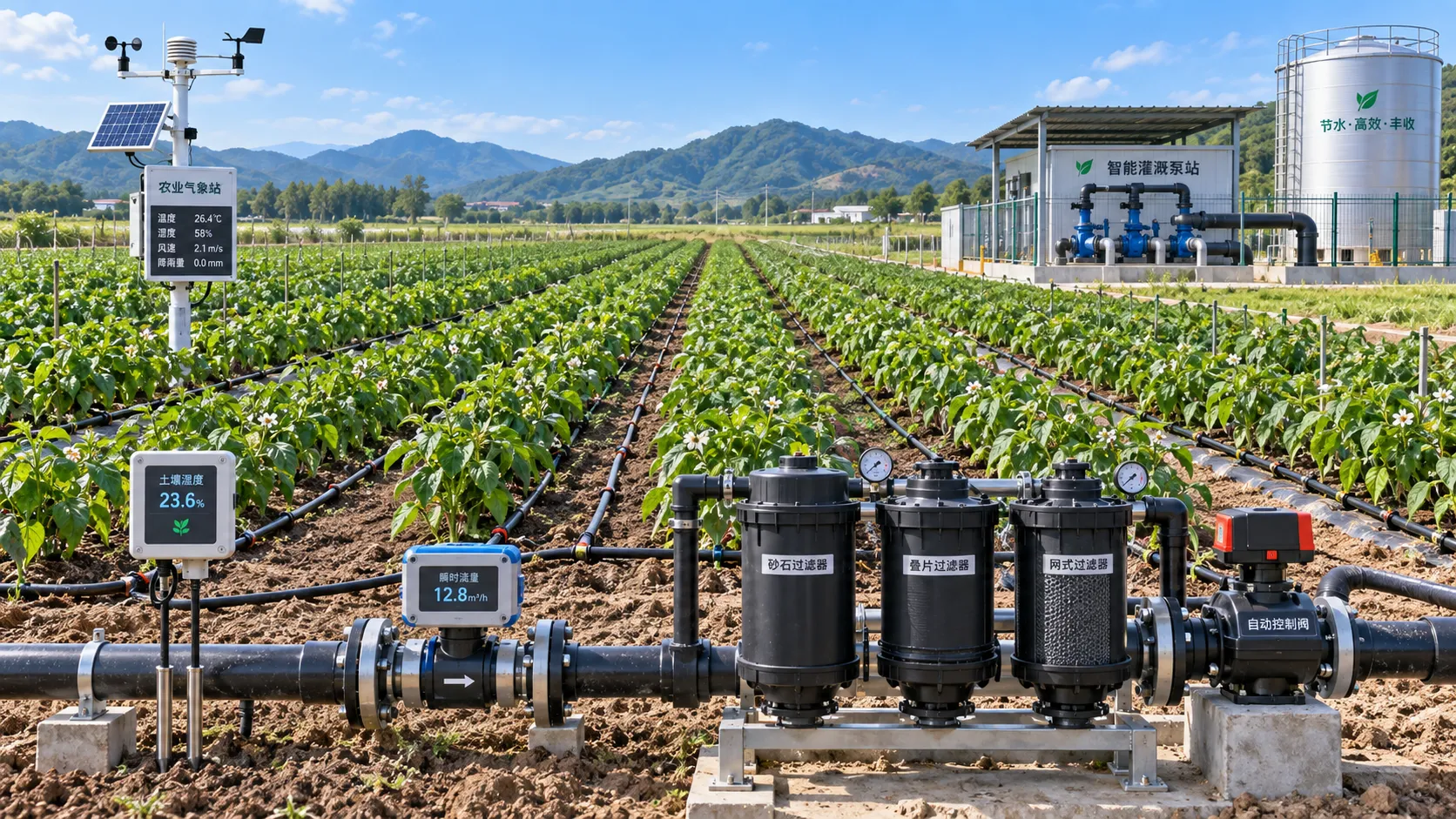
Automated Water-Saving Irrigation: How to Cut Water Use Without Reducing Crop Yields
Automated water-saving irrigation helps farms cut water use, protect crop yields, improve scheduling, and gain reliable control with sensors, flow monitoring, and smart zones.

Selecting Grain Farm Equipment by Acreage, Crop Mix, and Harvest Window
Agricultural equipment selection for grain farming: match machinery to acreage, crop mix, and harvest windows to improve uptime, efficiency, and returns.
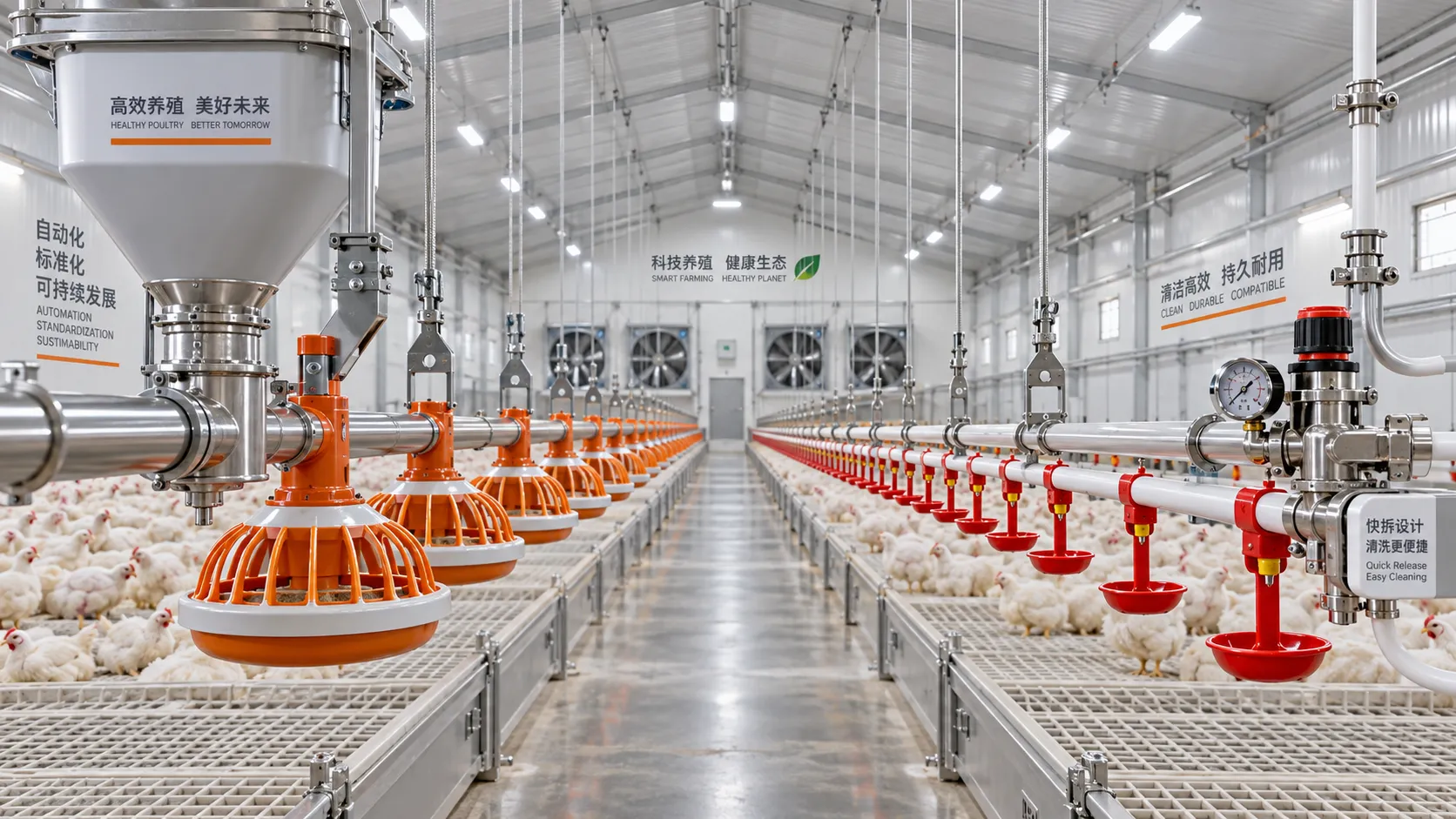
Poultry Equipment Selection: Evaluating Durability, Cleaning, and Compatibility
Poultry equipments selection guide: evaluate durability, cleaning access, and system compatibility to improve hygiene, reduce downtime, and support efficient flock management.
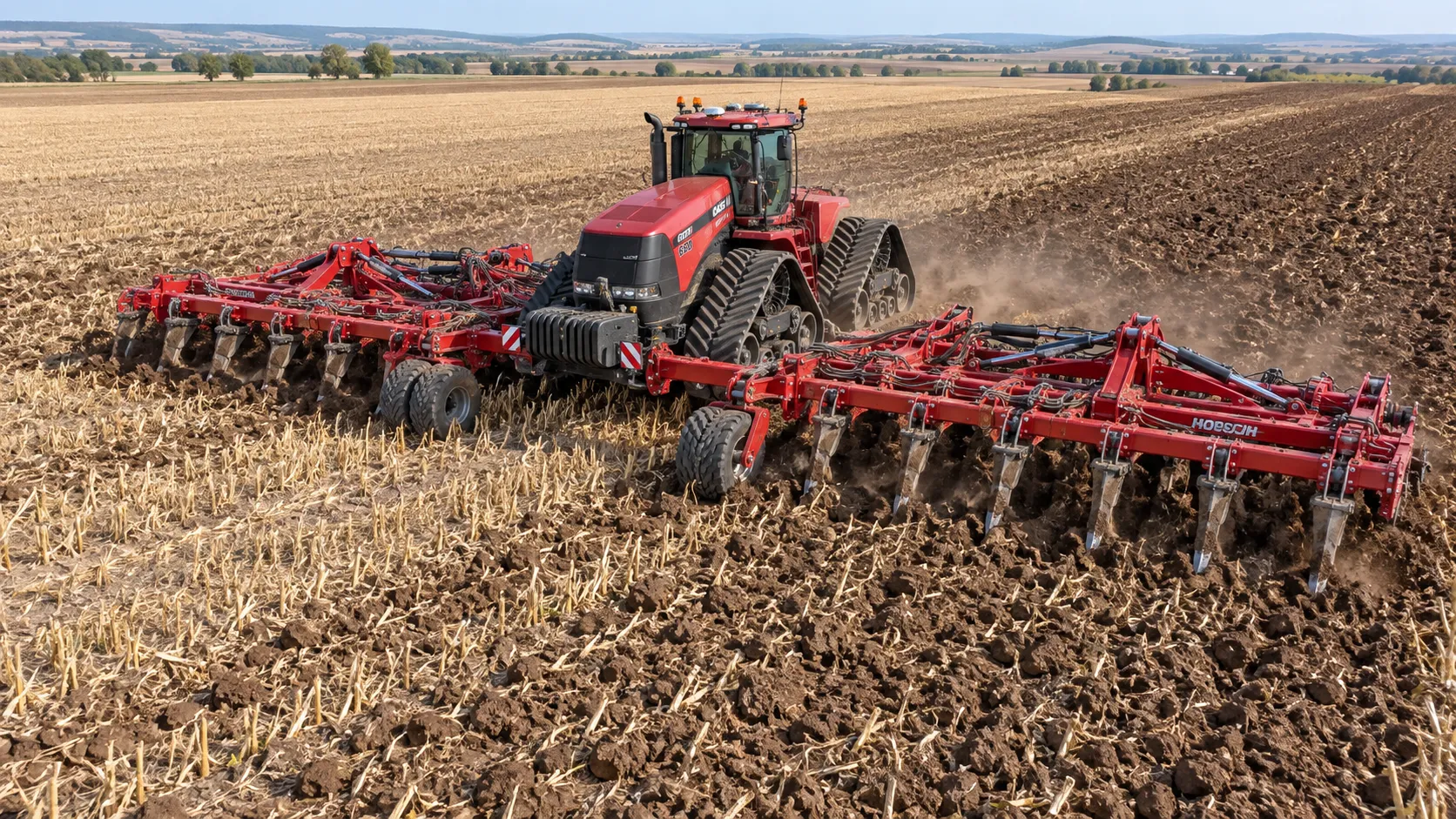
How to Select Heavy-Duty Farm Implements for High-Acreage, High-Horsepower Operations
Heavy duty farm implements: learn how to match draft, hydraulics, hitch capacity, frame strength, and field conditions for reliable high-acreage performance.
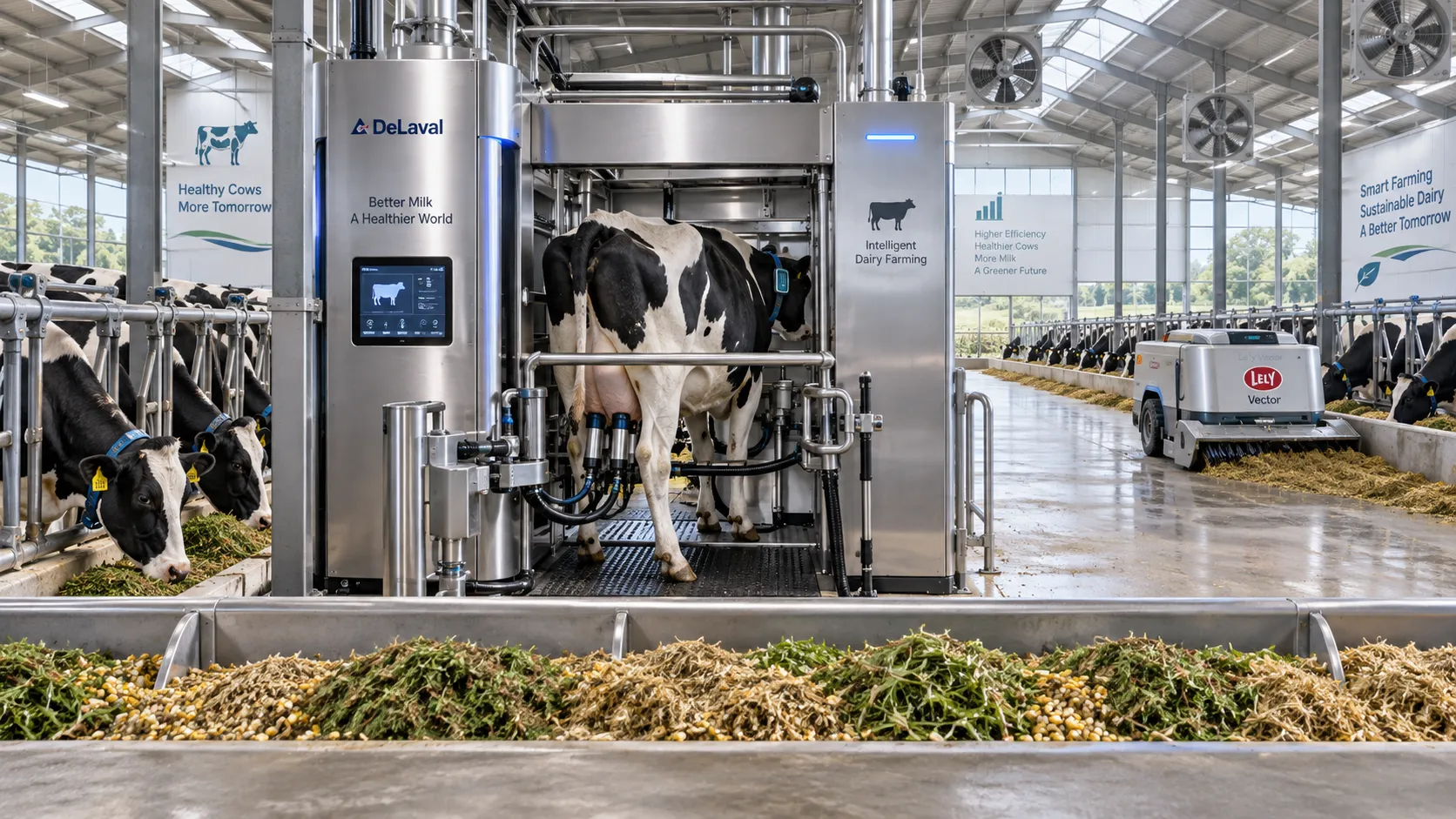
Smart Farming Technology for Dairy Farms: Where Automation Delivers Measurable ROI
Smart farming technology for dairy farms delivers measurable ROI through automation, precision feeding, health monitoring, and data-driven cost control.
Related News
- 00
0000-00
What separates robotic automation providers for equipment production? - 00
0000-00
Which field data collection provider fits an agricultural robotics program? - 00
0000-00
How Autonomous Machinery for Crop Scouting Helps Growers Detect Field Issues Earlier - 00
0000-00
How to Evaluate Autonomous Machinery for Vineyards by Terrain, Tasks, and ROI - 00
0000-00
Brazil ANVISA Rule Requires Portuguese Risk Labels for Farm Robots
Popular Tags
Tractor Power Architect
Weekly Insights
Stay ahead with our curated technology reports delivered every Monday.