
Intelligent Farm Tools Buying Guide: What to Compare in Sensors, Automation, and ROI
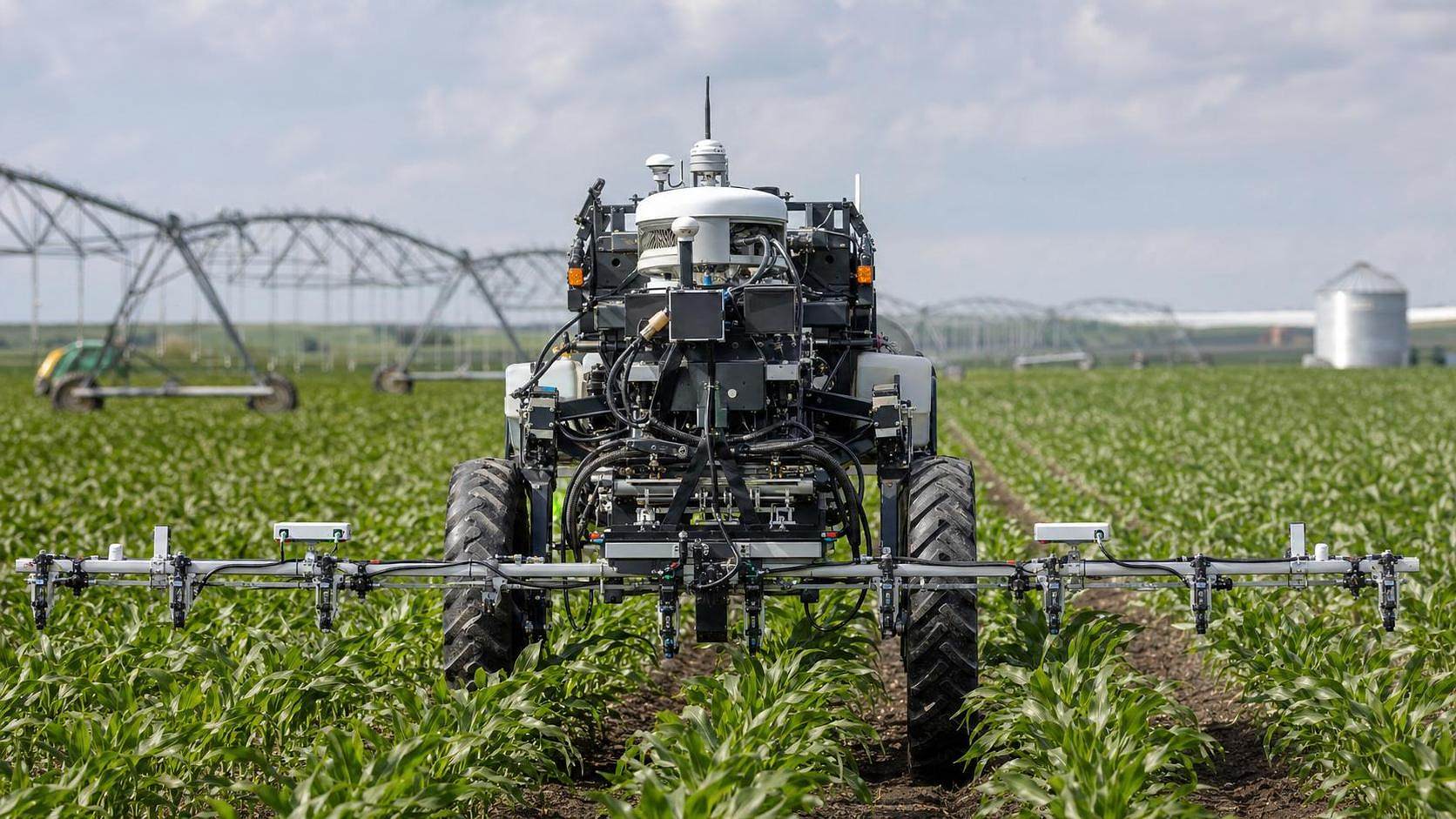




Intelligent Farm Tools Buying Guide: What to Compare in Sensors, Automation, and ROI
Selecting intelligent farm tools is no longer just about feature lists. It now depends on measurable field performance, stable automation, usable data, and a realistic payback path.
For large-scale operations, a weak decision often hides behind impressive demos. A strong decision starts with comparison criteria that survive dust, heat, labor gaps, and seasonal pressure.
That is why intelligent farm tools should be evaluated as operating systems for the field, not as standalone gadgets. Sensor quality, automation logic, and ROI must work together.
From AP-Strategy’s Agriculture 4.0 perspective, the best choice is the one that improves precision today while staying compatible with tomorrow’s machinery, data models, and sustainability targets.
Start with the Job, Not the Device
Before comparing brands, define the exact agronomic task. Intelligent farm tools for spraying, seeding, fertilizing, irrigation, and crop monitoring solve very different problems.
A tool that performs well in variable-rate fertilization may not be the right fit for section control or irrigation automation. Functional overlap is common, but operational value differs.
In practical procurement, begin with three questions. What field variability must be detected, what action must be automated, and what result must be economically verified?
- Is the goal lower input use, higher yield stability, or labor substitution?
- Does the tool operate across multiple crops or only one workflow?
- Can it scale from pilot plots to full-acre deployment without redesign?
How to Compare Sensor Performance
Sensor specifications are often presented as the headline feature. Yet for intelligent farm tools, raw specification sheets rarely show actual field decision quality.
Focus first on accuracy under operating conditions. A sensor that performs well in controlled settings may drift when vibration, mud, residue, and changing light enter the equation.
Key sensor benchmarks
- Detection accuracy across crop stages and weather conditions.
- Calibration frequency and ease of recalibration in the field.
- Signal stability at operating speed.
- Response latency between sensing and actuation.
- Resistance to dust, moisture, vibration, and temperature shifts.
For example, optical sensors in intelligent farm tools may promise high detection rates. But if the data degrades at higher tractor speeds, prescription accuracy falls quickly.
The more useful signal is repeatability. Can the tool deliver the same quality result across fields, operators, and time windows? That is usually the better buying metric.
Also check how sensor data is filtered. Good intelligent farm tools separate actionable variability from random noise. Without that, automation becomes inconsistent and operator trust drops.
Automation Reliability Matters More Than Flashy Features
Automation is where procurement mistakes become expensive. Many intelligent farm tools look advanced until they face boundary conditions, mixed terrain, or unstable connectivity.
Reliable automation means the system keeps doing the right thing with minimal intervention. It does not mean the system offers the most buttons or the most marketing language.
What to verify in automation
- Section control consistency at different speeds and overlaps.
- Closed-loop feedback quality for rate adjustment.
- Failure behavior when signal is lost or data becomes unreliable.
- Manual override speed and operator interface clarity.
- Software update policy and stability after firmware changes.
In real operations, intelligent farm tools should fail safely, not silently. If GPS quality weakens or a sensor becomes contaminated, the operator should know immediately.
This is especially important for sprayers, precision planters, and irrigation controllers. A few minutes of bad automation can erase the value created during an entire season.
A practical rule is simple. Prefer intelligent farm tools that explain what they are doing, log what changed, and provide a clear path back to manual control.
Data Integration Decides Long-Term Value
A tool can perform well in the field and still become a poor investment if its data stays trapped. This is a common issue in fragmented precision agriculture stacks.
The stronger intelligent farm tools fit into existing machine terminals, FMIS platforms, agronomic models, and reporting workflows without heavy custom work.
Compare these integration points
- Compatibility with ISOBUS, GNSS systems, and machine controllers.
- Export formats for maps, work records, and application logs.
- API availability for enterprise dashboards and analytics.
- Cloud synchronization reliability in low-connectivity regions.
- Data ownership, access rights, and retention terms.
This matters because intelligent farm tools should improve next decisions, not just current tasks. Field data must flow into planning, compliance, maintenance, and cost analysis.
A closed system may look convenient early on. Over time, it can slow expansion, complicate mixed fleets, and reduce bargaining power with suppliers.
For operations managing tractors, harvesters, irrigation assets, and variable-rate tools together, interoperability is not a bonus. It is core infrastructure.
ROI Should Be Calculated Beyond the Purchase Price
ROI discussions often start too late and too narrowly. Intelligent farm tools create value through several channels, and each one should be measured separately.
Direct savings may include lower seed, fertilizer, water, fuel, and chemical use. But there are also indirect gains from timing, labor efficiency, traceability, and reduced error.
A practical ROI framework
- Estimate annual acres, crop mix, and operating windows.
- Measure current input waste, overlap, skips, and labor hours.
- Model expected savings using conservative field assumptions.
- Add training, service, software, and downtime costs.
- Test payback under normal, weak, and volatile seasons.
The most reliable intelligent farm tools usually win on predictability, not on extreme ROI claims. A shorter payback matters less if performance swings widely between seasons.
From a technical evaluation angle, watch for hidden costs. These include proprietary subscriptions, calibration downtime, specialist support dependence, and extra hardware adapters.
A credible vendor should help quantify both agronomic and operational returns. If they only discuss headline yield improvement, the business case is incomplete.
Questions That Reduce Procurement Risk
Shortlisting intelligent farm tools becomes easier when vendors answer the same structured questions. This keeps comparisons technical, fair, and less influenced by presentation quality.
- What field conditions were used to validate sensor accuracy?
- How does the tool perform with mixed fleets and older tractors?
- What happens when connectivity, GNSS, or one sensor fails?
- Which updates are included, and which require added fees?
- What is the average training time for full operational use?
- Can the supplier share season-long performance references?
The better signal is not a perfect answer. It is whether the supplier responds with field evidence, failure cases, and measurable operating limits.
A Smarter Way to Make the Final Choice
The best intelligent farm tools are not always the most advanced on paper. They are the ones that match your agronomic goals, machine environment, data architecture, and cost discipline.
In today’s Agriculture 4.0 landscape, technical evaluation should connect field mechanics with digital decision logic. That is where durable value is created.
A practical buying process is straightforward. Start with the target task, compare sensor trustworthiness, test automation behavior, validate integration, and model ROI with conservative assumptions.
When intelligent farm tools pass those five checks, they are far more likely to improve precision, reduce waste, and support resilient productivity across seasons.
For organizations aligning machinery investment with long-cycle performance, that disciplined comparison process is what turns smart equipment into a real strategic asset.
Related News
How to Select Precision Crop Protection Equipment for Variable Field Conditions
Precision crop protection equipment selection made simple: compare terrain, canopy, weather, control accuracy, and data workflows for reliable applications.

When Does Agricultural Machinery Leasing Cost Less Than Owning Equipment?
Agricultural machinery leasing can lower farm costs when use is seasonal or uncertain. Compare utilization, maintenance, cash flow, and risk to make a smarter equipment decision.
How to Evaluate Precision Fertilization System Suppliers for Farm-Scale Deployment
Precision fertilization systems suppliers: learn how to compare accuracy, integration, uptime, service, and total cost for confident farm-scale deployment.
ISOBUS for Smart Agriculture: How It Connects Tractors, Implements, and Farm Data
ISOBUS for smart agriculture connects tractors, implements, terminals, and farm data—helping growers improve precision, documentation, and smarter field decisions.
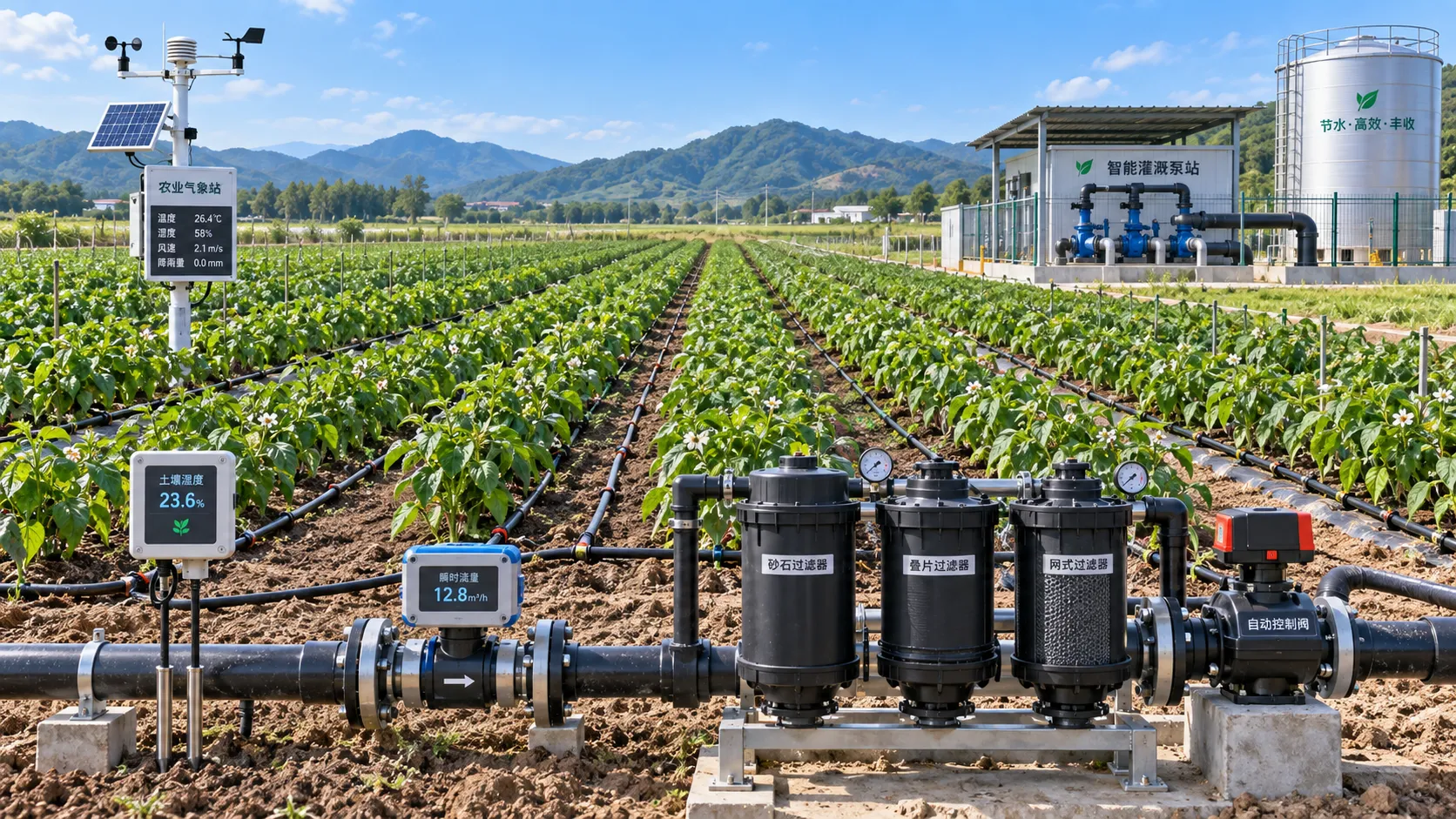
Automated Water-Saving Irrigation: How to Cut Water Use Without Reducing Crop Yields
Automated water-saving irrigation helps farms cut water use, protect crop yields, improve scheduling, and gain reliable control with sensors, flow monitoring, and smart zones.
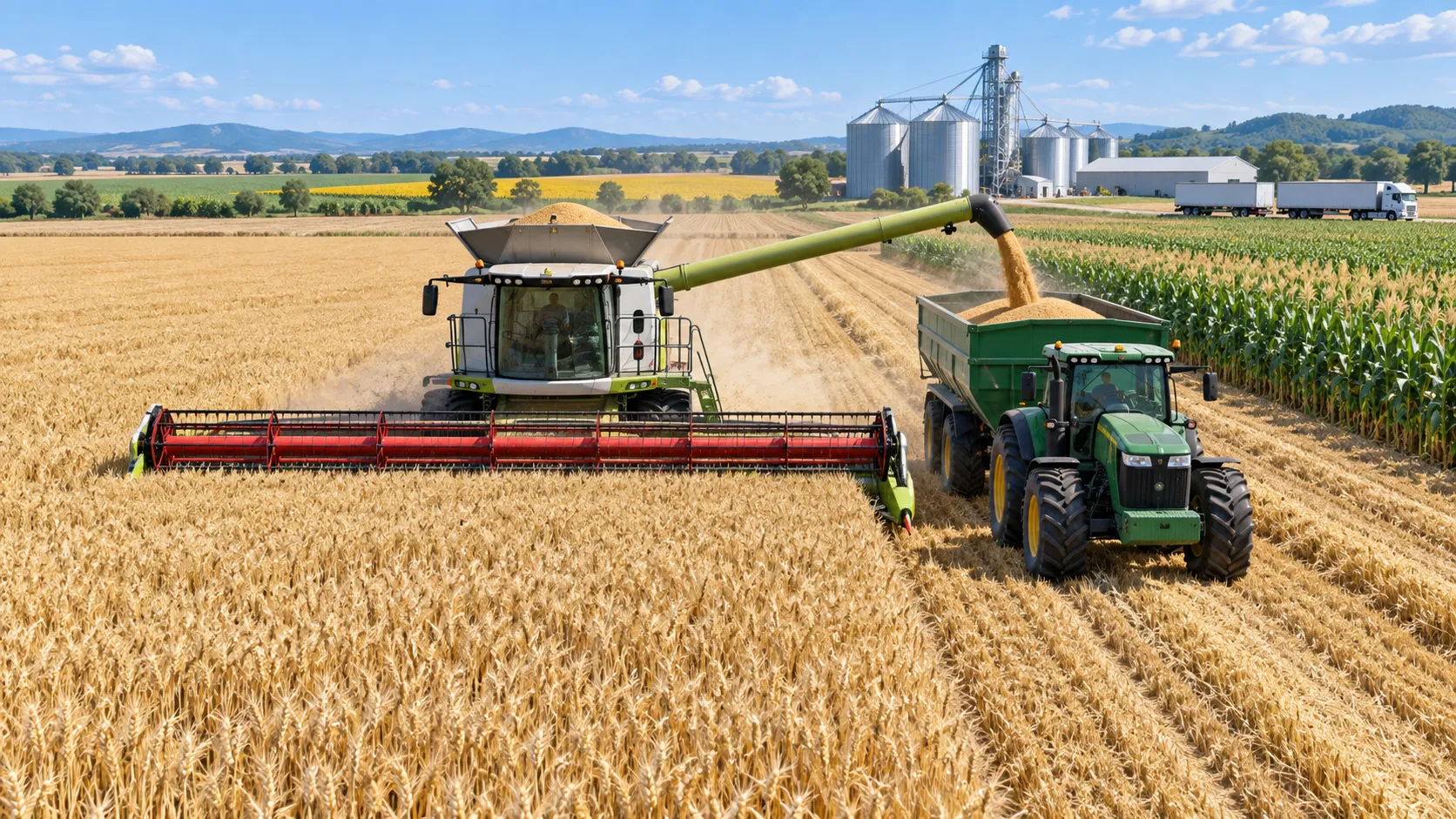
Selecting Grain Farm Equipment by Acreage, Crop Mix, and Harvest Window
Agricultural equipment selection for grain farming: match machinery to acreage, crop mix, and harvest windows to improve uptime, efficiency, and returns.
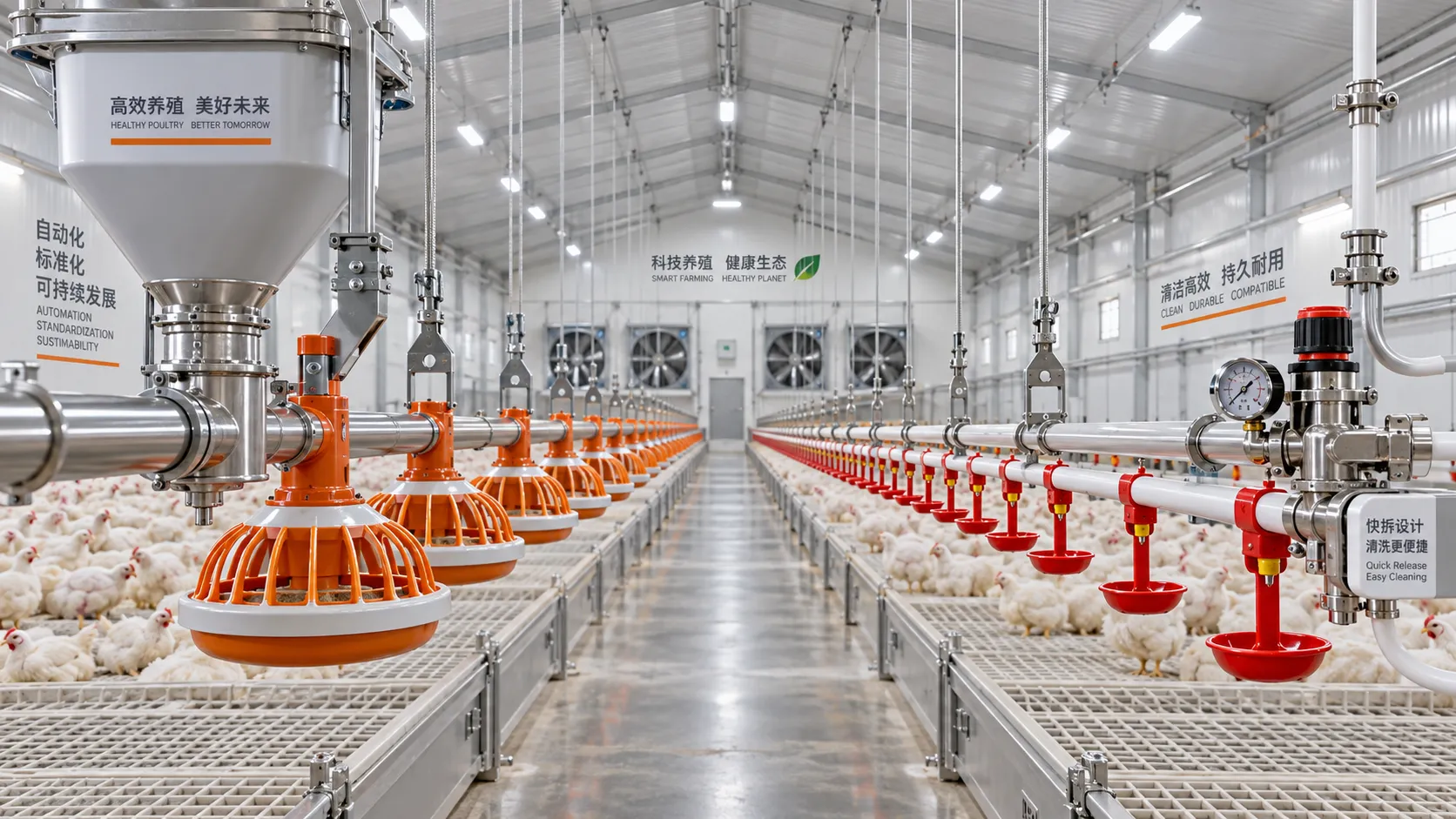
Poultry Equipment Selection: Evaluating Durability, Cleaning, and Compatibility
Poultry equipments selection guide: evaluate durability, cleaning access, and system compatibility to improve hygiene, reduce downtime, and support efficient flock management.
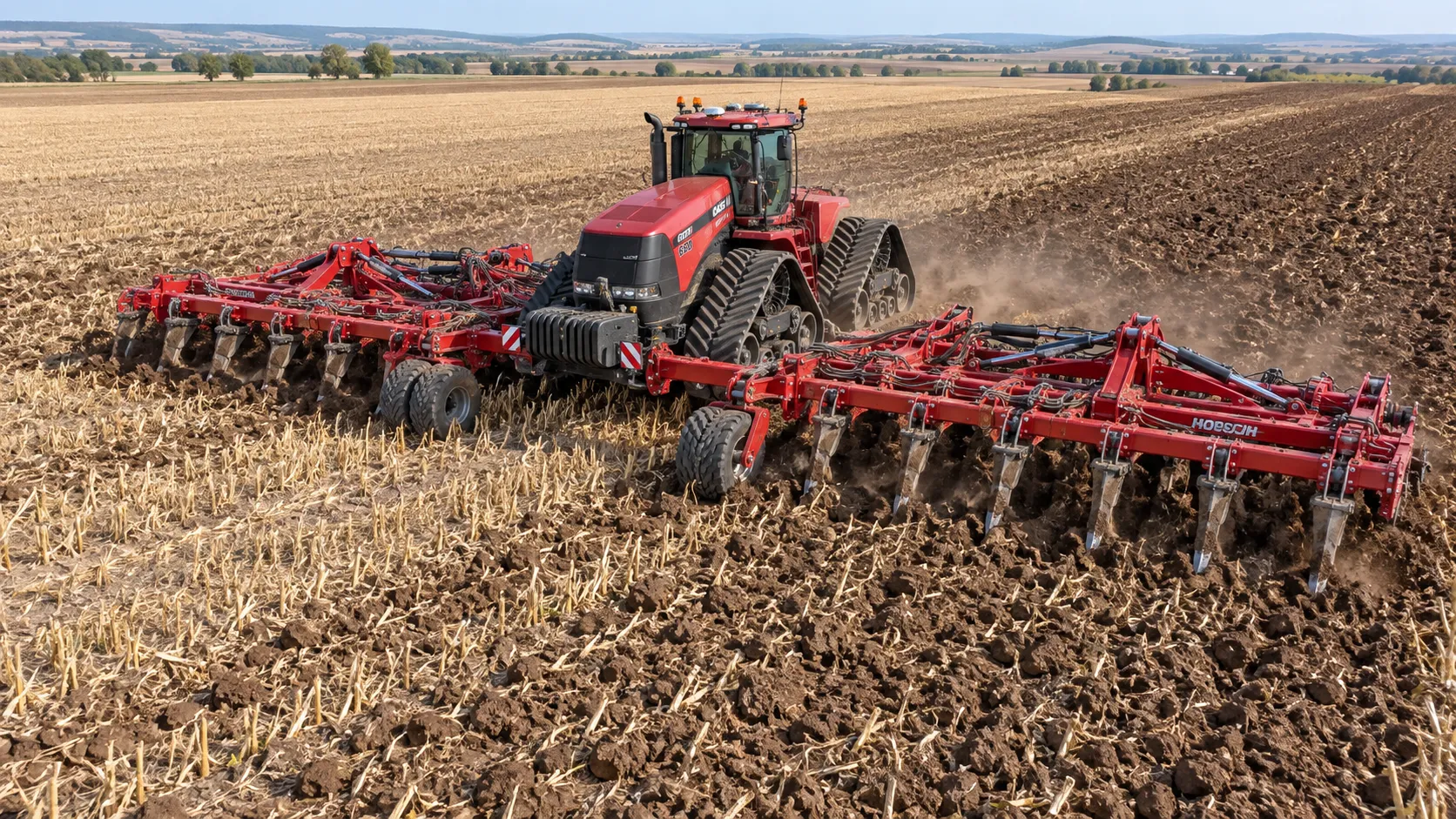
How to Select Heavy-Duty Farm Implements for High-Acreage, High-Horsepower Operations
Heavy duty farm implements: learn how to match draft, hydraulics, hitch capacity, frame strength, and field conditions for reliable high-acreage performance.
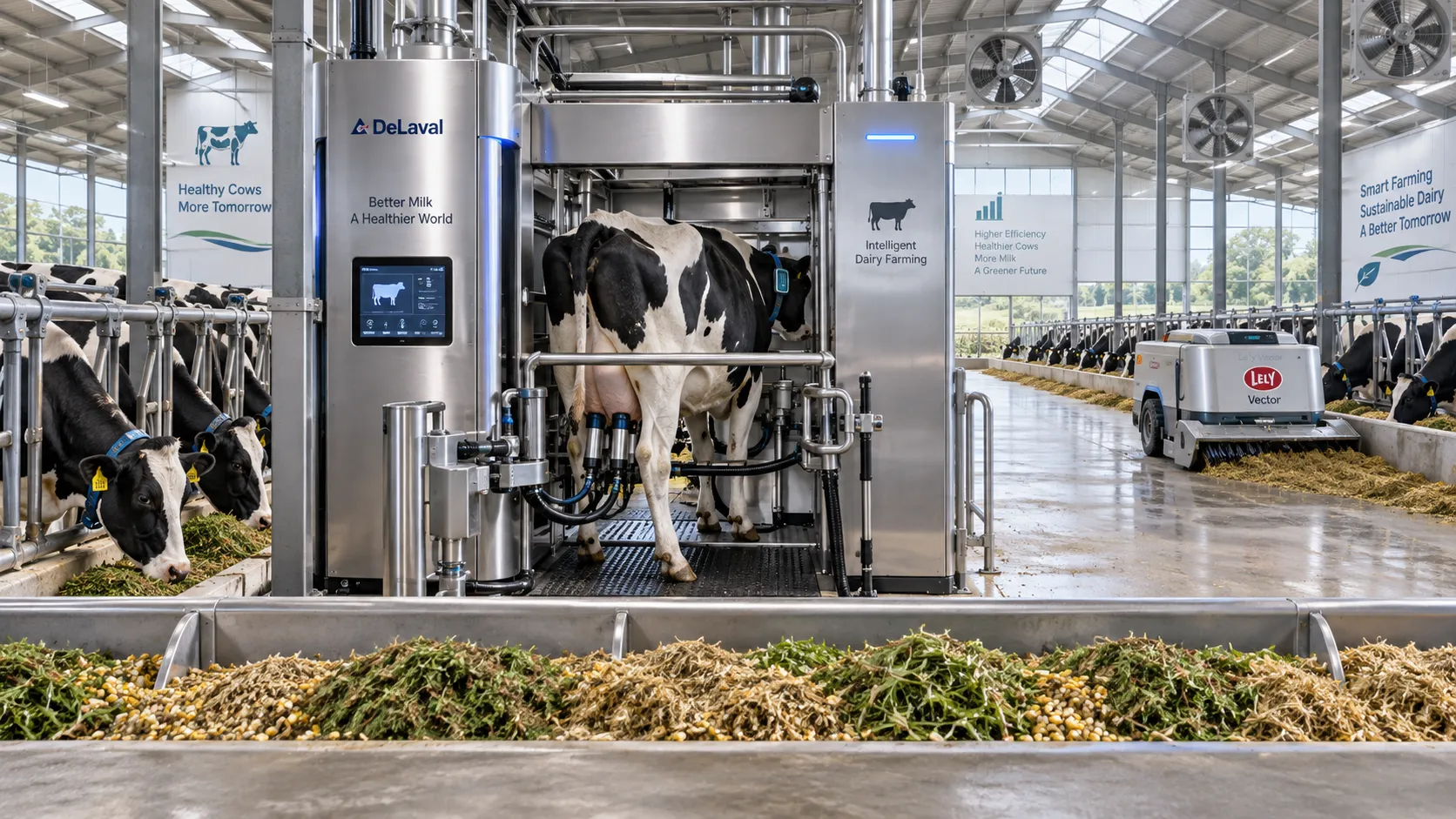
Smart Farming Technology for Dairy Farms: Where Automation Delivers Measurable ROI
Smart farming technology for dairy farms delivers measurable ROI through automation, precision feeding, health monitoring, and data-driven cost control.
Related News
- 00
0000-00
What separates robotic automation providers for equipment production? - 00
0000-00
Which field data collection provider fits an agricultural robotics program? - 00
0000-00
How Autonomous Machinery for Crop Scouting Helps Growers Detect Field Issues Earlier - 00
0000-00
How to Evaluate Autonomous Machinery for Vineyards by Terrain, Tasks, and ROI - 00
0000-00
Brazil ANVISA Rule Requires Portuguese Risk Labels for Farm Robots
Popular Tags
Tractor Power Architect
Weekly Insights
Stay ahead with our curated technology reports delivered every Monday.