
Crop Monitoring Technology for Drought Response: Sensors, Imaging, and Field Workflows
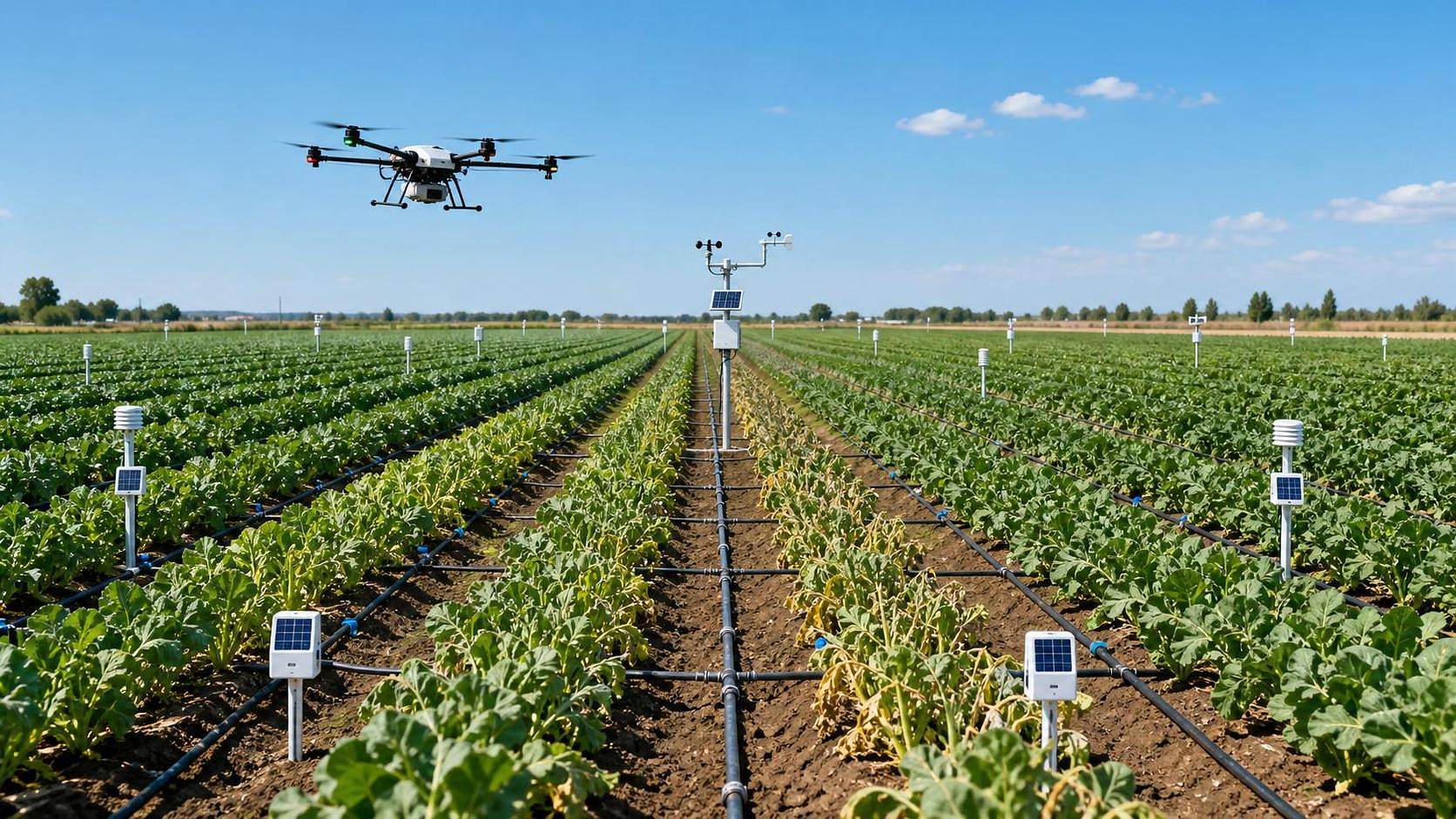




Crop monitoring technology has moved from a specialist tool to a practical drought response system. In many regions, tighter water limits, uneven rainfall, and higher input costs leave little room for delayed decisions.
That is why fields are now watched through sensors, imaging, and repeatable field workflows rather than occasional visual checks alone. The value is not only better visibility, but earlier action when crop stress is still manageable.
For operations working with large machinery, irrigation assets, and precision tools, the real question is how to turn monitoring signals into daily decisions. That is where drought-focused crop monitoring technology becomes operational instead of theoretical.
Why drought response now depends on better field visibility
Drought damage rarely appears all at once. Stress usually develops in layers, starting below the canopy or in specific soil zones before the whole field looks affected.
By the time leaves roll, color fades, or growth stalls across a broad area, yield potential may already be reduced. Under those conditions, reaction speed matters as much as irrigation capacity.
This is why crop monitoring technology matters across the broader agri-equipment landscape. It supports not only irrigation scheduling, but also machinery planning, route prioritization, scouting efficiency, and the timing of field interventions.
From the perspective of AP-Strategy’s Agriculture 4.0 focus, drought response is no longer separate from mechanization or intelligence systems. It sits at the intersection of sensor feedback, equipment performance, and water-saving field management.
What crop monitoring technology actually includes
In practice, crop monitoring technology is a connected set of tools that tracks field conditions, plant status, and operating priorities over time.
It usually combines three layers. The first layer measures conditions in the field. The second captures patterns from above. The third organizes actions on the ground.
In-field sensing
Soil moisture probes, temperature sensors, salinity sensors, weather stations, and flow meters give direct signals from the root zone and irrigation network.
These tools help identify whether stress comes from low soil water, uneven infiltration, excessive heat load, blocked emitters, or timing gaps in irrigation cycles.
Imaging from satellites, drones, and machinery
Imaging adds scale. Satellite platforms reveal broad patterns, drones offer high-resolution detail, and machine-mounted cameras support closer operational checks during field passes.
Vegetation indices, canopy temperature maps, and multispectral imagery often highlight drought stress before it becomes obvious from the cab or on foot.
Field workflows and decision rules
Data alone does not solve drought pressure. The useful part is the workflow that tells crews what to verify, where to go first, and what action threshold triggers a response.
Without that structure, even advanced crop monitoring technology can produce attractive maps that never change field outcomes.
Where the strongest value appears in daily operations
The most immediate gain is earlier stress detection. Instead of discovering drought impact during a broad scouting round, teams can isolate weak zones days sooner.
That time advantage affects several operational decisions at once. Irrigation sets can be adjusted faster, repair crews can focus on malfunctioning sections, and scouting routes become more targeted.
It also improves water allocation. When supply is limited, the challenge is not simply applying less water. The challenge is protecting the most responsive acres at the right growth stage.
This makes crop monitoring technology particularly relevant for farms balancing center pivots, drip lines, pumping costs, and large equipment schedules across dispersed fields.
Sensors and imaging work best when they answer different questions
A common mistake is expecting one tool to explain the whole field. In reality, each data source answers a different operational question.
Sensors are strongest when timing matters. They tell whether the root zone is drying faster than expected, whether a refill event actually reached target depth, and whether conditions are changing overnight.
Imaging is strongest when location matters. It reveals where drought stress clusters, whether patterns follow soil type, and whether irrigation uniformity breaks down across topography.
Field checks remain essential because stress signals are not always caused by drought alone. Compaction, disease pressure, blocked emitters, salinity buildup, and nozzle variation can create similar visual patterns.
The best crop monitoring technology strategy therefore combines remote visibility with ground confirmation. That approach reduces both missed stress and false alarms.
A practical field workflow for drought periods
Operational discipline matters more during drought than during average seasons. A repeatable workflow keeps teams from chasing scattered data.
- Review weather, evapotranspiration, and irrigation logs at the start of the day.
- Flag abnormal soil moisture trends and compare them with recent irrigation events.
- Use satellite or drone layers to rank fields by stress intensity and growth-stage sensitivity.
- Send scouts to high-priority zones with clear validation tasks, not open-ended observation.
- Tie findings to action codes such as irrigate, inspect hardware, reschedule pass, or continue monitoring.
- Update the same map layers after intervention to confirm whether stress stabilizes.
This workflow matters on large farms because scattered stress can quickly overwhelm manual scouting. It also aligns well with AP-Strategy’s emphasis on linking equipment performance with precision decision systems.
What to evaluate before adopting or expanding a monitoring setup
Not every operation needs the same level of technology. The right setup depends on crop value, irrigation method, field size, labor availability, and response speed.
Signal quality over device count
More sensors do not automatically improve decisions. Placement, calibration, and data consistency matter more than simply increasing hardware volume.
Integration with irrigation and machinery planning
Crop monitoring technology creates more value when it connects with irrigation control, machine routing, and maintenance scheduling rather than sitting in a separate dashboard.
Speed from alert to action
A useful system shortens the path between detection and field response. If alerts arrive late or require heavy manual interpretation, drought losses continue even with good data.
Seasonal learning value
The strongest platforms help compare years, irrigation strategies, and field zones. That historical layer supports better planning for future water constraints, not just current emergencies.
How to move from monitoring to better drought decisions
The next step is usually not buying every available tool. It is identifying where current drought decisions break down.
Sometimes the gap is poor root-zone visibility. Sometimes it is weak spatial coverage. In other cases, the issue is that field observations never feed back into irrigation planning.
A sound starting point is to map existing data sources, define action thresholds, and compare which fields need sensor depth, imaging frequency, or tighter workflow discipline.
For operations following the AP-Strategy view of smart cultivation, crop monitoring technology should be judged by one standard: whether it improves water decisions in time to protect crop performance.
That makes the next review straightforward. Check which stress signals are already visible, which ones are still missed, and where a more connected monitoring process can produce faster field action.
Related News
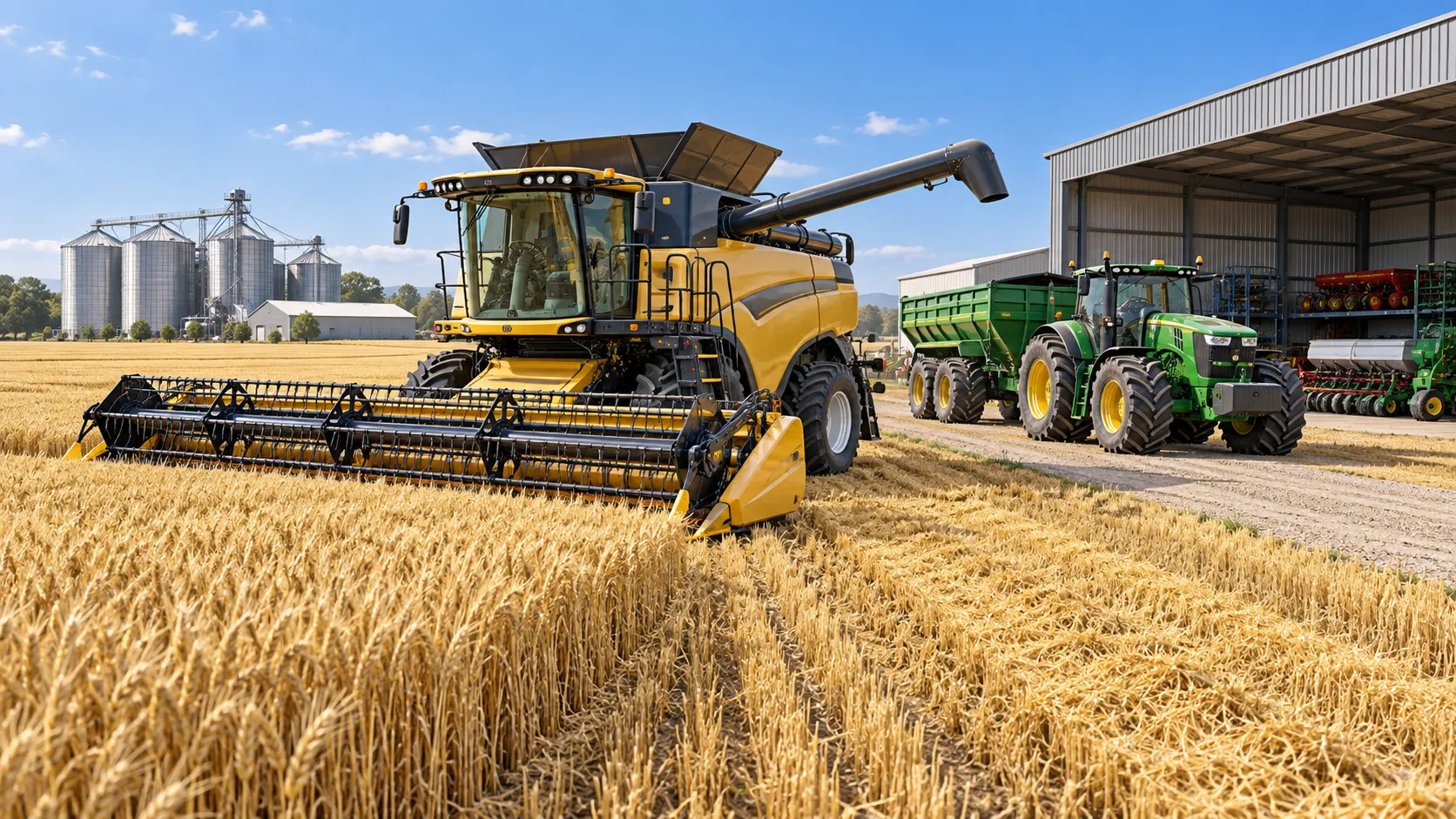
When Does Agricultural Machinery Leasing Cost Less Than Owning Equipment?
Agricultural machinery leasing can lower farm costs when use is seasonal or uncertain. Compare utilization, maintenance, cash flow, and risk to make a smarter equipment decision.
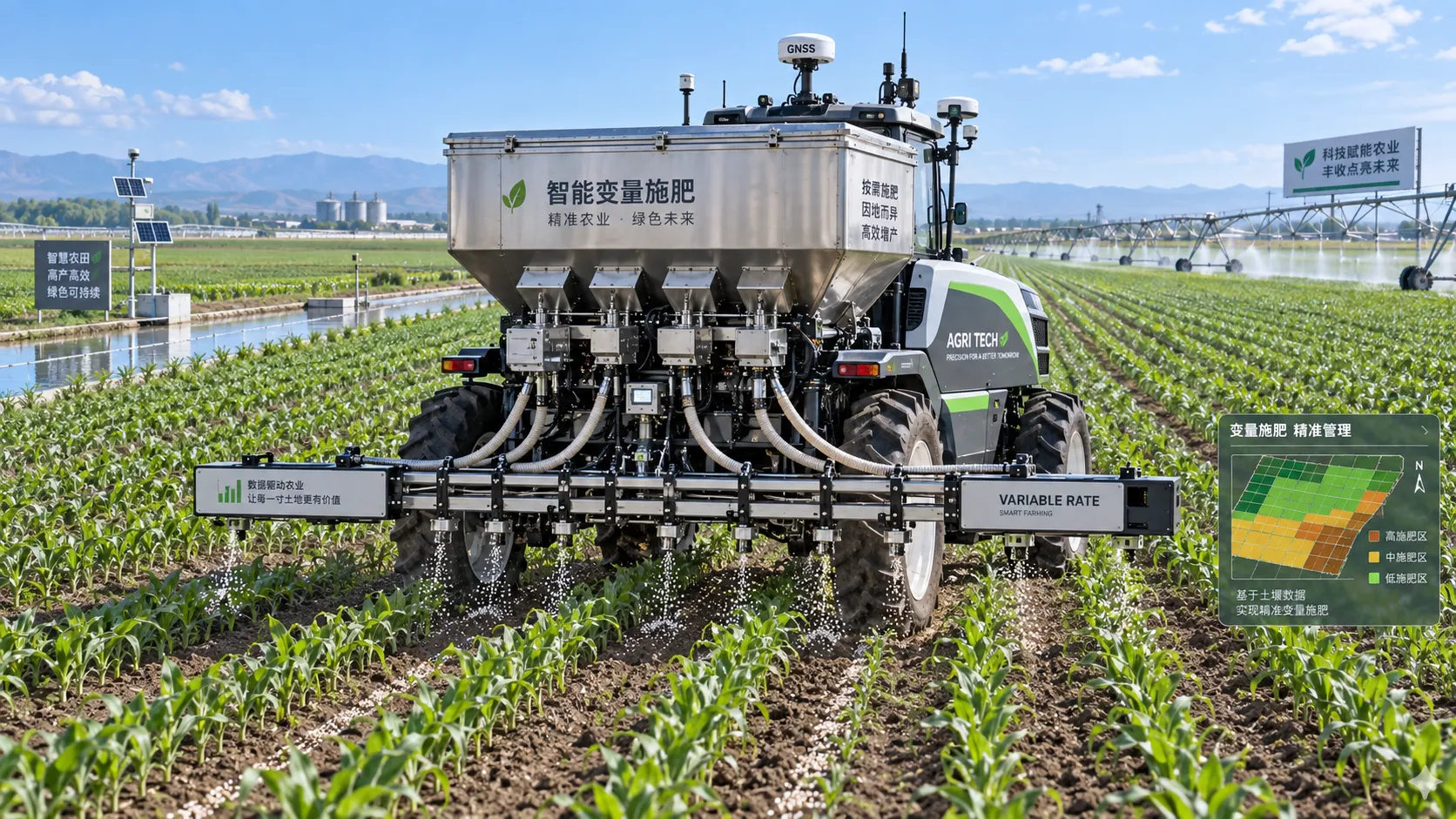
How to Evaluate Precision Fertilization System Suppliers for Farm-Scale Deployment
Precision fertilization systems suppliers: learn how to compare accuracy, integration, uptime, service, and total cost for confident farm-scale deployment.
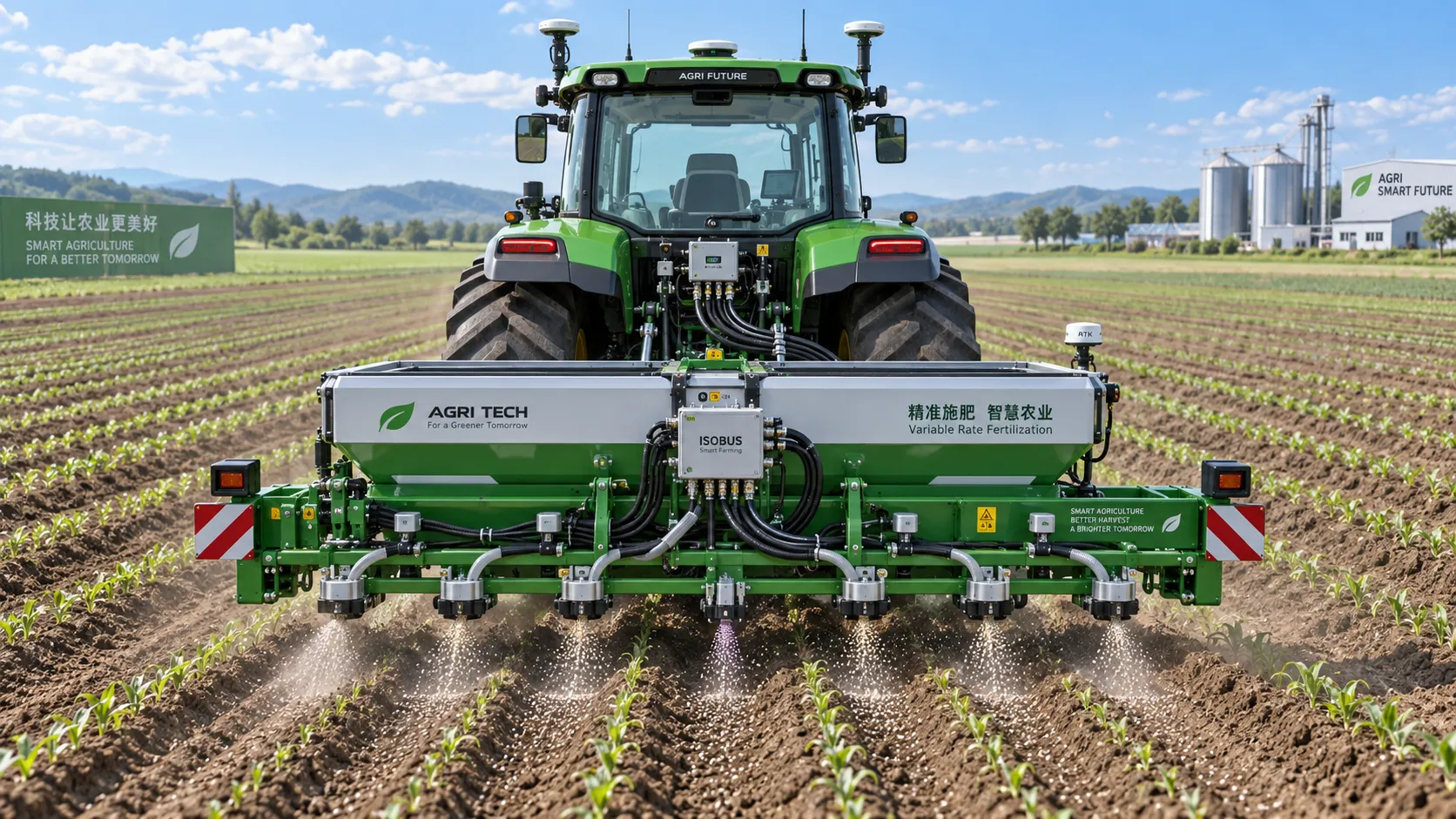
ISOBUS for Smart Agriculture: How It Connects Tractors, Implements, and Farm Data
ISOBUS for smart agriculture connects tractors, implements, terminals, and farm data—helping growers improve precision, documentation, and smarter field decisions.
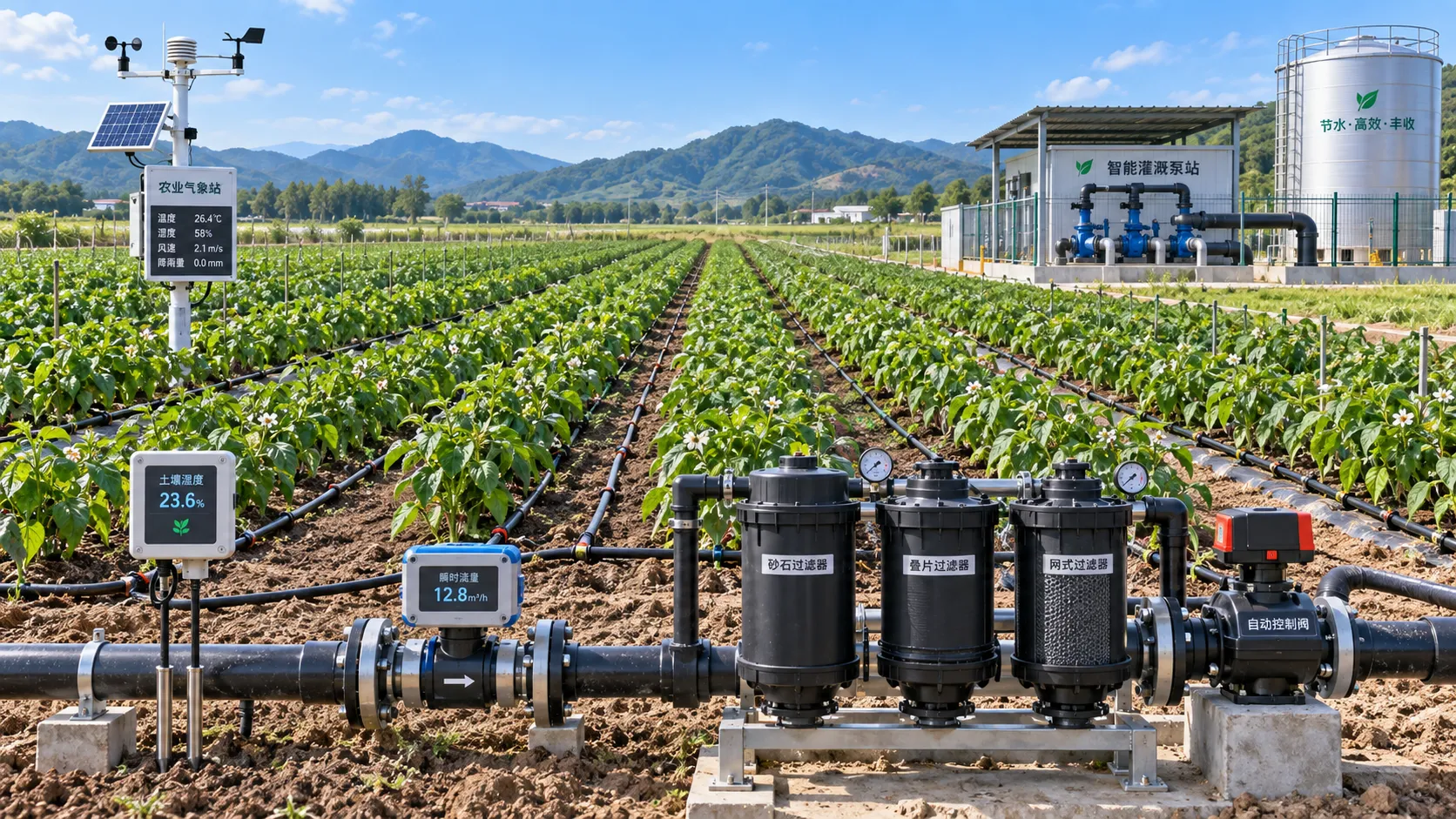
Automated Water-Saving Irrigation: How to Cut Water Use Without Reducing Crop Yields
Automated water-saving irrigation helps farms cut water use, protect crop yields, improve scheduling, and gain reliable control with sensors, flow monitoring, and smart zones.
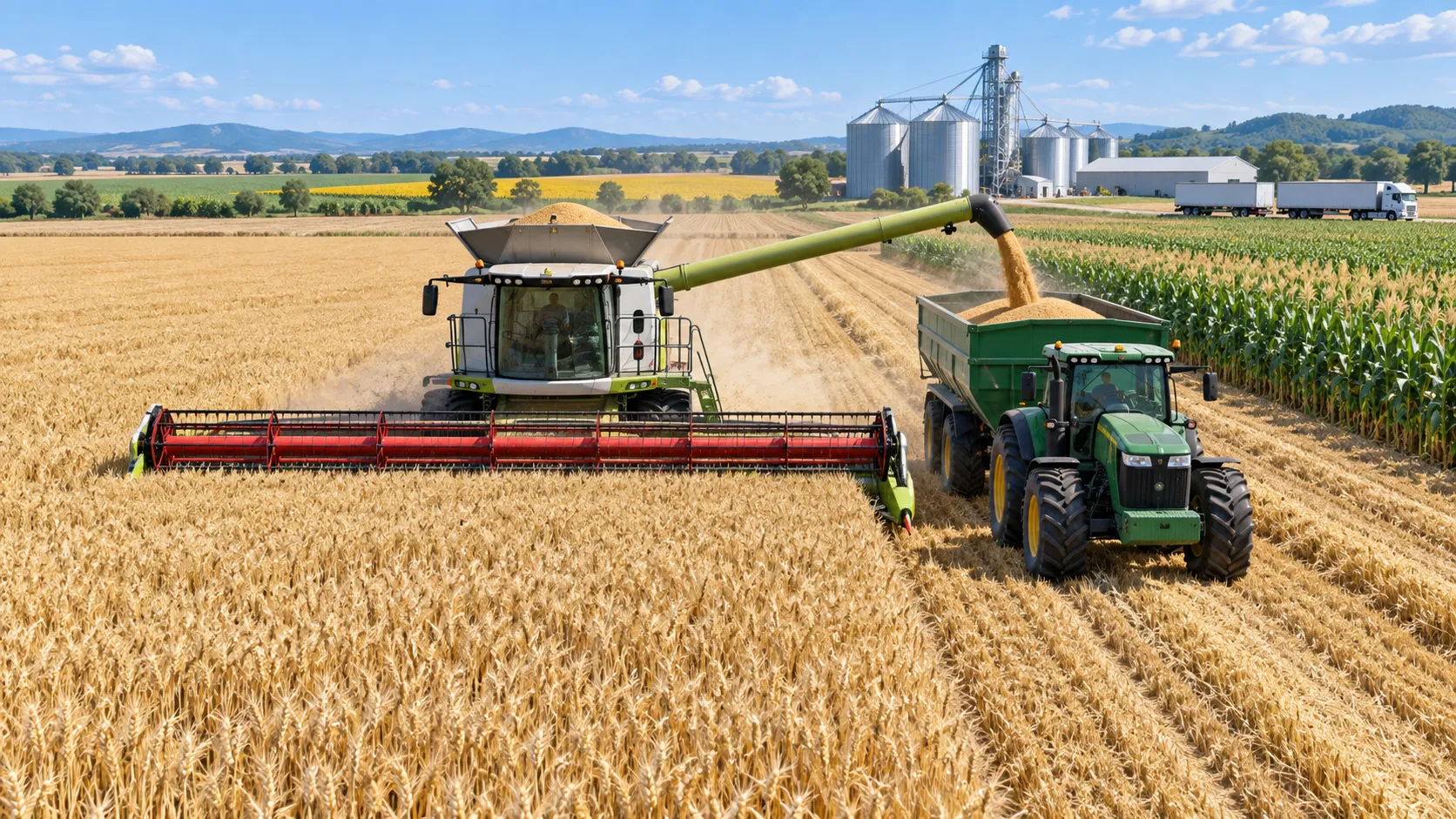
Selecting Grain Farm Equipment by Acreage, Crop Mix, and Harvest Window
Agricultural equipment selection for grain farming: match machinery to acreage, crop mix, and harvest windows to improve uptime, efficiency, and returns.
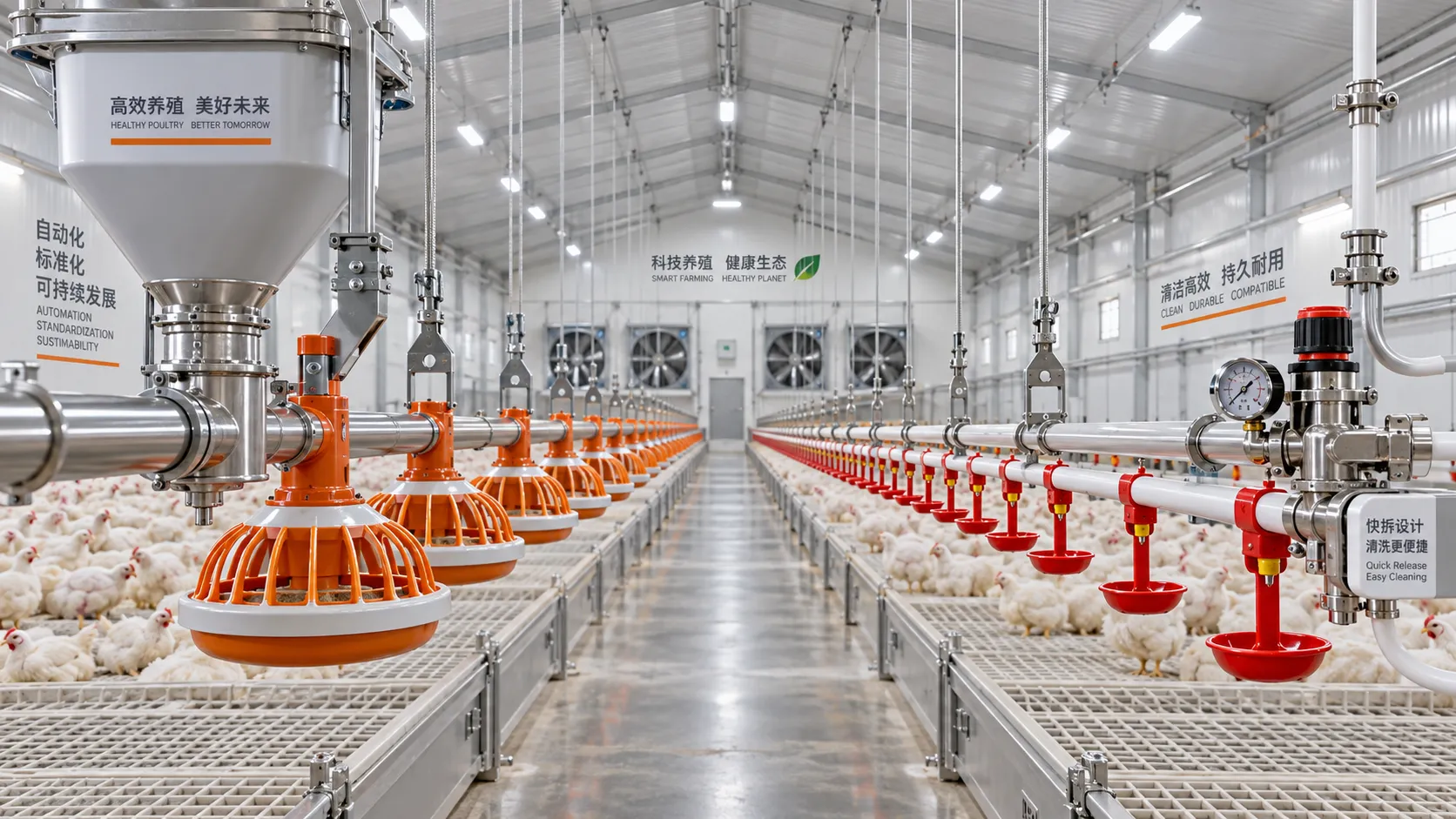
Poultry Equipment Selection: Evaluating Durability, Cleaning, and Compatibility
Poultry equipments selection guide: evaluate durability, cleaning access, and system compatibility to improve hygiene, reduce downtime, and support efficient flock management.
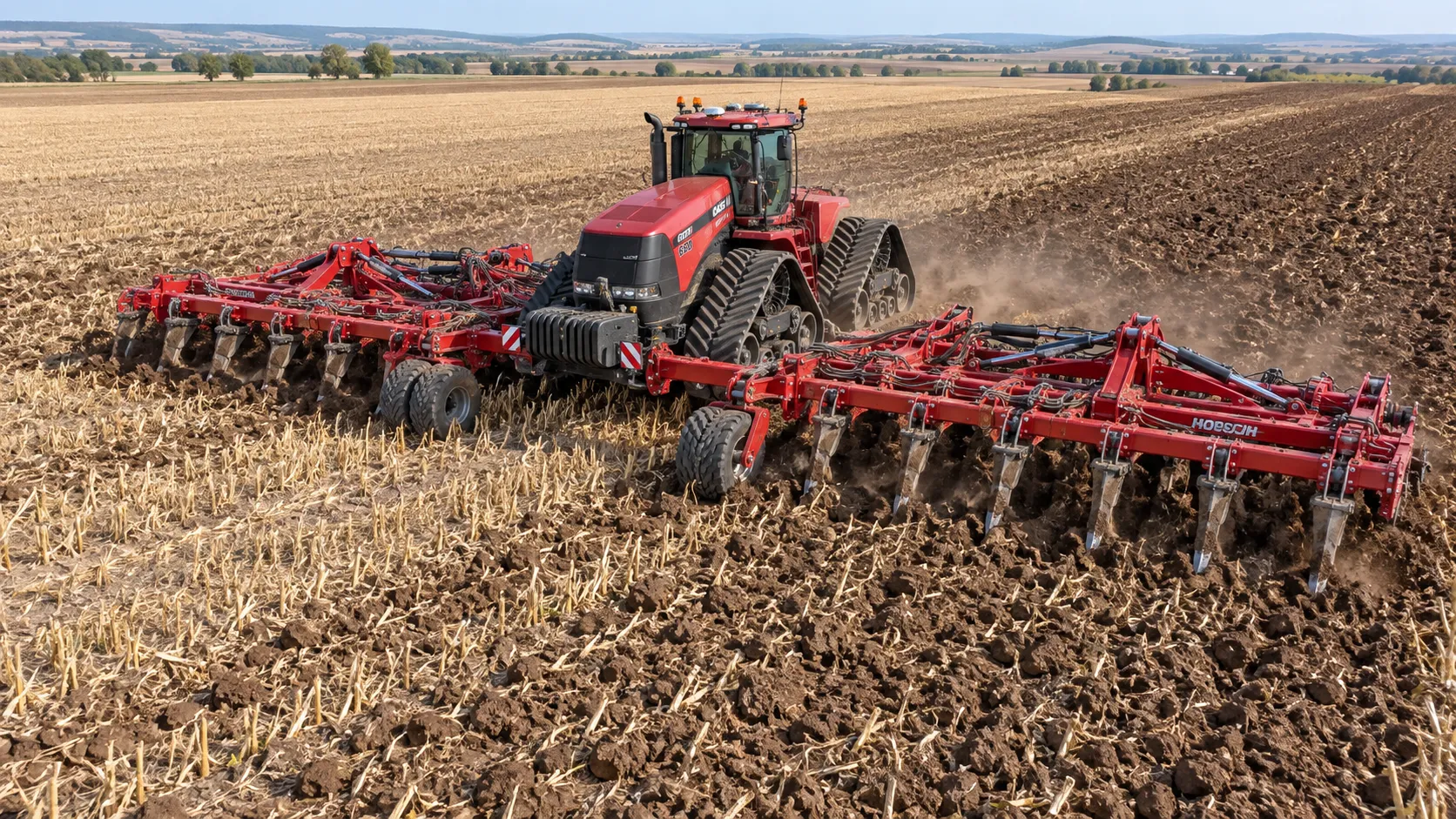
How to Select Heavy-Duty Farm Implements for High-Acreage, High-Horsepower Operations
Heavy duty farm implements: learn how to match draft, hydraulics, hitch capacity, frame strength, and field conditions for reliable high-acreage performance.
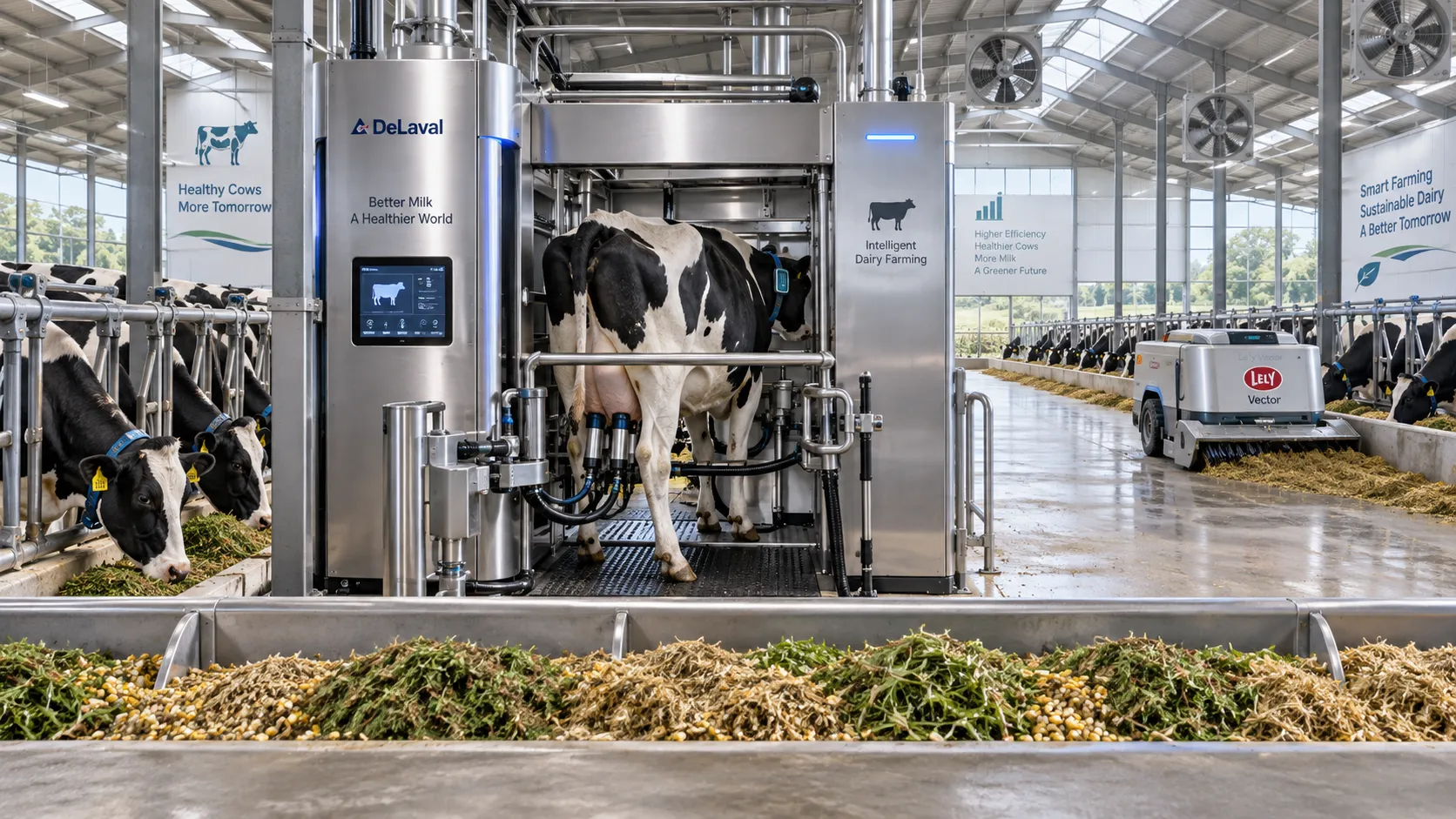
Smart Farming Technology for Dairy Farms: Where Automation Delivers Measurable ROI
Smart farming technology for dairy farms delivers measurable ROI through automation, precision feeding, health monitoring, and data-driven cost control.
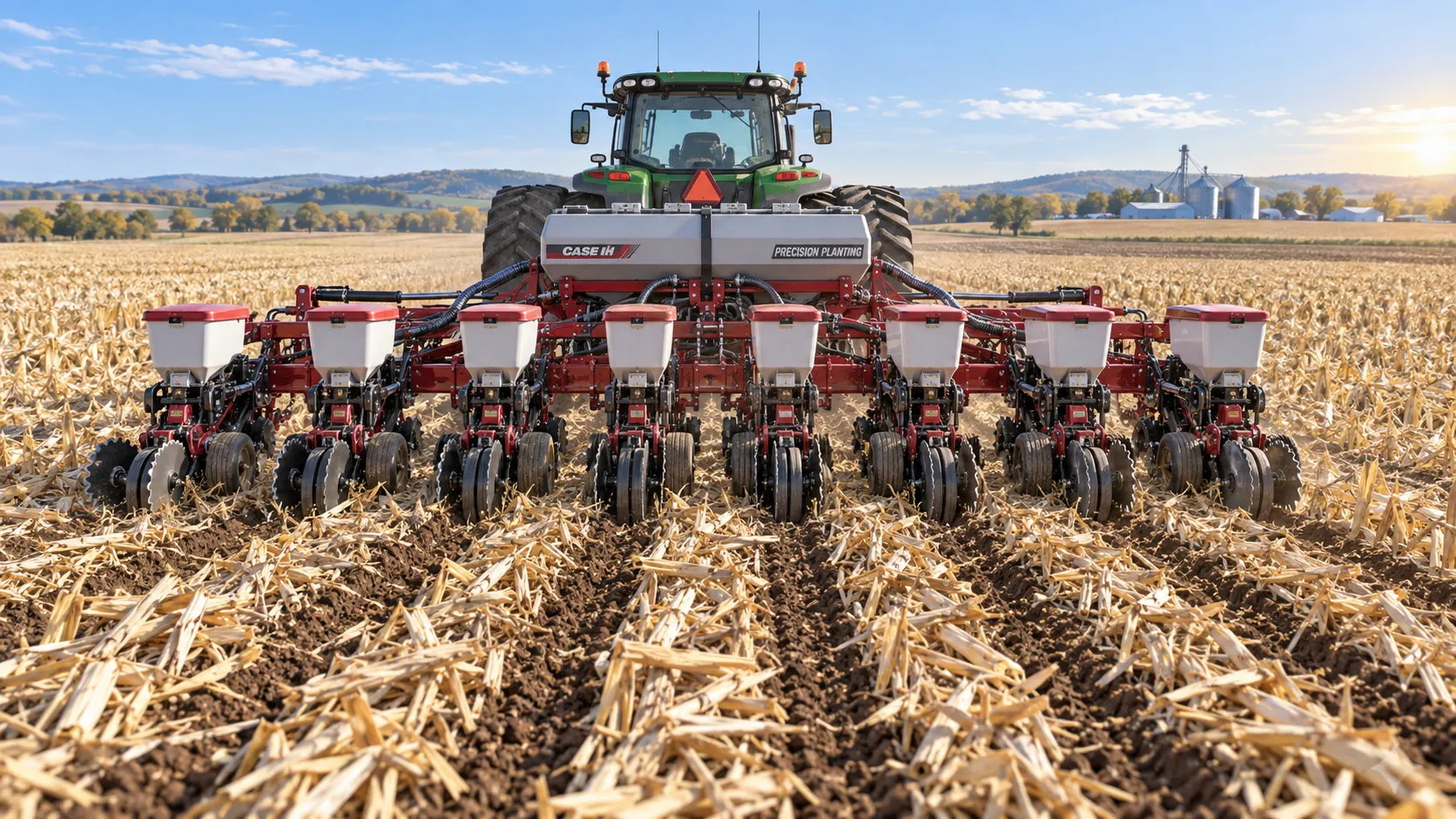
How to Select a Heavy-Duty Seeder for Large Acreage and High-Residue Fields
Heavy duty seeders for large acreage: compare residue handling, depth control, downforce, metering accuracy, and precision features to select the right model.
Related News
- 00
0000-00
Selecting Real-Time Soil Moisture Sensors for Irrigation Zone Control - 00
0000-00
How Does Climate-Smart Farming Reduce Water Use in Semi-Arid Areas? - 00
0000-00
USDA Rule Takes Effect: Dual FCC and NRCS Approval for Soil Moisture Sensors - 00
0000-00
EU Rule Takes Effect: Soil Moisture Sensors Need Revised CE-EMC Certification - 00
0000-00
How to Choose Wireless Smart Irrigation Systems for Better Water Control
Popular Tags
Hydrological Resource Strategist
Weekly Insights
Stay ahead with our curated technology reports delivered every Monday.