
Canton Fair Phase III Closes: Smart Irrigation, Autonomous Farming Gear in Demand
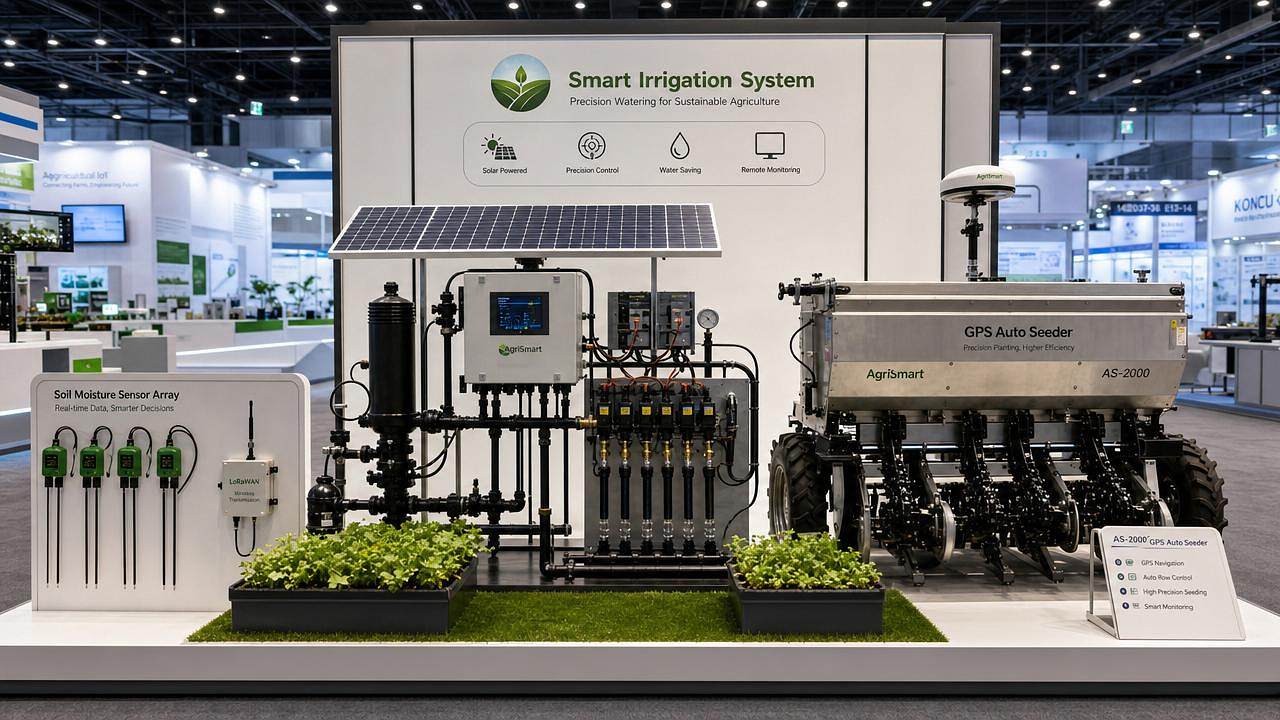




The 139th Canton Fair Phase III concluded on May 5, 2026, highlighting intensified global demand for water-efficient agriculture and precision farming technologies. The event served as a key barometer for export-oriented agri-tech sectors, reflecting shifting procurement priorities amid tightening water resources and rising labor costs worldwide.
Event Overview
From May 1–5, 2026, the third phase of the 139th Canton Fair recorded a 37% year-on-year increase in buyer visits to the smart irrigation systems, autonomous seeding and planting platforms (Seeders & Planters), and soil moisture sensors (Soil Moisture Sensors) exhibition zones. Buyers from Belt and Road Initiative (Belt and Road) countries accounted for over 45% of total visitors in these categories. The Fair’s AI-powered matchmaking system facilitated a 22% rise in preliminary orders for irrigation equipment, underscoring accelerated adoption signals across emerging markets.
Industries Affected
Direct Export Trading Enterprises: These firms face heightened demand visibility but also tighter margin pressure. Increased buyer traffic and order intent translate into expanded market access—especially in Belt and Road countries—but require faster response cycles, multilingual technical support, and compliance readiness for diverse regional standards (e.g., EU CE marking, ASEAN agricultural equipment safety guidelines).
Raw Material Procurement Enterprises: Suppliers of high-precision sensors, lithium-based power modules, and corrosion-resistant alloys are seeing upstream demand shifts. The surge in soil moisture sensor and autonomous platform orders implies greater need for stable supply chains for MEMS sensors, GNSS antennas, and low-power wireless communication chips—components with longer lead times and geopolitical sourcing sensitivities.
Manufacturing Enterprises (OEM/ODM): Factories producing smart irrigation controllers, hydraulic valve assemblies, or GPS-guided planter frames must adapt production planning and quality control protocols. Notably, buyers increasingly request modular designs, open API integration, and localized firmware—raising R&D and certification costs, especially for dual-voltage (110V/220V) and multi-language UI configurations.
Supply Chain Service Providers: Logistics and customs advisory firms report rising inquiries for cross-border shipment solutions tailored to agri-tech hardware—including temperature-sensitive sensor calibration documentation, battery transport compliance (UN3480/3481), and post-arrival technical commissioning support. Delayed inland clearance at key ports (e.g., Lagos, Ho Chi Minh City) is now cited more frequently in buyer briefings, signaling growing reliance on integrated logistics partners.
Key Focus Areas and Recommended Actions
Align product certifications with target Belt and Road markets
Over 45% of procurement interest originates from Belt and Road countries—many of which enforce national-level agricultural equipment standards (e.g., India’s BIS IS 17204 for smart controllers). Exporters should prioritize pre-emptive conformity assessments rather than reactive testing after order placement.
Leverage AI matchmaking data for demand forecasting
The 22% growth in irrigation-related preliminary orders—driven by the Fair’s AI pairing system—suggests real-time behavioral data can refine inventory planning and sales pipeline management. Firms should integrate such platform analytics with internal CRM systems to identify recurring specification requests (e.g., solar-powered autonomy, drip-line compatibility).
Strengthen after-sales service infrastructure in priority regions
Buyer interviews conducted onsite indicate that installation guidance, remote diagnostics capability, and local language manuals significantly influence final purchase decisions—not just price or specs. Companies lacking field service networks in Southeast Asia, East Africa, or Central Asia may lose competitive edge despite superior hardware.
Editorial Perspective / Industry Observation
Observably, the Canton Fair data does not merely reflect cyclical trade recovery—it signals structural recalibration in global agricultural input sourcing. Analysis shows that irrigation and autonomous planting technologies are transitioning from ‘niche add-ons’ to core infrastructure components in medium-scale farms across arid and semi-arid regions. This shift is less about cost arbitrage and more about operational resilience: buyers are prioritizing systems that reduce dependency on seasonal labor and variable rainfall. From an industry standpoint, the 37% visitor growth in these zones is better understood as validation of long-term technology adoption curves—not short-term policy-driven spikes.
Conclusion
The Phase III results reinforce that agri-tech export competitiveness now hinges on integrated capabilities—not just manufacturing scale. Success increasingly depends on interoperability design, regulatory agility, and localized service delivery. For the broader sector, this signals a maturing phase where technology differentiation must be matched by ecosystem responsiveness.
Source Attribution
Data sourced from official press releases and statistical bulletins issued by the China Foreign Trade Centre (CFTC), May 2026. Key metrics verified via the Canton Fair Digital Platform Dashboard (publicly accessible aggregate view, updated daily during the event). Note: Final order conversion rates, regional breakdowns beyond Belt and Road share, and post-Fair fulfillment timelines remain under observation and will be updated in Q3 2026 industry reports.
Related News
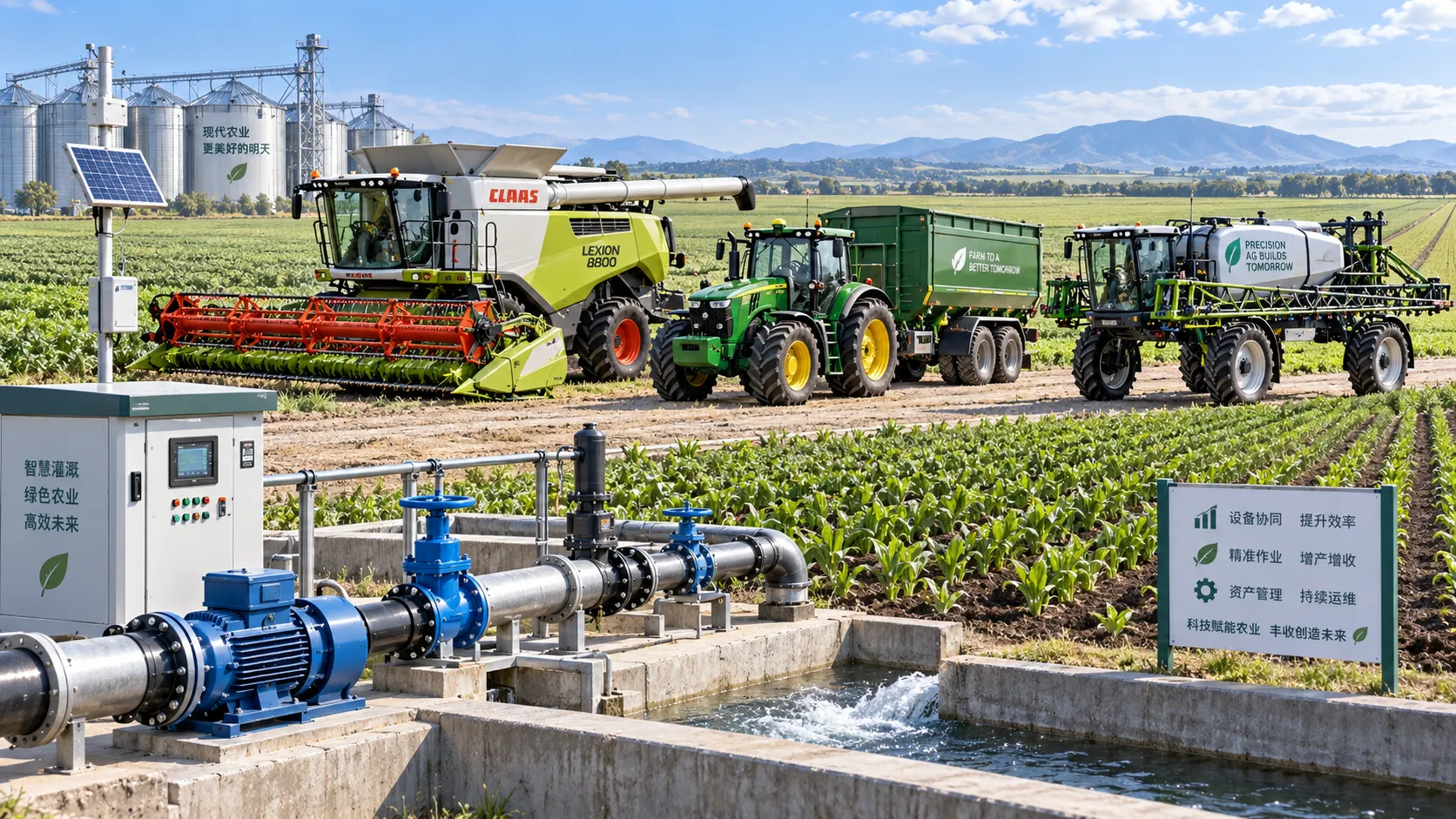
How to Compare Agricultural Equipment Platforms for Fleet Management and ROI
Agricultural equipment platform comparison: evaluate fleet data, maintenance, precision workflows, and ROI to choose a system that delivers measurable results.
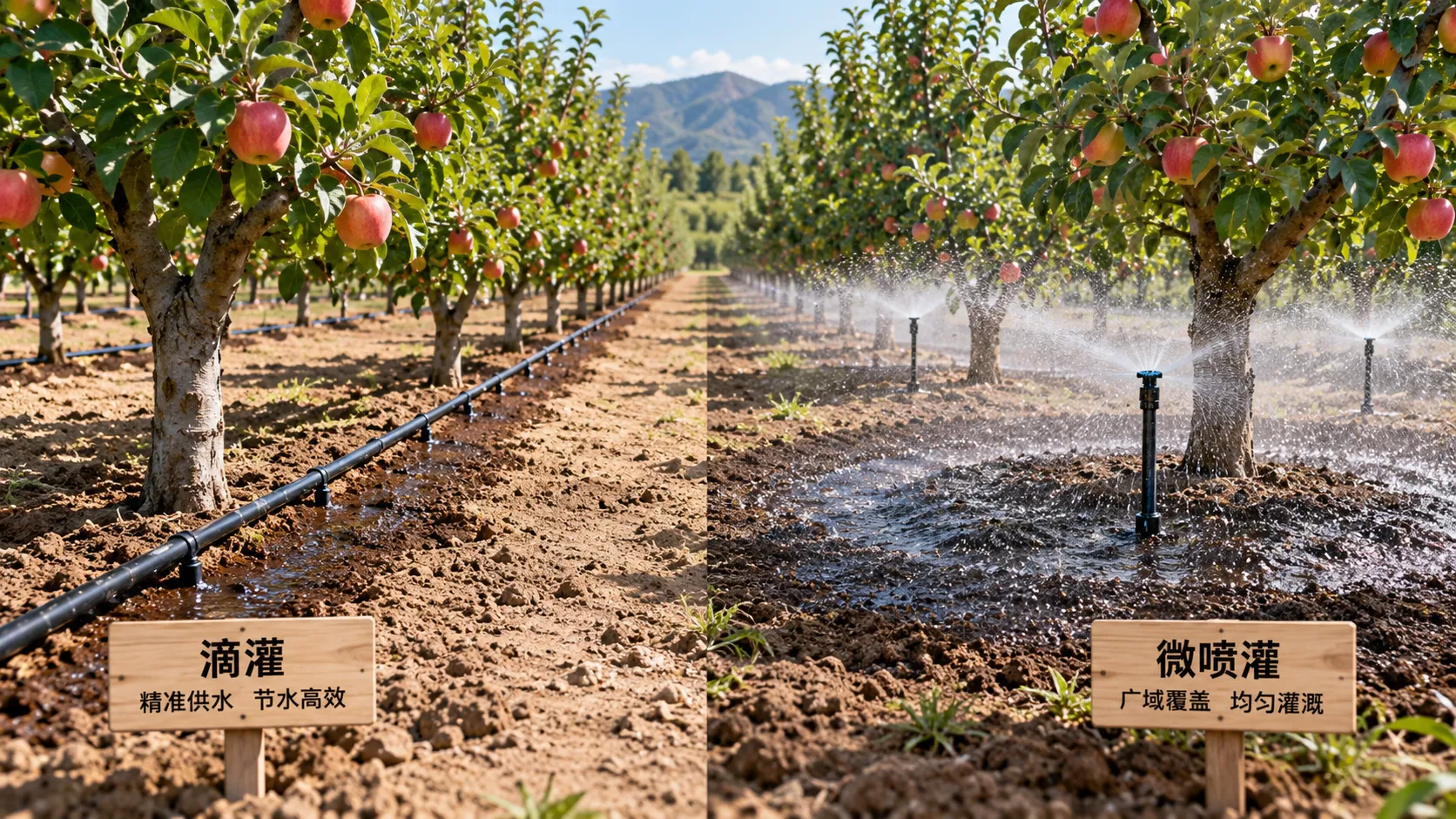
Drip vs. Micro-Sprinkler Irrigation: Which System Fits Your Orchard?
Irrigation solution comparison for orchards: discover whether drip or micro-sprinklers best match your water, soil, roots, fertigation, and frost needs.
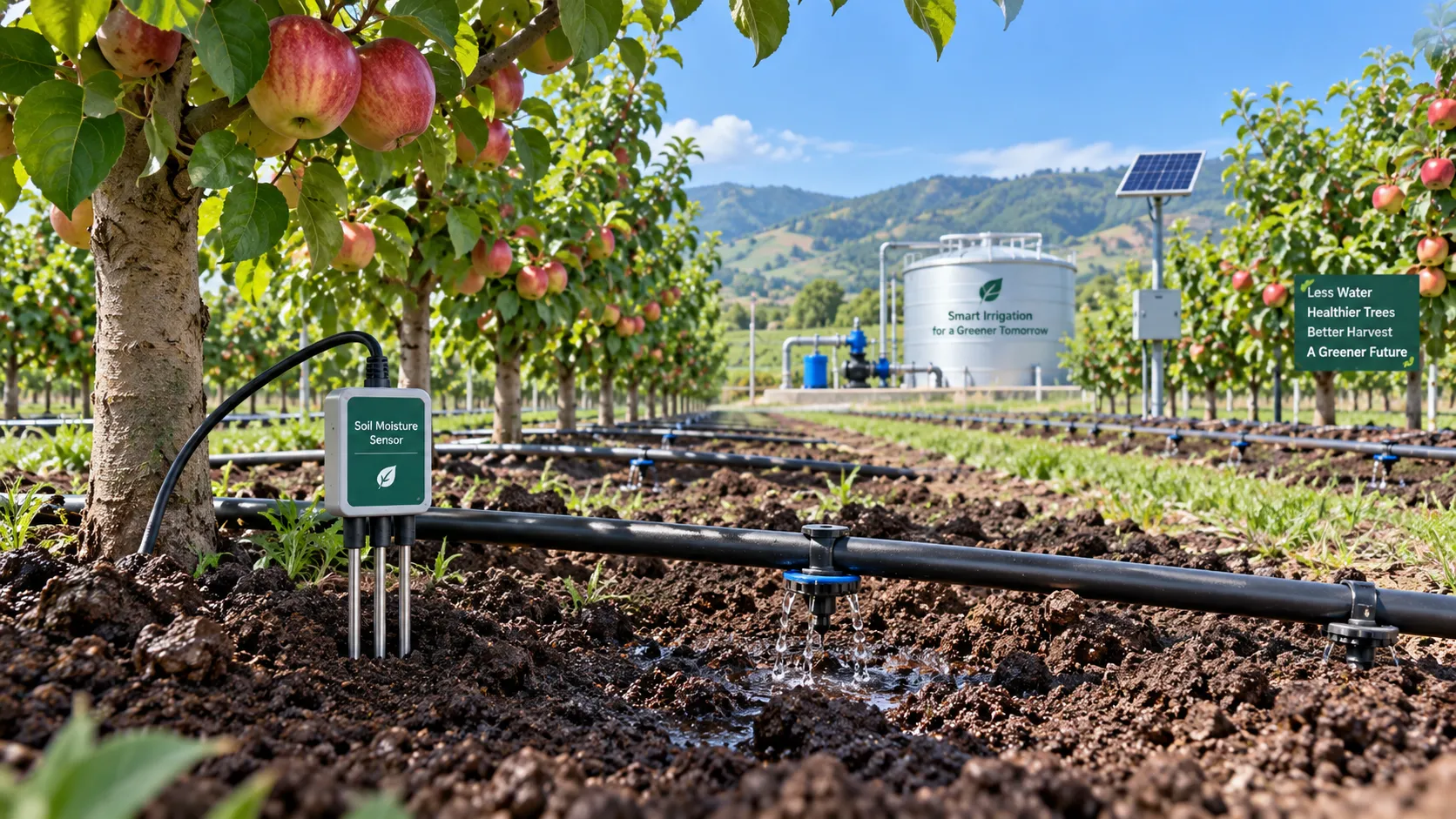
Orchard Water Management: Using Soil Moisture Data to Schedule Irrigation
Agricultural water management for orchards made practical: use soil moisture data to optimize irrigation timing, protect yield, reduce costs, and improve resilience.
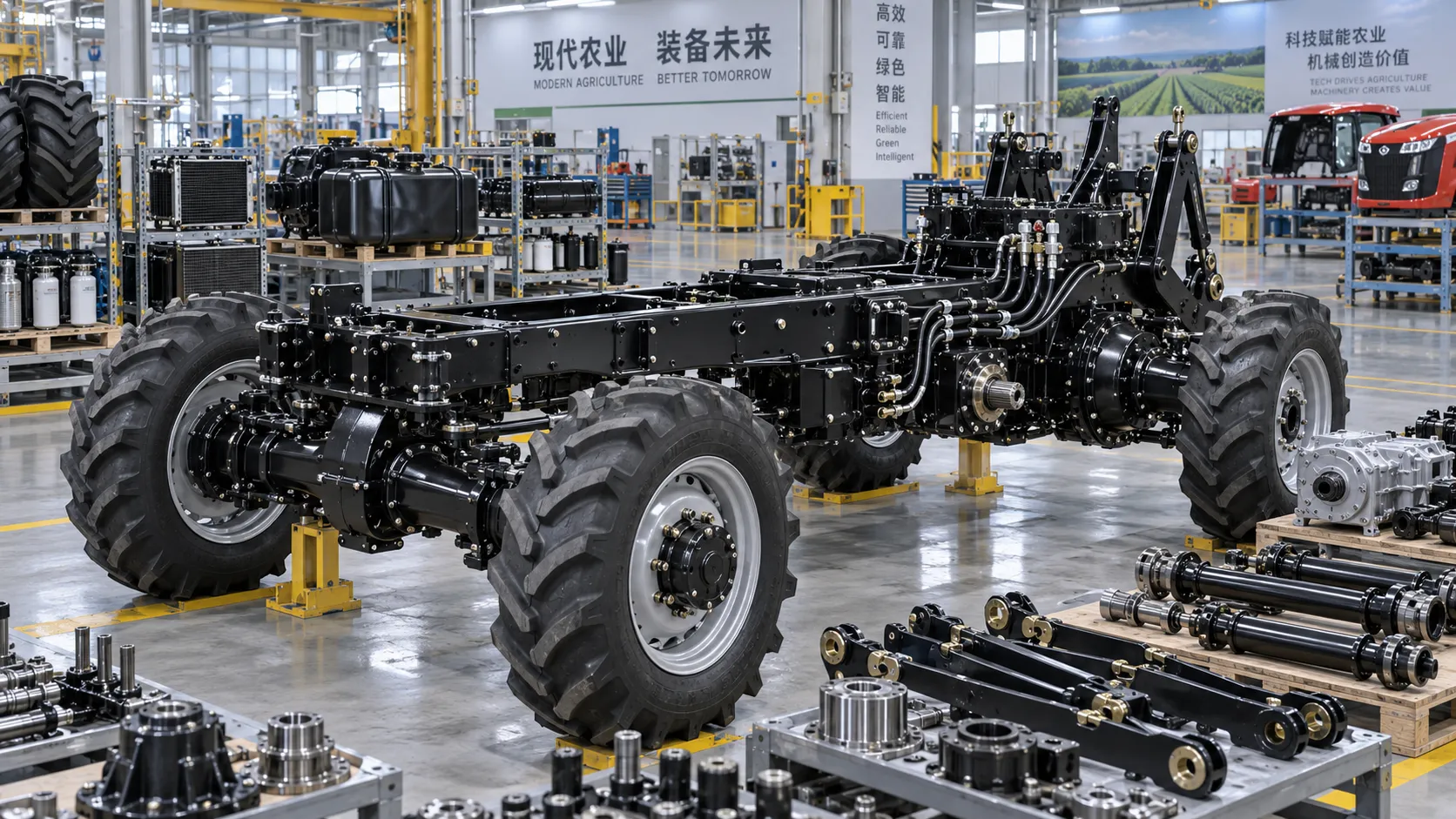
Tractor Chassis Price: What Buyers Should Compare Beyond the Initial Quote
Tractor chassis price is only the start. Compare load capacity, compatibility, durability, and lifecycle costs to choose a reliable, high-value chassis.
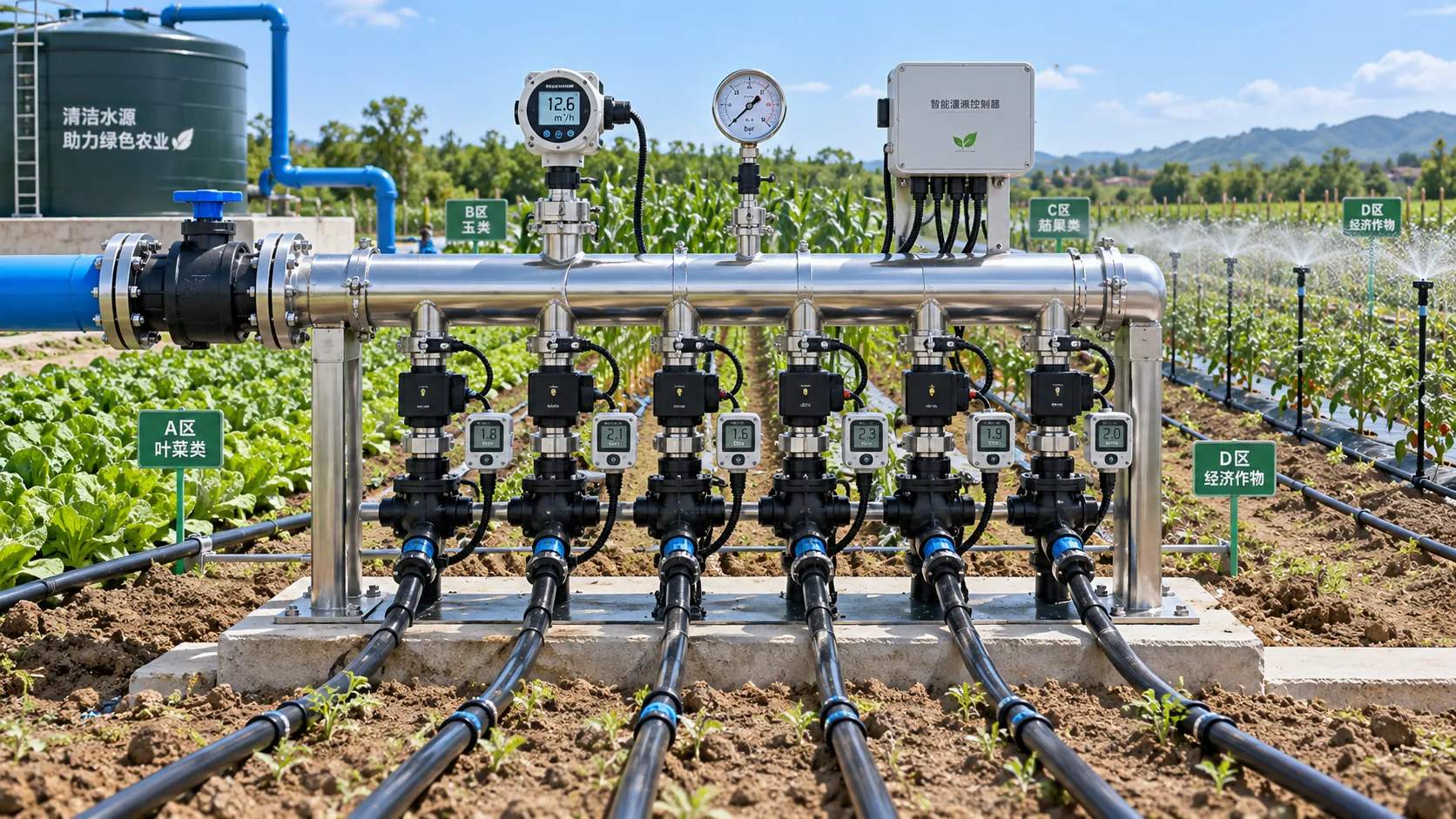
How to Select Smart Irrigation Valves for Multi-Zone Water Management?
Intelligent irrigation systems valves: learn how to match smart valves with multi-zone flow, pressure, control, feedback, and communication needs for reliable water management.
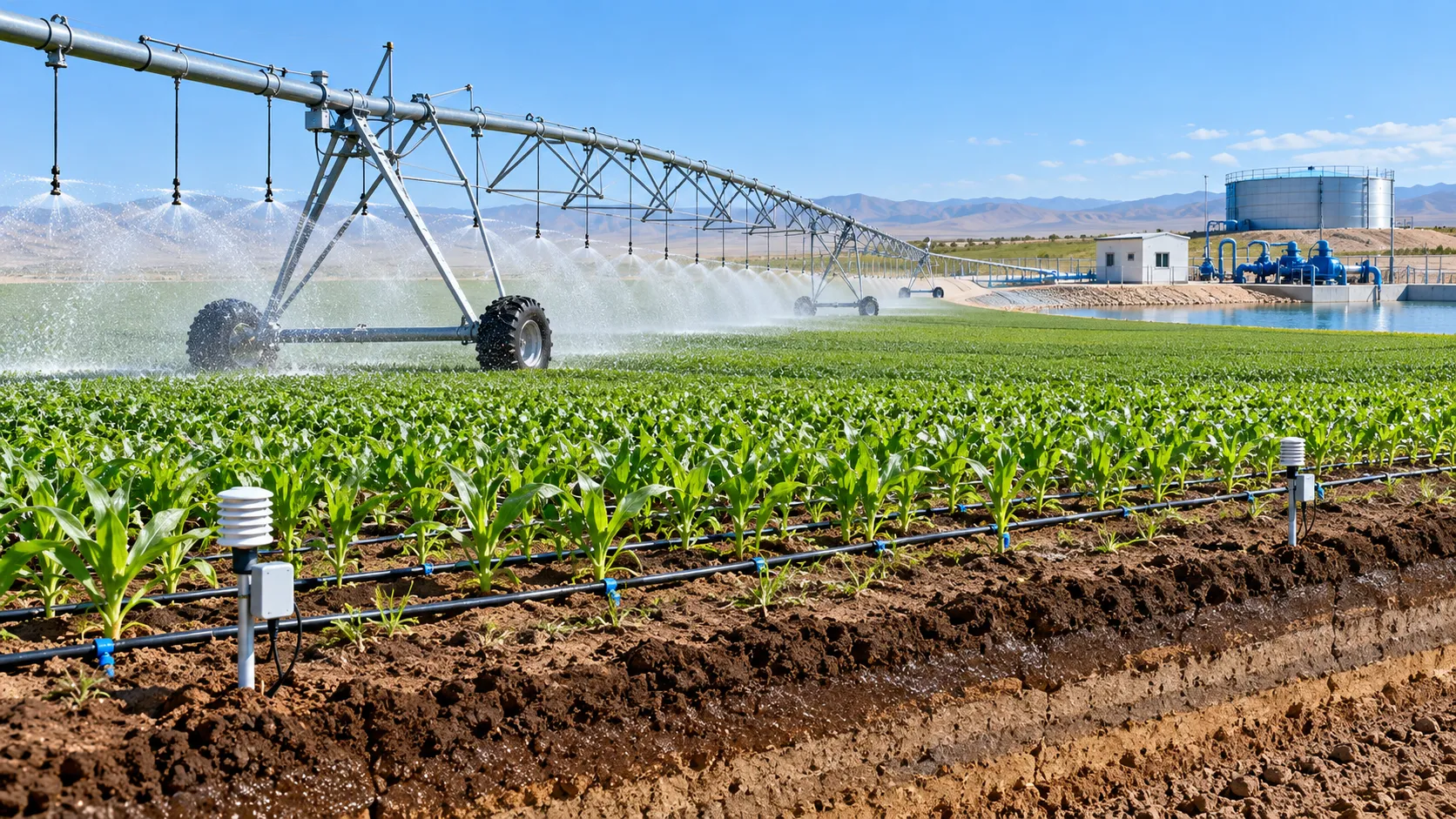
Climate-Smart Farming for Drought: A Practical Plan for Protecting Yields
Climate-smart farming for drought: build smarter water budgets, protect critical crop stages, improve irrigation uniformity, and safeguard yields with practical field-proven strategies.
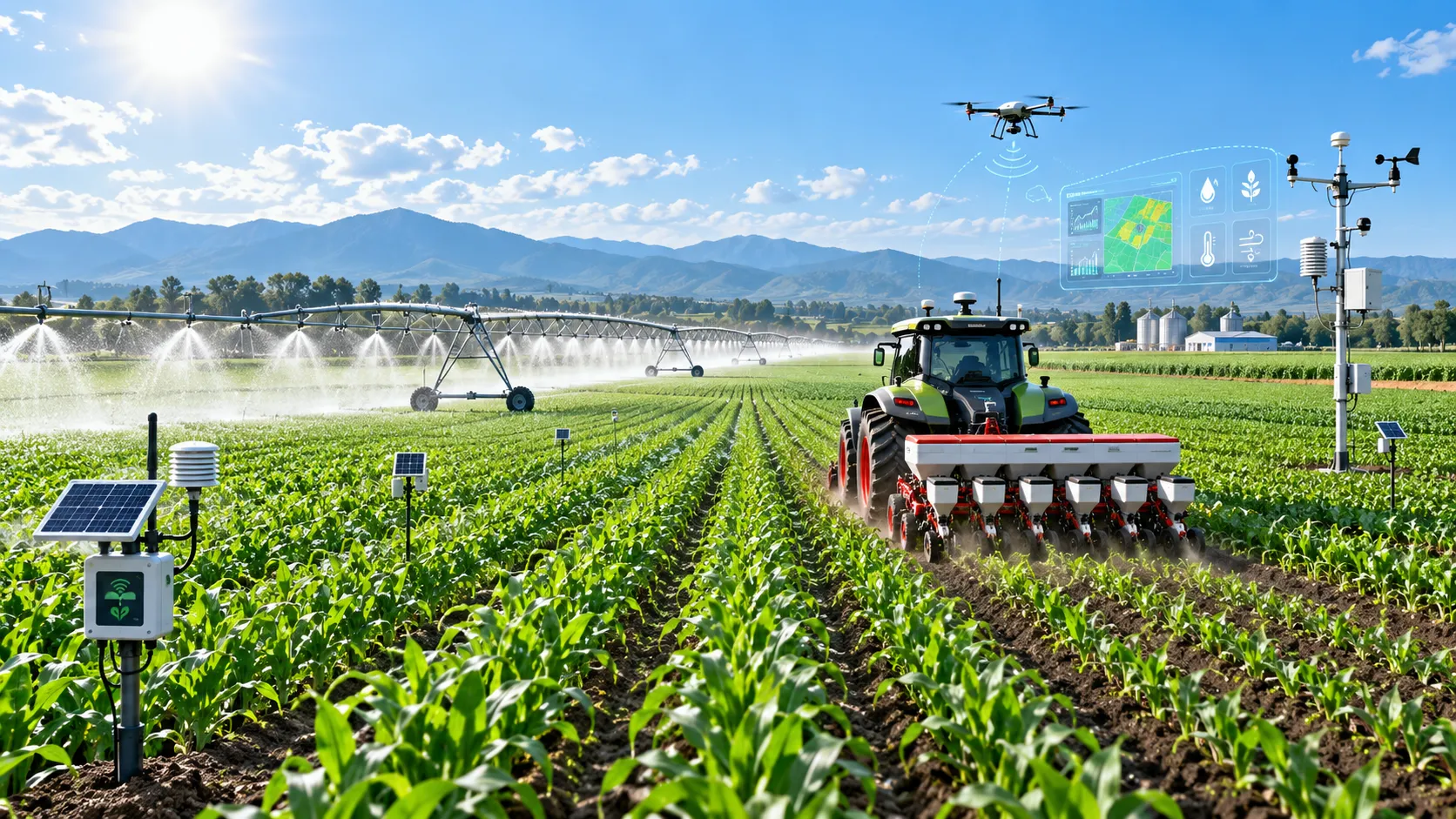
How Digital Agriculture Platforms Turn Field Data Into Better Input Decisions
Digital agriculture platforms turn field data into smarter fertilizer, water, seed, and equipment decisions—helping farms cut risk, improve margins, and scale sustainability.
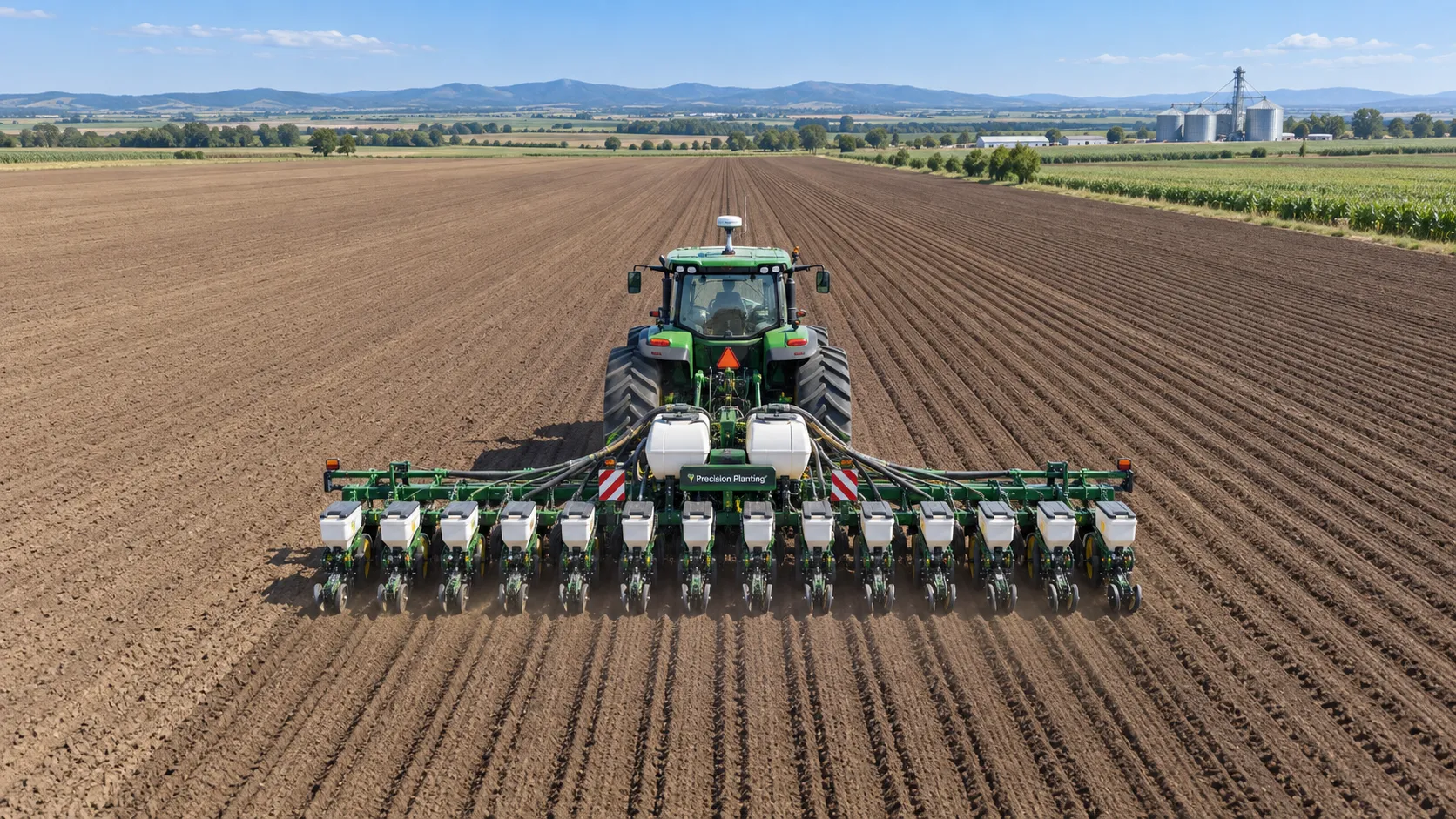
GPS-Guided Farm Machinery: Where It Delivers Measurable Field Efficiency Gains
Agri-mechanization GPS guided systems deliver measurable field efficiency gains through reduced overlap, precise planting, smarter inputs, and reliable farm data.
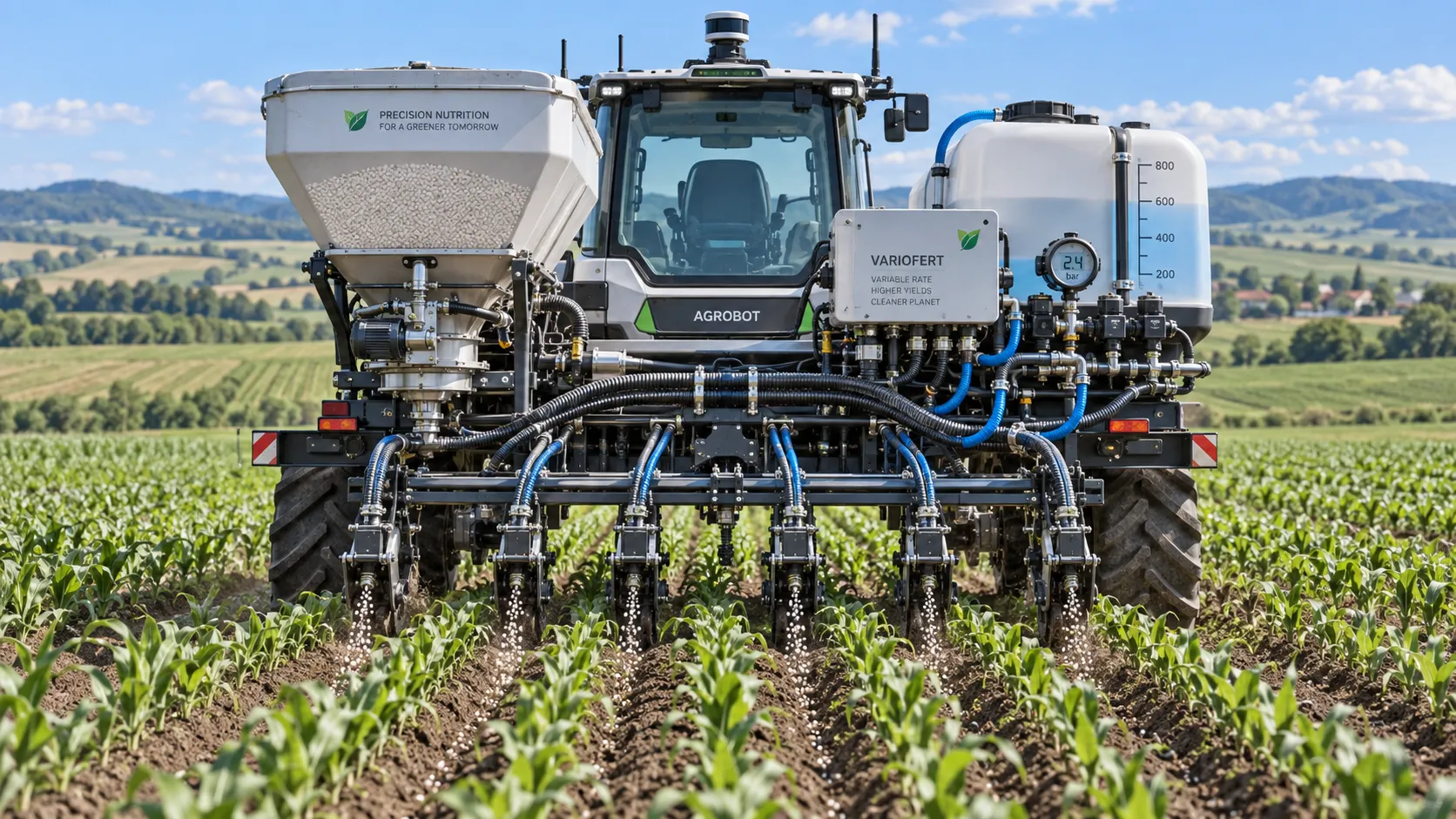
How Sensor Feedback Enables Accurate Variable-Rate Fertilization in Field Conditions
Precision fertilization systems with sensor feedback improve variable-rate accuracy by verifying flow, managing latency, and ensuring reliable field application.
Related News
- 00
0000-00
Orchard Water Management: Using Soil Moisture Data to Schedule Irrigation - 00
0000-00
Climate-Smart Farming for Drought: A Practical Plan for Protecting Yields - 00
0000-00
Selecting Real-Time Soil Moisture Sensors for Irrigation Zone Control - 00
0000-00
How Does Climate-Smart Farming Reduce Water Use in Semi-Arid Areas? - 00
0000-00
USDA Rule Takes Effect: Dual FCC and NRCS Approval for Soil Moisture Sensors
Popular Tags
Hydrological Resource Strategist
Weekly Insights
Stay ahead with our curated technology reports delivered every Monday.