
GFMT Opens Drip Irrigation Channel With 127 China Suppliers
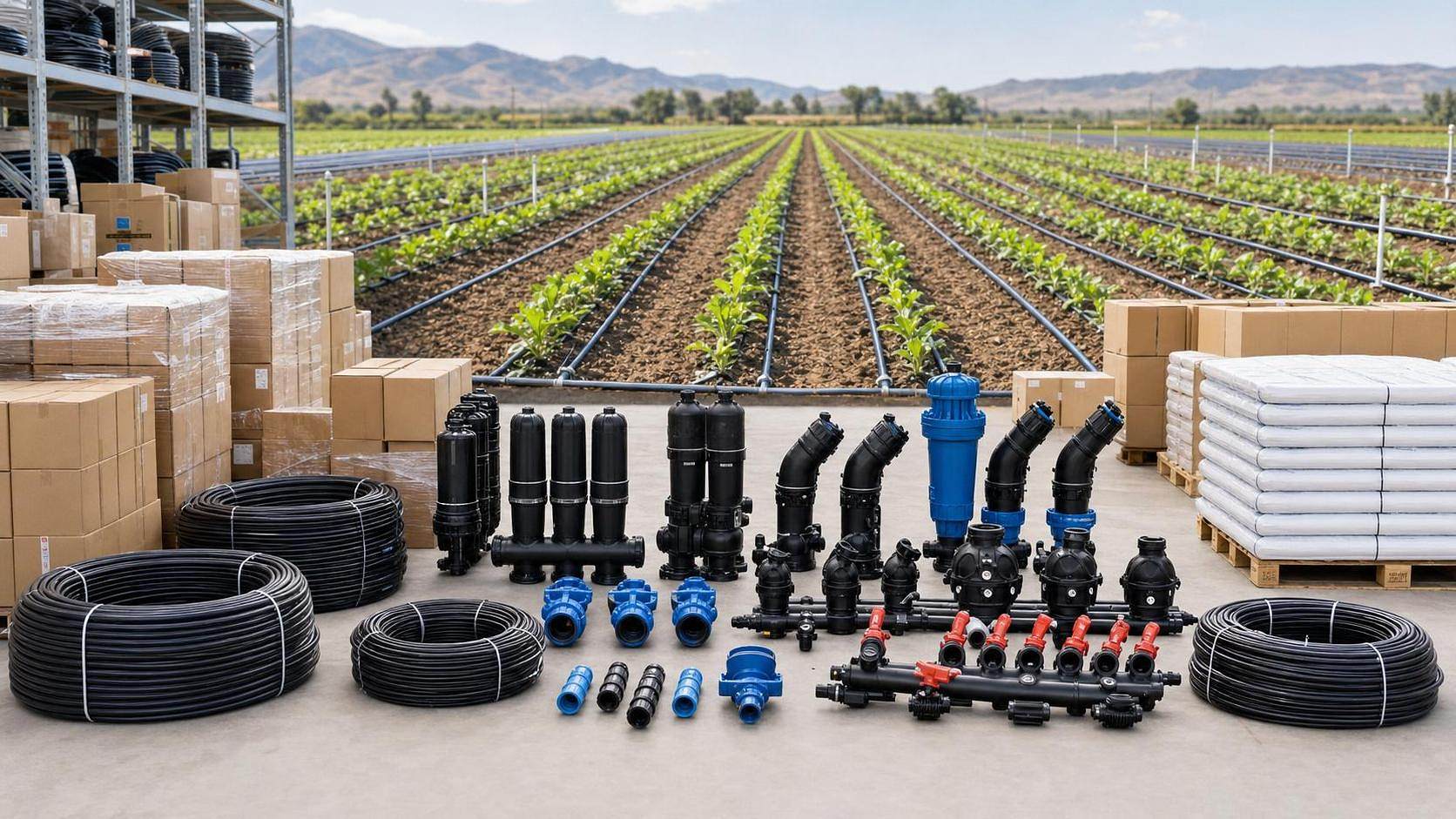




On June 21, 2026, GFMT (Global Food & Machinery Trade) launched a dedicated Drip Irrigation Logic channel that connects buyers with 127 certified Chinese drip irrigation equipment manufacturers. For companies involved in agricultural equipment sourcing, cross-border procurement, specification review, and supplier qualification, the update is worth watching because it combines supplier aggregation with multilingual inquiry tools, standards-based parameter comparison, live FOB quoting, and inspection booking in one trade-facing entry point.
What the launch officially includes
According to the provided event information, the new GFMT channel went live on June 21, 2026 as a dedicated section for Drip Irrigation Logic. The channel brings together 127 certified drip irrigation equipment manufacturers from China.
The stated functions include multilingual inquiries, parameter comparison based on ISO, UNI, and ASAE standards, real-time FOB quotations, and appointment booking for inspection services. The first group of connected companies has passed both ISO 9001 verification and IP67 protection-grade verification.
Where the near-term impact may be felt
For buyers comparing suppliers across borders
From an industry perspective, procurement teams may feel the most immediate effect in early-stage supplier screening. When multilingual inquiry, standards-based comparison, and FOB pricing are presented in the same channel, the first change is likely to be in how quickly buyers can narrow a vendor list and structure internal comparisons.
What deserves closer attention is whether buyers begin to rely more heavily on standardized parameter review and verified supplier status during pre-purchase evaluation, especially when dealing with multiple manufacturers at once.
For Chinese equipment manufacturers entering inquiries
Analysis shows that manufacturers included in the channel may face a more transparent comparison environment. The presence of ISO/UNI/ASAE parameter comparison and live FOB quotations can make differences in product documentation, response quality, and quotation discipline more visible during the inquiry stage.
For suppliers, the business impact is likely to center on inquiry conversion, quotation consistency, and readiness to support inspection scheduling rather than on any immediate guarantee of new orders.
For trade and supply-chain service providers
Inspection booking as a platform-supported function may draw more attention from service providers involved in pre-shipment verification and transaction support. Observably, this does not confirm a change in trade volume, but it does suggest that verification and coordination services could become more tightly linked to the sourcing process itself.
What deserves closer attention is whether service expectations shift toward faster scheduling, clearer documentation, and closer coordination with platform-based procurement workflows.
What companies should watch next
How platform rules and presentation evolve
Companies should monitor whether GFMT further clarifies channel rules, supplier display logic, or quotation and verification requirements. Even when the current facts are clear, actual business impact often depends on how platform mechanisms are maintained after launch.
Whether internal product data is ready for standards-based comparison
Because the channel highlights ISO, UNI, and ASAE parameter comparison, suppliers and buyers alike should review whether their technical documents, specification sheets, and inquiry responses are consistent enough for direct comparison. In practice, weak documentation can become a commercial issue when comparison tools are prominent.
How pricing and inspection steps affect negotiations
The combination of real-time FOB quotations and inspection appointment functions deserves practical attention. Buyers may need clearer internal processes for price validation and inspection timing, while suppliers may need tighter coordination around quotation updates, fulfillment readiness, and pre-delivery communication.
Whether verification claims align with transaction documents
The first connected companies are described as having passed ISO 9001 and IP67 verification. Companies engaging through the channel should still pay close attention to how certification status, technical materials, and transaction documents are presented and matched during actual deal execution.
Why this looks more like a market signal than a finished outcome
Analysis shows that this development is more meaningful as a trade-organization signal than as proof of a completed market shift. The launch indicates that drip irrigation equipment is being organized into a more structured digital sourcing interface, with supplier verification, standards comparison, pricing visibility, and inspection access brought closer together.
At the same time, it is more appropriate to understand this as an early-stage commercial infrastructure move rather than a confirmed change in market share, purchasing behavior, or delivery performance. Those results, if any, would require continued observation beyond the launch announcement itself.
How to read this update now
At this stage, the launch is best understood as a practical signal that platform-based sourcing for drip irrigation equipment is becoming more process-oriented and verification-conscious. For buyers, suppliers, and service providers, the immediate relevance lies in procurement efficiency, comparability, and transaction support—not in any guaranteed market outcome.
A neutral reading is that the event matters because it may reshape how supplier discovery and pre-trade validation are handled within this product segment. Whether that leads to deeper operational change still needs to be observed through subsequent platform updates and real transaction use.
Basis of this article
This article is based on the user-provided news title, event date, and event summary. The confirmed information used here is limited to the stated launch date, the creation of the GFMT Drip Irrigation Logic channel, the inclusion of 127 certified Chinese manufacturers, the listed platform functions, and the stated ISO 9001 and IP67 verification status of the first connected companies.
For this type of industry update, relevant source categories would typically include official platform announcements, company disclosures, industry association information, authoritative media coverage, and documents from standards organizations. No specific official source link was provided in the input, so further verification remains necessary. Continued attention should focus on any later official clarification regarding channel rules, supplier participation, and how the listed functions are implemented in actual transactions.
Related News

How to Select Precision Crop Protection Equipment for Variable Field Conditions
Precision crop protection equipment selection made simple: compare terrain, canopy, weather, control accuracy, and data workflows for reliable applications.

When Does Agricultural Machinery Leasing Cost Less Than Owning Equipment?
Agricultural machinery leasing can lower farm costs when use is seasonal or uncertain. Compare utilization, maintenance, cash flow, and risk to make a smarter equipment decision.

How to Evaluate Precision Fertilization System Suppliers for Farm-Scale Deployment
Precision fertilization systems suppliers: learn how to compare accuracy, integration, uptime, service, and total cost for confident farm-scale deployment.
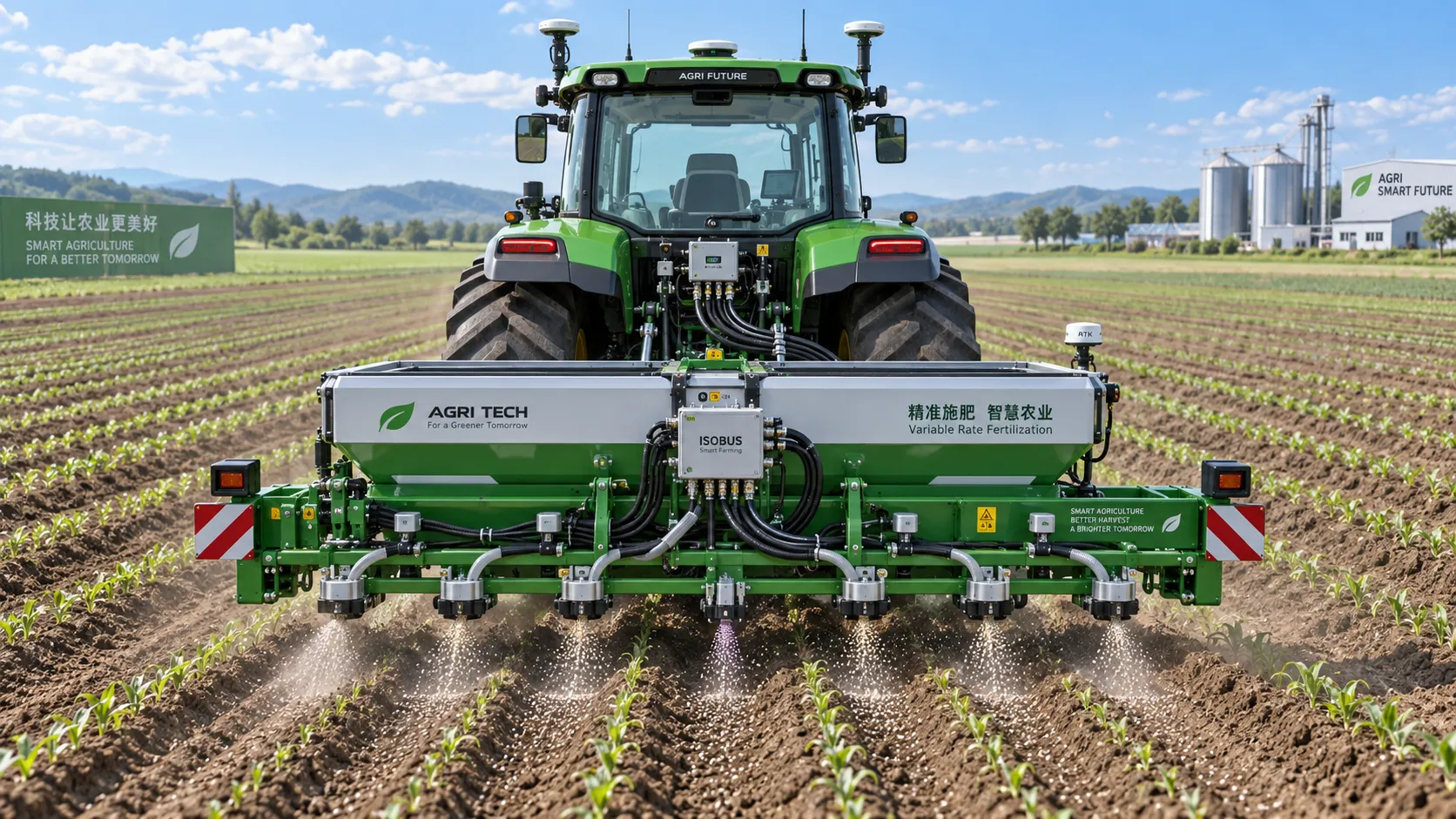
ISOBUS for Smart Agriculture: How It Connects Tractors, Implements, and Farm Data
ISOBUS for smart agriculture connects tractors, implements, terminals, and farm data—helping growers improve precision, documentation, and smarter field decisions.
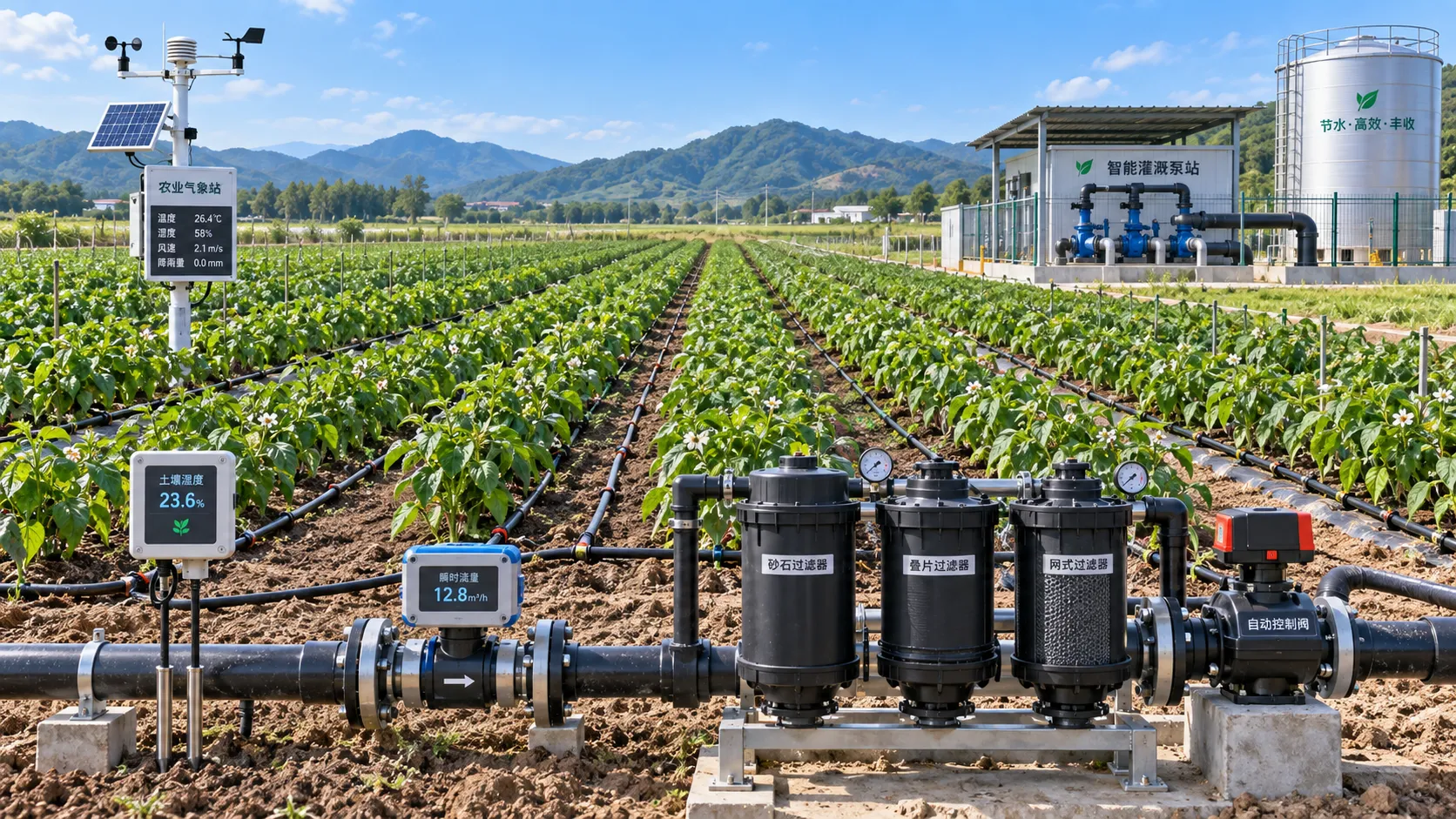
Automated Water-Saving Irrigation: How to Cut Water Use Without Reducing Crop Yields
Automated water-saving irrigation helps farms cut water use, protect crop yields, improve scheduling, and gain reliable control with sensors, flow monitoring, and smart zones.
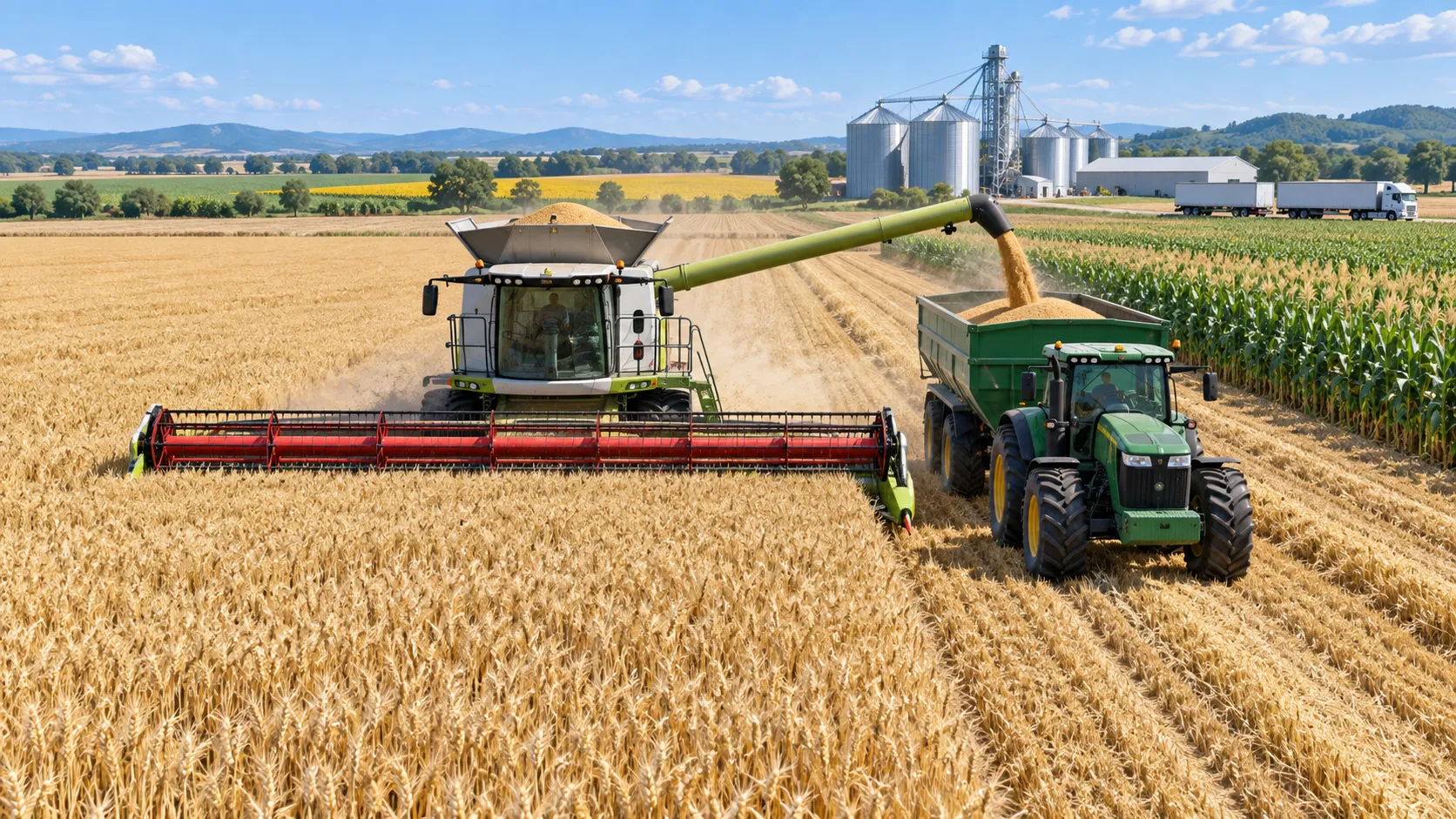
Selecting Grain Farm Equipment by Acreage, Crop Mix, and Harvest Window
Agricultural equipment selection for grain farming: match machinery to acreage, crop mix, and harvest windows to improve uptime, efficiency, and returns.
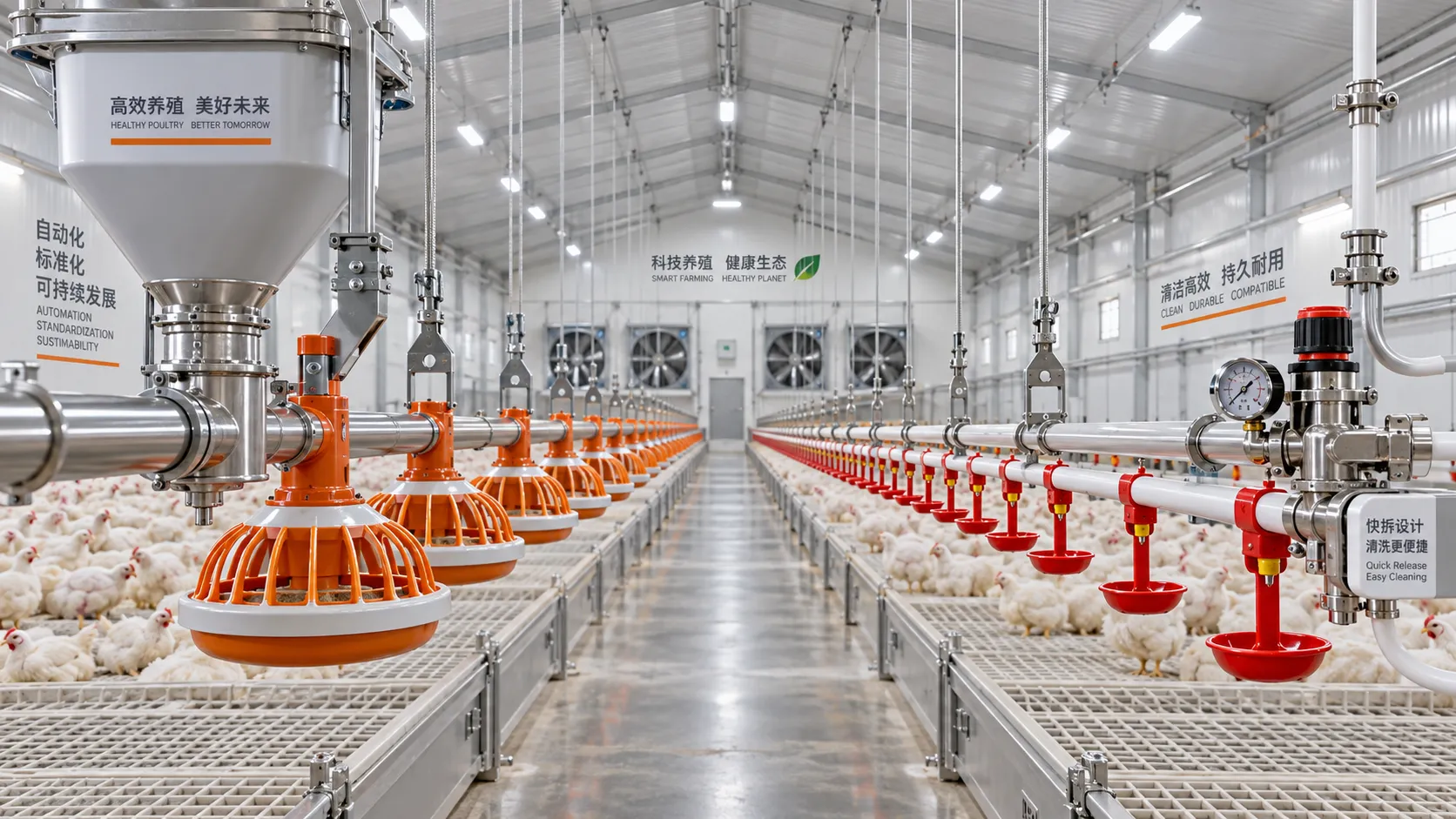
Poultry Equipment Selection: Evaluating Durability, Cleaning, and Compatibility
Poultry equipments selection guide: evaluate durability, cleaning access, and system compatibility to improve hygiene, reduce downtime, and support efficient flock management.
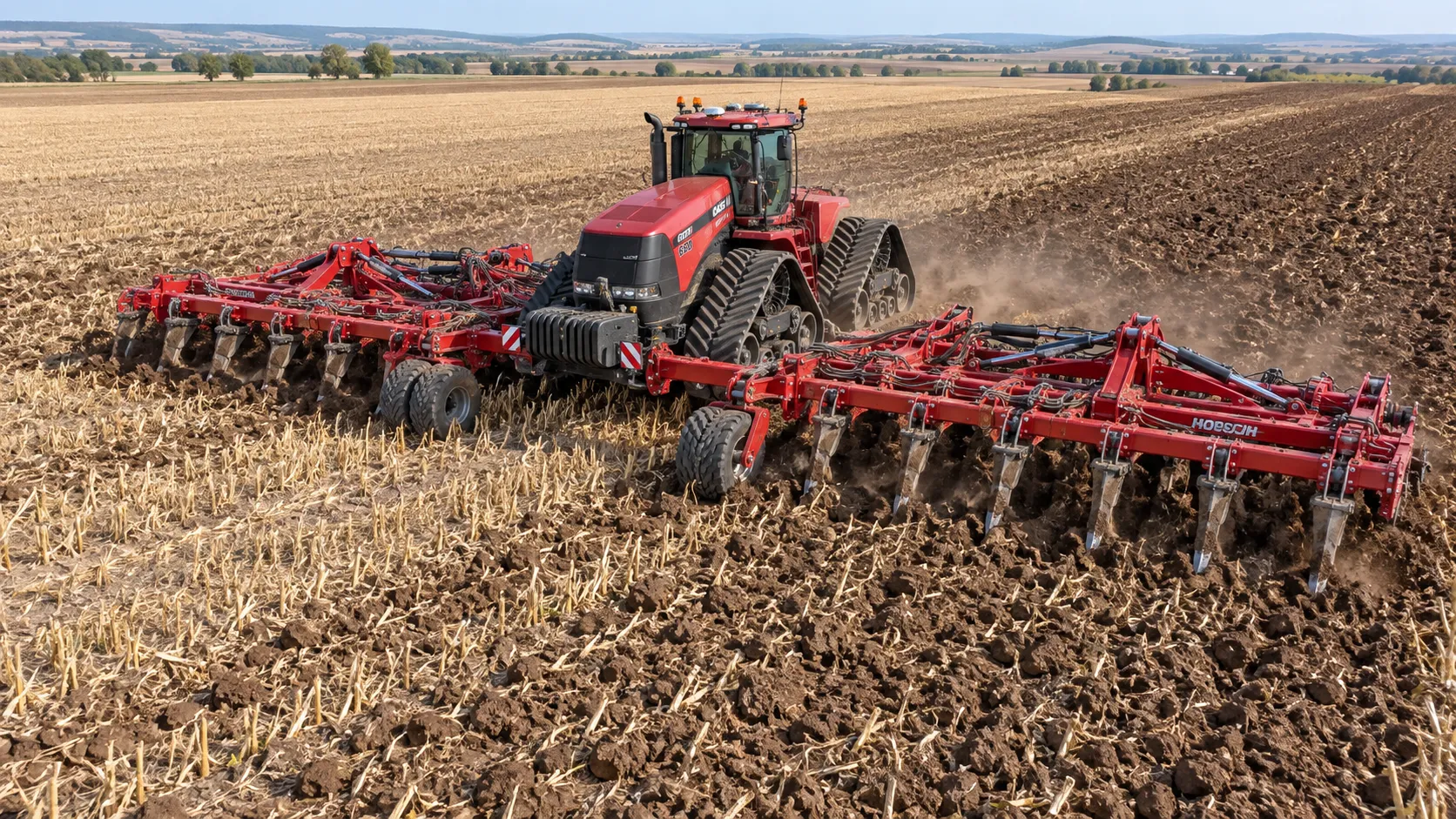
How to Select Heavy-Duty Farm Implements for High-Acreage, High-Horsepower Operations
Heavy duty farm implements: learn how to match draft, hydraulics, hitch capacity, frame strength, and field conditions for reliable high-acreage performance.
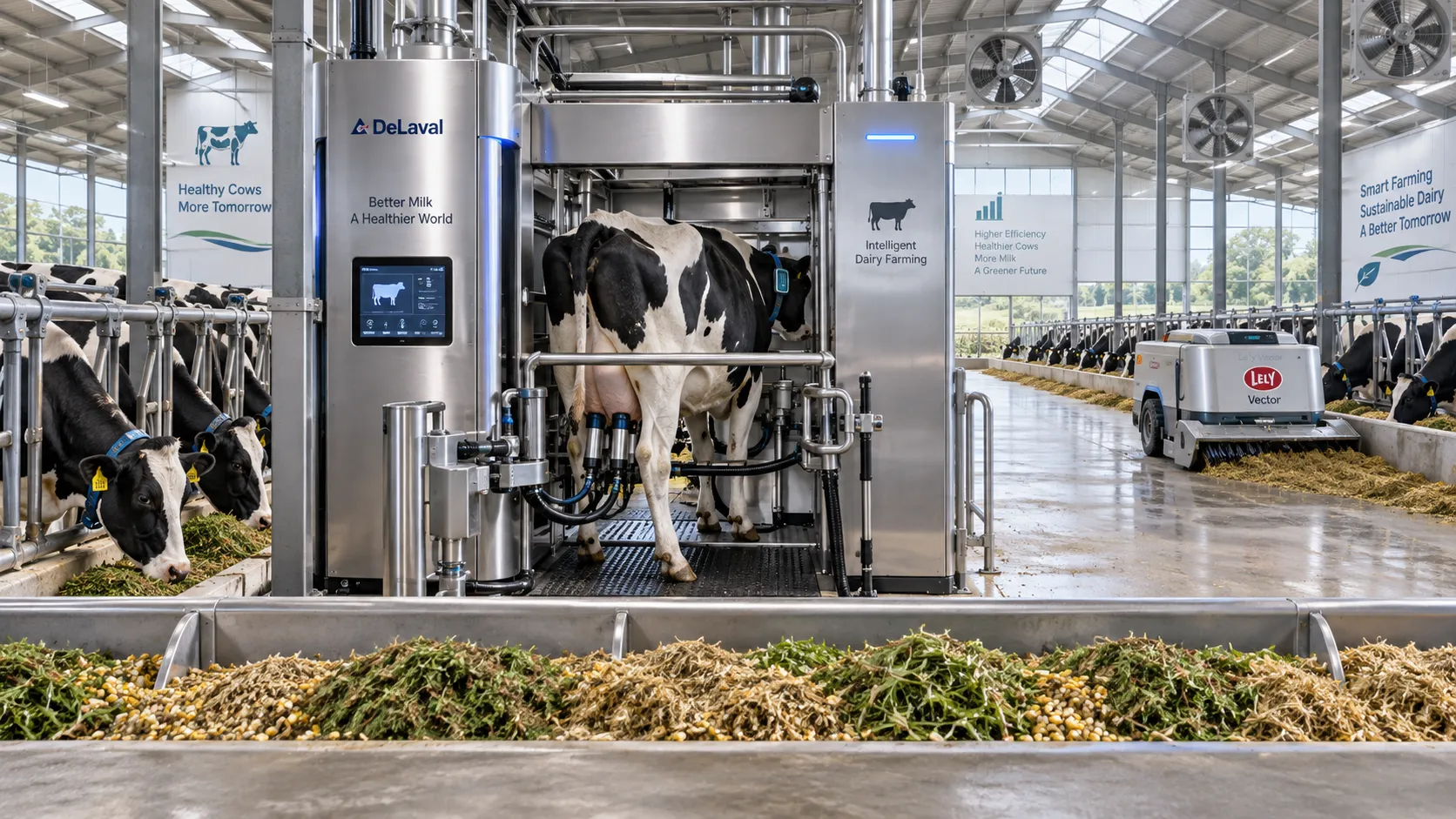
Smart Farming Technology for Dairy Farms: Where Automation Delivers Measurable ROI
Smart farming technology for dairy farms delivers measurable ROI through automation, precision feeding, health monitoring, and data-driven cost control.
Related News
- 00
0000-00
Automated Water-Saving Irrigation: How to Cut Water Use Without Reducing Crop Yields - 00
0000-00
How to Evaluate Drip Irrigation System Manufacturers for Large Farm Projects - 00
0000-00
Wireless Agricultural Automation for Remote Irrigation and Field Monitoring - 00
0000-00
Designing Water-Saving Drip Irrigation Systems for High-Value Orchards - 00
0000-00
How to Choose Irrigation Solutions for Arid Regions Based on Water Source and Crop Needs
Popular Tags
Hydrological Resource Strategist
Weekly Insights
Stay ahead with our curated technology reports delivered every Monday.