
Sustainable Agriculture Equipment: Which Systems Cut Water, Fuel, and Input Waste?
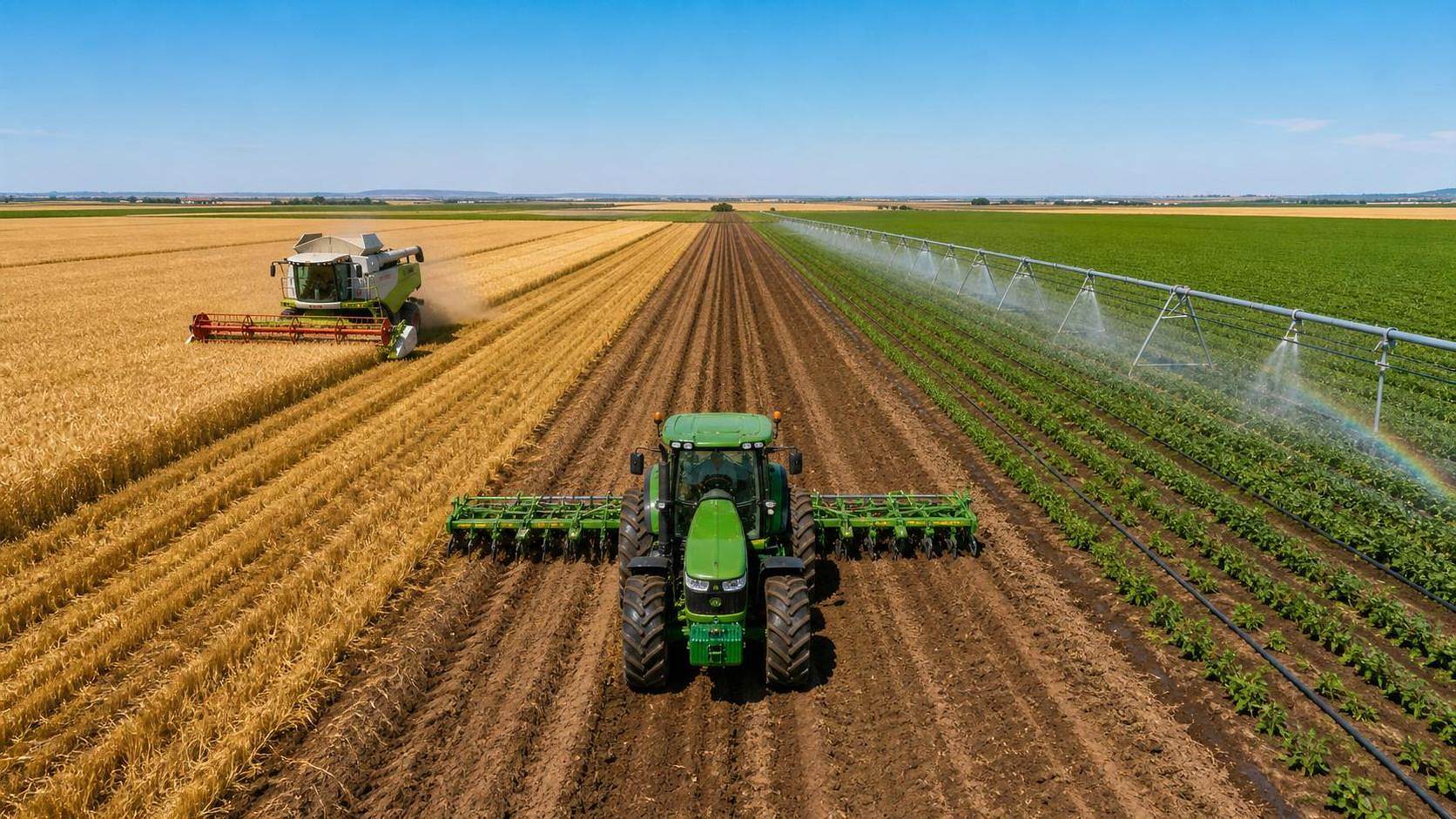




Sustainable agriculture equipment starts with the field reality
Water limits, diesel price swings, and tighter input margins are changing how equipment decisions are made across modern farming systems.
That is why sustainable agriculture equipment is no longer a narrow efficiency topic. It now affects cropping stability, operating cost control, and long-cycle asset planning.
In practice, the best system is rarely the machine with the longest feature list. It is the one that cuts avoidable waste under real soil, climate, crop, and labor conditions.
AP-Strategy tracks this shift through large-scale machinery, combine harvesting, intelligent farm tools, tractor chassis, and water-saving irrigation systems.
That broader view matters because fuel waste, water loss, and input overuse often come from disconnected decisions rather than one weak machine.
Why one farm scenario does not produce one equipment answer
A dryland grain operation and an irrigated high-value crop block may both ask for sustainable agriculture equipment, but their waste patterns are different.
Dryland systems usually focus first on passes per hectare, traction efficiency, and low-loss harvesting. Irrigated systems often start with water timing, pressure control, and nutrient placement.
Mixed operations sit somewhere in between. They need equipment compatibility across planting, crop care, irrigation, and harvest windows.
A useful way to judge sustainable agriculture equipment is to ask where waste actually appears: in movement, application, water delivery, or crop recovery.
This is where many projects go off track. They compare rated specifications without matching them to the dominant source of waste.
When water pressure is the problem, irrigation intelligence matters more than pump size
In water-limited regions, sustainable agriculture equipment often begins with irrigation systems that can react to crop demand rather than calendar habits.
Drip networks, variable-frequency pumping, pressure-regulated emitters, and zone-based automation can reduce water loss before any yield response is measured.
More common than expected is the case where water waste comes from poor uniformity, not from a lack of digital controls.
That means field elevation change, filtration reliability, and emitter clogging should be checked before adding more software layers.
What usually separates a good fit from a weak fit
- Moisture sensors should reflect rooting depth, not just shallow surface readings.
- Control platforms should support irrigation zones with different crop stages.
- Pumps and valves should match pressure stability requirements during peak demand.
- Fertigation systems should be evaluated for dosing precision and flushing routines.
AP-Strategy often highlights this interaction between hydrology and machinery because smart irrigation performs best when the mechanical base is already stable.
Across broadacre operations, fuel waste usually starts with traffic and pass count
For large arable fields, sustainable agriculture equipment is often judged by engine power first. That can be misleading.
Fuel savings are more often won through drivetrain efficiency, ballast balance, slip control, and fewer trips across the field.
A high-horsepower tractor with poor implement matching may burn more fuel per productive hectare than a smaller, better-matched setup.
The practical question is not only how much power is available. It is how much of that power reaches the task without creating extra soil damage.
Better indicators in this scenario
- Wheel slip under typical moisture conditions
- Transmission efficiency during variable load work
- Hydraulic response for precision tools
- Guidance accuracy that reduces overlap
- Ability to combine operations in one pass
This is one reason AP-Strategy pays close attention to tractor chassis evolution. The chassis affects traction behavior, implement stability, and fuel consumption more than headline power figures suggest.
In input-intensive cropping, precision application determines whether savings are real
Where seed, fertilizer, and crop protection costs are high, sustainable agriculture equipment must cut overlap and wrong-rate application without slowing field pace.
Section control, nozzle-by-nozzle management, variable-rate metering, and sensor-guided application can reduce waste significantly, but only when data layers are trustworthy.
A frequent mistake is assuming precision hardware alone guarantees precision outcomes. In reality, poor field boundaries and weak calibration erase much of the benefit.
Another issue appears in mixed soil zones. A single average rate may look simple, yet it can waste nutrient in one area and limit output in another.
The more useful approach is to connect sensor feedback, satellite positioning, and prescription logic with application hardware that can actually respond at working speed.
At harvest, low-loss systems often save more than a faster top speed
Harvest is where hidden waste becomes visible. Fuel burn rises, grain losses appear, and a delayed adjustment can affect a large area quickly.
For this reason, sustainable agriculture equipment in harvesting should be judged through throughput quality, cleaning accuracy, residue handling, and sensor-based adjustment support.
In lodged crops or uneven moisture, a combine with stable loss monitoring and adaptive settings often delivers better net value than a machine rated for higher capacity on paper.
AP-Strategy’s emphasis on combine technology reflects this exact point. Loss control is not a minor tuning issue. It is a direct sustainability issue tied to recovered yield, fuel intensity, and post-harvest quality.
Common misjudgments appear when systems are compared in isolation
Some projects choose sustainable agriculture equipment by purchase price alone. Others focus only on one season’s stress point.
Both approaches miss the way waste moves across the operation. A stronger sprayer may still underperform if the tractor hydraulics are unstable. A smart irrigation platform may disappoint if filtration discipline is weak.
- Do not treat similar crops in different soils as the same equipment case.
- Do not count savings without including maintenance, calibration, and replacement intervals.
- Do not assume automation solves poor baseline agronomy or mechanical setup.
- Do not ignore operator workflow, data compatibility, and seasonal service access.
These are not minor details. They often decide whether a system reduces resource waste over five seasons or only looks promising in a short demonstration.
A practical way to compare sustainable agriculture equipment before rollout
A sound comparison usually starts with one question: which waste stream matters most in this operating window?
From there, it helps to set a short evaluation framework rather than reviewing every feature equally.
This kind of review is consistent with how AP-Strategy’s intelligence approach links mechanical performance, precision algorithms, and sustainability outcomes.
The next step is to build a scenario-based shortlist
Sustainable agriculture equipment works best when it is selected around field conditions, not around generic sustainability claims.
Start by mapping where waste is most expensive in the current operation. Then compare equipment by response speed, compatibility, maintenance demand, and measured savings.
In some cases, the best result comes from smarter irrigation. In others, it comes from lower-loss harvesting, tighter tractor-implement matching, or precise application control.
The strongest decisions usually come from treating sustainable agriculture equipment as an integrated system choice, with water, fuel, and input efficiency judged together rather than separately.
A practical next move is to define two or three real operating scenarios, list their key limits, and use those limits to screen equipment before any final commitment.
Related News
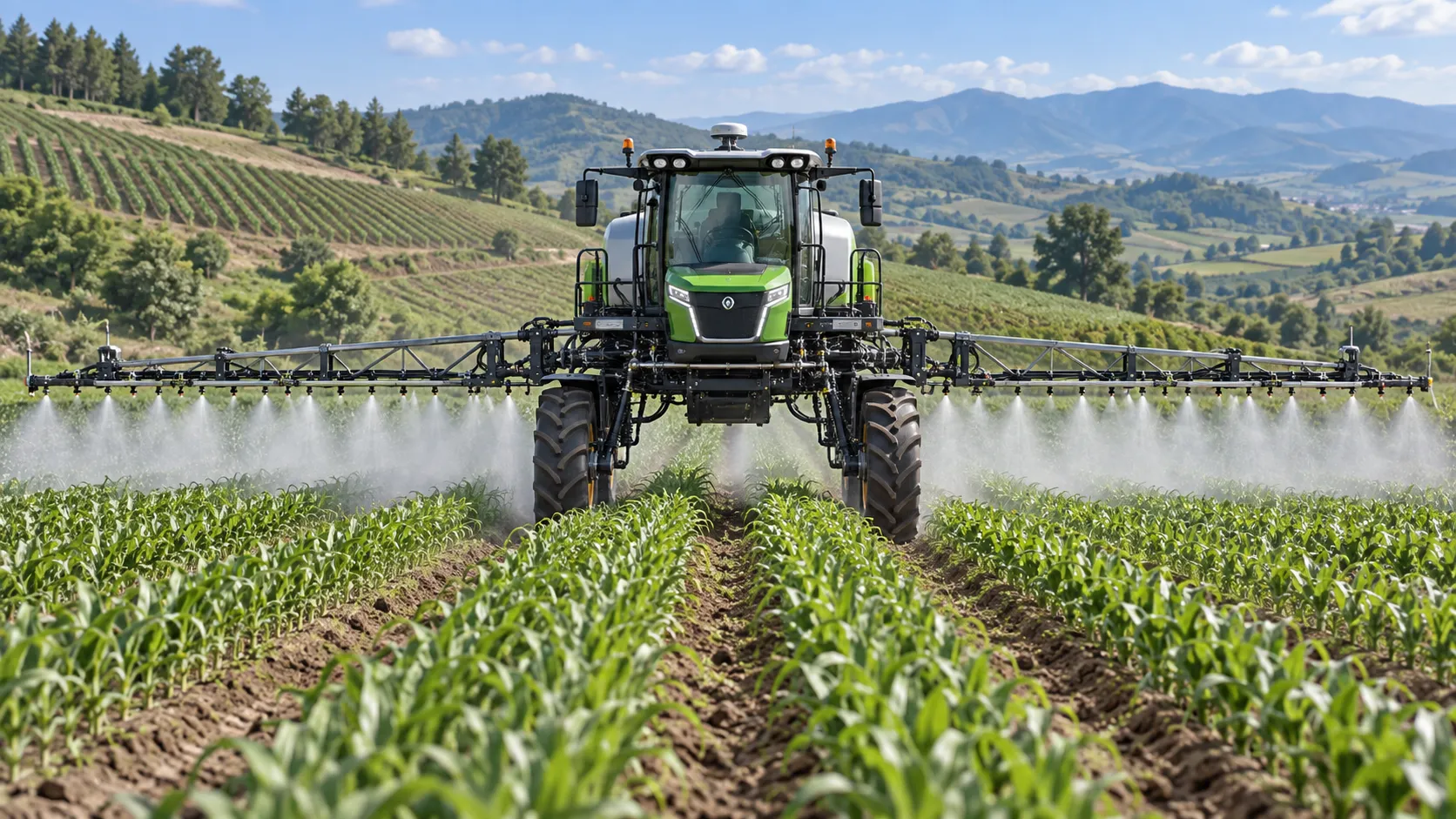
How to Select Precision Crop Protection Equipment for Variable Field Conditions
Precision crop protection equipment selection made simple: compare terrain, canopy, weather, control accuracy, and data workflows for reliable applications.
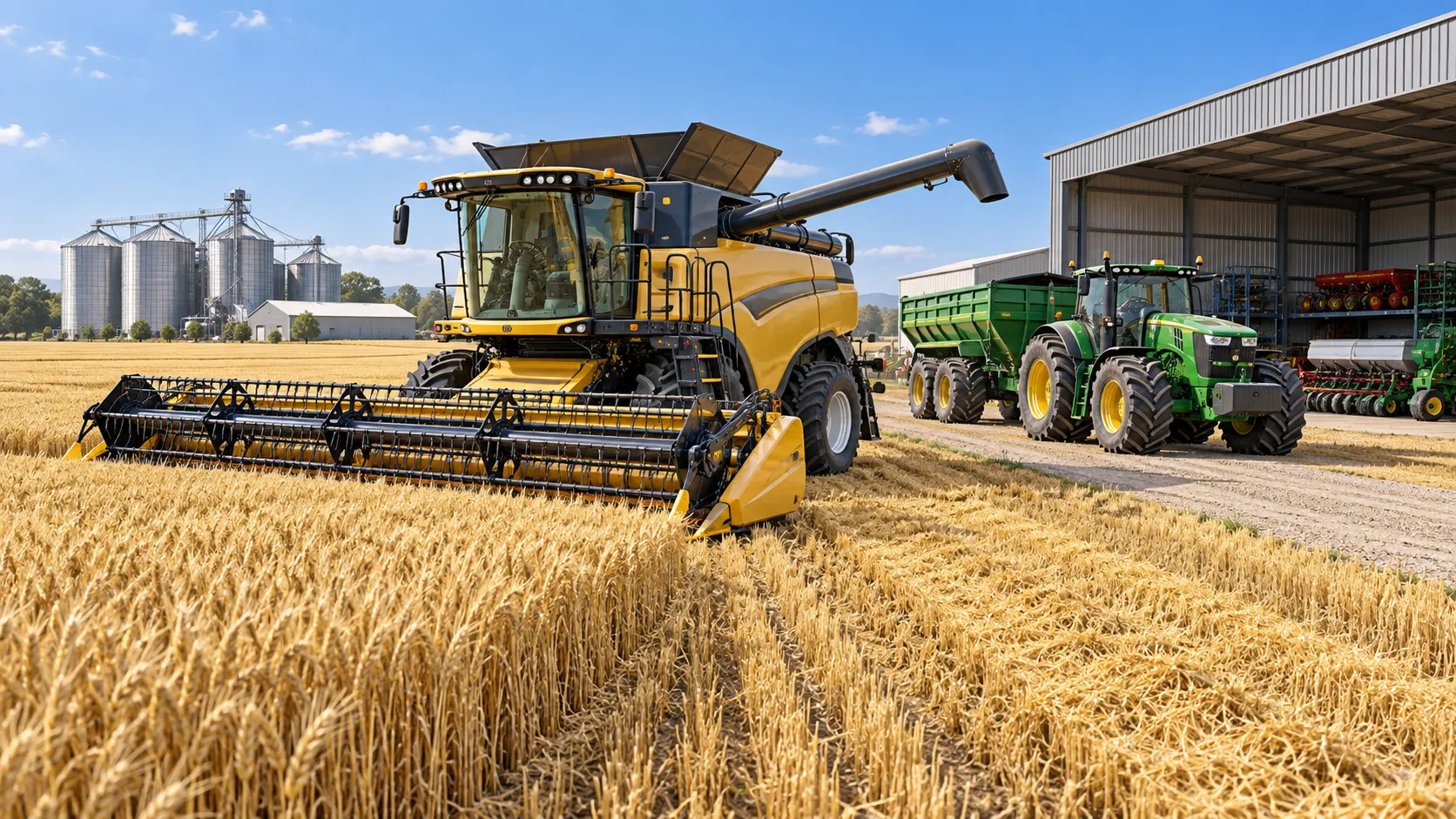
When Does Agricultural Machinery Leasing Cost Less Than Owning Equipment?
Agricultural machinery leasing can lower farm costs when use is seasonal or uncertain. Compare utilization, maintenance, cash flow, and risk to make a smarter equipment decision.
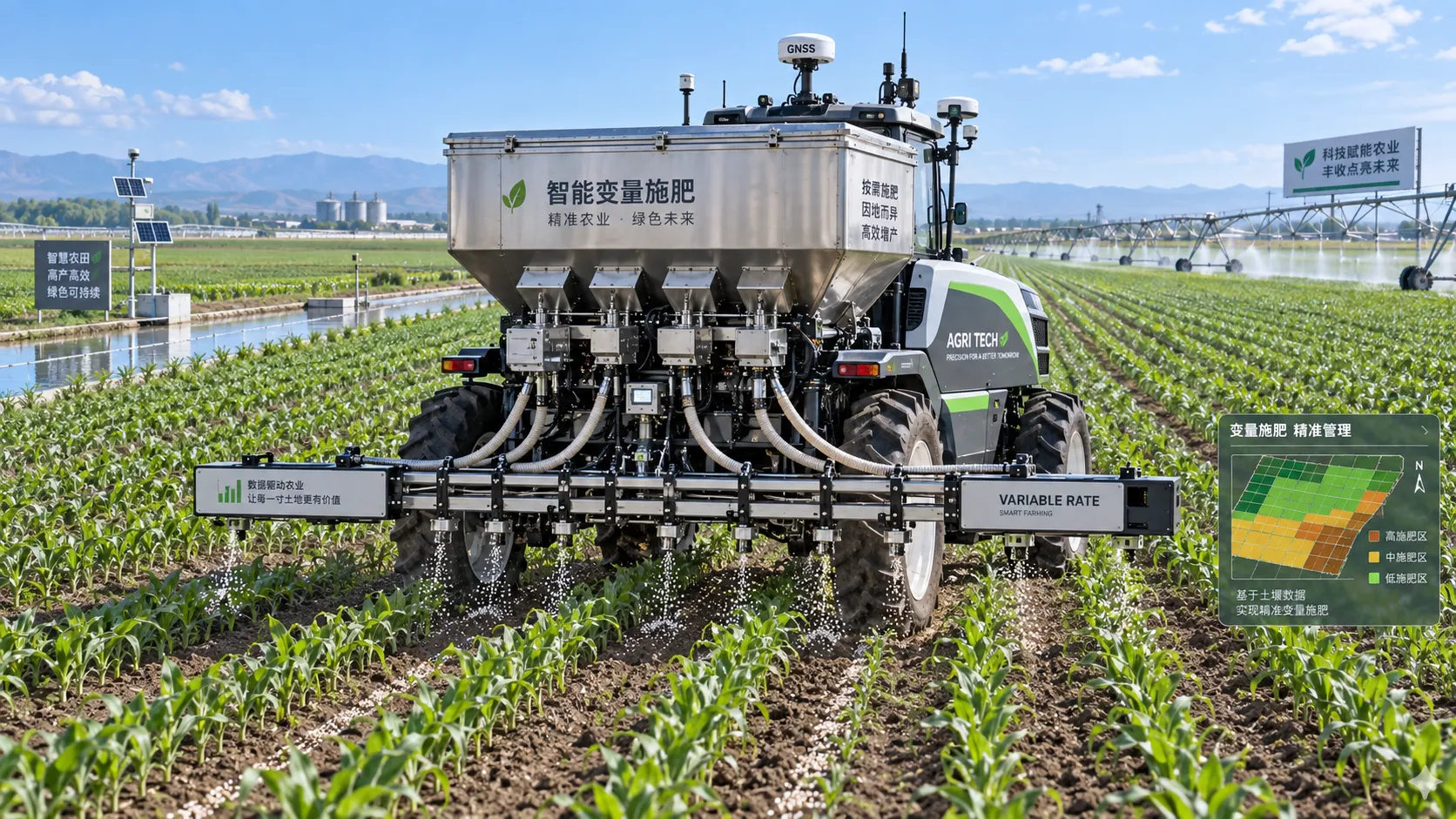
How to Evaluate Precision Fertilization System Suppliers for Farm-Scale Deployment
Precision fertilization systems suppliers: learn how to compare accuracy, integration, uptime, service, and total cost for confident farm-scale deployment.
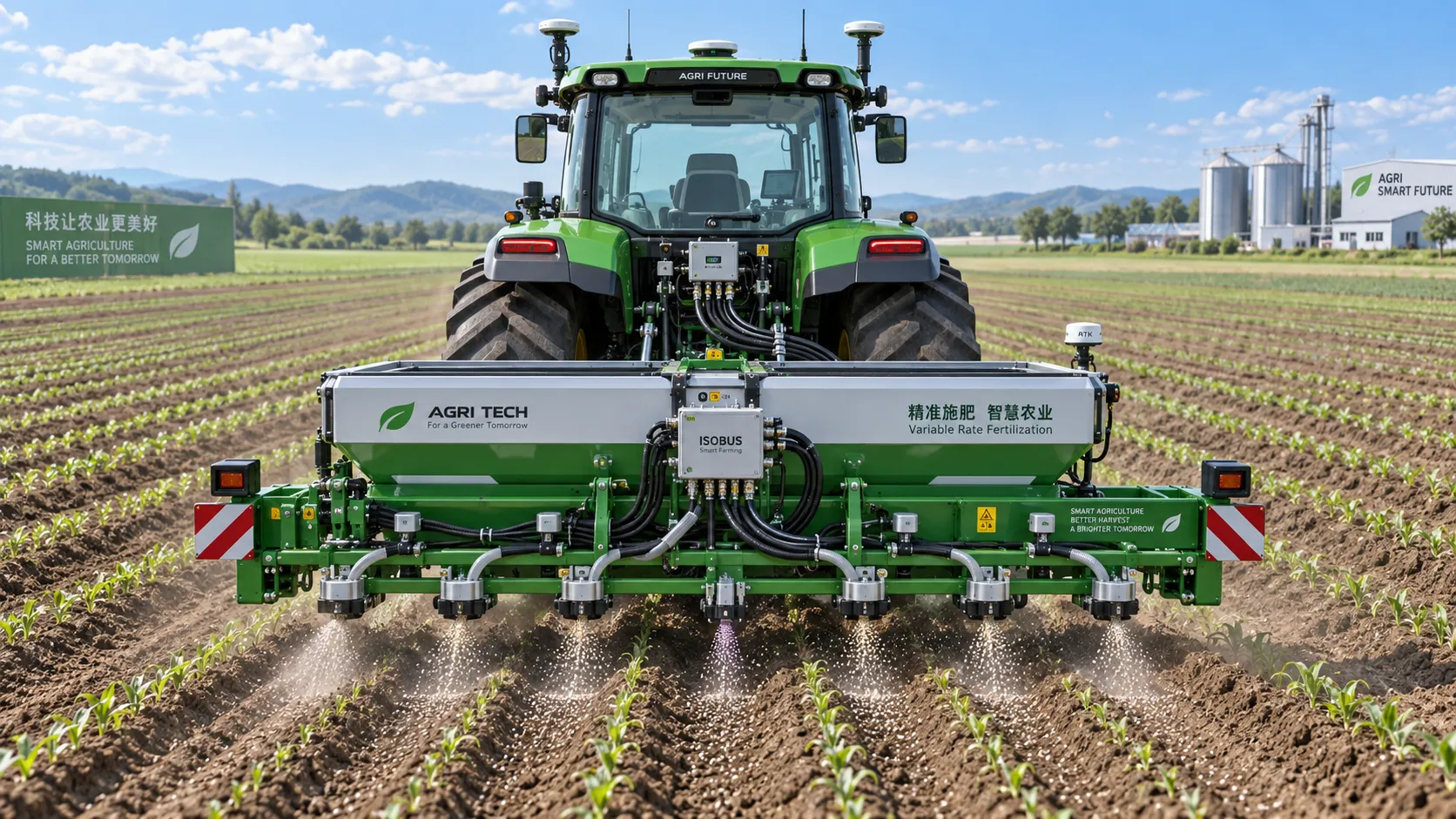
ISOBUS for Smart Agriculture: How It Connects Tractors, Implements, and Farm Data
ISOBUS for smart agriculture connects tractors, implements, terminals, and farm data—helping growers improve precision, documentation, and smarter field decisions.
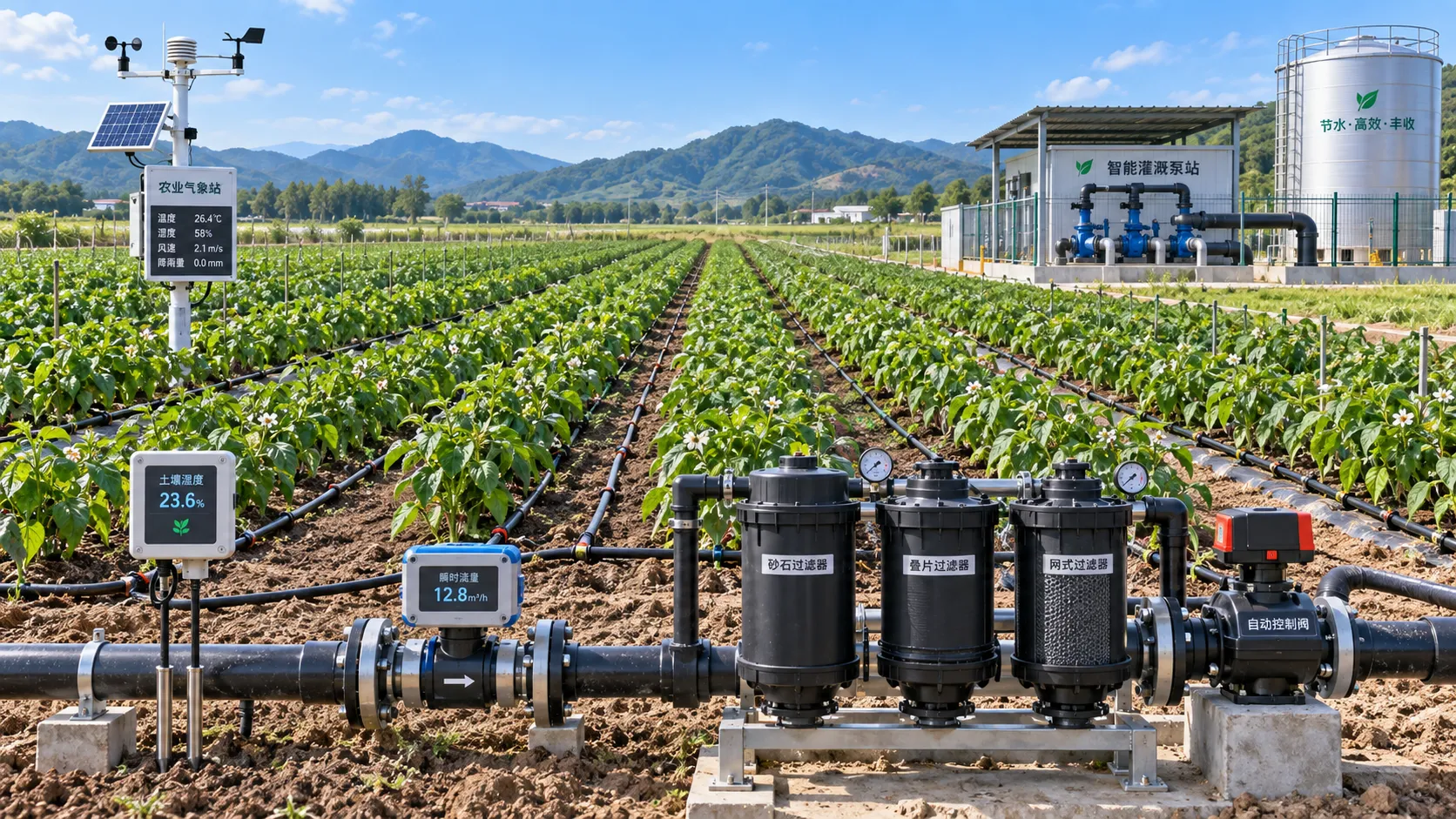
Automated Water-Saving Irrigation: How to Cut Water Use Without Reducing Crop Yields
Automated water-saving irrigation helps farms cut water use, protect crop yields, improve scheduling, and gain reliable control with sensors, flow monitoring, and smart zones.
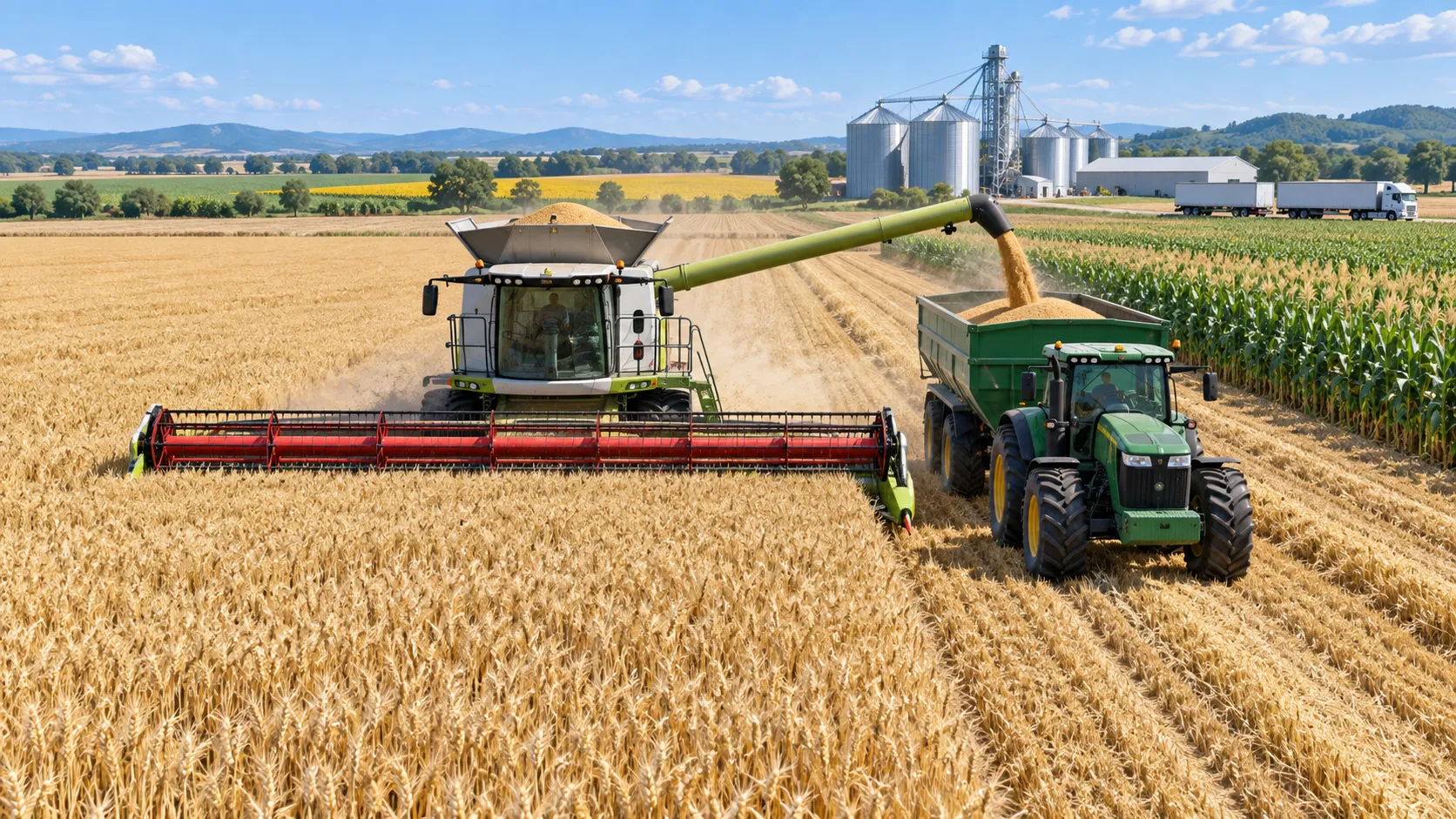
Selecting Grain Farm Equipment by Acreage, Crop Mix, and Harvest Window
Agricultural equipment selection for grain farming: match machinery to acreage, crop mix, and harvest windows to improve uptime, efficiency, and returns.
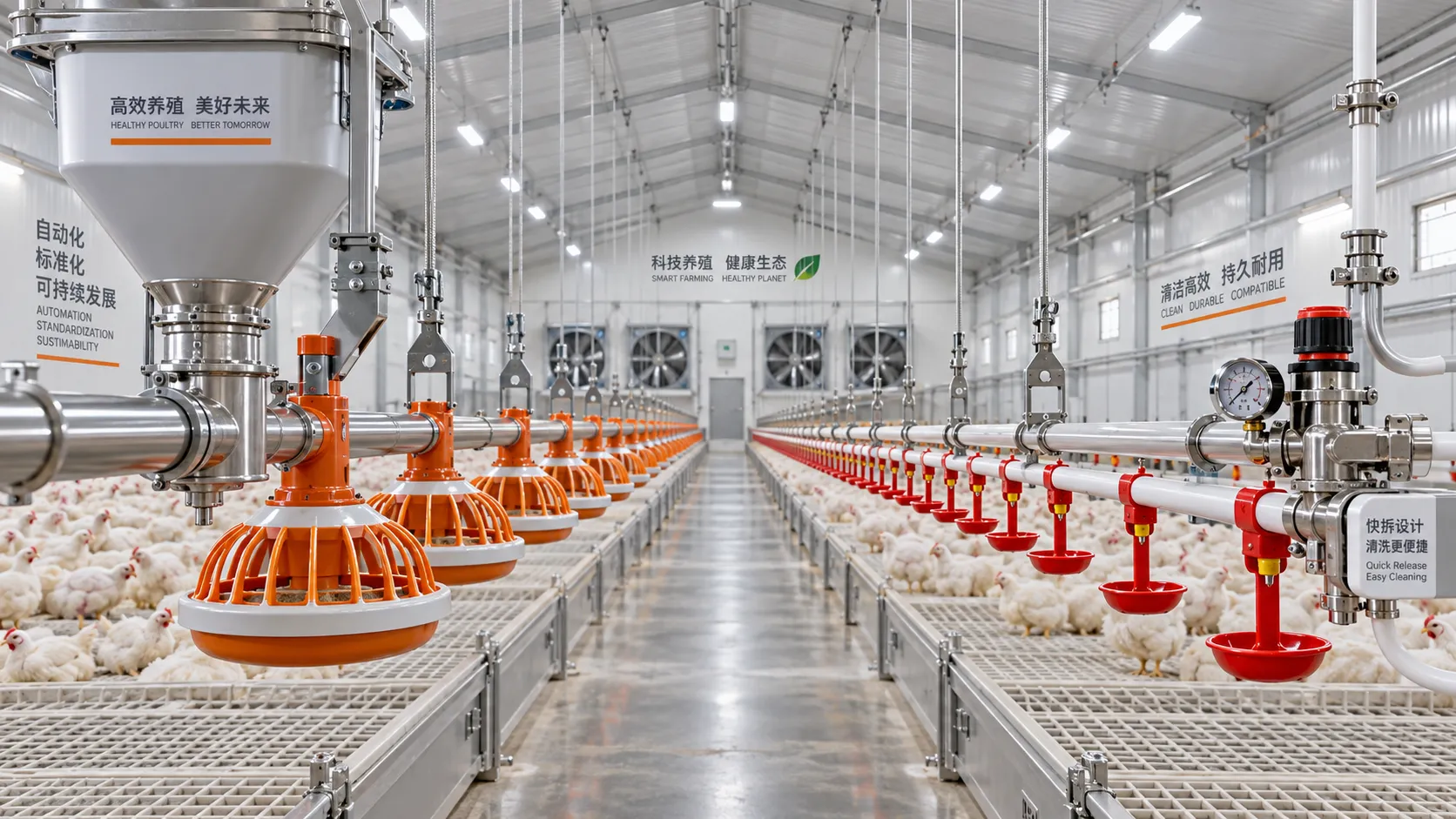
Poultry Equipment Selection: Evaluating Durability, Cleaning, and Compatibility
Poultry equipments selection guide: evaluate durability, cleaning access, and system compatibility to improve hygiene, reduce downtime, and support efficient flock management.
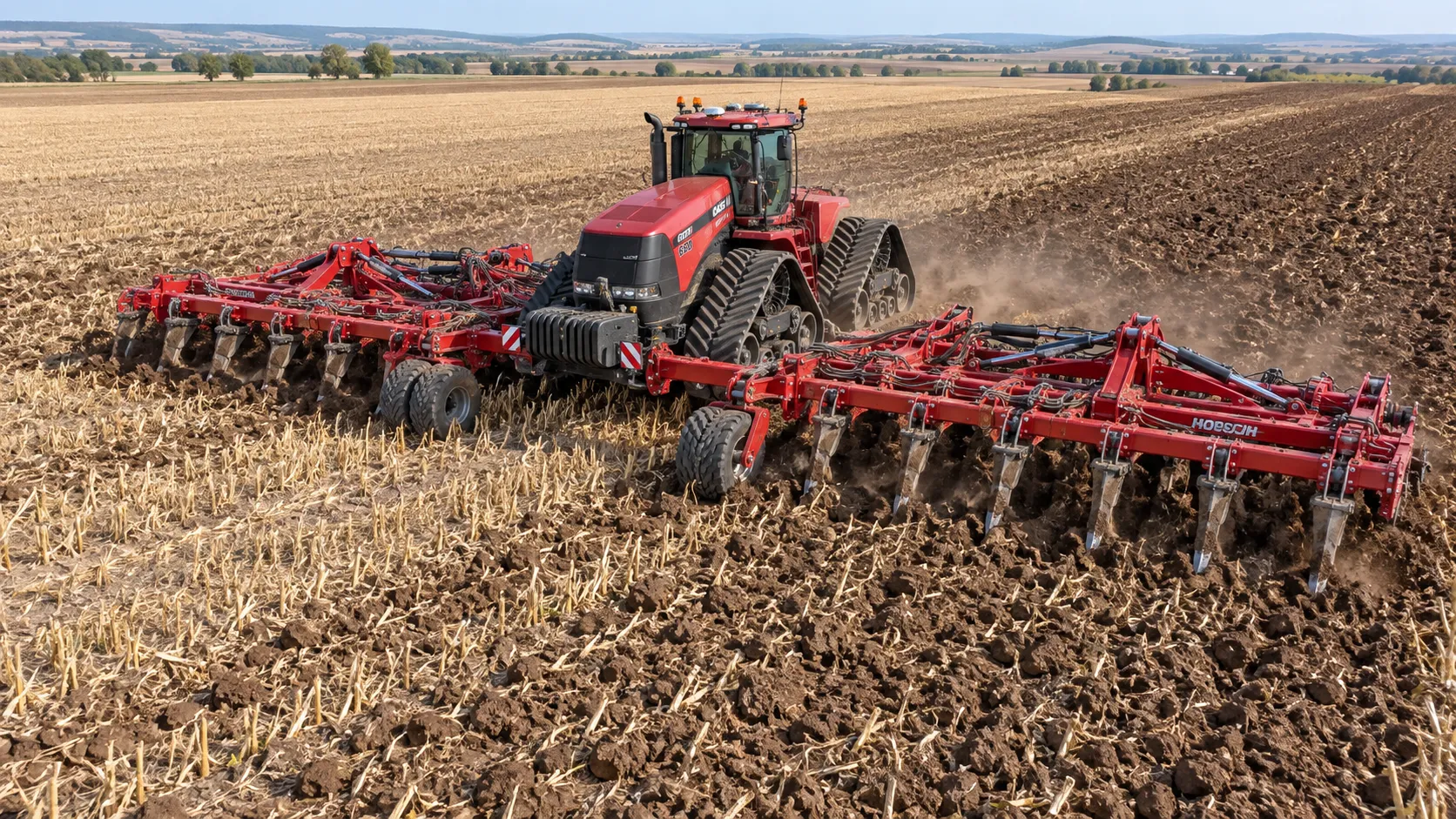
How to Select Heavy-Duty Farm Implements for High-Acreage, High-Horsepower Operations
Heavy duty farm implements: learn how to match draft, hydraulics, hitch capacity, frame strength, and field conditions for reliable high-acreage performance.
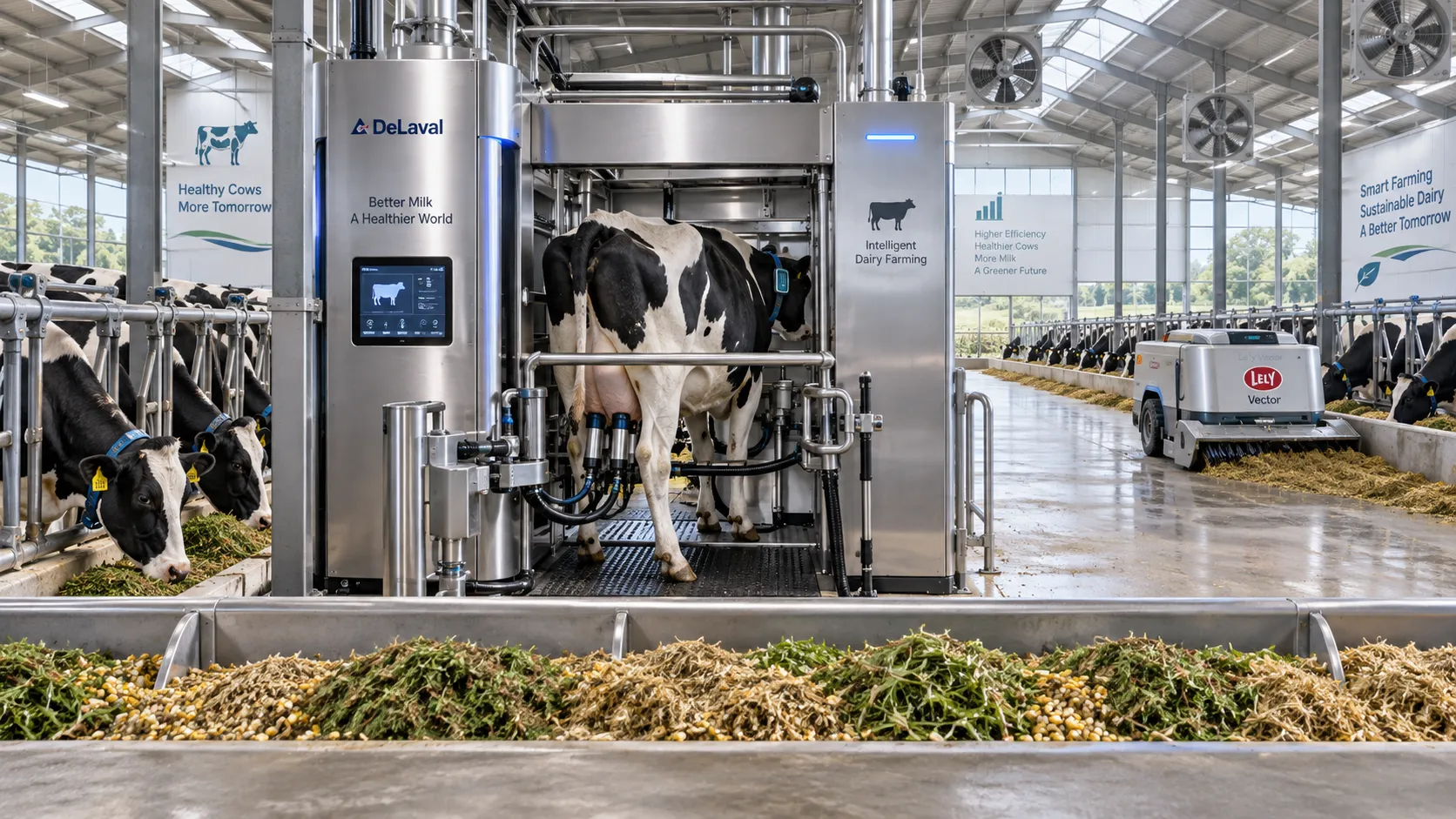
Smart Farming Technology for Dairy Farms: Where Automation Delivers Measurable ROI
Smart farming technology for dairy farms delivers measurable ROI through automation, precision feeding, health monitoring, and data-driven cost control.
Related News
- 00
0000-00
Automated Water-Saving Irrigation: How to Cut Water Use Without Reducing Crop Yields - 00
0000-00
How to Evaluate Drip Irrigation System Manufacturers for Large Farm Projects - 00
0000-00
Wireless Agricultural Automation for Remote Irrigation and Field Monitoring - 00
0000-00
Designing Water-Saving Drip Irrigation Systems for High-Value Orchards - 00
0000-00
How to Choose Irrigation Solutions for Arid Regions Based on Water Source and Crop Needs
Popular Tags
Hydrological Resource Strategist
Weekly Insights
Stay ahead with our curated technology reports delivered every Monday.