
Water-Saving Irrigation Systems: How to Choose Between Drip, Sprinkler, and Pivot
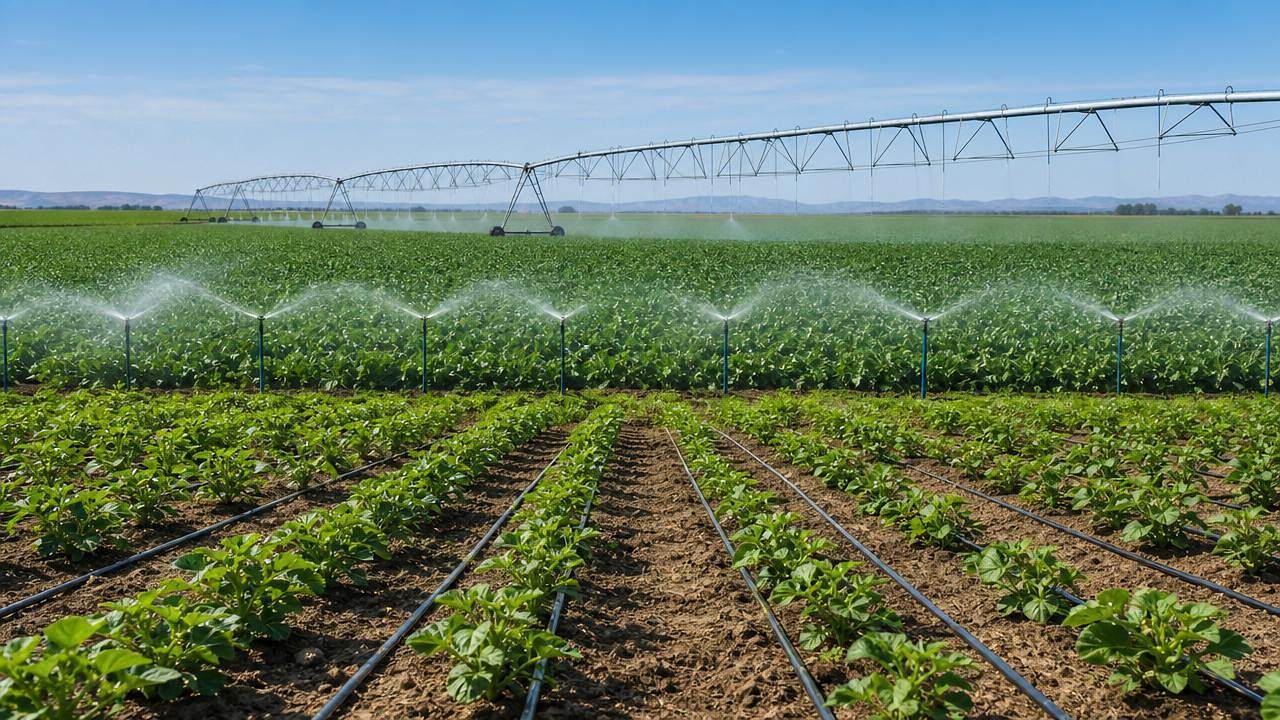




Choosing among drip, sprinkler, and pivot systems is no longer a simple equipment decision. In a market shaped by tighter water regulation, rising energy costs, and precision farming targets, water-saving irrigation influences yield stability, labor planning, and long-term capital efficiency.
That is why the comparison matters across today’s broader agri-equipment chain. For platforms such as AP-Strategy, where intelligent irrigation sits beside combines, tractor chassis, and data-led field tools, irrigation selection is part of a larger operating model rather than a standalone purchase.
The most effective choice depends on crop value, field geometry, soil behavior, automation goals, and service availability. A system that saves the most water on paper may still underperform if filtration, pressure control, or maintenance discipline do not match local conditions.
Why water-saving irrigation now carries strategic weight
Water-saving irrigation has moved from a technical upgrade to a business resilience issue. Many regions now face pressure from groundwater depletion, unstable rainfall, and stricter reporting on resource use.
At the same time, large farms are expected to produce more with fewer inputs. That creates a direct link between irrigation design and the wider Agriculture 4.0 agenda of measurable efficiency.
AP-Strategy’s focus on intelligent farm tools and hydrological strategy reflects this shift. The conversation is no longer only about moving water. It is about matching every cubic meter to plant demand, field variability, and operating economics.
Three systems, three different operating logics
Drip, sprinkler, and pivot systems all support water-saving irrigation, but they do so in different ways. Their real differences appear in delivery method, labor profile, infrastructure intensity, and tolerance for field variability.
Drip irrigation
Drip systems apply water close to the root zone through emitters and lateral lines. They are usually associated with the highest water-use efficiency when design and maintenance are handled properly.
They work especially well in orchards, vineyards, vegetables, row crops with high input value, and areas where evaporation losses are severe. Fertigation control is another strong advantage.
Sprinkler irrigation
Sprinkler systems distribute water overhead through nozzles under pressure. They are flexible and can suit uneven fields, mixed cropping plans, and operations that need moderate capital commitment.
They can also support germination and cooling, but wind drift and evaporation may reduce water efficiency. Uniformity depends heavily on pressure stability and nozzle layout.
Center pivot irrigation
Pivot systems rotate around a central point and cover large circular areas. They are often chosen for broadacre farming where scale, automation, and predictable field shape support a lower cost per irrigated hectare.
Modern pivots can become strong water-saving irrigation assets when equipped with low-pressure drop nozzles, variable rate irrigation, and remote monitoring. Their limitation is geometric rather than technical.
A practical comparison for sourcing decisions
A side-by-side view helps separate marketing claims from field reality. The better system is usually the one that fits agronomy, labor structure, and infrastructure at the same time.
This comparison shows why water-saving irrigation cannot be judged by water efficiency alone. A broadacre cereal operation and a permanent fruit plantation may both pursue savings, but their ideal technologies differ sharply.
Field conditions usually decide more than brand claims
Soil texture is one of the first filters. Sandy soils often benefit from drip because water can be applied in smaller, more frequent doses. Heavy soils may tolerate broader application windows, depending on infiltration rates.
Topography also changes the calculation. Sloped or fragmented land can complicate pivot economics. Irregular blocks often push decisions toward drip or specific sprinkler layouts.
Climate deserves equal attention. In hot, windy areas, sprinkler losses can rise quickly. In contrast, drip systems reduce surface evaporation, while pivots with low-elevation application packages can narrow the gap.
Water quality is another decisive factor. High sediment loads or mineral content can make drip underperform unless filtration, flushing, and chemical treatment are built into the operating budget.
Cost should be measured across the full asset life
Upfront price remains important, but it rarely tells the whole story. Water-saving irrigation should be evaluated through total cost of ownership, including pumping energy, labor, spare parts, downtime, and expected service life.
Drip may produce strong returns where crop value is high and water is scarce. Yet those returns depend on disciplined maintenance, stable filtration, and replacement planning for tapes, emitters, or laterals.
Sprinklers can look attractive where field flexibility matters and water pricing is moderate. Their economics weaken when pressure requirements are high or climatic losses become routine.
Pivots often reward scale. Their capital cost can be substantial, but labor efficiency, automation, and coverage consistency may create a compelling return over time, especially in large, uniform production systems.
Questions that sharpen ROI analysis
- How much water is actually available across peak demand periods?
- What is the energy cost per unit of delivered water?
- How many hectares must one operator supervise per shift?
- What is the likely maintenance burden over five to ten years?
- Can the system support future sensor integration and variable application?
Where digital control changes the decision
Modern water-saving irrigation is increasingly tied to data. Soil moisture probes, weather feeds, satellite imagery, and evapotranspiration models can raise the value of any system, but not all platforms absorb intelligence equally well.
This is where AP-Strategy’s broader perspective becomes useful. Intelligent irrigation now interacts with sensor feedback, prescription-style field management, and equipment interoperability across the farm.
Drip systems can deliver highly targeted fertigation programs. Pivots can apply variable rates by zone. Sprinkler networks can be upgraded with pressure monitoring and automated scheduling, though integration depth varies by design.
In practical terms, the better investment is often the one that fits the farm’s future data architecture. A low-cost system with poor control visibility may become expensive once reporting, compliance, and optimization needs increase.
Common sourcing mistakes in water-saving irrigation
Several errors appear repeatedly in irrigation procurement. They usually stem from overemphasizing purchase price and underestimating operating discipline.
- Selecting drip without confirming filtration quality, flushing design, and emitter serviceability.
- Choosing sprinklers for windy regions without realistic uniformity testing.
- Installing pivots on fragmented parcels where land use leaves too much area untreated.
- Ignoring spare parts access, local service response time, and technician training.
- Treating automation features as optional extras rather than long-term efficiency tools.
A reliable sourcing process should test equipment fit against water source quality, field maps, labor availability, and the farm’s expected digital maturity over the coming years.
A useful framework for the final choice
A simple decision framework helps keep water-saving irrigation choices grounded. Start with the crop and field, then move outward to infrastructure and economics.
- Use drip where water scarcity is acute, crop value is high, and root-zone precision drives returns.
- Use sprinkler systems where flexibility, moderate investment, and varied parcel conditions matter most.
- Use pivots where land is regular, acreage is large, and automation can be fully utilized.
From there, compare vendors on hydraulic design quality, control options, service network strength, and documented field performance. The best outcome usually comes from balancing agronomic fit with operational durability.
For the next step, it makes sense to build a short evaluation matrix using field shape, water source, expected labor input, and five-year operating cost. That approach turns water-saving irrigation from a broad concept into a decision standard that can be tested, compared, and improved over time.
Related News

How North American Farms Can Select Crop Monitoring Systems by Acreage and Connectivity
Crop monitoring systems North America: learn how to match acreage, connectivity, sensors, and data workflows for reliable, actionable farm decisions.

Where to Find Reliable Product Information for Comparing Farm Equipment
Product information resources agriculture buyers can trust: compare farm equipment with technical specs, manuals, field data, dealer support, and lifecycle insights.
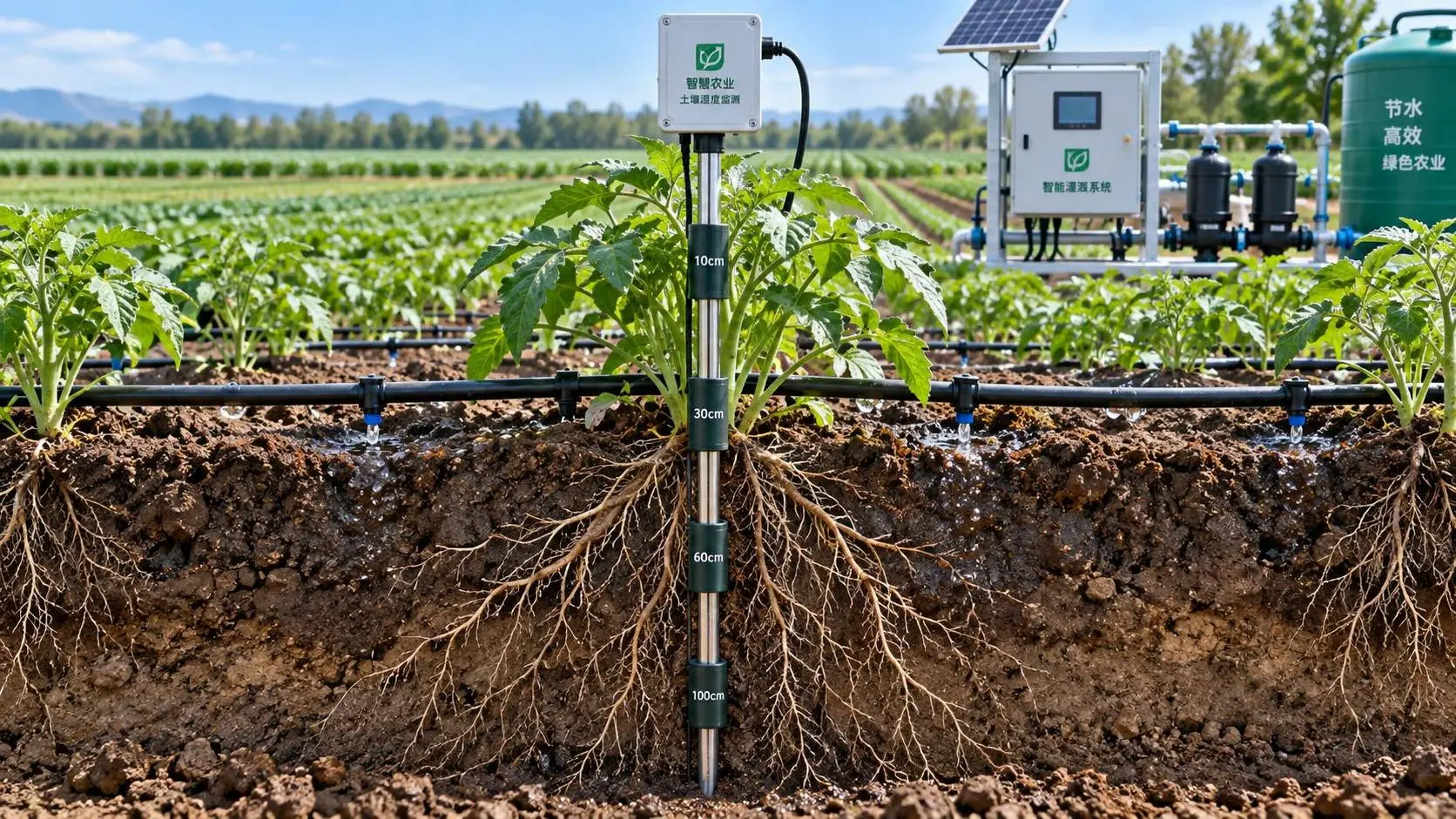
Selecting Real-Time Soil Moisture Sensors for Irrigation Zone Control
Soil moisture sensors real time: learn how to select reliable probes, optimize zone control, improve irrigation decisions, and scale precision water management.
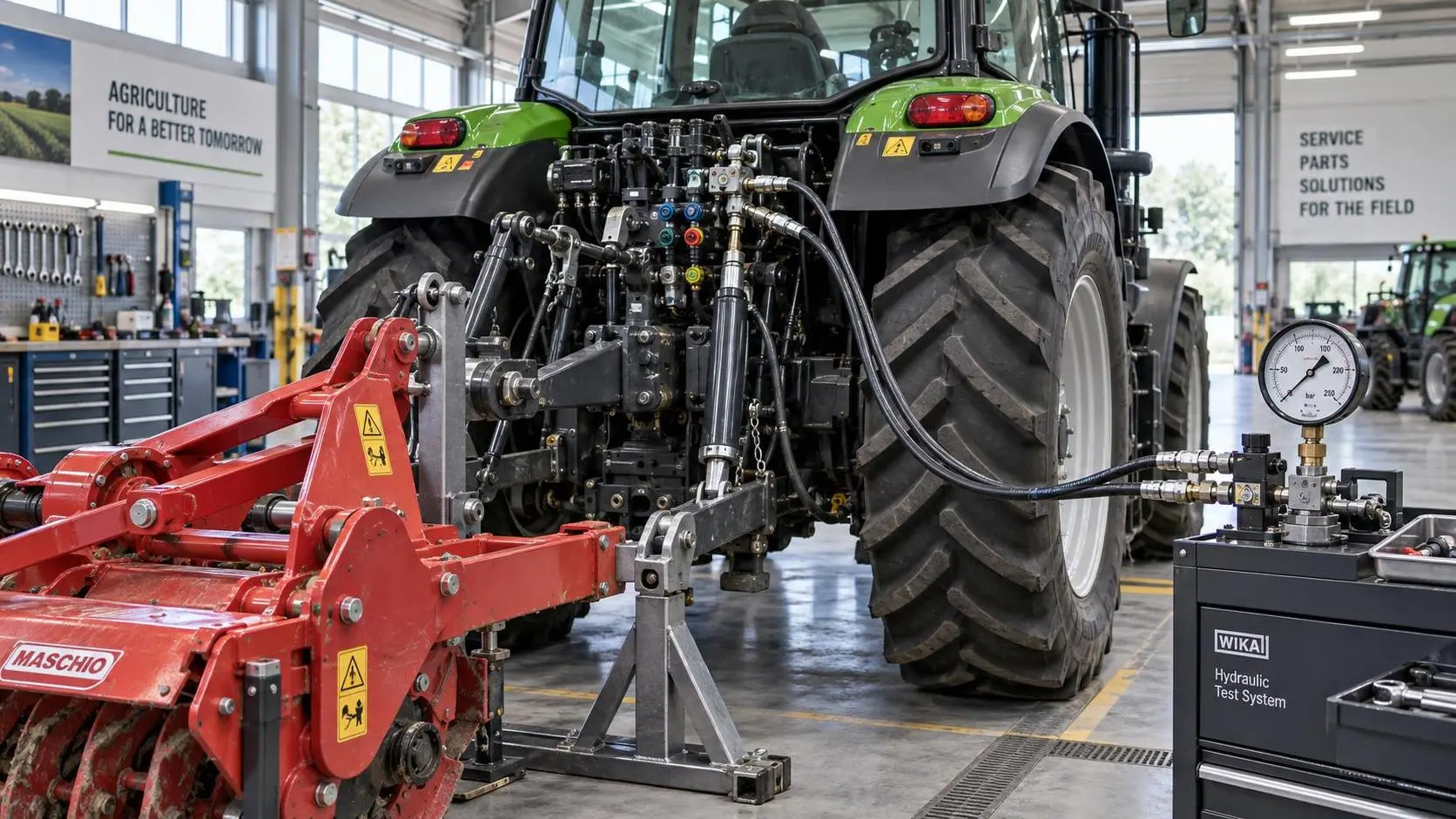
Tractor Hydraulic Systems Troubleshooting: Diagnosing Weak Lift and Slow Implements
Tractor hydraulic systems troubleshooting made practical: diagnose weak lifts and slow implements with proven pressure, flow, valve, and oil-supply checks.
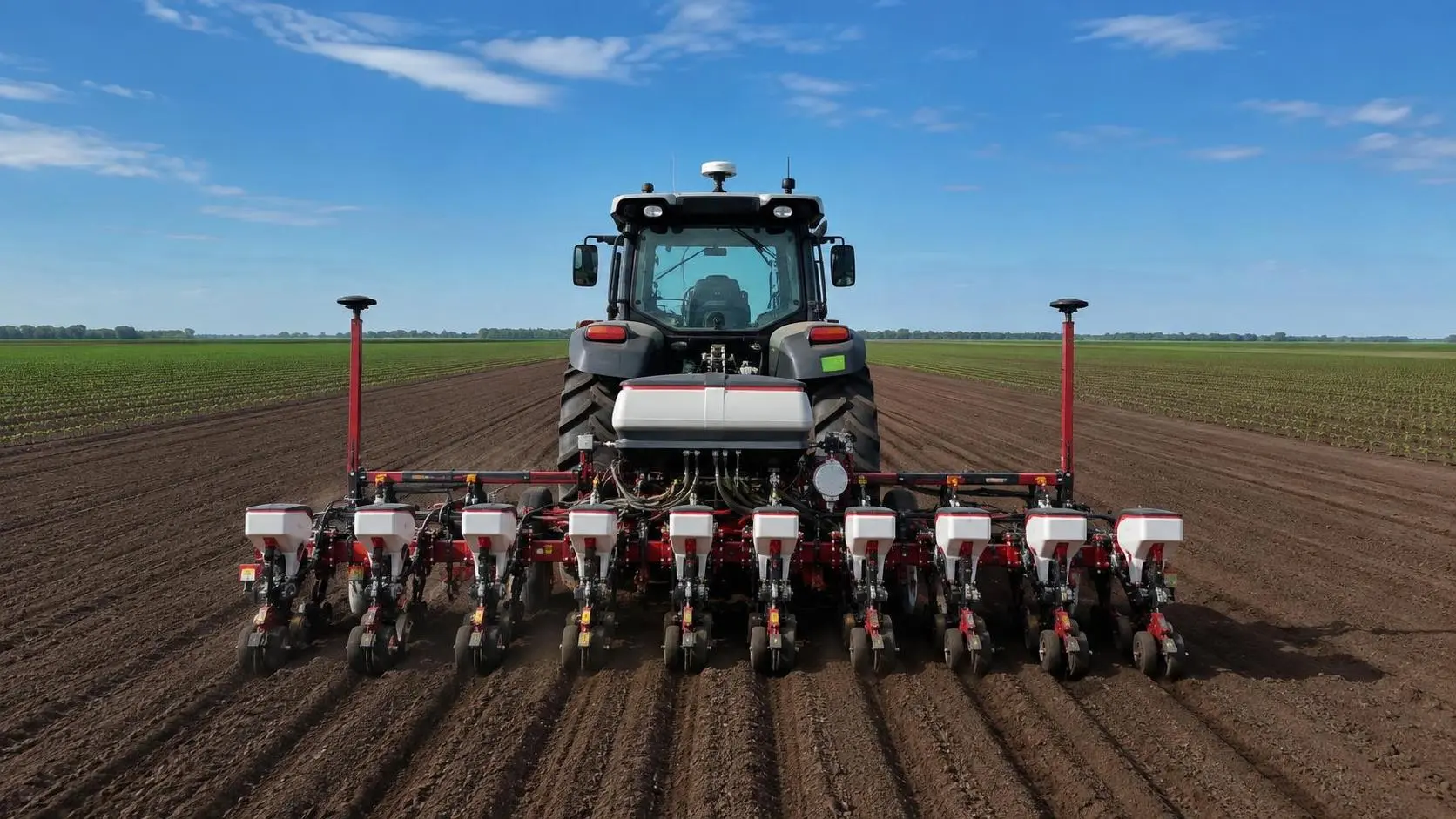
How Tractor Intelligence Systems Improve Field Efficiency and Input Accuracy
Agricultural machinery intelligence for tractors improves field efficiency, input accuracy, data traceability, and implement control. Explore smarter evaluation strategies.
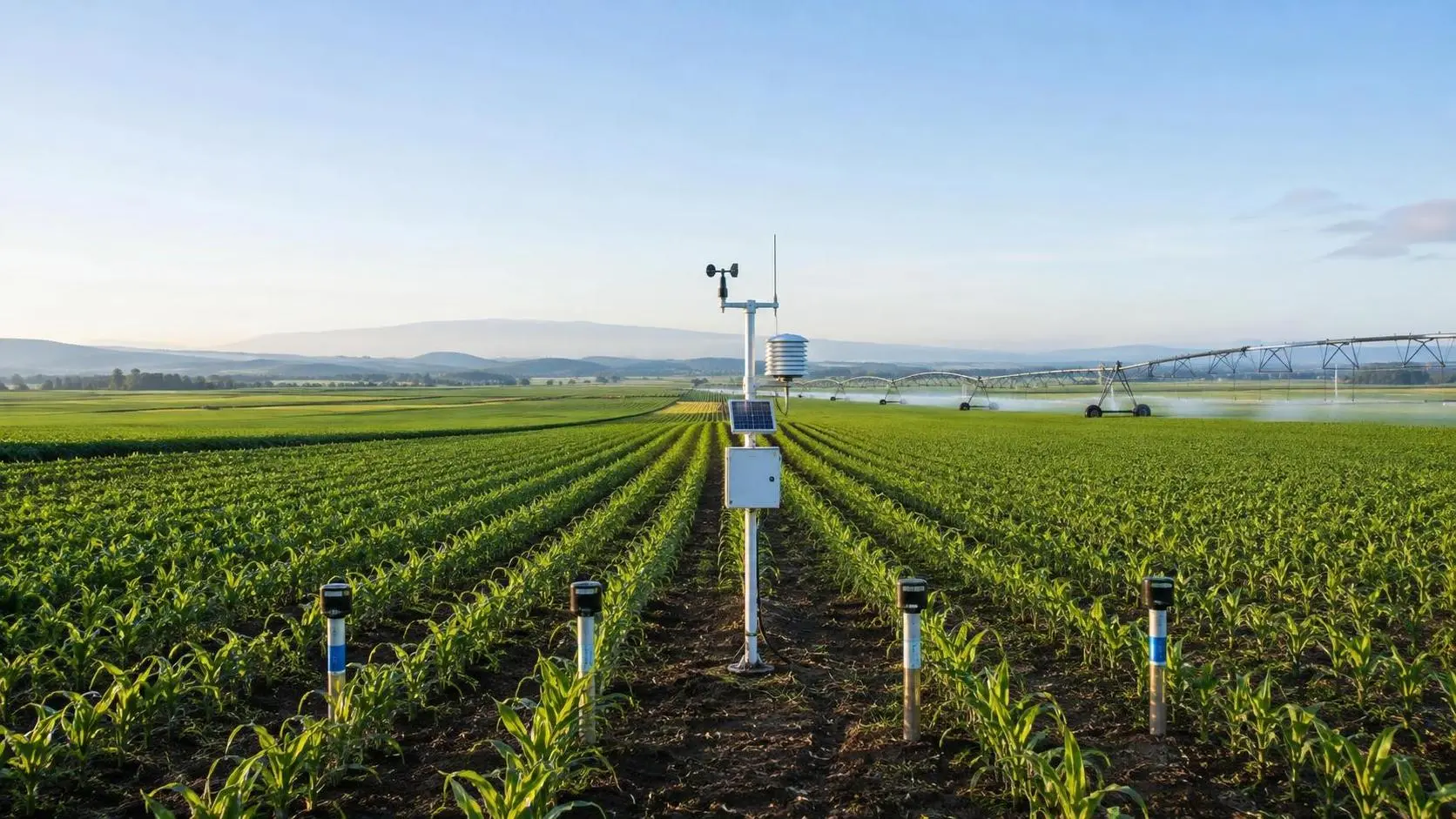
How to Evaluate Crop Monitoring System Manufacturers for Large-Scale Farms
Compare crop monitoring systems manufacturers for large-scale farms. Evaluate data quality, integration, durability, lifecycle costs, support, and pilots for smarter decisions.
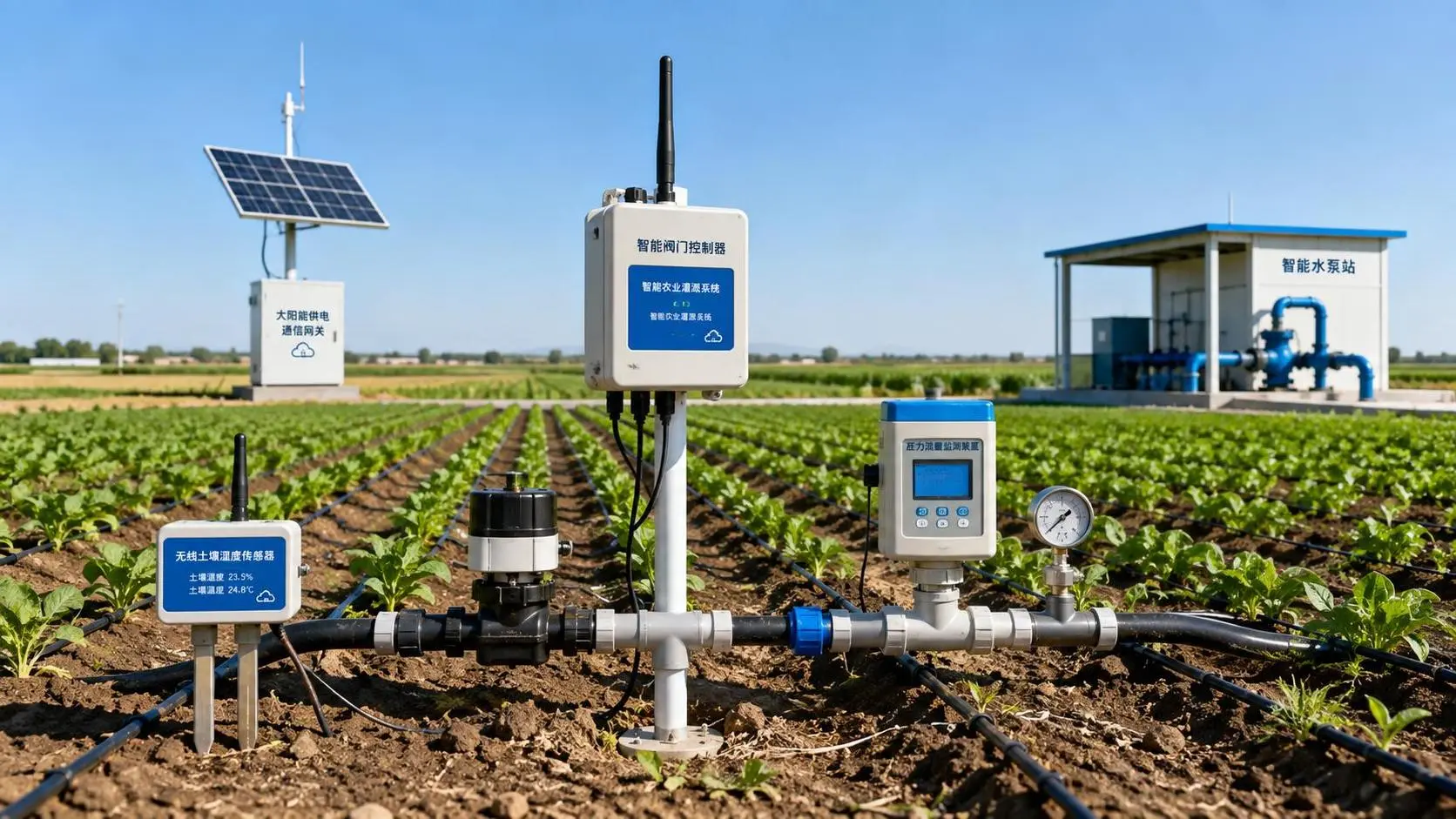
Wireless Agricultural Automation for Remote Irrigation and Field Monitoring
Agricultural automation wireless solutions improve remote irrigation with reliable field data, local control, flow verification, and smarter monitoring. Explore resilient deployment strategies.
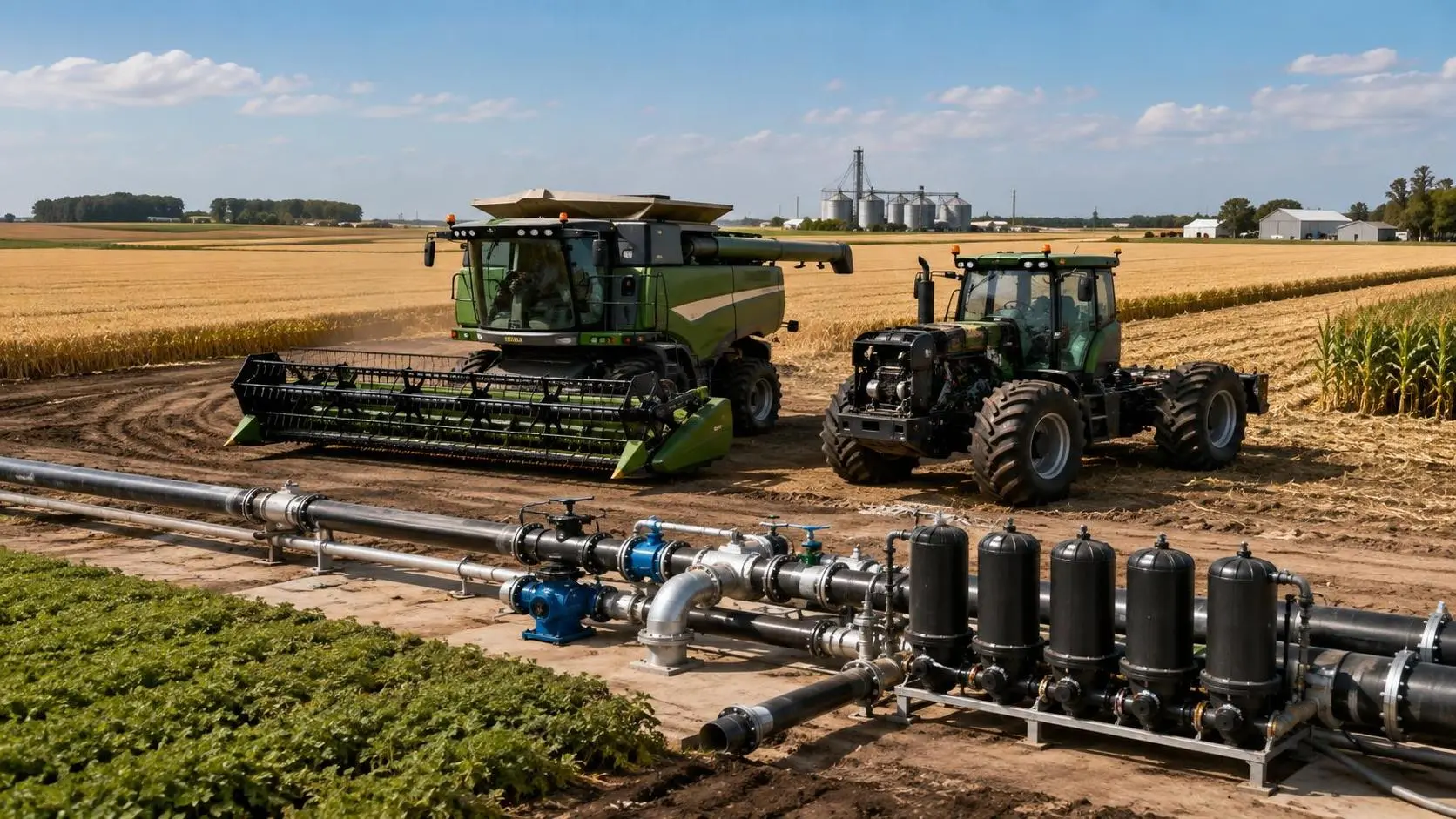
Agricultural Product Information Market Guide: Key Data for Sourcing Decisions
Agricultural product information market guide for smarter sourcing—compare machinery, irrigation, precision tools, lifecycle costs, and supplier risk.
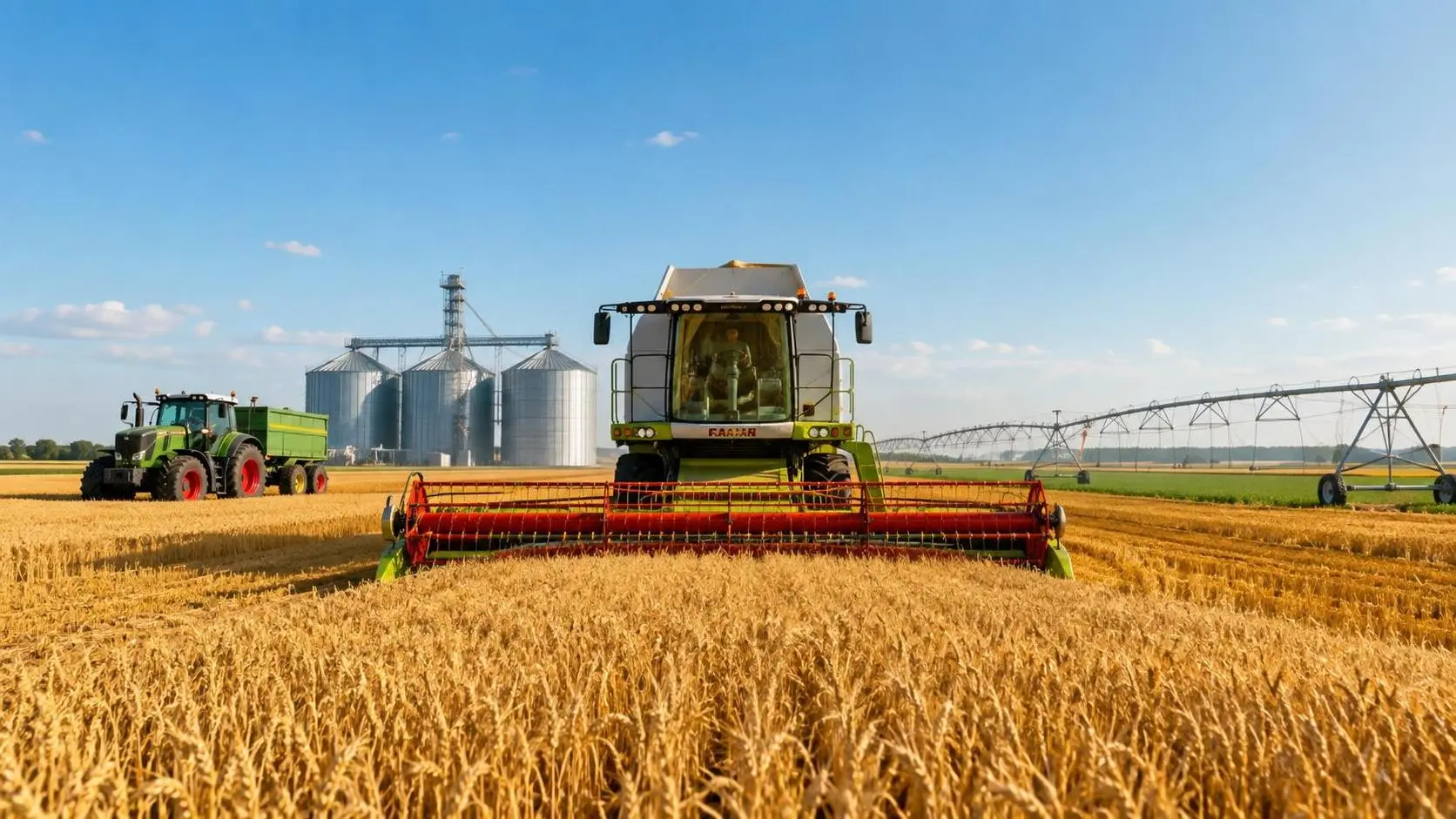
Large-Scale Farm Equipment Cost Comparison: Price, Fuel, and Lifecycle Value
Large-scale farm equipment cost comparison: evaluate price, fuel, maintenance, downtime, and lifecycle value to choose tractors, combines, irrigation, and smart tools with confidence.
Related News
- 00
0000-00
India Opens Duty Relief for Center Pivot Imports - 00
0000-00
What to Check Before Working With a Precision Irrigation Systems Factory - 00
0000-00
Red Sea Shock Tightens CPS Capacity, Rates Jump 37% - 00
0000-00
Red Sea Escalation Tightens Center Pivot Shipping - 00
0000-00
Red Sea Disruption Extends Center Pivot Transit to 42 Days
Popular Tags
Hydrological Resource Strategist
Weekly Insights
Stay ahead with our curated technology reports delivered every Monday.