
North America Pivot Delivery Time Extends to 22 Weeks
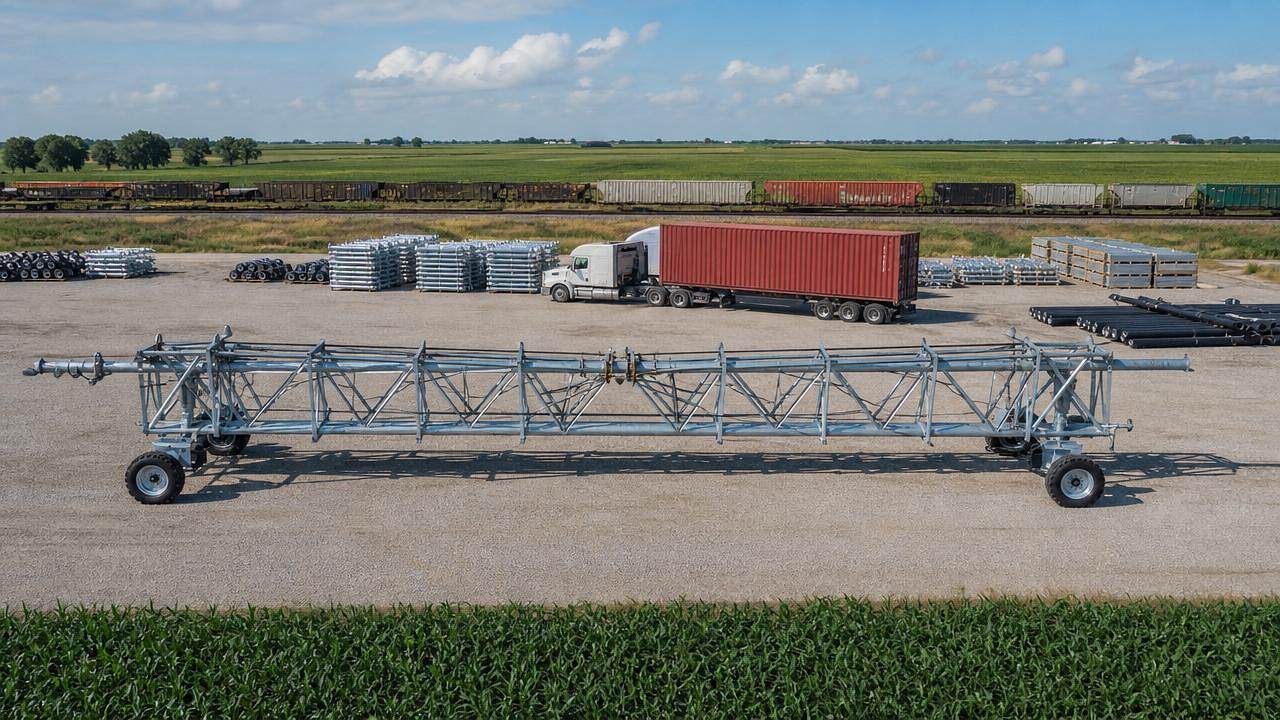




The timing of the disruption is not clearly specified in the available information, but the latest USDA supply chain alert dated June 14, 2026 points to a material change in delivery conditions for large Center Pivot Systems in North America. The development is relevant not only as a logistics update, but as an execution signal for procurement, order fulfillment, channel inventory management, and cross-border delivery planning. Manufacturers, dealers, importers, project buyers, and supply chain service providers should pay closer attention because longer lead times and lower inventories can directly affect contract scheduling, documentation readiness, and delivery commitments.
What the USDA alert confirms
According to the information provided, the USDA issued a supply chain warning on June 14, 2026 stating that persistent congestion at the ports of Los Angeles and Long Beach, together with insufficient inland rail capacity, has extended the average delivery cycle for complete large Center Pivot Systems and key truss components from 14 weeks to 22 weeks.
The same information states that dealer inventories in North America have fallen to the lowest level seen in nearly five years, averaging 1.8 months.
It is also confirmed that leading Chinese manufacturers are using bonded warehouses in Mexico to divert orders.
Where the pressure is likely to appear first
Procurement and project delivery schedules
From an industry perspective, buyers of large irrigation systems may be affected first because the confirmed extension from 14 to 22 weeks changes the practical delivery window used in procurement planning. The immediate pressure is likely to appear in project scheduling, delivery clauses, and coordination between equipment orders and installation readiness. What deserves closer attention is whether tender documents, delivery milestones, and supplier confirmations are updated in time to reflect the longer cycle.
Dealers and channel inventory management
Dealers and distribution channels may face tighter allocation pressure because the reported average inventory level of 1.8 months leaves less room to absorb delays. The business impact is likely to center on order prioritization, replacement part planning, and customer communication on lead times. Observably, channel participants should watch for changes in ordering discipline, stock reservation practices, and the supporting documents used to confirm promised delivery dates.
Export coordination and cross-border fulfillment
For exporters and supply chain operators, the shift toward bonded warehouse diversion through Mexico is significant as an operational response within the current trade and logistics environment. Analysis shows that this may affect routing decisions, handover timing, and the documentation workflow tied to shipment execution. Companies involved in export fulfillment should pay attention to whether routing changes create new requirements for customs paperwork, delivery records, or contract terms linked to the final place of fulfillment.
After-sales and component availability
After-sales service providers and maintenance support teams may also feel the effect if core truss components remain subject to extended lead times. The main risk is less about headline demand and more about service continuity, especially where equipment uptime depends on timely replacement parts. What deserves closer attention is the traceability of component supply, the consistency of technical documentation, and any adjustments to promised service windows.
What companies should monitor now
Recheck delivery commitments in contracts and bids
Analysis shows that companies should review whether existing quotations, bid files, and supply agreements still reflect realistic lead times. If documents continue to rely on earlier assumptions, the gap between contractual delivery language and actual fulfillment conditions may widen.
Keep routing changes aligned with compliance paperwork
Where orders are being diverted through bonded warehouse arrangements, companies should closely monitor whether shipping documents, trade records, and internal approval flows remain consistent with the revised logistics path. The current information does not provide execution details, so this is better treated as a point for ongoing review rather than a confirmed compliance outcome.
Watch inventory signals across the channel
With dealer inventories described as being at a near five-year low, manufacturers, distributors, and buyers should pay attention to reorder timing and allocation discipline. Observably, low buffer stock can make even routine document delays or transport disruptions more visible in day-to-day execution.
Prepare for changes in customer communication and service planning
Longer equipment and component lead times may require clearer lead-time disclosures, more cautious installation scheduling, and closer coordination between sales, logistics, and after-sales teams. This is especially relevant where delivery commitments are linked to project milestones or seasonal use windows.
How this signal should be understood
Analysis shows that this development is better understood as an execution-level signal rather than a stand-alone logistics headline. The USDA alert does not by itself establish a new formal regulation in the information provided, but it does indicate a change in the operating conditions that businesses must account for in trade execution, procurement timing, and channel planning.
From an industry perspective, the most important point is not only that lead times have lengthened, but that inventory buffers are also thinner at the same time. That combination can make delivery risk more immediate for firms that rely on fixed schedules, coordinated installation, or narrow purchasing windows.
It is more appropriate to understand this as a developing market and execution condition that deserves continued monitoring, especially where routing, bonded warehousing, fulfillment records, and customer commitments intersect.
A practical reading of the current update
At this stage, the information points to a confirmed deterioration in delivery conditions for large Center Pivot Systems and key truss components in North America, alongside tighter dealer inventories and an emerging routing adjustment through Mexico bonded warehouses. The industry significance lies in how these changes may reshape procurement timing, shipment planning, and channel execution rather than in any single headline figure.
A neutral reading is that the market is facing a more constrained fulfillment environment, while the full downstream effect on trade execution, contract practice, and service delivery still requires observation. For now, this update is best treated as a concrete operational warning with broader compliance and supply chain implications that companies should monitor closely.
Basis of this article and what still needs verification
This article is generated on the basis of the user-provided news title, event timing, and event summary. The specific official source link was not provided in the input, so the underlying publication and any subsequent official clarifications still need to be verified on an ongoing basis.
For events of this type, commonly relevant source categories may include official notices, regulator releases, customs or trade authority information, industry association updates, standard-setting documents, and reporting by established professional media.
What still requires continued observation includes any later official wording, implementation interpretation, tender document adjustments, customer-side delivery requirements, channel feedback, and how companies execute routing, inventory, and fulfillment changes in practice.
Related News

Specification Planning: A Practical Framework for Defining Equipment Requirements
Application guidance for specification planning: define measurable equipment requirements, prioritize performance, and avoid costly procurement mistakes.

How North American Farms Can Select Crop Monitoring Systems by Acreage and Connectivity
Crop monitoring systems North America: learn how to match acreage, connectivity, sensors, and data workflows for reliable, actionable farm decisions.

Where to Find Reliable Product Information for Comparing Farm Equipment
Product information resources agriculture buyers can trust: compare farm equipment with technical specs, manuals, field data, dealer support, and lifecycle insights.

Selecting Real-Time Soil Moisture Sensors for Irrigation Zone Control
Soil moisture sensors real time: learn how to select reliable probes, optimize zone control, improve irrigation decisions, and scale precision water management.

Tractor Hydraulic Systems Troubleshooting: Diagnosing Weak Lift and Slow Implements
Tractor hydraulic systems troubleshooting made practical: diagnose weak lifts and slow implements with proven pressure, flow, valve, and oil-supply checks.

How Tractor Intelligence Systems Improve Field Efficiency and Input Accuracy
Agricultural machinery intelligence for tractors improves field efficiency, input accuracy, data traceability, and implement control. Explore smarter evaluation strategies.

How to Evaluate Crop Monitoring System Manufacturers for Large-Scale Farms
Compare crop monitoring systems manufacturers for large-scale farms. Evaluate data quality, integration, durability, lifecycle costs, support, and pilots for smarter decisions.
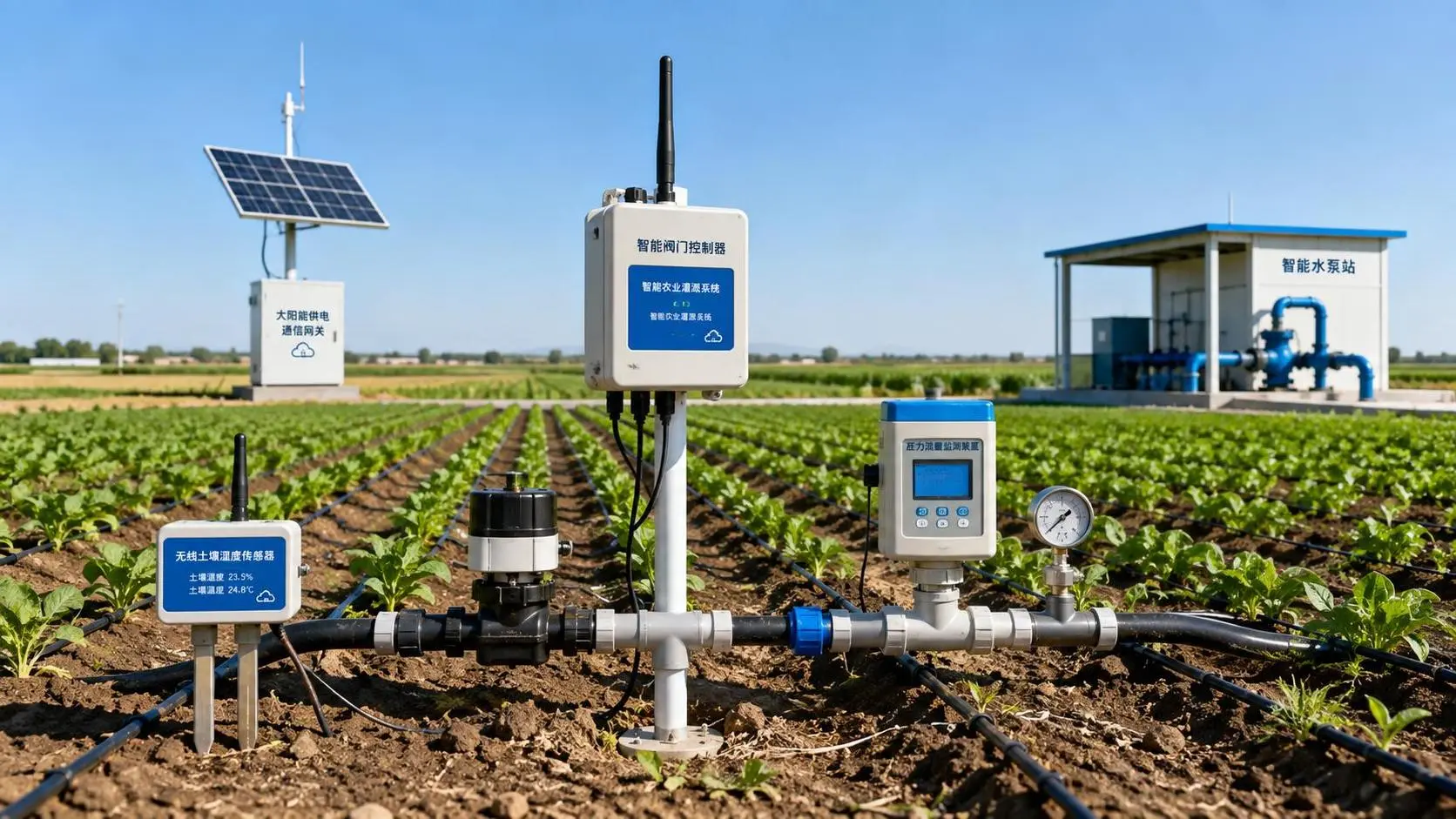
Wireless Agricultural Automation for Remote Irrigation and Field Monitoring
Agricultural automation wireless solutions improve remote irrigation with reliable field data, local control, flow verification, and smarter monitoring. Explore resilient deployment strategies.

Agricultural Product Information Market Guide: Key Data for Sourcing Decisions
Agricultural product information market guide for smarter sourcing—compare machinery, irrigation, precision tools, lifecycle costs, and supplier risk.
Related News
- 00
0000-00
India Opens Duty Relief for Center Pivot Imports - 00
0000-00
What to Check Before Working With a Precision Irrigation Systems Factory - 00
0000-00
Red Sea Shock Tightens CPS Capacity, Rates Jump 37% - 00
0000-00
Red Sea Escalation Tightens Center Pivot Shipping - 00
0000-00
Red Sea Disruption Extends Center Pivot Transit to 42 Days
Popular Tags
Hydrological Resource Strategist
Weekly Insights
Stay ahead with our curated technology reports delivered every Monday.