
Rail-Sea Route Cuts Kenya Farm Machinery Transit by 30%
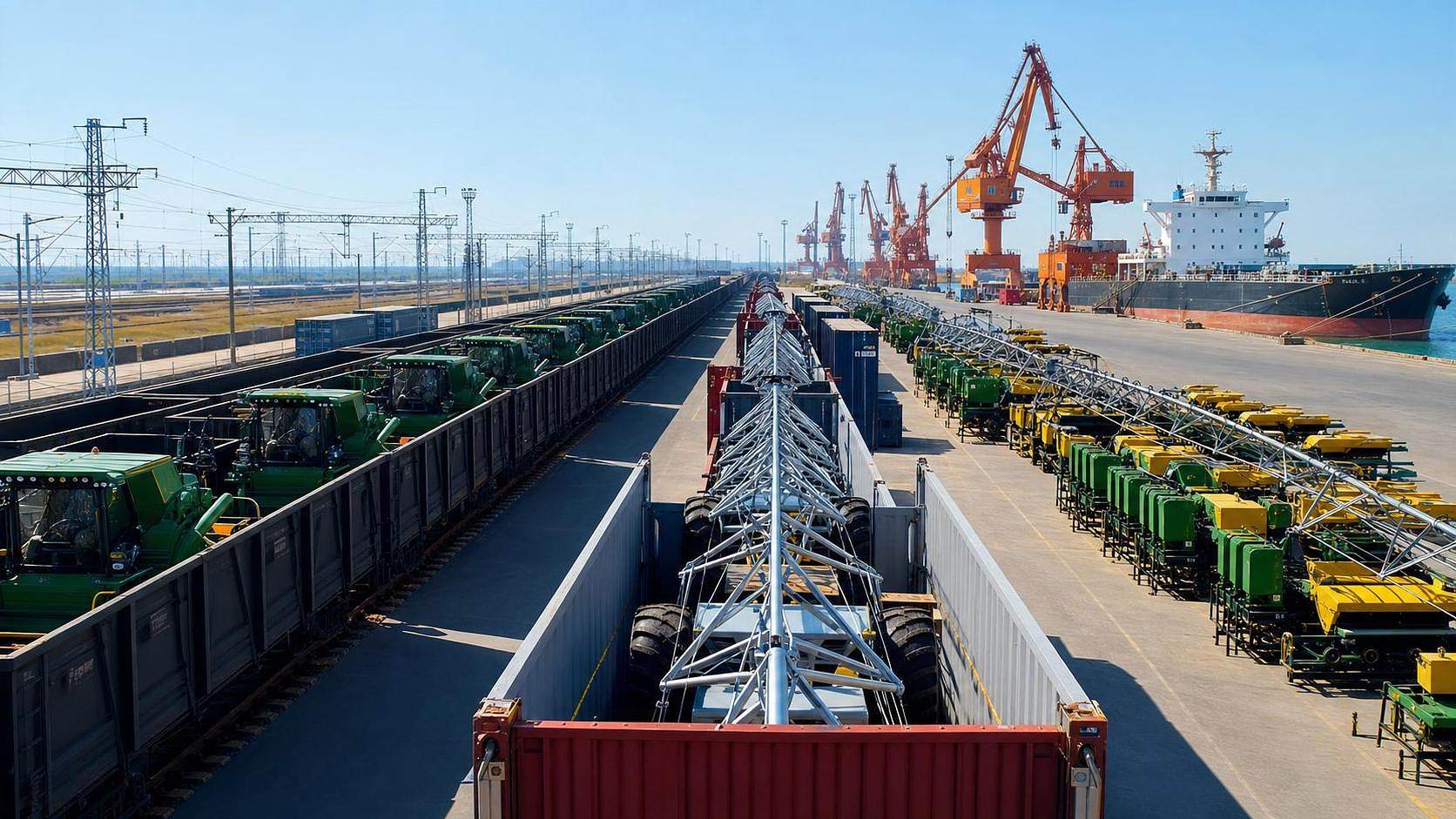




The timing of this development is not specified in the source input, but the normalization of a rail-sea transport corridor linking Hunan with East Africa is already drawing attention across agricultural machinery exports, engineering equipment logistics, customs processing, and cross-border delivery planning. For companies serving the Kenya market, the key point is not only faster transit, but also what a shorter and more integrated route could mean for shipment predictability, documentation handling, and product mix.
A faster export link to Kenya
According to the provided information, Hunan’s engineering machinery and agricultural machinery products are being transported through a dedicated route running from Zhuzhou to Guangzhou Port and then to Mombasa Port for Nairobi-bound trade flows. End-to-end transit time has been reduced to 18 days, which is 30% faster than traditional sea shipping.
The corridor has also implemented a single-document customs clearance model, with customs declaration, inspection, and release handled in an integrated process.
In the first two months of 2026, Hunan’s agricultural machinery exports to Africa rose 77% year on year. Among those exports, Center Pivot Systems and GPS Guidance Systems accounted for more than 42%.
Why different business roles may pay attention
Exporters focused on delivery commitments
From an industry perspective, exporters of agricultural machinery and related equipment may be affected first because transit time is directly tied to contract execution and customer expectations. A route shortened to 18 days may influence shipment planning, promised delivery windows, and the way exporters position service reliability in the Kenya market.
Manufacturers shipping higher-value equipment
Manufacturers of irrigation and guidance systems may pay closer attention because the product mix in the provided data shows a relatively large share for Center Pivot Systems and GPS Guidance Systems. Analysis shows that when these categories account for more than 42% of exports, logistics efficiency becomes more relevant not only for volume movement but also for coordinating equipment delivery with downstream installation and use.
Supply chain and customs service providers
What deserves closer attention is the integrated customs model. For freight forwarders, customs brokers, and related service providers, a single-document clearance process may affect document preparation, inspection coordination, and release timing. The main impact is likely to appear in operational execution rather than in broad market expansion claims.
Buyers and distribution partners in the destination market
For overseas buyers and channel partners, shorter transit time may matter most in inventory planning and communication around arrival schedules. Observably, the route information is most relevant where delivery certainty is commercially important, especially for equipment that may be linked to farm deployment schedules.
Operational points companies should watch now
Whether the faster corridor becomes part of standard planning
Companies should distinguish between a transport improvement and a fully stabilized operating baseline. The input confirms that the corridor has become normalized and that transit time has been compressed, but businesses still need to monitor whether this route is consistently adopted in internal planning, quotations, and customer-facing lead times.
How product documentation aligns with integrated clearance
Because the route uses integrated processing for declaration, inspection, and release, exporters and service providers should pay close attention to documentation completeness and consistency. In practical terms, this affects customs files, inspection readiness, and communication between manufacturers, logistics teams, and clearance agents.
Which product categories are gaining momentum
The current export structure makes Center Pivot Systems and GPS Guidance Systems a priority watch area. Analysis shows that companies involved in these product lines may need to track whether logistics improvements continue to support shipment growth, and whether customer inquiries increasingly center on delivery timing rather than only price or specification.
How to communicate lead time changes to customers
Businesses should be careful not to treat a reported transit advantage as a blanket promise for every shipment. What deserves closer attention is how sales teams, distributors, and operations teams translate the 18-day route figure into contract language, shipment updates, and contingency planning.
What this signal may mean at this stage
Analysis shows that this development is more than a simple logistics update, because it combines three elements in one piece of information: a normalized route, a shorter transport cycle, and integrated customs handling. Taken together, these indicate that logistics capability is becoming a more visible part of agricultural machinery export competitiveness in this trade lane.
At the same time, it is more appropriate to understand this as a meaningful operating signal rather than a final market conclusion. The export growth figure and the product concentration data are notable, but the provided information alone does not establish how durable the growth will be across a longer period or across more categories.
How to read the development rationally
For the industry, the main significance lies in the closer connection between inland manufacturing, port transfer, and African destination delivery. The reported gains in timing and customs coordination suggest that execution efficiency is becoming a more important part of cross-border machinery trade.
Still, the current information is best understood as a concrete logistics and trade facilitation signal with clear near-term relevance, especially for exporters, manufacturers, and service providers tied to the Kenya-bound route. Whether it becomes a broader long-term pattern remains something the market needs to continue watching.
About the basis of this article
This article is generated from the user-provided news title, the note that the event timing is not specified, and the supplied event summary. No specific official source link was provided in the input, so the exact official documentation still requires ongoing verification.
For this type of development, source categories that are usually relevant include official announcements, company disclosures, industry association updates, authoritative media reporting, and customs or trade-related notices. Follow-up observation should focus on whether additional official wording, route execution details, category-level export updates, or operational rules are released later.
Related News

How to Evaluate Agricultural Product Information Sources for Reliable Farm Decisions
Agricultural product information reference guide: evaluate reliable farm data, verify claims, and make smarter machinery, irrigation, and crop decisions.

Farm Machinery Guide: Matching Tractor Horsepower and Implements to Farm Size
Farm machinery guide for tractors: match horsepower, implement width, hydraulics, traction, and fleet capacity to farm size for lower costs and reliable field performance.
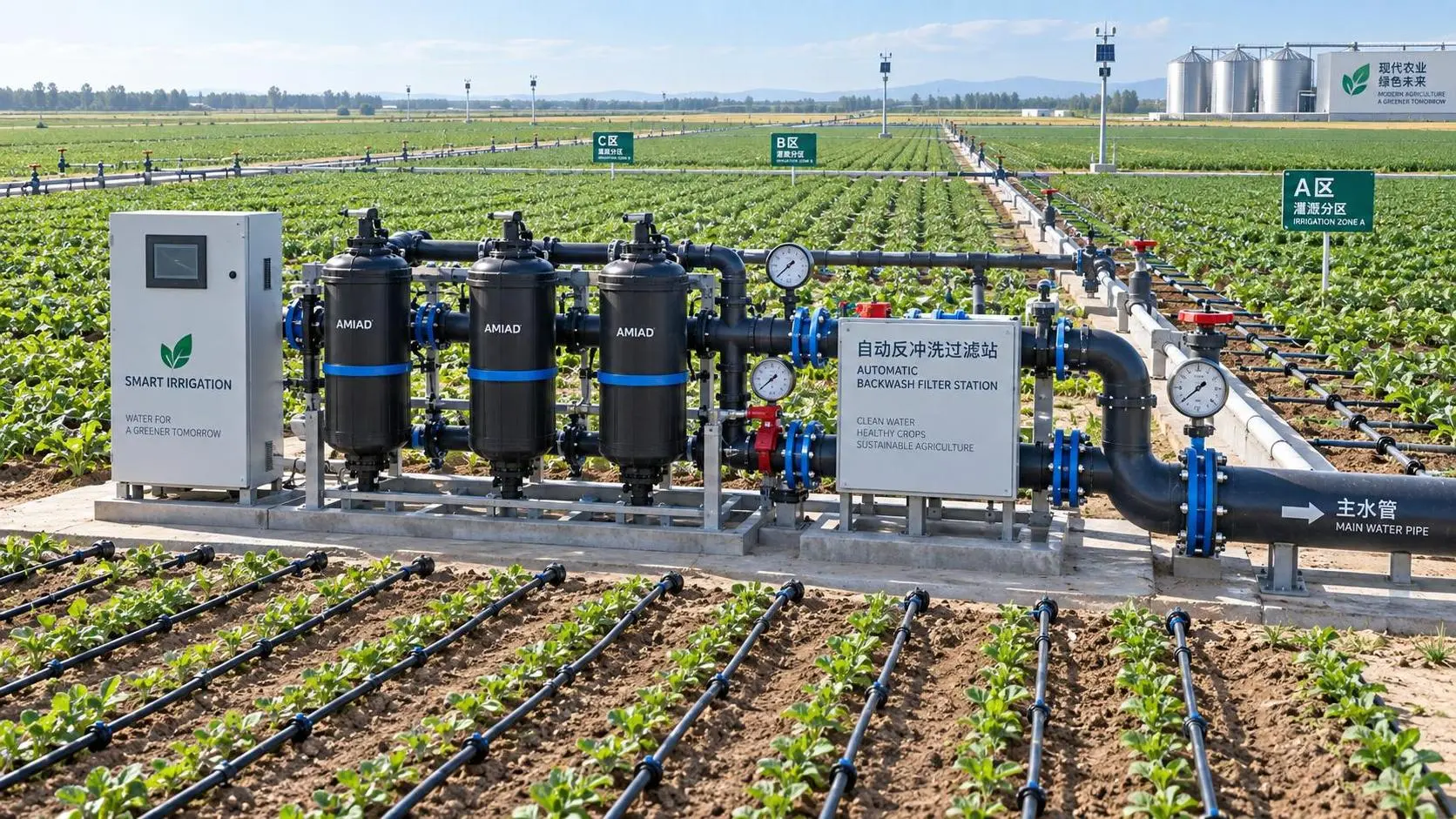
How to Evaluate Drip Irrigation System Manufacturers for Large Farm Projects
Drip irrigation systems manufacturer evaluation guide for large farms: compare hydraulic design, filtration, quality control, scalability, delivery, and support.

Specification Planning: A Practical Framework for Defining Equipment Requirements
Application guidance for specification planning: define measurable equipment requirements, prioritize performance, and avoid costly procurement mistakes.

How North American Farms Can Select Crop Monitoring Systems by Acreage and Connectivity
Crop monitoring systems North America: learn how to match acreage, connectivity, sensors, and data workflows for reliable, actionable farm decisions.

Where to Find Reliable Product Information for Comparing Farm Equipment
Product information resources agriculture buyers can trust: compare farm equipment with technical specs, manuals, field data, dealer support, and lifecycle insights.

Selecting Real-Time Soil Moisture Sensors for Irrigation Zone Control
Soil moisture sensors real time: learn how to select reliable probes, optimize zone control, improve irrigation decisions, and scale precision water management.
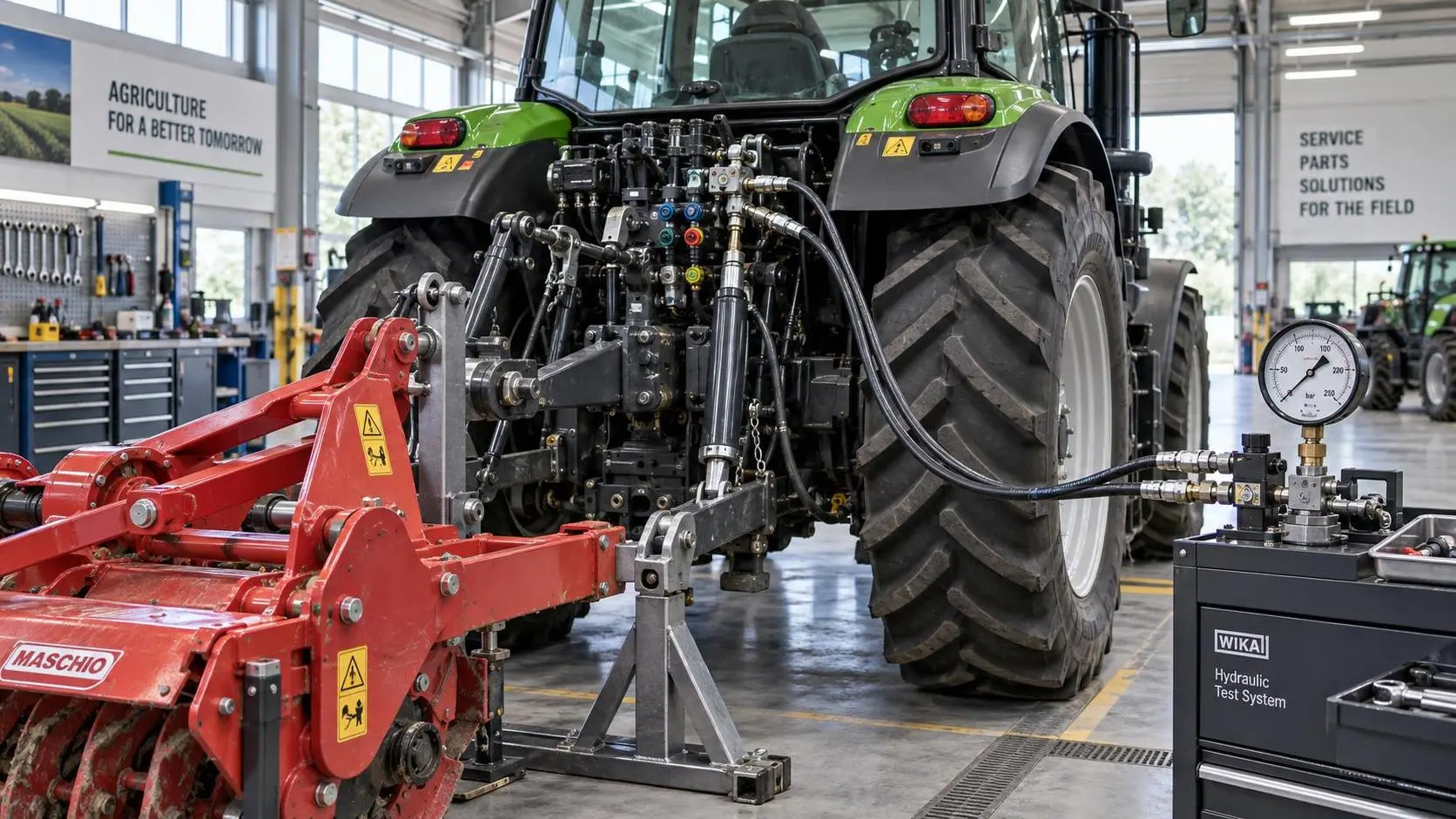
Tractor Hydraulic Systems Troubleshooting: Diagnosing Weak Lift and Slow Implements
Tractor hydraulic systems troubleshooting made practical: diagnose weak lifts and slow implements with proven pressure, flow, valve, and oil-supply checks.

How Tractor Intelligence Systems Improve Field Efficiency and Input Accuracy
Agricultural machinery intelligence for tractors improves field efficiency, input accuracy, data traceability, and implement control. Explore smarter evaluation strategies.
Related News
- 00
0000-00
India Opens Duty Relief for Center Pivot Imports - 00
0000-00
What to Check Before Working With a Precision Irrigation Systems Factory - 00
0000-00
Red Sea Shock Tightens CPS Capacity, Rates Jump 37% - 00
0000-00
Red Sea Escalation Tightens Center Pivot Shipping - 00
0000-00
Red Sea Disruption Extends Center Pivot Transit to 42 Days
Popular Tags
Hydrological Resource Strategist
Weekly Insights
Stay ahead with our curated technology reports delivered every Monday.