
Center Pivot Lead Times Reach 22 Weeks in North America
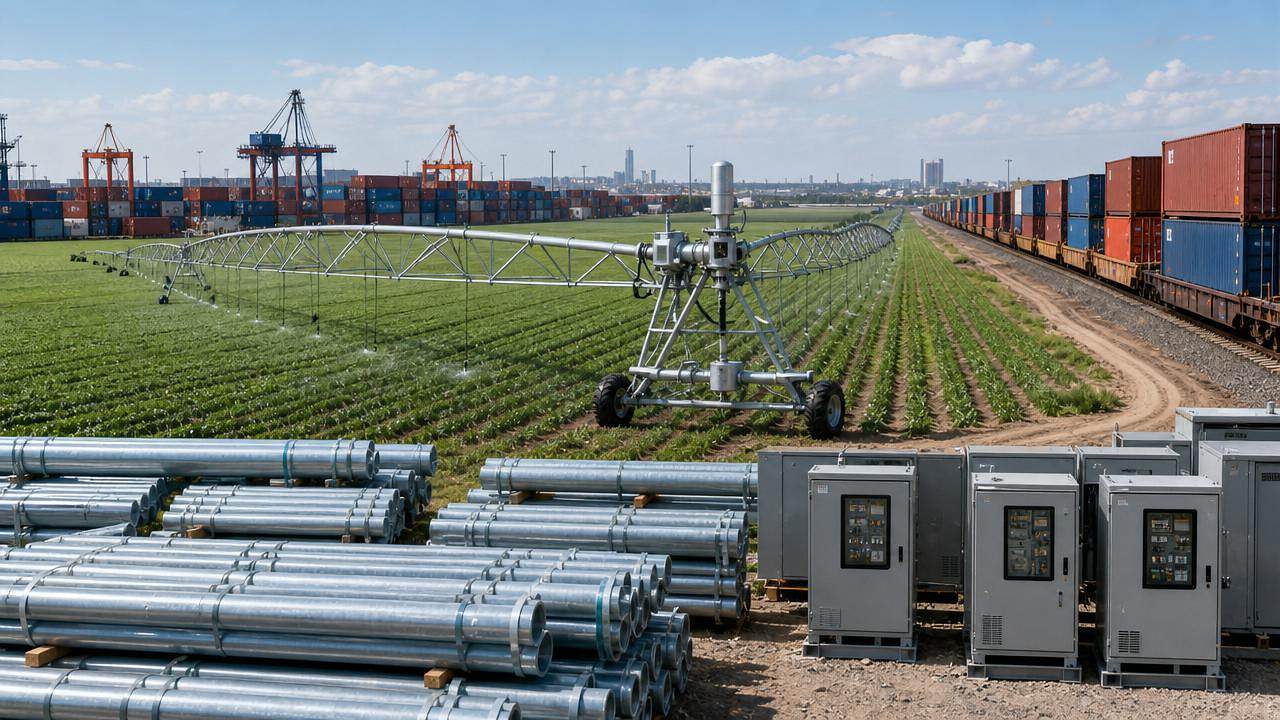




On June 10, 2026, the latest supply-chain update around Center Pivot Systems in North America drew industry attention after average lead times extended from 14 weeks in Q4 2025 to 22 weeks. The development matters not only to irrigation equipment suppliers and distributors, but also to manufacturers, component buyers, logistics providers, and downstream purchasers that depend on predictable delivery windows. What deserves closer attention is that the delay is linked to both transport congestion and component cost pressure, making it a broader execution issue across sourcing, assembly, and market delivery rather than a single-point disruption.
What the current update confirms
According to a USDA supply-chain briefing dated June 12, the longer lead time in the North American Center Pivot Systems market is tied to continued congestion at the Port of Seattle and the Winnipeg rail hub. The average delivery cycle has increased from 14 weeks in Q4 2025 to 22 weeks.
The confirmed bottlenecks are limited shipping capacity for galvanized steel pipe and smart control cabinets. At the same time, Canada’s additional 25% tariff on certain electronic components from China has raised the cost of local controller assembly. The same briefing also indicates that multiple international distributors have begun evaluating East Coast backup customs-clearance routes.
Where the pressure is likely to be felt first
Equipment manufacturing and assembly face timing and cost friction
From an industry perspective, manufacturers and assemblers are likely to feel the impact through two connected points: delayed access to key physical inputs and higher controller assembly costs. Galvanized steel pipe and smart control cabinets are both directly tied to production readiness, so any disruption in these categories can affect factory scheduling, order sequencing, and promised shipment dates.
Distributors and channel operators need to watch fulfillment reliability
For distributors, the issue is not only whether inventory can arrive, but whether import routing remains stable enough to support customer commitments. The fact that some international distributors are already assessing East Coast backup clearance channels suggests that route flexibility is becoming an operational consideration. Observably, delivery predictability may matter as much as nominal product availability in the near term.
Buyers and project-side purchasers may face planning uncertainty
Purchasers of Center Pivot Systems may need to pay closer attention to scheduling assumptions, especially where procurement and installation timing are closely linked. Analysis shows that when lead times extend sharply, the immediate business impact is often seen in order planning, supplier coordination, and communication around delivery expectations rather than in a single isolated cost item.
Supply-chain service providers should monitor route and customs adjustments
Logistics and customs-related service providers should closely track whether backup routing discussions translate into actual clearance changes. If more shipments are redirected or diversified, the operational focus may shift toward transit visibility, customs coordination, and documentation readiness across alternative entry paths.
What companies should monitor now
Watch whether congestion signals remain concentrated or spread further
Companies should distinguish between a disruption centered on the Port of Seattle and the Winnipeg rail hub and a wider network issue. The current confirmed facts point to those two nodes, so businesses should avoid assuming broader disruption without further evidence while still preparing for spillover risk.
Track the two most sensitive categories in the supply chain
What deserves closer attention is the status of galvanized steel pipe and smart control cabinets, since these are the bottlenecks specifically identified in the briefing. Firms involved in procurement, assembly, or delivery should review whether these categories are covered by existing contracts, booking arrangements, and delivery commitments.
Separate tariff impact from logistics impact in internal planning
The increase in local controller assembly cost in Canada stems from the additional 25% tariff on certain electronic components from China, while the longer lead time is also linked to transport congestion and shipping-space tightness. In practice, companies may need to assess these as two different pressures: one affecting cost formation and one affecting delivery execution.
Prepare customer communication and backup routing scenarios
Since multiple international distributors are evaluating East Coast backup clearance routes, related businesses should review whether they need parallel routing plans, updated lead-time language in quotations or contracts, and clearer communication with customers on fulfillment timing. This is especially relevant where delivery windows are commercially sensitive.
How this development is best understood at this stage
Analysis shows that this update should not be reduced to a simple shipping delay. It points to a combined stress pattern in North America’s Center Pivot Systems supply chain, where port and rail congestion, vessel-space constraints for specific inputs, and tariff-driven component cost increases are all affecting execution. At the same time, the available information does not yet confirm whether this will become a lasting structural condition or ease after route adjustments and customs alternatives are tested.
It is more appropriate to understand this as a significant operational warning signal rather than a fully settled long-term outcome. The start of backup route evaluation by distributors indicates active market response, but the effectiveness of those measures still needs continued observation.
Why the market should keep this on the radar
The current update is important because it shows that Center Pivot Systems delivery in North America is being shaped by multiple constraints at once, not by one isolated delay. For companies across sourcing, manufacturing, distribution, logistics, and procurement, the immediate issue is execution risk and planning reliability. From an industry perspective, this is best treated as a live supply-chain development that requires close monitoring, practical contingency planning, and cautious interpretation until more confirmed follow-up information emerges.
Basis of this article
This article is based on the user-provided news title, event date, and event summary. The confirmed factual basis includes the reported extension of North American Center Pivot Systems lead times to 22 weeks, the cited congestion at the Port of Seattle and the Winnipeg rail hub, the shortage of shipping capacity for galvanized steel pipe and smart control cabinets, the additional 25% Canadian tariff on certain electronic components from China affecting local controller assembly costs, and the reported evaluation of East Coast backup customs-clearance routes by multiple international distributors.
For this type of industry update, commonly relevant source categories may include official briefings, company announcements, industry association information, authoritative media coverage, and trade or standards-related documents. A specific official source link was not provided in the input, so further verification remains necessary. Continued observation should focus on whether congestion conditions change, whether backup customs-clearance routes are adopted in practice, and whether the identified cost and delivery pressures remain concentrated in the same supply-chain segments.
Related News

How North American Farms Can Select Crop Monitoring Systems by Acreage and Connectivity
Crop monitoring systems North America: learn how to match acreage, connectivity, sensors, and data workflows for reliable, actionable farm decisions.

Where to Find Reliable Product Information for Comparing Farm Equipment
Product information resources agriculture buyers can trust: compare farm equipment with technical specs, manuals, field data, dealer support, and lifecycle insights.

Selecting Real-Time Soil Moisture Sensors for Irrigation Zone Control
Soil moisture sensors real time: learn how to select reliable probes, optimize zone control, improve irrigation decisions, and scale precision water management.
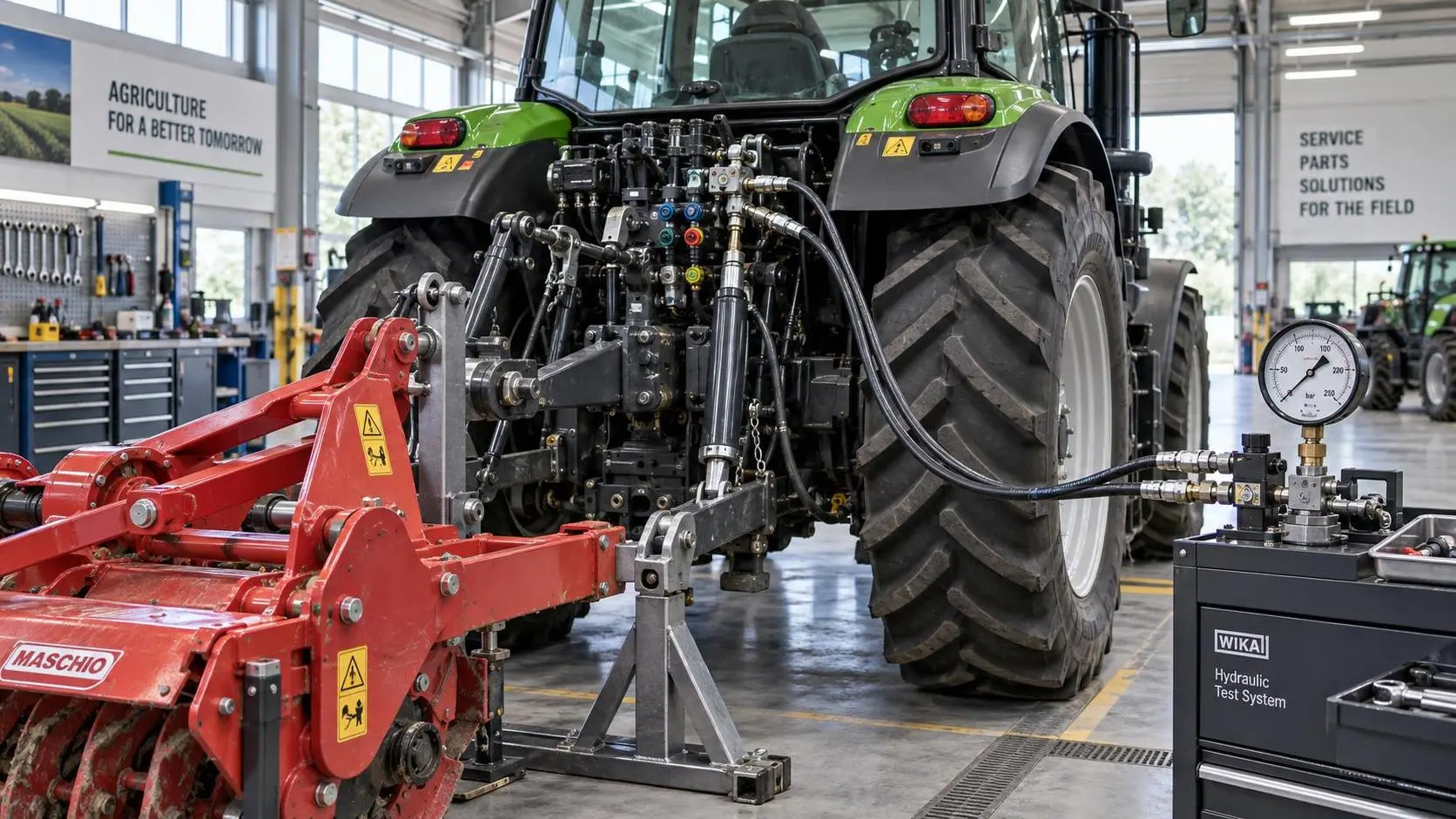
Tractor Hydraulic Systems Troubleshooting: Diagnosing Weak Lift and Slow Implements
Tractor hydraulic systems troubleshooting made practical: diagnose weak lifts and slow implements with proven pressure, flow, valve, and oil-supply checks.

How Tractor Intelligence Systems Improve Field Efficiency and Input Accuracy
Agricultural machinery intelligence for tractors improves field efficiency, input accuracy, data traceability, and implement control. Explore smarter evaluation strategies.

How to Evaluate Crop Monitoring System Manufacturers for Large-Scale Farms
Compare crop monitoring systems manufacturers for large-scale farms. Evaluate data quality, integration, durability, lifecycle costs, support, and pilots for smarter decisions.
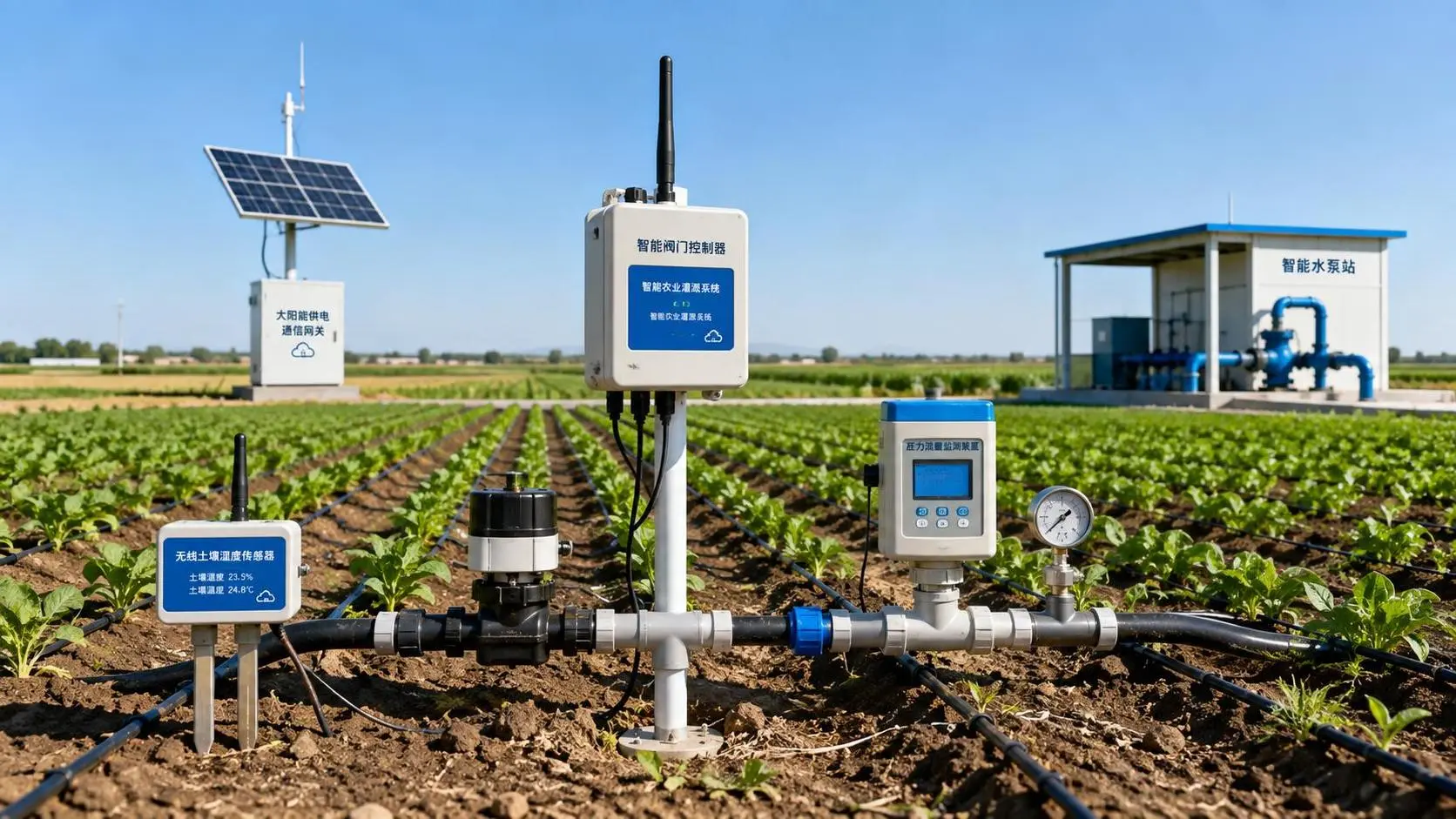
Wireless Agricultural Automation for Remote Irrigation and Field Monitoring
Agricultural automation wireless solutions improve remote irrigation with reliable field data, local control, flow verification, and smarter monitoring. Explore resilient deployment strategies.

Agricultural Product Information Market Guide: Key Data for Sourcing Decisions
Agricultural product information market guide for smarter sourcing—compare machinery, irrigation, precision tools, lifecycle costs, and supplier risk.

Large-Scale Farm Equipment Cost Comparison: Price, Fuel, and Lifecycle Value
Large-scale farm equipment cost comparison: evaluate price, fuel, maintenance, downtime, and lifecycle value to choose tractors, combines, irrigation, and smart tools with confidence.
Related News
- 00
0000-00
India Opens Duty Relief for Center Pivot Imports - 00
0000-00
What to Check Before Working With a Precision Irrigation Systems Factory - 00
0000-00
Red Sea Shock Tightens CPS Capacity, Rates Jump 37% - 00
0000-00
Red Sea Escalation Tightens Center Pivot Shipping - 00
0000-00
Red Sea Disruption Extends Center Pivot Transit to 42 Days
Popular Tags
Hydrological Resource Strategist
Weekly Insights
Stay ahead with our curated technology reports delivered every Monday.