
China-Europe Rail Corridor Tops 2,000 Monthly Trains as Center Pivot Systems Delivery Falls to 28 Days
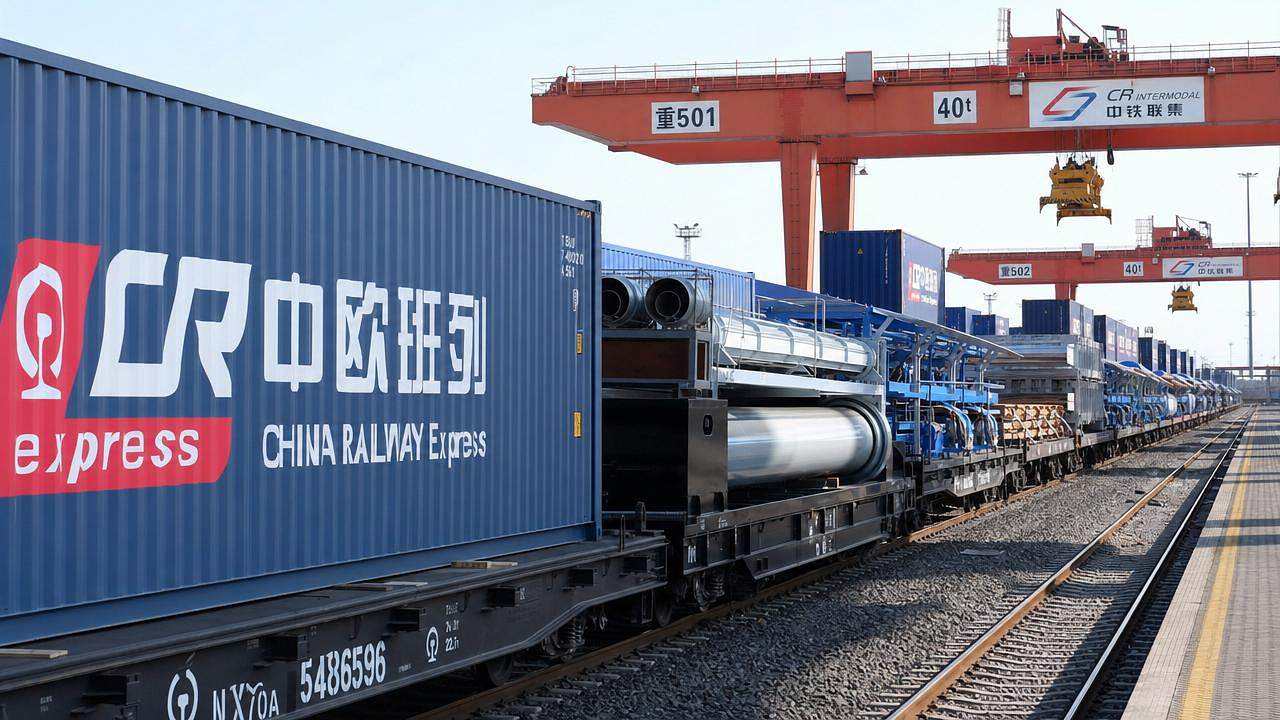




On June 9, 2026, attention across rail logistics, irrigation equipment manufacturing, cross-border supply chains, and buyers in the Middle East and Eastern Europe turned to a clear operating signal: the central China-Europe rail corridor has reached a new monthly throughput high, while overland delivery for complete Center Pivot Systems units has been compressed to 28 days. For the industry, the importance of this development is not only the traffic record itself, but also what a faster and more established land route may mean for delivery planning, customer response, and equipment movement in time-sensitive export markets.
A record month on the central rail route
According to a notice released by China State Railway Group on June 10, 2026, the central China-Europe rail corridor, running via Kazakhstan, Russia, and Belarus, handled 2,037 trains in May, setting a new single-month record. The same summary indicates that this corridor has become a main logistics route for large irrigation equipment. For complete Center Pivot Systems shipments, delivery efficiency improved by 30%, and the transit period was reduced by 42 days compared with traditional sea freight, bringing the overland delivery cycle down to 28 days. The reported effect is a stronger response capability toward markets in the Middle East and Eastern Europe.
Where the immediate operational impact may be felt
Equipment manufacturers and export sellers face a different delivery rhythm
From an industry perspective, manufacturers and trading companies handling complete irrigation systems may be among the first to feel the practical impact, because the reported change directly concerns finished-unit transportation. A shorter delivery cycle can affect order scheduling, shipment timing, and customer communication. What deserves closer attention is whether businesses begin adjusting export planning around rail-based lead times rather than using sea freight as the default benchmark.
Supply chain service providers may need to adapt around larger equipment flows
Observably, the corridor's role as a main route for large irrigation equipment places more attention on logistics execution rather than only line-haul speed. For freight forwarders, rail operators, and related service providers, the key impact may appear in equipment handling, document coordination, and delivery reliability for full-system shipments. The issue to watch is not simply higher corridor usage, but whether service organization around oversized or complex equipment keeps pace with the faster promised cycle.
Buyers in the Middle East and Eastern Europe gain a shorter response window
For procurement teams and end-use project operators in the Middle East and Eastern Europe, the reported delivery compression may affect sourcing decisions and project coordination. Analysis shows that when transit time falls materially versus sea freight, the business impact may show up in planning flexibility, replenishment timing, and supplier responsiveness. The point requiring continued observation is whether buyers begin treating overland delivery as a practical option for more complete-system orders rather than only for urgent or exceptional shipments.
What companies should watch next
Follow official route updates separately from commercial assumptions
Companies should distinguish confirmed official information from broader market interpretation. The confirmed facts are the May train volume, the route alignment through Kazakhstan, Russia, and Belarus, and the reported delivery gains for Center Pivot Systems. Any broader assumption about long-term capacity, pricing, or route stability still requires continued verification.
Review lead-time commitments in customer-facing contracts
Where businesses serve Middle Eastern or Eastern European customers, the reported 28-day overland cycle may influence how delivery promises are presented. What deserves closer attention is whether sales teams, project managers, and logistics coordinators are aligned before updating lead-time commitments or tender responses.
Check shipment readiness for complete-unit execution
Because the reported improvement relates to complete Center Pivot Systems shipments, exporters and service partners should focus on the practical readiness of documents, shipment packaging, handover coordination, and execution timing. Analysis shows that a faster corridor matters most when upstream preparation does not erode the transport-time advantage.
Monitor market-specific response rather than assuming uniform demand behavior
The summary points to stronger responsiveness in the Middle East and Eastern Europe, but companies should still assess each target market separately. The business question is not only whether delivery is faster, but whether shorter transit translates into improved procurement timing, smoother acceptance, or more competitive commercial positioning in each destination market.
Why this looks like a logistics signal worth tracking
Analysis shows that this development is better understood as a meaningful operating signal rather than a complete industry conclusion. The record monthly train volume and the reported reduction in delivery time together suggest that the central corridor is becoming more relevant for large equipment movement, especially where responsiveness matters. At the same time, it is more appropriate to understand this as an evolving logistics pattern that still needs continued observation, rather than as proof that one route or one mode has definitively replaced all other export options.
How the industry may frame this update for now
At this stage, the most balanced reading is that the central China-Europe rail corridor is showing stronger practical value for complete irrigation equipment shipments, with a clear reported benefit for Center Pivot Systems delivery to the Middle East and Eastern Europe. The industry significance lies in shorter response time and a potentially more usable overland option for large equipment exports. Observably, this is best treated as a concrete short-term operational improvement with possible longer-term relevance, provided subsequent official updates and real shipment execution continue to support the same direction.
Source basis and verification note
This article is generated from the user-provided news title, event date, and event summary. Information of this type is commonly checked against official notices, company announcements, industry association updates, authoritative media coverage, and related sector documentation. The specific official source link was not provided in the input, so further verification remains necessary. For ongoing observation, the main points to follow are subsequent official disclosures on corridor operations, continued use of the route for large irrigation equipment, and whether the reported delivery advantage remains consistent in actual business execution.
Related News
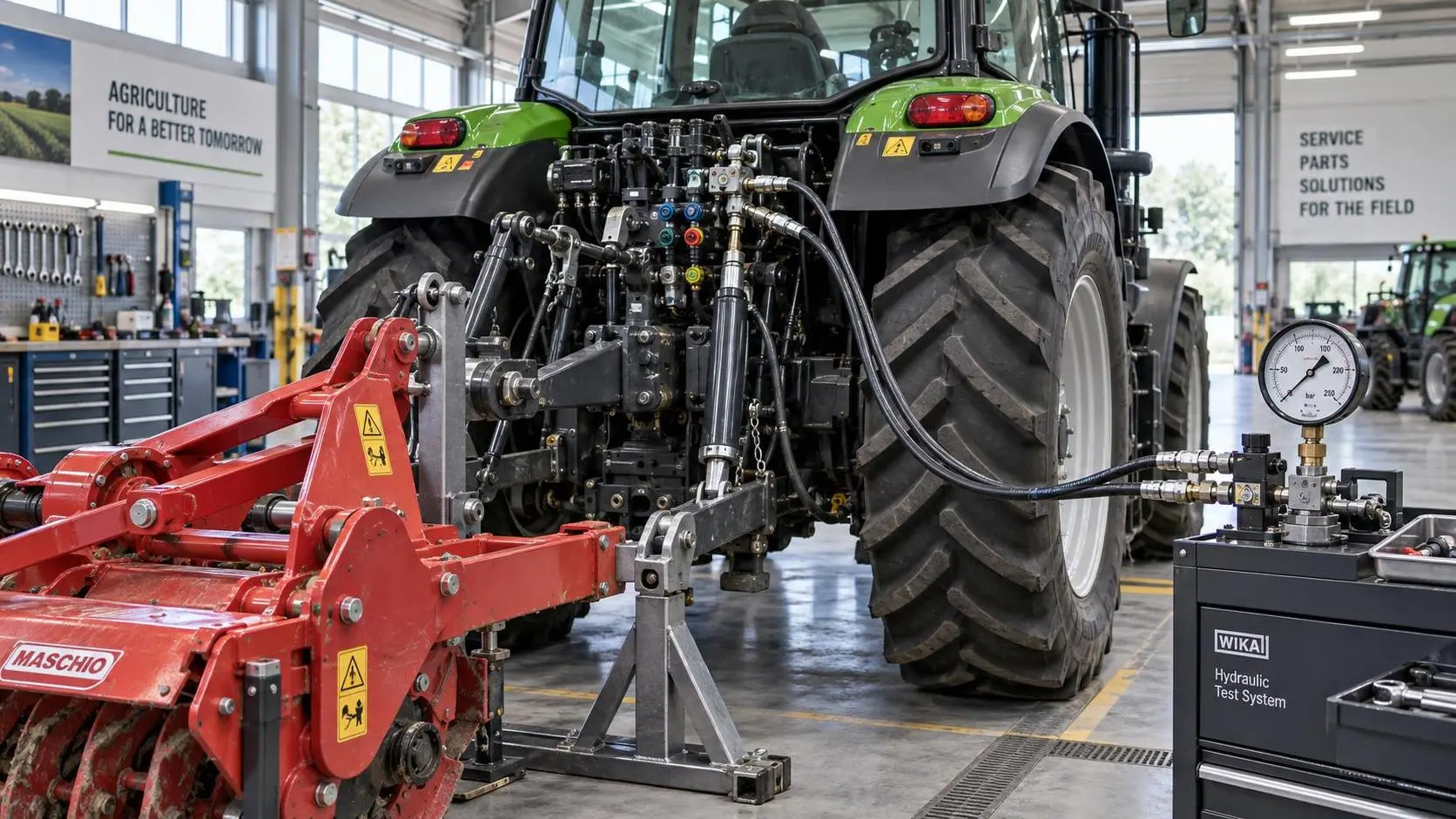
Tractor Hydraulic Systems Troubleshooting: Diagnosing Weak Lift and Slow Implements
Tractor hydraulic systems troubleshooting made practical: diagnose weak lifts and slow implements with proven pressure, flow, valve, and oil-supply checks.
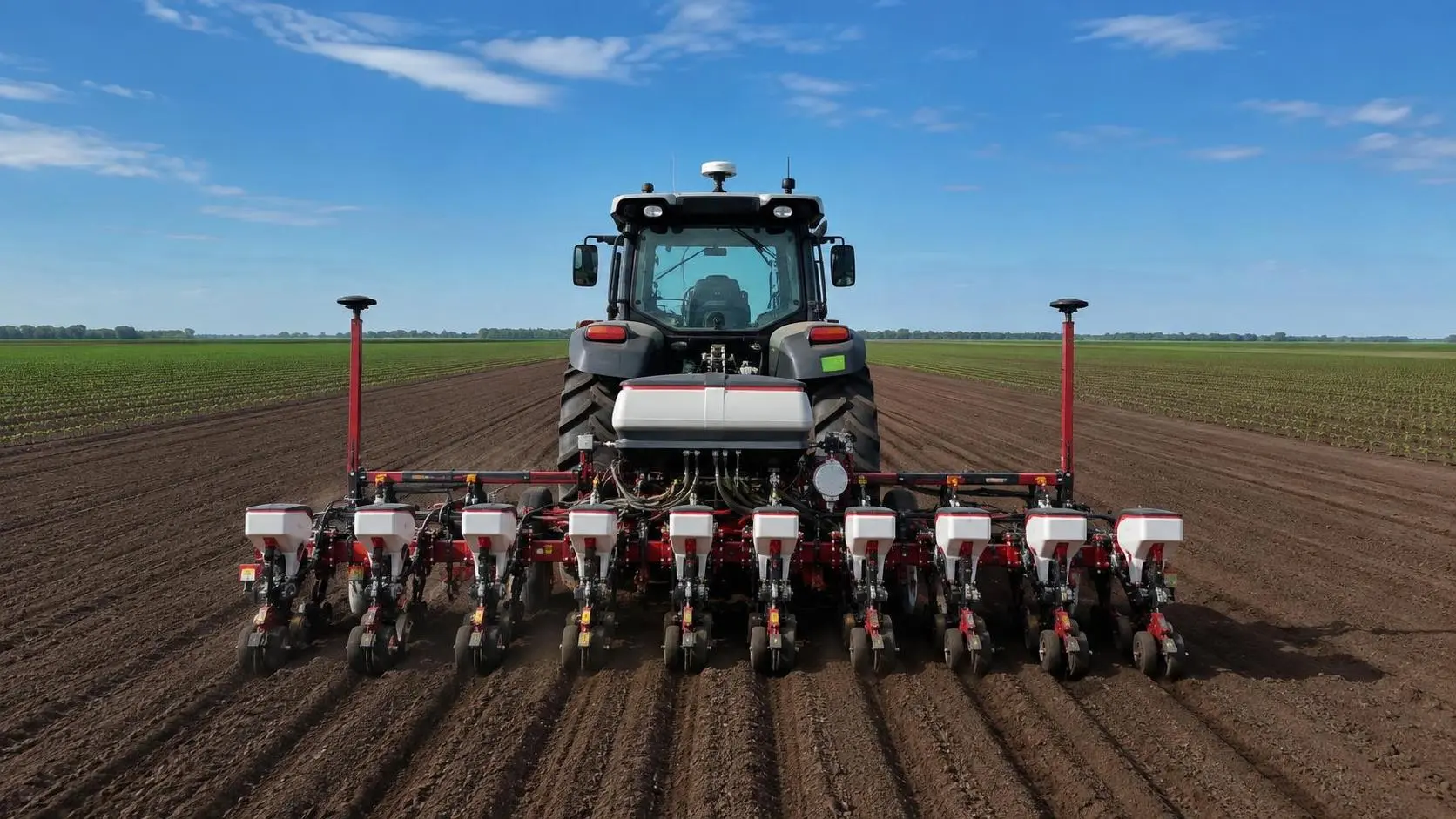
How Tractor Intelligence Systems Improve Field Efficiency and Input Accuracy
Agricultural machinery intelligence for tractors improves field efficiency, input accuracy, data traceability, and implement control. Explore smarter evaluation strategies.
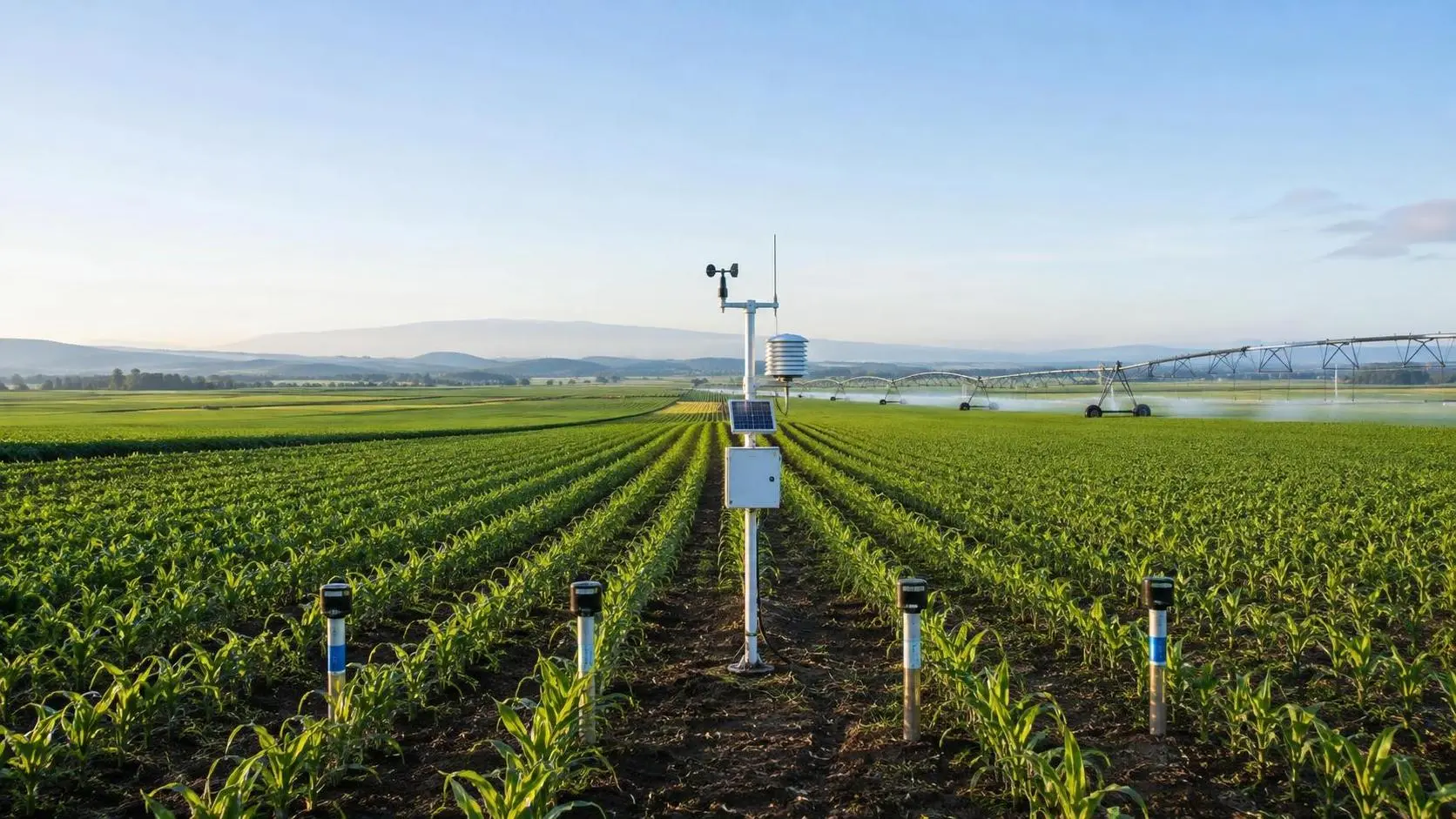
How to Evaluate Crop Monitoring System Manufacturers for Large-Scale Farms
Compare crop monitoring systems manufacturers for large-scale farms. Evaluate data quality, integration, durability, lifecycle costs, support, and pilots for smarter decisions.
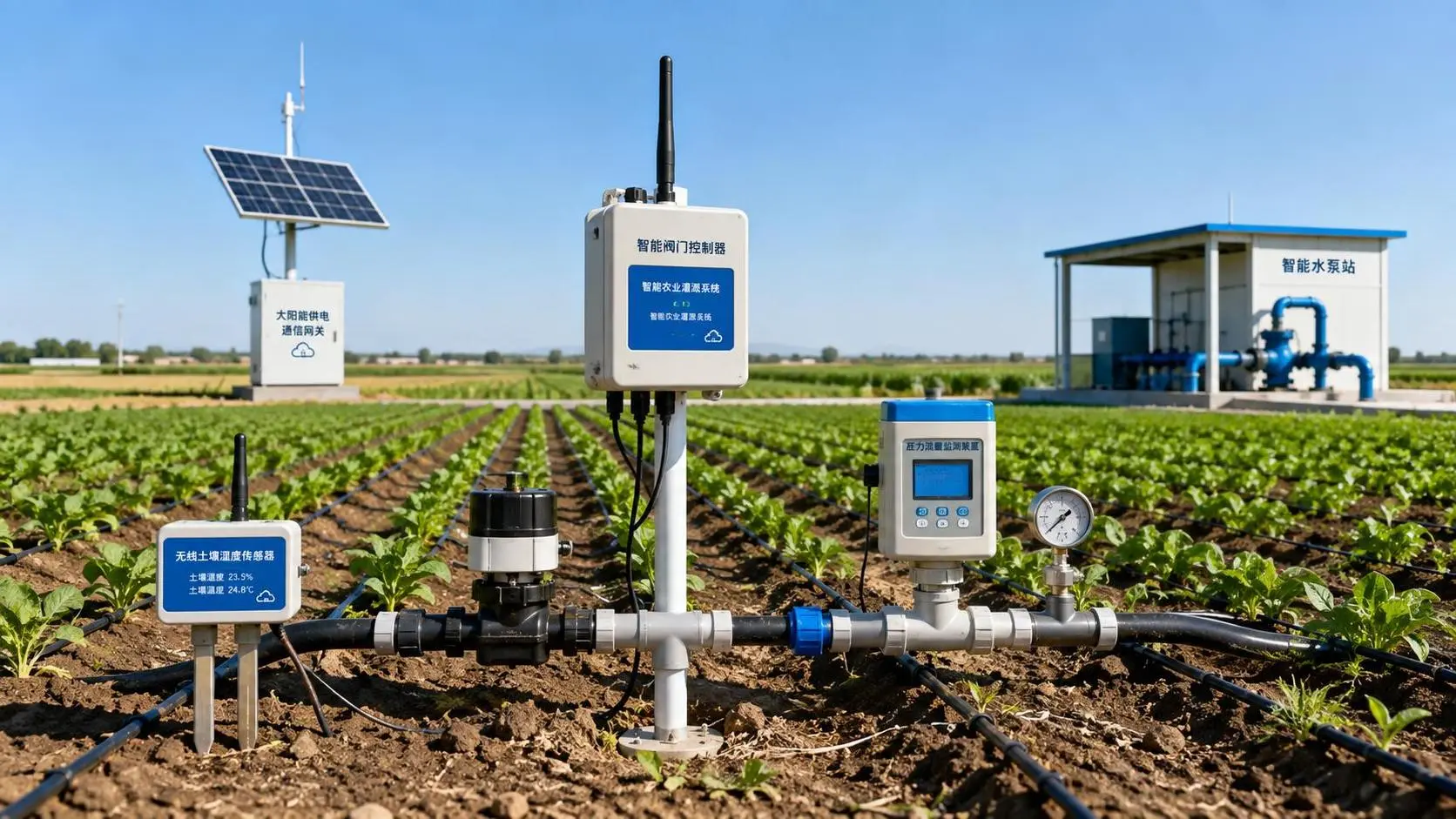
Wireless Agricultural Automation for Remote Irrigation and Field Monitoring
Agricultural automation wireless solutions improve remote irrigation with reliable field data, local control, flow verification, and smarter monitoring. Explore resilient deployment strategies.
Agricultural Product Information Market Guide: Key Data for Sourcing Decisions
Agricultural product information market guide for smarter sourcing—compare machinery, irrigation, precision tools, lifecycle costs, and supplier risk.
Large-Scale Farm Equipment Cost Comparison: Price, Fuel, and Lifecycle Value
Large-scale farm equipment cost comparison: evaluate price, fuel, maintenance, downtime, and lifecycle value to choose tractors, combines, irrigation, and smart tools with confidence.

A Procurement Specification Preparation Example for Buying Farm Equipment
Procurement specification preparation example for farm equipment: learn to define requirements, compare suppliers, control lifecycle costs, and buy with confidence.
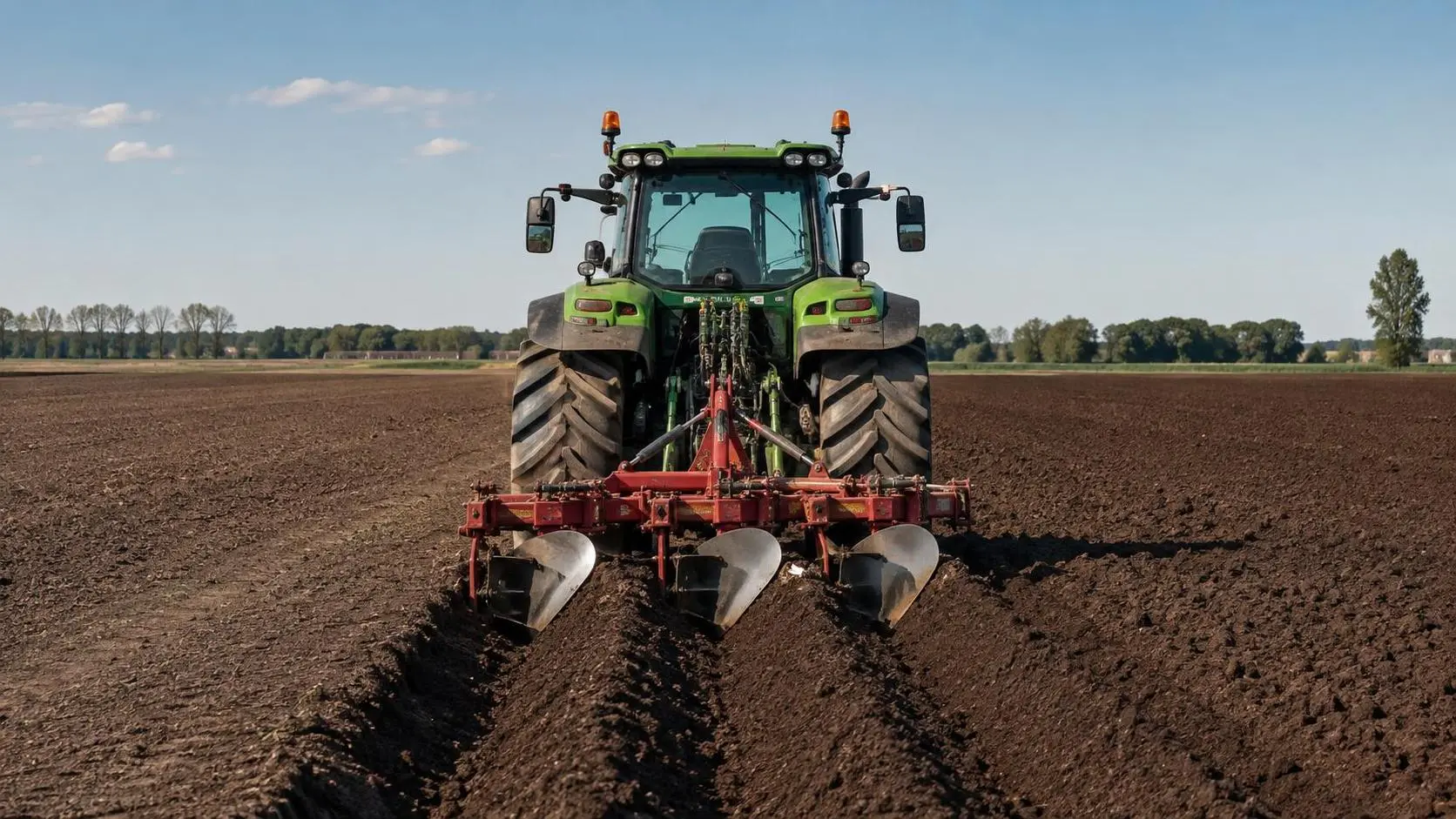
What Tractor Horsepower Is Needed for a Three-Bottom Moldboard Plow?
What tractor horsepower is needed for three-bottom moldboard plow? Compare 60–100 hp needs by soil, depth, traction, and plow width for a confident equipment match.
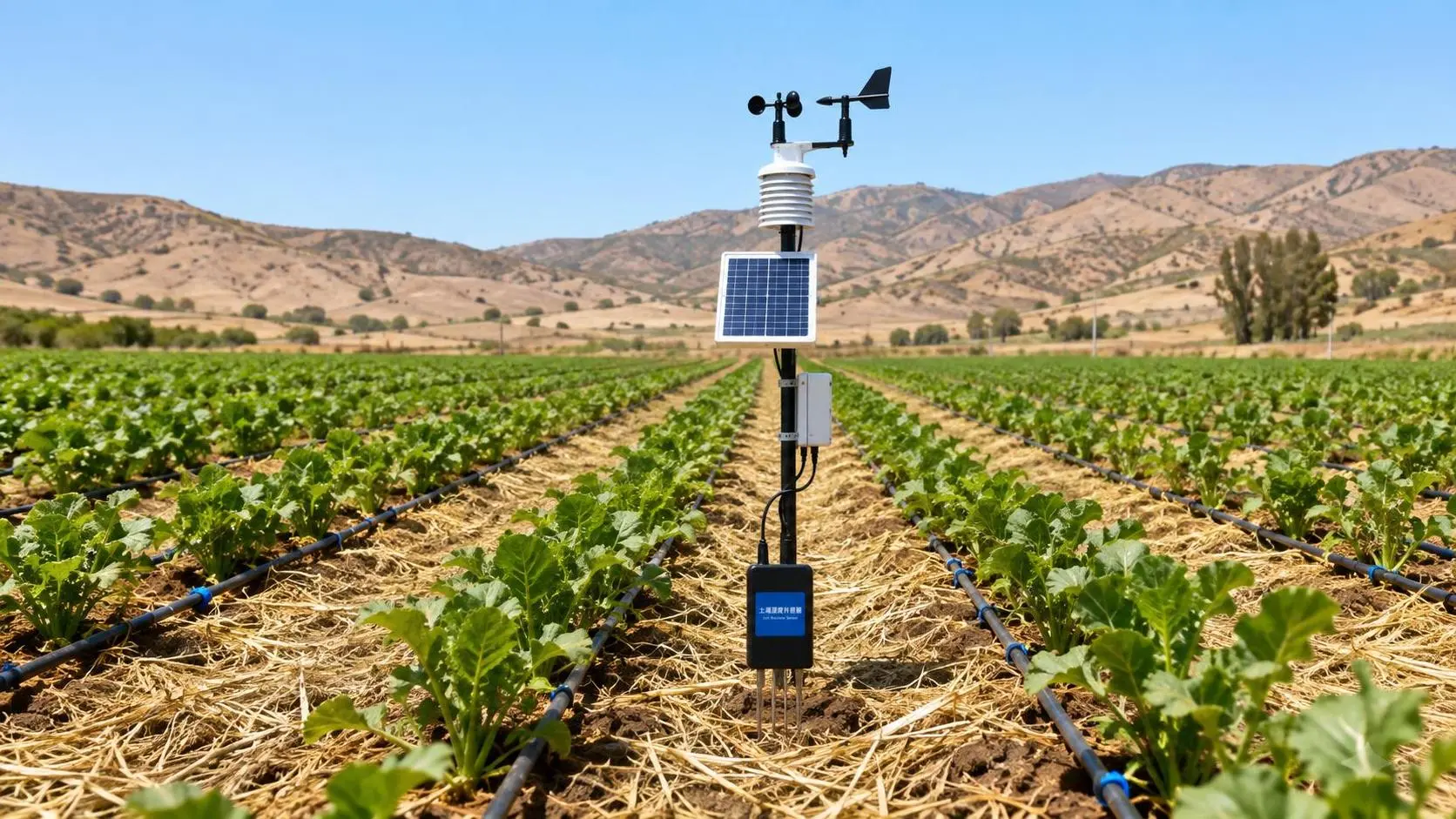
How Does Climate-Smart Farming Reduce Water Use in Semi-Arid Areas?
How does climate-smart farming reduce water use in semi-arid zones? Discover precision irrigation, soil monitoring, and smarter crop planning for resilient yields.
Related News
- 00
0000-00
India Opens Duty Relief for Center Pivot Imports - 00
0000-00
What to Check Before Working With a Precision Irrigation Systems Factory - 00
0000-00
Red Sea Shock Tightens CPS Capacity, Rates Jump 37% - 00
0000-00
Red Sea Escalation Tightens Center Pivot Shipping - 00
0000-00
Red Sea Disruption Extends Center Pivot Transit to 42 Days
Popular Tags
Hydrological Resource Strategist
Weekly Insights
Stay ahead with our curated technology reports delivered every Monday.