
Central Route Rail Growth Reshapes Pivot Exports
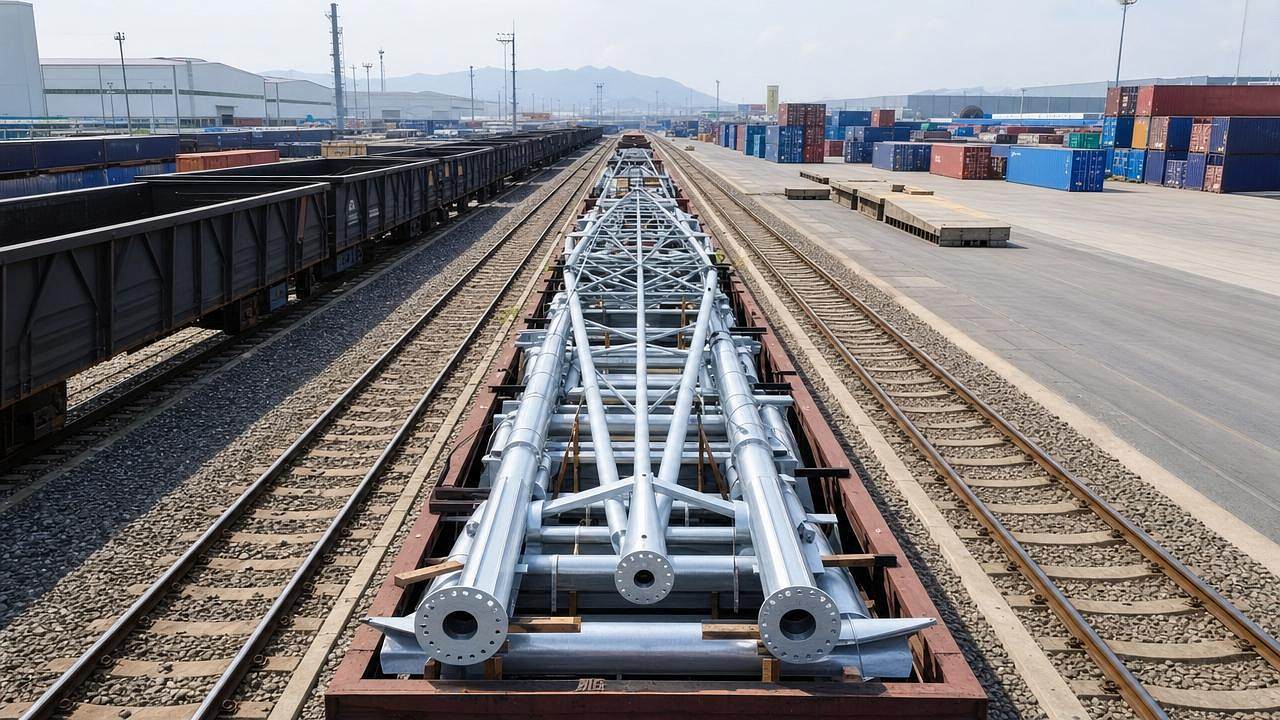




On 2026-05-31, the latest update on the central China-Europe rail corridor signaled more than a transport milestone for Center Pivot Systems. With traffic through the Horgos/Alashankou-Kazakhstan-Russia-Belarus-Poland route exceeding 2,000 trains in the first five months of 2026, the development is better understood as an execution signal for cross-border delivery rules, procurement timing, and supply-chain planning rather than as a simple logistics headline. Exporters, distributors, procurement teams, and supply-chain service providers should pay attention because a corridor that is already serving complete machines and steel structural components can change how lead times, shipment batches, and documentation readiness are managed.
What the latest corridor data confirms
According to the latest notice cited in the input, the central China-Europe rail corridor recorded 2,017 train movements from January to May 2026, up 42% year on year.
The route described runs via Horgos or Alashankou, then through Kazakhstan, Russia, Belarus, and Poland.
The same input states that this corridor has become a main export route for large Center Pivot Systems complete units and steel structure components.
In delivery terms, rail transport on this corridor shortens transit time by 22 days compared with sea freight, while reducing cost by 68% compared with air freight.
The summary also indicates that distributors in the Middle East and Eastern Europe can use this change to optimize the rhythm of annual bulk purchasing.
Where the practical effects are likely to appear first
Export shipment planning moves closer to timetable discipline
From an industry perspective, exporters of complete Center Pivot Systems and related steel components may feel the impact first in shipment planning. When a rail corridor is already functioning as a main route for these goods, delivery management becomes less about choosing between slow sea freight and expensive air freight, and more about aligning production release, packing readiness, and export paperwork with rail departure windows. What deserves closer attention is whether companies have internal processes that can support more predictable dispatch timing.
Distributors may adjust annual purchasing cycles
For distributors in the Middle East and Eastern Europe, the reported reduction in transit time and air-freight cost pressure can affect how annual bulk orders are scheduled. Analysis shows that shorter land transit can improve the practicality of phased procurement, but this does not remove the need to review contract terms, delivery clauses, and incoming-goods documentation. The operational impact is likely to show up in order batching, inventory timing, and coordination between seasonal demand planning and shipment release.
Supply-chain service providers face tighter document coordination
Rail-based delivery of large equipment and structural parts typically raises the importance of document consistency across multiple border segments. Observably, logistics coordinators, freight service providers, and export support teams should pay closer attention to transport documents, cargo descriptions, packing lists, and technical file consistency. The current information does not provide new formal compliance rules, but it does indicate that execution quality in documentation and handover may become more visible as rail volumes increase.
After-sales and traceability arrangements may need earlier preparation
For businesses supporting installation, maintenance, or replacement-part delivery, faster transport can compress the time available to prepare serial records, component matching files, and delivery traceability materials. Analysis shows that the corridor growth matters not only for outbound shipping, but also for how suppliers organize downstream service commitments tied to delivered equipment and structural assemblies.
What companies should review now
Check whether trade documents match a rail-led delivery model
Companies using or planning to use this corridor should review whether product descriptions, shipment documents, and technical paperwork are prepared for a rail-first export workflow rather than a sea-first fallback model. The current update does not define new documentation rules, so this should be treated as a compliance review point rather than a confirmed regulatory change.
Revisit procurement and production sequencing
Manufacturers and buyers should examine whether procurement schedules for steel structures, complete units, and related export batches still match older shipping assumptions. Observably, a corridor with materially shorter transit time can affect when orders are released, when final inspections are scheduled, and how buffer stock is set by distributors.
Watch for changes in tender and delivery requirements
What deserves closer attention is whether future tender documents, customer delivery terms, or procurement specifications begin to reflect rail-based lead times more directly. The input does not confirm such changes have already happened, but the transport pattern described may influence how counterparties define acceptable delivery windows and shipment planning expectations.
Keep compliance and quality records ready for cross-border execution
Exporters and service providers should make sure technical documents, inspection records, and quality traceability files can support cross-border delivery without delay. This is especially relevant where complete equipment and structural components move in planned annual batches. It is more appropriate to understand this as a readiness requirement linked to execution discipline, not as evidence of a newly published certification rule.
Why this looks more like an execution signal than a formal rule change
Analysis shows that the most important point in this update is not the announcement of a new law, certification regime, or published regulatory threshold. Instead, it reflects a stronger operating signal: the central rail corridor is becoming sufficiently active to influence real trade behavior for large Center Pivot Systems and related components.
From an industry perspective, this matters because supply chains often respond to operating realities before written procurement standards or customer-side requirements are updated. If rail performance continues to support shorter lead times and lower cost than the alternatives identified in the input, market participants may gradually adjust delivery commitments, batch sizing, and sourcing rhythm around that corridor.
At the same time, this should still be treated with caution. The available information does not establish how official execution standards, customer acceptance requirements, or route-specific compliance practices may evolve next. That remains an area for continued observation.
How the market should read this development for now
The most balanced reading is that the corridor data points to an already active logistics shift with practical implications for export execution, procurement timing, and delivery planning in the Center Pivot Systems trade. It does not by itself prove a new formal regulatory regime, but it does suggest that business rules in practice may begin changing through contracts, tenders, documentation expectations, and supply-chain coordination. For now, it is more appropriate to understand this as a landed execution signal that deserves close follow-up, rather than as a fully defined policy change with settled compliance boundaries.
Basis of this article and what still needs verification
This article is generated from the user-provided news title, event date, and event summary. For developments of this type, relevant source categories typically include official notices, regulator releases, customs or trade authority information, industry association updates, standards documents, and reporting by authoritative media.
No specific official source link was provided in the input, so the exact original publication link remains to be verified on an ongoing basis. Observably, the areas that still require follow-up include any later official wording, execution guidance, customer-side specification changes, tender document updates, certification or documentation interpretations, industry feedback, and how companies implement the corridor in actual export operations.
Related News

How Tractor Intelligence Systems Improve Field Efficiency and Input Accuracy
Agricultural machinery intelligence for tractors improves field efficiency, input accuracy, data traceability, and implement control. Explore smarter evaluation strategies.

How to Evaluate Crop Monitoring System Manufacturers for Large-Scale Farms
Compare crop monitoring systems manufacturers for large-scale farms. Evaluate data quality, integration, durability, lifecycle costs, support, and pilots for smarter decisions.
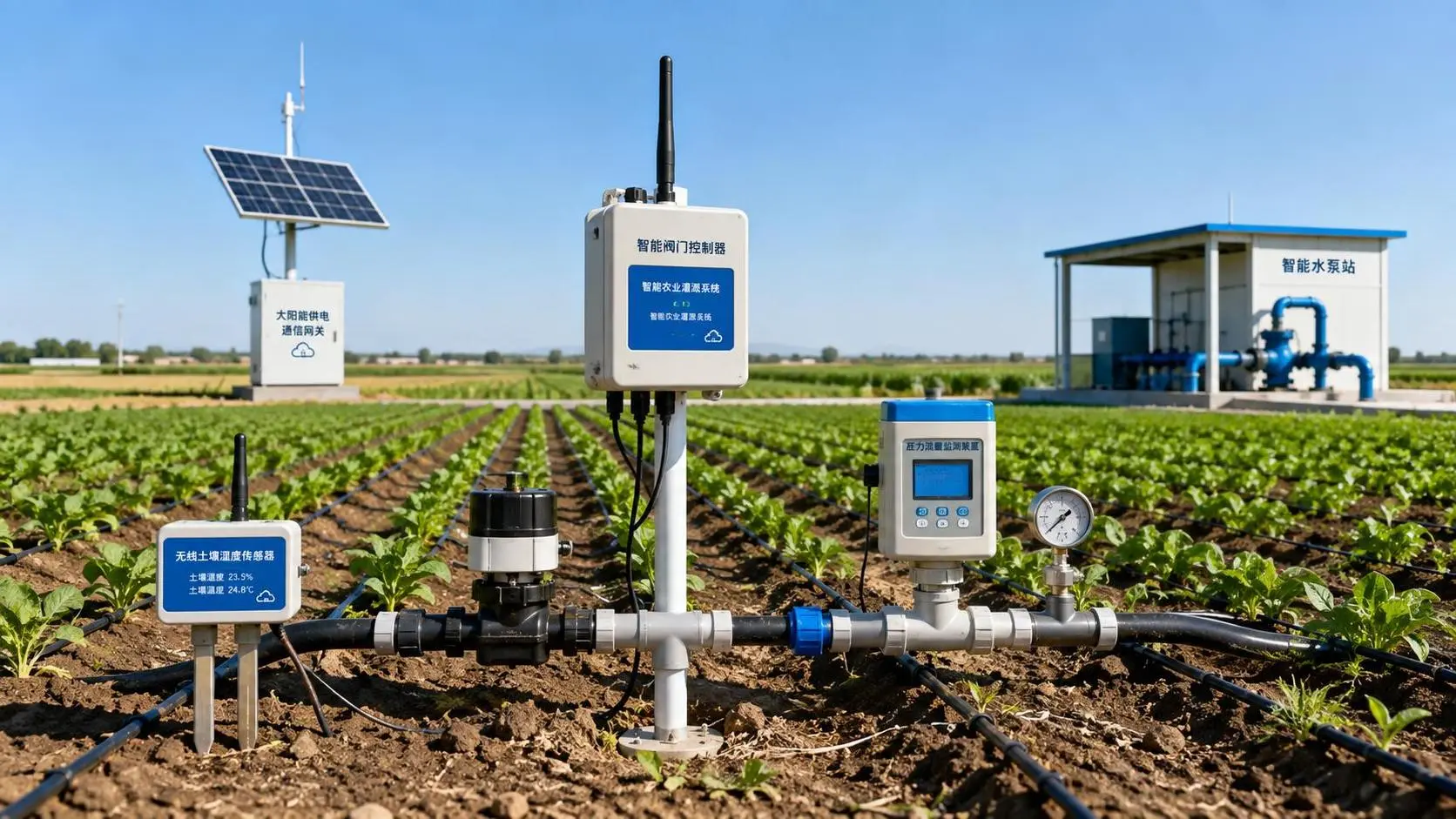
Wireless Agricultural Automation for Remote Irrigation and Field Monitoring
Agricultural automation wireless solutions improve remote irrigation with reliable field data, local control, flow verification, and smarter monitoring. Explore resilient deployment strategies.

Agricultural Product Information Market Guide: Key Data for Sourcing Decisions
Agricultural product information market guide for smarter sourcing—compare machinery, irrigation, precision tools, lifecycle costs, and supplier risk.

Large-Scale Farm Equipment Cost Comparison: Price, Fuel, and Lifecycle Value
Large-scale farm equipment cost comparison: evaluate price, fuel, maintenance, downtime, and lifecycle value to choose tractors, combines, irrigation, and smart tools with confidence.

A Procurement Specification Preparation Example for Buying Farm Equipment
Procurement specification preparation example for farm equipment: learn to define requirements, compare suppliers, control lifecycle costs, and buy with confidence.

What Tractor Horsepower Is Needed for a Three-Bottom Moldboard Plow?
What tractor horsepower is needed for three-bottom moldboard plow? Compare 60–100 hp needs by soil, depth, traction, and plow width for a confident equipment match.
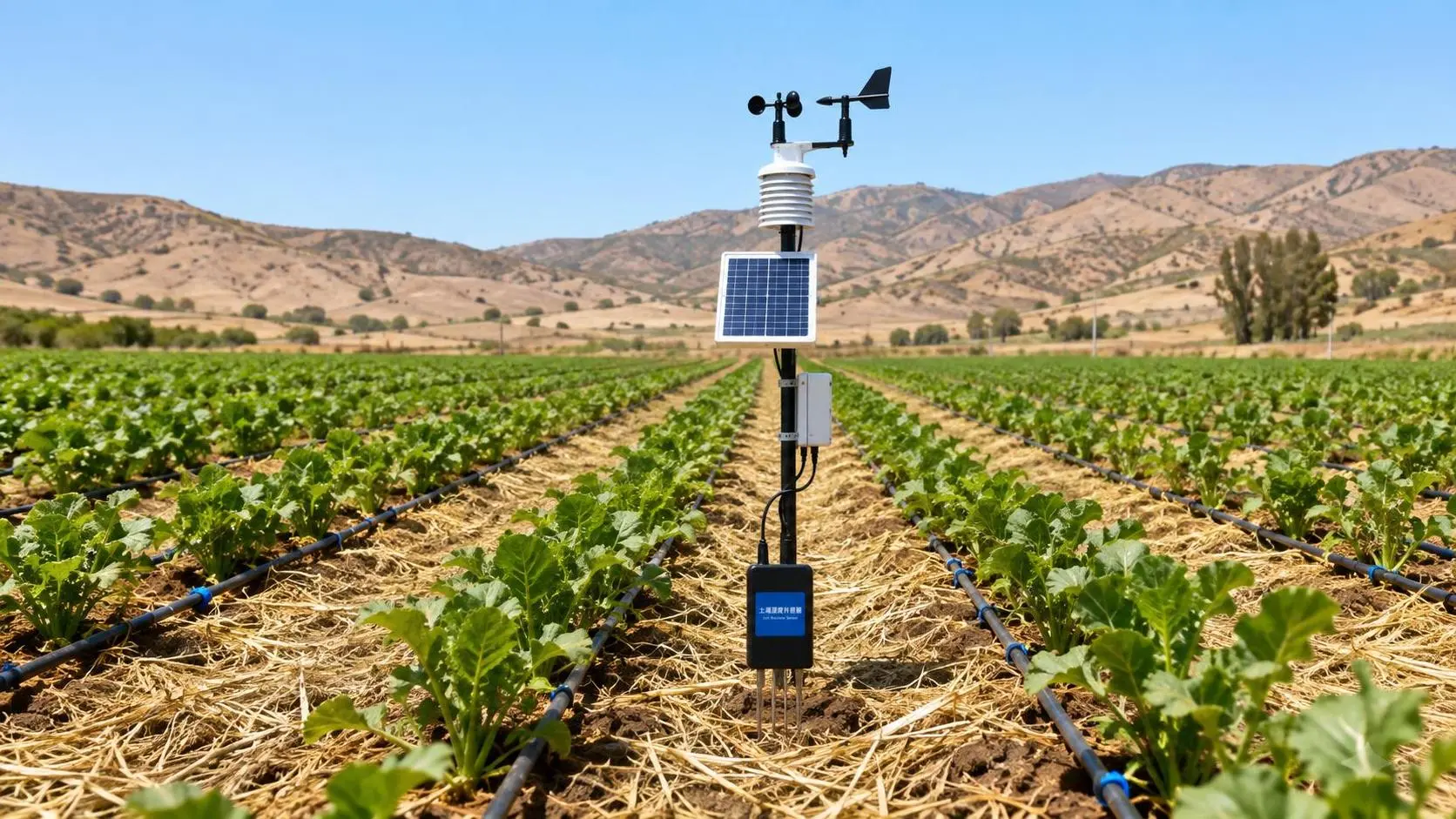
How Does Climate-Smart Farming Reduce Water Use in Semi-Arid Areas?
How does climate-smart farming reduce water use in semi-arid zones? Discover precision irrigation, soil monitoring, and smarter crop planning for resilient yields.

Can Sustainable Farming Be Profitable Without Reducing Yields?
Are sustainable farming practices profitable without yield loss? Discover precision strategies that cut waste, protect yields, and improve farm margins.
Related News
- 00
0000-00
India Opens Duty Relief for Center Pivot Imports - 00
0000-00
What to Check Before Working With a Precision Irrigation Systems Factory - 00
0000-00
Red Sea Shock Tightens CPS Capacity, Rates Jump 37% - 00
0000-00
Red Sea Escalation Tightens Center Pivot Shipping - 00
0000-00
Red Sea Disruption Extends Center Pivot Transit to 42 Days
Popular Tags
Hydrological Resource Strategist
Weekly Insights
Stay ahead with our curated technology reports delivered every Monday.