
4.9-Magnitude Earthquake in Central Turkey Disrupts PV-Driven Center Pivot Systems Supply Chain





Early on May 24, 2026, a 4.9-magnitude earthquake struck Sainbeyli in central Turkey, with a focal depth of 8.6 km. The event impacted local photovoltaic (PV) module encapsulation facilities and smart irrigation controller assembly bases—key nodes in the supply chain for solar-powered center pivot irrigation systems. This incident is particularly relevant for manufacturers, distributors, and integrators of agricultural automation equipment, PV-powered irrigation hardware, and cross-border industrial component suppliers.
Event Overview
On May 24, 2026, at approximately 03:17 local time, a 4.9-magnitude earthquake occurred near Sainbeyli, Adıyaman Province, Turkey. According to publicly reported seismic data, the epicenter was shallow (8.6 km depth), and tremors affected industrial infrastructure in the region—including facilities involved in PV module encapsulation and assembly of intelligent irrigation controllers. Multiple international distributors have since issued urgent inquiries to Chinese suppliers seeking alternative PV drive units for center pivot systems. Local delivery timelines in Turkey are reported to extend beyond 12 weeks for affected components, up from standard lead times, with this outlook covering the next six weeks.
Industries Affected by Segment
Direct Trade Enterprises
Companies engaged in exporting PV-driven center pivot system components—especially drive units, controllers, and integrated kits—to Turkey face immediate shipment delays and contractual fulfillment risks. Impact manifests as extended order-to-delivery cycles, increased customer escalation, and potential renegotiation of Incoterms due to localized production stoppages.
Manufacturing & Assembly Firms
Suppliers operating or subcontracting assembly lines for solar irrigation controllers and PV module encapsulation in central Turkey may experience temporary facility downtime or quality assurance revalidation requirements. The shallow depth of the quake raises concerns about equipment calibration, structural integrity of cleanroom environments, and post-event certification validity for exported units.
Channel Distribution Partners
Distributors serving agricultural technology markets in Turkey and neighboring regions (e.g., Middle East, Eastern Europe) report heightened demand for substitute PV drive units. Their exposure lies in inventory mismatch: pre-event stock levels were aligned with normal turnover, not surge-based contingency sourcing. This creates pressure on channel pricing discipline and technical compatibility verification timelines.
Supply Chain Coordination Services
Third-party logistics providers, customs brokers, and supply chain visibility platforms supporting cross-border movement of irrigation hardware must now accommodate revised documentation workflows—including updated origin declarations, revised HS code annotations for replacement units, and expanded lead-time transparency for downstream partners.
What Stakeholders Should Monitor and Act On
Track official updates from Turkish disaster management authorities and industrial zone operators
Current reports cite operational impact but lack formal assessments of facility damage extent or restart timelines. Stakeholders should monitor announcements from AFAD (Disaster and Emergency Management Presidency) and local organized industrial zone administrations for verified resumption status—particularly for Sainbeyli’s technology-focused manufacturing clusters.
Verify technical substitution pathways for PV drive units
Urgent inquiries from Turkish distributors focus specifically on PV drive units—not full systems. Companies should prioritize validating interoperability (voltage input range, torque output, CAN/Modbus protocol compliance) and CE/TSE certification alignment of alternative units before committing to supply. Avoid assumptions about plug-and-play compatibility across brands.
Reassess near-term procurement planning for Q2–Q3 2026 deliveries into Turkey
With local lead times extended beyond 12 weeks, importers and system integrators should revise landed-cost models to reflect longer capital tie-up, possible air-freight premiums for urgent orders, and buffer-stock requirements. Delayed deliveries may also affect seasonal installation windows for large-scale pivot deployments in the 2026 summer planting cycle.
Document communication with customers and partners regarding force majeure applicability
While the earthquake qualifies as a natural force majeure event under most international trade frameworks, formal invocation requires timely notification and evidence of direct causation. Firms should retain timestamps of distributor inquiry emails, seismic authority bulletins, and internal production suspension records to support contractual position if disputes arise.
Editorial Perspective / Industry Observation
This event is best understood not as an isolated disruption, but as a stress test of geographic concentration risk in the solar irrigation hardware supply chain. Observably, a significant share of PV-integrated pivot controller assembly—and associated testing and certification—is clustered in central Anatolian industrial zones. Analysis shows that while component-level manufacturing remains diversified globally, final integration and regional compliance validation often occur in fewer locations than assumed. From an industry perspective, this underscores how localized physical infrastructure events can propagate upstream into procurement strategy and downstream into agronomic deployment planning. It functions more as a signal—highlighting dependency patterns—than a fully formed outcome; its broader implications will depend on whether recovery timelines stretch beyond seasonal demand windows or trigger permanent relocation of assembly capacity.
The incident does not indicate systemic failure in solar irrigation technology, nor does it reflect on product reliability. Rather, it reveals a logistical vulnerability tied to specific geography and integration stage. Continued monitoring is warranted—not for seismic recurrence, but for how stakeholders adjust sourcing footprints, certification decentralization, and channel inventory policies over the coming months.
As of now, the primary significance lies in near-term operational recalibration—not long-term market shift. Current conditions better reflect a temporary bottleneck than a structural inflection point.
Information sources: Public seismic data from Kandilli Observatory and Earthquake Research Institute (KOERI); verified distributor communications (anonymized); official statements from AFAD (as of May 24–25, 2026). Ongoing observation is recommended for updates on facility reopening status and revised Turkish import clearance guidance for replacement PV drive units.
Related News
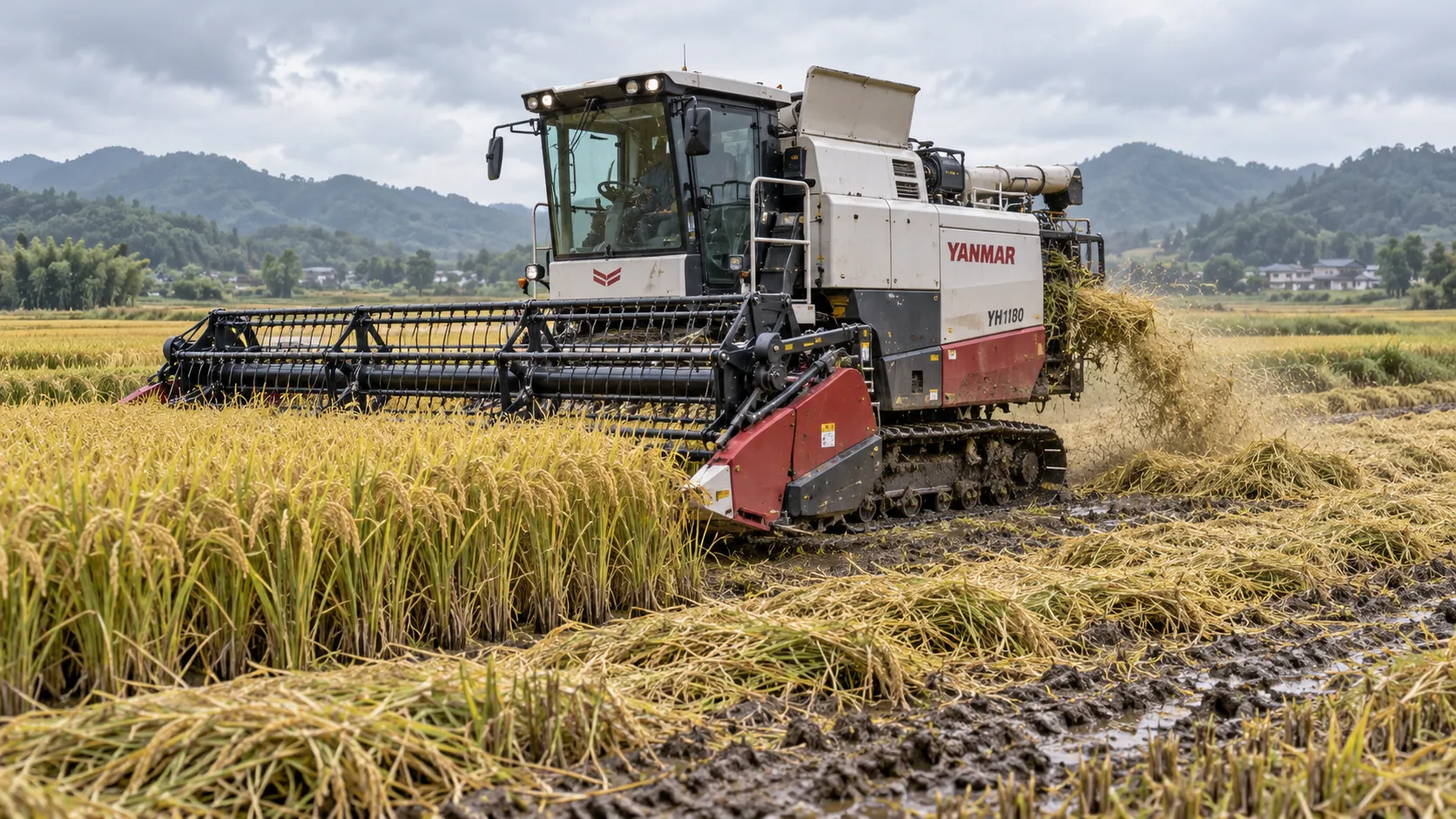
How to Specify Combine Harvester Systems for High-Moisture Grain and Variable Field Conditions
Combine harvester systems for high-moisture grain: learn how to specify threshing, cleaning, headers, traction, and automation for reliable harvests in variable fields.
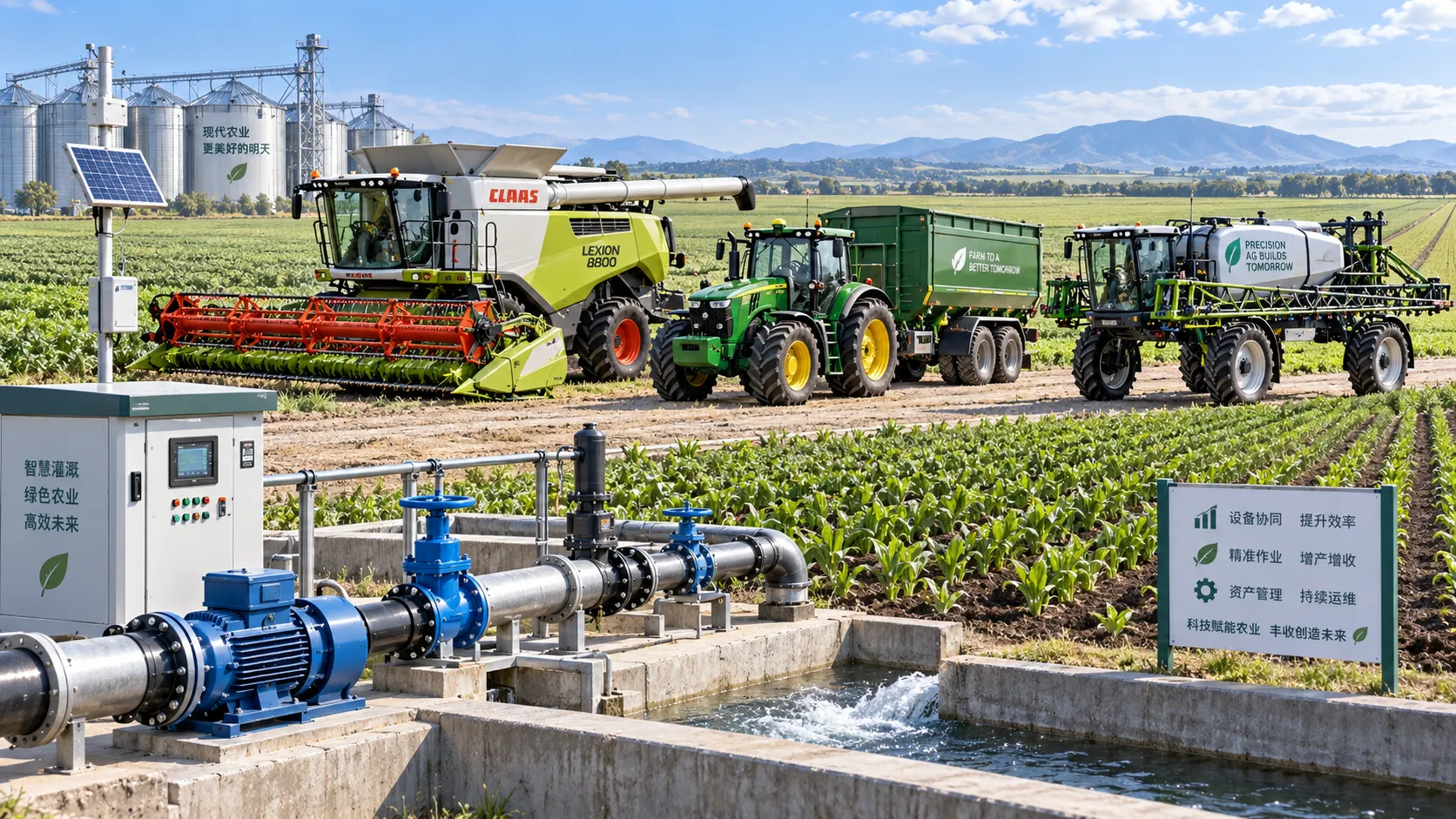
How to Compare Agricultural Equipment Platforms for Fleet Management and ROI
Agricultural equipment platform comparison: evaluate fleet data, maintenance, precision workflows, and ROI to choose a system that delivers measurable results.
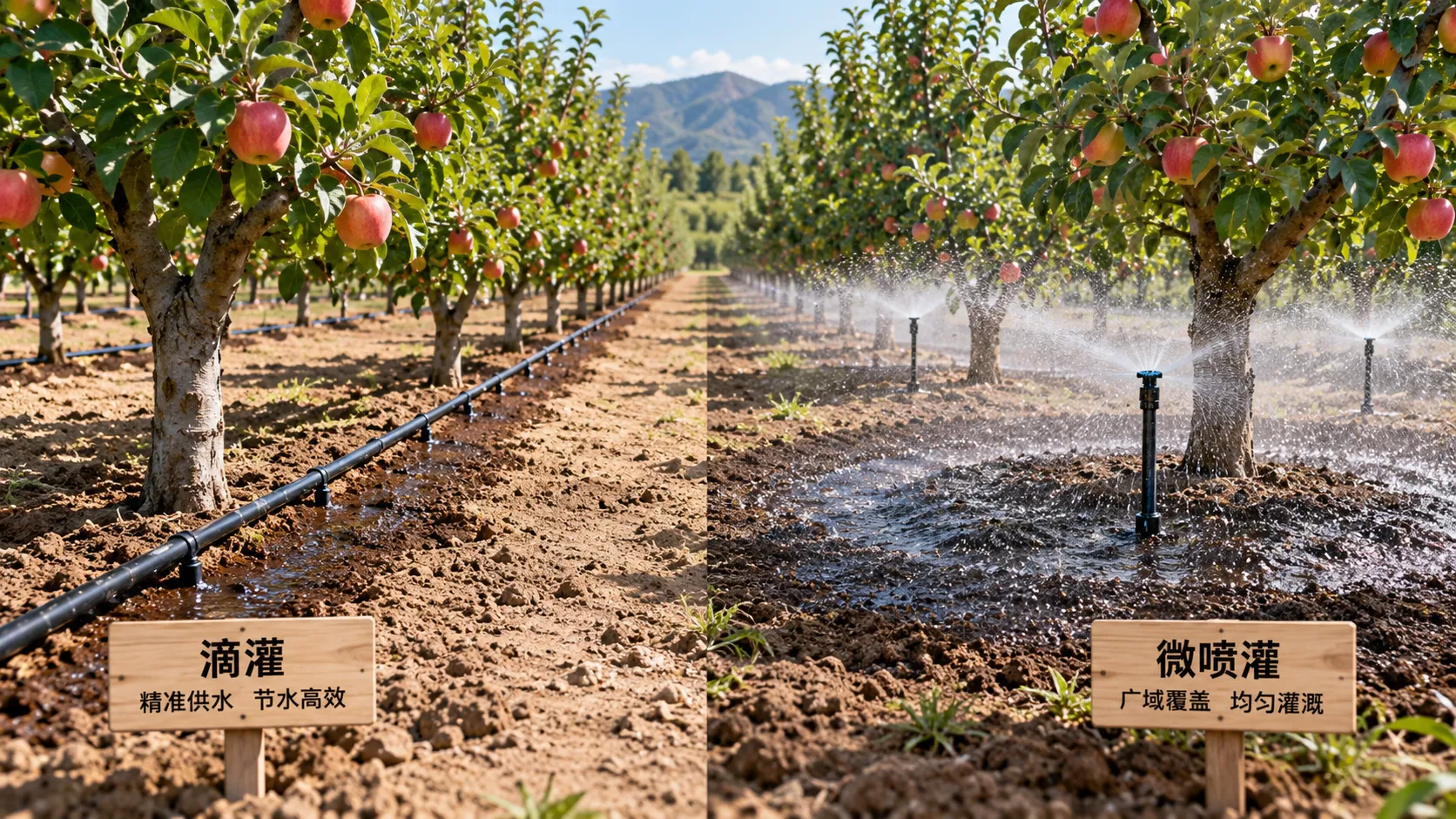
Drip vs. Micro-Sprinkler Irrigation: Which System Fits Your Orchard?
Irrigation solution comparison for orchards: discover whether drip or micro-sprinklers best match your water, soil, roots, fertigation, and frost needs.
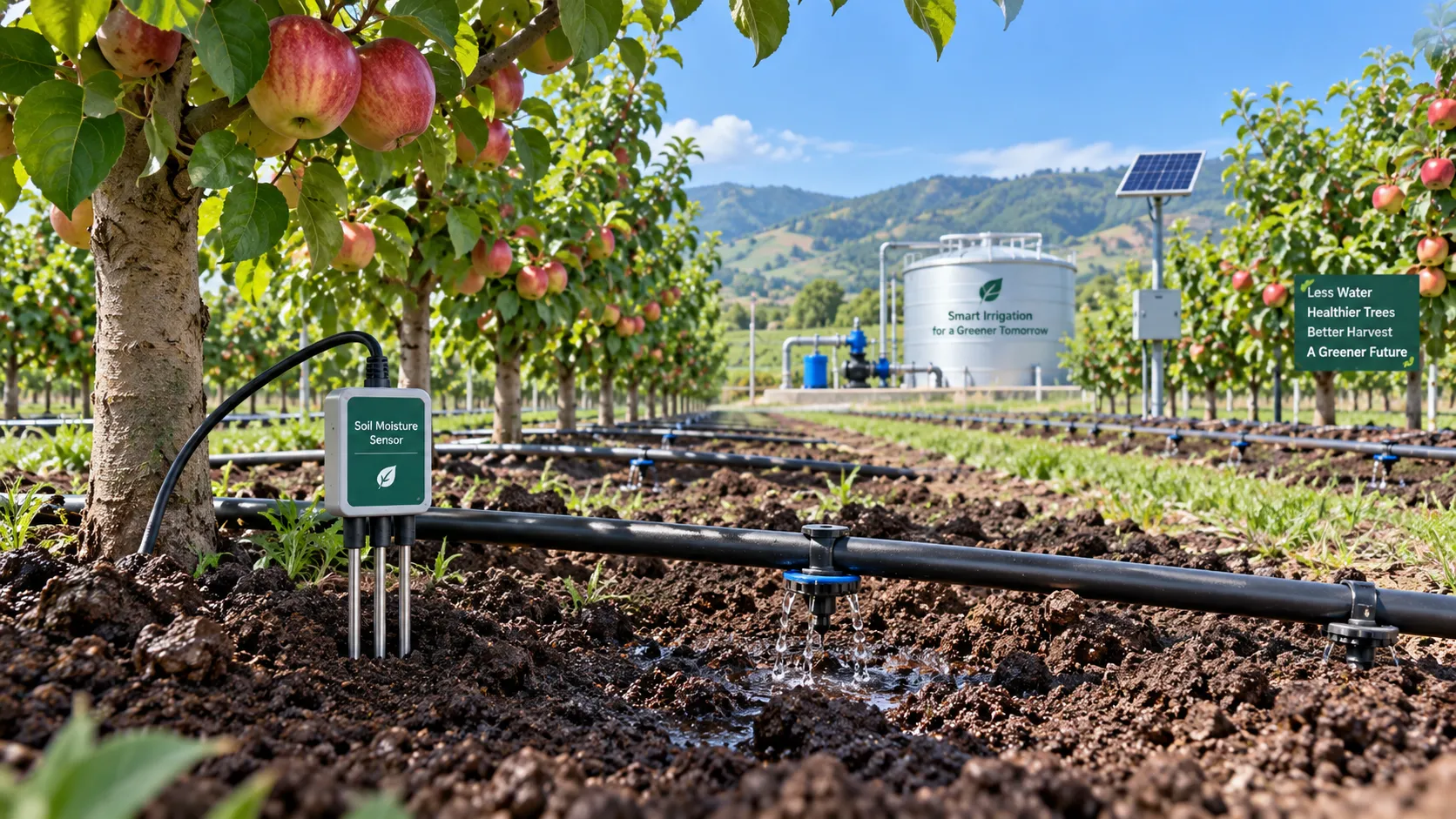
Orchard Water Management: Using Soil Moisture Data to Schedule Irrigation
Agricultural water management for orchards made practical: use soil moisture data to optimize irrigation timing, protect yield, reduce costs, and improve resilience.
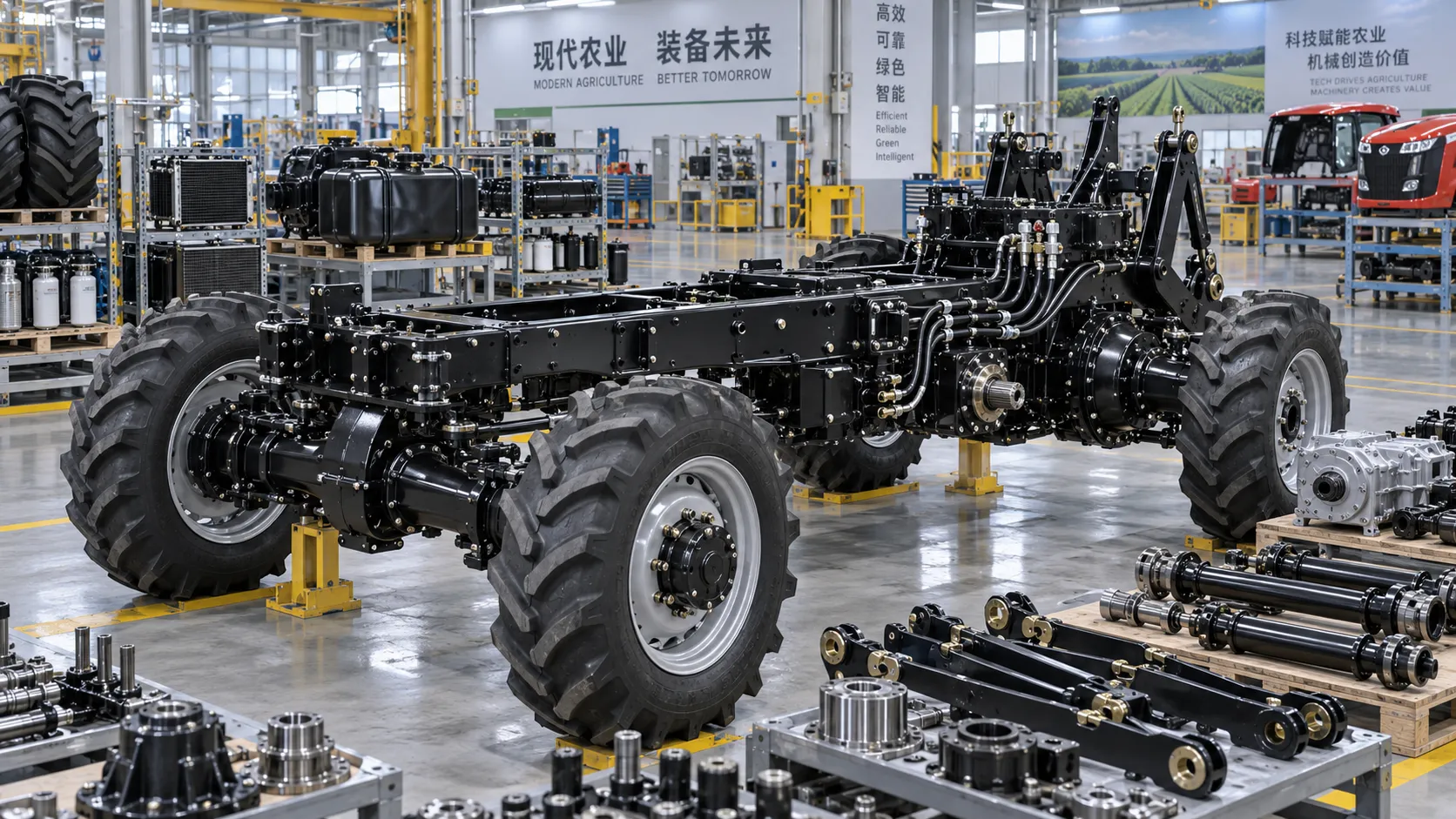
Tractor Chassis Price: What Buyers Should Compare Beyond the Initial Quote
Tractor chassis price is only the start. Compare load capacity, compatibility, durability, and lifecycle costs to choose a reliable, high-value chassis.
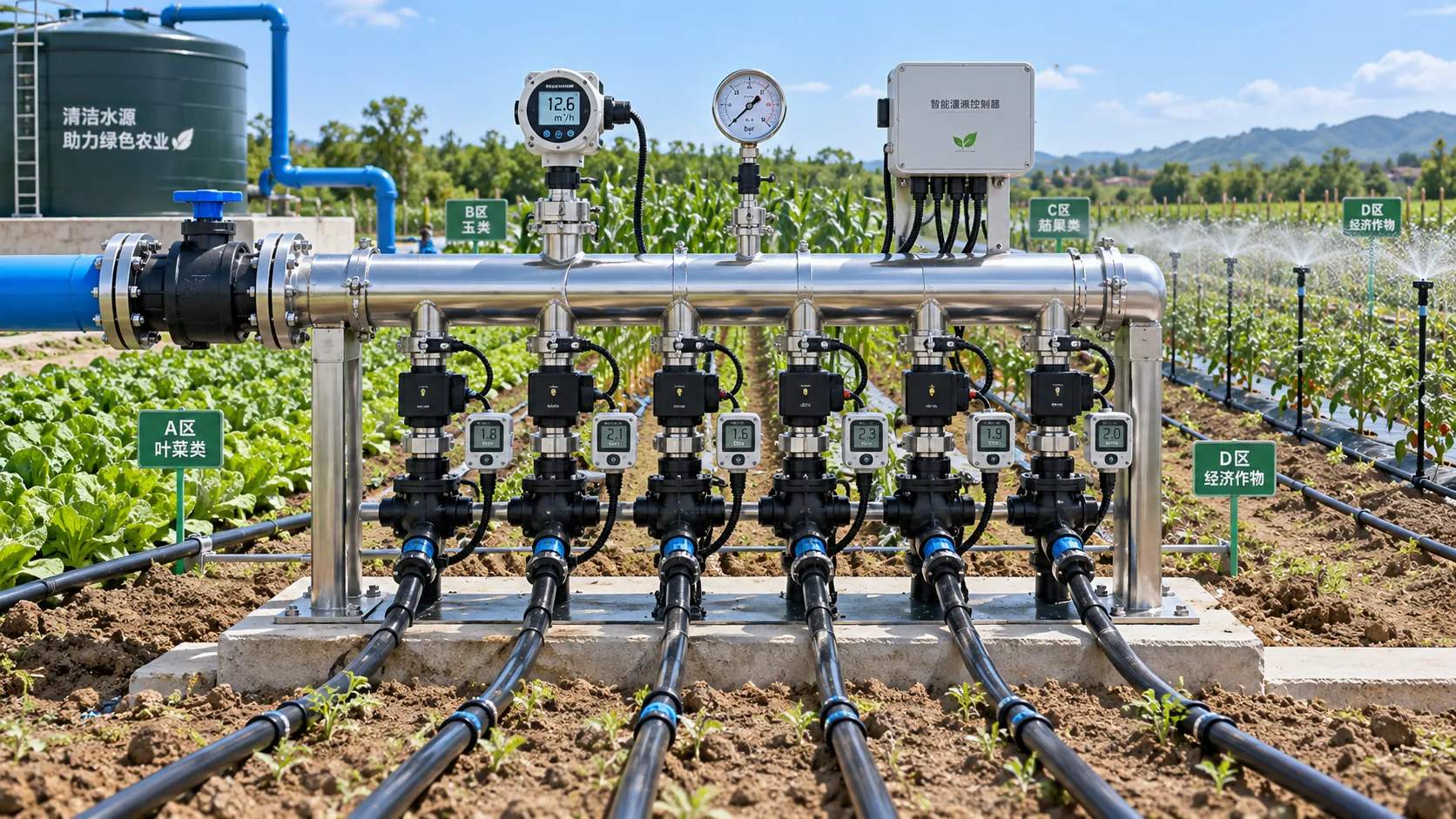
How to Select Smart Irrigation Valves for Multi-Zone Water Management?
Intelligent irrigation systems valves: learn how to match smart valves with multi-zone flow, pressure, control, feedback, and communication needs for reliable water management.
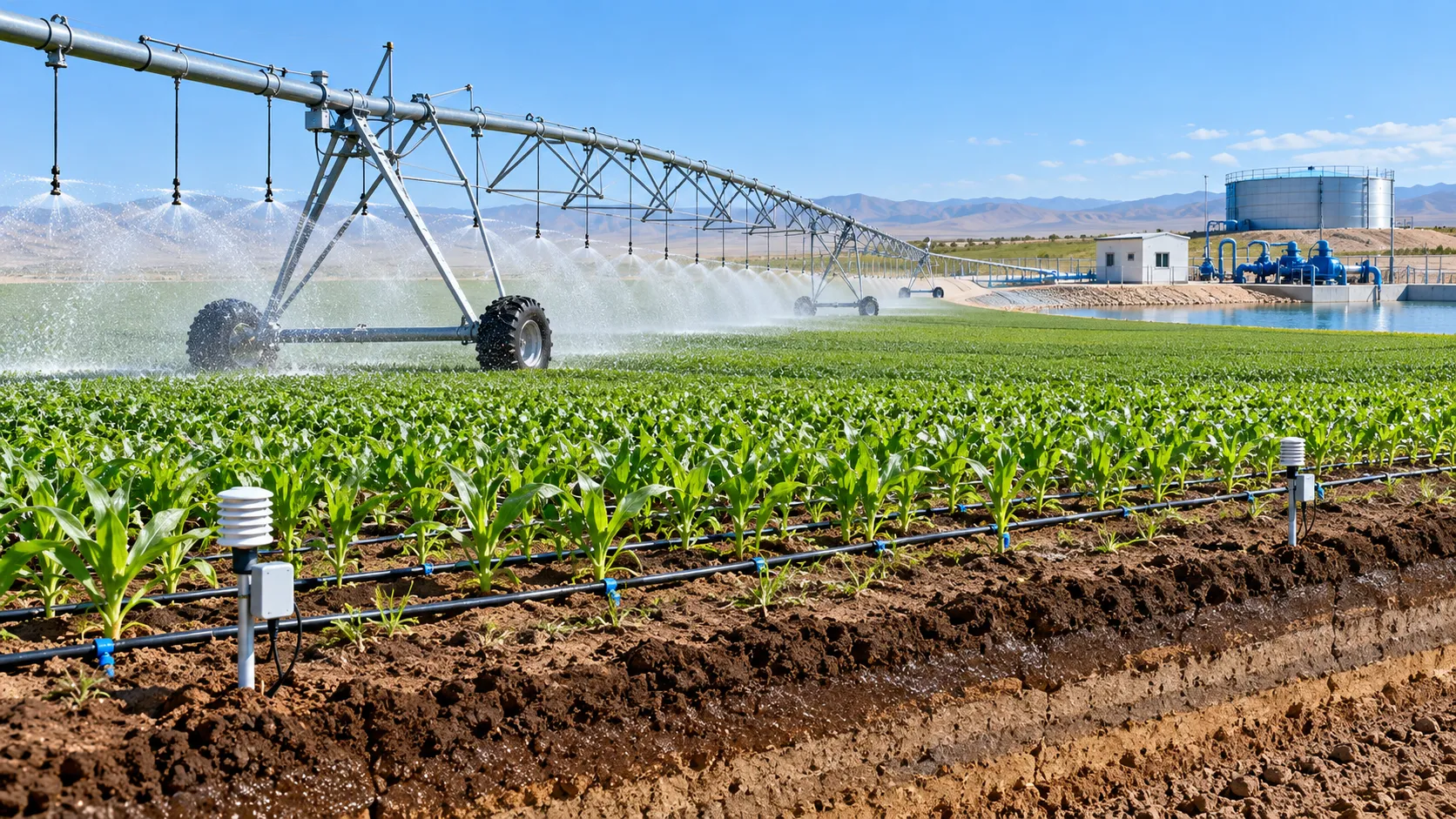
Climate-Smart Farming for Drought: A Practical Plan for Protecting Yields
Climate-smart farming for drought: build smarter water budgets, protect critical crop stages, improve irrigation uniformity, and safeguard yields with practical field-proven strategies.
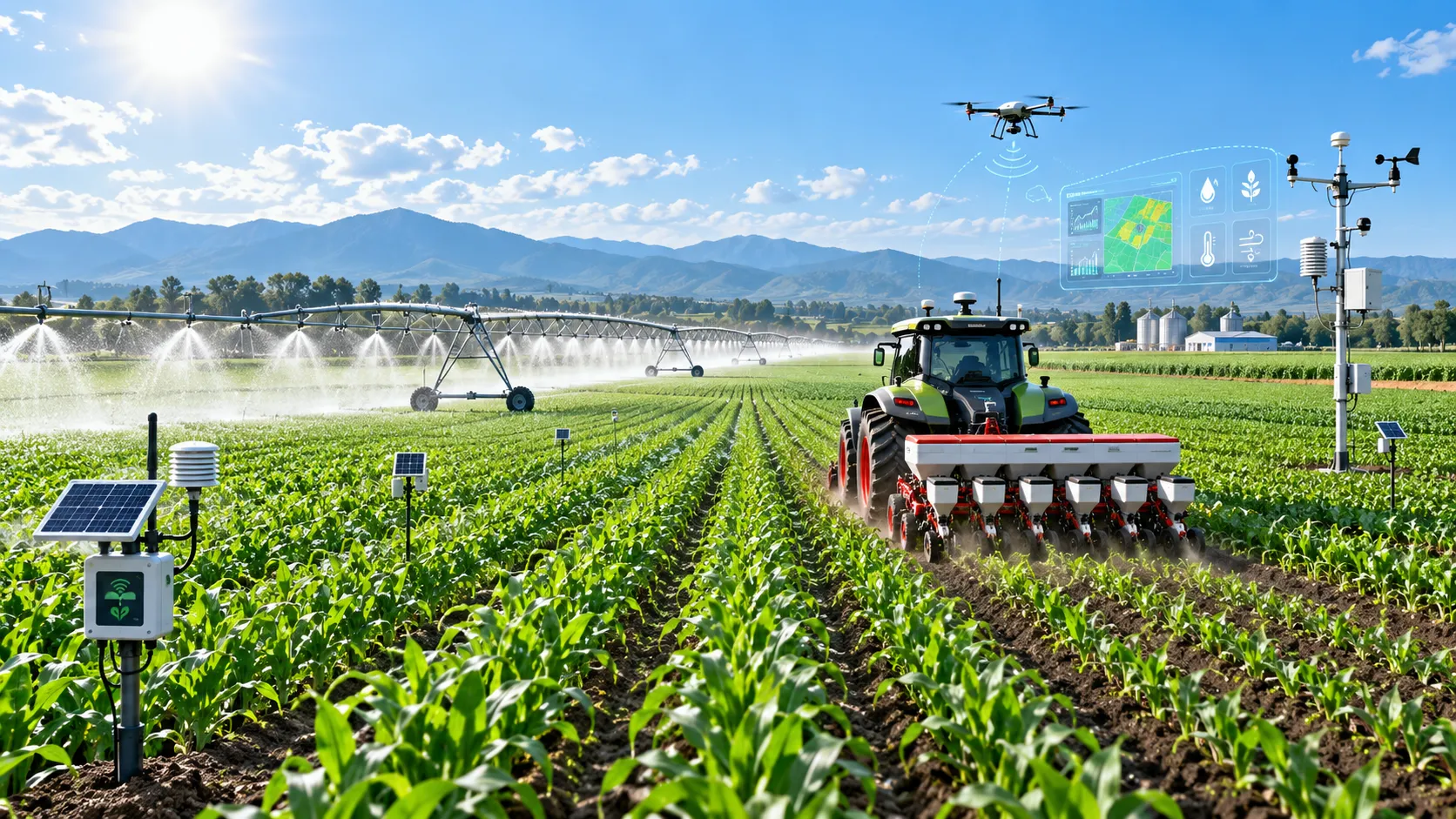
How Digital Agriculture Platforms Turn Field Data Into Better Input Decisions
Digital agriculture platforms turn field data into smarter fertilizer, water, seed, and equipment decisions—helping farms cut risk, improve margins, and scale sustainability.
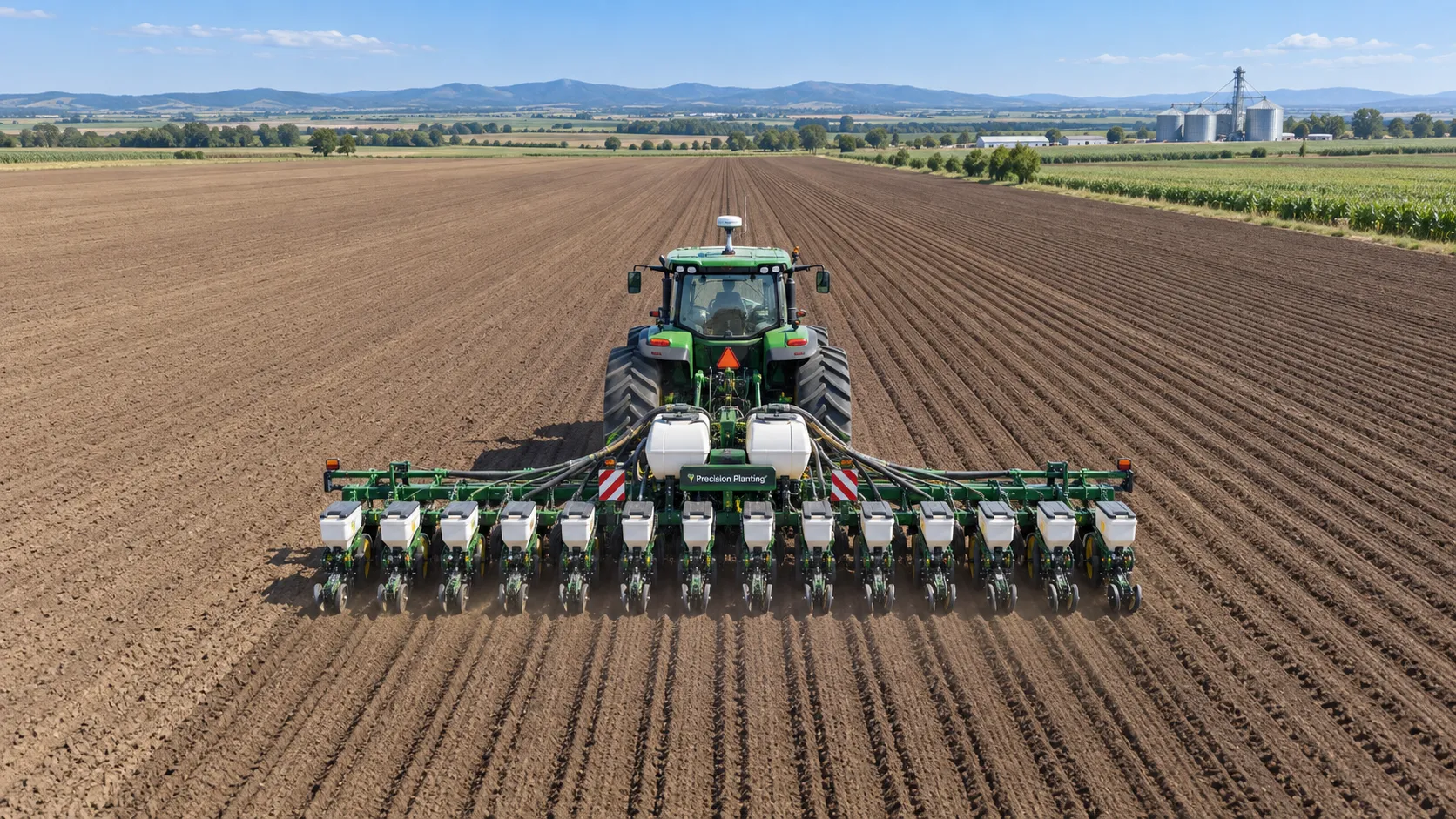
GPS-Guided Farm Machinery: Where It Delivers Measurable Field Efficiency Gains
Agri-mechanization GPS guided systems deliver measurable field efficiency gains through reduced overlap, precise planting, smarter inputs, and reliable farm data.
Related News
- 00
0000-00
India Opens Duty Relief for Center Pivot Imports - 00
0000-00
What to Check Before Working With a Precision Irrigation Systems Factory - 00
0000-00
Red Sea Shock Tightens CPS Capacity, Rates Jump 37% - 00
0000-00
Red Sea Escalation Tightens Center Pivot Shipping - 00
0000-00
Red Sea Disruption Extends Center Pivot Transit to 42 Days
Popular Tags
Hydrological Resource Strategist
Weekly Insights
Stay ahead with our curated technology reports delivered every Monday.