
Saudi Arabia Updates Washer Energy Standard, Impacts Solar-Powered Center Pivot Systems
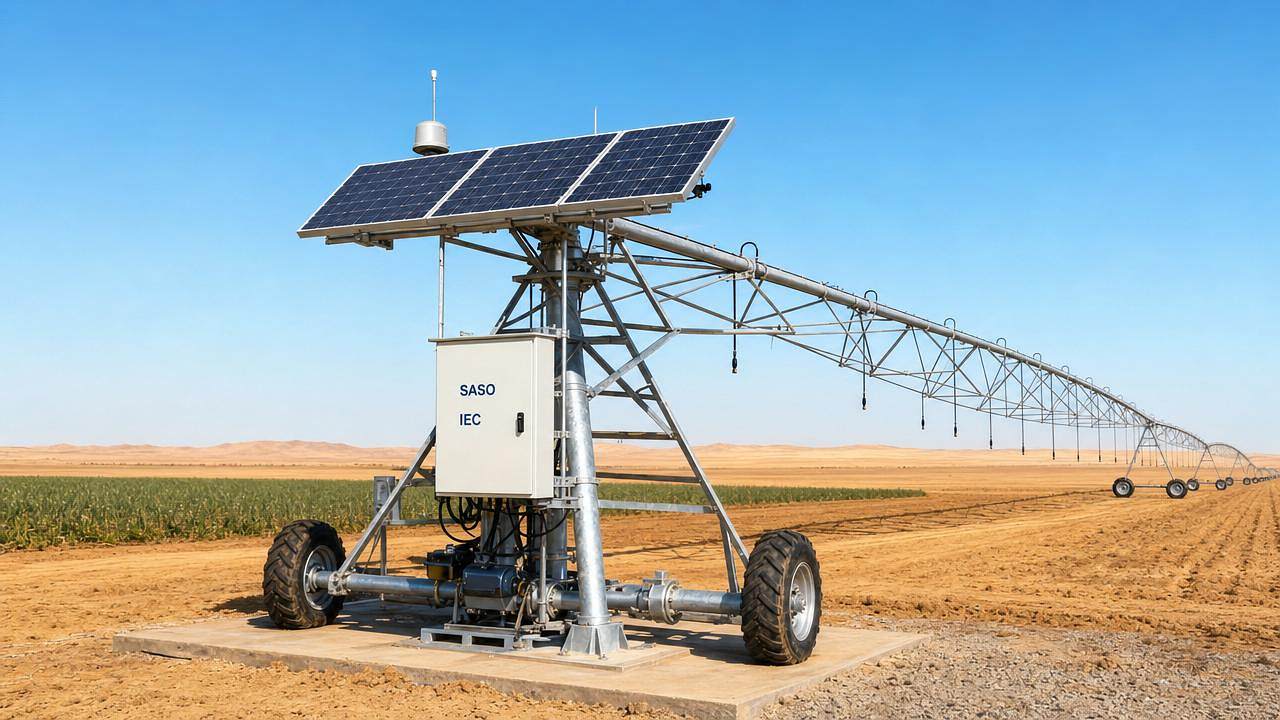




Saudi Arabia’s Standards Organization (SASO) revised its household washing machine energy efficiency standard—SASO 2663:2026—effective 20 May 2026. Though formally applicable to domestic appliances, the update introduces a new mandatory test for ‘photovoltaic (PV) direct-drive standby power consumption’, and has been explicitly referenced in Saudi national agricultural strategy documents as an energy efficiency benchmark for solar-powered agricultural equipment. Exporters of center pivot irrigation systems with PV-driven control units must now submit IEC 62933-2-2-compliant standby power test reports to qualify for the National Agricultural Marketing Authority (NAMA) subsidy program. This development directly affects manufacturers, exporters, and certification service providers operating at the intersection of solar energy and precision agriculture.
Event Overview
On 20 May 2026, SASO published SASO 2663:2026, the updated national standard for energy efficiency labeling and testing of household washing machines. For the first time, the standard mandates measurement and verification of ‘photovoltaic direct-drive standby power consumption’. While the scope remains limited to household washing machines, the Saudi National Agricultural Strategy document cites this standard as the official reference for evaluating energy efficiency of photovoltaic-powered agricultural equipment—including center pivot irrigation systems. As a result, PV-driven center pivot system exporters seeking eligibility under NAMA’s agricultural subsidy program are required to provide IEC 62933-2-2 test reports for their solar-powered control cabinets.
Industries Affected
Exporters of Solar-Powered Center Pivot Irrigation Systems
These companies are directly impacted because NAMA’s subsidy access now hinges on compliance with a test requirement originally defined for consumer appliances. The linkage creates a de facto certification prerequisite not previously mandated for agricultural machinery—requiring exporters to re-evaluate product design, documentation, and conformity assessment pathways for PV-driven control units.
Third-Party Certification and Testing Service Providers
Testing laboratories and certification bodies accredited for IEC 62933-2-2 must now accommodate demand from irrigation equipment manufacturers unfamiliar with PV-specific standby power protocols. Capacity, turnaround time, and clarity on interpretation of IEC 62933-2-2 in non-appliance contexts may become operational bottlenecks.
Manufacturers of PV-Integrated Control Cabinets for Agricultural Use
Suppliers whose control cabinets are embedded in center pivot systems face upstream compliance pressure. Since SASO 2663:2026 is cited as a benchmark—not adapted—their products must meet the same test conditions (e.g., no grid connection during standby, defined ambient conditions, specific measurement intervals) originally intended for residential appliances, despite differing usage profiles and thermal environments.
Importers and Distributors of Agricultural Equipment in Saudi Arabia
These stakeholders bear commercial risk if shipments arrive without validated IEC 62933-2-2 reports. NAMA subsidy eligibility is tied to documentation at point of entry or application; lack of compliant reports may delay project financing, reduce competitiveness in tender processes, or trigger post-import verification requests.
Key Focus Areas and Recommended Actions
Monitor Official Clarifications from SASO and NAMA
While SASO 2663:2026 is published and NAMA references it, neither body has issued technical guidance on how the standard applies to center pivot systems. Companies should track any forthcoming circulars, FAQs, or joint notices specifying acceptable test configurations, exemptions, or transitional arrangements.
Verify Applicability to Specific Product Configurations
Not all PV-driven center pivot systems may fall under the requirement. Analysis shows that only systems where the control cabinet operates in true ‘PV-direct’ mode—without battery buffering or grid backup during standby—may be subject to the IEC 62933-2-2 test. Firms should audit their system architecture against the definition of ‘PV direct-drive’ used in SASO 2663:2026 before initiating testing.
Engage Accredited Labs Early for Test Protocol Alignment
IEC 62933-2-2 testing requires precise setup (e.g., isolation from auxiliary power sources, stabilized irradiance simulation). Observably, some labs still treat the standard as appliance-exclusive and may lack experience applying it to industrial control enclosures. Exporters should confirm lab capability—and request written confirmation of test method alignment—before commissioning reports.
Update Technical Documentation and Subsidy Application Packages
NAMA subsidy applications now require explicit submission of IEC 62933-2-2 test reports. Current more suitable practice is to integrate these reports into full technical dossiers alongside existing SASO IECEE CB Scheme certifications, rather than treating them as standalone add-ons. This avoids delays due to incomplete submissions during subsidy review cycles.
Editorial Perspective / Industry Observation
This regulatory development is better understood as a policy signal than an immediate technical mandate. SASO did not amend its scope to include agricultural equipment; instead, NAMA elected to adopt an existing appliance standard as a proxy benchmark—a pragmatic but untested extension. From industry perspective, this reflects growing institutional emphasis on quantifiable energy performance across sectors, even where harmonized standards do not yet exist. It also signals increasing interdependence between appliance-level energy policies and industrial decarbonization incentives in Gulf markets. Continued observation is warranted to determine whether similar cross-sectoral referencing occurs in future updates to SASO 2902 (pumps) or SASO 2871 (solar inverters).
In summary, the revision of SASO 2663:2026 does not alter washing machine regulation alone—it establishes a precedent for leveraging consumer-appliance energy metrics to govern solar-powered agricultural infrastructure. Its practical impact depends less on the standard itself and more on how consistently and technically soundly NAMA implements the referencing. For now, it functions primarily as a procedural gatekeeper for subsidy access—not a broad-based product safety or performance rule.
Information Source: SASO Official Gazette Notice No. 2663:2026 (published 20 May 2026); Saudi National Agricultural Strategy Document (2025 edition), Section 4.3.2; NAMA Subsidy Program Eligibility Guidelines v.3.1 (effective 1 July 2026). Note: Implementation guidance on IEC 62933-2-2 applicability to center pivot systems remains pending and is under active observation.
Related News
How to Compare Agricultural Equipment Platforms for Fleet Management and ROI
Agricultural equipment platform comparison: evaluate fleet data, maintenance, precision workflows, and ROI to choose a system that delivers measurable results.
Drip vs. Micro-Sprinkler Irrigation: Which System Fits Your Orchard?
Irrigation solution comparison for orchards: discover whether drip or micro-sprinklers best match your water, soil, roots, fertigation, and frost needs.
Orchard Water Management: Using Soil Moisture Data to Schedule Irrigation
Agricultural water management for orchards made practical: use soil moisture data to optimize irrigation timing, protect yield, reduce costs, and improve resilience.
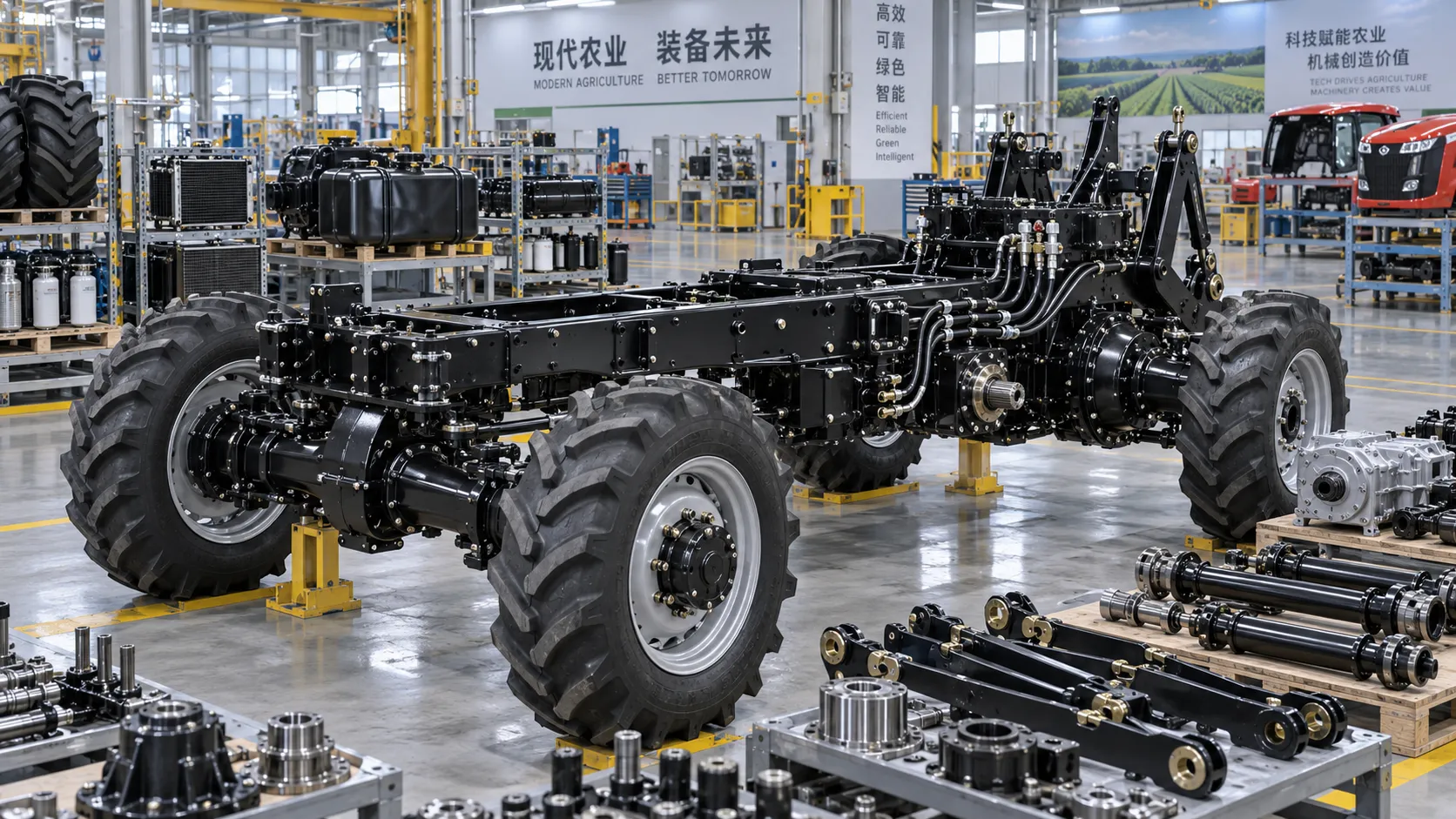
Tractor Chassis Price: What Buyers Should Compare Beyond the Initial Quote
Tractor chassis price is only the start. Compare load capacity, compatibility, durability, and lifecycle costs to choose a reliable, high-value chassis.
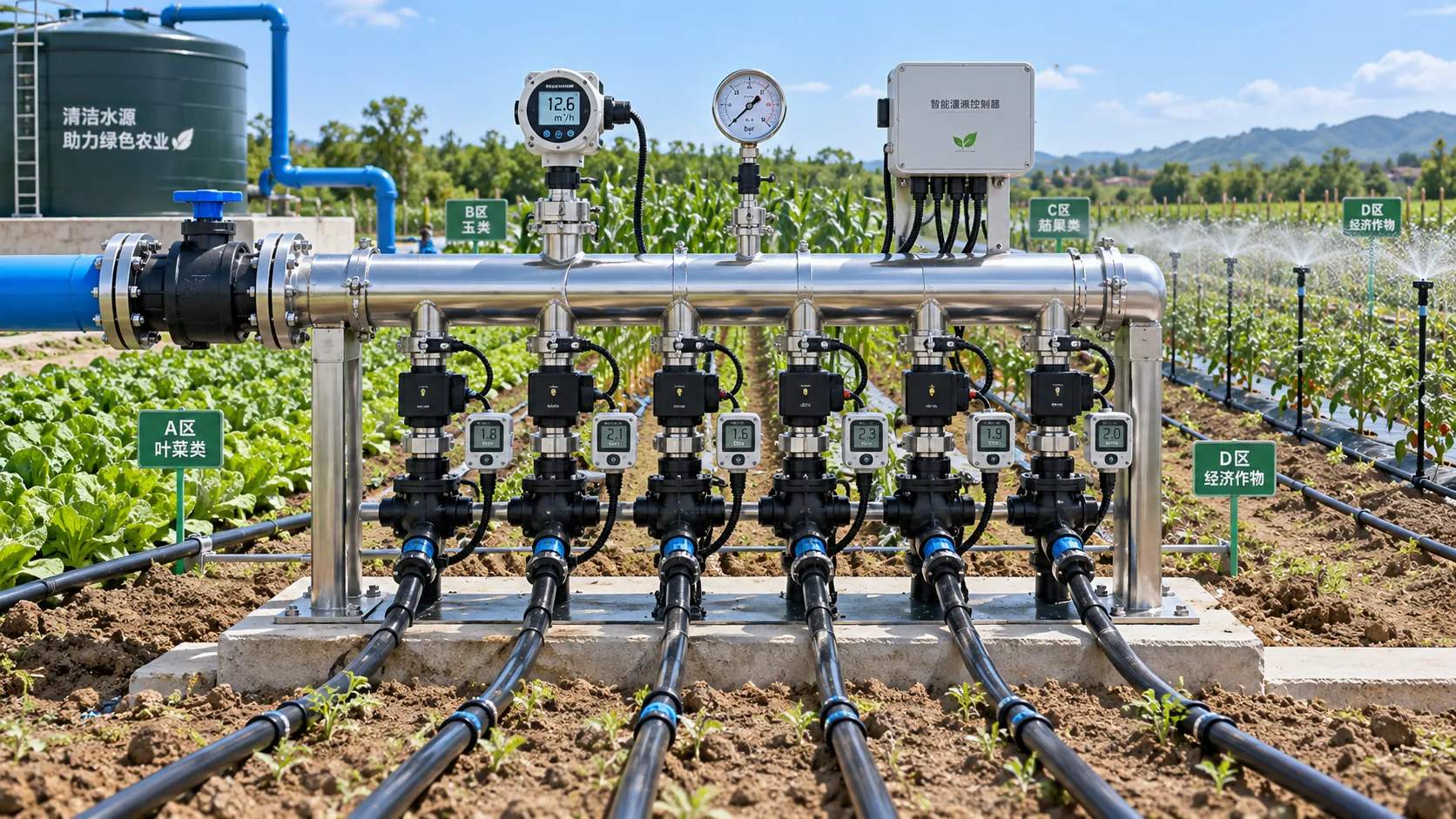
How to Select Smart Irrigation Valves for Multi-Zone Water Management?
Intelligent irrigation systems valves: learn how to match smart valves with multi-zone flow, pressure, control, feedback, and communication needs for reliable water management.
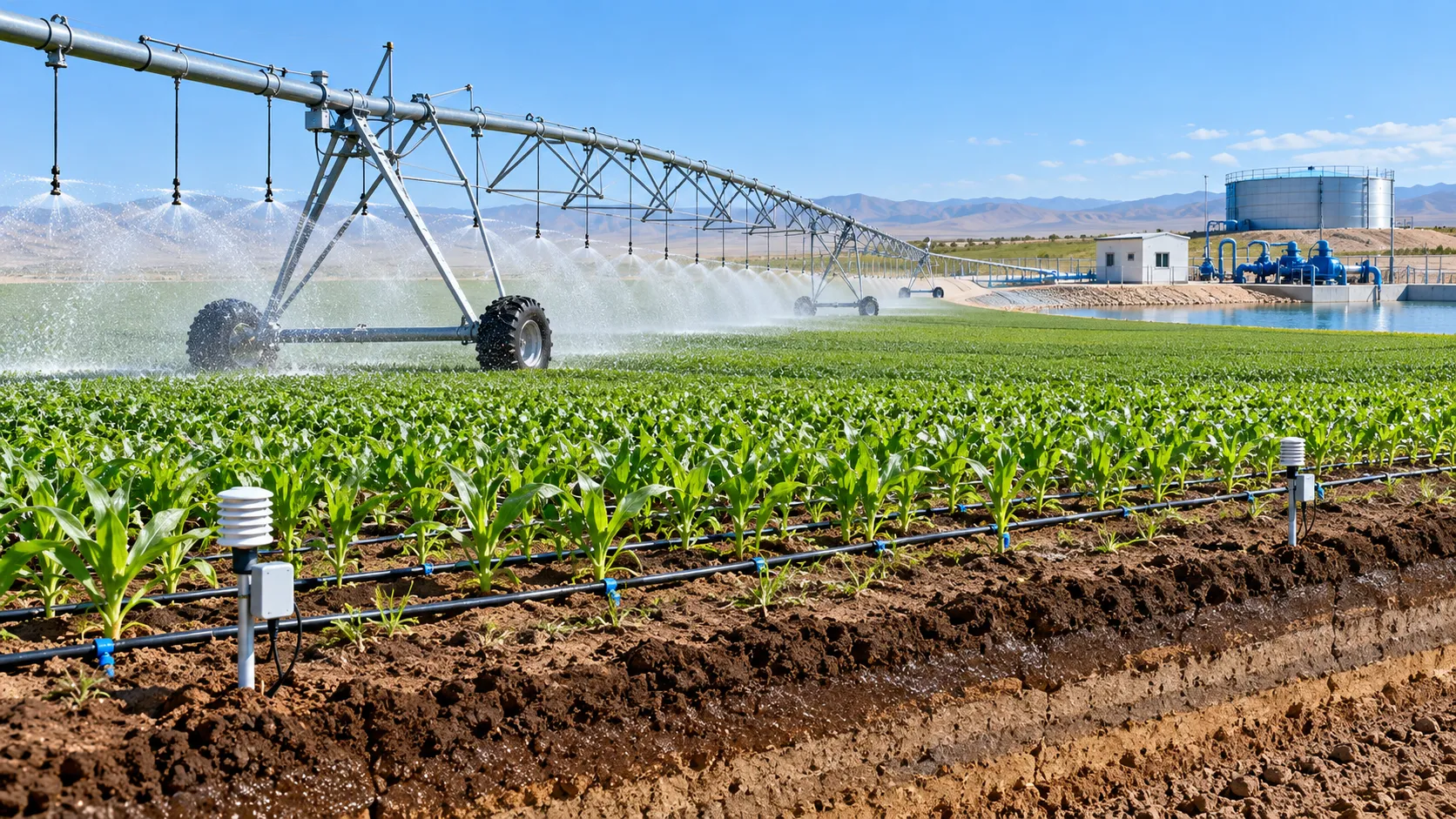
Climate-Smart Farming for Drought: A Practical Plan for Protecting Yields
Climate-smart farming for drought: build smarter water budgets, protect critical crop stages, improve irrigation uniformity, and safeguard yields with practical field-proven strategies.
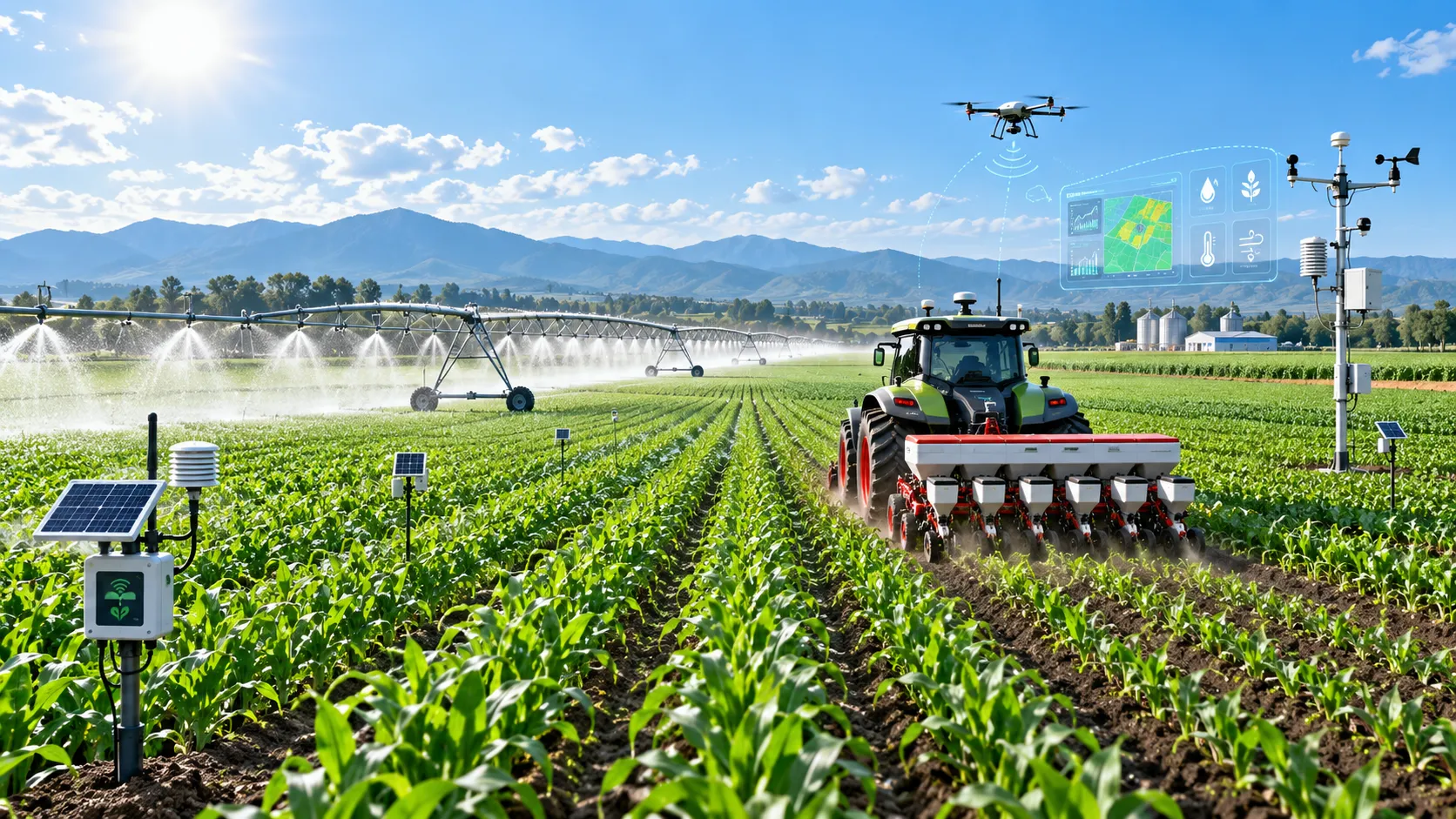
How Digital Agriculture Platforms Turn Field Data Into Better Input Decisions
Digital agriculture platforms turn field data into smarter fertilizer, water, seed, and equipment decisions—helping farms cut risk, improve margins, and scale sustainability.
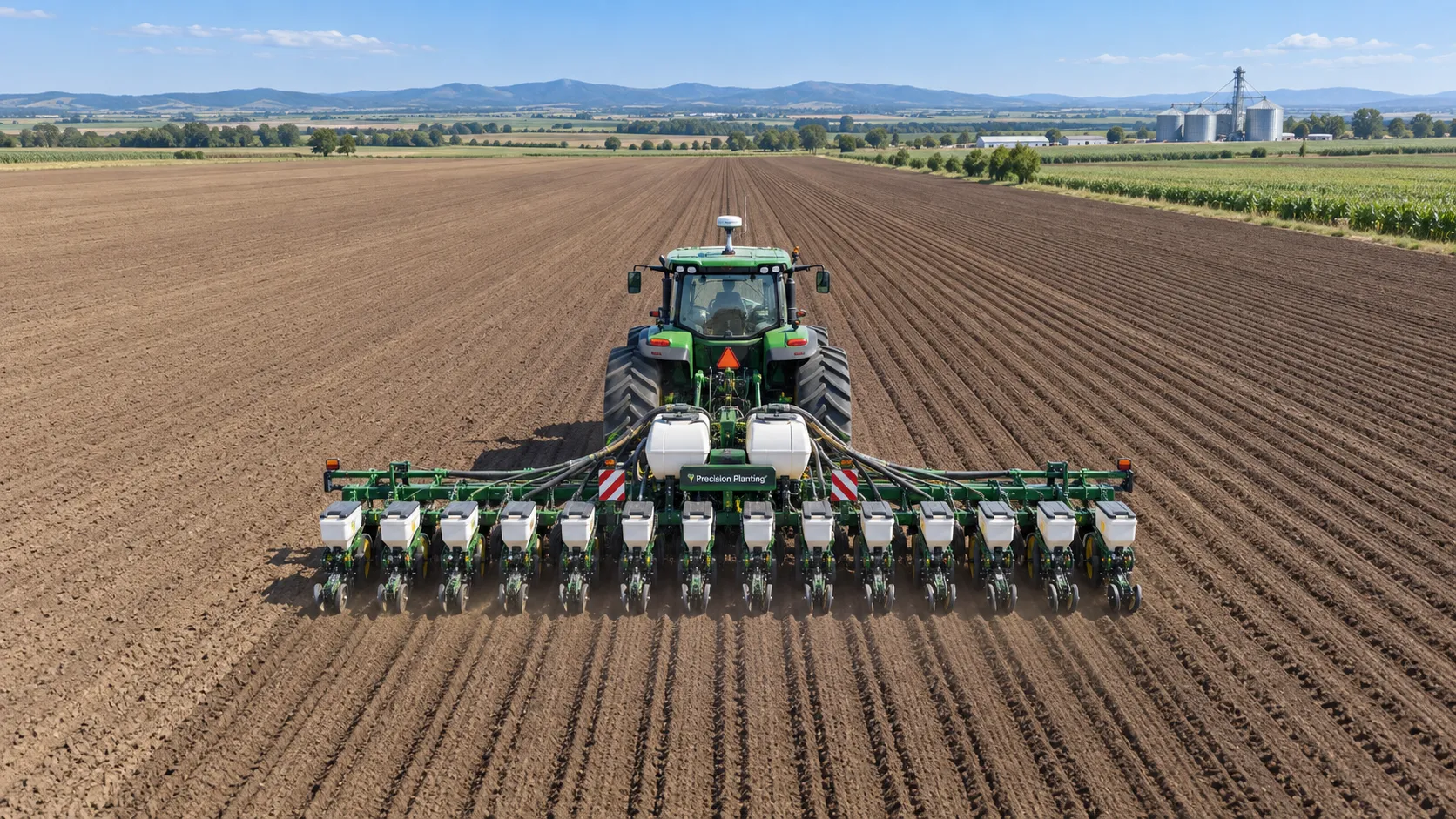
GPS-Guided Farm Machinery: Where It Delivers Measurable Field Efficiency Gains
Agri-mechanization GPS guided systems deliver measurable field efficiency gains through reduced overlap, precise planting, smarter inputs, and reliable farm data.
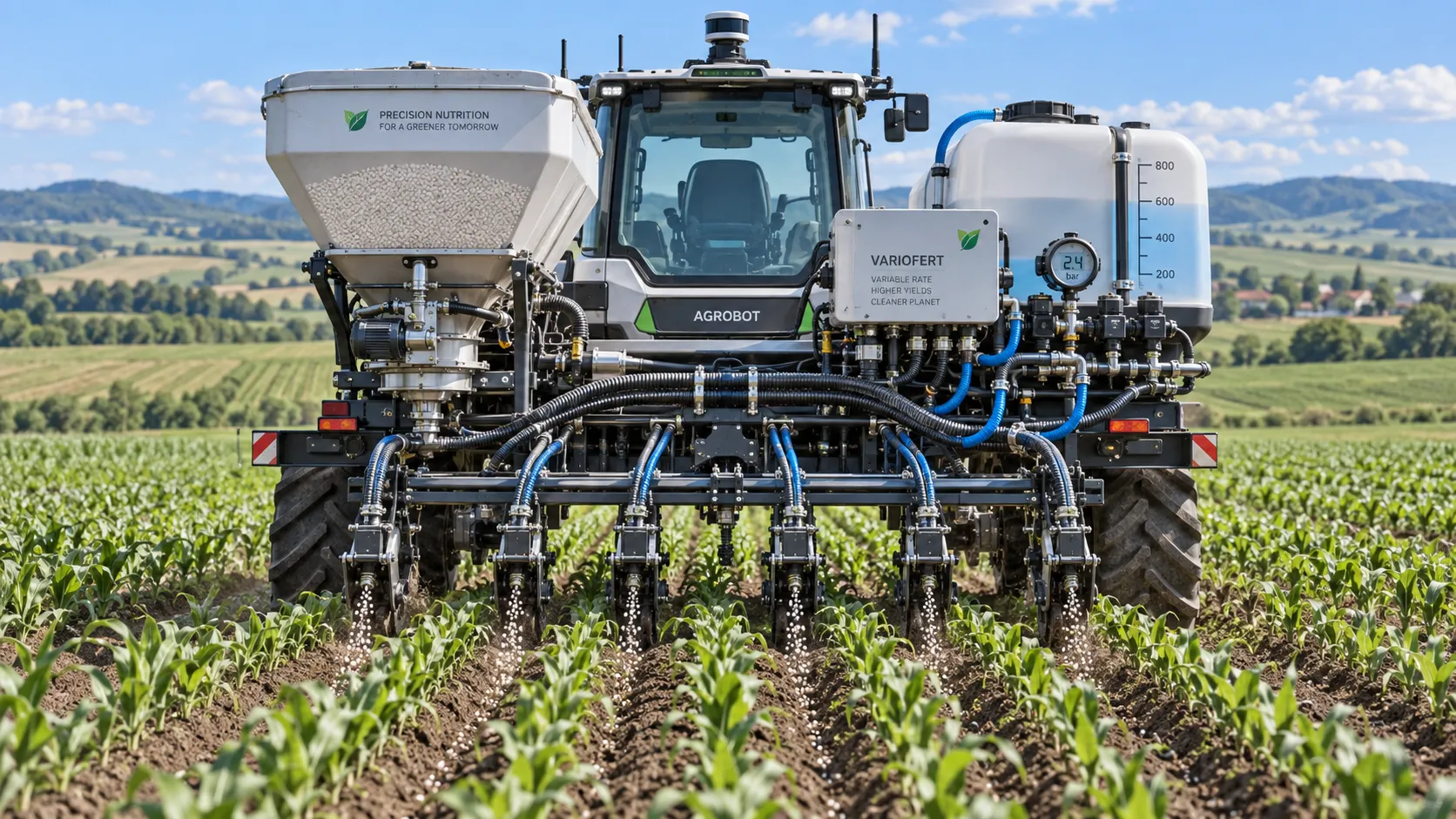
How Sensor Feedback Enables Accurate Variable-Rate Fertilization in Field Conditions
Precision fertilization systems with sensor feedback improve variable-rate accuracy by verifying flow, managing latency, and ensuring reliable field application.
Related News
- 00
0000-00
India Opens Duty Relief for Center Pivot Imports - 00
0000-00
What to Check Before Working With a Precision Irrigation Systems Factory - 00
0000-00
Red Sea Shock Tightens CPS Capacity, Rates Jump 37% - 00
0000-00
Red Sea Escalation Tightens Center Pivot Shipping - 00
0000-00
Red Sea Disruption Extends Center Pivot Transit to 42 Days
Popular Tags
Hydrological Resource Strategist
Weekly Insights
Stay ahead with our curated technology reports delivered every Monday.