
Red Sea Crisis Escalates: Insurance Rate for Agri-Irrigation Pump Stations Rises to 320%
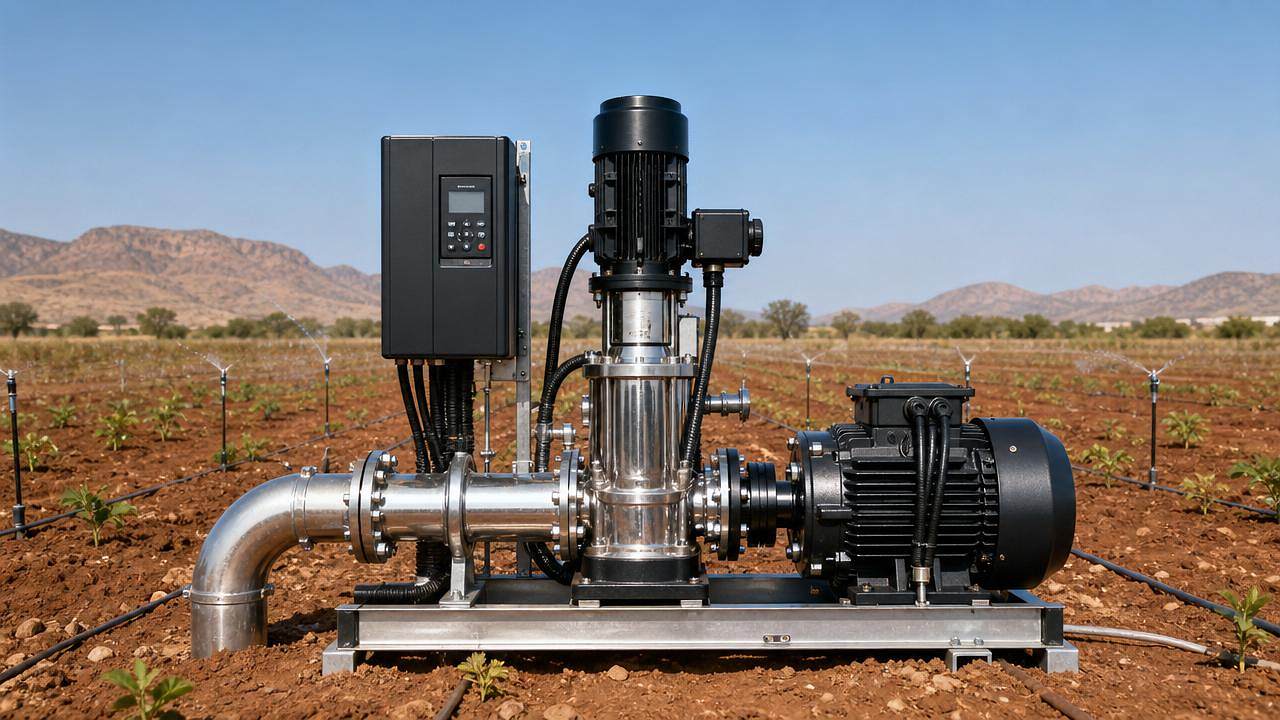




On May 17, 2026, the International Group of P&I Clubs jointly increased marine insurance rates for agricultural smart irrigation pump stations transiting the Gulf of Aden to 320% (base = 100%), effective immediately. This development directly impacts manufacturers, exporters, freight forwarders, and end-users involved in center pivot systems, variable-frequency controllers, and explosion-proof motors—particularly those serving markets in the Middle East, East Africa, and the Indian subcontinent.
Event Overview
On May 17, 2026, the International Group of P&I Clubs announced an immediate adjustment to marine insurance rates for agricultural smart irrigation pump stations—including center pivot system pump sets, variable-frequency controllers, and explosion-proof motors—transiting the Gulf of Aden. The new rate is set at 320% of the standard benchmark. This decision follows intensified attacks by Houthi forces in the region. Major global freight forwarders have since issued surcharge notifications for shipments bound for the Middle East, East Africa, and the Indian subcontinent.
Industries Affected
Direct Exporters and Trading Firms
These firms ship fully assembled or semi-knocked-down irrigation pump stations from manufacturing hubs (e.g., China, Turkey, USA) to project sites abroad. The 320% insurance uplift directly increases landed cost transparency and may trigger renegotiation of Incoterms—especially where CIF or CIP terms are used. Margin compression is likely unless pricing adjustments are passed on or absorbed.
Manufacturers of Irrigation System Components
Producers of center pivot pumps, VFD controllers, and certified explosion-proof motors face indirect pressure: rising insurance costs may prompt buyers to delay orders, consolidate shipments, or shift sourcing toward regional assembly. Since the rate applies specifically to these integrated equipment categories—not generic industrial goods—the impact is concentrated among suppliers whose product specifications align with the listed items.
Freight Forwarders and Logistics Service Providers
Global and regional forwarders handling cargo destined for Yemen-adjacent ports (e.g., Djibouti, Salalah, Mombasa) must now apply and communicate the new insurance surcharge. Their operational exposure includes documentation accuracy, client education, and potential disputes over whether a given shipment qualifies under the IG’s definition of ‘agricultural smart irrigation pump station’.
End-User Project Developers and Agricultural Operators
Large-scale farming operations and irrigation infrastructure developers—especially those executing turnkey projects in East Africa or the Arabian Peninsula—face delayed timelines and budget revisions. Insurance cost escalation compounds existing supply chain uncertainties, potentially affecting tender evaluations, EPC contract viability, and financing conditions tied to delivery milestones.
What Stakeholders Should Monitor and Do Now
Track official clarifications from the International Group of P&I Clubs
The IG’s notice references specific equipment categories; stakeholders should verify whether modular or field-assembled configurations fall within scope—and whether alternative routing (e.g., Cape of Good Hope) triggers different rate applications. No public guidance has yet been issued on duration or review timeline.
Review shipment classification and Incoterm alignment
Exporters and buyers should jointly confirm whether their cargo meets the IG’s technical definition before finalizing contracts. Misclassification risks either underinsurance or unexpected surcharges. Where possible, shifting to FCA or EXW terms may clarify responsibility for marine risk coverage.
Assess near-term procurement timing and inventory strategy
Given the immediate effective date, companies with scheduled Q2/Q3 2026 deliveries should evaluate whether accelerating partial shipments—or consolidating into fewer, higher-value consignments—could reduce total insurance exposure. This applies especially where customs valuation allows clear separation of pump units from ancillary controls.
Engage insurers and forwarders early on documentation requirements
Some forwarders report requests for technical datasheets or OEM certificates to validate equipment classification. Proactive submission avoids delays at origin. Stakeholders should also document all communications related to surcharge application for audit and dispute resolution purposes.
Editorial Observation / Industry Perspective
Observably, this rate adjustment functions less as a standalone cost increase and more as a risk signaling mechanism—highlighting the operational vulnerability of precision agricultural hardware in high-risk maritime corridors. Analysis shows that the 320% figure reflects not just war-risk premium but also heightened underwriting scrutiny of cargo type, packaging integrity, and route-specific threat assessments. From an industry perspective, it signals that specialized agri-tech exports are now being treated with the same underwriting rigor previously reserved for high-value energy or defense equipment. Current developments remain fluid: no IG statement indicates whether this is a temporary measure or part of a broader recalibration of risk frameworks for critical food-system infrastructure.
This event underscores how geopolitical instability increasingly intersects with niche industrial logistics—particularly where equipment combines high unit value, technical specificity, and mission-critical deployment. It is not yet a systemic disruption, but rather a targeted tightening that reveals latent dependencies in global irrigation supply chains.
Conclusion
This insurance rate revision is best understood as a calibrated response to acute maritime risk—not a broad-based tariff or trade barrier. Its significance lies in its selectivity: it isolates a technically defined subset of agricultural hardware, reflecting how security risk is now being priced with increasing granularity across industrial sectors. For stakeholders, the priority is not reaction, but precise classification, documentation, and contractual clarity—rather than generalized contingency planning.
Source Attribution
Main source: Joint announcement by the International Group of P&I Clubs, issued May 17, 2026.
Noted for ongoing observation: Duration of the 320% rate, potential scope expansion to adjacent equipment categories (e.g., solar-powered pumps), and any formal guidance on alternative routing treatment.
Related News
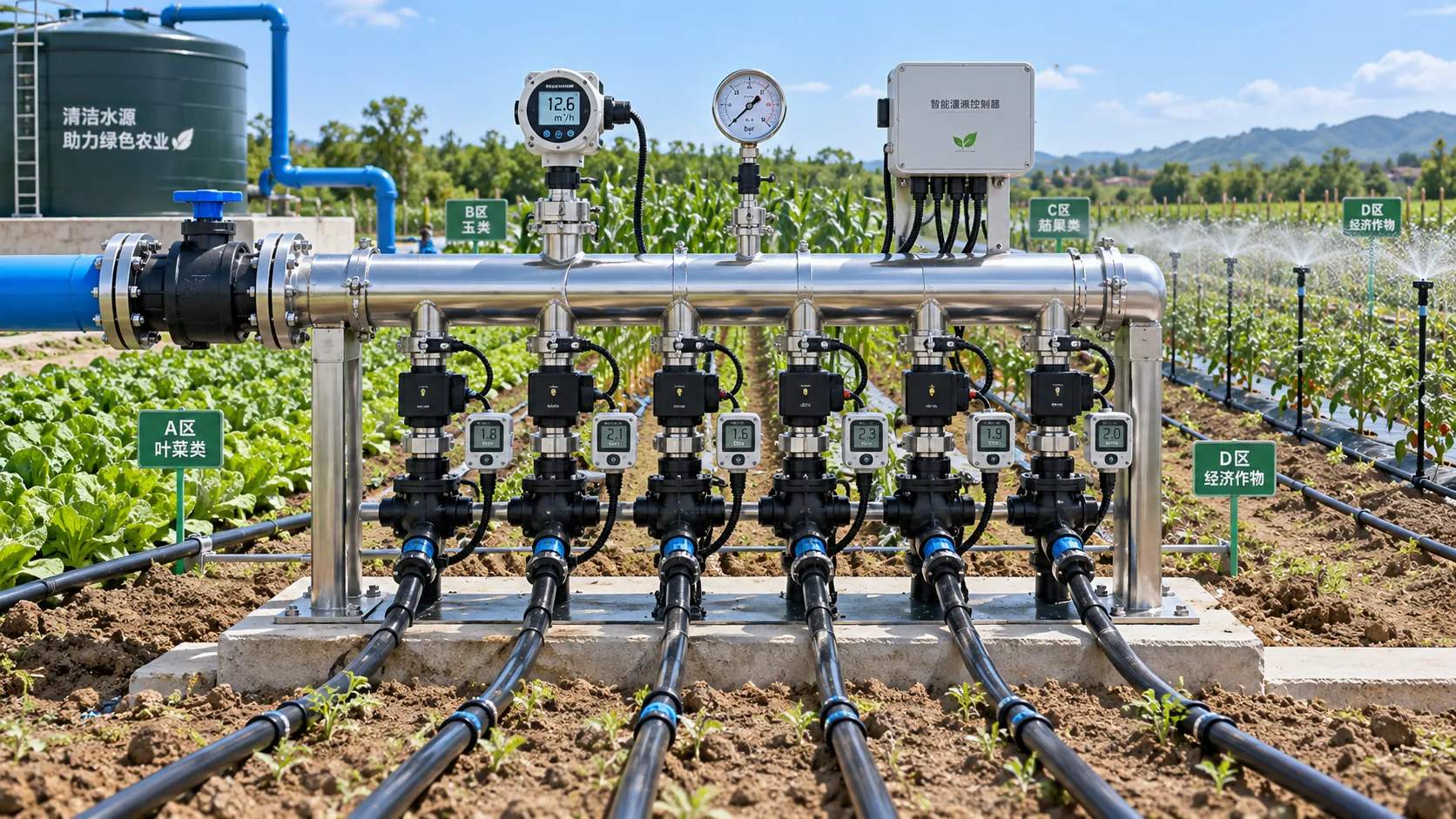
How to Select Smart Irrigation Valves for Multi-Zone Water Management?
Intelligent irrigation systems valves: learn how to match smart valves with multi-zone flow, pressure, control, feedback, and communication needs for reliable water management.
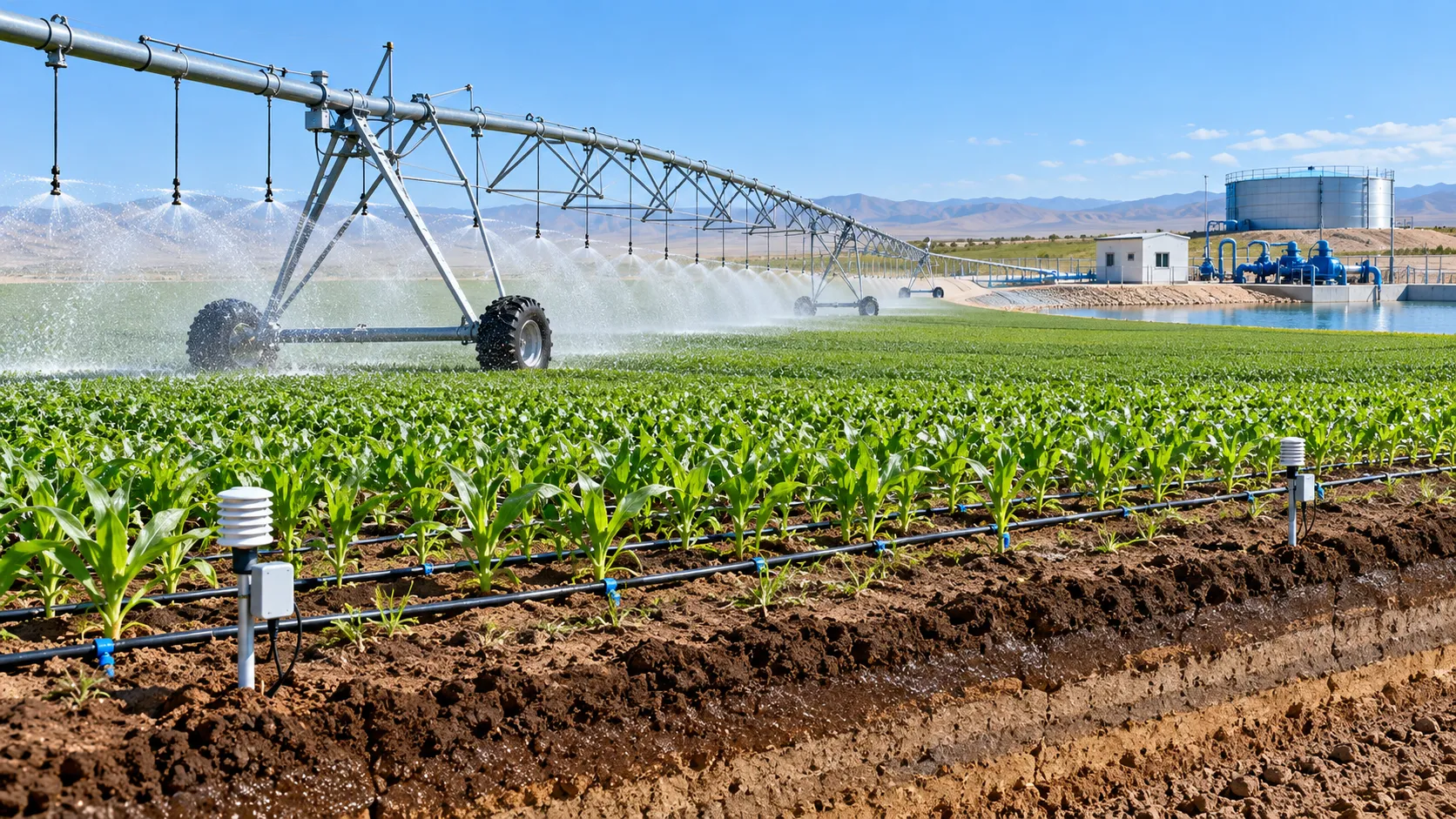
Climate-Smart Farming for Drought: A Practical Plan for Protecting Yields
Climate-smart farming for drought: build smarter water budgets, protect critical crop stages, improve irrigation uniformity, and safeguard yields with practical field-proven strategies.

How Digital Agriculture Platforms Turn Field Data Into Better Input Decisions
Digital agriculture platforms turn field data into smarter fertilizer, water, seed, and equipment decisions—helping farms cut risk, improve margins, and scale sustainability.
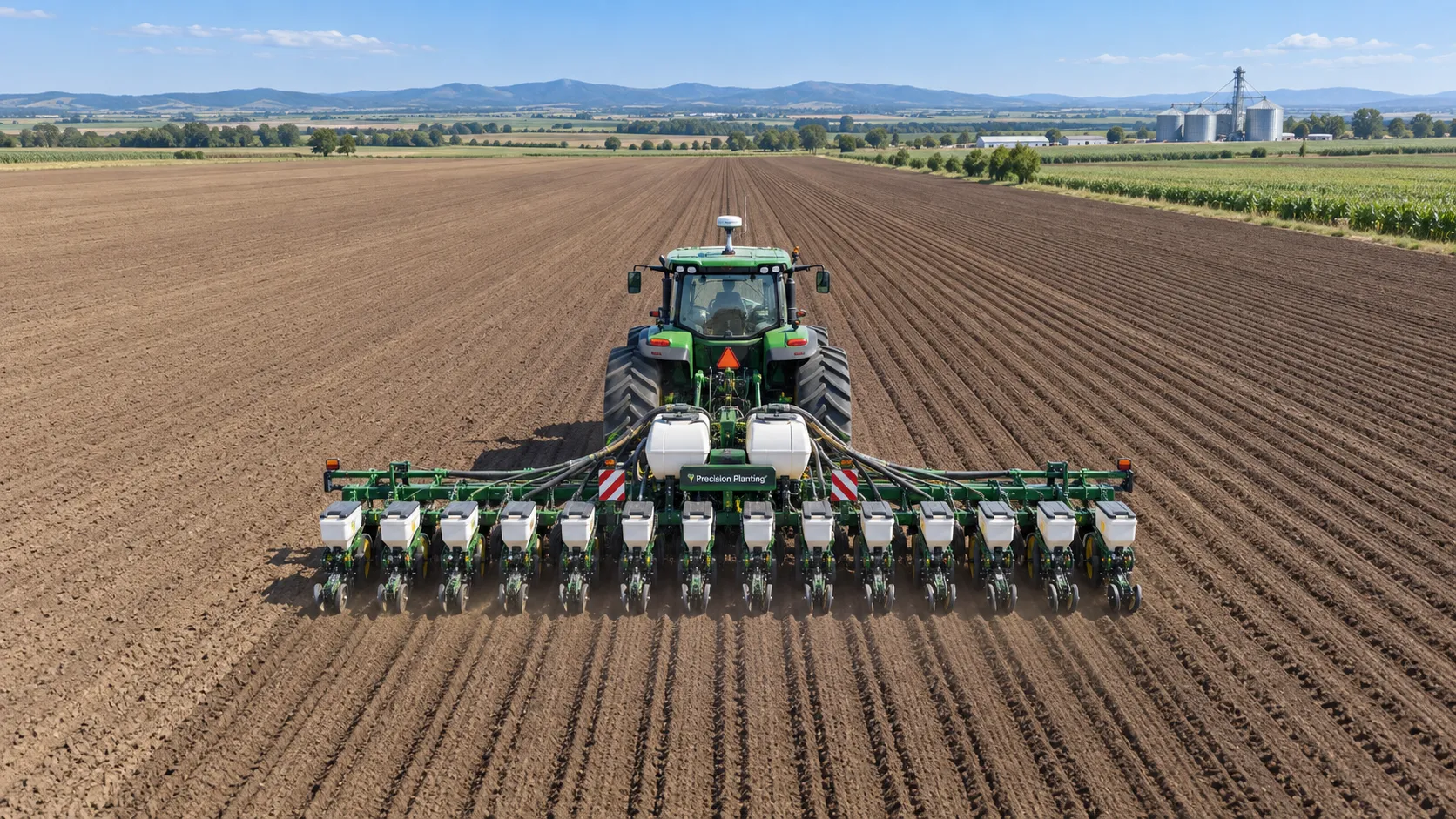
GPS-Guided Farm Machinery: Where It Delivers Measurable Field Efficiency Gains
Agri-mechanization GPS guided systems deliver measurable field efficiency gains through reduced overlap, precise planting, smarter inputs, and reliable farm data.

How Sensor Feedback Enables Accurate Variable-Rate Fertilization in Field Conditions
Precision fertilization systems with sensor feedback improve variable-rate accuracy by verifying flow, managing latency, and ensuring reliable field application.

How to Select Precision Crop Protection Equipment for Variable Field Conditions
Precision crop protection equipment selection made simple: compare terrain, canopy, weather, control accuracy, and data workflows for reliable applications.

When Does Agricultural Machinery Leasing Cost Less Than Owning Equipment?
Agricultural machinery leasing can lower farm costs when use is seasonal or uncertain. Compare utilization, maintenance, cash flow, and risk to make a smarter equipment decision.
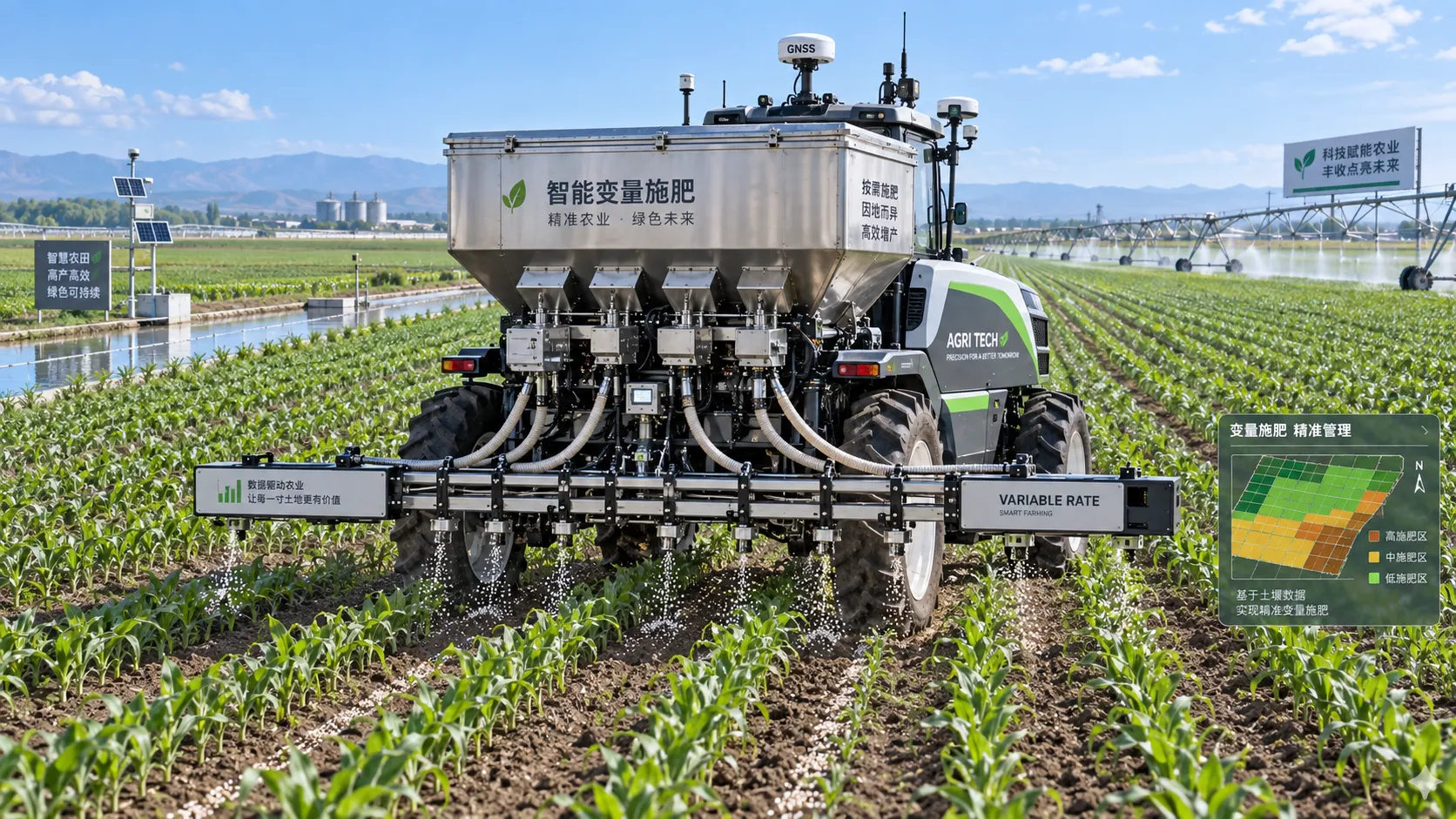
How to Evaluate Precision Fertilization System Suppliers for Farm-Scale Deployment
Precision fertilization systems suppliers: learn how to compare accuracy, integration, uptime, service, and total cost for confident farm-scale deployment.
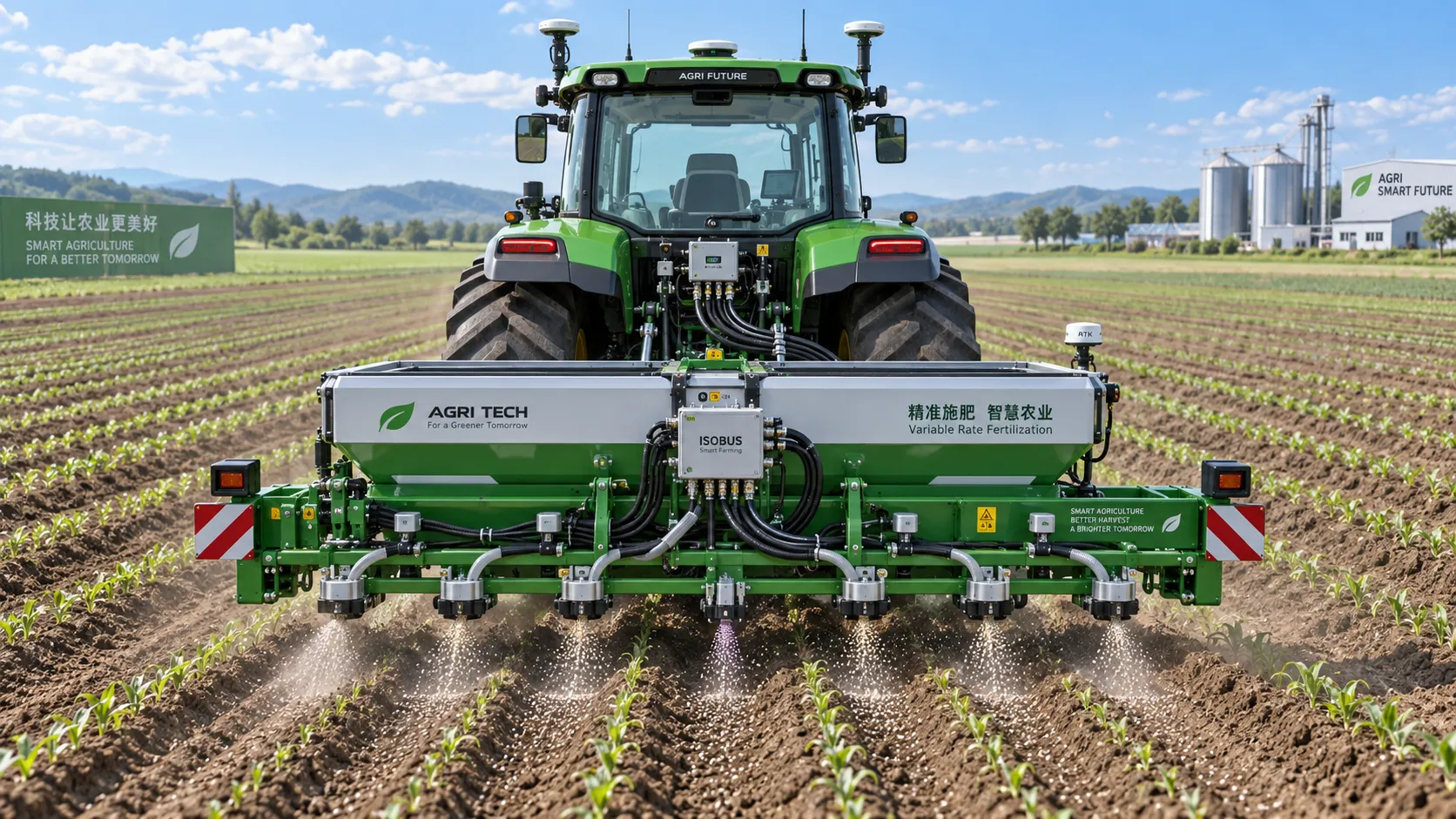
ISOBUS for Smart Agriculture: How It Connects Tractors, Implements, and Farm Data
ISOBUS for smart agriculture connects tractors, implements, terminals, and farm data—helping growers improve precision, documentation, and smarter field decisions.
Related News
- 00
0000-00
India Opens Duty Relief for Center Pivot Imports - 00
0000-00
What to Check Before Working With a Precision Irrigation Systems Factory - 00
0000-00
Red Sea Shock Tightens CPS Capacity, Rates Jump 37% - 00
0000-00
Red Sea Escalation Tightens Center Pivot Shipping - 00
0000-00
Red Sea Disruption Extends Center Pivot Transit to 42 Days
Popular Tags
Hydrological Resource Strategist
Weekly Insights
Stay ahead with our curated technology reports delivered every Monday.