
East China Airlines Launches Western Supply Chain Co. in Chongqing




East China Airlines Launches Western Supply Chain Co. in Chongqing
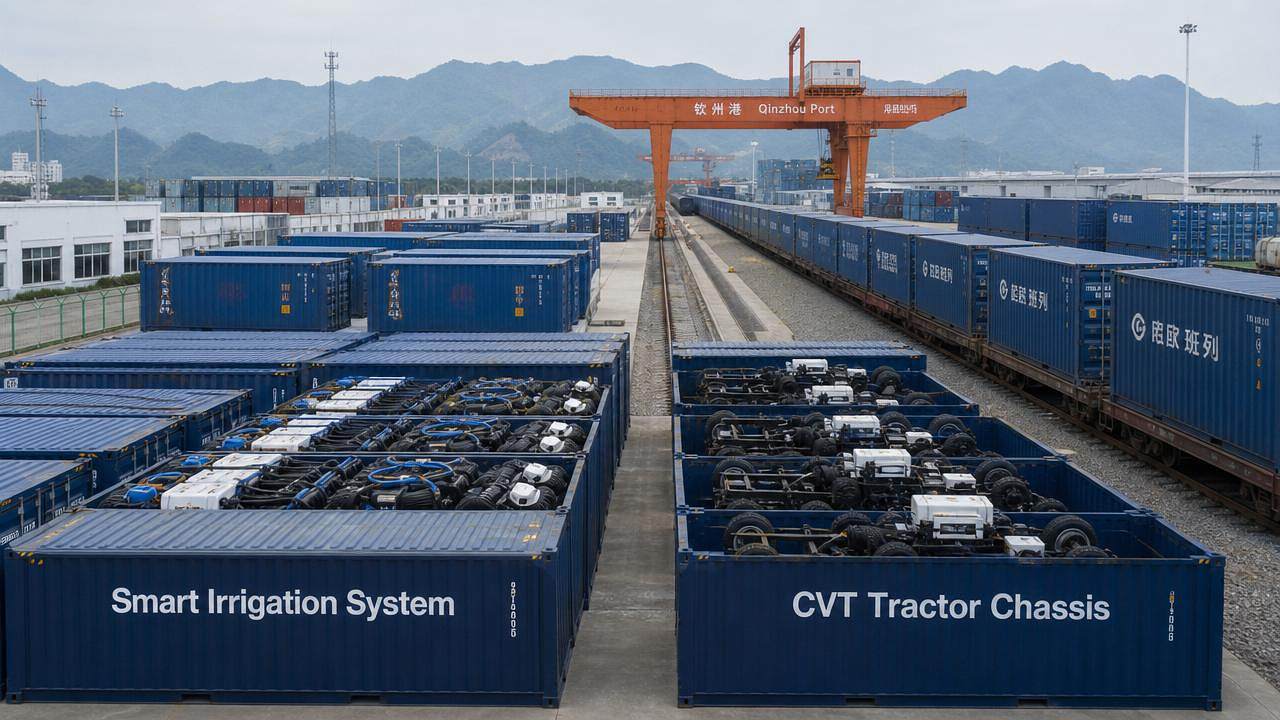
On May 21, 2026, East China Airlines Logistics registered a new subsidiary—East China Airlines Western Supply Chain (Chongqing) Co., Ltd.—in Chongqing. The move directly responds to growing demand for time-sensitive, high-value agricultural machinery exports, and aims to strengthen multimodal connectivity across the Chengdu–Chongqing economic zone. By integrating the China-Europe Railway Express (Chengdu–Chongqing route) with sea-rail intermodal services via Qinzhou Port, the initiative shortens average transit times for smart irrigation systems and CVT tractor chassis bound for Central & Eastern Europe and Southeast Asia by 7–10 days—marking a tangible shift in logistics responsiveness for precision agri-tech trade.
Event Overview
On May 21, 2026, East China Airlines Logistics established East China Airlines Western Supply Chain (Chongqing) Co., Ltd. in Chongqing. The company focuses on supporting the export of high-end agricultural machinery equipment. Leveraging the China-Europe Railway Express (Chengdu–Chongqing) and sea-rail intermodal links through Qinzhou Port, it reduces average transit time for smart irrigation systems and CVT tractor chassis shipped to Central & Eastern Europe and Southeast Asia by 7–10 days. Overseas distributors can use this improved predictability to refine inventory planning and seasonal stock-up timing.
Industries Affected
Direct Exporters
Manufacturers and trading firms exporting intelligent agricultural machinery—including smart irrigation controllers, variable-rate application systems, and CVT-powered tractors—are directly impacted. Shorter and more reliable lead times reduce demurrage exposure, improve order-to-cash cycle visibility, and support just-in-time delivery commitments to overseas distributors. However, these benefits are conditional on consistent rail slot availability and port handling capacity at Qinzhou, which remain subject to seasonal and operational variability.
Raw Material Procurement Enterprises
Suppliers of critical components—such as hydraulic valves, embedded control modules, and specialized steel forgings—face revised demand pacing. With export windows compressed and delivery schedules tightened, procurement cycles may need to shift from quarterly forecasting to rolling 6–8 week planning horizons. That said, no change in raw material pricing or sourcing geography is indicated by the new logistics setup alone; upstream cost dynamics remain governed by global commodity markets and domestic industrial policy.
Equipment Manufacturers
OEMs producing large-format agricultural machinery must adapt production scheduling and packaging protocols to align with rail-compatible loading standards (e.g., ISO container compatibility, weight distribution limits, and shock-absorption requirements for sensitive electronics). While faster outbound transit improves cash flow timing, it does not alleviate constraints related to domestic certification bottlenecks (e.g., CE marking timelines or EU Machinery Directive compliance verification), which remain independent variables.
Supply Chain Service Providers
Third-party logistics providers, customs brokers, and freight forwarders operating along the Chengdu–Chongqing–Qinzhou corridor face both opportunity and pressure. Demand for integrated documentation handling, cross-border regulatory advisory, and real-time shipment tracking is rising—but service differentiation now hinges less on basic transit execution and more on value-added capabilities such as bonded warehousing, pre-clearance coordination, and multi-modal exception management. Incumbents lacking digital integration across rail, port, and customs systems may see margin compression.
Key Considerations and Recommended Actions
Evaluate Multimodal Slot Allocation Mechanisms
Exporters should assess how rail slot booking works under the China-Europe Railway Express (Chengdu–Chongqing) framework—especially priority access rules, seasonal allocation windows, and penalty clauses for cancellations. Early engagement with East China Airlines Western Supply Chain Co. may clarify whether dedicated capacity is reserved for agri-tech cargo.
Reassess Packaging and Documentation Standards
Manufacturers must verify that current packaging meets both rail loading safety norms (e.g., EN 12195-1 lashing requirements) and maritime container stacking criteria. Simultaneously, documentation—including commercial invoices, packing lists, and origin certificates—must be pre-validated for dual-use (rail + sea) clearance to avoid delays at Qinzhou Port handover points.
Stress-Test Inventory Planning Models
Distributors in Central & Eastern Europe and Southeast Asia should recalibrate safety stock levels using the new 7–10 day transit reduction as a baseline—not as a guaranteed floor. Analysis shows that actual variability in dwell time at border crossings (e.g., Dostyk/Khorgos) and Qinzhou terminal congestion remains significant; therefore, probabilistic modeling—not deterministic assumptions—is advisable.
Editorial Perspective / Industry Observation
Observably, this development signals a strategic pivot toward logistics-led export enablement—not merely transport optimization. Unlike earlier infrastructure investments focused on volume throughput, East China Airlines’ Chongqing initiative embeds domain-specific expertise (agri-tech handling, regulatory navigation, regional distributor coordination) into its service design. From an industry perspective, this reflects growing recognition that competitiveness in high-value machinery exports depends less on production cost and more on system-level reliability and responsiveness. Current evidence suggests similar vertical-integration models may emerge in other sectors—such as renewable energy equipment and medical devices—where product complexity, regulatory heterogeneity, and time sensitivity converge.
Conclusion
The establishment of East China Airlines Western Supply Chain (Chongqing) Co., Ltd. represents more than a geographic expansion—it marks a calibrated response to structural friction in global agri-tech trade. Rather than a universal acceleration, the 7–10 day improvement is best understood as a targeted reduction in schedule uncertainty for specific cargo types moving along a defined corridor. For stakeholders, the longer-term significance lies not in the headline transit gain, but in the precedent it sets: logistics infrastructure is increasingly being reconfigured around end-market readiness—not just physical movement.
Source Attribution
Official registration records filed with the Chongqing Municipal Market Supervision Administration (May 21, 2026); public statements issued by East China Airlines Logistics; operational data from the China-Europe Railway Express (Chengdu–Chongqing) Joint Command Center and Qinzhou Port Group. Note: Rail slot allocation policies, Qinzhou Port handling fees for oversized agri-machinery, and future extension of the service to additional destinations (e.g., Latin America or Africa) remain under observation.
Related News
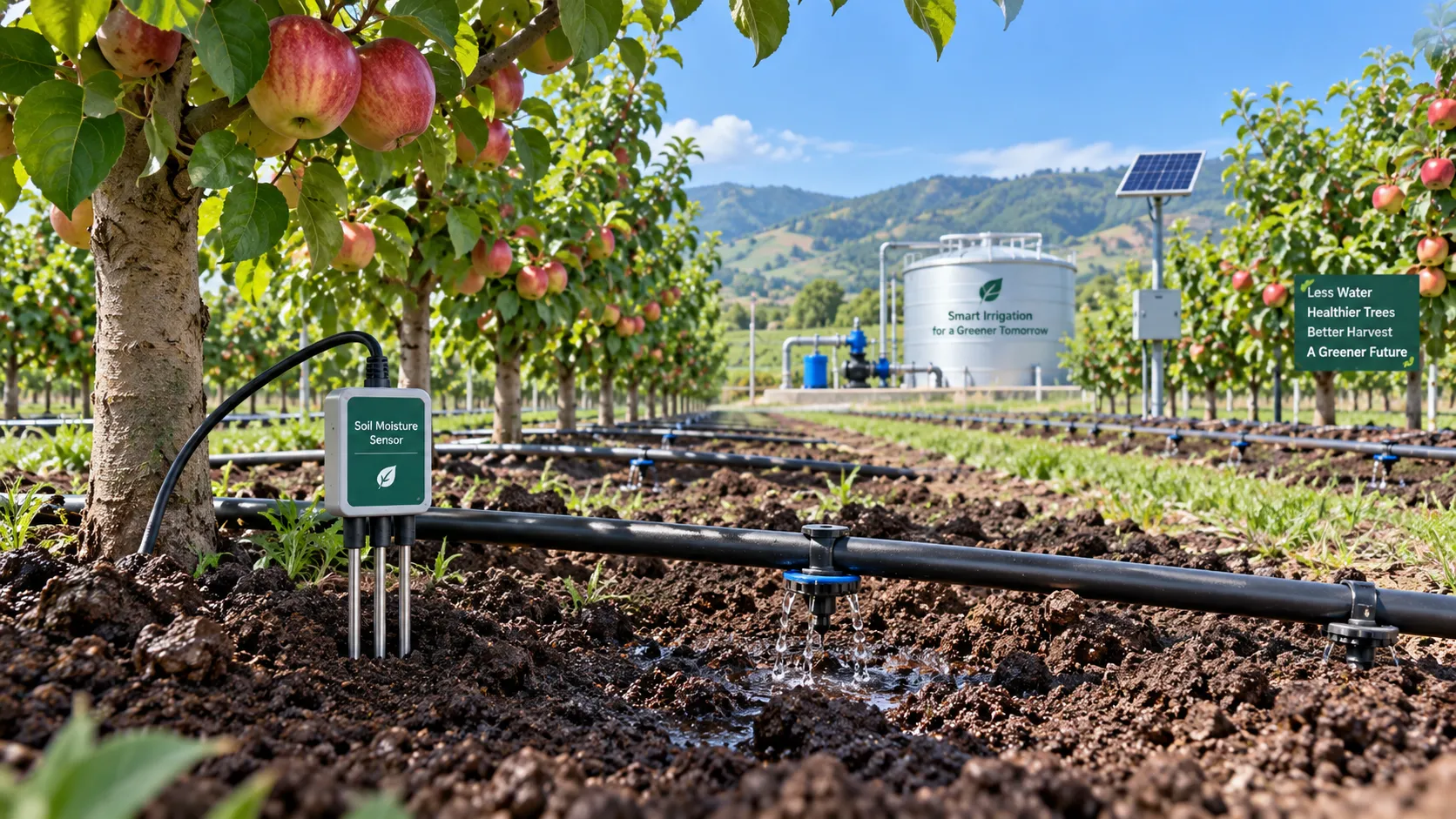
Orchard Water Management: Using Soil Moisture Data to Schedule Irrigation
Agricultural water management for orchards made practical: use soil moisture data to optimize irrigation timing, protect yield, reduce costs, and improve resilience.
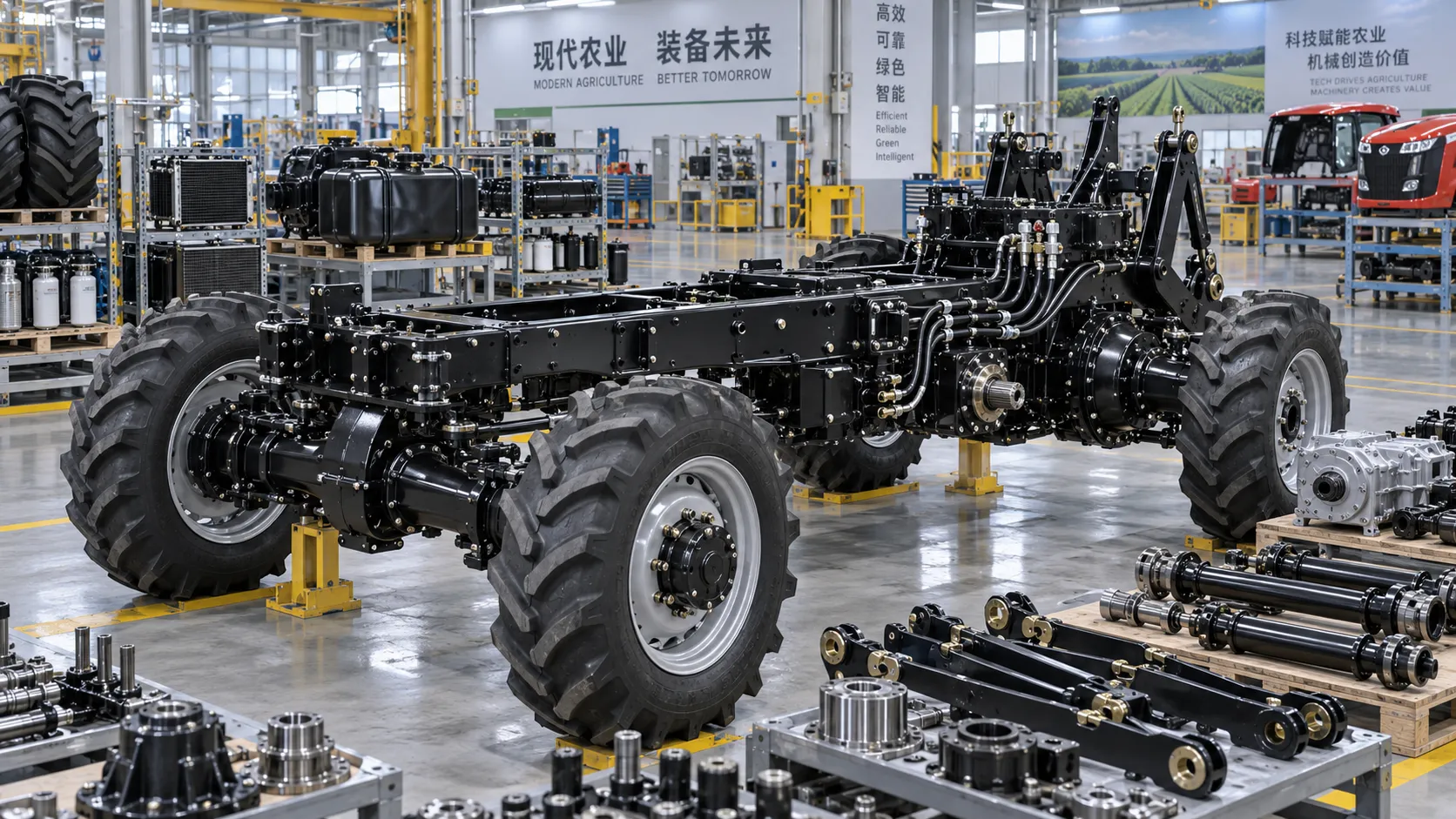
Tractor Chassis Price: What Buyers Should Compare Beyond the Initial Quote
Tractor chassis price is only the start. Compare load capacity, compatibility, durability, and lifecycle costs to choose a reliable, high-value chassis.
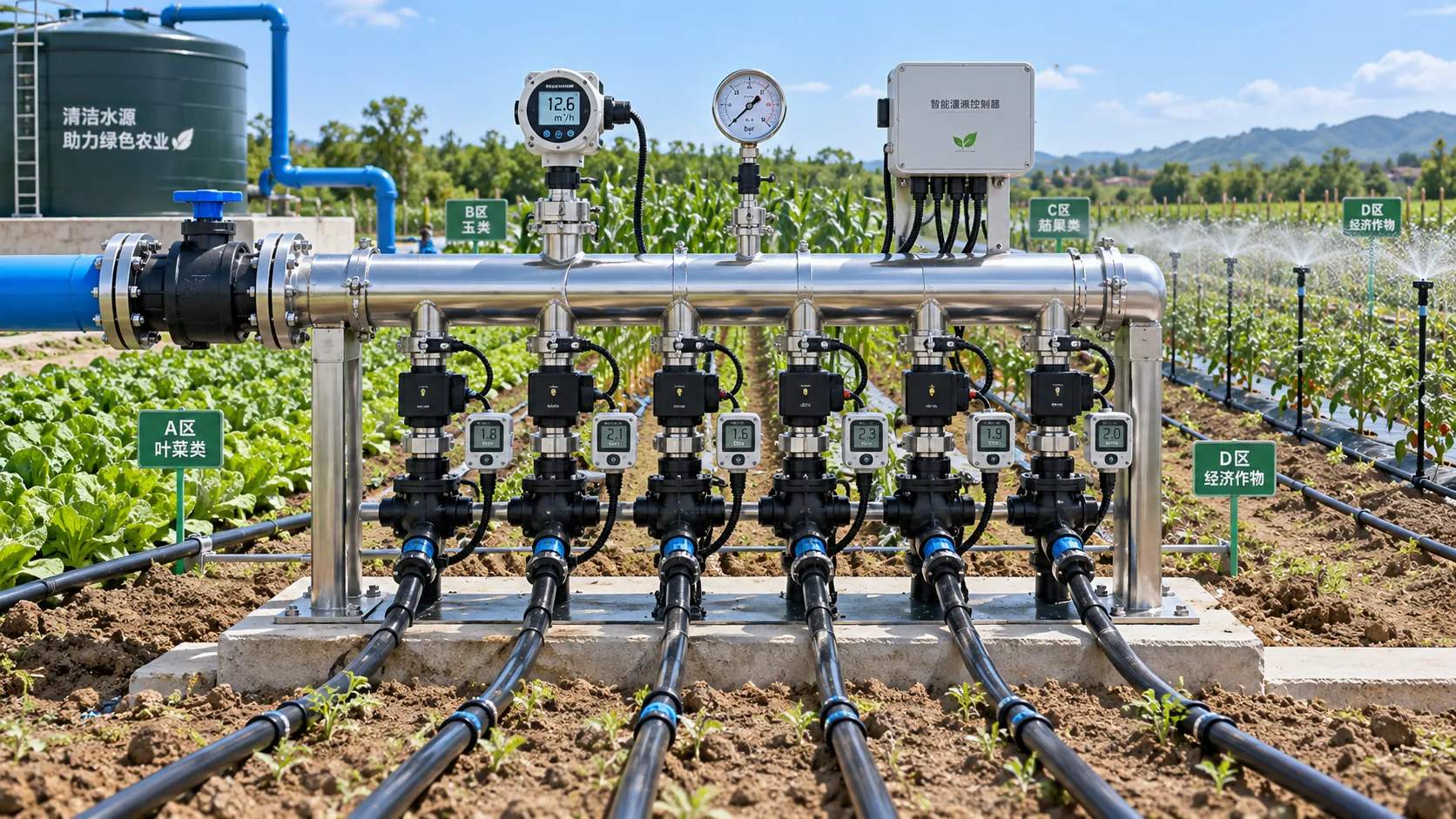
How to Select Smart Irrigation Valves for Multi-Zone Water Management?
Intelligent irrigation systems valves: learn how to match smart valves with multi-zone flow, pressure, control, feedback, and communication needs for reliable water management.

Climate-Smart Farming for Drought: A Practical Plan for Protecting Yields
Climate-smart farming for drought: build smarter water budgets, protect critical crop stages, improve irrigation uniformity, and safeguard yields with practical field-proven strategies.

How Digital Agriculture Platforms Turn Field Data Into Better Input Decisions
Digital agriculture platforms turn field data into smarter fertilizer, water, seed, and equipment decisions—helping farms cut risk, improve margins, and scale sustainability.

GPS-Guided Farm Machinery: Where It Delivers Measurable Field Efficiency Gains
Agri-mechanization GPS guided systems deliver measurable field efficiency gains through reduced overlap, precise planting, smarter inputs, and reliable farm data.

How Sensor Feedback Enables Accurate Variable-Rate Fertilization in Field Conditions
Precision fertilization systems with sensor feedback improve variable-rate accuracy by verifying flow, managing latency, and ensuring reliable field application.

How to Select Precision Crop Protection Equipment for Variable Field Conditions
Precision crop protection equipment selection made simple: compare terrain, canopy, weather, control accuracy, and data workflows for reliable applications.

When Does Agricultural Machinery Leasing Cost Less Than Owning Equipment?
Agricultural machinery leasing can lower farm costs when use is seasonal or uncertain. Compare utilization, maintenance, cash flow, and risk to make a smarter equipment decision.
Related News
- 00
0000-00
India Opens Duty Relief for Center Pivot Imports - 00
0000-00
What to Check Before Working With a Precision Irrigation Systems Factory - 00
0000-00
Red Sea Shock Tightens CPS Capacity, Rates Jump 37% - 00
0000-00
Red Sea Escalation Tightens Center Pivot Shipping - 00
0000-00
Red Sea Disruption Extends Center Pivot Transit to 42 Days
Popular Tags
Hydrological Resource Strategist
Weekly Insights
Stay ahead with our curated technology reports delivered every Monday.