
Hubei Expands 2026 Farm Machinery Renewal Subsidies
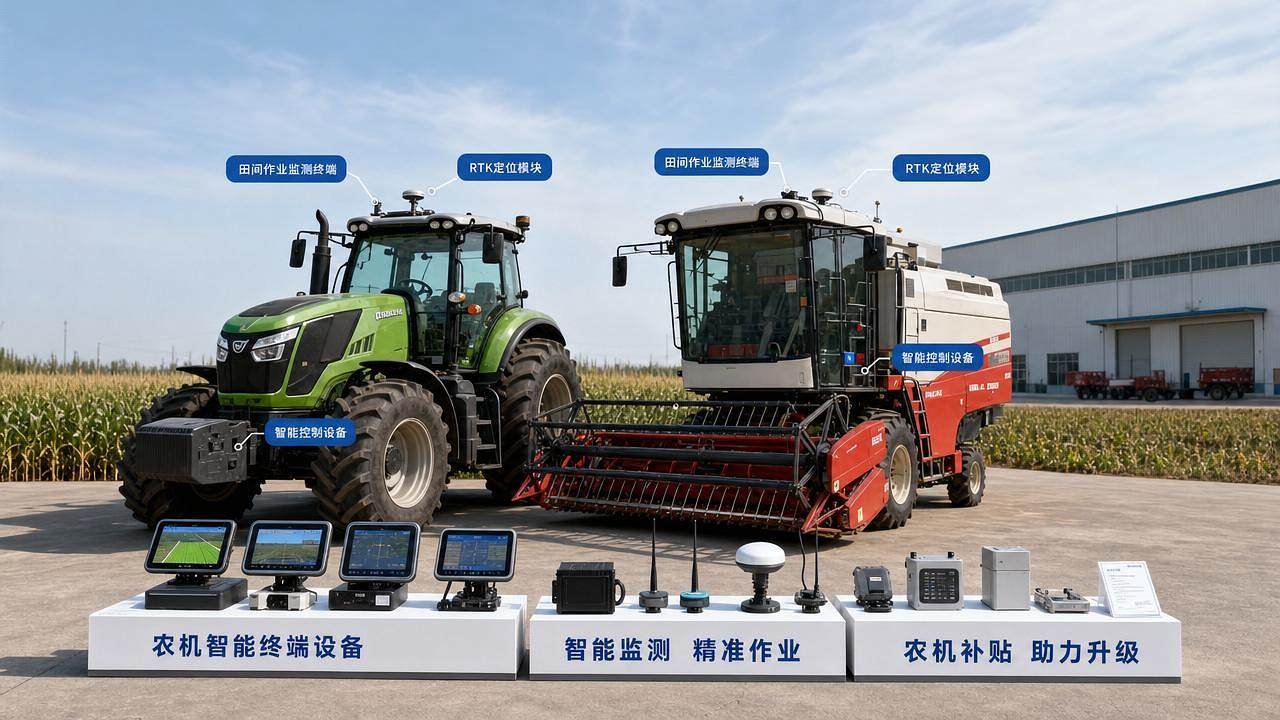




The timing of the policy release is not specified in the provided information, but the update is notable for agricultural machinery makers, smart terminal suppliers, distributors, and export-oriented manufacturers. Hubei has expanded its 2026 farm machinery scrappage and renewal subsidy policy by bringing field operation monitoring terminals into the scope of new purchase subsidies, a move that signals stronger policy recognition for intelligent equipment attached to tractors, harvesters, and related machinery rather than for core machines alone.
What the policy now covers
According to the provided summary, Hubei has issued a 2026 agricultural machinery scrappage and renewal policy that, for the first time, includes field operation monitoring terminals in the scope of new purchase subsidies. At the same time, the scrappage and renewal subsidy standard for these terminals has been lowered. The policy scope includes carrier equipment for intelligent modules such as GPS Guidance Systems and Variable Rate Tech.
The information provided also states that the policy is expected to accelerate the retirement of older tractors, harvesters, and supporting smart terminals in the domestic market, while supporting production release for a new generation of terminals with RTK positioning, variable control, and IoT connectivity capabilities.
Where the market may feel the change first
Replacement demand may shift from standalone machinery to connected equipment packages
From an industry perspective, manufacturers and channel partners linked to tractors, harvesters, and compatible smart devices may be affected first because the policy does not stop at traditional machinery replacement. By adding field operation monitoring terminals to the purchase subsidy scope, the market focus may move toward integrated equipment packages in which the machine and the intelligent terminal are considered together in procurement and upgrade decisions.
Smart module suppliers need to watch specification fit and subsidy relevance
For suppliers of GPS Guidance Systems, Variable Rate Tech carriers, and related intelligent hardware, the main impact may appear in product planning and sales alignment. What deserves closer attention is whether their terminal products match the policy-defined subsidy scope in practical transactions, especially when positioning products around RTK, variable control, and IoT-based functions.
Export-facing manufacturers may see supply planning pressure
Observably, the policy is also relevant to companies serving emerging overseas markets such as Southeast Asia and the Middle East, because the provided summary links the measure to more stable export supply of next-generation terminals. The immediate issue for such businesses is not a guaranteed export increase, but whether domestic replacement demand could reshape production scheduling, inventory allocation, and delivery priorities.
What companies should monitor next
Follow how official wording is applied in execution
Companies should pay close attention to how the inclusion of field operation monitoring terminals is interpreted in implementation, especially where product categories overlap with broader intelligent agriculture hardware. The distinction between policy language and actual eligibility in procurement and subsidy processing will matter in day-to-day business.
Review product portfolios tied to RTK, variable control, and IoT connectivity
Analysis shows that enterprises with terminal products positioned around RTK positioning, variable control, and IoT networking should reassess which models are most likely to match replacement demand created by the policy. This is less about expanding every product line and more about identifying which configurations align most closely with current subsidy-supported upgrade logic.
Prepare for changes in supply, delivery, and customer communication
Manufacturers, distributors, and service providers should also watch for changes in order rhythm and customer expectations. If replacement activity accelerates, practical issues may emerge around delivery cycles, supporting documentation, installation readiness, and communication with buyers seeking clarity on subsidy applicability.
Separate policy signal from immediate sales conversion
What deserves closer attention is the difference between a positive policy signal and realized market volume. Inclusion in the subsidy scope can improve visibility and purchasing interest, but actual business conversion will still depend on implementation details, product matching, and execution at the transaction level.
Why this matters beyond one provincial update
This section is an editorial observation rather than a statement of confirmed fact. It is more appropriate to understand this policy as a medium-term industry signal instead of a fully settled market outcome. The inclusion of field operation monitoring terminals suggests that agricultural equipment renewal policy is giving more weight to intelligent operating capability, not only to the replacement of aging mechanical assets.
Analysis shows that this matters because it links domestic replacement logic with manufacturing capacity for newer smart terminals. At the same time, the lowered scrappage and renewal subsidy standard for these terminals means the policy direction is not simply expansionary; it also introduces a more selective value framework that companies will need to interpret carefully.
How the update should be understood now
At this stage, the Hubei policy is best read as a concrete but still developing signal for the agricultural machinery and smart equipment chain. The confirmed fact is the expanded subsidy scope for new purchases that now includes field operation monitoring terminals, alongside a lower scrappage and renewal subsidy standard for those products. The broader industry meaning lies in how this may influence equipment replacement structure, smart terminal demand, and production allocation, but those effects still require ongoing observation rather than definitive conclusions.
Basis of this article and points for verification
This article is generated based on the user-provided news title, unspecified event timing, and summary information. For developments of this type, commonly relevant source categories may include official government notices, company statements, industry association updates, authoritative media reports, and standard-setting documents. No specific official source link was provided in the input, so the exact original release and any later implementation details still need to be continuously verified. Follow-up attention should focus on official execution language, product eligibility boundaries, and whether the policy signal translates into observable procurement and supply chain changes.
Related News
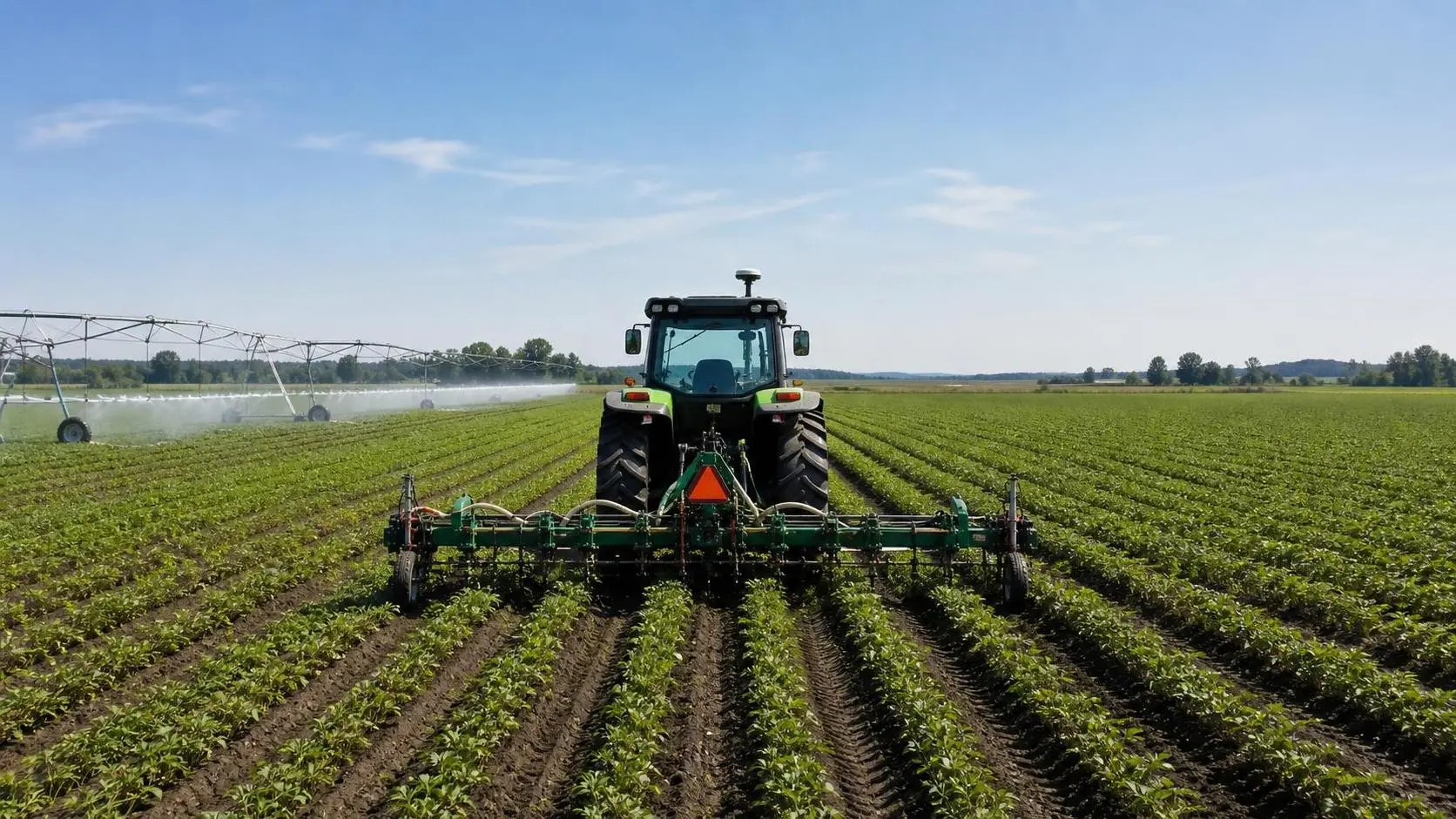
How RTK Satellite Positioning Improves Accuracy in Precision Farming Operations
RTK satellite positioning boosts precision farming with repeatable guidance, lower overlap, and better field data. Learn what to verify before choosing an RTK system.
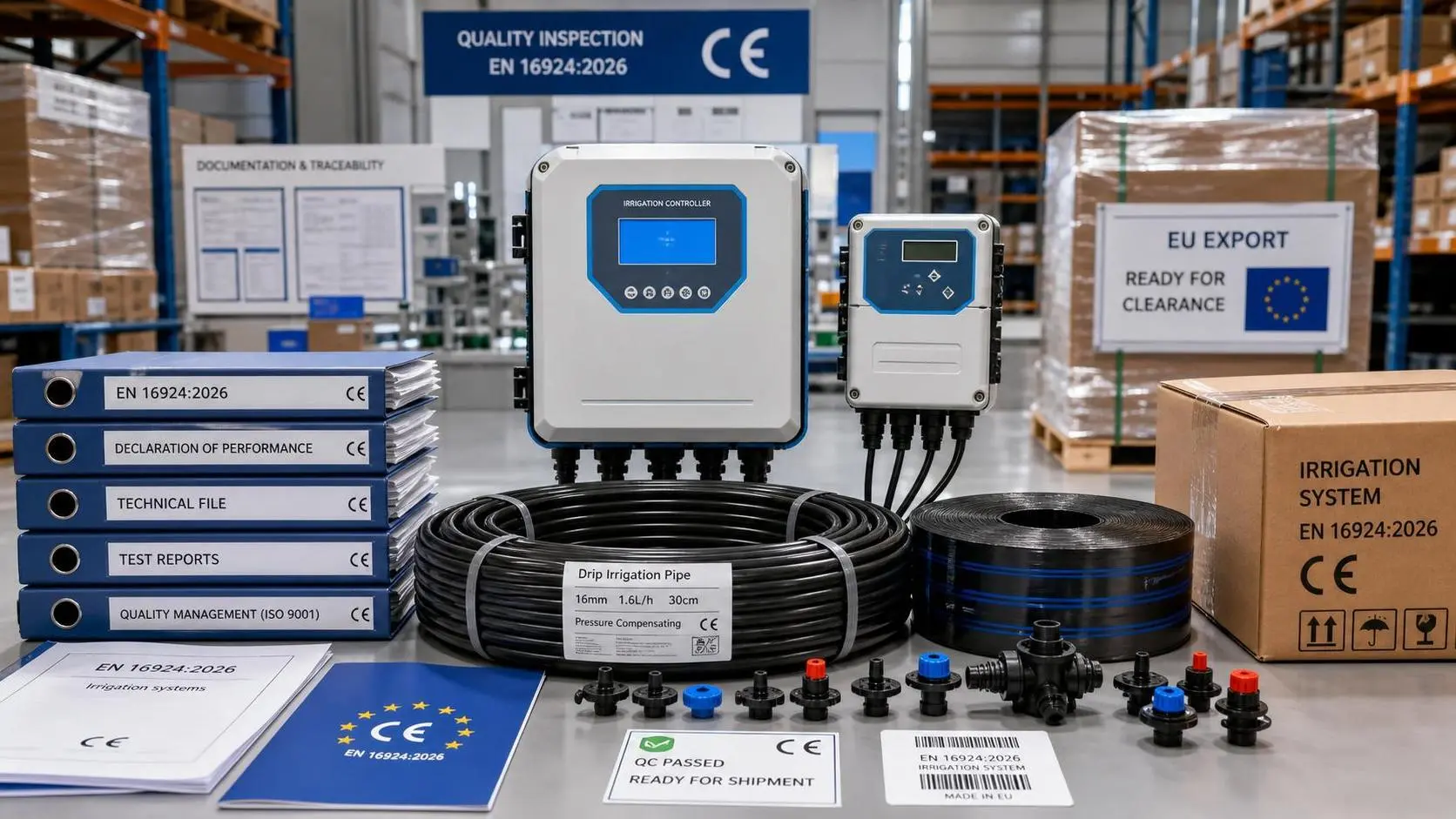
EU Rule Takes Effect: EN 16924:2026 for Drip Irrigation Logic
EN 16924:2026 now reshapes EU access for Drip Irrigation Logic products. Learn how certification, CE marking, customs, and warehouse risks impact exporters and buyers.
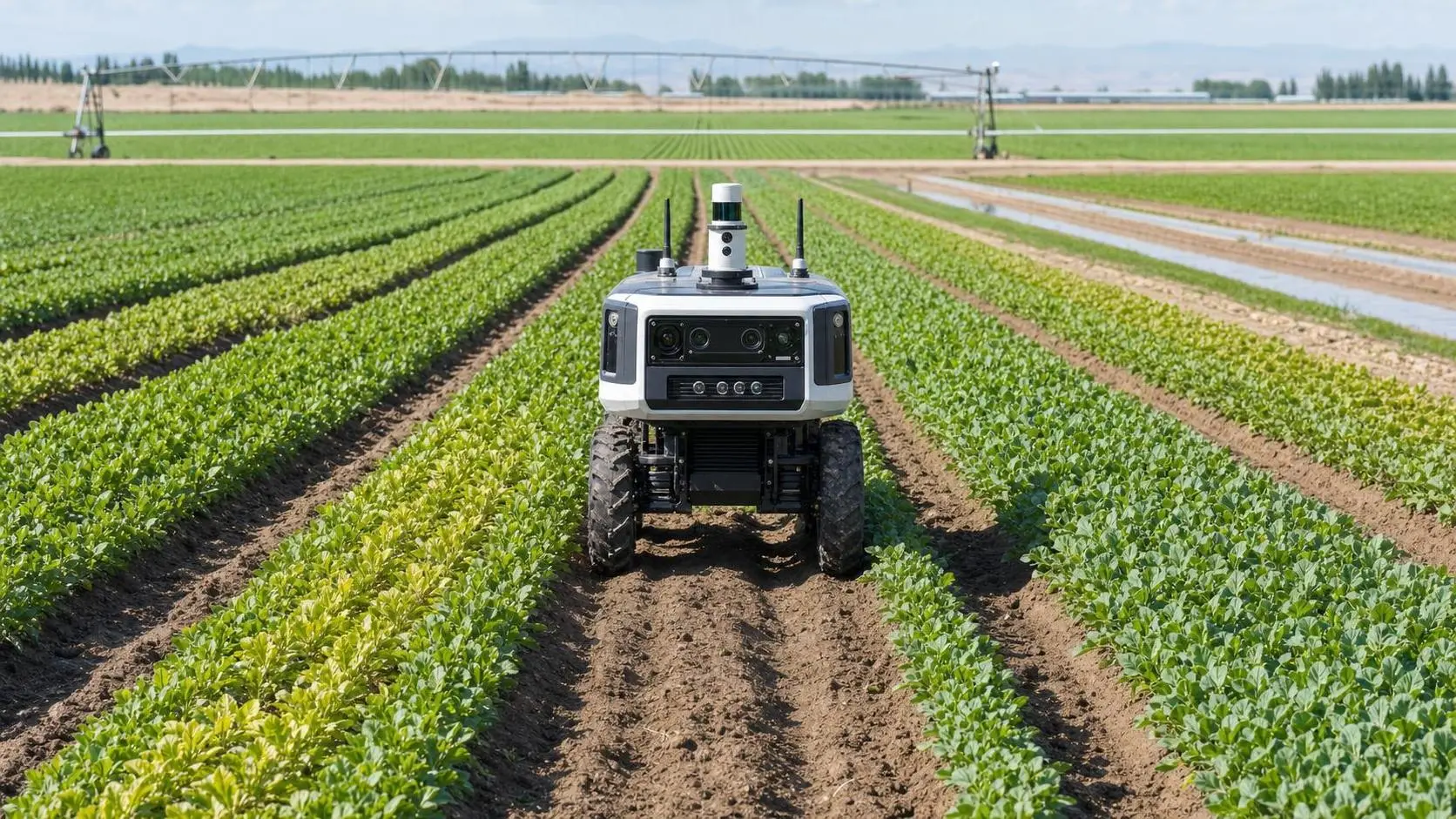
How Autonomous Machinery for Crop Scouting Helps Growers Detect Field Issues Earlier
Autonomous machinery for crop scouting helps growers spot irrigation gaps, pest pressure, and crop stress earlier, turning field data into faster decisions and smarter action.
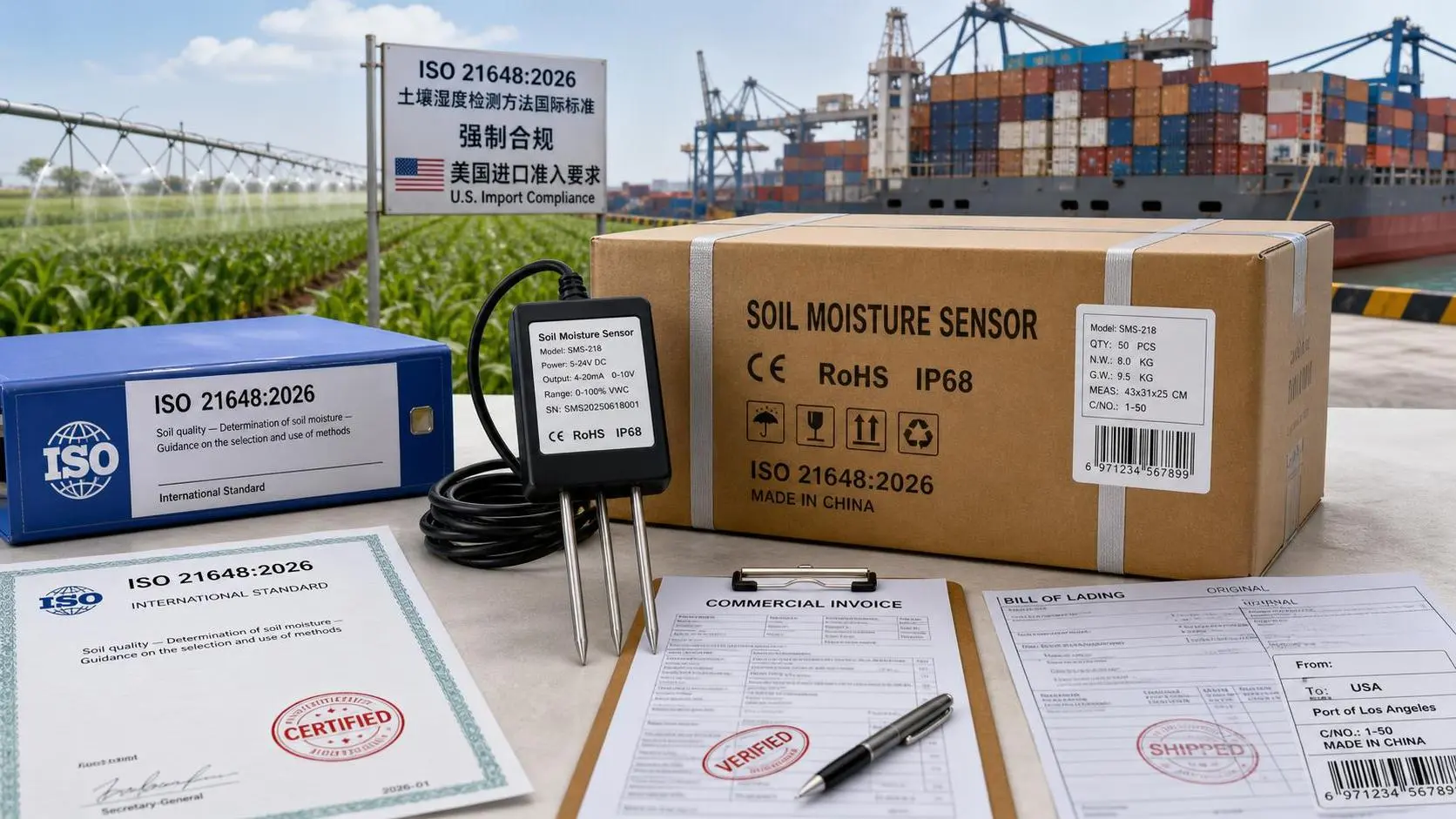
USDA Rule Makes ISO 21648:2026 Mandatory
USDA Rule Makes ISO 21648:2026 Mandatory for soil moisture sensors entering the U.S. Learn how the new USDA import compliance guide impacts certification, CBP entry, suppliers, and delivery plans.
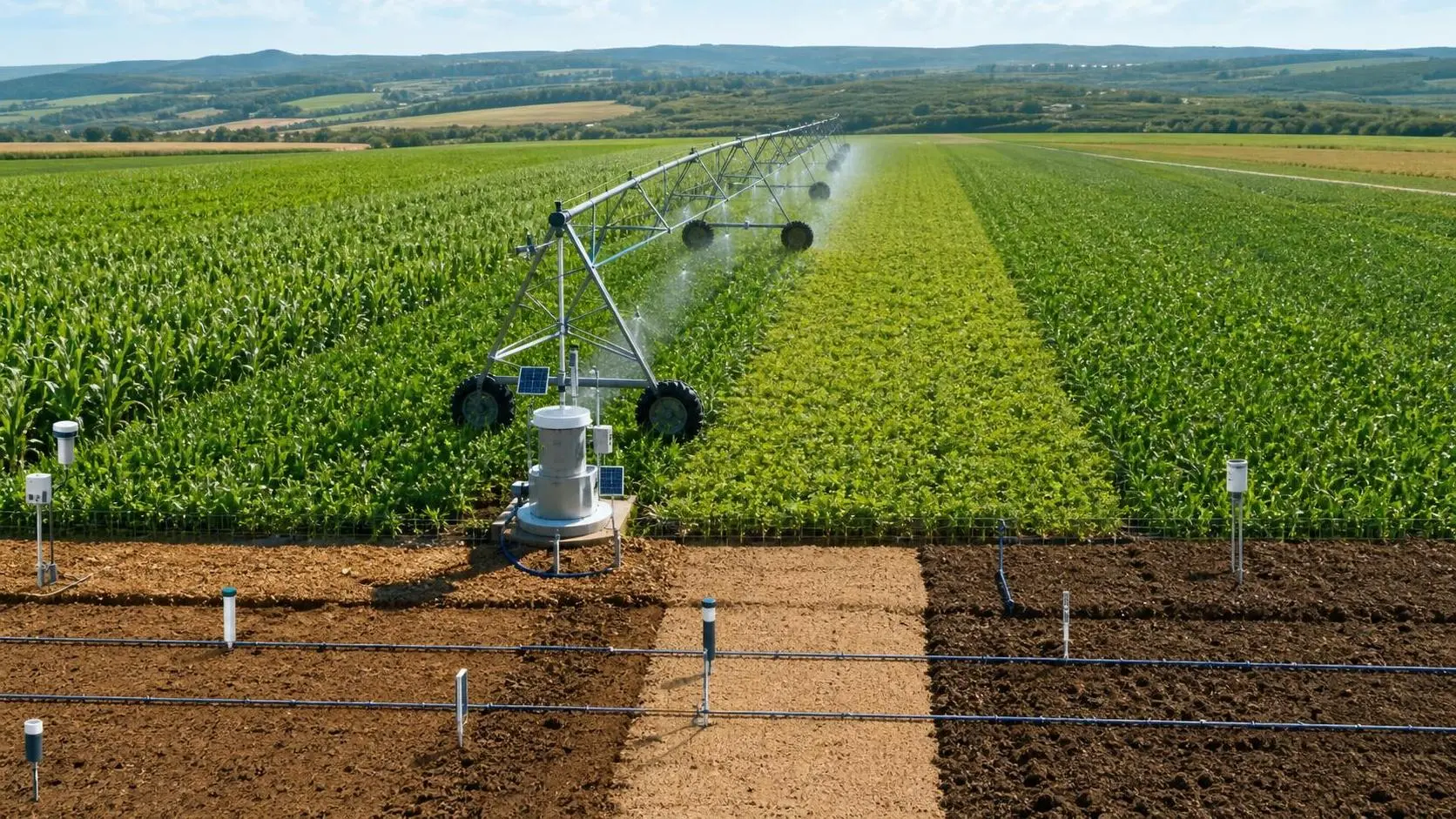
How Digital Farming Improves Irrigation Planning With Soil Data and GPS Mapping
Digital farming for irrigation planning turns soil data and GPS mapping into smarter watering decisions, helping farms reduce waste, improve field precision, and boost operational efficiency.
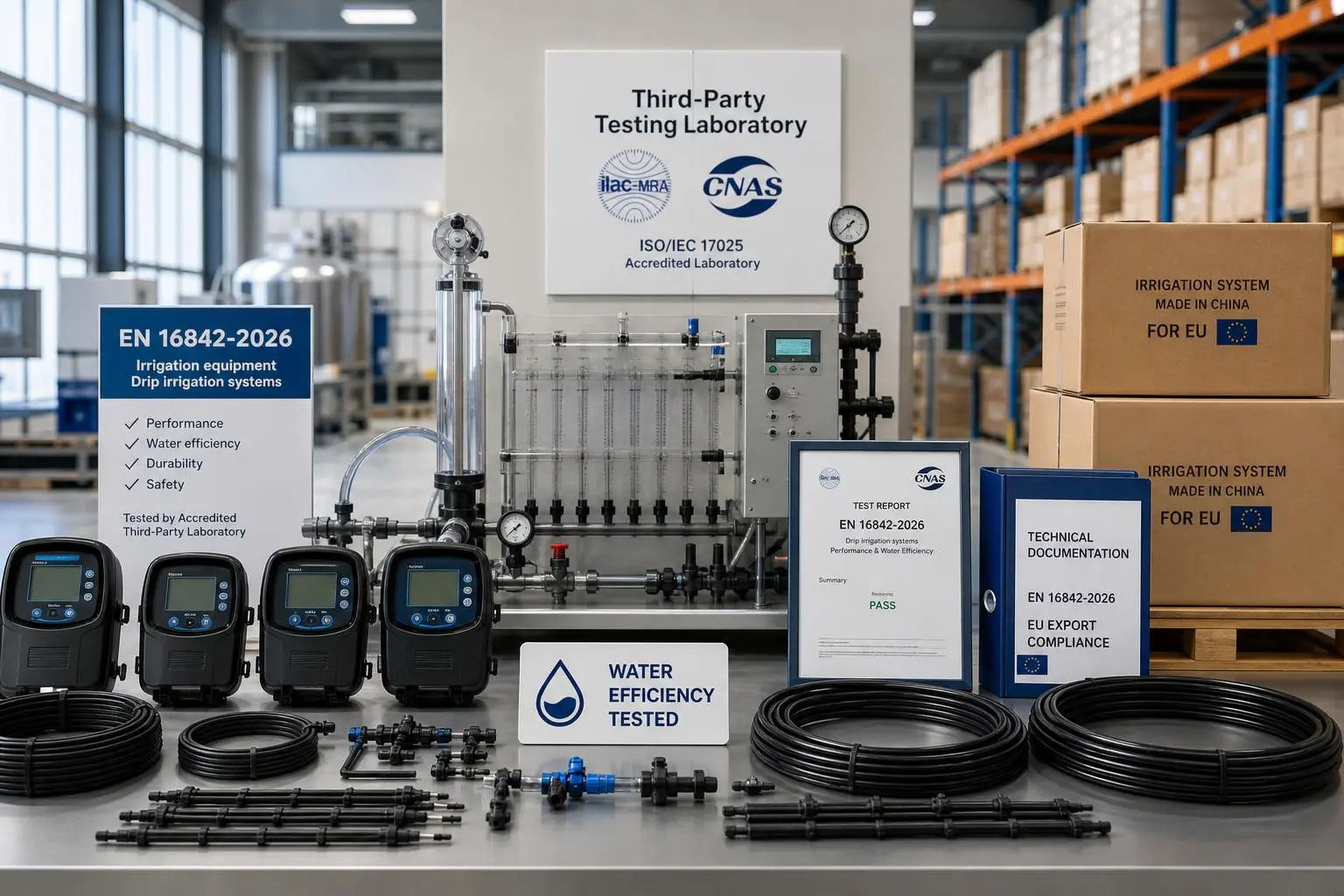
EU Rule Takes Effect: EN 16842-2026 Required for Drip Irrigation Logic Exports
EN 16842-2026 now makes third-party certification mandatory for Drip Irrigation Logic exports to the EU. Learn the compliance risks, customs impact, and supplier checks now.
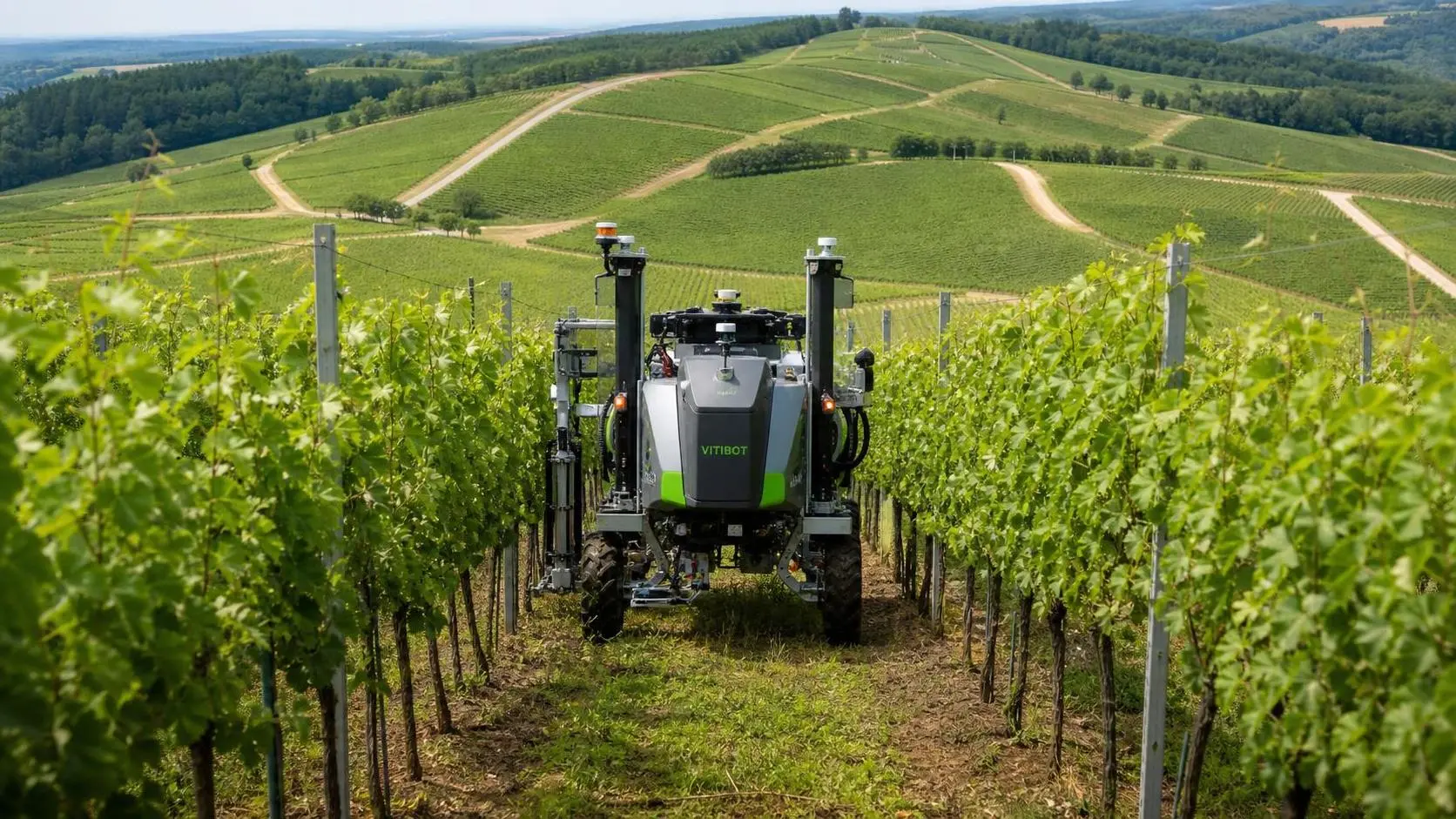
How to Evaluate Autonomous Machinery for Vineyards by Terrain, Tasks, and ROI
Autonomous machinery for vineyards: learn how to evaluate terrain fit, task suitability, safety, and ROI to choose the right solution and reduce procurement risk.
USDA Tightens Import Rules for Soil Moisture Sensors
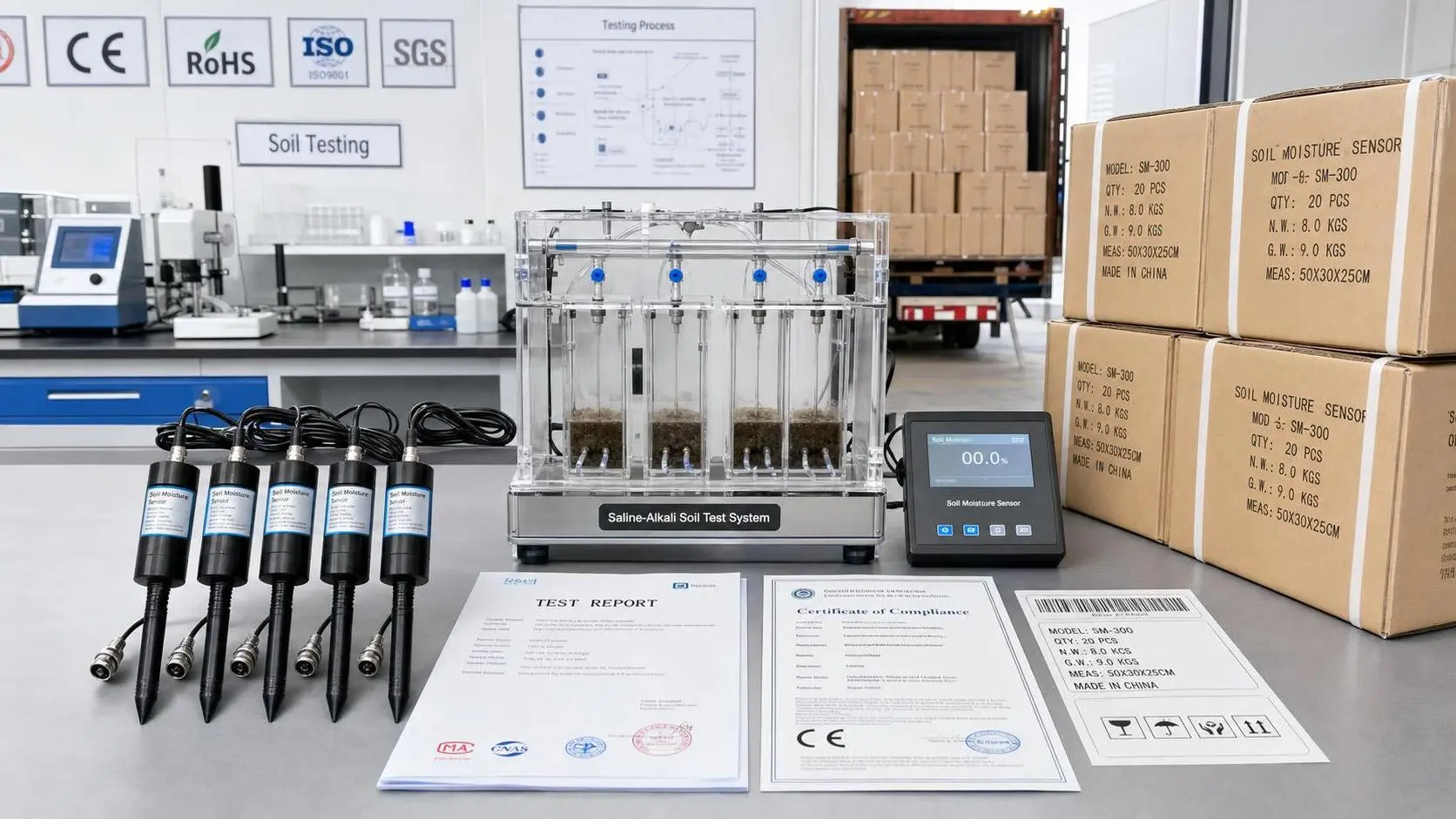
Soil Moisture Sensors face new USDA import rules from Oct. 1, 2026. Learn how ISO 11274-3:2026 testing may impact customs clearance, lead times, and supplier planning.
How to Use a Global Agricultural Equipment Directory to Compare Suppliers and Reduce Sourcing Risk
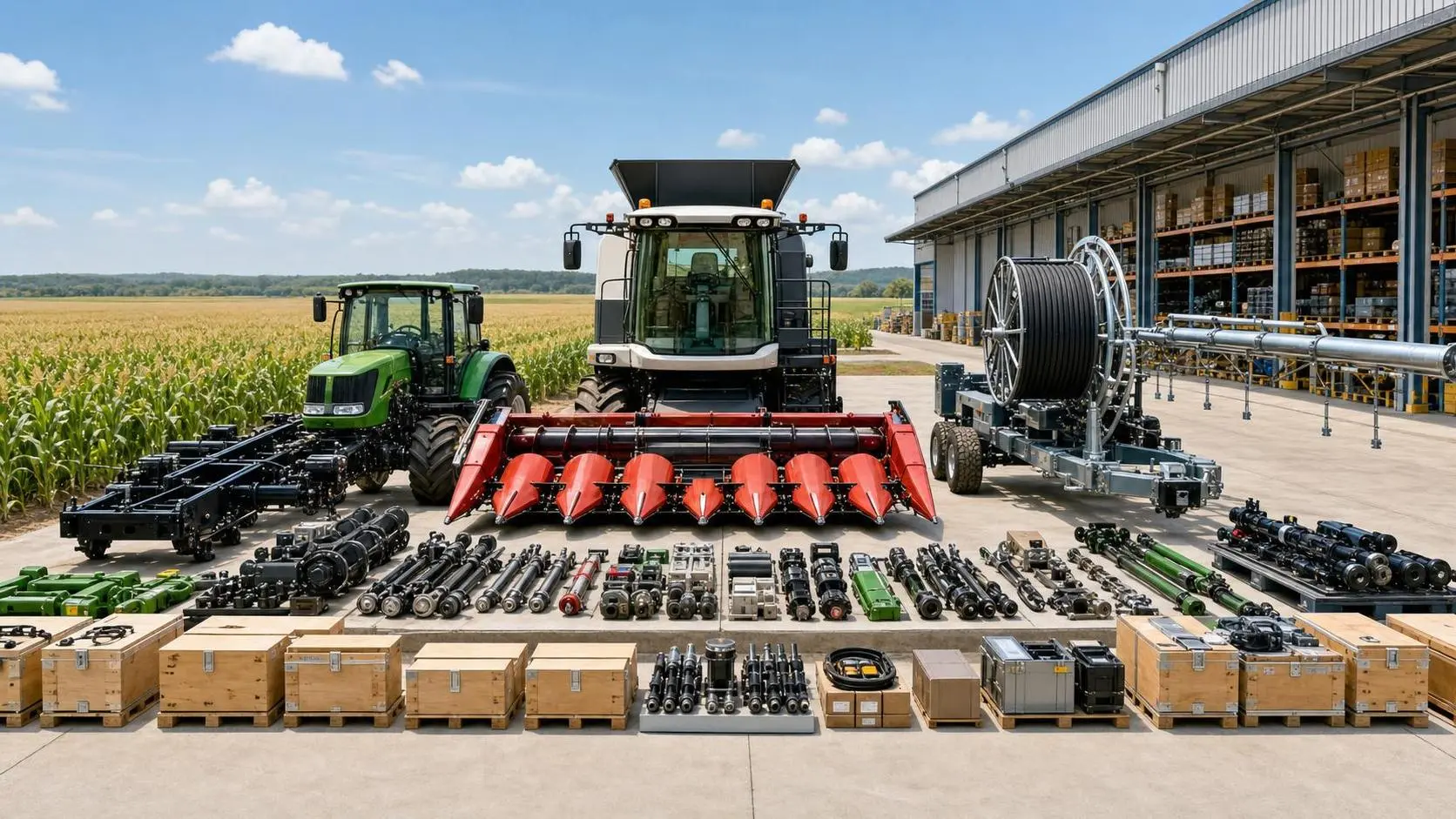
Agricultural equipment directory global sourcing starts with smarter supplier comparison. Learn how to assess fit, compliance, support, and market readiness to reduce sourcing risk.
Related News
- 00
0000-00
How RTK Satellite Positioning Improves Accuracy in Precision Farming Operations - 00
0000-00
How Digital Farming Improves Irrigation Planning With Soil Data and GPS Mapping - 00
0000-00
EU CE Guide Adds RTK Interference Tests for GPS Systems - 00
0000-00
US Import Rule Tightens for GPS Guidance Systems - 00
0000-00
USDA Sets Dual Certification Rule for GPS Guidance Systems
Popular Tags
Tractor Power Architect
Weekly Insights
Stay ahead with our curated technology reports delivered every Monday.