
Canada’s EV Tariff Cut Signals a New Opening for Smart Agri-Equipment
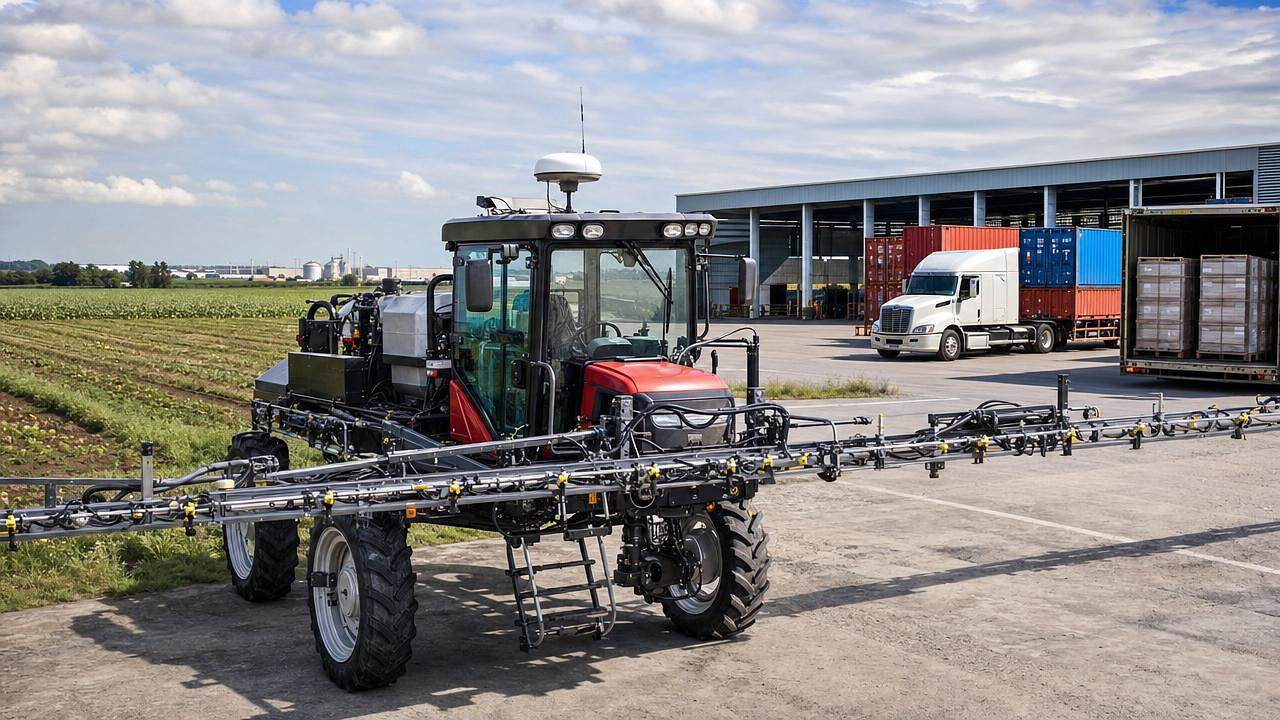




The timing of the development was not specified in the source material, but the policy shift is already drawing attention across export manufacturing, agricultural equipment, and cross-border supply chain circles. Canada has sharply reduced the additional tariff on electric vehicles made in China and introduced an annual import quota, with the first batch of vehicles already having arrived. For companies involved in smart agricultural machinery, this is worth watching not because electric vehicles and farm equipment are the same market, but because the move suggests that North American market access rules may be evolving in favor of high-end equipment that combines technical compliance with strong low-carbon attributes.
What Has Been Confirmed So Far
According to the provided information, Canada lowered the additional tariff on Chinese-made electric vehicles from more than 100% to 6.1% and opened an annual import quota of 49,000 vehicles. The first shipments have already reached Canada. The policy move is being read as a clear indication that trade treatment may become more favorable toward advanced equipment with strong compliance performance and low-carbon characteristics.
The same source also identifies this as a relevant point of comparison for Chinese exporters of smart agricultural machinery, especially those with capabilities in GPS Guidance Systems, Variable Rate Tech, and Autonomous Robots. The stated implication is that North America’s market-entry logic for agricultural equipment positioned as both green and intelligent is being reshaped.
Why the Signal Matters Beyond Electric Vehicles
Export-oriented equipment makers may need to reassess market timing
From an industry perspective, manufacturers of smart agricultural machinery may see this as an early policy signal rather than a direct rule change for their own category. The potential impact lies in export planning, product positioning, and market prioritization. What deserves closer attention is whether buyers and channel partners in North America increasingly value equipment that can be presented not only as efficient and automated, but also as compliant and aligned with lower-emission operating models.
Channel and distribution partners may face a different buyer narrative
For distributors, importers, and market development partners, the shift matters because customer conversations may begin to place greater weight on technical documentation, compliance readiness, and the practical value of intelligent features. If the trade environment is becoming more receptive to green and smart equipment, channel partners may need to adjust how they evaluate product portfolios and communicate product fit to local buyers.
Supply chain and delivery service providers should watch documentation demands
Supply chain service providers, including those involved in customs preparation, logistics coordination, and delivery scheduling, may also be affected indirectly. Analysis shows that when market access becomes more closely tied to compliance and product attributes, paperwork quality, certification alignment, and delivery predictability become more commercially important. Even without a confirmed rule extension to agricultural machinery, service providers may need to prepare for tighter buyer scrutiny around export files and fulfillment processes.
What Smart Agri-Equipment Companies Should Track Now
Separate policy analogy from product-specific access rules
What deserves closer attention is the distinction between a policy signal and a confirmed regulatory opening. The tariff adjustment described in the source applies to Chinese-made electric vehicles, not directly to smart agricultural machinery. For exporters of agricultural equipment, the immediate task is to avoid overstating the development while still recognizing its value as a market signal.
Review whether product strengths match the current trade narrative
Companies with established capabilities in GPS Guidance Systems, Variable Rate Tech, and Autonomous Robots may want to examine how clearly those capabilities are documented and communicated. Analysis shows that if North American access logic is increasingly organized around green and intelligent attributes, technical features alone may not be enough; exporters may need to present those features in a way that aligns with compliance and low-carbon expectations.
Prepare customer communication and internal documentation in parallel
For sales teams, export managers, and overseas business units, this is a practical issue as much as a strategic one. Customer communication should remain precise about what has changed and what has not. At the same time, internal teams may need to review product files, qualification materials, shipment documents, and delivery timelines so that any future market opportunity can be addressed without avoidable execution delays.
Monitor whether broader equipment categories receive similar treatment
Observably, the most important follow-up question is whether the logic now seen in electric vehicles will appear in other categories of high-end equipment. For smart agricultural machinery exporters, the key is not to assume direct spillover, but to monitor whether comparable language, policy direction, or import treatment begins to emerge around agricultural technology products.
How This Development Is Best Understood at This Stage
Analysis shows that this news is more appropriately understood as a directional signal than as a completed outcome for the agricultural machinery sector. The confirmed facts are limited but meaningful: a major tariff reduction, a defined import quota, and actual vehicle arrivals. The broader interpretation—that North America is reworking access logic for green and intelligent equipment—remains an industry reading, not an established cross-sector policy conclusion.
That is precisely why the development deserves continued attention. It may indicate a more selective trade environment in which advanced, compliant, and low-carbon equipment gains better positioning than before. But for now, the practical implications for smart agricultural machinery still require further verification through category-specific developments.
A Measured Industry Takeaway
For the agricultural equipment industry, the significance of this development lies less in the electric vehicle category itself and more in the policy preference it appears to reveal. It is more appropriate to understand this as an early comparative reference for Chinese smart agri-equipment exporters, especially those seeking entry into North America with products built around automation, precision, and lower-carbon value.
In the near term, the development should be treated neither as a guaranteed opening nor as an isolated news item. A balanced reading is that it provides a useful signal for market observation, product preparation, and customer-facing strategy, while the actual regulatory path for smart agricultural machinery still needs to be watched closely.
Basis of This Article and What Still Needs Verification
This article is based on the user-provided news title, the note that the event timing was not specified, and the supplied event summary. No specific official source link was provided in the input, so the underlying policy text, official announcement wording, and any category-specific implementation details still require ongoing verification.
For this type of development, source categories that are typically relevant include official government announcements, company statements, industry association updates, authoritative media reporting, and standards-related documents. The most important follow-up areas to watch are whether similar policy logic extends beyond electric vehicles, how technical compliance and low-carbon attributes are defined in practice, and whether additional guidance emerges for advanced agricultural equipment categories.
Related News
How RTK Satellite Positioning Improves Accuracy in Precision Farming Operations
RTK satellite positioning boosts precision farming with repeatable guidance, lower overlap, and better field data. Learn what to verify before choosing an RTK system.
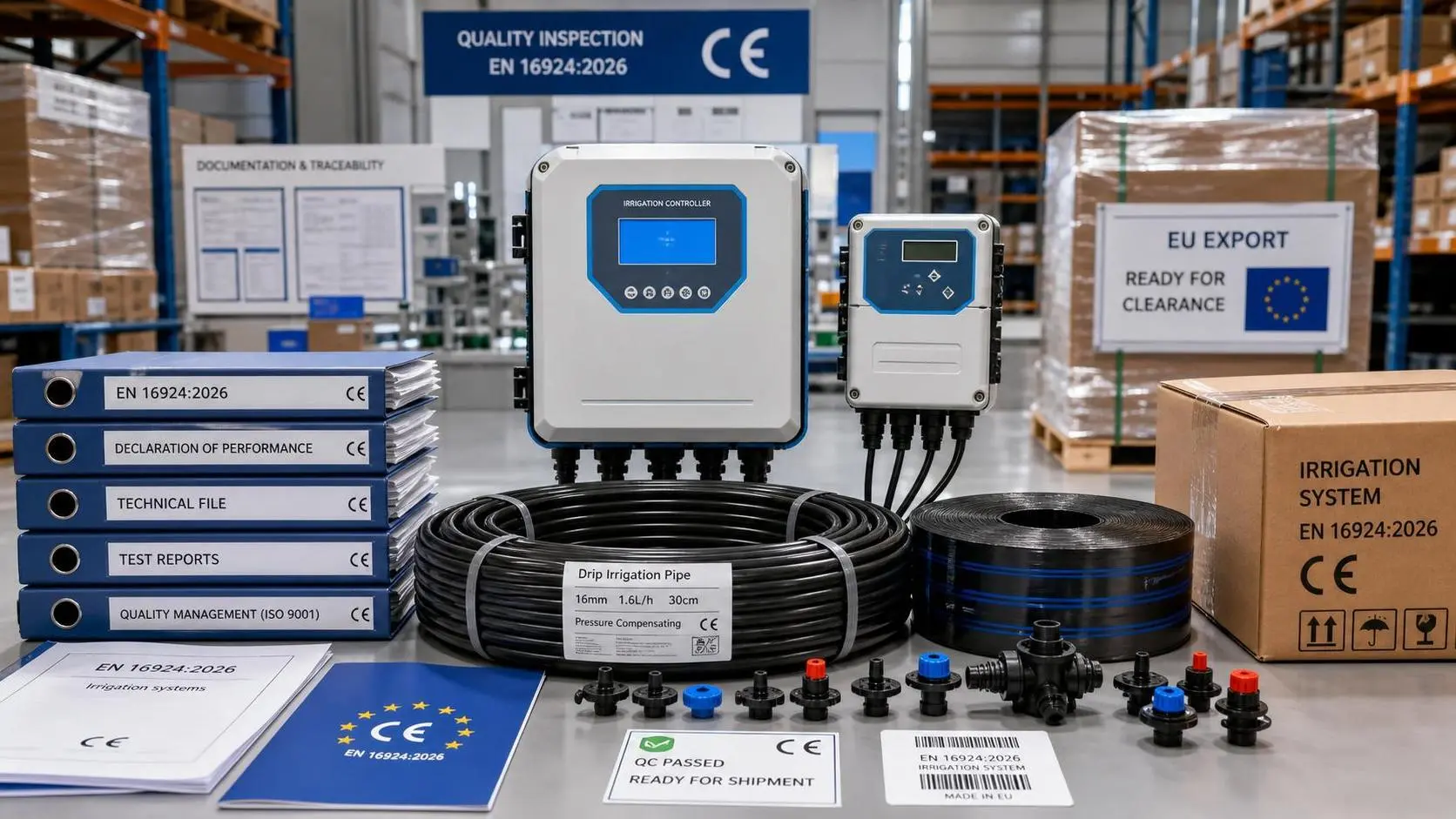
EU Rule Takes Effect: EN 16924:2026 for Drip Irrigation Logic
EN 16924:2026 now reshapes EU access for Drip Irrigation Logic products. Learn how certification, CE marking, customs, and warehouse risks impact exporters and buyers.
How Autonomous Machinery for Crop Scouting Helps Growers Detect Field Issues Earlier
Autonomous machinery for crop scouting helps growers spot irrigation gaps, pest pressure, and crop stress earlier, turning field data into faster decisions and smarter action.
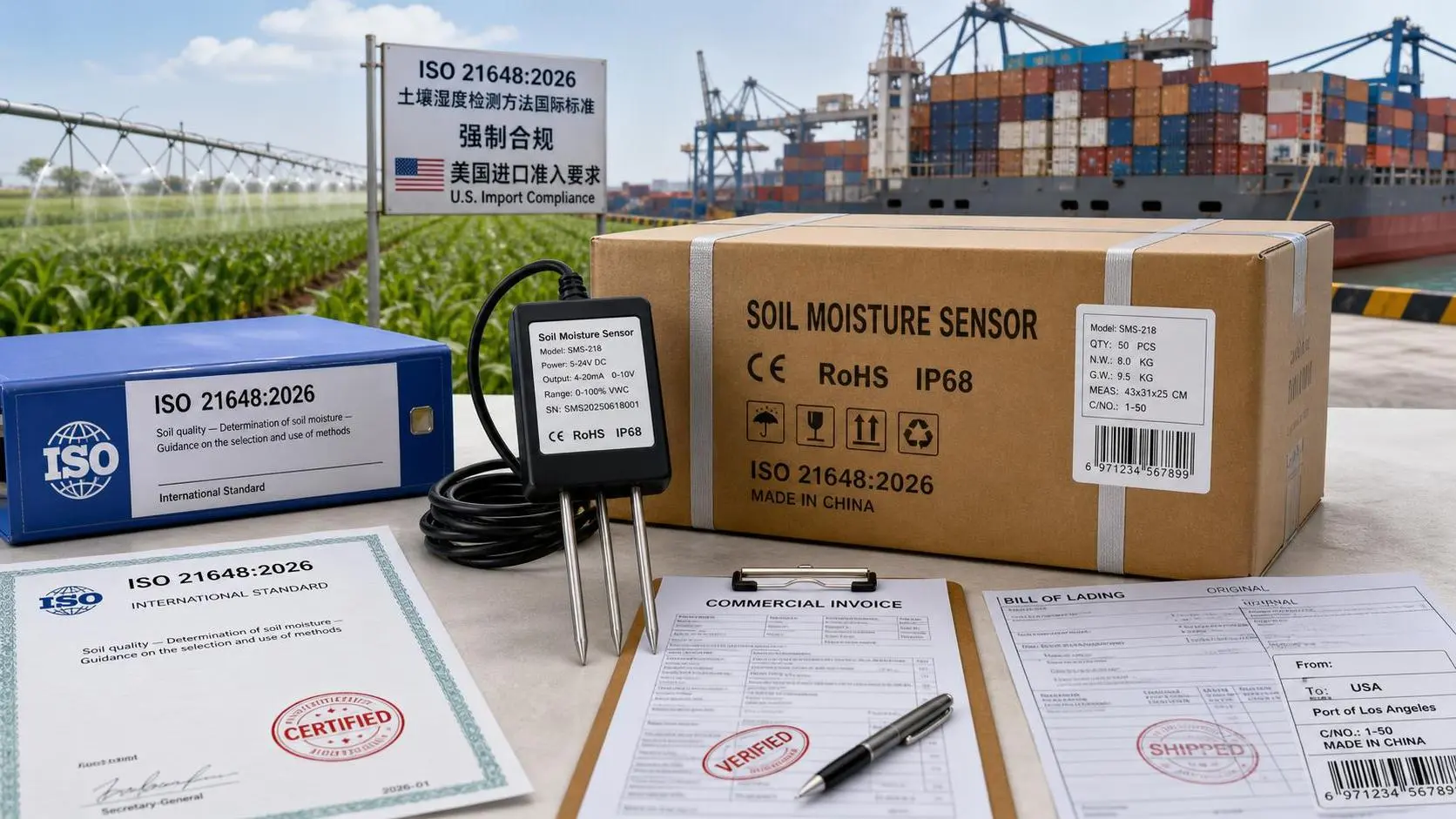
USDA Rule Makes ISO 21648:2026 Mandatory
USDA Rule Makes ISO 21648:2026 Mandatory for soil moisture sensors entering the U.S. Learn how the new USDA import compliance guide impacts certification, CBP entry, suppliers, and delivery plans.
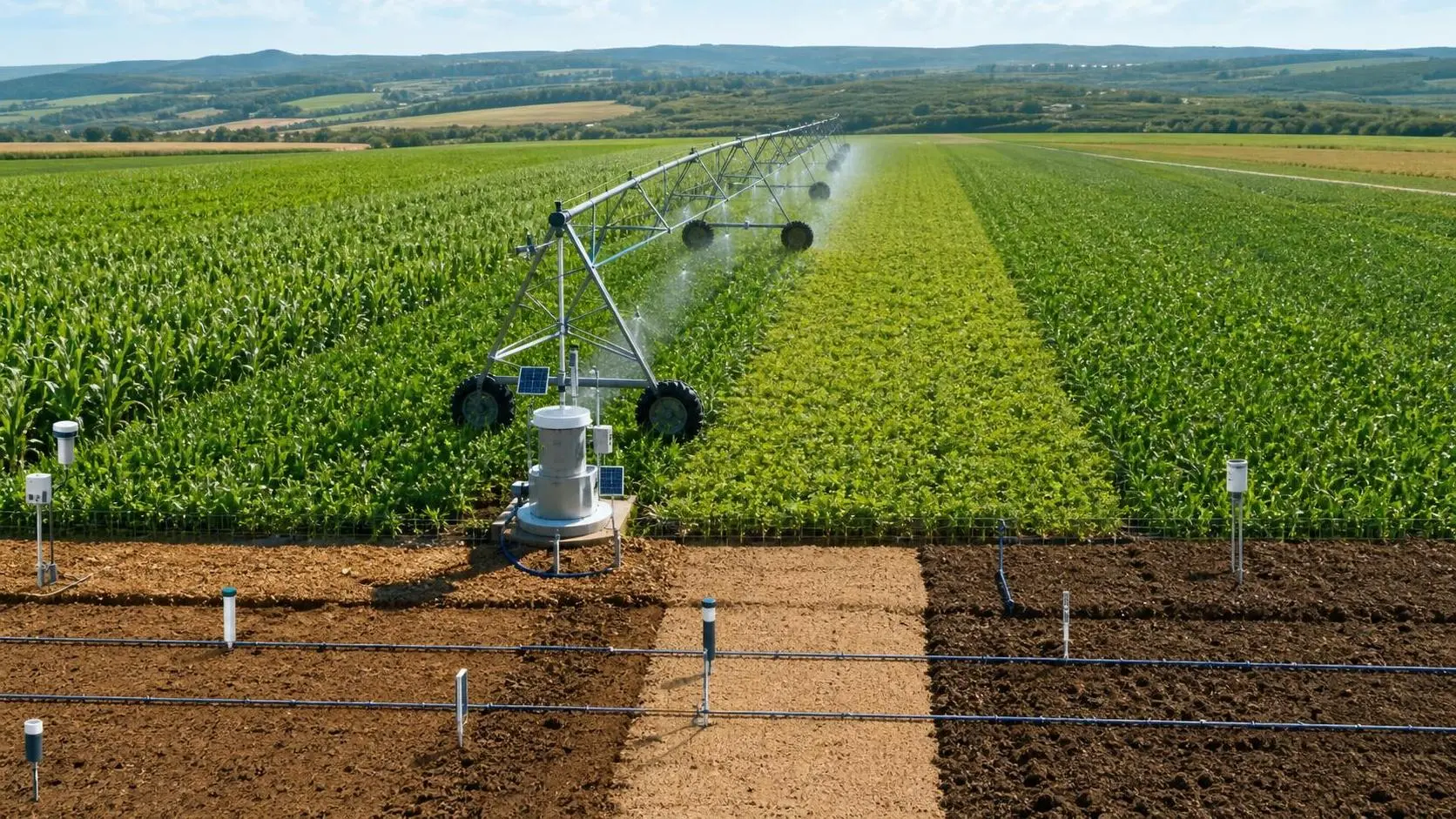
How Digital Farming Improves Irrigation Planning With Soil Data and GPS Mapping
Digital farming for irrigation planning turns soil data and GPS mapping into smarter watering decisions, helping farms reduce waste, improve field precision, and boost operational efficiency.
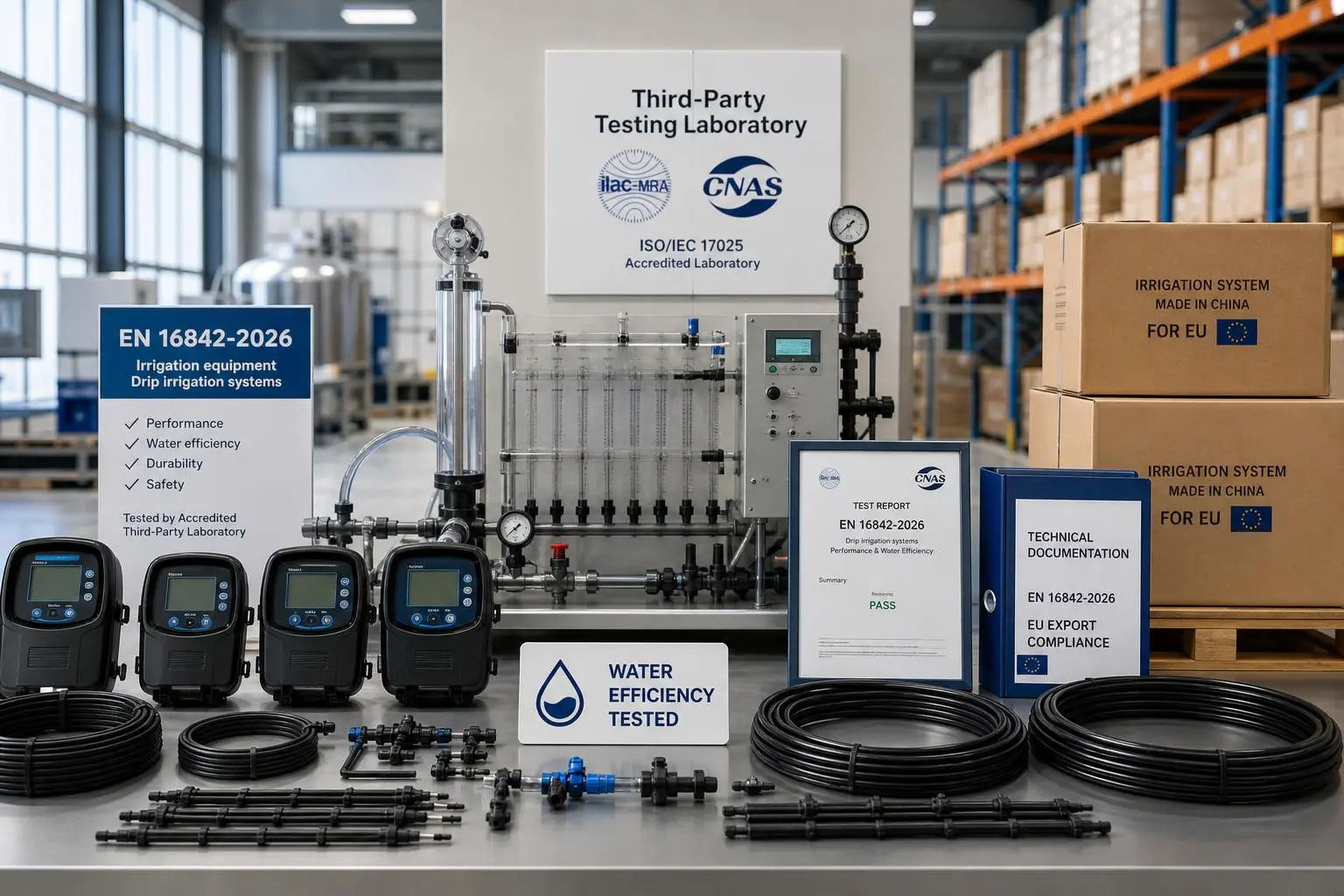
EU Rule Takes Effect: EN 16842-2026 Required for Drip Irrigation Logic Exports
EN 16842-2026 now makes third-party certification mandatory for Drip Irrigation Logic exports to the EU. Learn the compliance risks, customs impact, and supplier checks now.
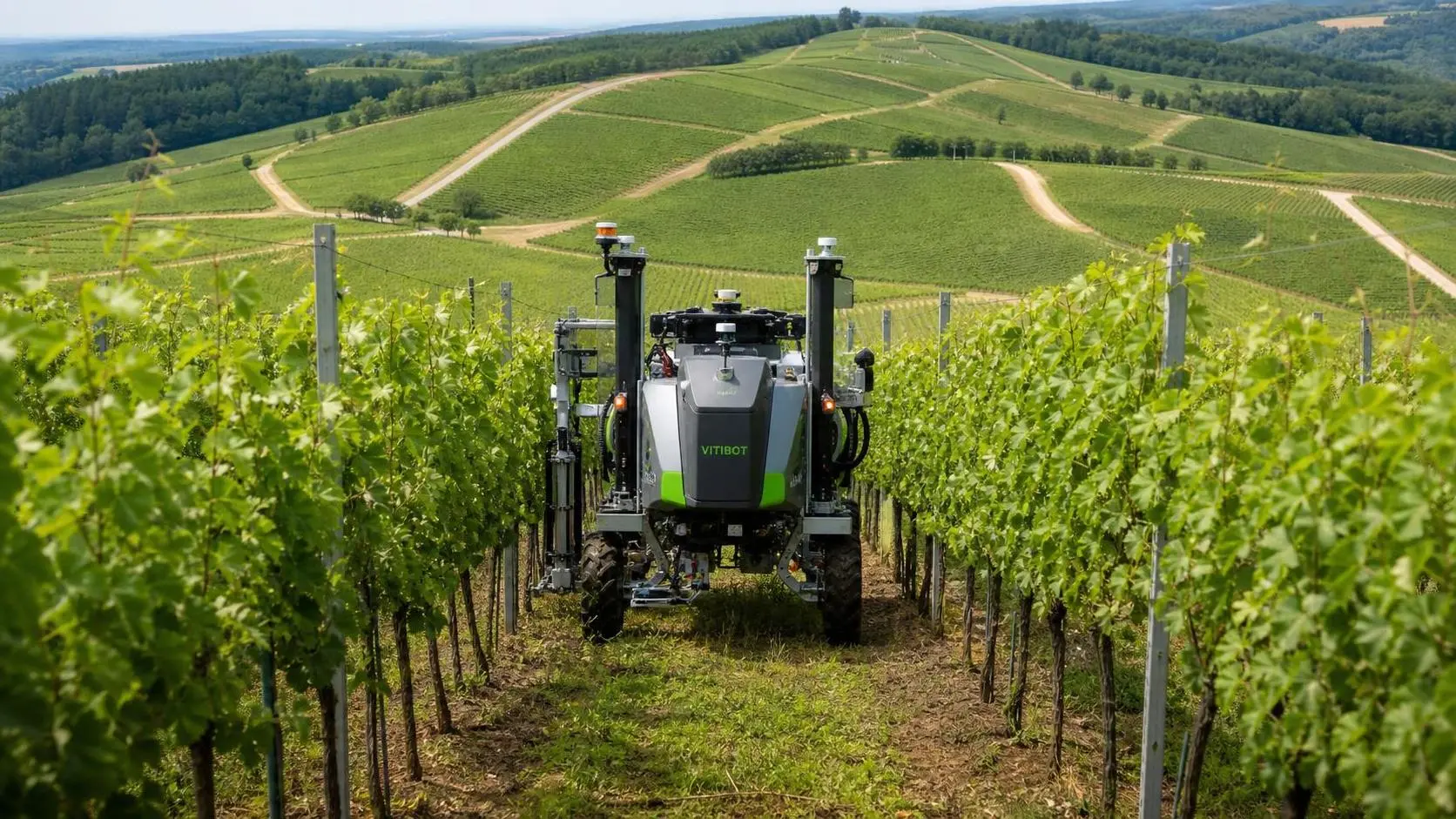
How to Evaluate Autonomous Machinery for Vineyards by Terrain, Tasks, and ROI
Autonomous machinery for vineyards: learn how to evaluate terrain fit, task suitability, safety, and ROI to choose the right solution and reduce procurement risk.
USDA Tightens Import Rules for Soil Moisture Sensors
Soil Moisture Sensors face new USDA import rules from Oct. 1, 2026. Learn how ISO 11274-3:2026 testing may impact customs clearance, lead times, and supplier planning.
How to Use a Global Agricultural Equipment Directory to Compare Suppliers and Reduce Sourcing Risk
Agricultural equipment directory global sourcing starts with smarter supplier comparison. Learn how to assess fit, compliance, support, and market readiness to reduce sourcing risk.
Related News
- 00
0000-00
How RTK Satellite Positioning Improves Accuracy in Precision Farming Operations - 00
0000-00
How Digital Farming Improves Irrigation Planning With Soil Data and GPS Mapping - 00
0000-00
EU CE Guide Adds RTK Interference Tests for GPS Systems - 00
0000-00
US Import Rule Tightens for GPS Guidance Systems - 00
0000-00
USDA Sets Dual Certification Rule for GPS Guidance Systems
Popular Tags
Tractor Power Architect
Weekly Insights
Stay ahead with our curated technology reports delivered every Monday.