
China-ASEAN FTA 3.0 Draft Adds Smart Agri Gear
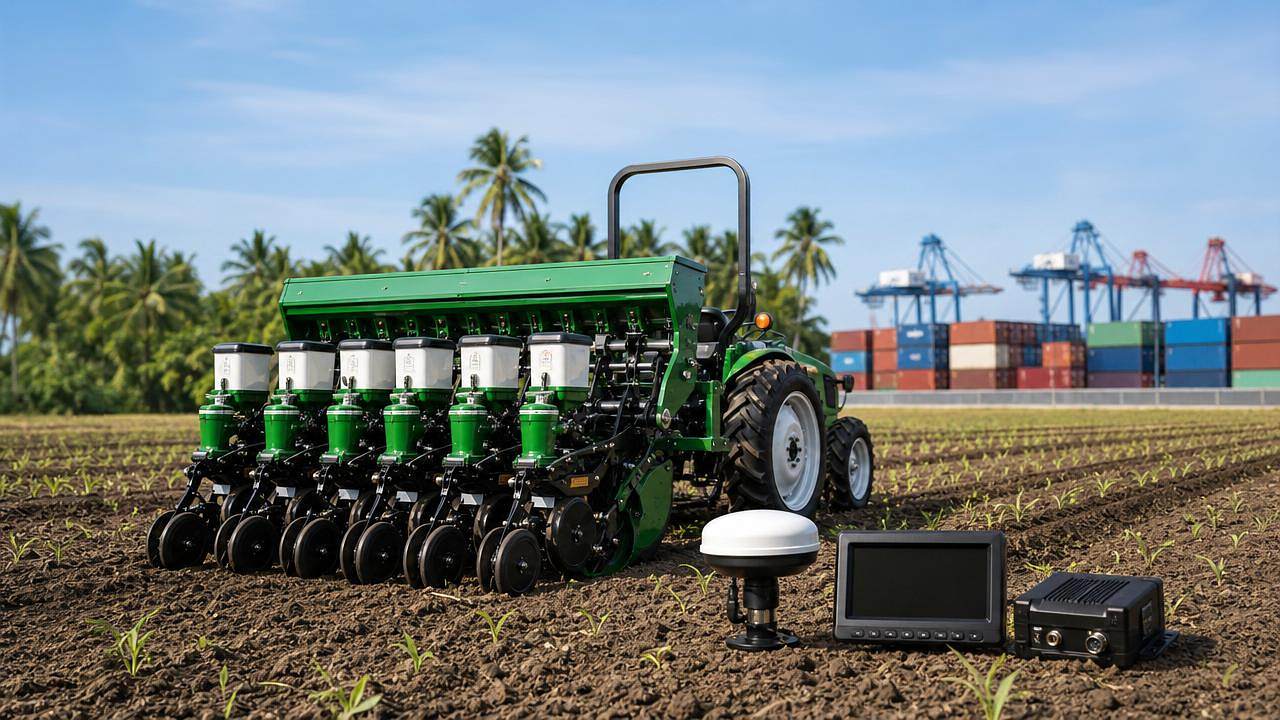




On June 10, 2026, the first round of technical consultations on China-ASEAN Free Trade Area 3.0 concluded, and the draft priority tariff-cut list formally included seeders and planters as well as GPS guidance systems under green intelligent agricultural equipment. For manufacturers, exporters, procurement teams, and cross-border supply chain operators, the development is worth close attention because the draft links future zero-tariff treatment not only to product category, but also to specific energy-efficiency and positioning-performance thresholds that could directly shape product qualification and trade preparation ahead of the proposed 2027 implementation window.
What the draft currently confirms
According to a June 13 notice cited from the Ministry of Commerce website, the first round of technical consultations for China-ASEAN FTA 3.0 ended on June 10. In the draft, seeders and planters and GPS guidance systems were officially placed in the first batch of green intelligent agricultural equipment categories prioritized for tariff reduction.
The draft proposes that, starting in January 2027, products meeting the GB/T 39040-2020 energy-efficiency standard and a BeiDou/GPS dual-mode positioning accuracy of no more than 2.5 cm would be eligible for zero tariffs. The summary provided also states that the scope would cover more than 90% of mainstream export models.
Which parts of the chain may feel the effect first
Export-facing equipment manufacturers
From an industry perspective, manufacturers of seeders, planters, and guidance systems may be affected first because the draft sets clear technical conditions for tariff treatment. The immediate business impact is likely to center on model screening, technical compliance review, and export portfolio planning rather than on sales results, which remain dependent on the final policy text and implementation rules.
Component sourcing and product integration teams
Analysis shows that teams responsible for integrating navigation, control, and energy-efficiency performance may need to pay closer attention to whether existing configurations can meet the dual-mode positioning and energy-efficiency requirements named in the draft. The key issue is not only whether a product falls into the listed category, but whether its final shipped configuration can be documented as compliant.
Traders, distributors, and cross-border logistics operators
For trading companies, distributors, and supply chain service providers, the practical impact may emerge in quotation strategy, customs preparation, and delivery planning. What deserves closer attention is the distinction between a policy signal and executable trade treatment: until the draft is finalized and implemented, counterparties may begin asking more detailed questions on specifications, certification materials, and tariff applicability.
Overseas buyers and procurement functions
For buyers, the development may influence procurement timing and shortlist decisions. Observably, products that can demonstrate alignment with the stated thresholds could gain earlier attention in supplier discussions, while products lacking clear technical documentation may face longer evaluation cycles even before any tariff change formally takes effect.
What companies should monitor now
Watch for changes in the final wording
The current text is described as a draft priority list, so companies should closely follow whether the final scope, timing, or qualification wording changes in subsequent official releases. Small adjustments in category definition or technical expression could affect whether a model is actually covered.
Check whether current models match the stated thresholds
Businesses involved in these product lines should review whether their relevant models align with GB/T 39040-2020 and the stated BeiDou/GPS dual-mode positioning accuracy threshold of no more than 2.5 cm. This is a practical checkpoint because tariff eligibility, as drafted, is tied to measurable technical criteria rather than product naming alone.
Prepare supporting documentation early
Analysis shows that compliance readiness may become as important as product readiness. Exporters and suppliers should pay attention to product specifications, testing records, technical declarations, and any materials needed to explain model qualification clearly to customers and trade counterparties once implementation details become clearer.
Separate market communication from confirmed entitlement
What deserves closer attention is how companies communicate this development externally. At this stage, it is more appropriate to present the change as a policy proposal under negotiation rather than as an already effective tariff arrangement, especially in procurement discussions, delivery commitments, and pricing conversations.
Why this matters beyond a single tariff item
Observably, this development is not only about whether two product groups enter a zero-tariff draft list. It also signals that technical performance benchmarks are being embedded directly into the trade discussion around green intelligent agricultural equipment. For the industry, that makes compliance capability, product specification discipline, and cross-functional coordination more central to market access planning.
Analysis shows that this is better understood as an early but concrete policy signal rather than a finalized outcome. The categories have been named and the qualification thresholds have been stated in the draft, which gives companies a usable reference point, but the business significance still depends on final confirmation, operational rules, and how the market responds before January 2027.
How to read the current stage
At this point, the most balanced interpretation is that the China-ASEAN FTA 3.0 negotiations have produced a specific and relevant draft direction for smart agricultural equipment, especially for seeders, planters, and GPS guidance systems. For industry participants, the value of this update lies less in immediate tariff change and more in the clarity it provides on likely qualification logic, product screening priorities, and preparation needs across export and procurement workflows.
It is more appropriate to understand this as a medium-term industry signal that warrants continued tracking, rather than as a completed policy result. Companies that are directly involved in the covered product lines have reason to start reviewing specifications and documentation now, while still leaving room for further adjustment as official wording evolves.
Basis of this article and points for follow-up
This article is generated based on the user-provided news title, event date, and event summary. The factual basis used here is limited to the stated development regarding the China-ASEAN FTA 3.0 technical consultations, the draft inclusion of seeders and planters and GPS guidance systems in the priority zero-tariff list for green intelligent agricultural equipment, and the stated proposed thresholds and timing.
For this type of industry update, common reference categories usually include official notices, company disclosures, industry association releases, authoritative media coverage, and standards-related documents. The specific official source link was not provided in the input, so continued verification remains necessary. Follow-up attention should focus on subsequent official wording, final implementation scope, and any clarification on how product qualification and supporting documentation will be applied in practice.
Related News

How North American Farms Can Select Crop Monitoring Systems by Acreage and Connectivity
Crop monitoring systems North America: learn how to match acreage, connectivity, sensors, and data workflows for reliable, actionable farm decisions.

Where to Find Reliable Product Information for Comparing Farm Equipment
Product information resources agriculture buyers can trust: compare farm equipment with technical specs, manuals, field data, dealer support, and lifecycle insights.
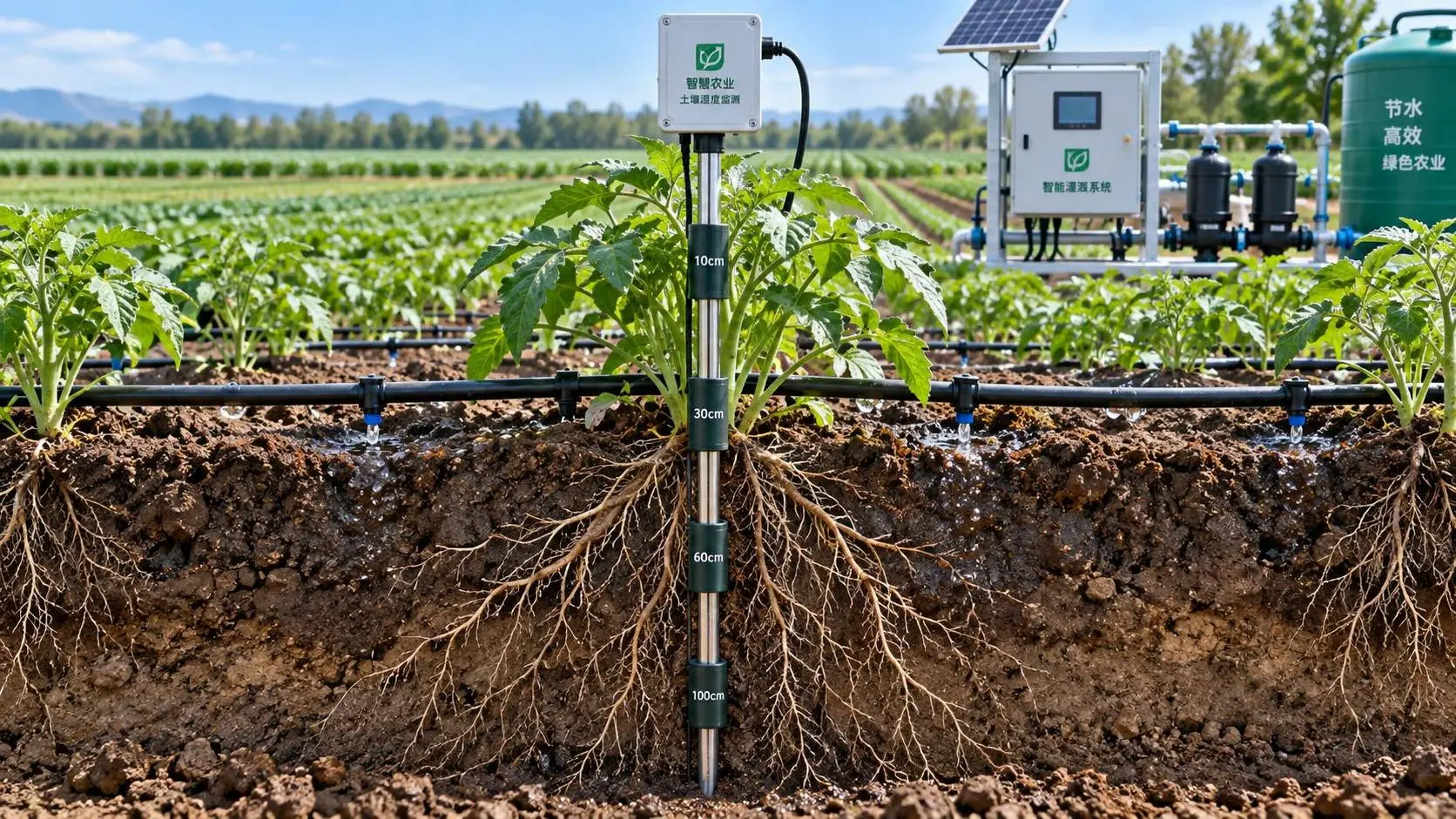
Selecting Real-Time Soil Moisture Sensors for Irrigation Zone Control
Soil moisture sensors real time: learn how to select reliable probes, optimize zone control, improve irrigation decisions, and scale precision water management.
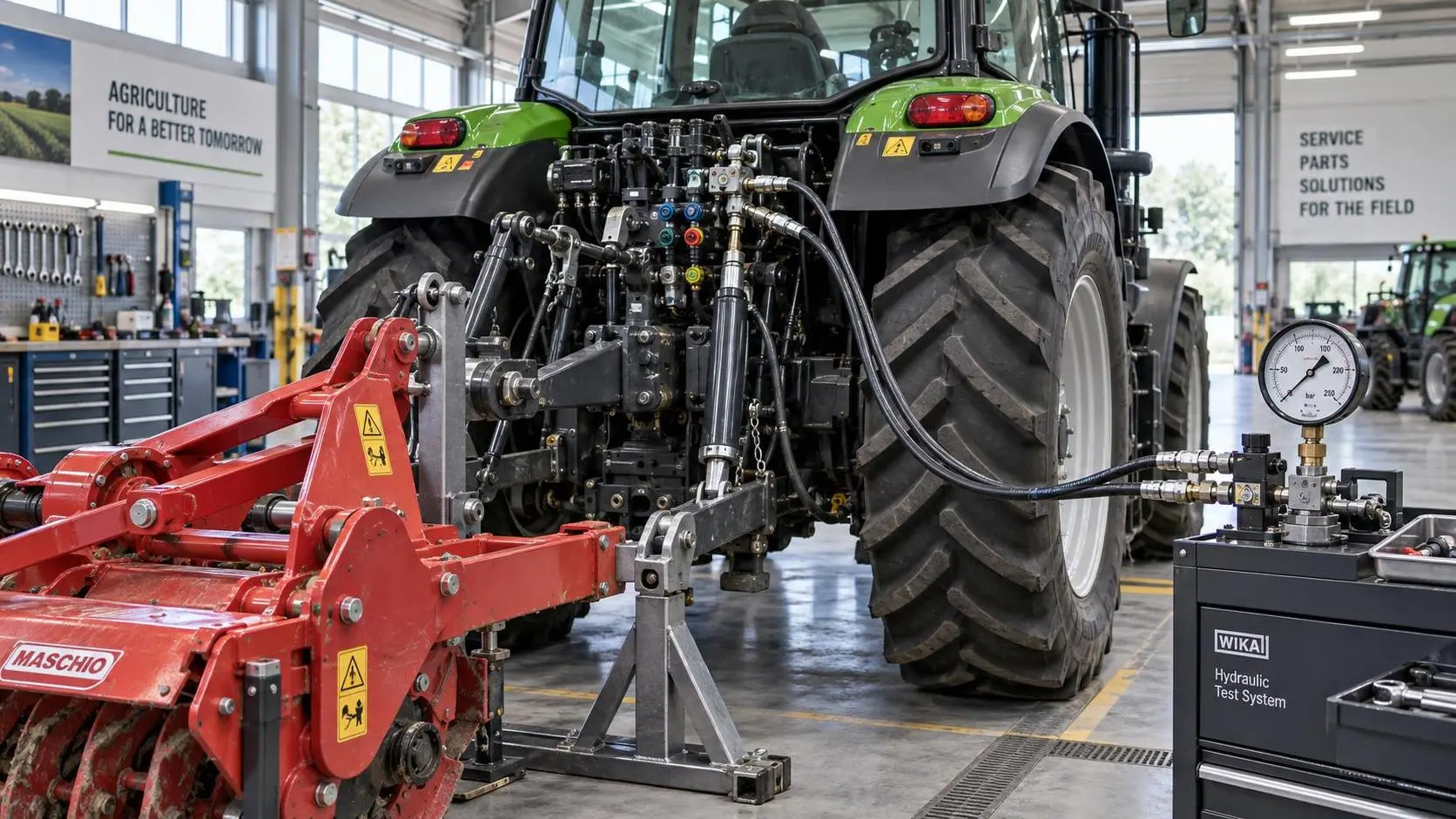
Tractor Hydraulic Systems Troubleshooting: Diagnosing Weak Lift and Slow Implements
Tractor hydraulic systems troubleshooting made practical: diagnose weak lifts and slow implements with proven pressure, flow, valve, and oil-supply checks.
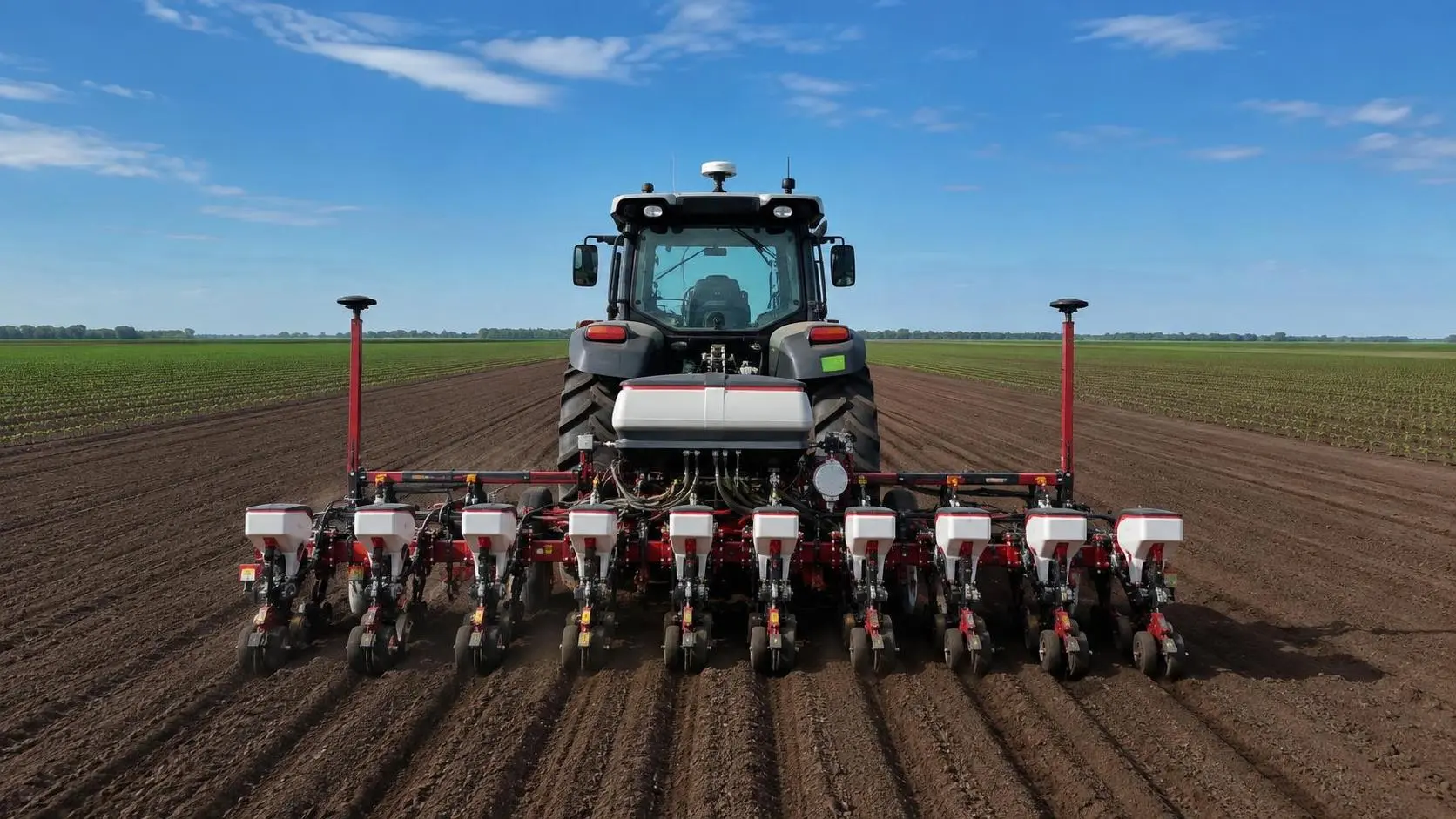
How Tractor Intelligence Systems Improve Field Efficiency and Input Accuracy
Agricultural machinery intelligence for tractors improves field efficiency, input accuracy, data traceability, and implement control. Explore smarter evaluation strategies.
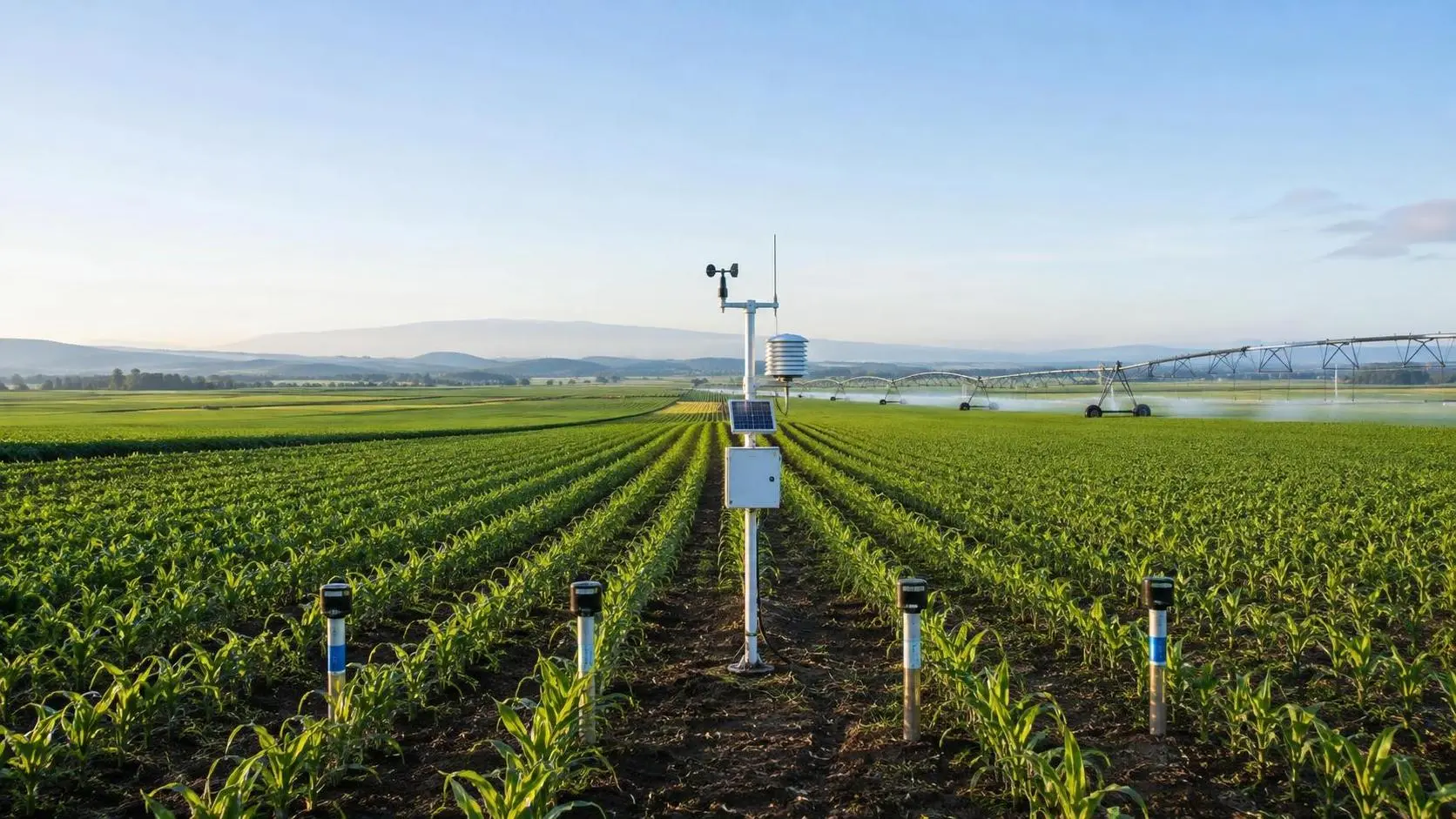
How to Evaluate Crop Monitoring System Manufacturers for Large-Scale Farms
Compare crop monitoring systems manufacturers for large-scale farms. Evaluate data quality, integration, durability, lifecycle costs, support, and pilots for smarter decisions.
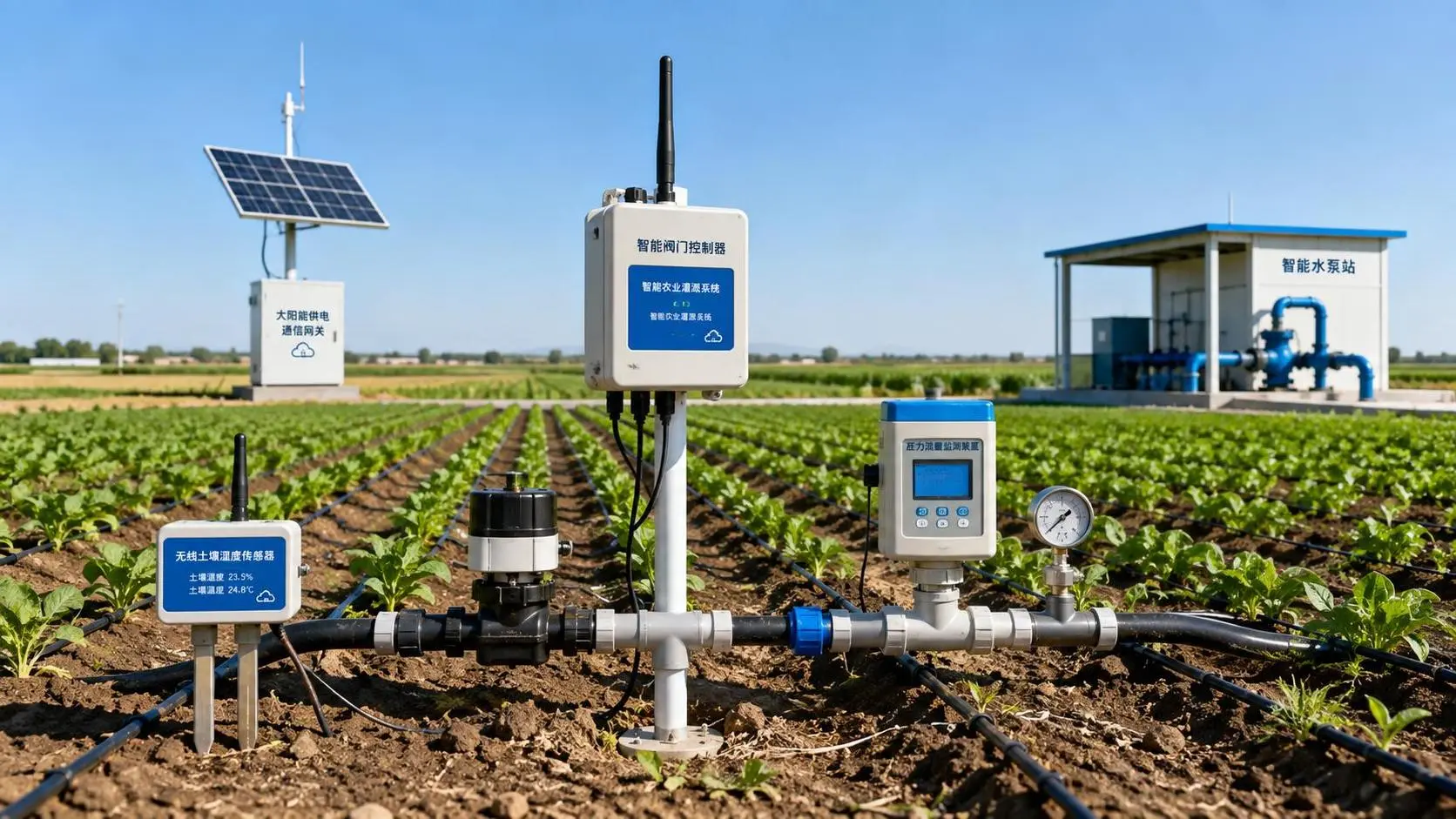
Wireless Agricultural Automation for Remote Irrigation and Field Monitoring
Agricultural automation wireless solutions improve remote irrigation with reliable field data, local control, flow verification, and smarter monitoring. Explore resilient deployment strategies.
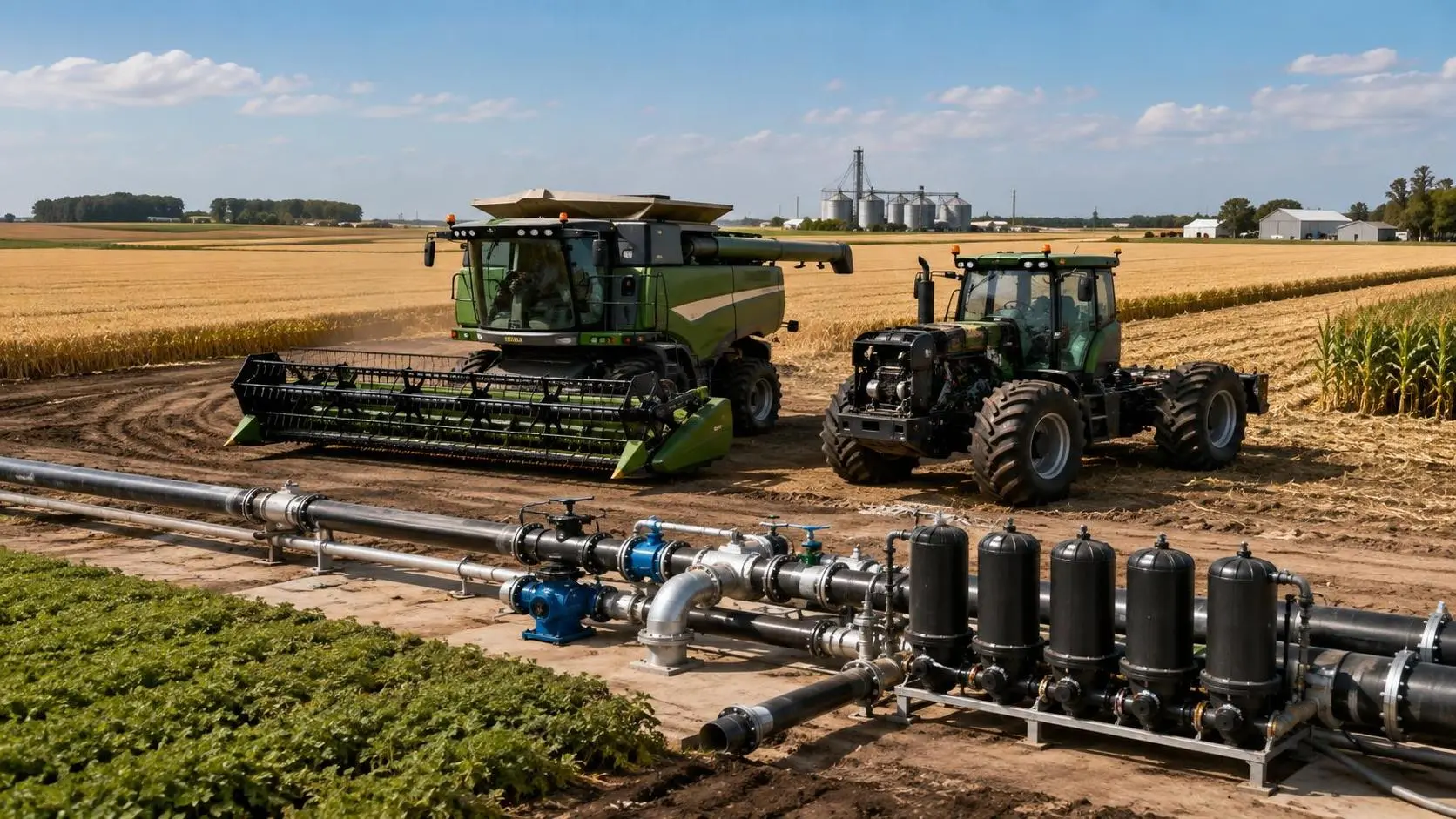
Agricultural Product Information Market Guide: Key Data for Sourcing Decisions
Agricultural product information market guide for smarter sourcing—compare machinery, irrigation, precision tools, lifecycle costs, and supplier risk.
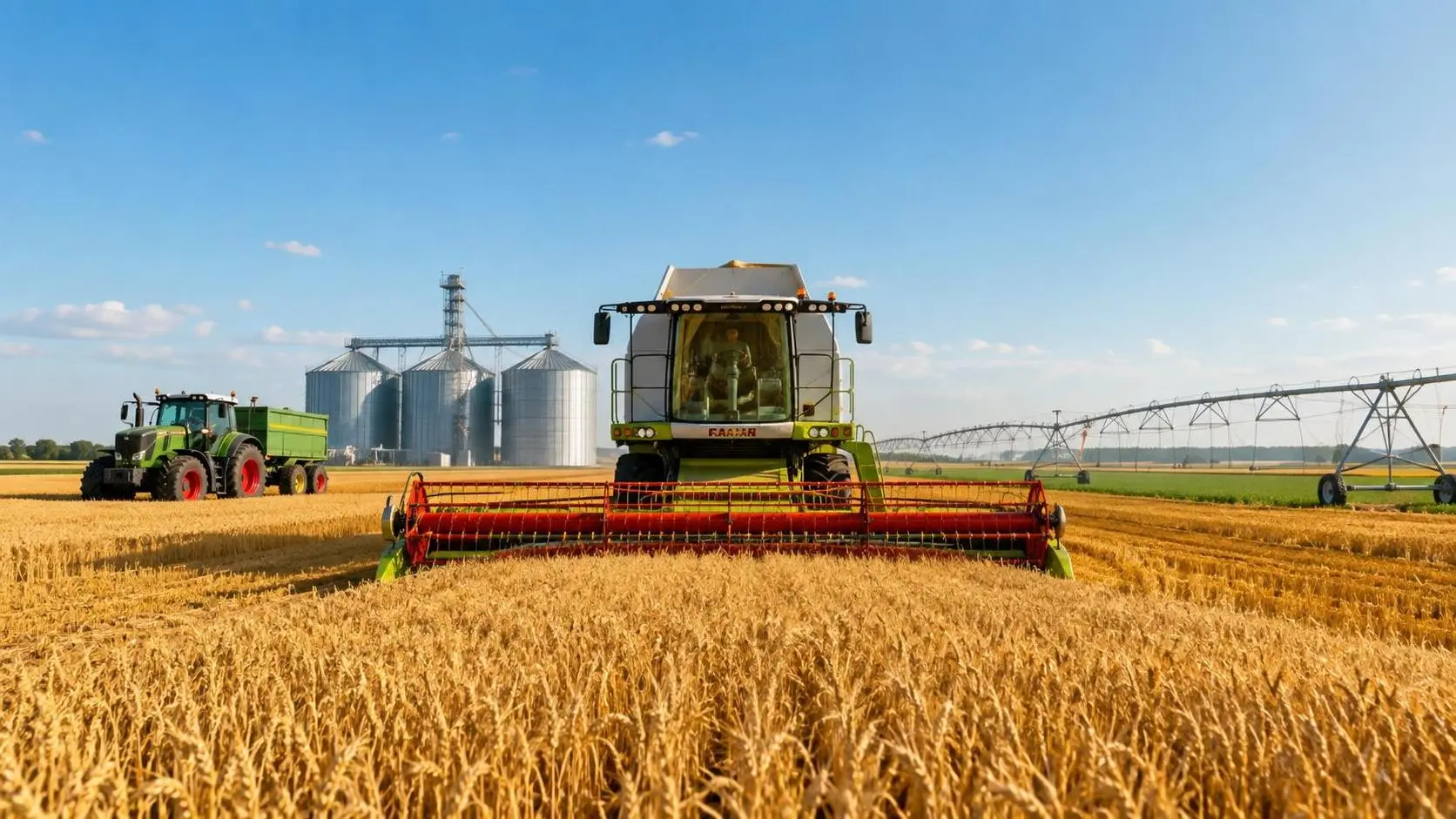
Large-Scale Farm Equipment Cost Comparison: Price, Fuel, and Lifecycle Value
Large-scale farm equipment cost comparison: evaluate price, fuel, maintenance, downtime, and lifecycle value to choose tractors, combines, irrigation, and smart tools with confidence.
Related News
- 00
0000-00
How North American Farms Can Select Crop Monitoring Systems by Acreage and Connectivity - 00
0000-00
How Tractor Intelligence Systems Improve Field Efficiency and Input Accuracy - 00
0000-00
China’s Temporary Helium Export Ban Reshapes Irrigation Supply Chains - 00
0000-00
Tianjin to Host 2026 China Farm Machinery Expo - 00
0000-00
Guangxi Subsidy Plan Signals Smarter Farm Machinery Supply Shift
Popular Tags
Tractor Power Architect
Weekly Insights
Stay ahead with our curated technology reports delivered every Monday.