
CAFTA 3.0 Draft Opens Zero-Tariff Access for GPS Guidance Systems





On June 13, 2026, the Ministry of Commerce of China and the ASEAN Secretariat jointly published the draft goods trade agreement for China-ASEAN Free Trade Area 3.0, placing GPS Guidance Systems on the first zero-tariff list for green and smart agricultural equipment. For exporters, component suppliers, procurement teams, and supply chain service providers, the significance is not only the tariff signal itself, but also the fact that covered product categories and buyer qualification reviews are already starting to shape sourcing, documentation, and delivery planning ahead of the expected Q1 2027 implementation.
What the draft now confirms
The published draft states that GPS Guidance Systems are included in the first batch of products eligible for zero-tariff treatment under the green and smart agricultural equipment category. The scope specifically covers RTK base stations, multiband antennas, and agricultural-grade GNSS receiving modules as core components. The publication date was June 13, 2026, and the expected implementation timing is Q1 2027. The available information also shows that buyers in Vietnam and Thailand have already begun supplier qualification pre-screening.
Where the rule change may start to affect business operations
Export planning is moving from price discussion to eligibility review
From an industry perspective, exporters and direct trading companies may be affected first because tariff treatment depends not only on product interest from buyers, but also on whether the supplied item can be aligned with the covered category and supported by complete trade and technical documentation. What deserves closer attention is the preparation of product descriptions, component scope, and transaction documents that can support customs, procurement, and contract review once implementation approaches.
Component manufacturers may face earlier technical screening
Manufacturers of RTK base stations, multiband antennas, and agricultural-grade GNSS receiving modules may see buyers focus earlier on specification consistency and supplier qualification status. Analysis shows that the operational impact is likely to appear in technical document preparation, model classification, quality records, and the ability to respond to pre-qualification requests, rather than in tariff execution alone at this stage.
Procurement teams are likely to tighten supplier onboarding steps
For procurement functions and channel partners, the start of supplier pre-screening by buyers in Vietnam and Thailand signals that sourcing decisions may increasingly depend on whether suppliers can present complete qualification materials in time. The practical effect may be felt in tender preparation, supplier comparison, lead-time planning, and coordination between commercial teams and technical support teams.
Supply chain and delivery coordination may need earlier adjustment
Supply chain service providers and delivery teams may also need to monitor the draft closely. Observably, once a zero-tariff product category is identified in a draft agreement, attention often shifts to shipment readiness, product matching, and documentation consistency. In this case, companies should pay particular attention to whether internal product naming, component lists, and delivery files can remain consistent across trade, customs, and customer-facing documents.
Practical points companies should watch now
Track the final wording and implementation timing
The current information indicates expected implementation in Q1 2027, but the draft stage means companies should continue to watch for final wording, official implementation language, and any clarification on product scope. It is more appropriate to understand this as an actionable policy signal rather than a fully executed trade outcome at this moment.
Prepare qualification files before procurement windows tighten
Because buyer pre-screening has already started in Vietnam and Thailand, suppliers should review whether their qualification packages are complete enough for early-stage evaluation. This may include technical datasheets, product descriptions, component details, quality-related records, and other supporting materials typically requested in supplier review or bidding processes, subject to the buyer's actual requirements.
Check consistency across technical and trade documents
Analysis shows that a likely risk area is mismatch between how products are described in technical materials and how they are declared in commercial or shipping documents. For the covered categories identified in the draft, companies should pay attention to consistent naming of RTK base stations, multiband antennas, and agricultural-grade GNSS receiving modules across quotations, contracts, packing documentation, and compliance files.
Watch how buyer requirements evolve in target markets
The available facts do not yet define a complete execution standard for qualification, certification, or tender acceptance. For that reason, exporters and service providers should follow how buyer documentation requests, technical thresholds, and delivery expectations develop in response to the draft, especially where pre-approval or approved supplier status becomes a practical gate for market entry.
Why this matters beyond the headline
Observably, this development is important less because it immediately changes trade practice today and more because it gives the market a concrete execution direction. Analysis shows that the inclusion of GPS Guidance Systems and named core components in the first zero-tariff list provides a clearer compliance and sourcing reference for companies active in agricultural equipment supply chains. At the same time, because the measure is tied to a published draft with expected future implementation, the market still needs to watch how official wording is finalized and how procurement-side requirements translate into day-to-day execution.
How to read the current signal
At this stage, the development is better understood as a forward-looking trade and procurement signal with operational implications already emerging in supplier screening. It does not yet justify treating all commercial benefits as fully realized. A rational reading is that companies connected to GPS Guidance Systems, especially those supplying covered core components, should use the current window to align documents, review qualification readiness, and follow the final implementation path closely.
Basis of this article and what still needs verification
This article is generated based on the user-provided news title, event date, and event summary. The facts used here are limited to the stated publication of the CAFTA 3.0 draft goods trade agreement on June 13, 2026, the inclusion of GPS Guidance Systems in the first zero-tariff list for green and smart agricultural equipment, the covered component categories, the expected Q1 2027 implementation, and the start of supplier qualification pre-screening by buyers in Vietnam and Thailand. For events of this type, relevant source categories usually include official notices, trade authority releases, customs or commerce department information, industry association updates, standard-setting documents, and reporting by established media. A specific official source link was not provided in the input, so it still needs to be verified on an ongoing basis. What remains worth tracking includes final policy details, implementation wording, qualification and certification practice, changes in tender documents, market feedback, and how companies execute against the new trade framework.
Related News

Specification Planning: A Practical Framework for Defining Equipment Requirements
Application guidance for specification planning: define measurable equipment requirements, prioritize performance, and avoid costly procurement mistakes.

How North American Farms Can Select Crop Monitoring Systems by Acreage and Connectivity
Crop monitoring systems North America: learn how to match acreage, connectivity, sensors, and data workflows for reliable, actionable farm decisions.

Where to Find Reliable Product Information for Comparing Farm Equipment
Product information resources agriculture buyers can trust: compare farm equipment with technical specs, manuals, field data, dealer support, and lifecycle insights.
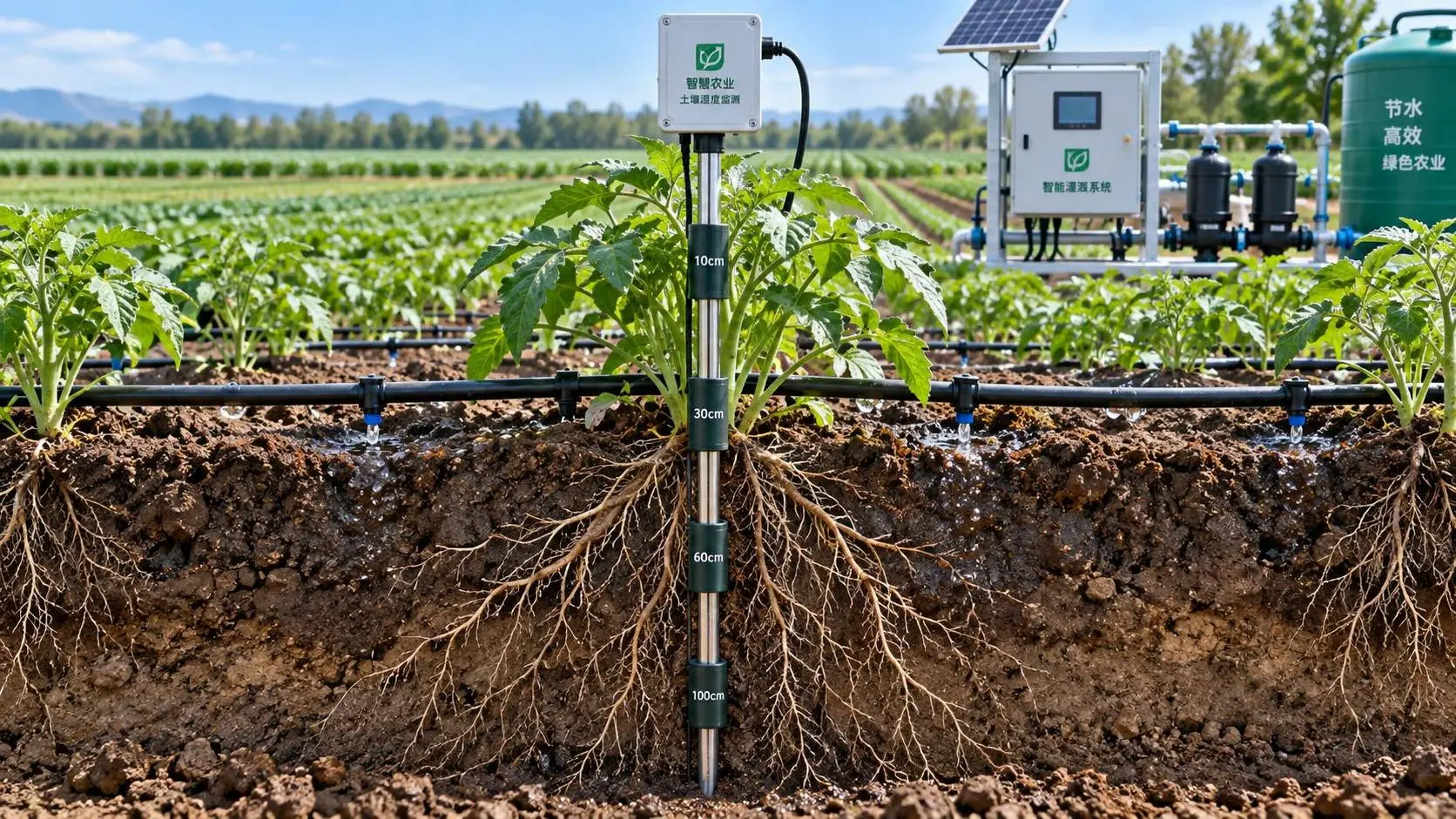
Selecting Real-Time Soil Moisture Sensors for Irrigation Zone Control
Soil moisture sensors real time: learn how to select reliable probes, optimize zone control, improve irrigation decisions, and scale precision water management.

Tractor Hydraulic Systems Troubleshooting: Diagnosing Weak Lift and Slow Implements
Tractor hydraulic systems troubleshooting made practical: diagnose weak lifts and slow implements with proven pressure, flow, valve, and oil-supply checks.

How Tractor Intelligence Systems Improve Field Efficiency and Input Accuracy
Agricultural machinery intelligence for tractors improves field efficiency, input accuracy, data traceability, and implement control. Explore smarter evaluation strategies.
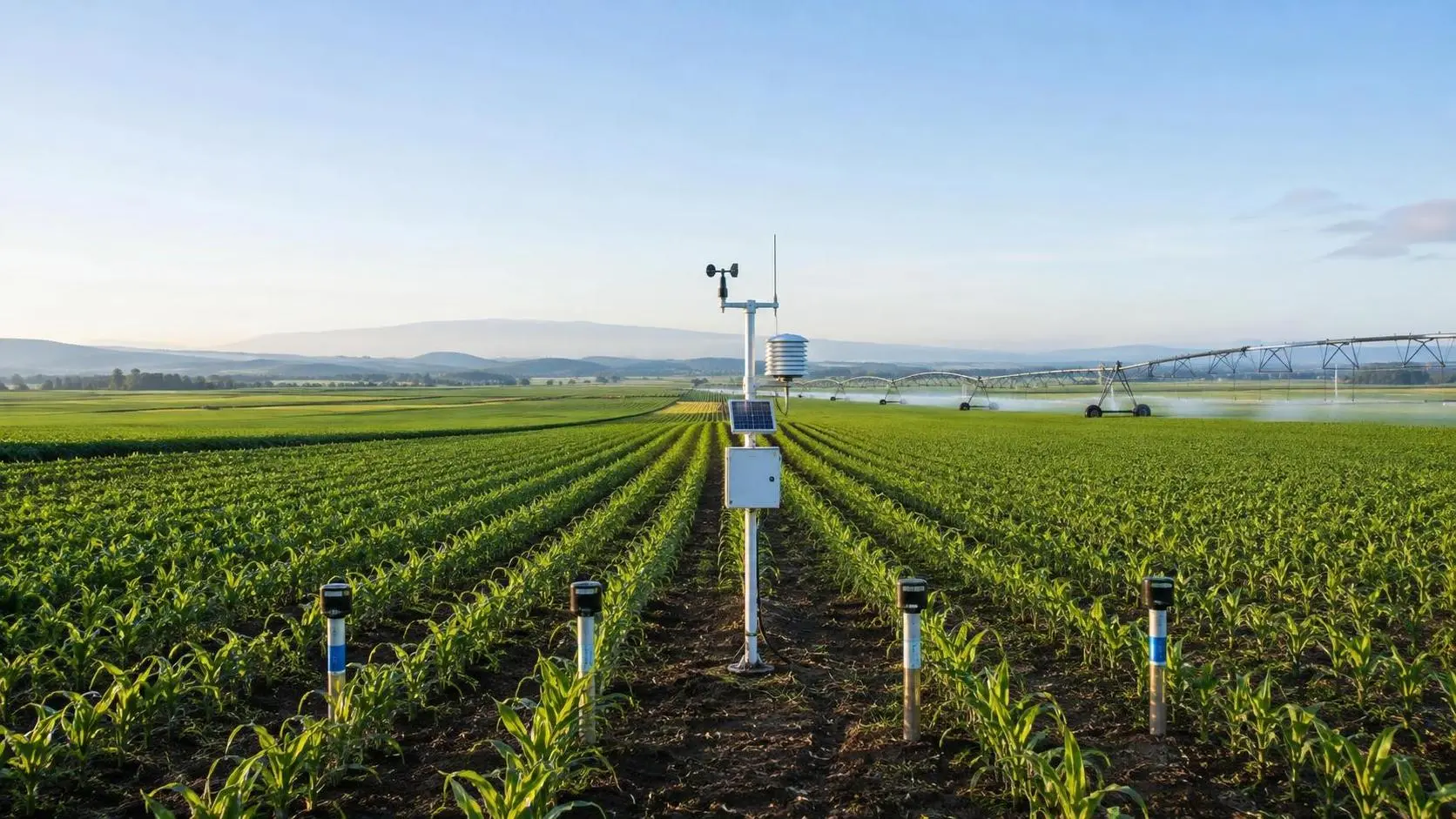
How to Evaluate Crop Monitoring System Manufacturers for Large-Scale Farms
Compare crop monitoring systems manufacturers for large-scale farms. Evaluate data quality, integration, durability, lifecycle costs, support, and pilots for smarter decisions.
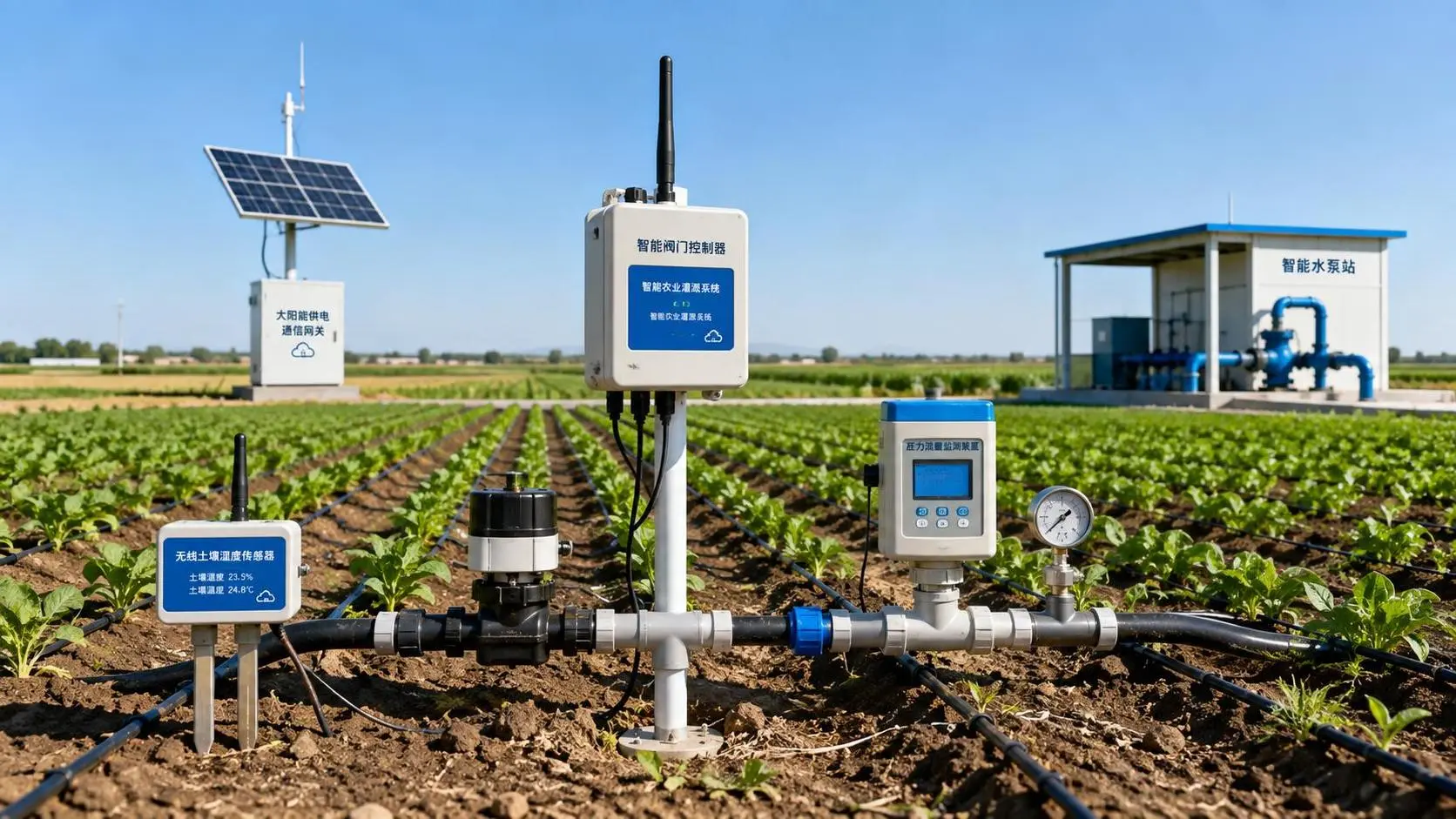
Wireless Agricultural Automation for Remote Irrigation and Field Monitoring
Agricultural automation wireless solutions improve remote irrigation with reliable field data, local control, flow verification, and smarter monitoring. Explore resilient deployment strategies.

Agricultural Product Information Market Guide: Key Data for Sourcing Decisions
Agricultural product information market guide for smarter sourcing—compare machinery, irrigation, precision tools, lifecycle costs, and supplier risk.
Related News
- 00
0000-00
How North American Farms Can Select Crop Monitoring Systems by Acreage and Connectivity - 00
0000-00
How Tractor Intelligence Systems Improve Field Efficiency and Input Accuracy - 00
0000-00
China’s Temporary Helium Export Ban Reshapes Irrigation Supply Chains - 00
0000-00
Tianjin to Host 2026 China Farm Machinery Expo - 00
0000-00
Guangxi Subsidy Plan Signals Smarter Farm Machinery Supply Shift
Popular Tags
Tractor Power Architect
Weekly Insights
Stay ahead with our curated technology reports delivered every Monday.