
How to Compare Precision Agriculture Solutions for Multi-Field Operations




How to Compare Precision Agriculture Solutions for Multi-Field Operations
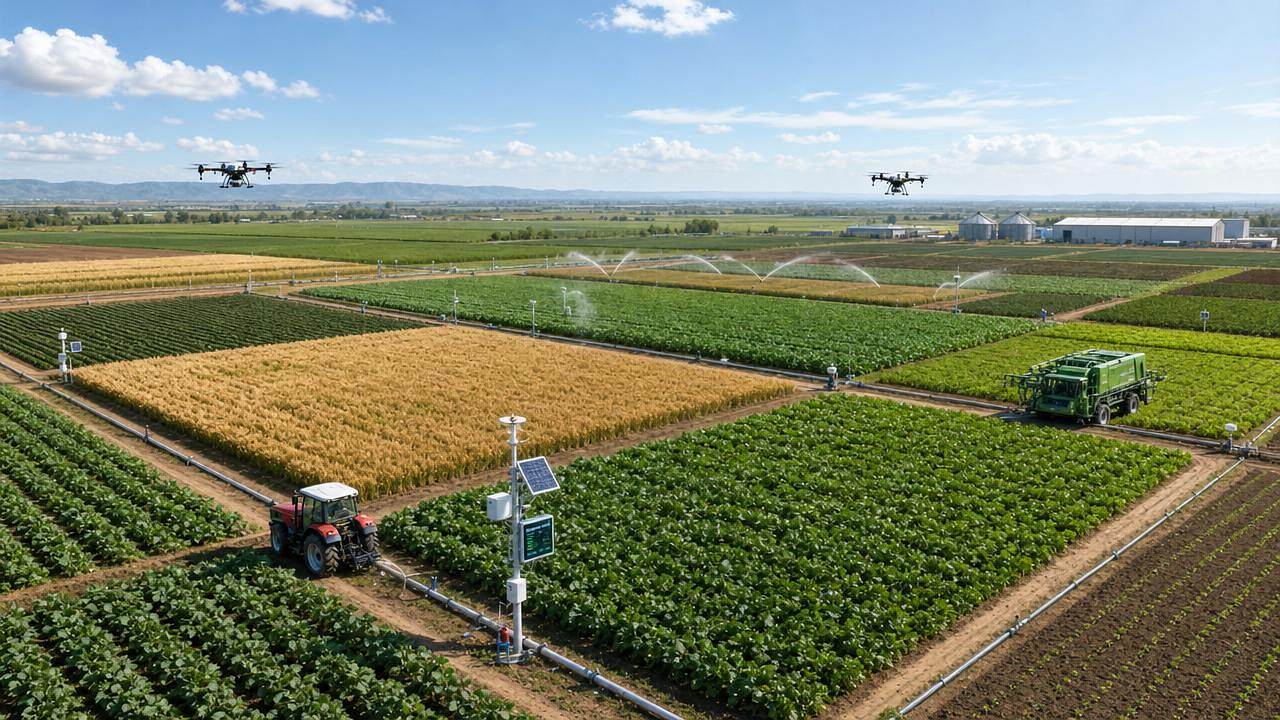
For multi-field operations, technology selection now shapes margin, output, and resilience.
That is why comparing precision agriculture solutions needs more than a feature checklist.
It requires a business lens that connects field data, machine performance, irrigation control, and return on capital.
The best precision agriculture solutions do not simply collect information.
They help operators act faster, allocate inputs better, and scale decisions across diverse land blocks.
In practice, this means evaluating software, hardware, connectivity, agronomic logic, and vendor support together.
For organizations tracking Agriculture 4.0 trends, the bigger question is simple.
Which precision agriculture solutions can perform reliably across multiple fields without increasing operational complexity?
Start With the Operational Reality
Every comparison should begin with field variability, not vendor promises.
Multi-field operations often span different soil types, water access, crop rotations, and machinery conditions.
A solution that works well on one block may underperform across dispersed acreage.
That is why the first filter should be operational fit.
- Map the number of fields, total acreage, and average travel distance.
- List crops, irrigation methods, and seasonal timing differences.
- Review current equipment brands, telematics, and guidance systems.
- Identify labor bottlenecks, data gaps, and recurring input inefficiencies.
This baseline turns the selection process into a strategic comparison.
It also prevents overbuying features that sound advanced but deliver little field-level value.
Compare Core Capability Areas
Strong precision agriculture solutions usually combine five capability layers.
If one layer is weak, the whole system becomes harder to scale.
1. Data Collection Accuracy
Look at how the platform captures data from sensors, satellites, drones, and machines.
Accurate field boundaries, yield maps, and moisture readings matter more than dashboard design.
Bad source data leads to weak prescriptions and costly decisions.
2. Decision Support Quality
The next test is whether the system turns data into useful action.
This includes variable-rate recommendations, irrigation scheduling, application timing, and harvest optimization.
Useful precision agriculture solutions explain why a recommendation appears, not just what to do.
3. Equipment Compatibility
Compatibility is where many projects lose momentum.
Check whether the solution integrates with tractors, combines, sprayers, controllers, and irrigation infrastructure already in use.
Open integration often matters more than owning a single branded ecosystem.
4. Connectivity and Field Reliability
Some precision agriculture solutions perform well in demos but struggle in remote conditions.
Ask how the system handles weak mobile coverage, delayed syncing, and offline machine operation.
For multi-field operations, reliability under imperfect conditions is a major buying factor.
5. Usability Across Teams
A powerful platform fails if managers, operators, and agronomy teams use it differently.
The best precision agriculture solutions simplify coordination between office planning and field execution.
Clear interfaces, role permissions, and mobile access reduce training burden and reporting delays.
Evaluate Multi-Field Performance, Not Single-Field Performance
This is where strategic buyers separate strong systems from polished products.
A platform may perform well on one field, then become difficult across larger networks.
When comparing precision agriculture solutions, ask how they handle scale in daily use.
- Can users compare field performance side by side?
- Can prescription maps be deployed in batches?
- Can irrigation zones be adjusted centrally and locally?
- Can alerts be prioritized by risk and economic impact?
- Can reporting roll up by farm, region, crop, or season?
These questions reveal whether the platform supports management at enterprise scale.
They also show whether precision agriculture solutions can reduce complexity instead of multiplying it.
Use a Weighted Decision Matrix
A structured scorecard keeps comparisons honest.
It also helps internal teams align around economic and operational priorities.
Instead of choosing by brand familiarity, assign weighted value to the outcomes that matter most.
A matrix like this helps compare precision agriculture solutions with less bias and more clarity.
Look Beyond Purchase Price
Lower upfront cost can hide a more expensive long-term outcome.
This is especially true when precision agriculture solutions require extra gateways, custom integration, or frequent manual correction.
A better financial comparison should include direct and indirect costs.
- Subscription fees by acre, user, machine, or module
- Sensor replacement and calibration cycles
- Training time for operators and supervisors
- Service response during peak planting or harvest windows
- Expected gains in input efficiency, water savings, and yield stability
In real operations, return often comes from fewer mistakes, better timing, and more consistent execution.
That is a stronger benchmark than a low initial quote.
Test the Vendor as Carefully as the Technology
The market for precision agriculture solutions is moving fast.
Features can look similar, but supplier capability often differs sharply.
A strong vendor should understand machine fleets, agronomic workflows, and water management realities.
Ask These Questions
- How many multi-field deployments are already active?
- What integrations are standard, and what requires customization?
- How quickly are agronomic models updated?
- What support is available during seasonal peaks?
- How is customer data owned, exported, and protected?
This part matters because precision agriculture solutions are long-cycle operating tools.
You are selecting a decision partner, not just buying software.
Run a Pilot That Reflects Real Complexity
A short pilot is still the best way to compare precision agriculture solutions objectively.
But the pilot should reflect real field diversity.
Do not test on your easiest block only.
- Choose fields with different soils, water conditions, and machinery patterns.
- Set measurable goals before the pilot begins.
- Track labor hours, input variance, response speed, and data accuracy.
- Document operator feedback, not only manager feedback.
- Review results after one full operational cycle.
This approach creates evidence instead of assumptions.
It also highlights whether precision agriculture solutions remain useful when conditions become less predictable.
Make the Final Decision With a Three-Year View
The most effective precision agriculture solutions support both current operations and future expansion.
That may include autonomous equipment, smarter irrigation control, carbon reporting, or tighter supply chain visibility.
From a strategic intelligence perspective, flexibility now has real economic value.
Solutions that integrate machine performance, agronomic insight, and sustainability reporting are becoming more relevant.
That trend is especially clear across large-scale mechanized farming systems.
For buyers comparing precision agriculture solutions, the winning choice is rarely the most complex platform.
It is usually the one that delivers dependable data, actionable recommendations, and scalable field execution.
If the system fits equipment, people, and land conditions, adoption becomes much easier.
And when adoption improves, the business case becomes stronger season after season.
Use that standard to compare options, pressure-test claims, and choose precision agriculture solutions that can truly scale.
Related News
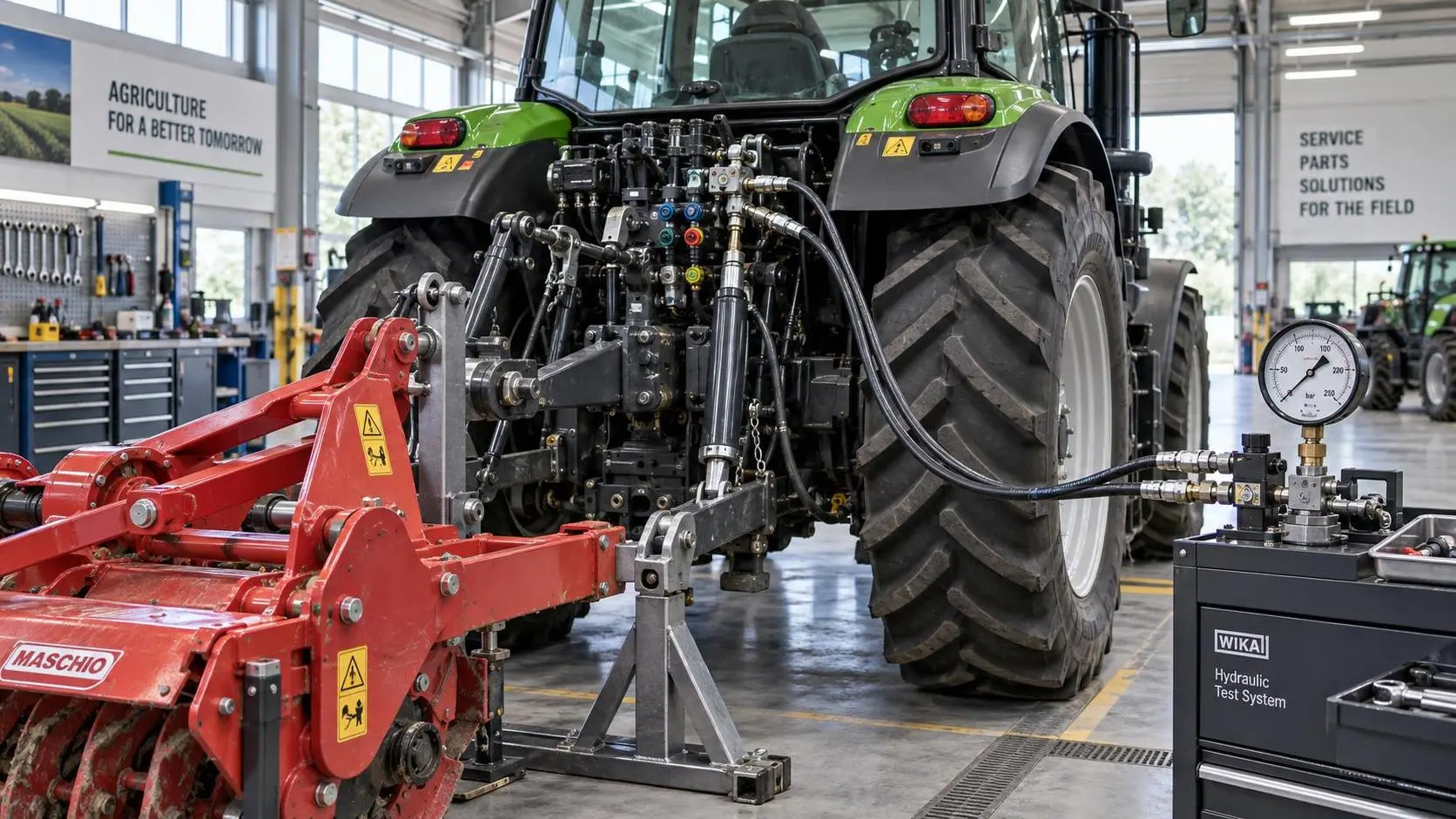
Tractor Hydraulic Systems Troubleshooting: Diagnosing Weak Lift and Slow Implements
Tractor hydraulic systems troubleshooting made practical: diagnose weak lifts and slow implements with proven pressure, flow, valve, and oil-supply checks.
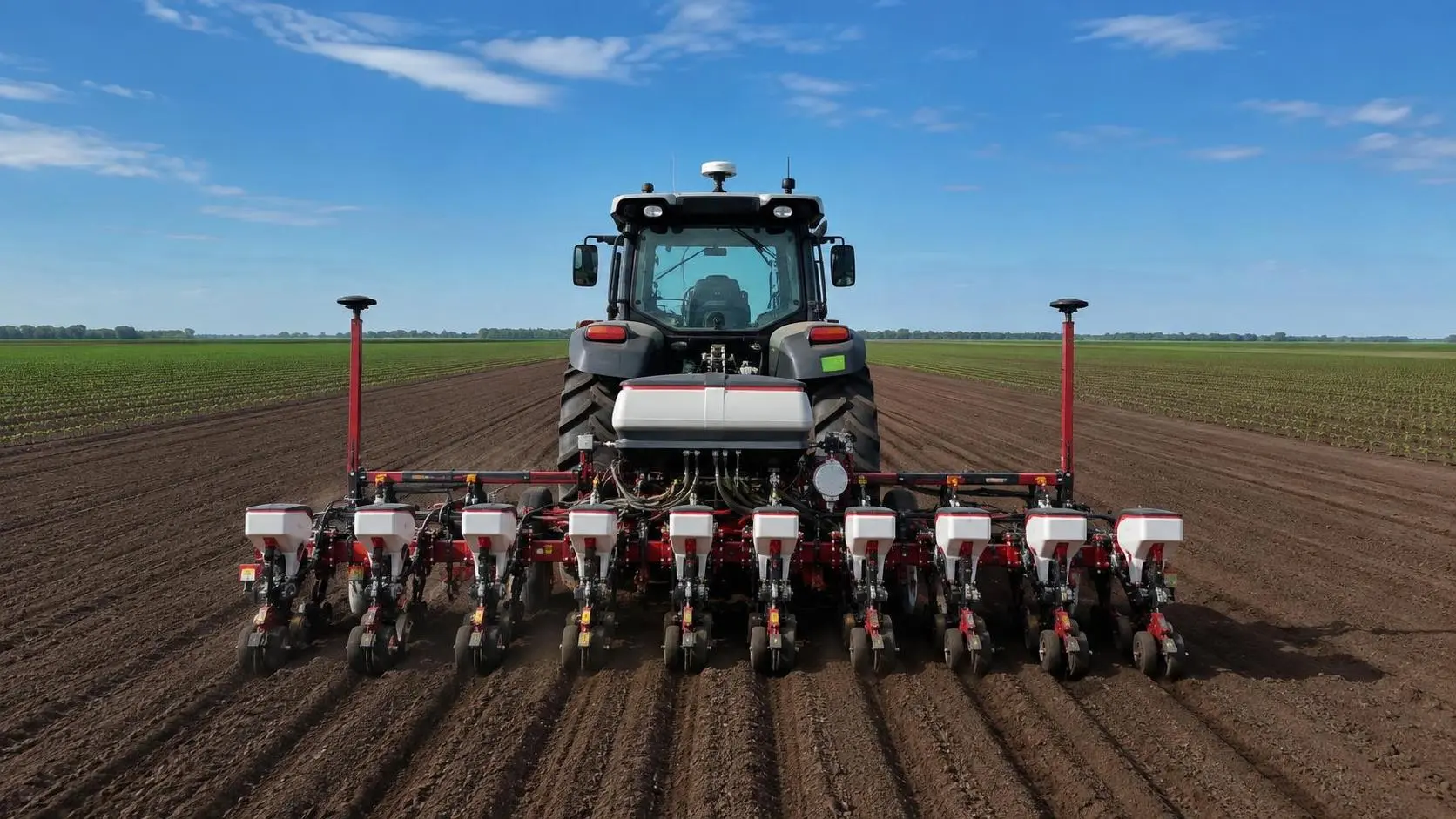
How Tractor Intelligence Systems Improve Field Efficiency and Input Accuracy
Agricultural machinery intelligence for tractors improves field efficiency, input accuracy, data traceability, and implement control. Explore smarter evaluation strategies.
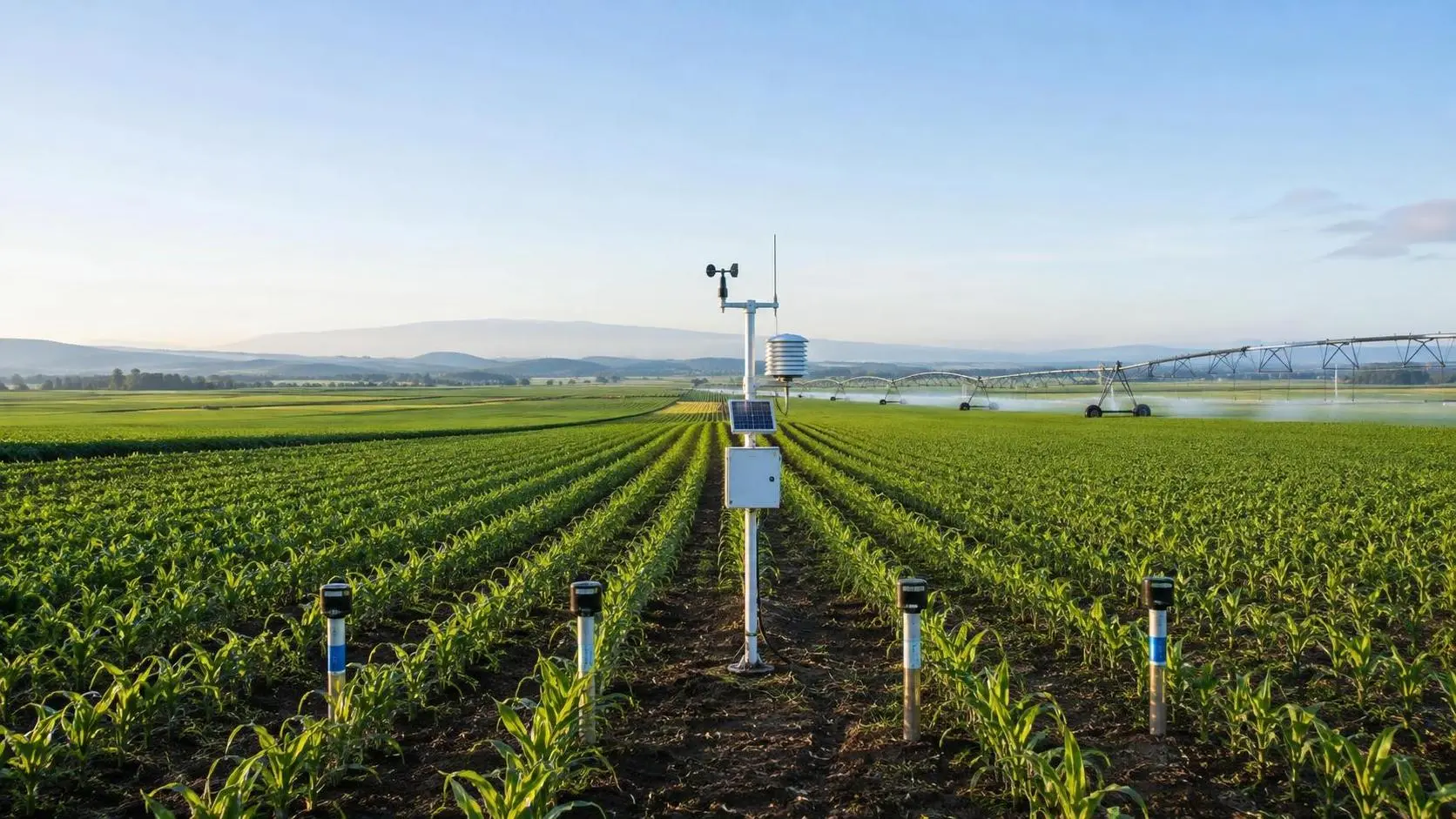
How to Evaluate Crop Monitoring System Manufacturers for Large-Scale Farms
Compare crop monitoring systems manufacturers for large-scale farms. Evaluate data quality, integration, durability, lifecycle costs, support, and pilots for smarter decisions.
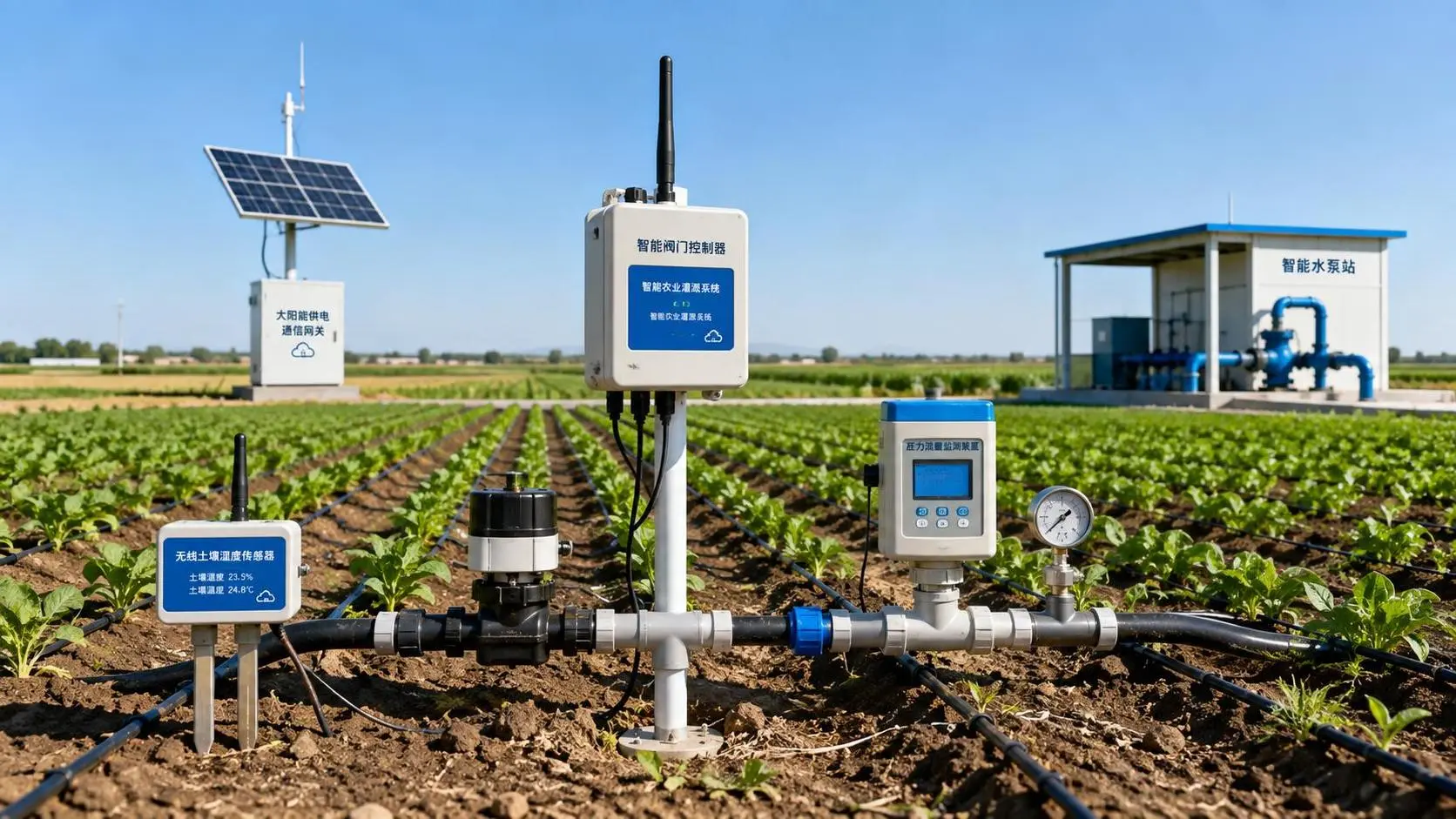
Wireless Agricultural Automation for Remote Irrigation and Field Monitoring
Agricultural automation wireless solutions improve remote irrigation with reliable field data, local control, flow verification, and smarter monitoring. Explore resilient deployment strategies.
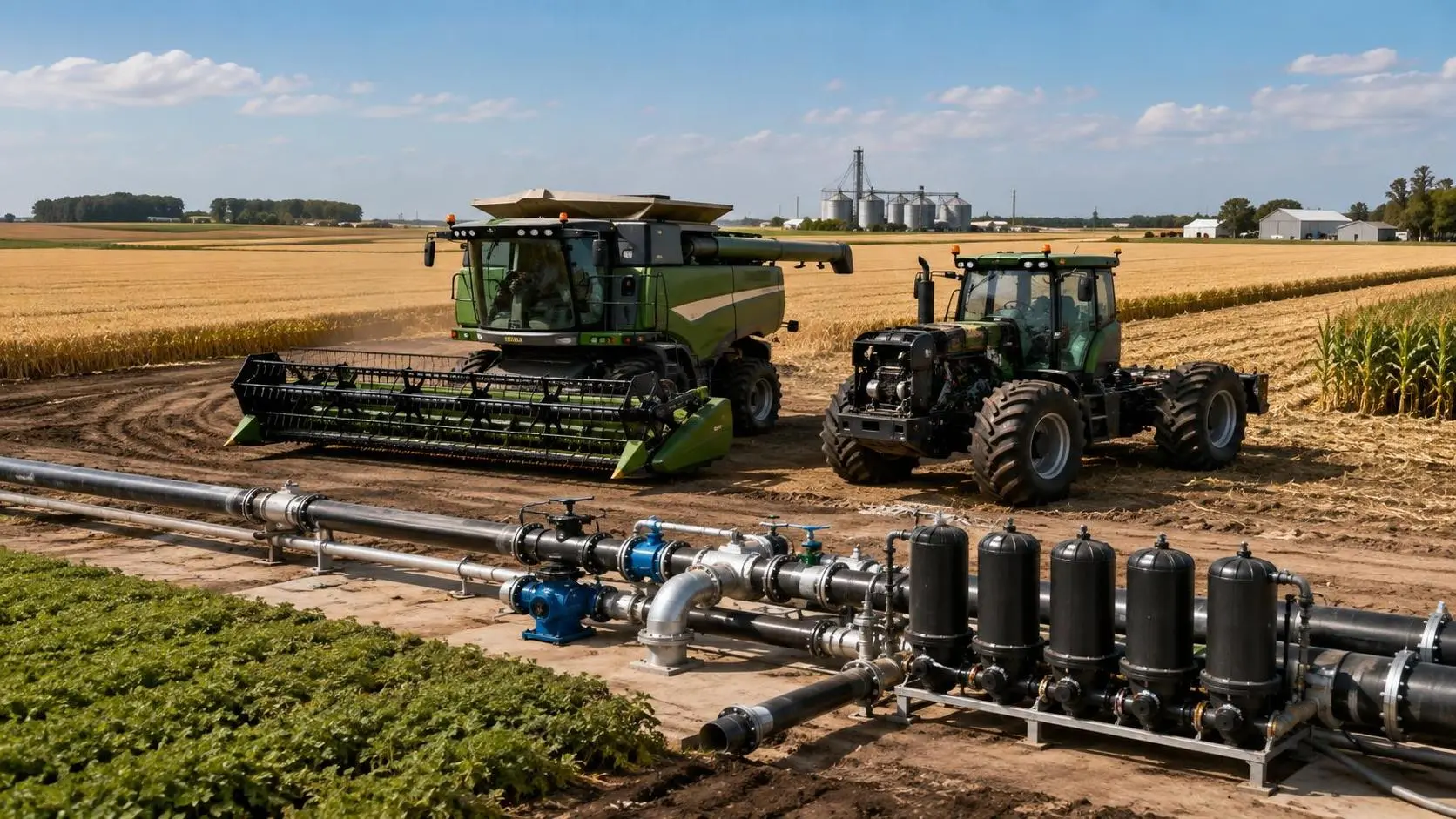
Agricultural Product Information Market Guide: Key Data for Sourcing Decisions
Agricultural product information market guide for smarter sourcing—compare machinery, irrigation, precision tools, lifecycle costs, and supplier risk.
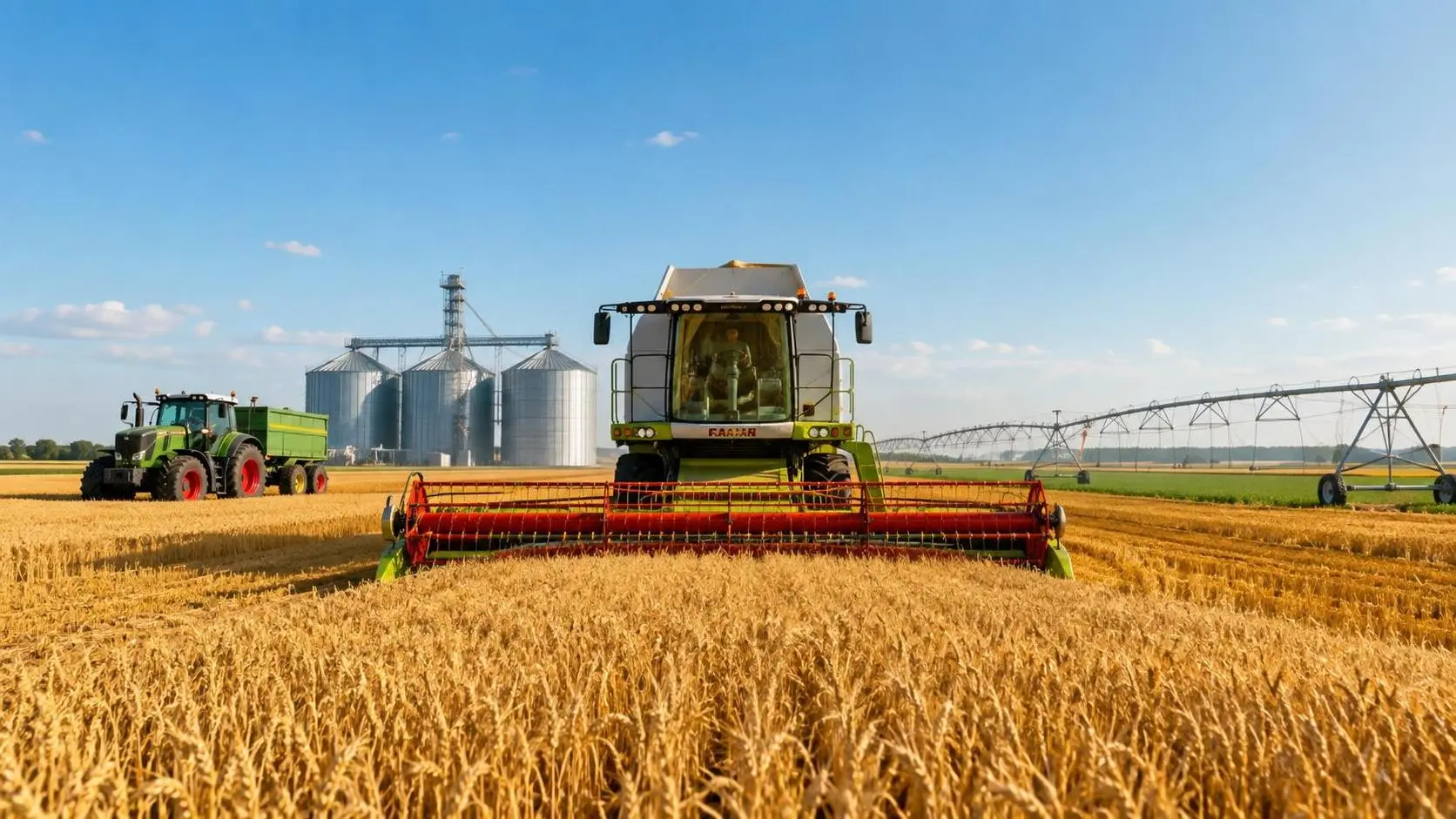
Large-Scale Farm Equipment Cost Comparison: Price, Fuel, and Lifecycle Value
Large-scale farm equipment cost comparison: evaluate price, fuel, maintenance, downtime, and lifecycle value to choose tractors, combines, irrigation, and smart tools with confidence.
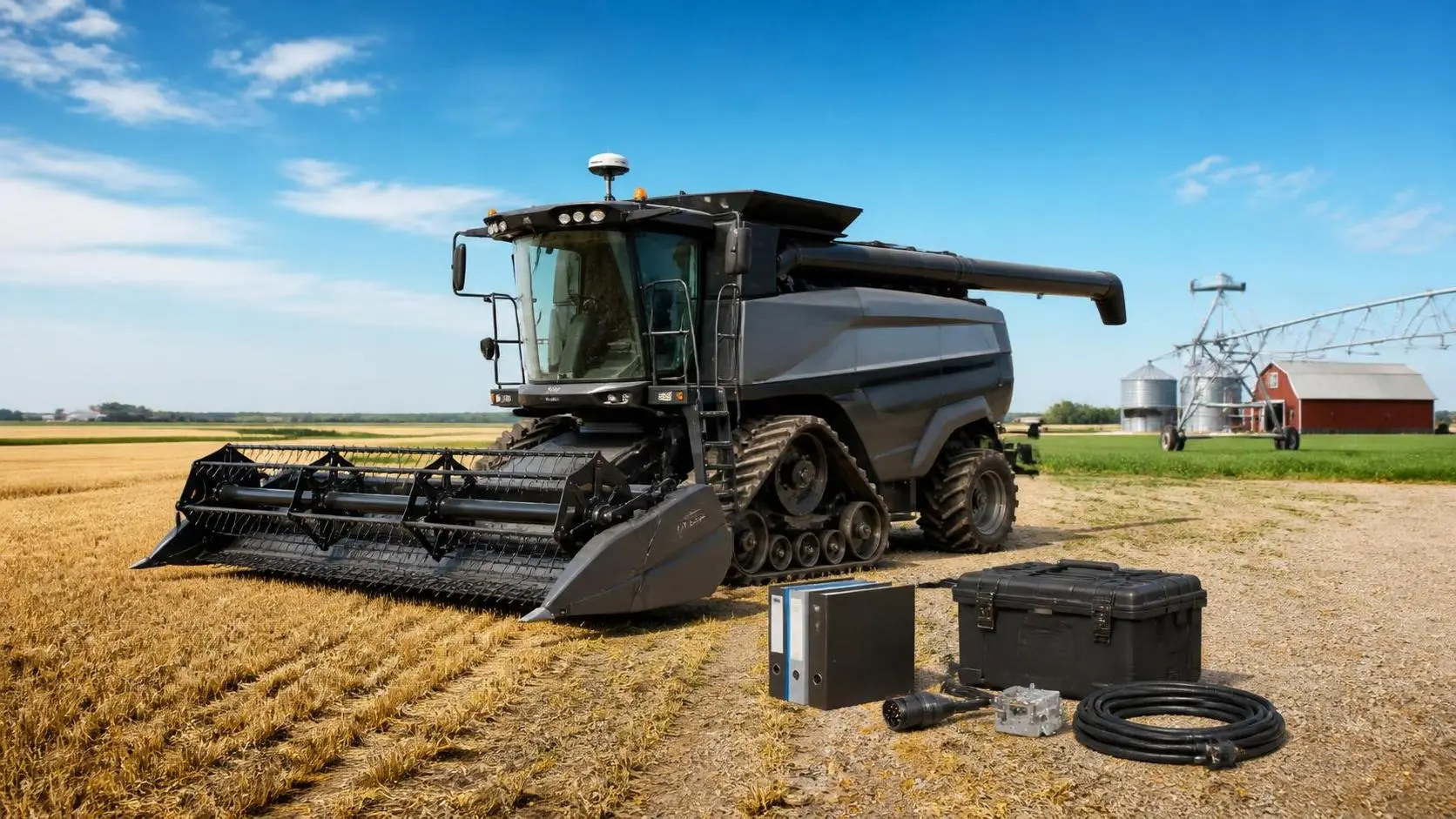
A Procurement Specification Preparation Example for Buying Farm Equipment
Procurement specification preparation example for farm equipment: learn to define requirements, compare suppliers, control lifecycle costs, and buy with confidence.
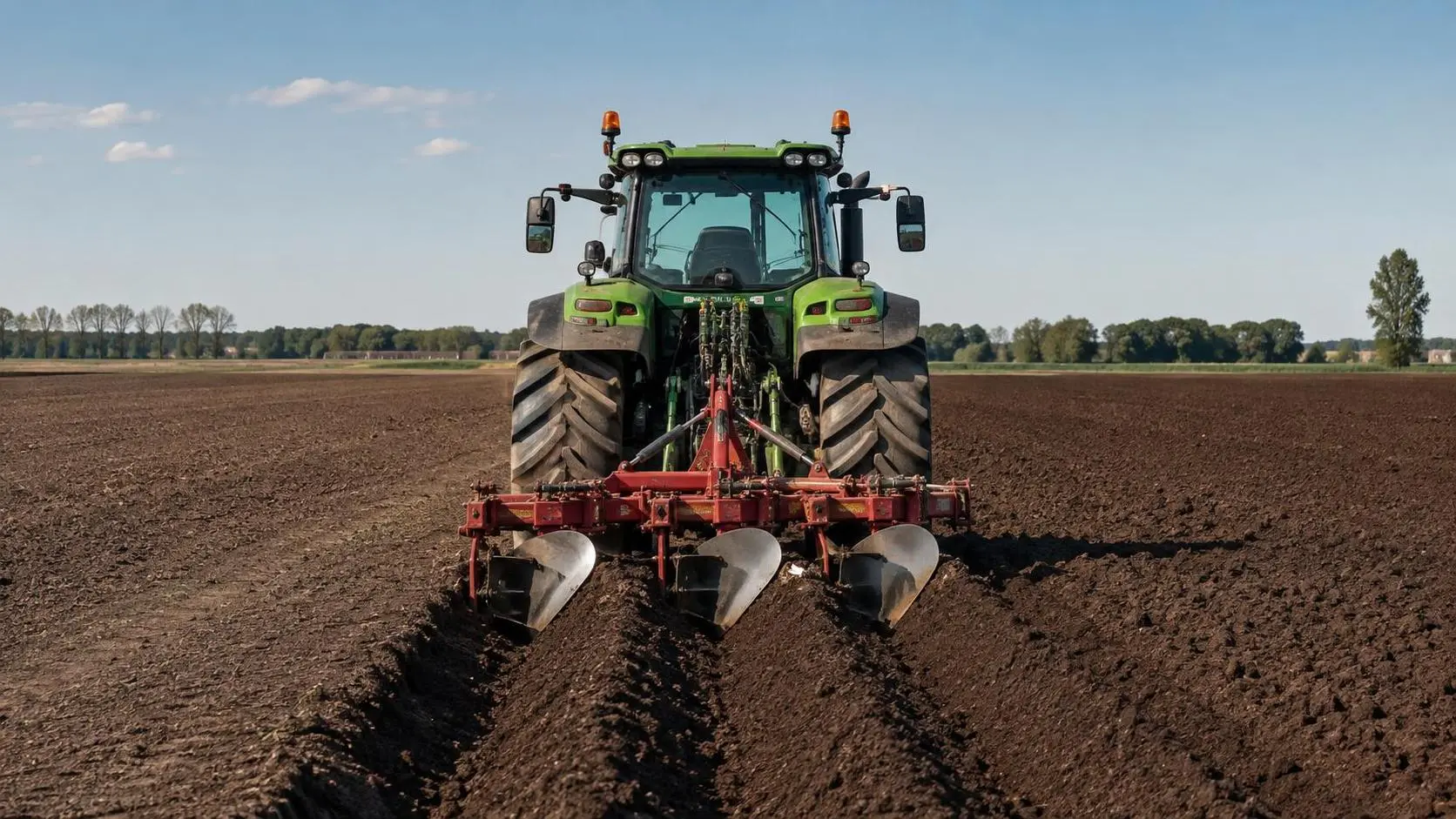
What Tractor Horsepower Is Needed for a Three-Bottom Moldboard Plow?
What tractor horsepower is needed for three-bottom moldboard plow? Compare 60–100 hp needs by soil, depth, traction, and plow width for a confident equipment match.
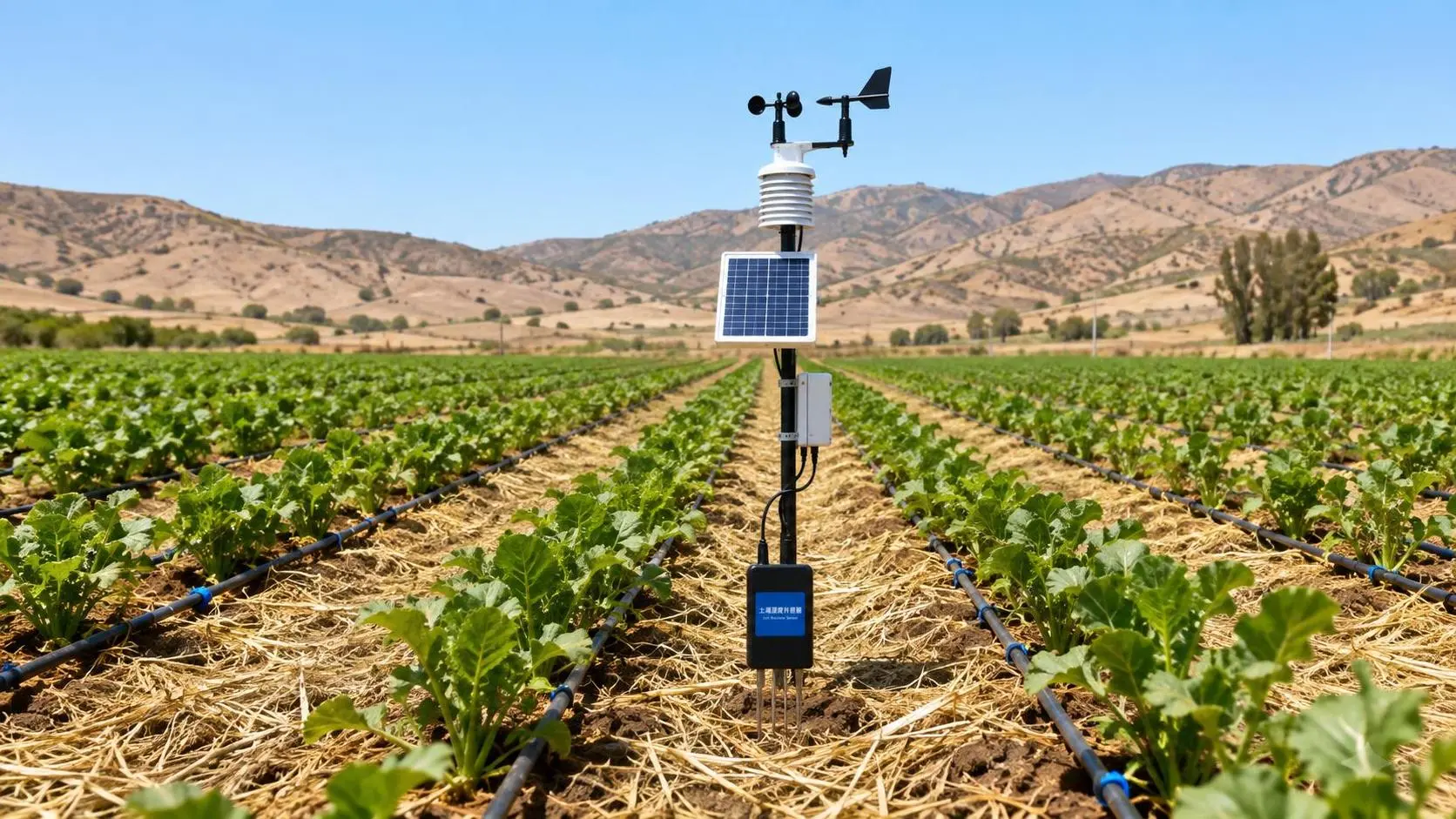
How Does Climate-Smart Farming Reduce Water Use in Semi-Arid Areas?
How does climate-smart farming reduce water use in semi-arid zones? Discover precision irrigation, soil monitoring, and smarter crop planning for resilient yields.
Related News
- 00
0000-00
How Tractor Intelligence Systems Improve Field Efficiency and Input Accuracy - 00
0000-00
China’s Temporary Helium Export Ban Reshapes Irrigation Supply Chains - 00
0000-00
Tianjin to Host 2026 China Farm Machinery Expo - 00
0000-00
Guangxi Subsidy Plan Signals Smarter Farm Machinery Supply Shift - 00
0000-00
EU Rule Takes Effect for GPS Guidance System Imports
Popular Tags
Tractor Power Architect
Weekly Insights
Stay ahead with our curated technology reports delivered every Monday.