
World's First CVT + Electric Hybrid Grain Combine Harvester Enters Mass Production
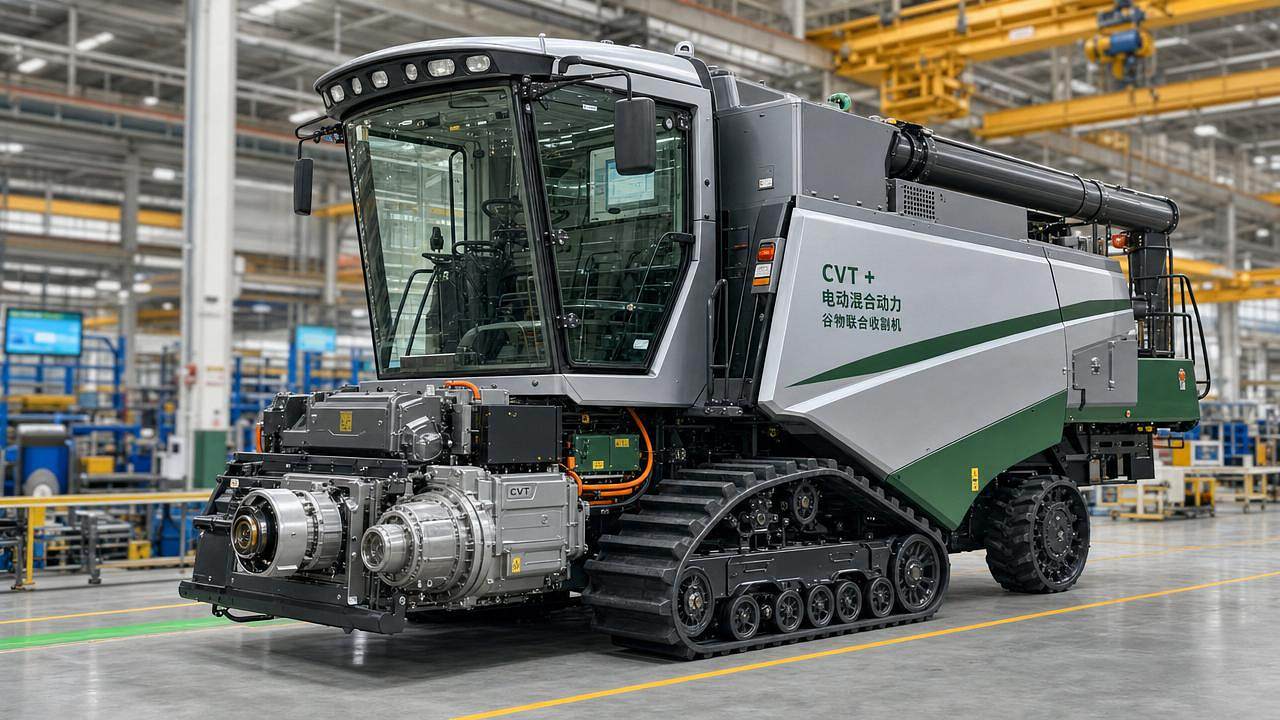




On May 8, 2026, the first batch of CVT + electric hybrid grain combine harvesters—featuring domestically developed CVT transmissions—entered mass production and shipment. This milestone signals a shift in high-load agricultural powertrain capability, with implications for global agricultural machinery manufacturing, export-oriented OEMs, certification-dependent distributors, and supply chain service providers serving regulated markets such as the EU and Australia.
Event Overview
On May 8, 2026, Shanghai Petrochemical’s high-end agricultural machinery platform announced the completion of the first shipment of CVT + electric hybrid grain combine harvesters. The core CVT transmissions were independently developed by a domestic enterprise and validated through 1,200 hours of continuous high-load field testing. Torque response accuracy reached ±1.2%, meeting ISO 19343:2025 for heavy-duty agricultural powertrain energy efficiency. The machine has obtained CE marking (EU) and Australian Design Rule (ADR) certification.
Industries Affected
Original Equipment Manufacturers (OEMs) Exporting to Regulated Markets
OEMs supplying combines or other high-power agricultural machinery to the EU or Australia may face increased technical benchmarking pressure. The successful certification of this hybrid model against ISO 19343:2025—and its alignment with CE and ADR requirements—establishes a new reference point for transmission performance, durability, and control precision under sustained load conditions.
Transmission Component Suppliers & Tier-1 System Integrators
Suppliers engaged in CVT, hybrid driveline, or electric power-assist systems for off-road mobile machinery may observe intensified scrutiny on real-world torque fidelity and thermal stability during extended operation. The reported ±1.2% torque response accuracy under field conditions serves as a newly demonstrated threshold for functional safety and control repeatability in high-dynamic agricultural applications.
Certification Agencies & Technical Compliance Service Providers
Third-party conformity assessment bodies active in agricultural machinery certification may need to calibrate test protocols for hybrid powertrains more closely aligned with ISO 19343:2025. The validation method—1,200 hours of continuous high-load field testing—suggests growing emphasis on operational reliability over lab-only verification for future certifications.
What Enterprises and Practitioners Should Monitor and Do Now
Track official updates on ISO 19343:2025 implementation timelines in key markets
While the standard is published, national adoption schedules (e.g., EU harmonized standards referencing ISO 19343:2025) remain pending. Enterprises should monitor official notices from CEN, Standards Australia, and notified bodies for mandatory application dates and transitional provisions.
Assess transmission subsystem specifications in current R&D pipelines against the ±1.2% torque response benchmark
For companies developing or integrating CVT or hybrid drivetrains, comparing existing control loop design margins—especially under variable load and temperature conditions—against the reported ±1.2% field-tested accuracy helps identify potential compliance gaps ahead of formal audits or certification cycles.
Review documentation readiness for field-based validation evidence
Regulatory reviewers increasingly expect traceable, long-duration field data—not just laboratory results—for hybrid system claims. Firms preparing for CE or ADR submissions should verify whether their internal validation records include structured, time-stamped operational logs covering thermal cycling, load transitions, and fault recovery—similar in scope to the 1,200-hour test referenced.
Evaluate supply chain exposure to domestic CVT technology licensing or co-development opportunities
With this CVT design now proven in serial production and certified for export, firms sourcing transmissions for high-horsepower agricultural machinery may consider early technical engagement—particularly if planning next-generation platforms targeting ISO 19343:2025 alignment. Licensing or joint development pathways could reduce time-to-certification versus de novo development.
Editorial Perspective / Industry Observation
Observably, this event represents a technical validation milestone—not yet a market inflection point. The machine has entered shipment, but volume scale, field deployment duration, and post-delivery performance tracking remain unreported. Analysis shows the significance lies less in immediate commercial displacement and more in raising the verified baseline for hybrid transmission performance in high-load agriculture. From an industry perspective, it functions primarily as a signal: regulatory and technical expectations for drivetrain precision and endurance are shifting toward real-world operational rigor, not just static compliance. Continuous monitoring of field reliability data, certification authority feedback, and follow-up product iterations will determine whether this becomes a replicable benchmark—or remains an isolated achievement.
This development underscores a structural shift: high-load agricultural powertrains are no longer evaluated solely on peak torque or efficiency metrics, but on closed-loop control fidelity across extended operational life. For stakeholders, the most pragmatic interpretation is not that domestic CVT has ‘caught up’, but that a new minimum threshold for credible hybrid drivetrain validation has been publicly demonstrated—and is now embedded in internationally recognized certification outcomes.
Information Source: Official announcement by Shanghai Petrochemical’s high-end agricultural machinery platform, dated May 8, 2026. Verification of ISO 19343:2025 alignment, CE/ADR certification status, and 1,200-hour test parameters is based solely on that release. Ongoing field performance data, production ramp rates, and downstream customer adoption metrics are not yet publicly available and remain subject to observation.
Related News
When Does Agricultural Machinery Leasing Cost Less Than Owning Equipment?
Agricultural machinery leasing can lower farm costs when use is seasonal or uncertain. Compare utilization, maintenance, cash flow, and risk to make a smarter equipment decision.
How to Evaluate Precision Fertilization System Suppliers for Farm-Scale Deployment
Precision fertilization systems suppliers: learn how to compare accuracy, integration, uptime, service, and total cost for confident farm-scale deployment.
ISOBUS for Smart Agriculture: How It Connects Tractors, Implements, and Farm Data
ISOBUS for smart agriculture connects tractors, implements, terminals, and farm data—helping growers improve precision, documentation, and smarter field decisions.
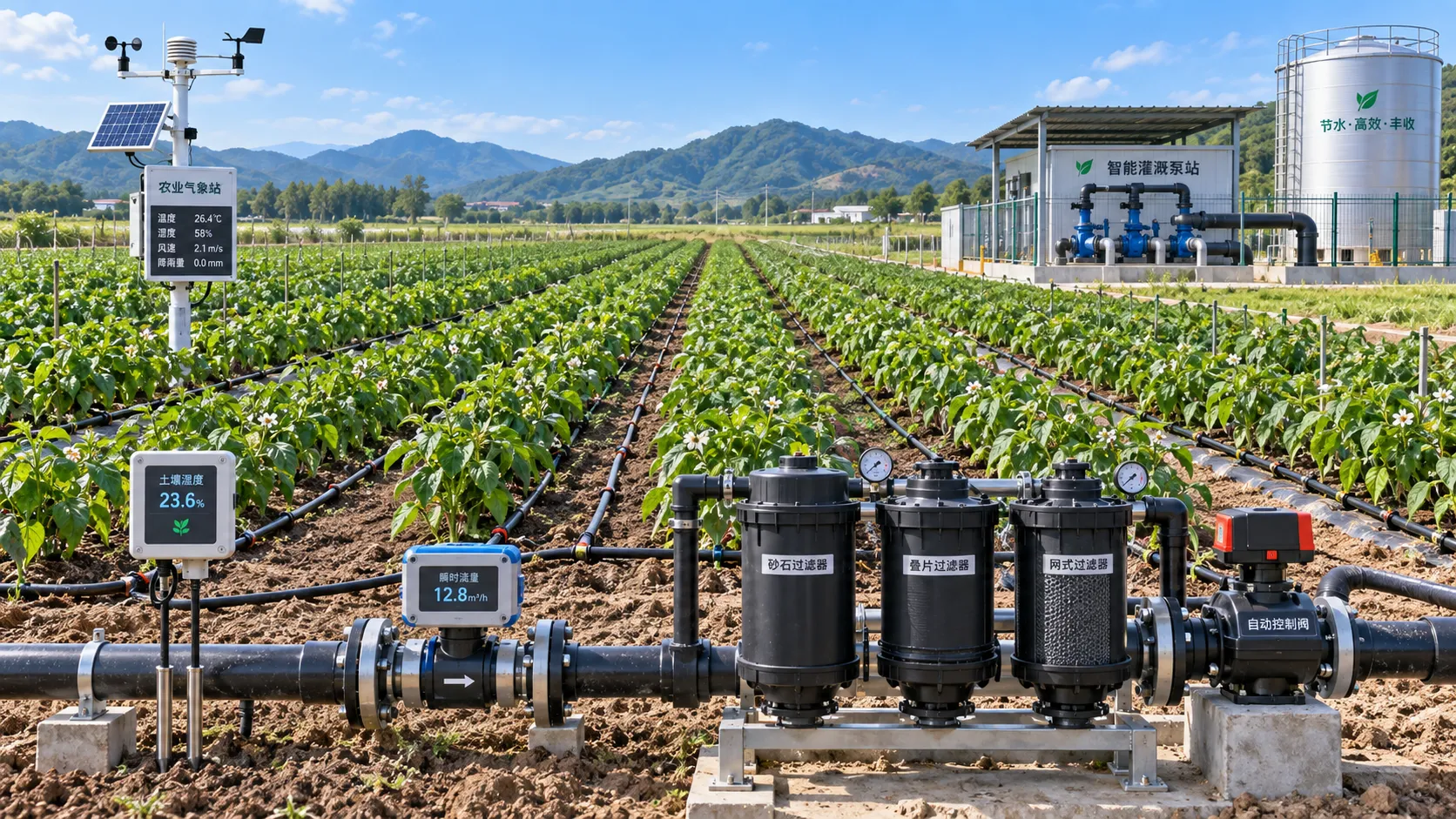
Automated Water-Saving Irrigation: How to Cut Water Use Without Reducing Crop Yields
Automated water-saving irrigation helps farms cut water use, protect crop yields, improve scheduling, and gain reliable control with sensors, flow monitoring, and smart zones.
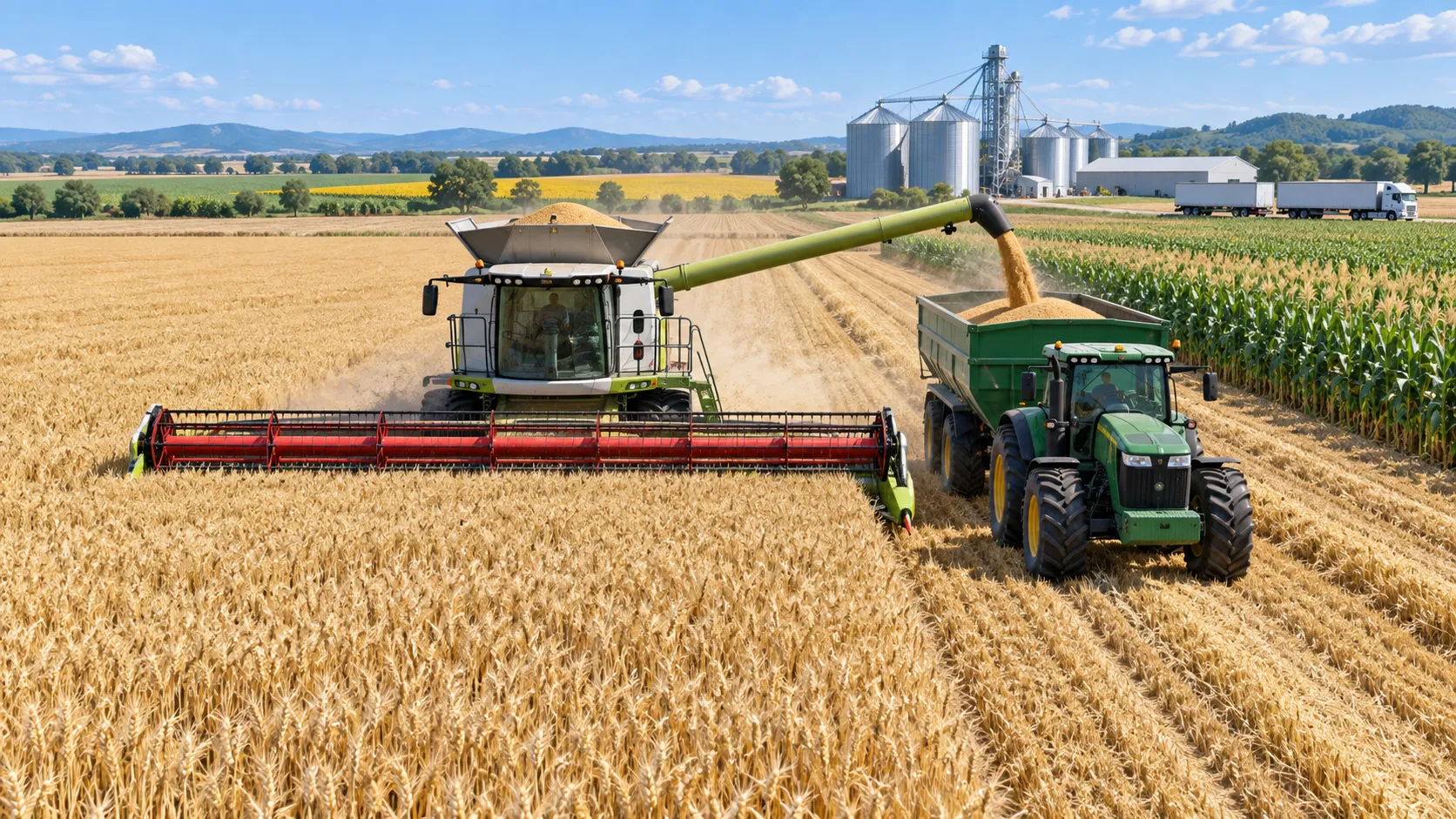
Selecting Grain Farm Equipment by Acreage, Crop Mix, and Harvest Window
Agricultural equipment selection for grain farming: match machinery to acreage, crop mix, and harvest windows to improve uptime, efficiency, and returns.
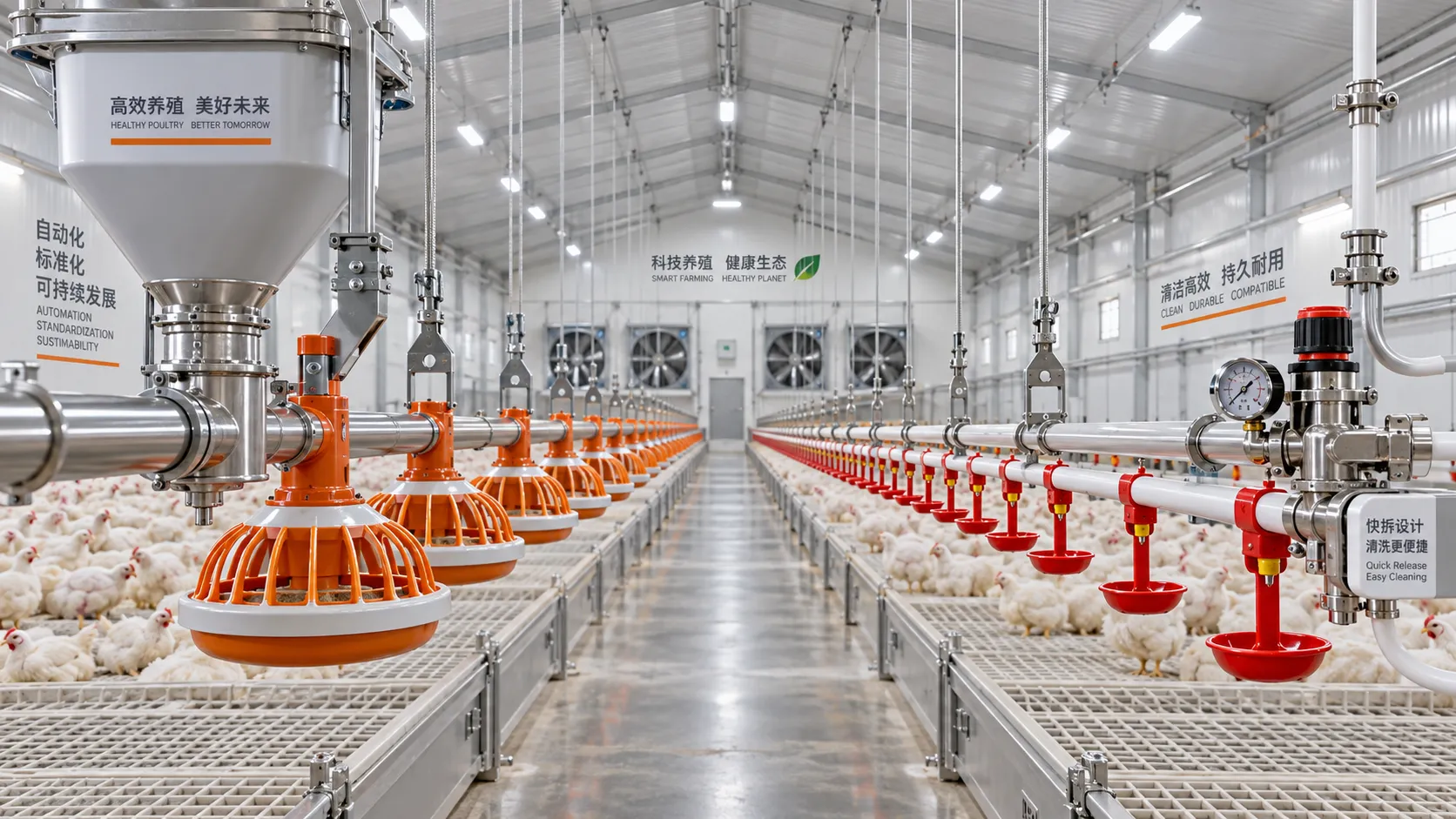
Poultry Equipment Selection: Evaluating Durability, Cleaning, and Compatibility
Poultry equipments selection guide: evaluate durability, cleaning access, and system compatibility to improve hygiene, reduce downtime, and support efficient flock management.
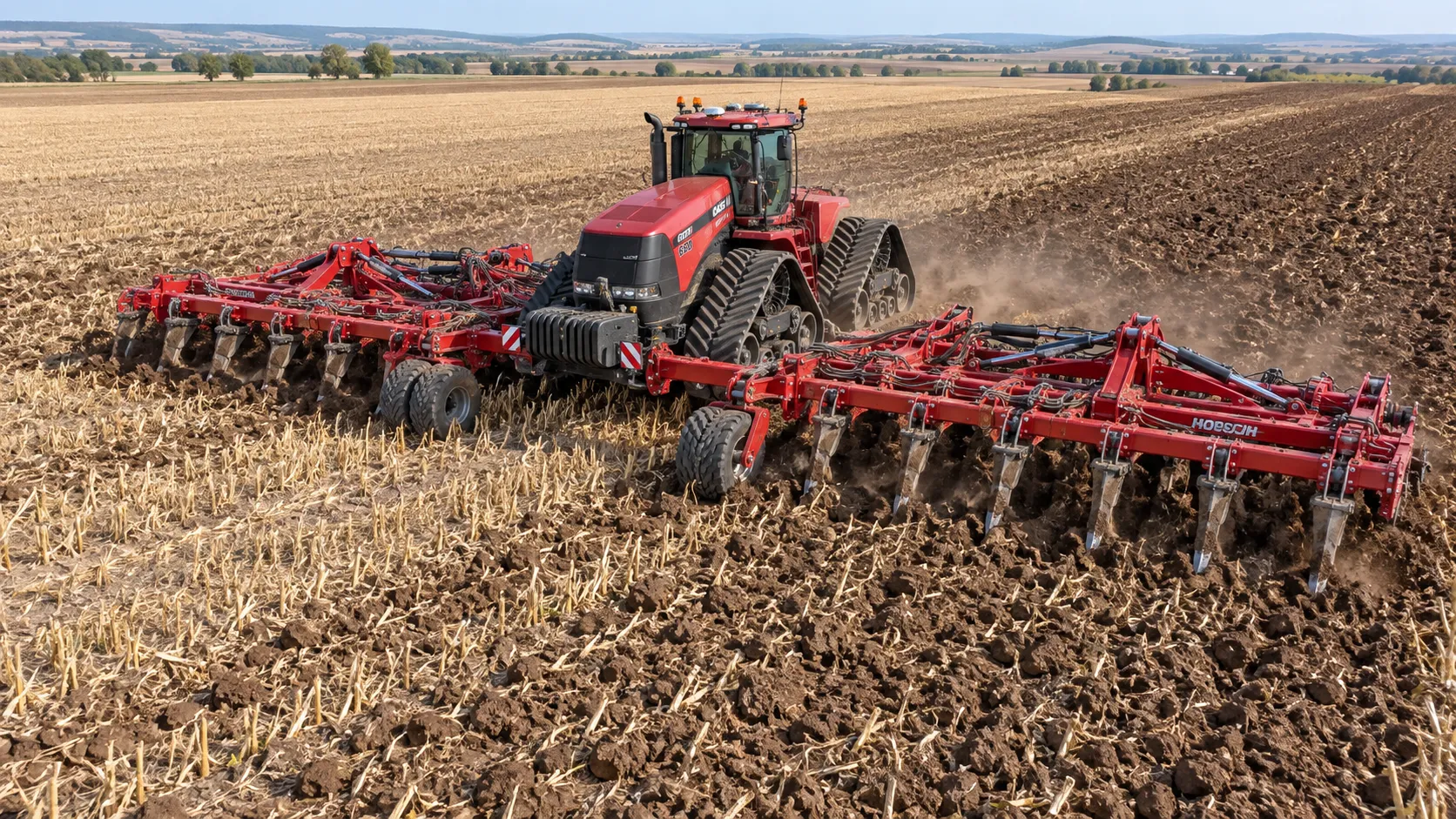
How to Select Heavy-Duty Farm Implements for High-Acreage, High-Horsepower Operations
Heavy duty farm implements: learn how to match draft, hydraulics, hitch capacity, frame strength, and field conditions for reliable high-acreage performance.
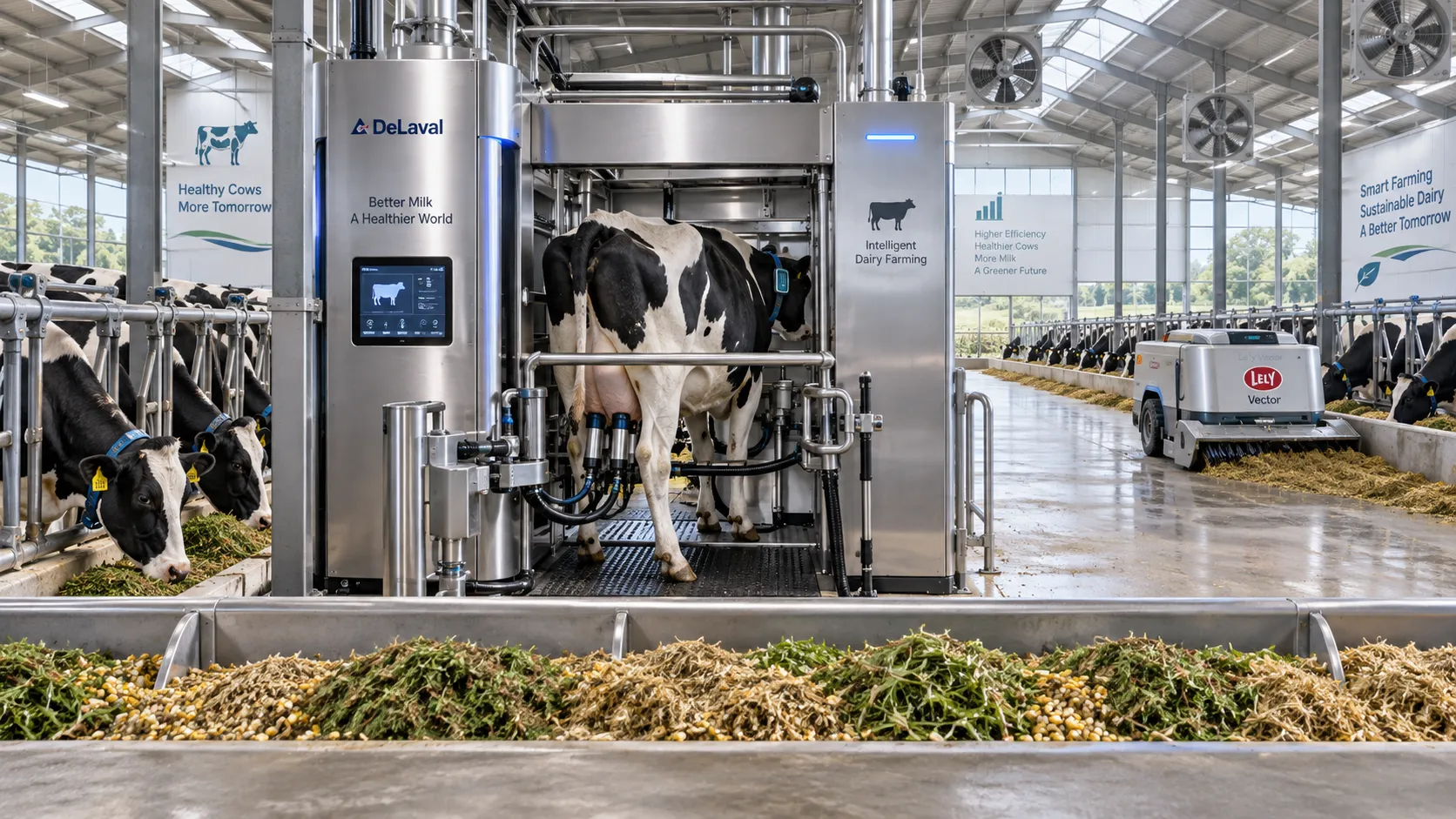
Smart Farming Technology for Dairy Farms: Where Automation Delivers Measurable ROI
Smart farming technology for dairy farms delivers measurable ROI through automation, precision feeding, health monitoring, and data-driven cost control.
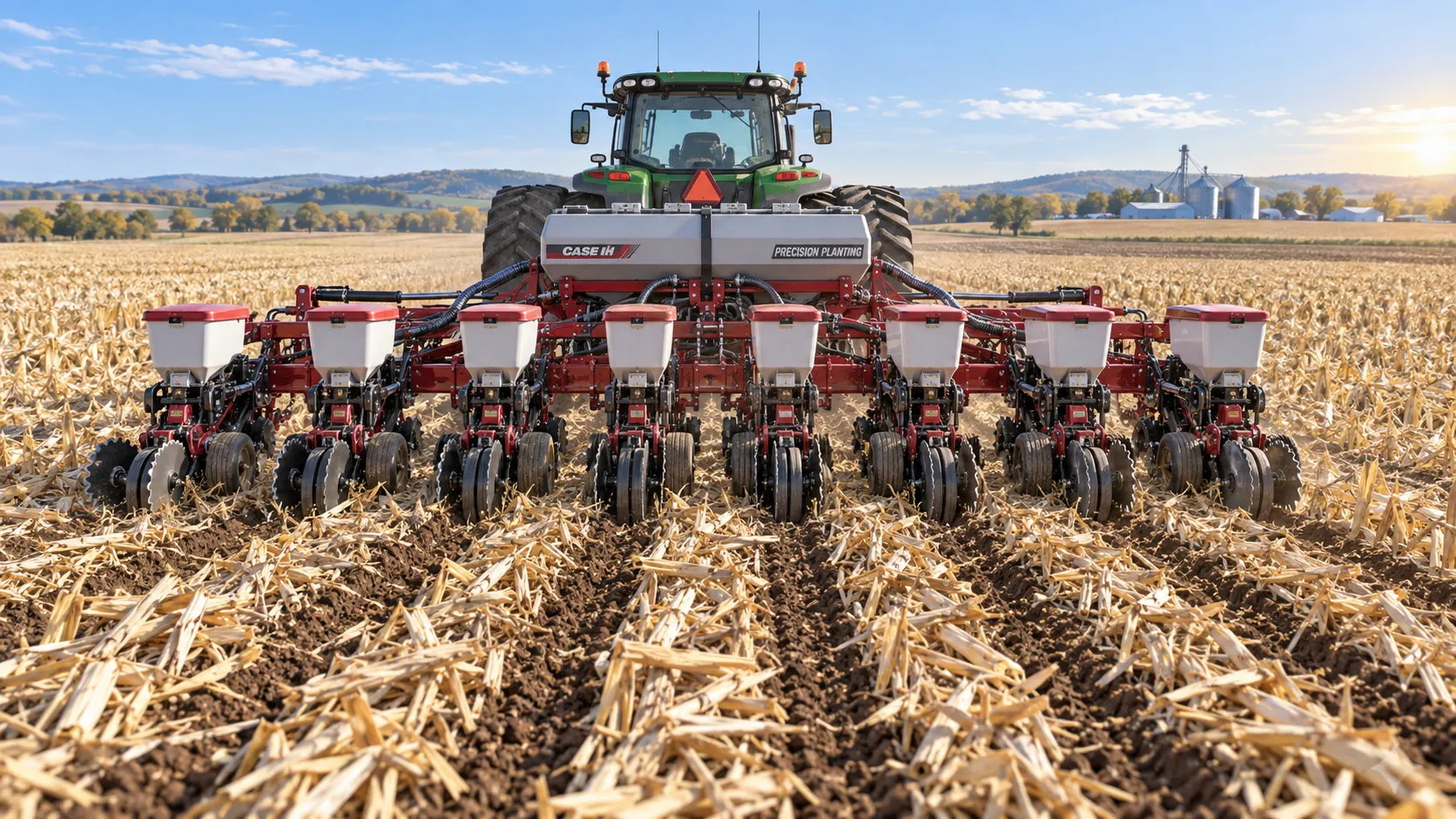
How to Select a Heavy-Duty Seeder for Large Acreage and High-Residue Fields
Heavy duty seeders for large acreage: compare residue handling, depth control, downforce, metering accuracy, and precision features to select the right model.
Related News
- 00
0000-00
Fuel-Efficient Tractor Powertrain: Which Specs Matter Most for Total Operating Cost? - 00
0000-00
CVT Transmissions Price Explained: What Drives Cost in Agricultural Machinery? - 00
0000-00
Dedicated CVT Rail Link Signals New Export Execution Standard - 00
0000-00
TUV Rheinland Sets New ASIL-B Rule for CVT Systems - 00
0000-00
ANVISA Clears First China-Made Bio-Based CVT Fluid for Brazil
Popular Tags
Tractor Power Architect
Weekly Insights
Stay ahead with our curated technology reports delivered every Monday.