
USDA Adds CVT Transmissions to High-Reliability Priority List
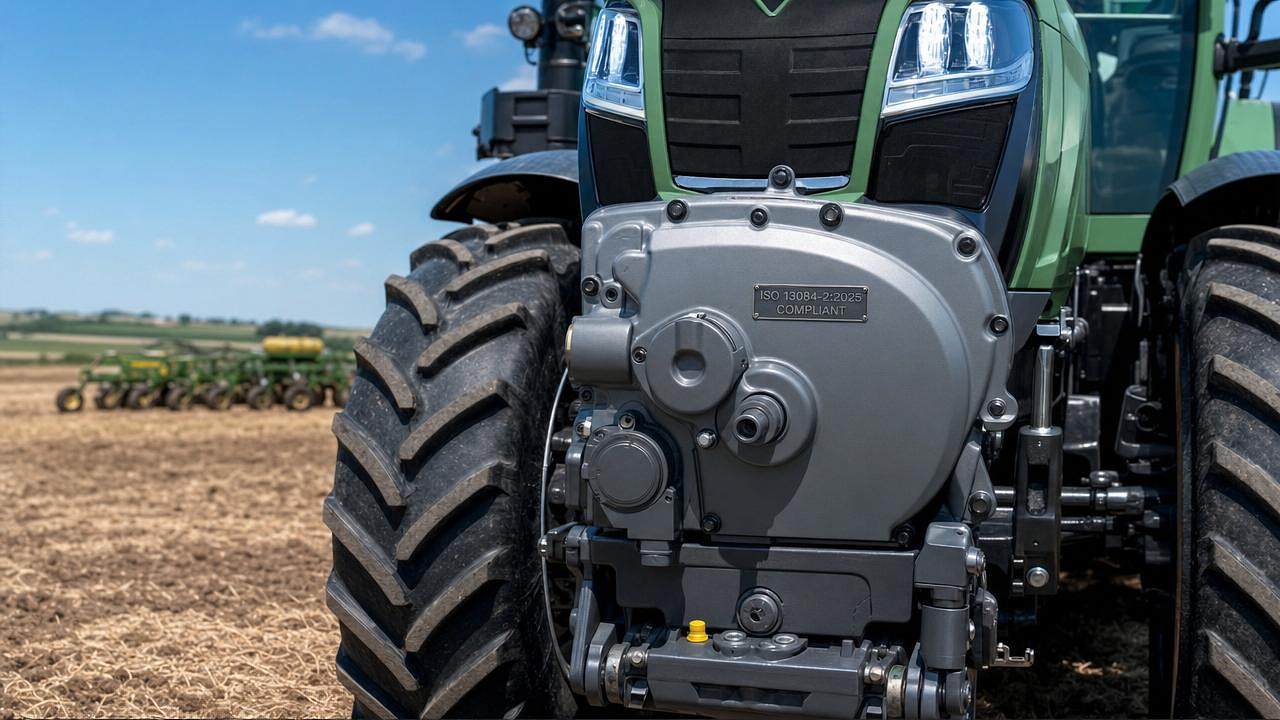




WASHINGTON, D.C. — May 15, 2026 — The U.S. Department of Agriculture (USDA) updated its procurement guidance for farm automation equipment, formally including Continuously Variable Transmission (CVT) systems in the High-Reliability Powertrain Systems priority category. This regulatory shift directly affects global supply chains serving the U.S. agricultural machinery market—particularly Chinese manufacturers supplying CVT components and integrated systems for tractors, self-propelled sprayers, and smart seeding platforms.
Event Overview
On May 15, 2026, the USDA published the revised 2026 Farm Automation Equipment Procurement Technical Guidance. The update explicitly lists CVT transmissions under the ‘High-Reliability Powertrain Systems’ recommended category. It mandates that suppliers submit ISO 13084-2:2025 compatibility verification reports as a prerequisite for eligibility in USDA-supported procurement programs and federal grant-linked equipment purchases.
Industries Affected
Direct Export Enterprises
Chinese OEMs and Tier-1 suppliers exporting CVT-equipped agricultural machinery or standalone CVT units to the U.S. now face stricter pre-market documentation requirements. Eligibility for USDA-backed contracts—including those tied to the Farm Bill’s Conservation Technical Assistance program—now hinges on verified compliance with ISO 13084-2:2025, which specifies performance, durability, and fault-diagnostic protocols for powertrain control systems. Non-compliant submissions may be rejected at the technical review stage, delaying contract award timelines by 8–12 weeks on average.
Raw Material & Component Procurement Firms
Suppliers of critical CVT subsystems—including hydraulic variator assemblies, electronic control units (ECUs), and torque-sensing sensors—must now ensure upstream traceability aligns with ISO 13084-2:2025’s data logging and calibration validation clauses. This increases demand for certified test labs and third-party conformity assessment services, especially for firms lacking in-house functional safety engineering capacity.
Manufacturing & Integration Facilities
Domestic and offshore CVT assembly plants supplying U.S.-bound equipment must revalidate production process controls against ISO 13084-2:2025 Annex B (Verification of Real-Time Diagnostic Coverage). That includes updating firmware validation logs, recalibrating end-of-line test benches, and retaining 36-month audit trails for diagnostic event reporting—adding incremental QA overhead estimated at 7–10% per production batch.
Supply Chain Service Providers
Certification consultants, customs brokers specializing in agricultural equipment, and technical documentation agencies are seeing rising demand for ISO 13084-2:2025 gap assessments and USDA-specific declaration packaging. Notably, translation and localization of technical reports into USDA-accepted English formatting (e.g., ANSI Z535-compliant hazard labeling, NIST-traceable unit notation) has become a non-negotiable service layer—not just language conversion.
Key Focus Areas & Recommended Actions
Verify ISO 13084-2:2025 Compliance Scope Early
Suppliers should confirm whether their current ISO 13084-2 certification covers the 2025 edition’s expanded scope—especially Clause 7.4 (Dynamic Load Cycle Validation) and Annex D (Cybersecurity Interface Requirements for Telematics-Linked CVTs). Retrospective grandfathering is not permitted under the new guidance.
Align Documentation with USDA’s Technical Submission Framework
The USDA requires submission packages to include three distinct artifacts: (1) a signed Declaration of Conformity referencing ISO 13084-2:2025; (2) a Test Summary Report issued by an ILAC-accredited lab; and (3) a Configuration Control Record listing all firmware/hardware revisions validated during testing. Templates are available via the USDA Agricultural Marketing Service (AMS) portal—but only after registration in the Supplier Qualification System (SQS).
Assess Impact on Existing Contract Fulfillment
Contracts awarded prior to May 15, 2026 remain valid under original terms. However, any contract modification, extension, or follow-on order triggered after that date falls under the revised guidance—even if original award occurred in Q1 2026. Proactive revision planning is advised for multi-year delivery schedules.
Editorial Perspective / Industry Observation
Observably, this move signals a broader shift from component-level interoperability standards toward system-level reliability assurance in USDA procurement—mirroring trends in EU’s Machinery Regulation (EU) 2023/1230. Analysis shows that CVT inclusion reflects growing operational reliance on seamless speed-torque modulation in precision agriculture applications, where transient load response directly impacts yield consistency and input efficiency. From an industry perspective, the emphasis on ISO 13084-2:2025 suggests USDA is prioritizing field-proven robustness over theoretical design margins—a departure from prior guidance that focused primarily on mechanical durability. Current more critical to monitor is how state-level agricultural extension programs interpret and enforce these requirements, given their role in disbursing USDA-funded equipment subsidies.
Conclusion
This update does not introduce new product bans or tariffs—but it raises the technical due diligence bar for market access. For CVT suppliers, it marks a transition from ‘performance-verified’ to ‘system-resilience-validated’ as the baseline expectation. A rational interpretation is that the USDA is institutionalizing reliability as a measurable, auditable, and enforceable procurement criterion—not merely a marketing claim.
Source Attribution
U.S. Department of Agriculture, 2026 Farm Automation Equipment Procurement Technical Guidance (Revision 1.2), published May 15, 2026, AMS-FAE-TG-2026-R1.2. Available at: https://www.ams.usda.gov/fae-guidance.
ISO 13084-2:2025, Agricultural machinery — Powertrain systems for automated tractors — Part 2: Functional safety and diagnostic requirements, International Organization for Standardization, 2025.
Note: Implementation timelines for state-level adoption, enforcement thresholds for minor non-conformities, and applicability to USDA loan guarantee programs remain under active clarification and will be updated in the Federal Register by July 31, 2026.
Related News
How Sensor Feedback Enables Accurate Variable-Rate Fertilization in Field Conditions
Precision fertilization systems with sensor feedback improve variable-rate accuracy by verifying flow, managing latency, and ensuring reliable field application.
How to Select Precision Crop Protection Equipment for Variable Field Conditions
Precision crop protection equipment selection made simple: compare terrain, canopy, weather, control accuracy, and data workflows for reliable applications.
When Does Agricultural Machinery Leasing Cost Less Than Owning Equipment?
Agricultural machinery leasing can lower farm costs when use is seasonal or uncertain. Compare utilization, maintenance, cash flow, and risk to make a smarter equipment decision.
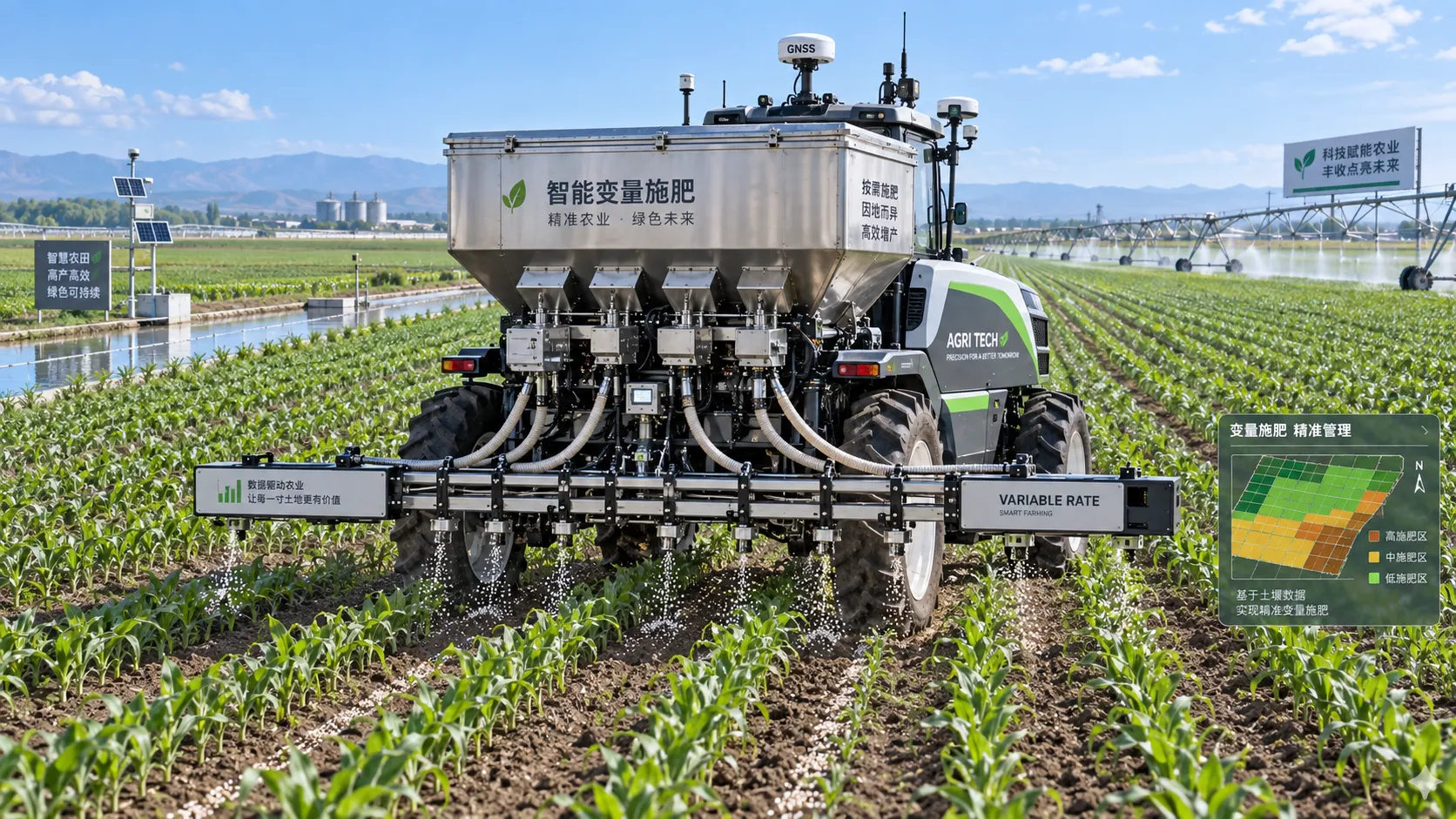
How to Evaluate Precision Fertilization System Suppliers for Farm-Scale Deployment
Precision fertilization systems suppliers: learn how to compare accuracy, integration, uptime, service, and total cost for confident farm-scale deployment.
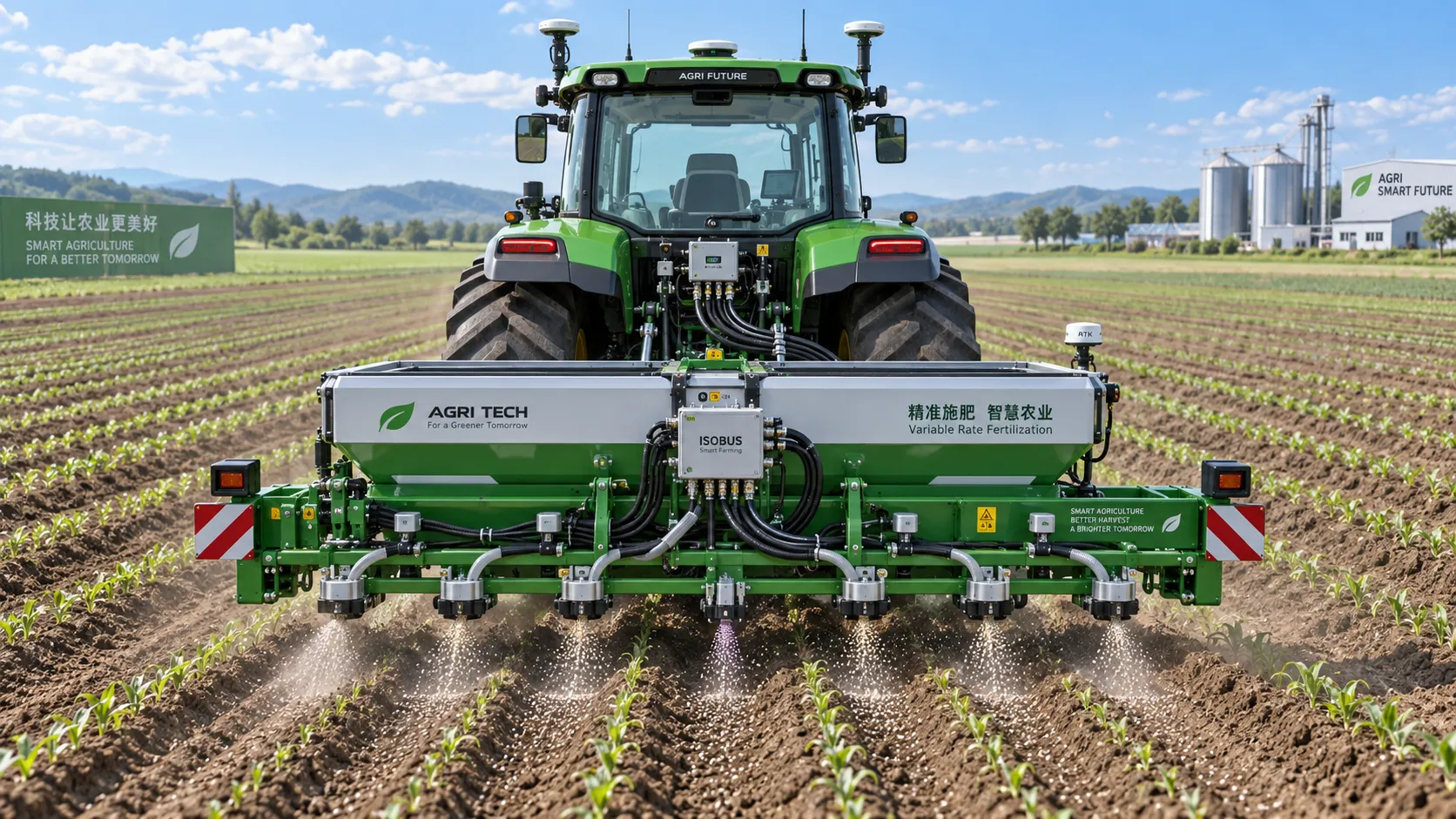
ISOBUS for Smart Agriculture: How It Connects Tractors, Implements, and Farm Data
ISOBUS for smart agriculture connects tractors, implements, terminals, and farm data—helping growers improve precision, documentation, and smarter field decisions.
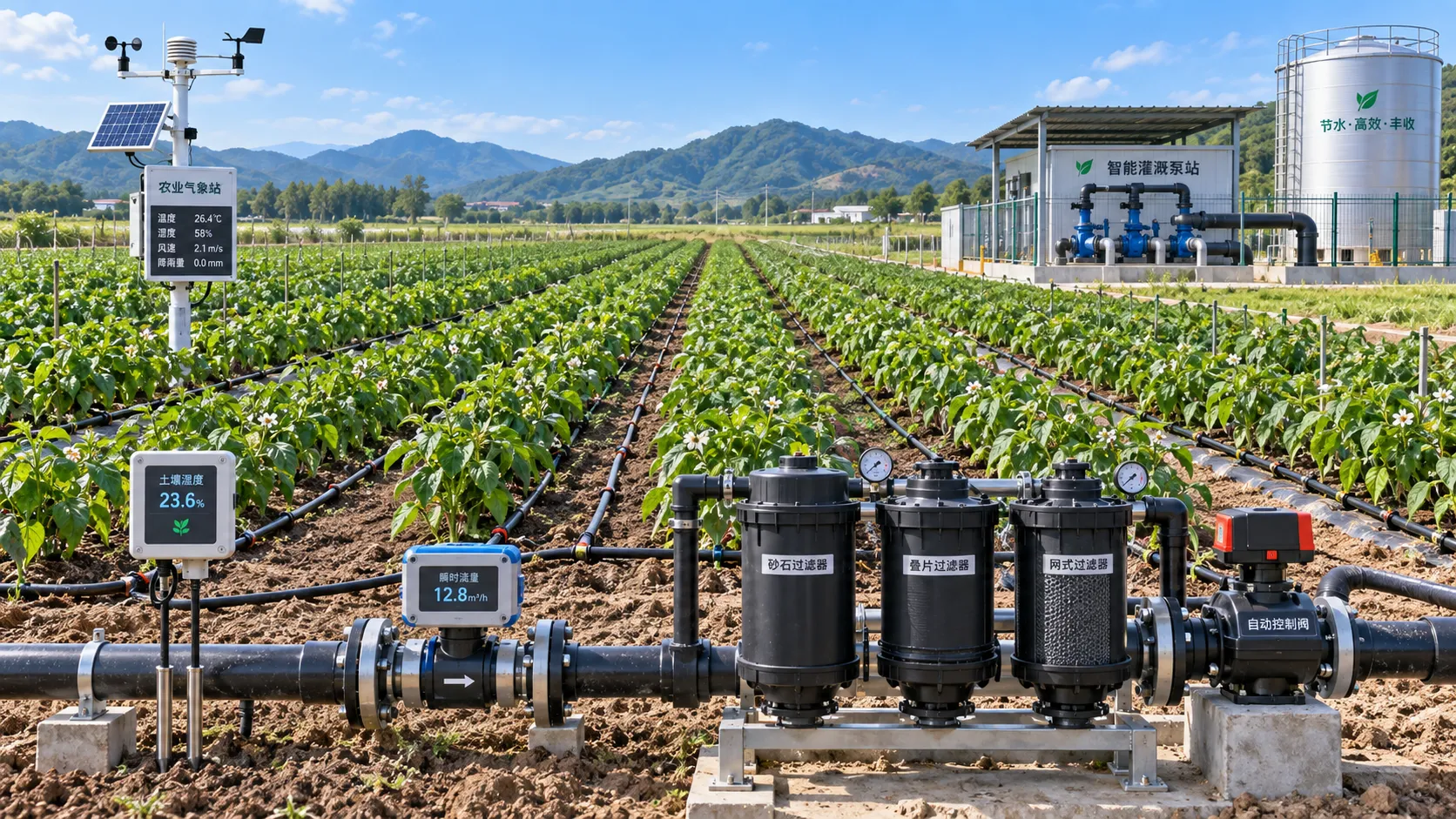
Automated Water-Saving Irrigation: How to Cut Water Use Without Reducing Crop Yields
Automated water-saving irrigation helps farms cut water use, protect crop yields, improve scheduling, and gain reliable control with sensors, flow monitoring, and smart zones.
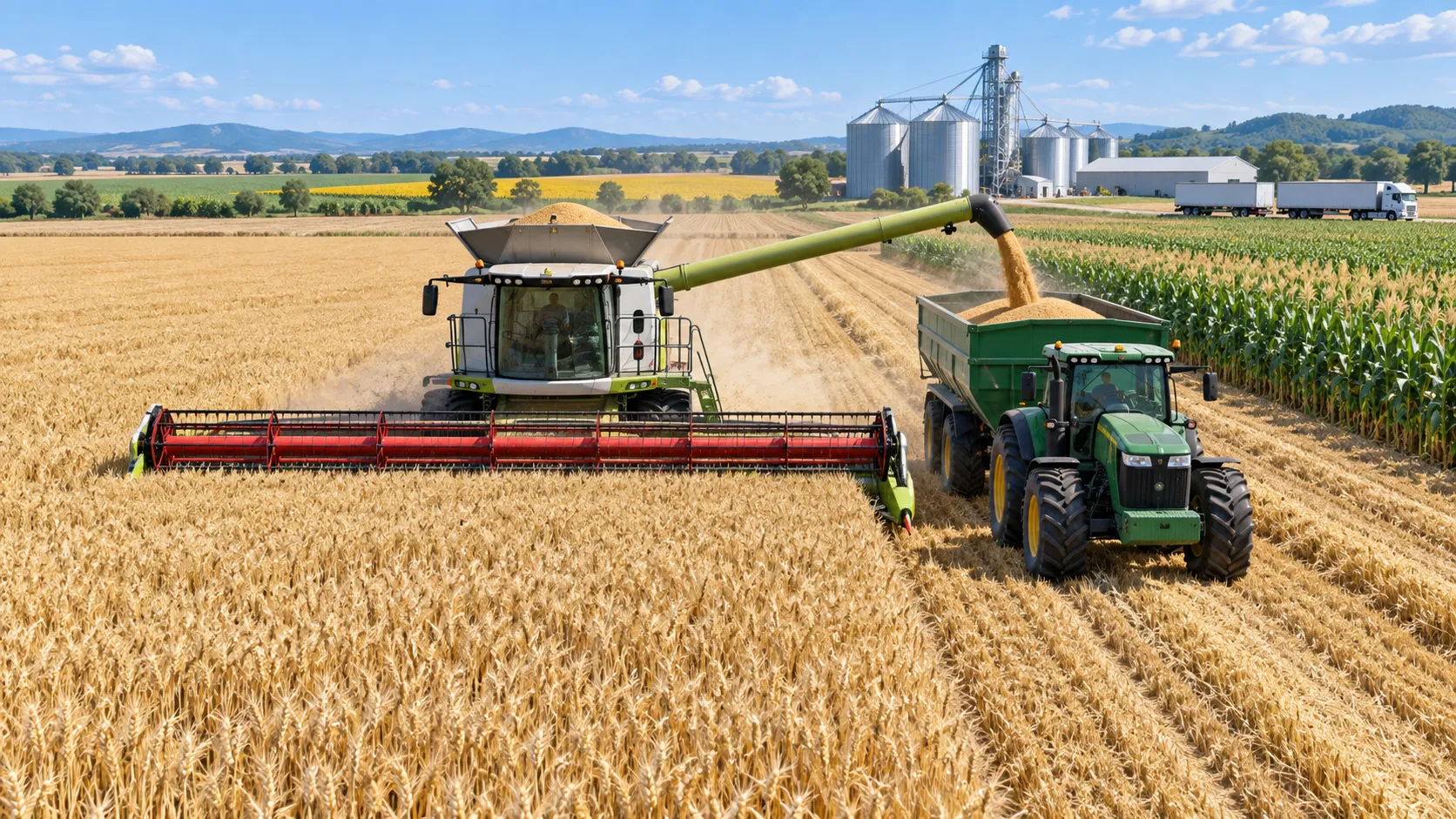
Selecting Grain Farm Equipment by Acreage, Crop Mix, and Harvest Window
Agricultural equipment selection for grain farming: match machinery to acreage, crop mix, and harvest windows to improve uptime, efficiency, and returns.
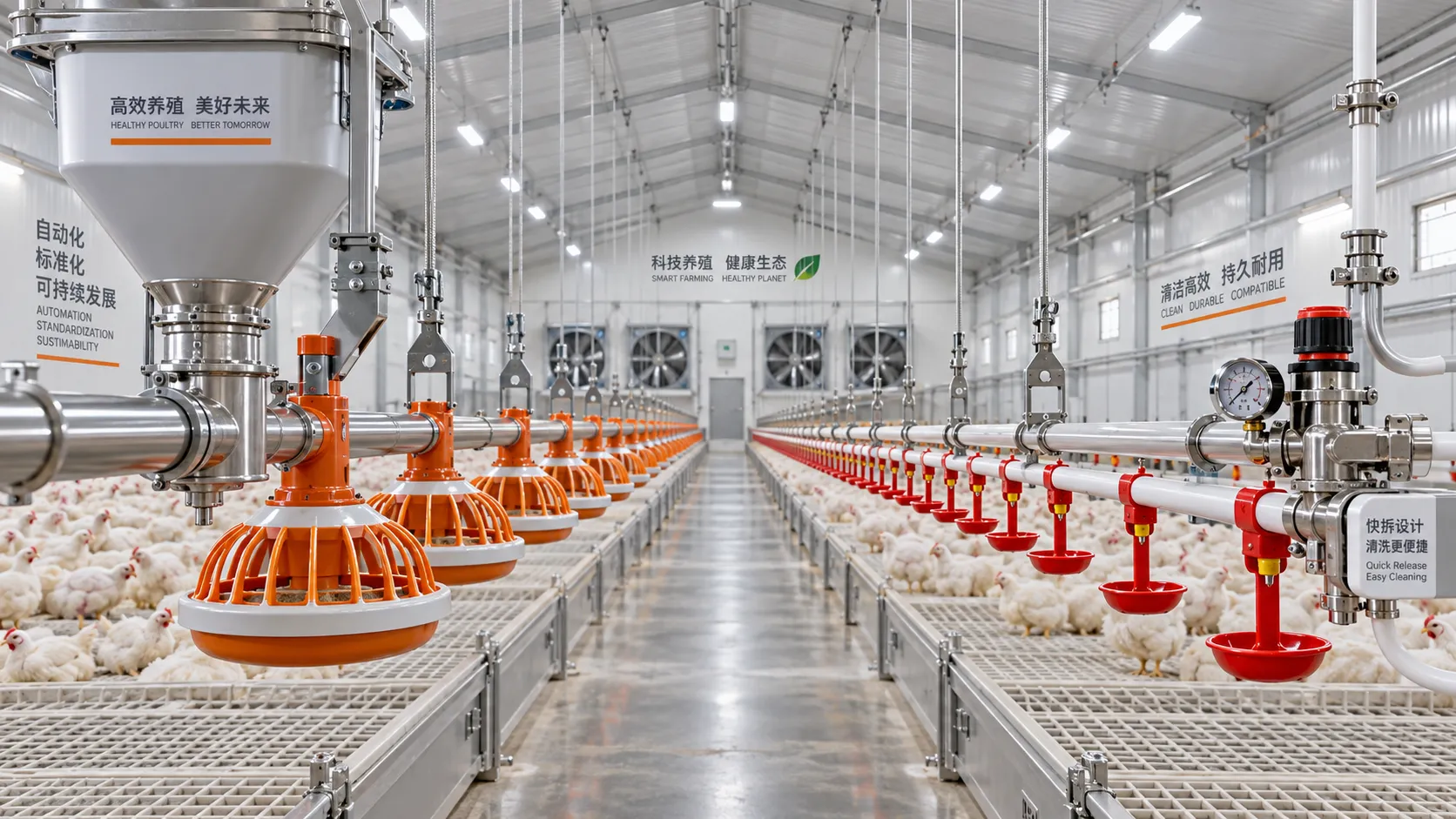
Poultry Equipment Selection: Evaluating Durability, Cleaning, and Compatibility
Poultry equipments selection guide: evaluate durability, cleaning access, and system compatibility to improve hygiene, reduce downtime, and support efficient flock management.
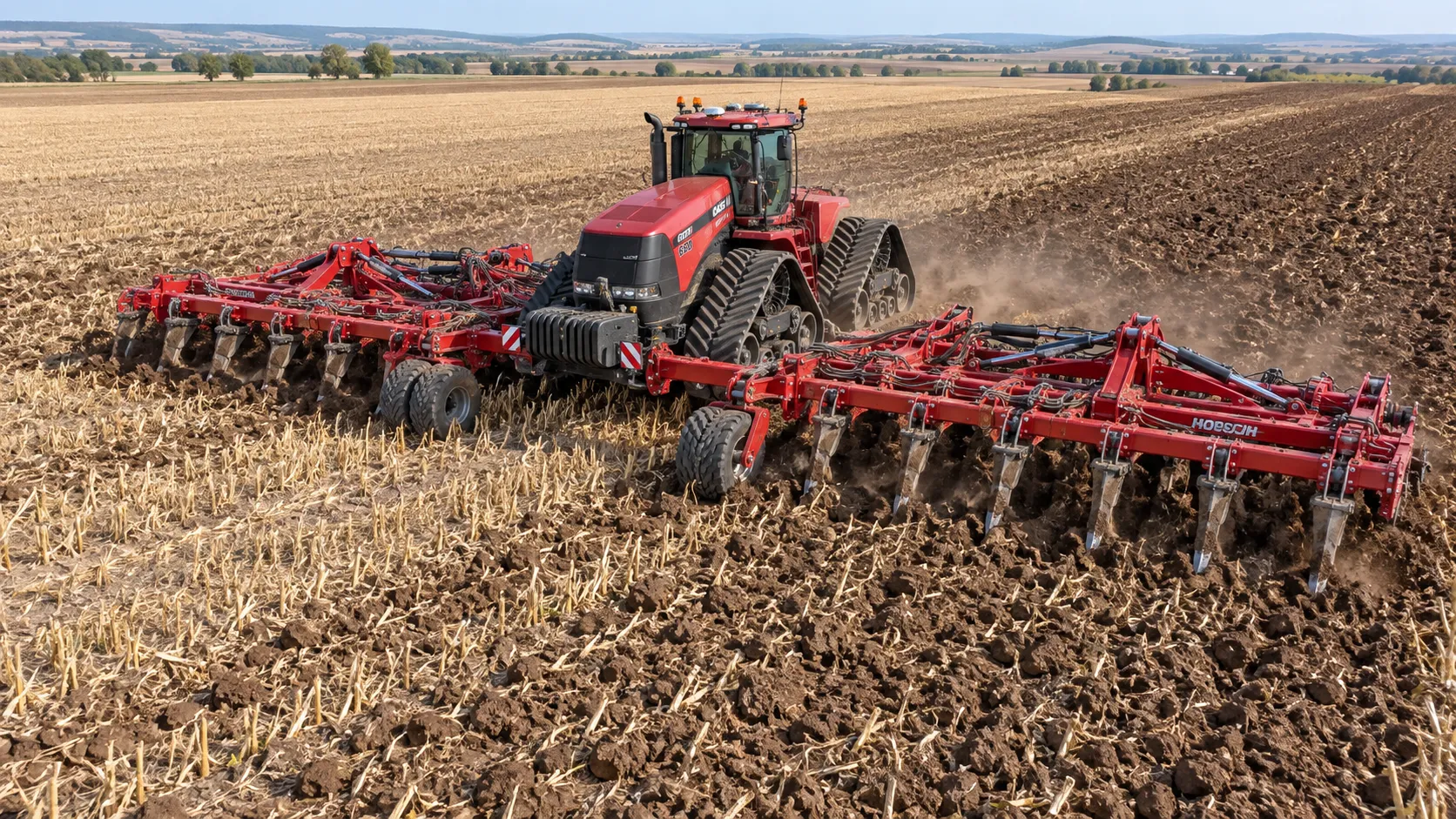
How to Select Heavy-Duty Farm Implements for High-Acreage, High-Horsepower Operations
Heavy duty farm implements: learn how to match draft, hydraulics, hitch capacity, frame strength, and field conditions for reliable high-acreage performance.
Related News
- 00
0000-00
Fuel-Efficient Tractor Powertrain: Which Specs Matter Most for Total Operating Cost? - 00
0000-00
CVT Transmissions Price Explained: What Drives Cost in Agricultural Machinery? - 00
0000-00
Dedicated CVT Rail Link Signals New Export Execution Standard - 00
0000-00
TUV Rheinland Sets New ASIL-B Rule for CVT Systems - 00
0000-00
ANVISA Clears First China-Made Bio-Based CVT Fluid for Brazil
Popular Tags
Tractor Power Architect
Weekly Insights
Stay ahead with our curated technology reports delivered every Monday.