
USDA Adds CVT Transmissions to 2026 Farm Automation Procurement Guide
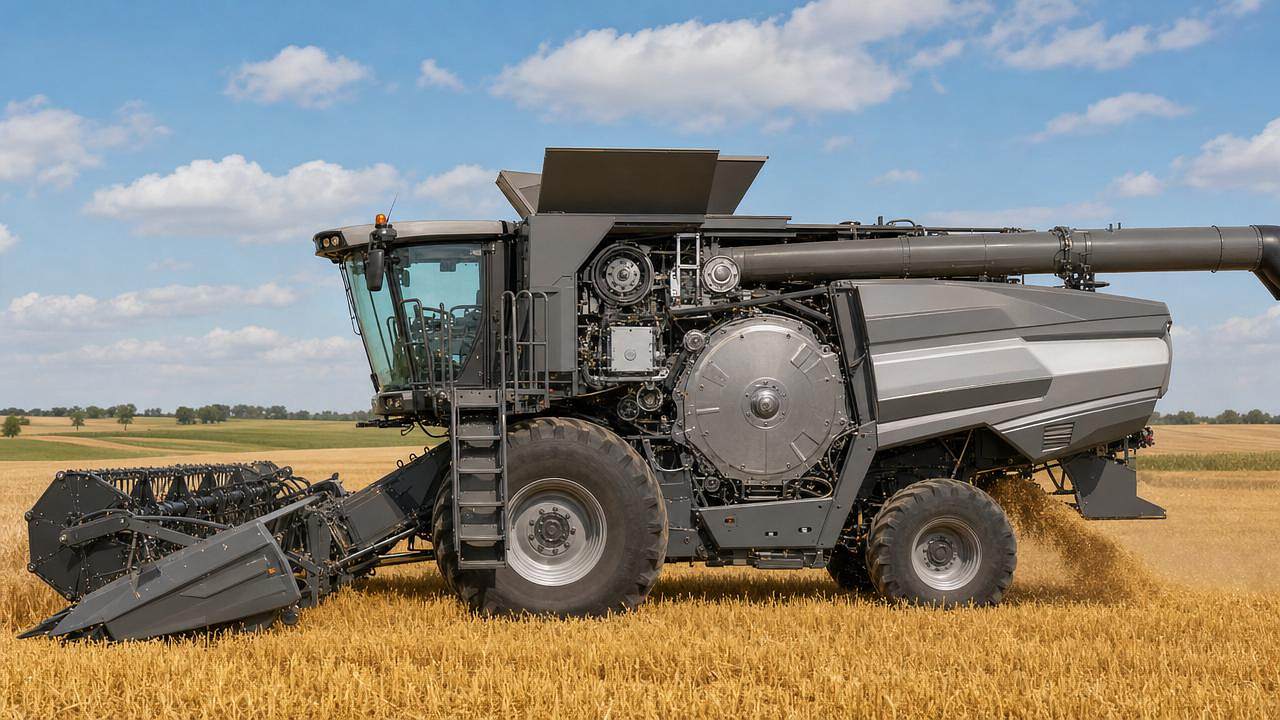




On May 14, 2026, the U.S. Department of Agriculture (USDA) released its 2026 Farm Automation Procurement Guidance, marking the first time Continuously Variable Transmission (CVT) systems were formally included in the ‘High-Reliability Powertrain’ priority recommendation list. This update signals a notable shift in federal technical benchmarking for automated agricultural equipment — particularly in procurement decisions by state-level agricultural agencies and large-scale farming cooperatives.
Event Overview
The USDA issued the 2026 Farm Automation Procurement Guidance on May 14, 2026. The document explicitly names CVT Transmissions as a ‘High-Reliability Powertrain’ component, highlighting their demonstrated advantages in energy efficiency and dynamic load adaptation for grain combines and forage harvesters. While the guidance carries no regulatory or statutory force, it has already been adopted as a technical reference in public procurement specifications by agriculture departments in California, Iowa, and several other major farming states.
Industries Affected
Direct Trade Enterprises: Exporters and distributors specializing in agricultural powertrain components face revised technical expectations in U.S. public tenders. Inclusion of CVTs in the priority list increases demand visibility for compliant CVT suppliers — especially those with USDA-aligned certification documentation — but also raises competitive pressure on legacy transmission vendors lacking comparable validation pathways.
Raw Material Procurement Firms: Companies sourcing high-tolerance steel alloys, specialized hydraulic fluids, and precision-machined planetary gear sets may see shifting volume forecasts. CVT production typically requires tighter metallurgical tolerances and higher-grade friction materials than conventional gearboxes; procurement strategies must now anticipate increased demand for these inputs — though timing remains contingent on downstream OEM adoption rates.
Manufacturing Enterprises: Original Equipment Manufacturers (OEMs) of grain combines and forage harvesters are not mandated to adopt CVTs, but face growing commercial incentive to do so when bidding on state-funded automation grants or fleet modernization contracts. Integration timelines, recalibration of control software stacks, and service training pipelines become immediate operational considerations — especially for firms without prior CVT platform experience.
Supply Chain Service Providers: Logistics and after-sales support networks — including parts warehousing, diagnostic tool licensing, and technician certification programs — must assess whether current infrastructure aligns with CVT-specific service requirements. Unlike fixed-ratio transmissions, CVTs involve unique failure modes (e.g., belt wear under sustained high-torque conditions), requiring updated diagnostic protocols and spare-part inventory planning.
Key Considerations and Recommended Actions
Review and Align Technical Documentation
Firms supplying CVT systems or related subsystems should verify that existing test reports, durability data, and field performance records meet the criteria implied by the USDA’s ‘high reliability’ designation — particularly regarding thermal stability under continuous heavy-load operation and real-world dust/moisture exposure in harvesting environments.
Evaluate State-Level Procurement Calendars
Since adoption is voluntary at the federal level but increasingly binding at the state level, companies should monitor upcoming RFPs from California’s Department of Food and Agriculture and Iowa’s Office of Agricultural Development. Early engagement with procurement officers can clarify how ‘priority recommendation’ status translates into evaluation weighting within technical scoring rubrics.
Assess Integration Readiness Across Product Lines
OEMs and Tier-1 suppliers should conduct internal gap analyses on CVT integration — covering mechanical interface compatibility, CAN bus communication protocols, and operator interface consistency — rather than treating this as a standalone component upgrade. System-level validation will likely influence bid competitiveness more than component-level compliance alone.
Editorial Perspective / Industry Observation
Observably, this guidance reflects a broader trend: U.S. agricultural policy is moving from output-focused subsidies toward infrastructure-readiness benchmarks for automation. The inclusion of CVTs — long established in passenger vehicles but historically underrepresented in heavy-duty ag machinery — suggests a growing emphasis on operational continuity and fuel economy over raw peak power. Analysis shows that while CVTs reduce engine-on-time per hectare, their long-term maintenance economics remain less transparent than traditional hydrostatic or powershift systems. Current adoption remains largely procurement-driven rather than yield-driven — meaning near-term uptake will hinge more on funding eligibility than agronomic ROI.
Conclusion
This update does not mandate technology substitution, but it redefines the technical baseline for publicly supported farm automation investments. For industry stakeholders, it represents a signal — not a deadline — indicating where reliability, adaptability, and energy management are increasingly weighted alongside traditional metrics like torque capacity and uptime. A measured, evidence-based response — anchored in real-world field data and not just compliance alignment — remains the most sustainable path forward.
Source Attribution
U.S. Department of Agriculture, 2026 Farm Automation Procurement Guidance, published May 14, 2026 (USDA Publication No. APG-2026-01). Available at: https://www.usda.gov/farm-automation-guidance-2026.
Adoption status confirmed via official procurement notices from the California Department of Food and Agriculture (Notice CA-FA-2026-087) and Iowa Department of Agriculture and Land Stewardship (RFP IA-AG-AUTO-2026-04).
Note: Ongoing monitoring is recommended for USDA’s forthcoming ‘Powertrain Reliability Verification Protocol’, currently in draft stage (Docket No. USDA-AMS-2026-0032).
Related News
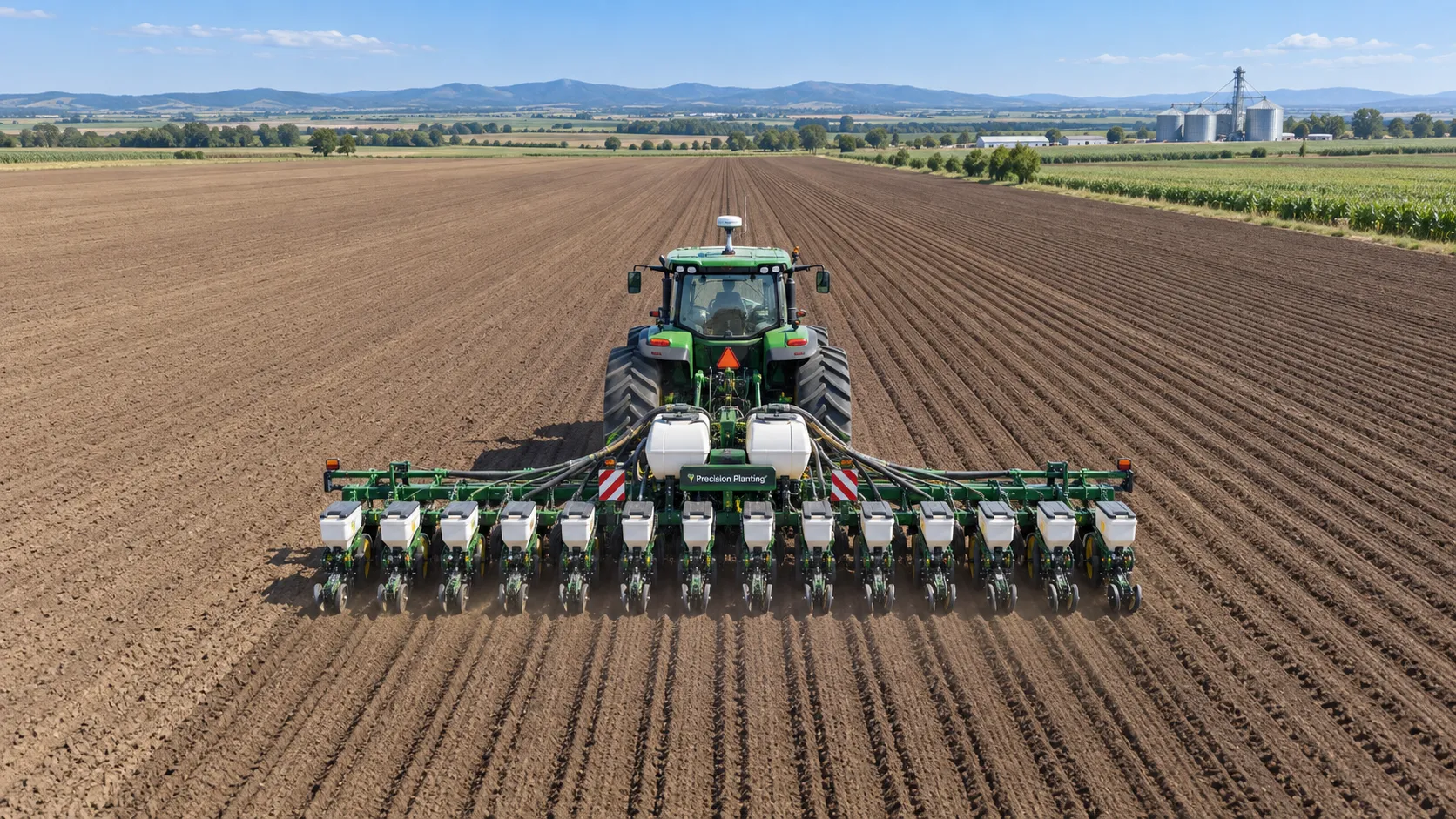
GPS-Guided Farm Machinery: Where It Delivers Measurable Field Efficiency Gains
Agri-mechanization GPS guided systems deliver measurable field efficiency gains through reduced overlap, precise planting, smarter inputs, and reliable farm data.
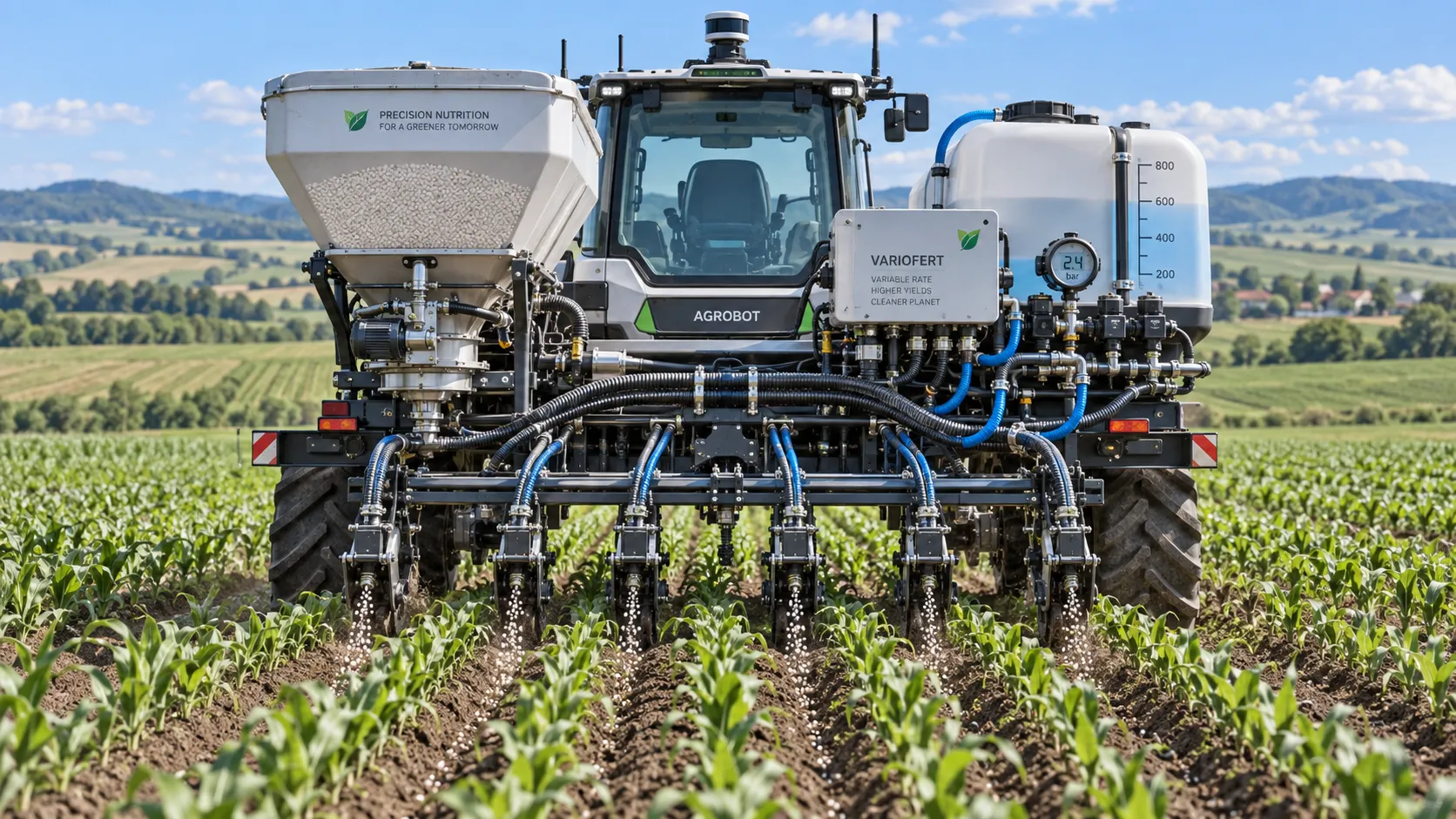
How Sensor Feedback Enables Accurate Variable-Rate Fertilization in Field Conditions
Precision fertilization systems with sensor feedback improve variable-rate accuracy by verifying flow, managing latency, and ensuring reliable field application.
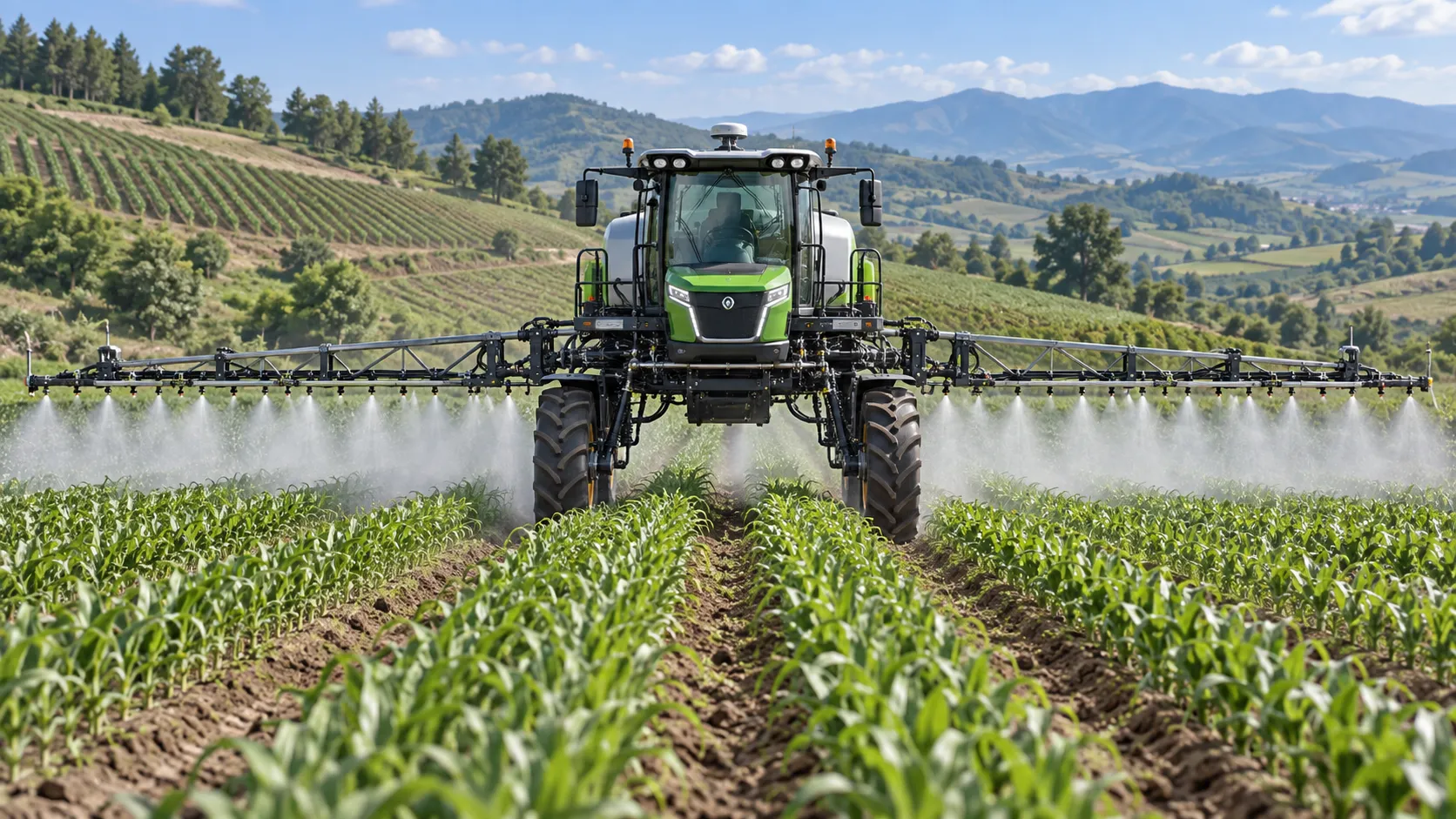
How to Select Precision Crop Protection Equipment for Variable Field Conditions
Precision crop protection equipment selection made simple: compare terrain, canopy, weather, control accuracy, and data workflows for reliable applications.
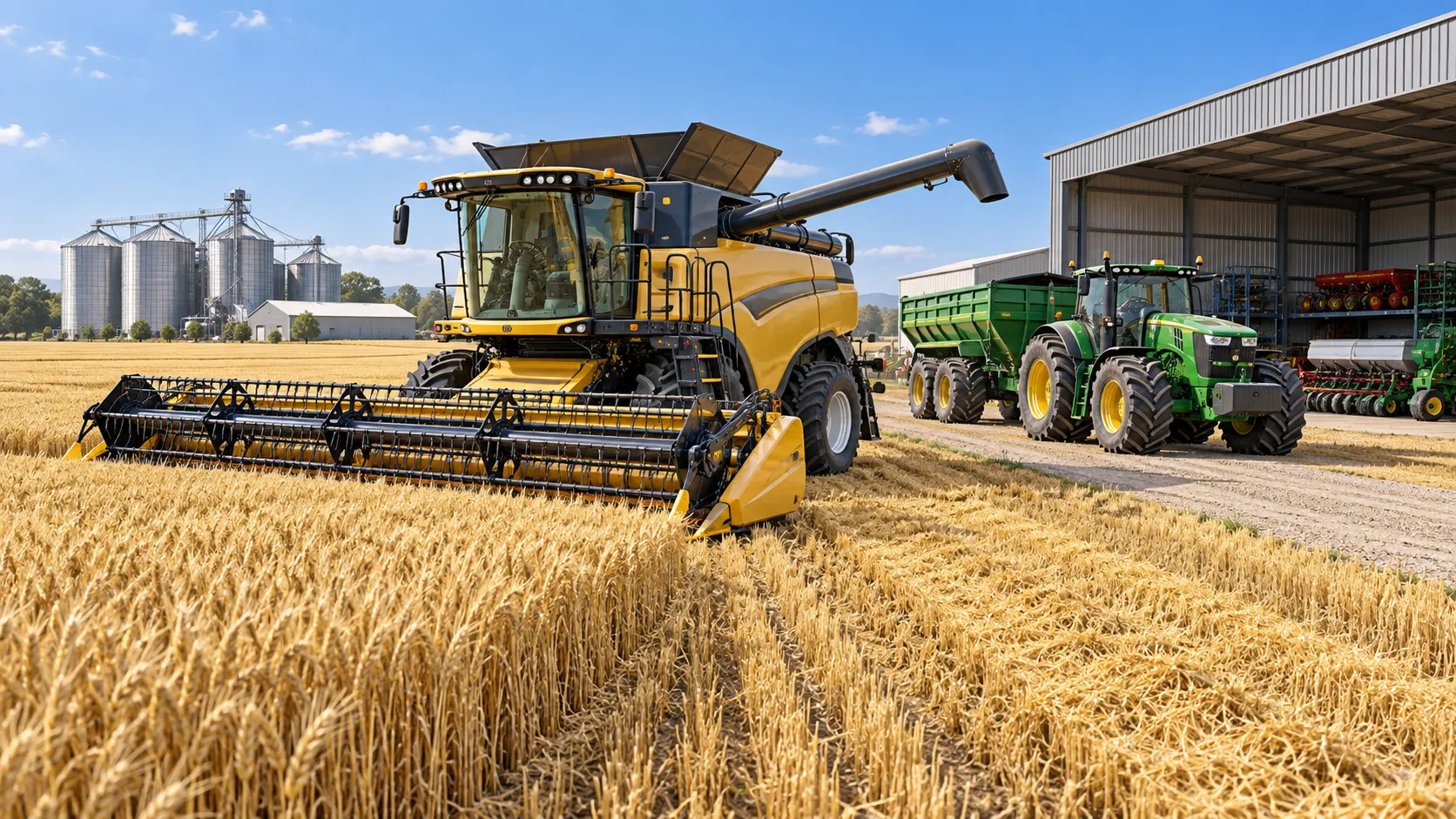
When Does Agricultural Machinery Leasing Cost Less Than Owning Equipment?
Agricultural machinery leasing can lower farm costs when use is seasonal or uncertain. Compare utilization, maintenance, cash flow, and risk to make a smarter equipment decision.
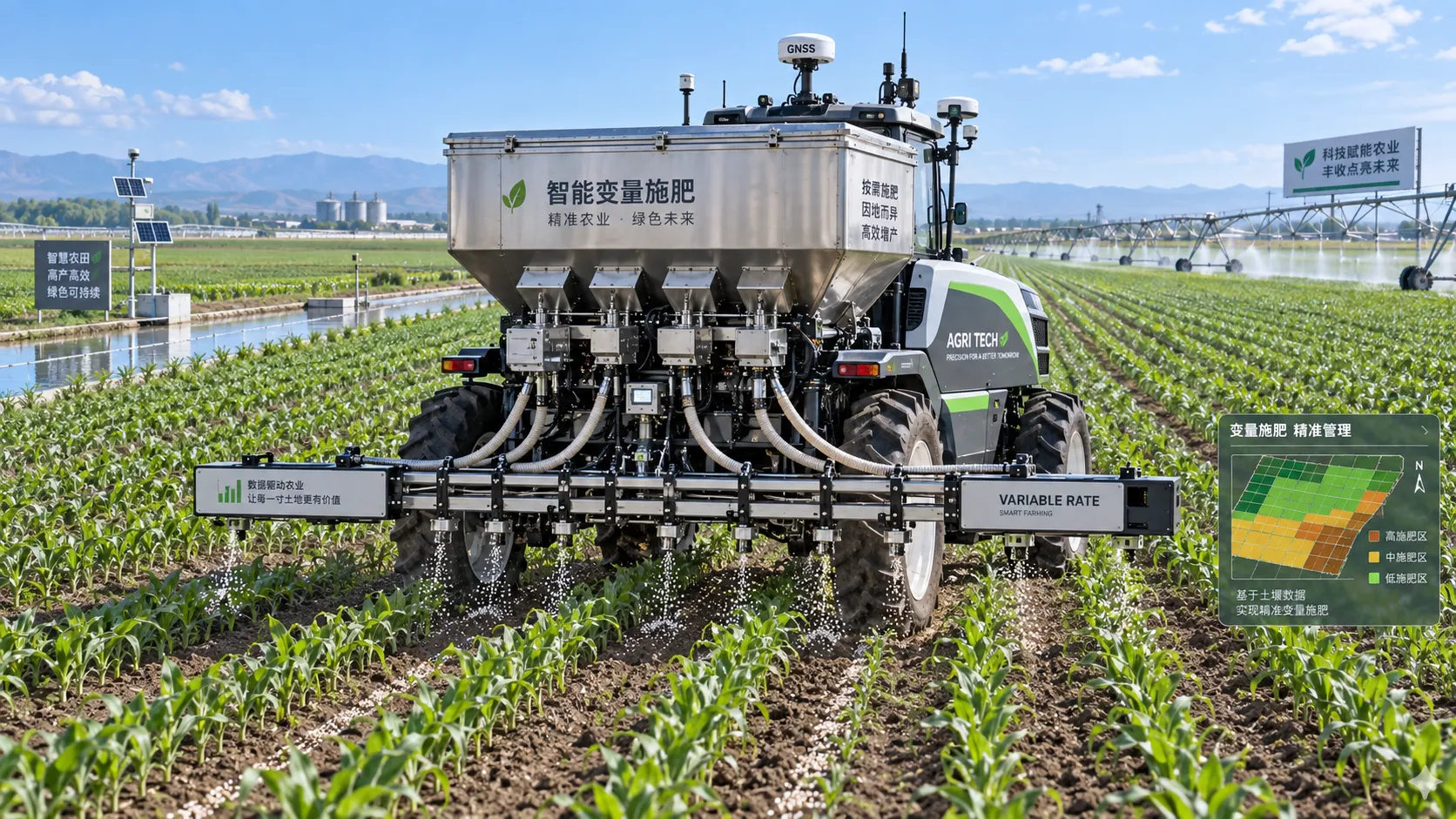
How to Evaluate Precision Fertilization System Suppliers for Farm-Scale Deployment
Precision fertilization systems suppliers: learn how to compare accuracy, integration, uptime, service, and total cost for confident farm-scale deployment.
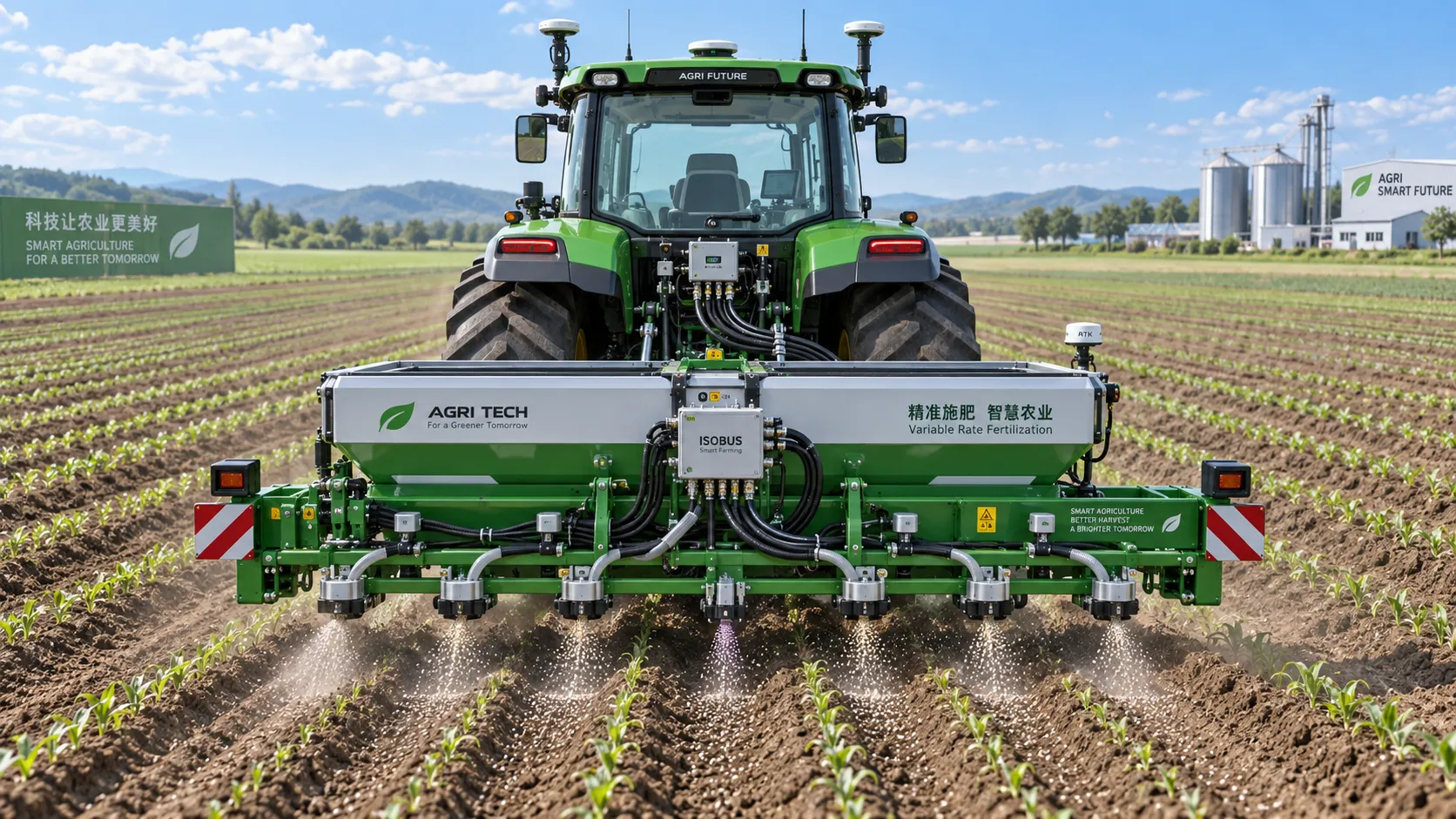
ISOBUS for Smart Agriculture: How It Connects Tractors, Implements, and Farm Data
ISOBUS for smart agriculture connects tractors, implements, terminals, and farm data—helping growers improve precision, documentation, and smarter field decisions.
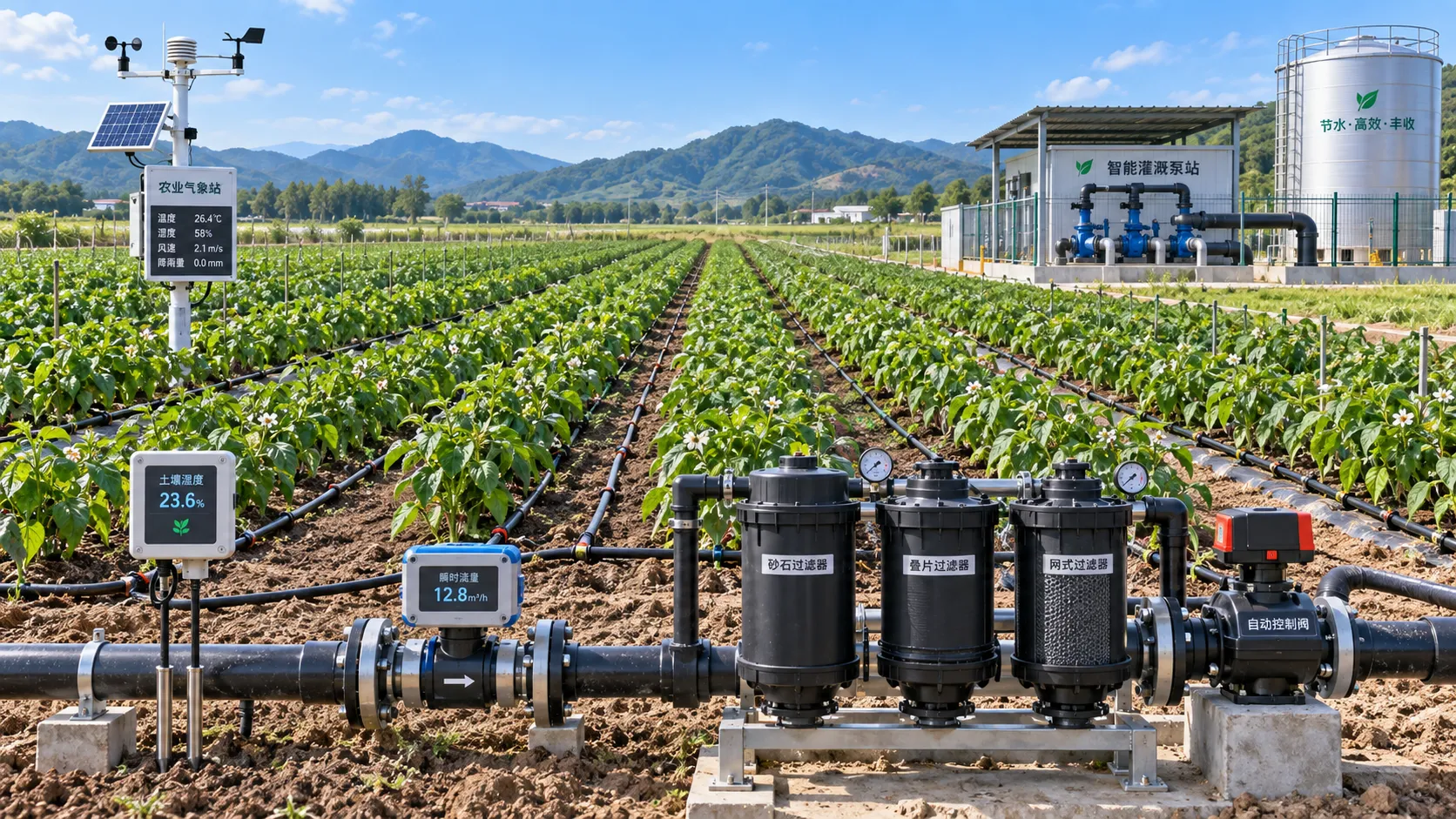
Automated Water-Saving Irrigation: How to Cut Water Use Without Reducing Crop Yields
Automated water-saving irrigation helps farms cut water use, protect crop yields, improve scheduling, and gain reliable control with sensors, flow monitoring, and smart zones.
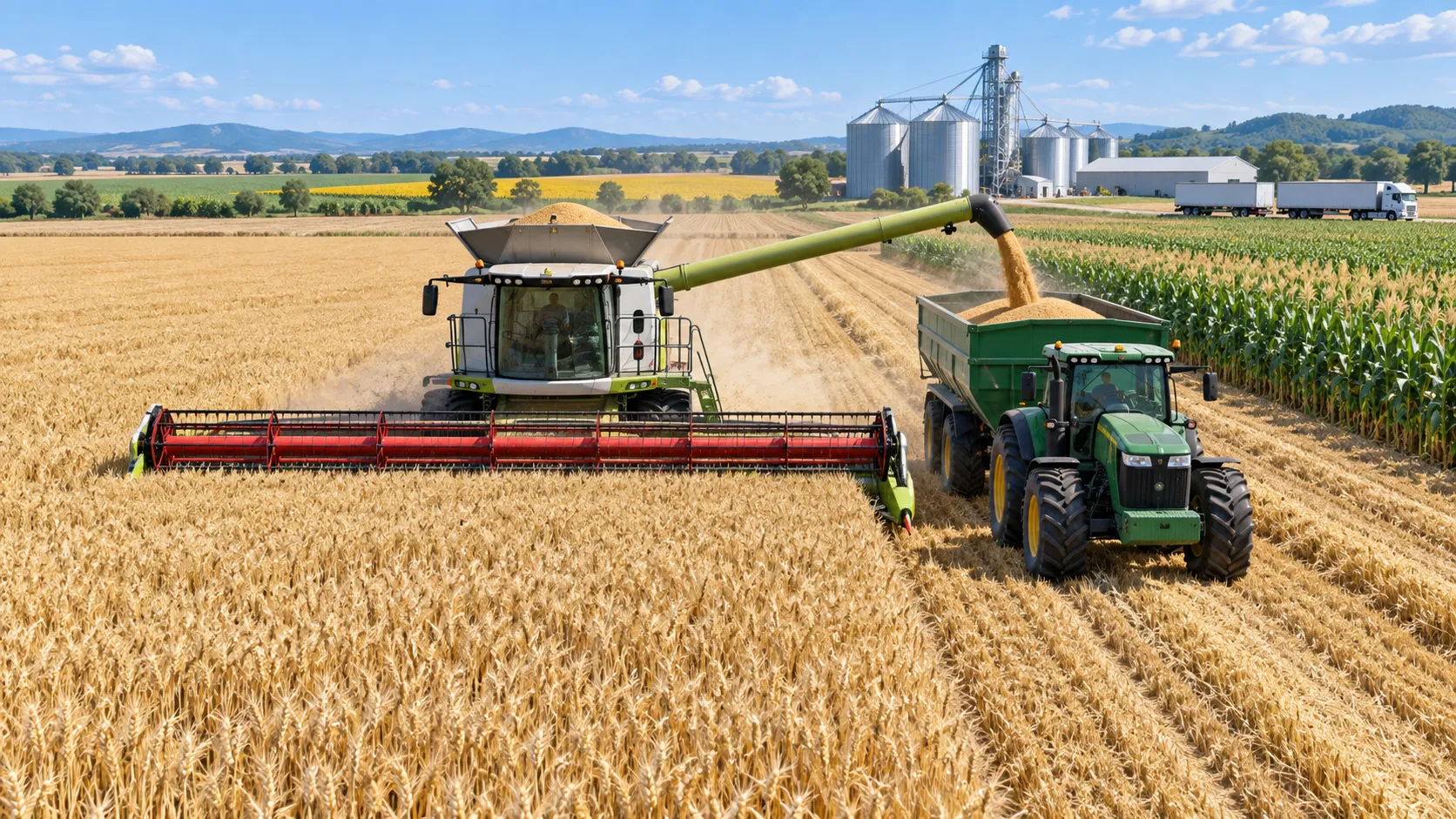
Selecting Grain Farm Equipment by Acreage, Crop Mix, and Harvest Window
Agricultural equipment selection for grain farming: match machinery to acreage, crop mix, and harvest windows to improve uptime, efficiency, and returns.
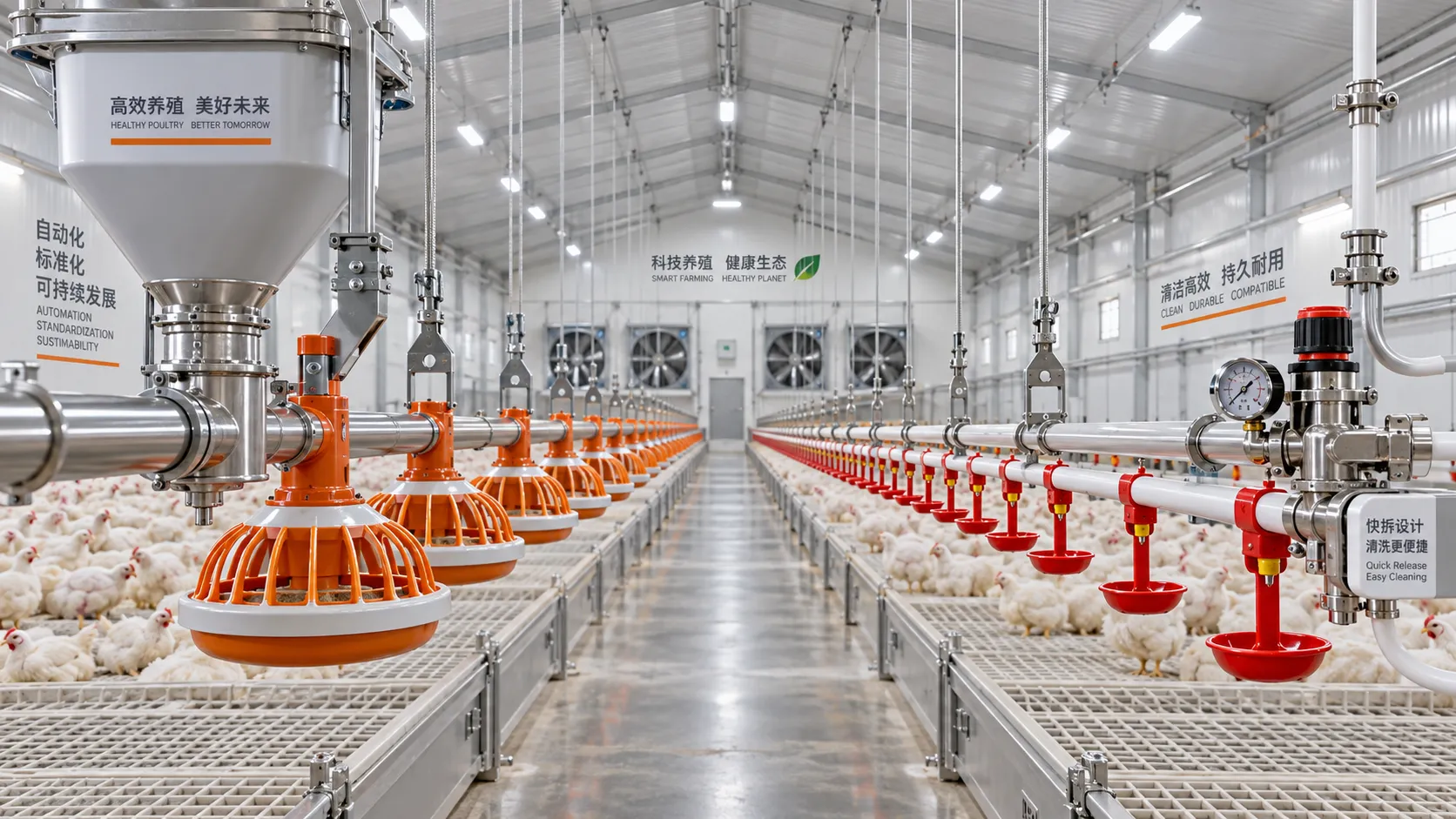
Poultry Equipment Selection: Evaluating Durability, Cleaning, and Compatibility
Poultry equipments selection guide: evaluate durability, cleaning access, and system compatibility to improve hygiene, reduce downtime, and support efficient flock management.
Related News
- 00
0000-00
Fuel-Efficient Tractor Powertrain: Which Specs Matter Most for Total Operating Cost? - 00
0000-00
CVT Transmissions Price Explained: What Drives Cost in Agricultural Machinery? - 00
0000-00
Dedicated CVT Rail Link Signals New Export Execution Standard - 00
0000-00
TUV Rheinland Sets New ASIL-B Rule for CVT Systems - 00
0000-00
ANVISA Clears First China-Made Bio-Based CVT Fluid for Brazil
Popular Tags
Tractor Power Architect
Weekly Insights
Stay ahead with our curated technology reports delivered every Monday.