
USDA Adds CVT Transmission to High-Reliability Procurement List
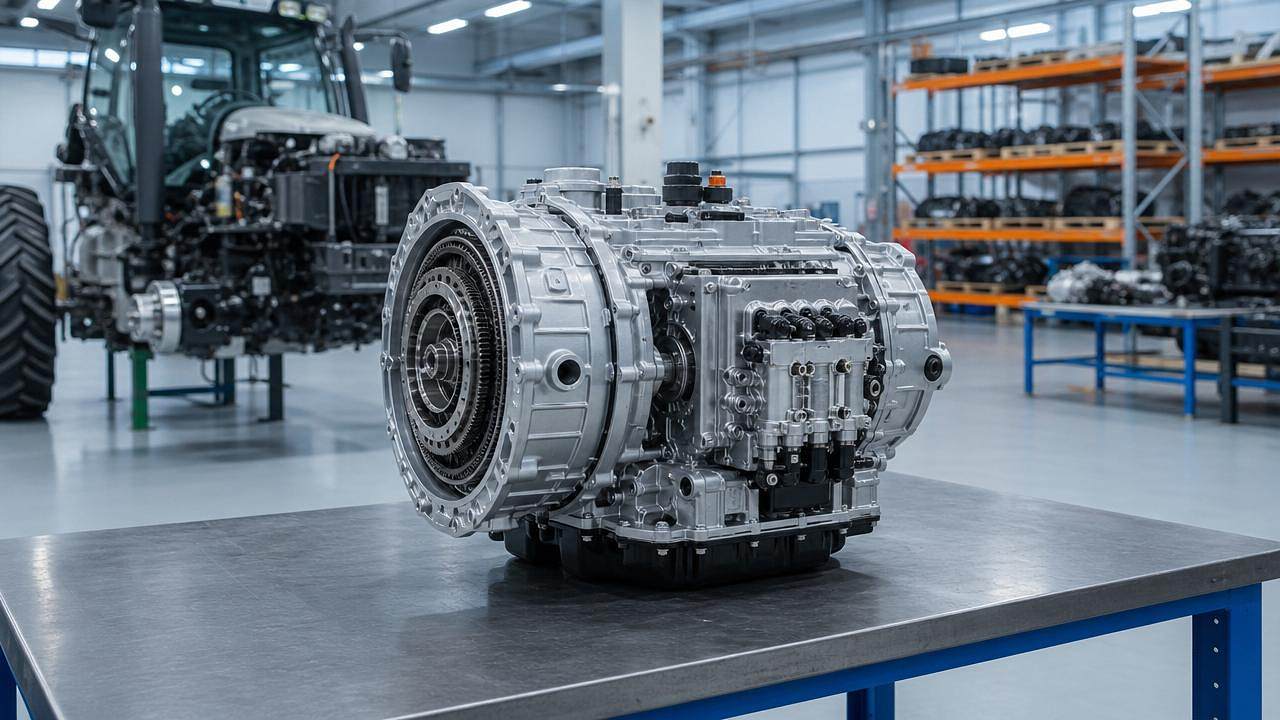




Washington, D.C. — May 16, 2026: The U.S. Department of Agriculture (USDA) updated its Federal Agricultural Equipment Procurement Handbook, formally designating Continuously Variable Transmission (CVT) systems as a ‘High-Reliability Powertrain’ priority category. This regulatory update signals a strategic shift toward enhanced operational resilience in federally procured farm machinery — impacting equipment specification, supplier qualification, and long-term maintenance planning across the agricultural technology supply chain.
Event Overview
On May 16, 2026, the USDA published an amendment to the Federal Agricultural Equipment Procurement Handbook. The revision explicitly includes CVT transmission systems under the ‘High-Reliability Powertrain’ procurement classification. Bidders for USDA-funded equipment contracts must now submit documented evidence of: (i) a minimum 1,000-hour bench durability test conducted under standardized load-spectrum conditions; and (ii) functional safety validation compliant with ISO 13849-1, achieving Performance Level r (PLr) ≥ Category 3.
Industries Affected
Direct Trade Enterprises
Exporters and distributors supplying CVT-equipped tractors or harvesters to USDA-affiliated programs (e.g., Farm Service Agency–funded equipment grants) face immediate compliance pressure. Their bid competitiveness now hinges on traceable, third-party-verified reliability documentation — not just product certification. Pre-qualification timelines may extend by 4–6 weeks due to verification lead times for test reports and safety assessments.
Raw Material Sourcing Firms
Suppliers of high-strength alloy steels, specialty friction materials, and precision-machined CVT pulley components are indirectly affected. While no new material specifications are mandated, USDA’s emphasis on 1,000-hour durability implies tighter tolerances and stricter lot-level traceability requirements downstream — prompting OEMs to reassess vendor qualification protocols, which may cascade into revised audit expectations for material suppliers.
Manufacturing Enterprises
OEMs and Tier-1 drivetrain integrators must adapt internal validation workflows to align with USDA’s dual verification framework: durability testing aligned to ANSI/ASABE S580.2 (or equivalent), and functional safety architecture validated per ISO 13849-1 Annex K. This necessitates cross-departmental coordination between powertrain R&D, quality assurance, and functional safety engineering teams — potentially delaying model-year refresh cycles for USDA-targeted platforms.
Supply Chain Service Providers
Third-party testing laboratories, certification bodies, and technical documentation consultants see increased demand for ISO 13849-1 PLr gap assessments and bench durability protocol development. However, current capacity remains fragmented: only 12 accredited labs in North America currently hold both ASABE-compliant durability accreditation and ISO 13849-1 functional safety assessment scope — suggesting potential bottlenecks in near-term compliance support.
Key Considerations and Recommended Actions
Verify Test Protocol Alignment
Confirm that existing 1,000-hour durability test procedures meet USDA-referenced standards (e.g., ASABE S580.2 Clause 7.3 for variable-load cycling). Retrospective retesting is not required if prior tests used substantially equivalent methodology — but full test reports (including raw data logs and failure mode summaries) must be retained and auditable.
Document Functional Safety Architecture Explicitly
ISO 13849-1 PLr ≥ Cat.3 requires formalized safety-related control system documentation — including block diagrams, fault exclusion analysis, and diagnostic coverage calculations. Suppliers should prioritize updating safety manuals and training field service personnel on diagnostic logic specific to CVT safety functions (e.g., torque-limiting shutdown triggers).
Engage Early with USDA Contracting Officers
The USDA has confirmed that this update applies to all new solicitations issued on or after June 1, 2026 — but does not retroactively invalidate existing contracts. Companies preparing bids for upcoming fiscal year 2027 procurements are advised to request pre-submission technical reviews with contracting officers to validate interpretation of test report requirements.
Editorial Perspective / Industry Observation
Observably, this move reflects more than a procurement tweak — it marks the USDA’s first explicit codification of functional safety performance thresholds for agricultural powertrains. Analysis shows that while CVTs have long been valued for fuel efficiency and operator comfort, their inclusion under ‘high-reliability’ framing signals growing institutional recognition of their role in mission-critical operations (e.g., precision planting windows, post-harvest grain handling). From an industry perspective, this is better understood as a signal of maturing agricultural automation standards — one that likely precedes similar requirements from other federal agencies (e.g., USDA’s Natural Resources Conservation Service or the Department of Defense’s logistics divisions) in coming years.
Conclusion
This policy update does not mandate technology replacement, nor does it prohibit non-CVT solutions. Rather, it establishes a higher evidentiary bar for reliability claims in publicly funded agricultural equipment. For the sector, it reinforces a broader trend: regulatory frameworks are increasingly shifting from prescriptive design rules to outcome-based performance verification — demanding greater transparency, traceability, and systems-level rigor from all stakeholders.
Source Attribution
U.S. Department of Agriculture, Federal Agricultural Equipment Procurement Handbook, Revision 2026-05 (effective May 16, 2026); Federal Register Notice No. USDA-2026-0042 (published May 17, 2026).
— Pending clarification: USDA has indicated that implementation guidance for small- and medium-sized suppliers will be released in Q3 2026; status of international test report equivalency (e.g., EU CE-marked ISO 13849-1 assessments) remains under review.
Related News
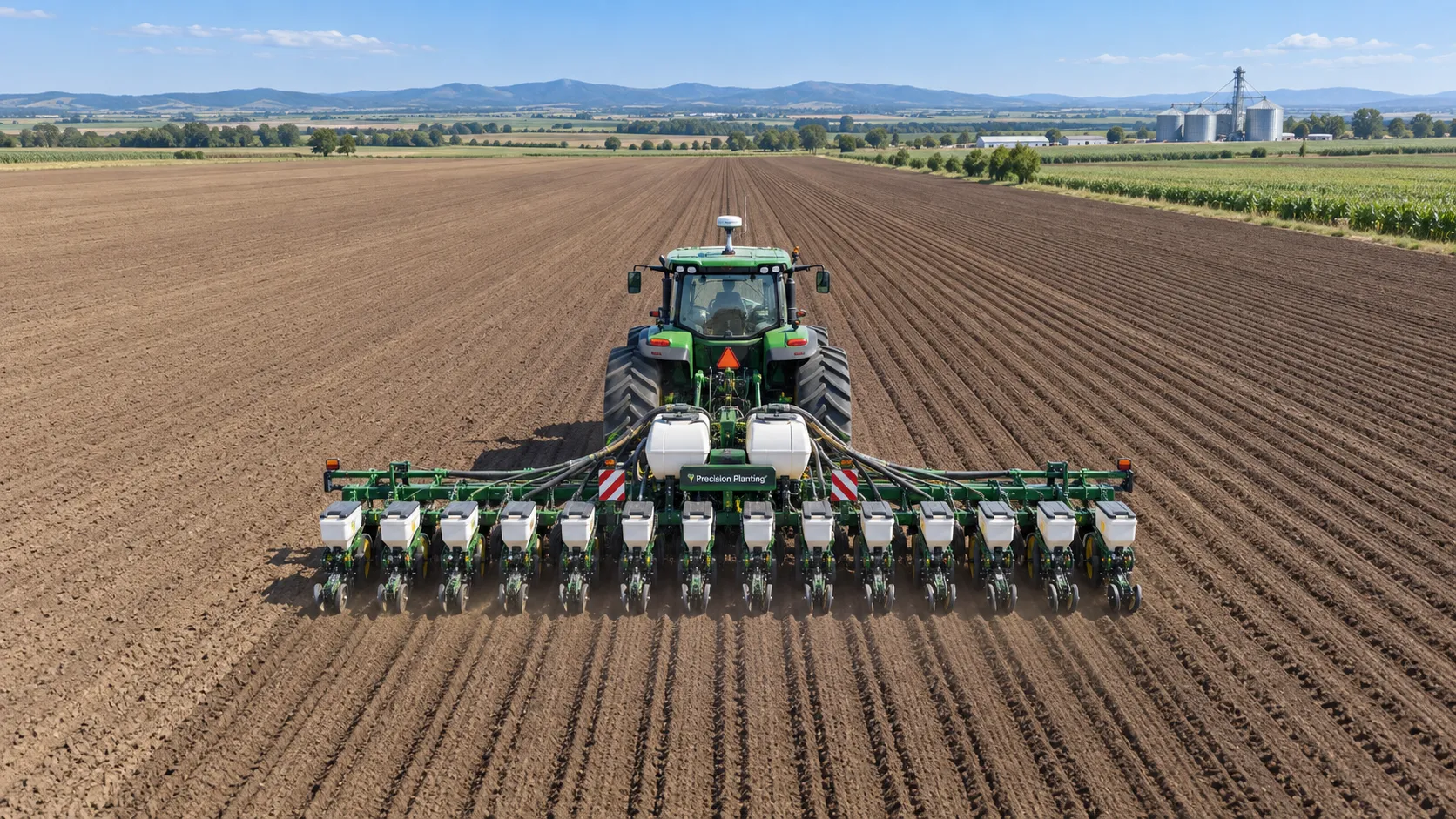
GPS-Guided Farm Machinery: Where It Delivers Measurable Field Efficiency Gains
Agri-mechanization GPS guided systems deliver measurable field efficiency gains through reduced overlap, precise planting, smarter inputs, and reliable farm data.
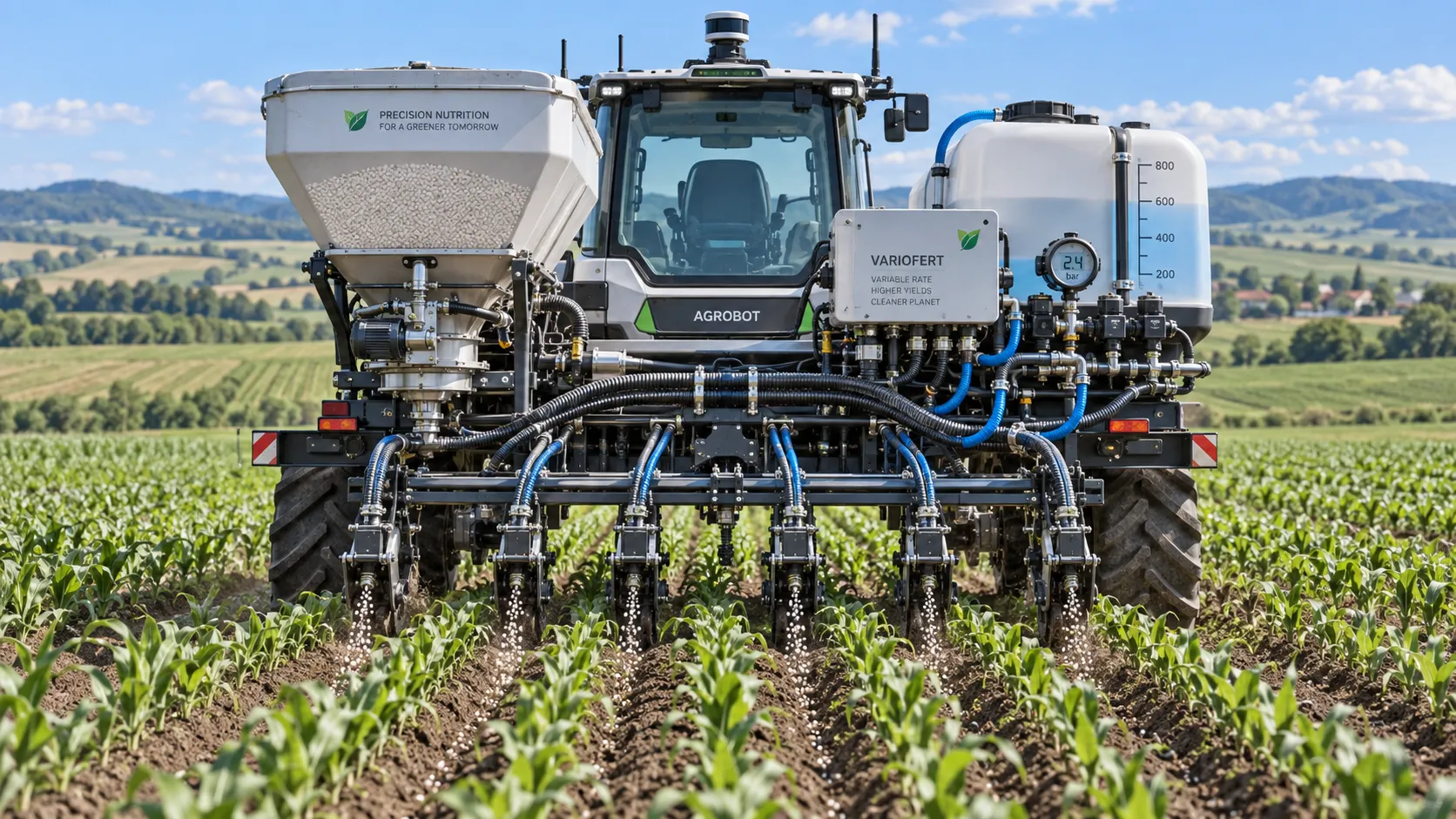
How Sensor Feedback Enables Accurate Variable-Rate Fertilization in Field Conditions
Precision fertilization systems with sensor feedback improve variable-rate accuracy by verifying flow, managing latency, and ensuring reliable field application.
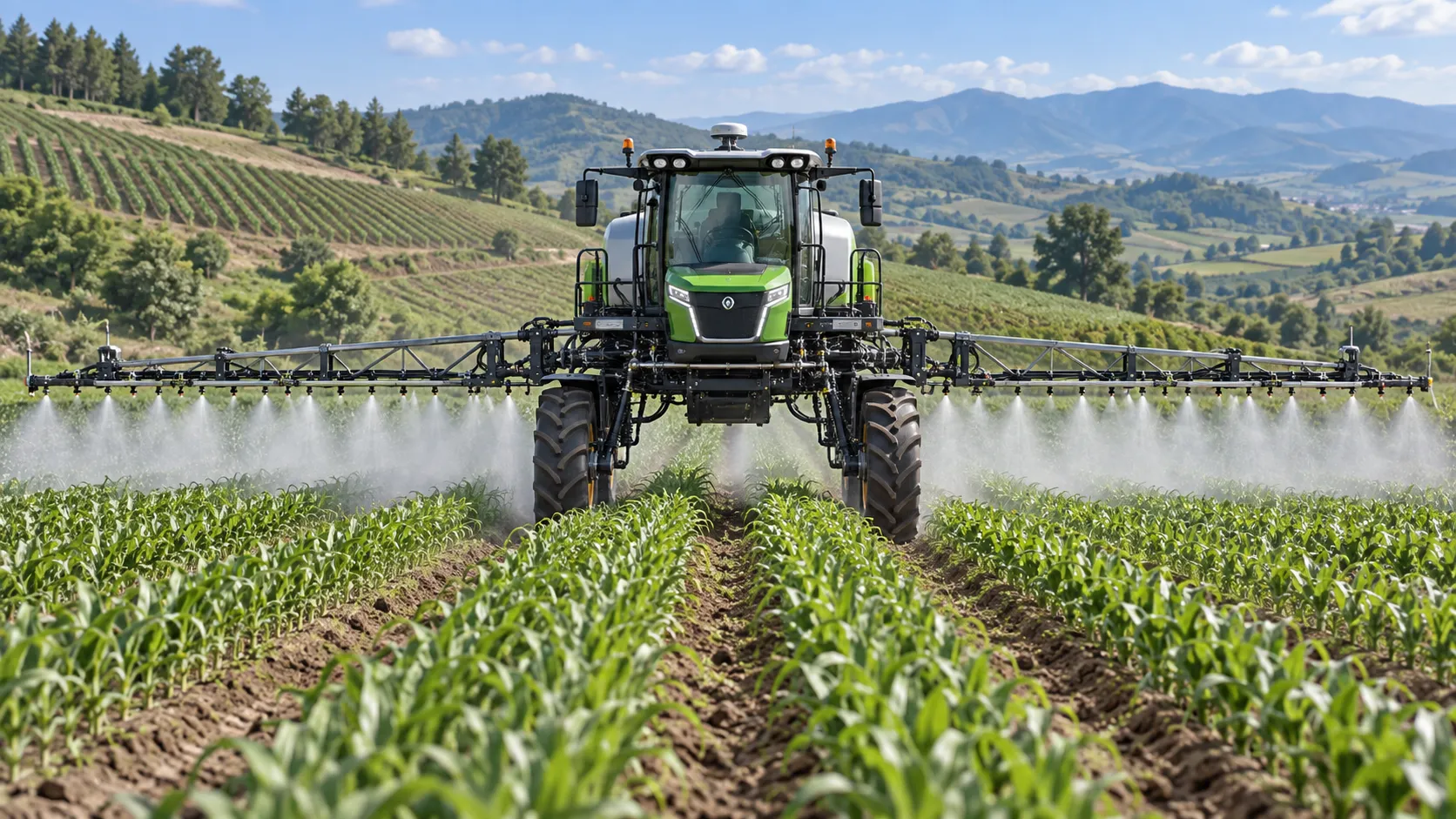
How to Select Precision Crop Protection Equipment for Variable Field Conditions
Precision crop protection equipment selection made simple: compare terrain, canopy, weather, control accuracy, and data workflows for reliable applications.
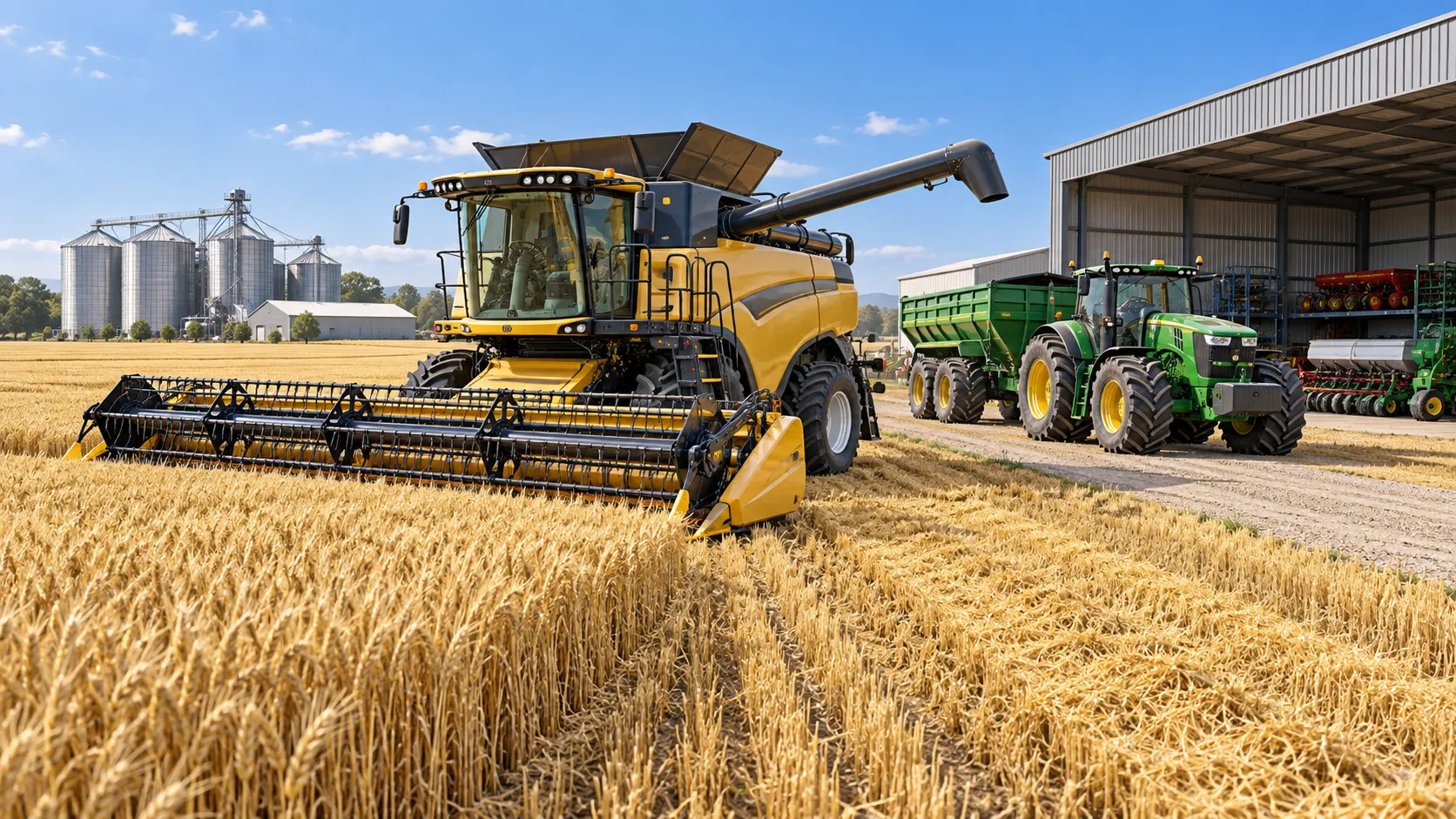
When Does Agricultural Machinery Leasing Cost Less Than Owning Equipment?
Agricultural machinery leasing can lower farm costs when use is seasonal or uncertain. Compare utilization, maintenance, cash flow, and risk to make a smarter equipment decision.
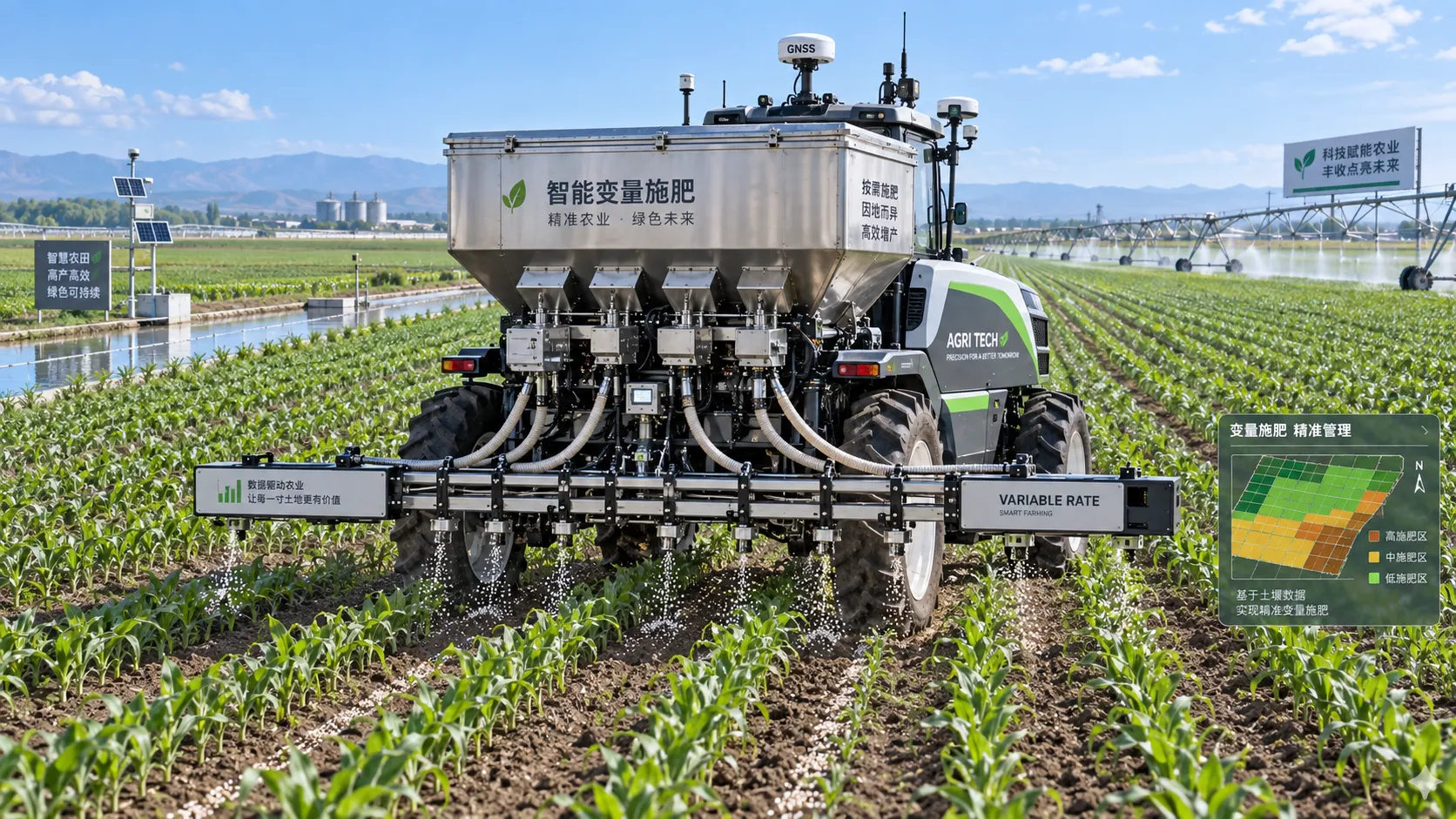
How to Evaluate Precision Fertilization System Suppliers for Farm-Scale Deployment
Precision fertilization systems suppliers: learn how to compare accuracy, integration, uptime, service, and total cost for confident farm-scale deployment.
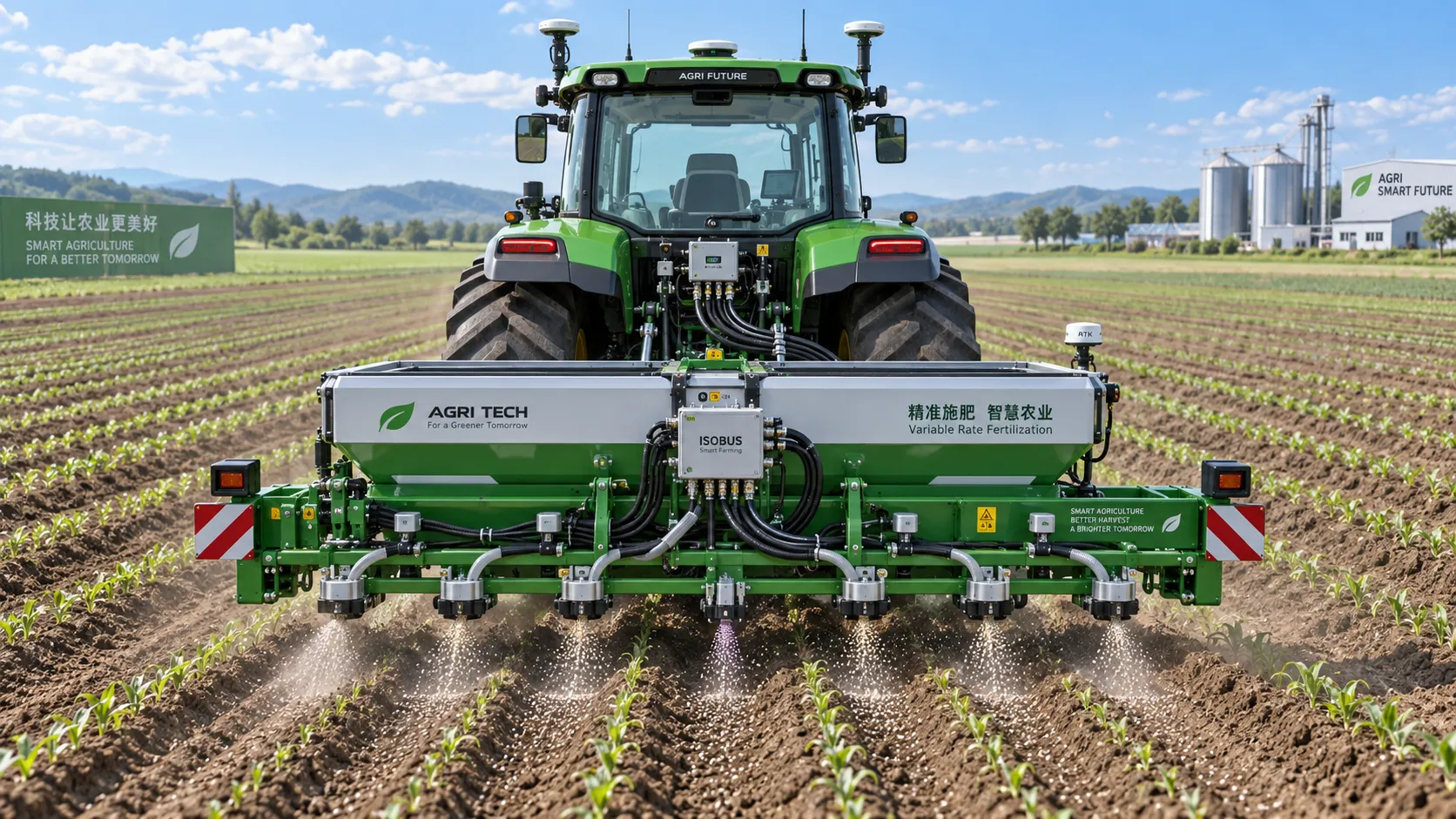
ISOBUS for Smart Agriculture: How It Connects Tractors, Implements, and Farm Data
ISOBUS for smart agriculture connects tractors, implements, terminals, and farm data—helping growers improve precision, documentation, and smarter field decisions.
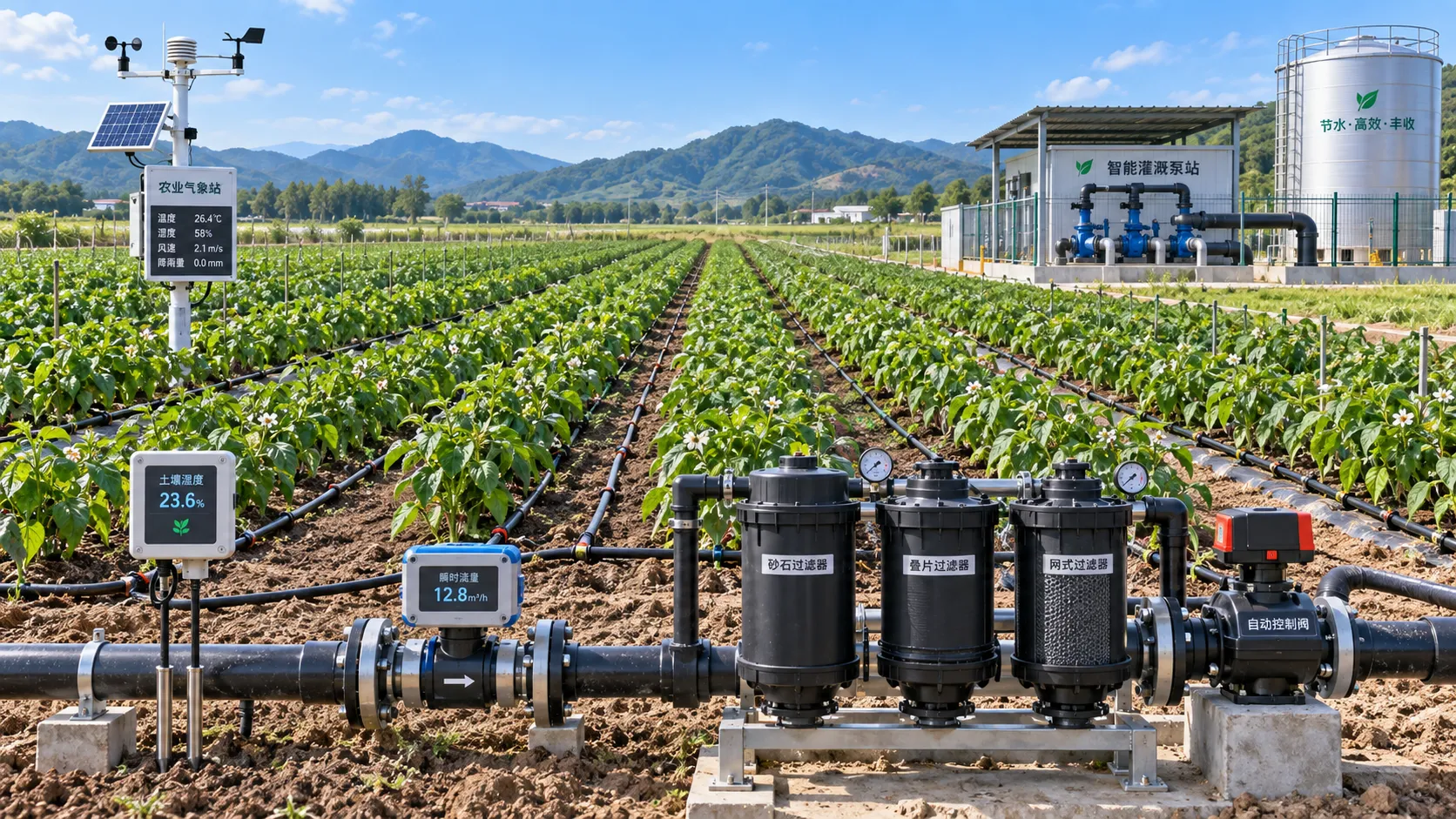
Automated Water-Saving Irrigation: How to Cut Water Use Without Reducing Crop Yields
Automated water-saving irrigation helps farms cut water use, protect crop yields, improve scheduling, and gain reliable control with sensors, flow monitoring, and smart zones.
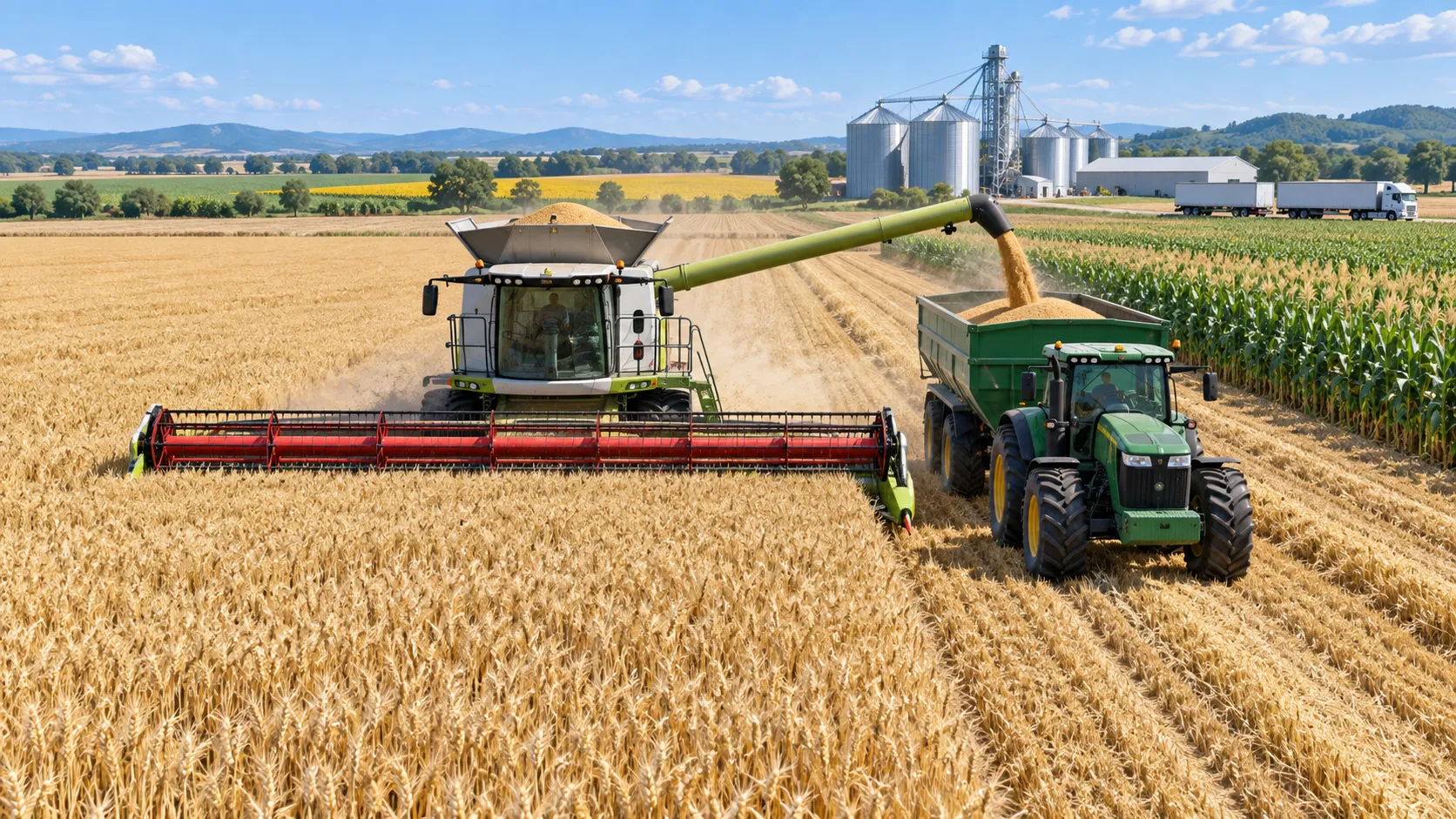
Selecting Grain Farm Equipment by Acreage, Crop Mix, and Harvest Window
Agricultural equipment selection for grain farming: match machinery to acreage, crop mix, and harvest windows to improve uptime, efficiency, and returns.
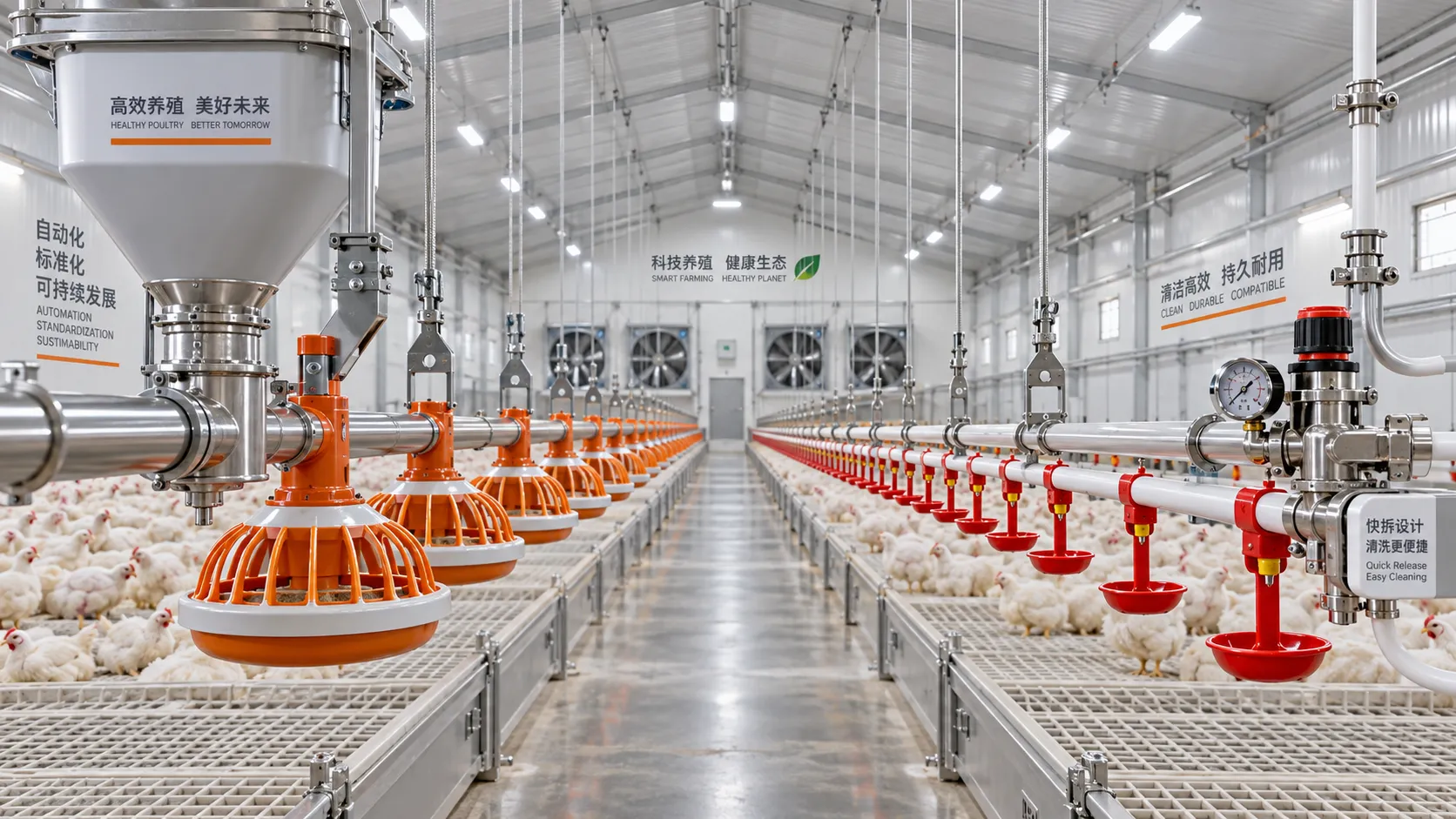
Poultry Equipment Selection: Evaluating Durability, Cleaning, and Compatibility
Poultry equipments selection guide: evaluate durability, cleaning access, and system compatibility to improve hygiene, reduce downtime, and support efficient flock management.
Related News
- 00
0000-00
Fuel-Efficient Tractor Powertrain: Which Specs Matter Most for Total Operating Cost? - 00
0000-00
CVT Transmissions Price Explained: What Drives Cost in Agricultural Machinery? - 00
0000-00
Dedicated CVT Rail Link Signals New Export Execution Standard - 00
0000-00
TUV Rheinland Sets New ASIL-B Rule for CVT Systems - 00
0000-00
ANVISA Clears First China-Made Bio-Based CVT Fluid for Brazil
Popular Tags
Tractor Power Architect
Weekly Insights
Stay ahead with our curated technology reports delivered every Monday.