
G7 Paris Meeting Focuses on Critical Mineral Supply Security
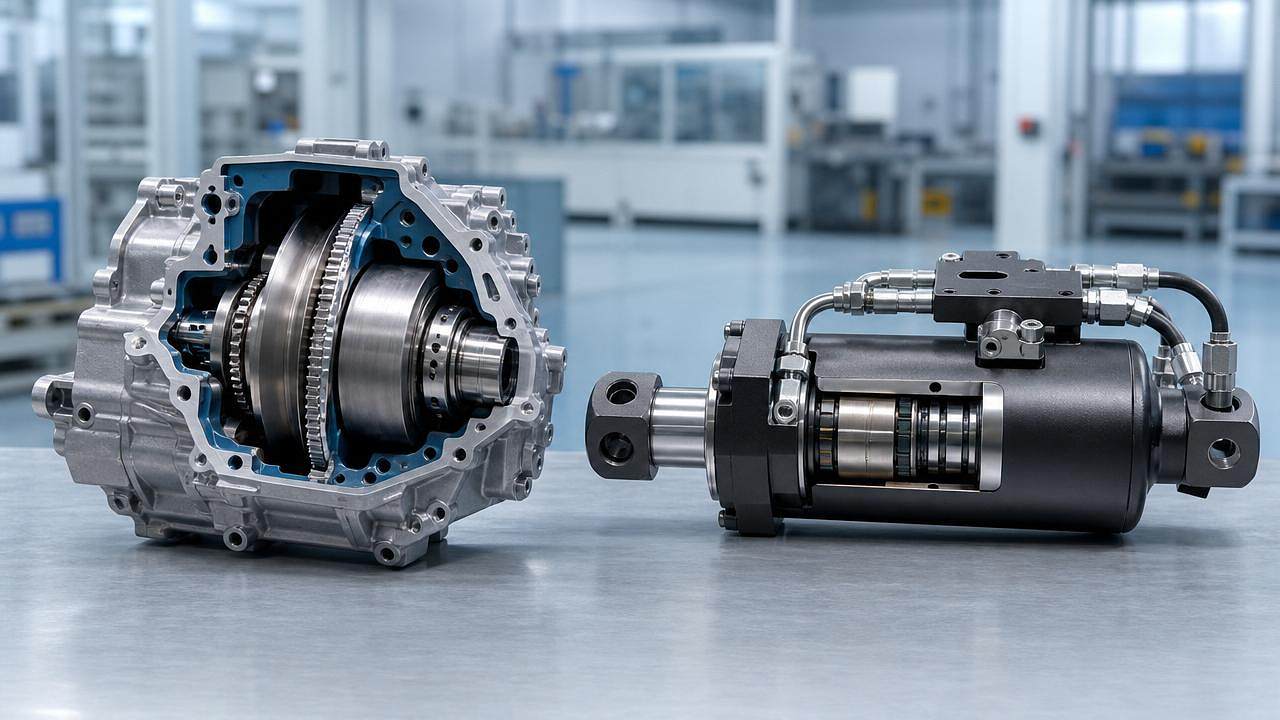




G7 trade ministers convened in Paris on May 6, 2026, to address supply chain resilience for critical minerals—particularly rare earth elements and neodymium-iron-boron (NdFeB) permanent magnets. The meeting elevated supply transparency and reduced reliance on mainland China as a core agenda item. This development directly impacts manufacturers and exporters of agricultural machinery components incorporating NdFeB-based motor systems, including CVT transmission modules and hydraulic lift actuators.
Event Overview
On May 6, 2026, G7 trade ministers held a meeting in Paris where ‘reducing dependence on mainland China for critical minerals’ was formally listed as a central discussion topic. France led efforts to establish consensus on supply chain transparency for rare earths and permanent magnet materials. No new tariffs were announced. However, the European Union and Japan have initiated pilot programs to trace the origin of NdFeB permanent magnets embedded in agricultural machinery drive systems—specifically CVT transmission modules and hydraulic lift execution units. Exporters from mainland China are advised to prepare REACH/SVHC declarations and mineral due diligence reports aligned with the Responsible Minerals Initiative (RMI) standard; failure to do so may result in increased inspection rates and delivery delays in key markets.
Industries Affected by Segment
Direct Exporters of Agricultural Machinery Components
These enterprises supply CVT transmission modules or hydraulic lift actuators containing NdFeB magnets to EU or Japanese customers. They face heightened compliance scrutiny under the newly launched supply chain traceability pilots. Impact manifests as potential shipment holds, customs inspections, and contractual non-compliance risks if documentation is incomplete or inconsistent with RMI/REACH requirements.
Raw Material Procurement Firms Sourcing Rare Earth Magnets
Firms sourcing NdFeB magnets—or upstream sintered magnet blanks—from Chinese producers must now verify and document the origin of feedstock minerals (e.g., neodymium, dysprosium). Under the RMI-aligned due diligence framework, they are expected to map at least two tiers back in the supply chain. Failure to maintain auditable records may disrupt downstream export eligibility.
Motor and Drive System Manufacturers Integrating NdFeB Magnets
Manufacturers embedding NdFeB magnets into motors used in agricultural equipment (e.g., electric power steering, variable-speed drives) are indirectly subject to traceability expectations. Though not direct importers, their technical documentation—including material declarations and bill-of-materials traceability—may be requested by OEMs or importers to satisfy EU/Japan pilot requirements.
Supply Chain Compliance Service Providers
Third-party auditors, certification bodies, and regulatory consultants supporting mineral due diligence reporting or REACH/SVHC declaration preparation are seeing increased demand for RMI-conformant assessments and bilingual (EN/CN) documentation support. Their role shifts toward enabling verifiable, tiered supply chain mapping—not just end-product certification.
What Relevant Enterprises Should Monitor and Do Now
Track official guidance from EU and Japanese authorities
The EU’s pilot program and Japan’s parallel initiative remain in early implementation phase. Enterprises should monitor updates from the European Commission’s Directorate-General for Trade and Japan’s Ministry of Economy, Trade and Industry (METI) for formal scope definitions, reporting templates, and enforcement timelines—especially whether the pilot evolves into mandatory requirements post-2026.
Identify and prioritize high-risk product lines and markets
Focus first on CVT transmission modules and hydraulic lift actuators exported to the EU or Japan. Confirm whether NdFeB magnets in those units are sourced directly from mainland China or via intermediaries—and whether upstream smelters/refiners appear on recognized conflict-free smelter lists (e.g., RMI’s CFS Program). Prioritize documentation for products shipped after Q3 2026, when pilot-related inspections are expected to scale.
Distinguish between policy signals and operational mandates
The G7 statement itself carries no binding force. Current obligations stem solely from the EU and Japan’s voluntary pilot programs—not from the G7 communiqué. Enterprises should avoid overextending compliance efforts beyond documented pilot scope (e.g., applying RMI standards to non-magnet components or non-agricultural products) until formal expansion is confirmed.
Prepare documentation and internal alignment ahead of audits
Begin compiling REACH/SVHC declarations for all magnet-containing subassemblies and initiate RMI-aligned mineral due diligence reporting—including supplier questionnaires, smelter validation records, and risk assessment summaries. Align procurement, engineering, and regulatory affairs teams on data ownership and update frequency to ensure responsiveness during customs or customer audits.
Editorial Perspective / Industry Observation
Observably, this G7 meeting functions primarily as a coordination signal—not an enforcement trigger. While the political intent to diversify critical mineral sourcing is clear, actual regulatory impact remains confined to the EU and Japan’s discrete, limited-scope pilots. Analysis shows that the emphasis lies in building verification infrastructure, not imposing immediate penalties. From an industry perspective, this is better understood as the institutionalization of due diligence expectations for permanent magnet supply chains—not a sudden shift in trade rules. Continuous monitoring is warranted because pilot outcomes may inform broader regulatory frameworks under development, such as the EU’s Critical Raw Materials Act implementation measures.
Conclusion
While no new tariffs or binding multilateral rules emerged from the May 6 G7 meeting, it marks a coordinated escalation in supply chain transparency expectations for rare earth–dependent technologies. For affected enterprises, the current significance lies in early preparedness—not urgent remediation. It is more accurate to view this development as the formal onset of traceability-oriented market access conditions in key jurisdictions, rather than as an immediate compliance crisis.
Information Sources
Main source: Official summary of the May 6, 2026 G7 Trade Ministers’ Meeting in Paris, as issued by the French Ministry for Europe and Foreign Affairs and corroborated by statements from the European Commission and Japan’s METI. Ongoing developments related to the EU and Japan pilot program scope, duration, and potential expansion remain subject to observation.
Related News
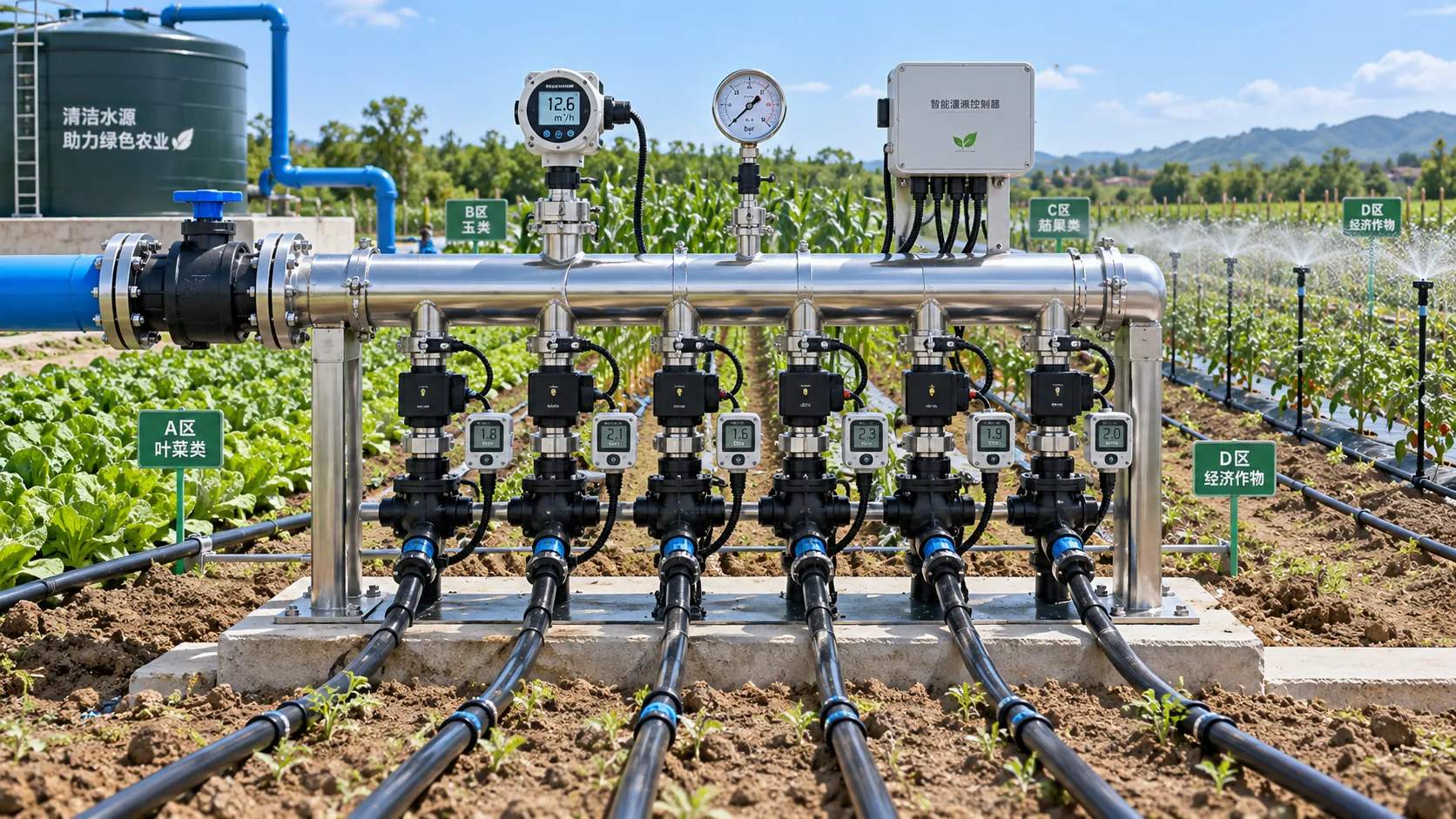
How to Select Smart Irrigation Valves for Multi-Zone Water Management?
Intelligent irrigation systems valves: learn how to match smart valves with multi-zone flow, pressure, control, feedback, and communication needs for reliable water management.
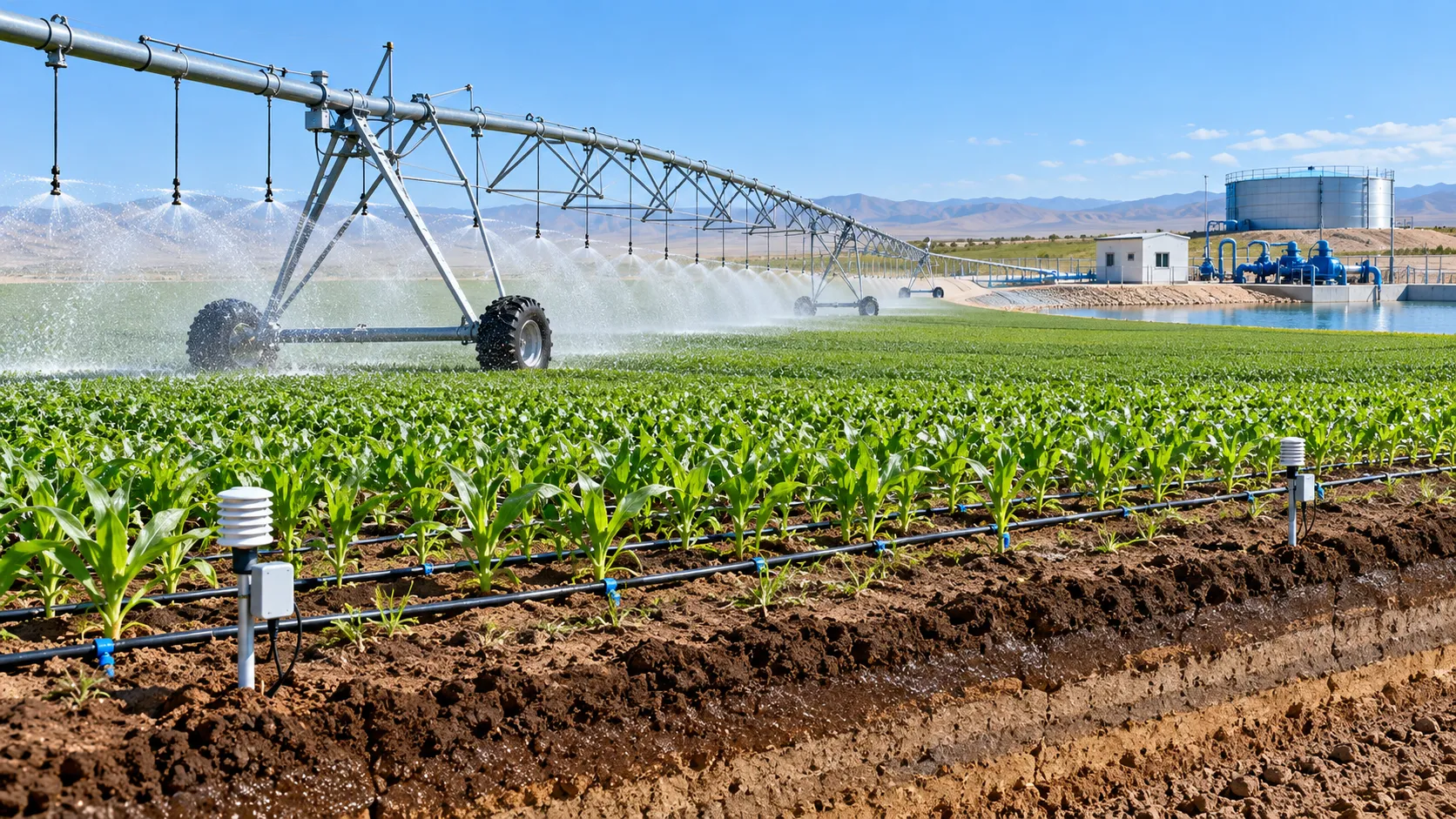
Climate-Smart Farming for Drought: A Practical Plan for Protecting Yields
Climate-smart farming for drought: build smarter water budgets, protect critical crop stages, improve irrigation uniformity, and safeguard yields with practical field-proven strategies.
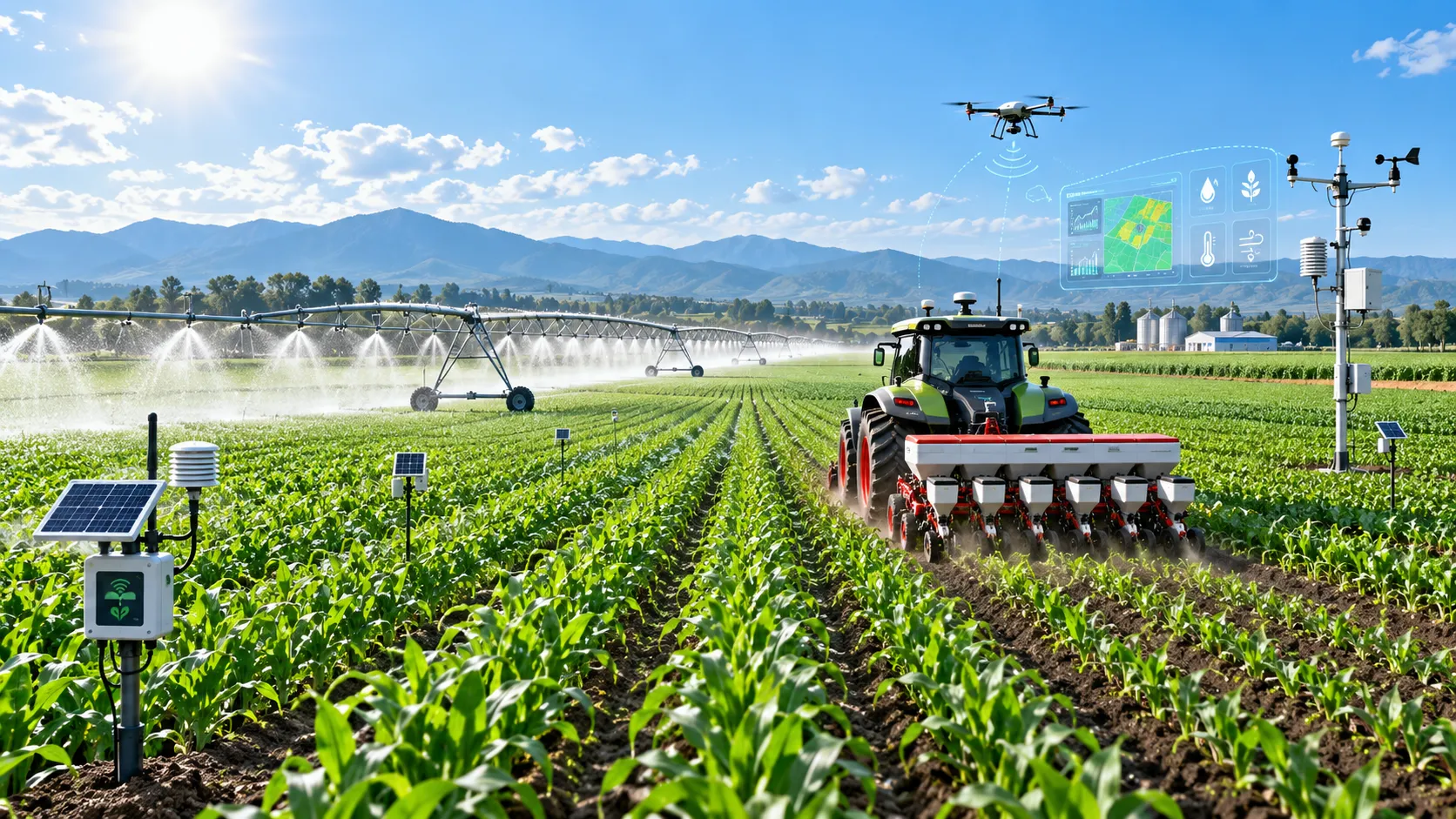
How Digital Agriculture Platforms Turn Field Data Into Better Input Decisions
Digital agriculture platforms turn field data into smarter fertilizer, water, seed, and equipment decisions—helping farms cut risk, improve margins, and scale sustainability.
GPS-Guided Farm Machinery: Where It Delivers Measurable Field Efficiency Gains
Agri-mechanization GPS guided systems deliver measurable field efficiency gains through reduced overlap, precise planting, smarter inputs, and reliable farm data.

How Sensor Feedback Enables Accurate Variable-Rate Fertilization in Field Conditions
Precision fertilization systems with sensor feedback improve variable-rate accuracy by verifying flow, managing latency, and ensuring reliable field application.

How to Select Precision Crop Protection Equipment for Variable Field Conditions
Precision crop protection equipment selection made simple: compare terrain, canopy, weather, control accuracy, and data workflows for reliable applications.

When Does Agricultural Machinery Leasing Cost Less Than Owning Equipment?
Agricultural machinery leasing can lower farm costs when use is seasonal or uncertain. Compare utilization, maintenance, cash flow, and risk to make a smarter equipment decision.
How to Evaluate Precision Fertilization System Suppliers for Farm-Scale Deployment
Precision fertilization systems suppliers: learn how to compare accuracy, integration, uptime, service, and total cost for confident farm-scale deployment.
ISOBUS for Smart Agriculture: How It Connects Tractors, Implements, and Farm Data
ISOBUS for smart agriculture connects tractors, implements, terminals, and farm data—helping growers improve precision, documentation, and smarter field decisions.
Related News
- 00
0000-00
Fuel-Efficient Tractor Powertrain: Which Specs Matter Most for Total Operating Cost? - 00
0000-00
CVT Transmissions Price Explained: What Drives Cost in Agricultural Machinery? - 00
0000-00
Dedicated CVT Rail Link Signals New Export Execution Standard - 00
0000-00
TUV Rheinland Sets New ASIL-B Rule for CVT Systems - 00
0000-00
ANVISA Clears First China-Made Bio-Based CVT Fluid for Brazil
Popular Tags
Tractor Power Architect
Weekly Insights
Stay ahead with our curated technology reports delivered every Monday.