
G7 Paris Meeting Focuses on Critical Mineral Supply Chain Security





G7 energy and supply chain ministers concluded a ministerial meeting in Paris on May 20, 2026, agreeing to accelerate the establishment of a ‘Critical Mineral Origin Traceability Alliance’. The decision mandates full-chain origin reporting for imported agricultural machinery drive systems containing neodymium-iron-boron (NdFeB) permanent magnets — including CVT electronic control modules, hydraulic pump motors, and GPS steering actuators — effective from Q3 2026 in G7 member states. This development directly impacts manufacturers, exporters, and suppliers involved in high-performance permanent magnet motor systems, particularly those engaged with EU, Japanese, and Canadian markets.
Event Overview
The G7 Energy and Supply Chain Ministers’ Meeting held in Paris ended on May 20, 2026. Participants reached consensus on advancing a ‘Critical Mineral Origin Traceability Alliance’, requiring G7 members to implement mandatory origin declaration for imported agricultural machinery drive systems incorporating NdFeB permanent magnets starting in Q3 2026. China — identified as supplying 92% of high-performance NdFeB materials globally — has launched a pilot program for a ‘Green Passport’ certification for motor components; this certification is set to become a mandatory market access requirement for exports to the EU, Japan, and Canada.
Industries Affected by Segment
Direct Trading Enterprises
Exporters of complete agricultural drive systems (e.g., CVT modules, hydraulic pump motors, GPS steering actuators) into G7 markets will face new regulatory obligations. Compliance now requires documented traceability back to mine or refinery level for all NdFeB-containing components — not just end-product declarations. Failure to submit verified origin data may result in customs delays, rejections, or exclusion from public procurement tenders.
Raw Material Procurement Enterprises
Firms sourcing NdFeB magnets or magnet precursors (e.g., neodymium oxide, dysprosium metal) must now ensure upstream suppliers maintain auditable records of geological origin, processing routes, and environmental compliance. Since China accounts for 92% of global high-performance NdFeB supply, procurement teams must verify whether their current suppliers are enrolled in — or eligible for — China’s ‘Green Passport’ pilot, as this certification anchors downstream traceability claims.
Manufacturing Enterprises
OEMs and Tier-1 suppliers integrating NdFeB-based motors into agricultural machinery must adapt internal bill-of-materials (BOM) tracking systems to capture mineral-level provenance. This includes updating supplier contracts to require certified origin documentation and preparing for third-party verification audits. Notably, the scope targets specific subsystems — CVT control modules, hydraulic pump motors, GPS steering actuators — not all electric motors broadly.
Supply Chain Service Providers
Logistics firms, customs brokers, and certification bodies supporting cross-border trade in agricultural electromechanical systems must now incorporate mineral origin verification into documentation workflows. This includes validating ‘Green Passport’ credentials, cross-checking material declarations against smelter lists recognized by the Alliance, and flagging inconsistencies before shipment clearance.
What Relevant Enterprises or Practitioners Should Monitor and Do Now
Track official implementation timelines and technical specifications
While the G7 agreement sets Q3 2026 as the start date, national regulatory agencies (e.g., EU Commission, Japan METI, Canadian NRCan) have yet to publish detailed technical standards for traceability data formats, accepted verification methods, or list of approved refiners/smelters. Enterprises should monitor these agency updates closely — especially draft regulations expected in June–July 2026.
Identify exposure within targeted product categories
The mandate applies specifically to NdFeB-containing components used in agricultural machinery drive systems — not general-purpose industrial motors or consumer electronics. Companies should conduct an immediate product-line review to determine which CVT modules, hydraulic pump motors, or GPS steering actuators fall under the scope, and assess whether NdFeB magnets are used (as opposed to ferrite or SmCo alternatives).
Distinguish between policy signal and operational readiness
The ‘Green Passport’ is currently in pilot phase in China, with no publicly confirmed rollout schedule or eligibility criteria beyond participation in the trial. Analysis shows that early enrollment in the pilot does not guarantee automatic recognition by G7 authorities — mutual recognition agreements remain pending. Therefore, treating pilot participation as sufficient compliance would be premature.
Begin internal alignment on data collection and supplier engagement
Enterprises should initiate internal mapping of NdFeB supply chains — from magnet manufacturer to raw material refiner — and engage key suppliers now to assess their capacity to provide auditable origin data. This includes evaluating ERP/BOM system readiness, assigning internal accountability (e.g., compliance officer), and drafting updated procurement clauses requiring traceability documentation.
Editorial Perspective / Industry Observation
Observably, this G7 initiative represents a formalization of supply chain due diligence expectations — shifting from voluntary ESG reporting toward enforceable, component-level mineral tracing. It is not yet an implemented regulation across all G7 jurisdictions, but rather a coordinated political commitment backed by concrete timelines and defined scope. Analysis shows the focus on agricultural drive systems reflects strategic prioritization: these subsystems combine high NdFeB intensity with direct linkage to food security infrastructure. From an industry perspective, this is best understood not as a one-off compliance hurdle, but as the first binding application of a broader critical mineral governance framework likely to expand to other sectors (e.g., EV traction motors, wind turbine generators) in subsequent years.
Consequently, the current significance lies less in immediate enforcement and more in its role as a regulatory precursor: it signals the direction of traceability requirements, identifies priority materials (NdFeB), highlights anchor markets (EU, Japan, Canada), and confirms that origin verification will be enforced at the subsystem — not just final product — level.
Concluding, this development marks a structural inflection point for global NdFeB-integrated motor supply chains. It does not yet constitute a fully operational regime, but establishes a clear, time-bound trajectory toward mandatory mineral origin transparency. Enterprises are advised to treat it as a phased transition — beginning with scoping and supplier dialogue — rather than an abrupt compliance deadline. The most pragmatic interpretation is that it initiates a 12–18 month preparation window ahead of full implementation, during which early alignment offers tangible risk mitigation advantages.
Source: Official communiqué issued by the G7 Energy and Supply Chain Ministers’ Meeting, Paris, May 20, 2026. Additional detail drawn from China’s Ministry of Industry and Information Technology (MIIT) announcement regarding the ‘Green Passport’ pilot program for motor components, published concurrently. Note: Technical implementation guidelines from individual G7 member agencies remain pending and are subject to ongoing observation.
Related News
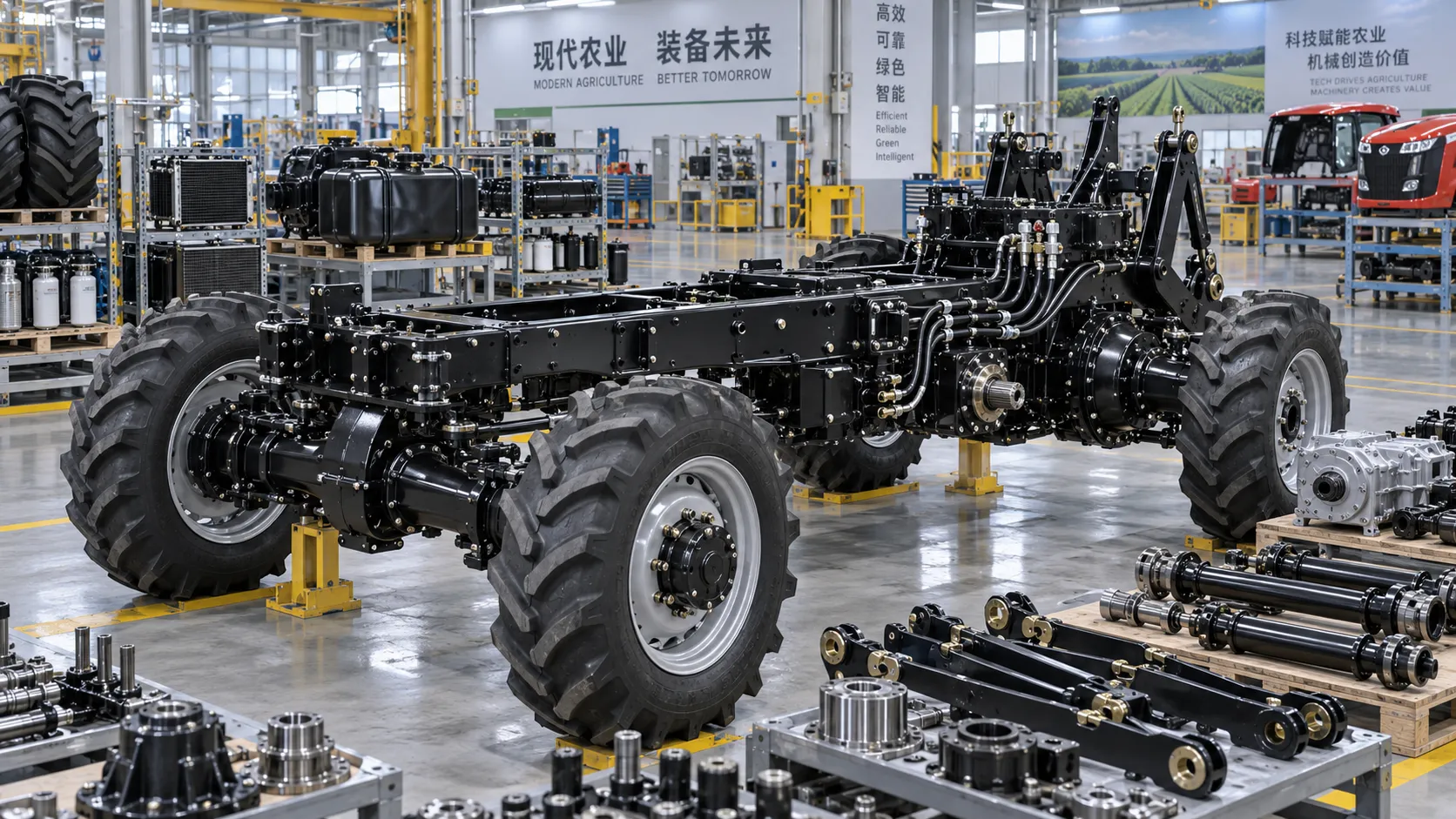
Tractor Chassis Price: What Buyers Should Compare Beyond the Initial Quote
Tractor chassis price is only the start. Compare load capacity, compatibility, durability, and lifecycle costs to choose a reliable, high-value chassis.
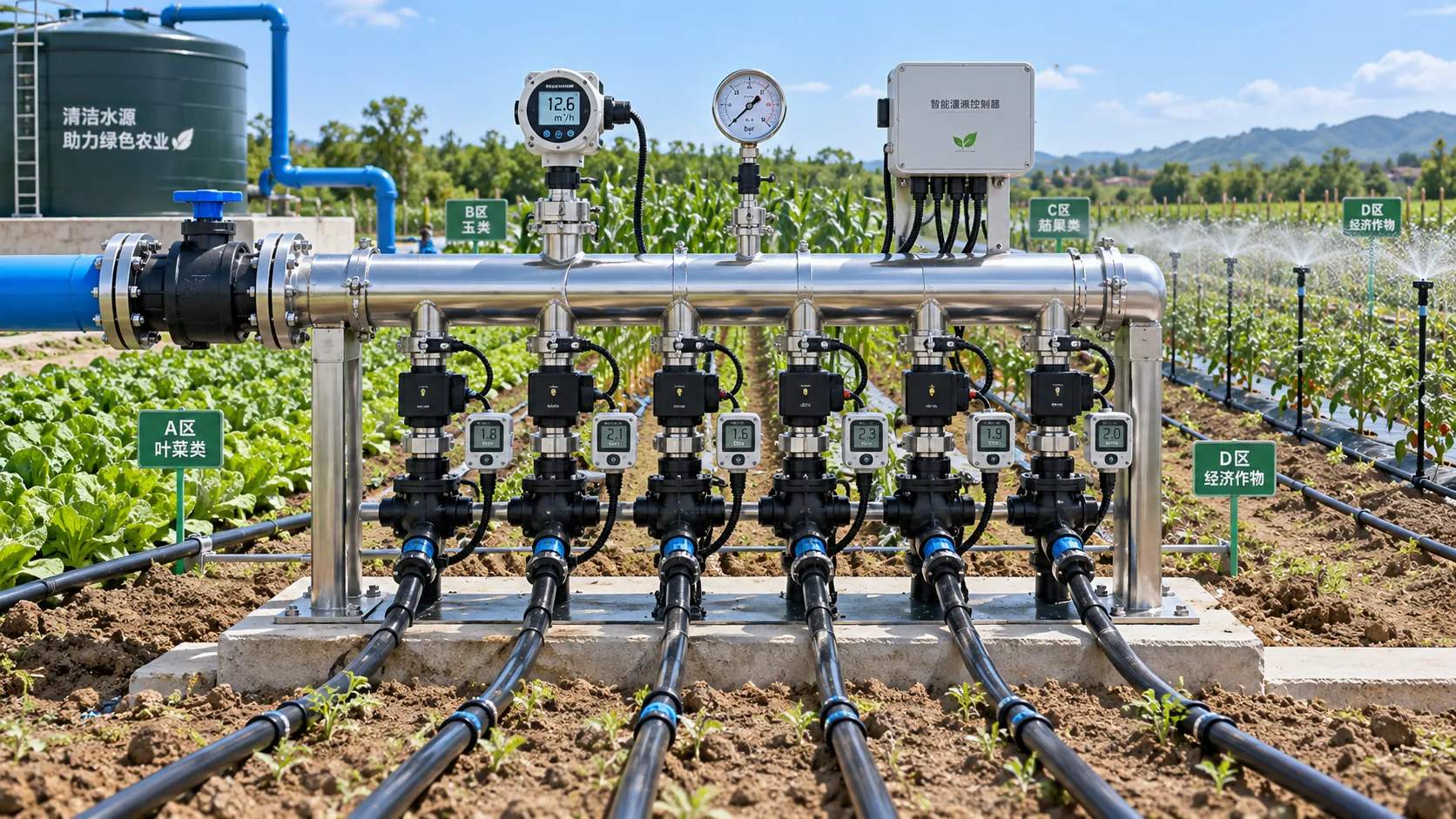
How to Select Smart Irrigation Valves for Multi-Zone Water Management?
Intelligent irrigation systems valves: learn how to match smart valves with multi-zone flow, pressure, control, feedback, and communication needs for reliable water management.
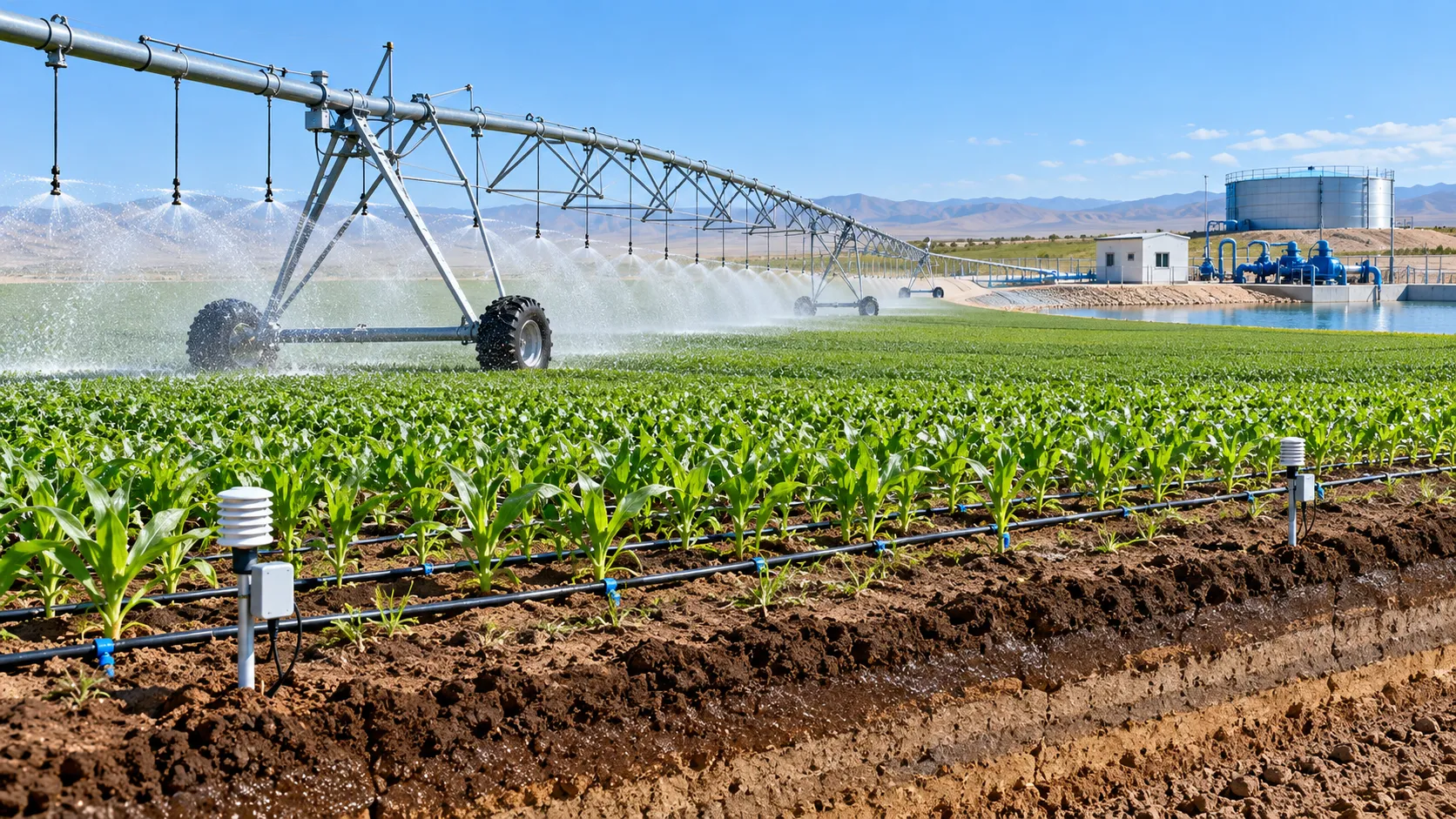
Climate-Smart Farming for Drought: A Practical Plan for Protecting Yields
Climate-smart farming for drought: build smarter water budgets, protect critical crop stages, improve irrigation uniformity, and safeguard yields with practical field-proven strategies.

How Digital Agriculture Platforms Turn Field Data Into Better Input Decisions
Digital agriculture platforms turn field data into smarter fertilizer, water, seed, and equipment decisions—helping farms cut risk, improve margins, and scale sustainability.

GPS-Guided Farm Machinery: Where It Delivers Measurable Field Efficiency Gains
Agri-mechanization GPS guided systems deliver measurable field efficiency gains through reduced overlap, precise planting, smarter inputs, and reliable farm data.

How Sensor Feedback Enables Accurate Variable-Rate Fertilization in Field Conditions
Precision fertilization systems with sensor feedback improve variable-rate accuracy by verifying flow, managing latency, and ensuring reliable field application.

How to Select Precision Crop Protection Equipment for Variable Field Conditions
Precision crop protection equipment selection made simple: compare terrain, canopy, weather, control accuracy, and data workflows for reliable applications.

When Does Agricultural Machinery Leasing Cost Less Than Owning Equipment?
Agricultural machinery leasing can lower farm costs when use is seasonal or uncertain. Compare utilization, maintenance, cash flow, and risk to make a smarter equipment decision.

How to Evaluate Precision Fertilization System Suppliers for Farm-Scale Deployment
Precision fertilization systems suppliers: learn how to compare accuracy, integration, uptime, service, and total cost for confident farm-scale deployment.
Related News
- 00
0000-00
Fuel-Efficient Tractor Powertrain: Which Specs Matter Most for Total Operating Cost? - 00
0000-00
CVT Transmissions Price Explained: What Drives Cost in Agricultural Machinery? - 00
0000-00
Dedicated CVT Rail Link Signals New Export Execution Standard - 00
0000-00
TUV Rheinland Sets New ASIL-B Rule for CVT Systems - 00
0000-00
ANVISA Clears First China-Made Bio-Based CVT Fluid for Brazil
Popular Tags
Tractor Power Architect
Weekly Insights
Stay ahead with our curated technology reports delivered every Monday.