
2026 Global Supply Chain Report Preview: China Leads in Agri-Machinery Intermediate Export Resilience, CVT Remains Bottleneck
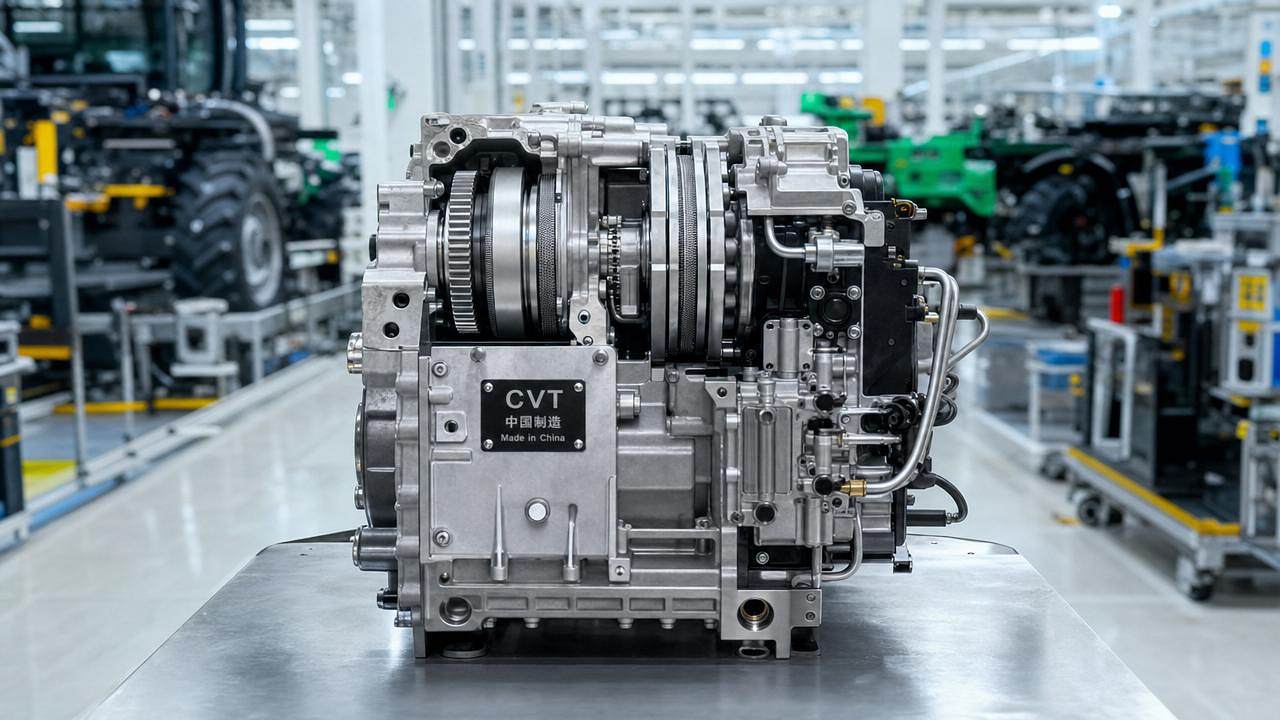




China’s position in global agricultural machinery supply chains is undergoing strategic recalibration, as previewed by the upcoming 2026 Global Supply Chain Promotion Report, set for release by the China Council for the Promotion of International Trade (CCPIT) on May 26 at the 4th Industrial Chain Expo. Though the report’s full findings are pending, its advance data spotlight both strength—China’s export resilience index for agri-machinery intermediate goods stands at 8.2 (out of 10)—and structural vulnerability—CVT (Continuously Variable Transmission) units remain a critical constraint due to sub-par domestic yield rates versus leading international benchmarks. This dual signal carries material implications for equipment OEMs, Tier-2 suppliers, and cross-border logistics providers operating across the farm machinery value chain.
Event Overview
The China Council for the Promotion of International Trade (CCPIT) will release the 2026 Global Supply Chain Promotion Report on May 26 during the 4th Industrial Chain Expo. According to official preview data: China’s export resilience index for agricultural machinery intermediate goods is 8.2 (scale: 0–10); domestic yield rates for CVT transmissions remain below those of top-tier Japanese and German manufacturers; and overseas OEMs are accelerating joint validation programs with Chinese Tier-2 suppliers to diversify away from traditional Japanese and German source dependencies.
Industries Affected
Direct Trading Enterprises
Export-oriented trading firms specializing in agri-machinery components face heightened compliance and lead-time scrutiny. While high resilience scores may support market access in emerging economies, the CVT bottleneck constrains their ability to offer full-system solutions or compete in premium-tier tenders requiring certified transmission modules. Their revenue mix is likely to shift toward non-CVT intermediates (e.g., hydraulic valves, precision housings), where certification pathways are more mature.
Raw Material Procurement Enterprises
Procurement firms sourcing specialty steels, rare-earth magnets, and high-purity aluminum alloys for CVT production must now contend with tighter technical specifications tied to yield improvement initiatives. Demand volatility may increase as domestic CVT makers scale up pilot lines—requiring procurement partners to balance inventory flexibility against longer-term contractual commitments aligned with verified yield milestones.
Manufacturing Enterprises
Domestic CVT manufacturers—and broader powertrain subsystem assemblers—are under intensified pressure to close the yield gap. This includes investing in metrology-grade inline inspection, thermal treatment process control, and supplier development programs for critical subcomponents (e.g., push belts, hydraulic control units). Non-CVT-focused manufacturers (e.g., implement frame fabricators, PTO shaft producers) benefit indirectly via increased order flow from OEMs rebalancing portfolios—but without commensurate R&D incentives unless integrated into validated supply tiers.
Supply Chain Service Providers
Logistics integrators, customs advisory firms, and testing/certification service providers must adapt to evolving documentation requirements. Joint validation programs between overseas OEMs and Chinese suppliers imply new layers of audit trails—including shared test protocols, bilingual engineering sign-offs, and traceability systems compliant with ISO/IEC 17025. Providers lacking domain-specific agri-machinery certification expertise risk marginalization in high-value validation engagements.
Key Considerations and Recommended Actions
Verify CVT Yield Benchmarks Against OEM Validation Roadmaps
Suppliers should request written yield targets and acceptance criteria from OEM partners engaged in joint validation—not rely on generic industry averages. Yield definitions must specify conditions (e.g., “first-pass yield over 10,000 units at 95% confidence interval”), as informal references to “international levels” lack enforceability.
Prioritize Metrology and Process Control Over Capacity Expansion
Given that the bottleneck is rooted in consistency—not volume—manufacturers should allocate capital expenditure toward real-time process monitoring (e.g., vision-guided assembly verification, torque-angle curve analytics) before scaling production lines. Historical data shows yield gains plateau rapidly beyond 85% without embedded statistical process control.
Engage Early with Third-Party Certification Bodies Specializing in Powertrain Modules
Accredited labs offering IATF 16949-aligned testing for CVT durability, efficiency, and thermal cycling are scarce in China outside Tier-1 OEM ecosystems. Proactive engagement allows firms to co-develop test plans aligned with specific OEM requirements—reducing rework cycles during formal validation.
Editorial Perspective / Industry Observation
Observably, the 8.2 resilience index reflects robustness in logistics infrastructure, tariff management, and component modularity—not inherent technological leadership. Analysis shows that CVT remains a ‘system-level’ bottleneck: it integrates metallurgy, hydraulics, control algorithms, and mechanical design in ways that resist piecemeal localization. Current efforts to accelerate Tier-2 validation are better understood as risk-mitigation tactics than near-term substitution strategies. From an industry standpoint, the most consequential shift may be the quiet decoupling of ‘resilience’ from ‘self-sufficiency’: China excels at absorbing shocks in fragmented segments, but system-critical nodes still anchor final assembly decisions abroad.
Conclusion
The preview data signals neither a breakthrough nor a setback—but a pivotal inflection point where export competitiveness is increasingly defined by verifiable process maturity, not just output volume. For global stakeholders, this underscores that supply chain resilience is no longer measured solely in geographic dispersion or inventory buffers, but in the depth and transparency of technical collaboration across borders. A rational interpretation is that progress on CVT yield will serve as a leading indicator for broader powertrain localization viability—not only in agriculture, but also in construction and light commercial vehicle segments sharing similar transmission architectures.
Source Attribution
Official preview data released by the China Council for the Promotion of International Trade (CCPIT), May 2024. Full 2026 Global Supply Chain Promotion Report to be published on May 26, 2024, at the 4th Industrial Chain Expo. Note: CVT yield benchmarks, OEM validation timelines, and Tier-2 supplier qualification criteria remain subject to revision pending final report publication and subsequent industry briefings. These elements require ongoing observation beyond May 2024.
Related News
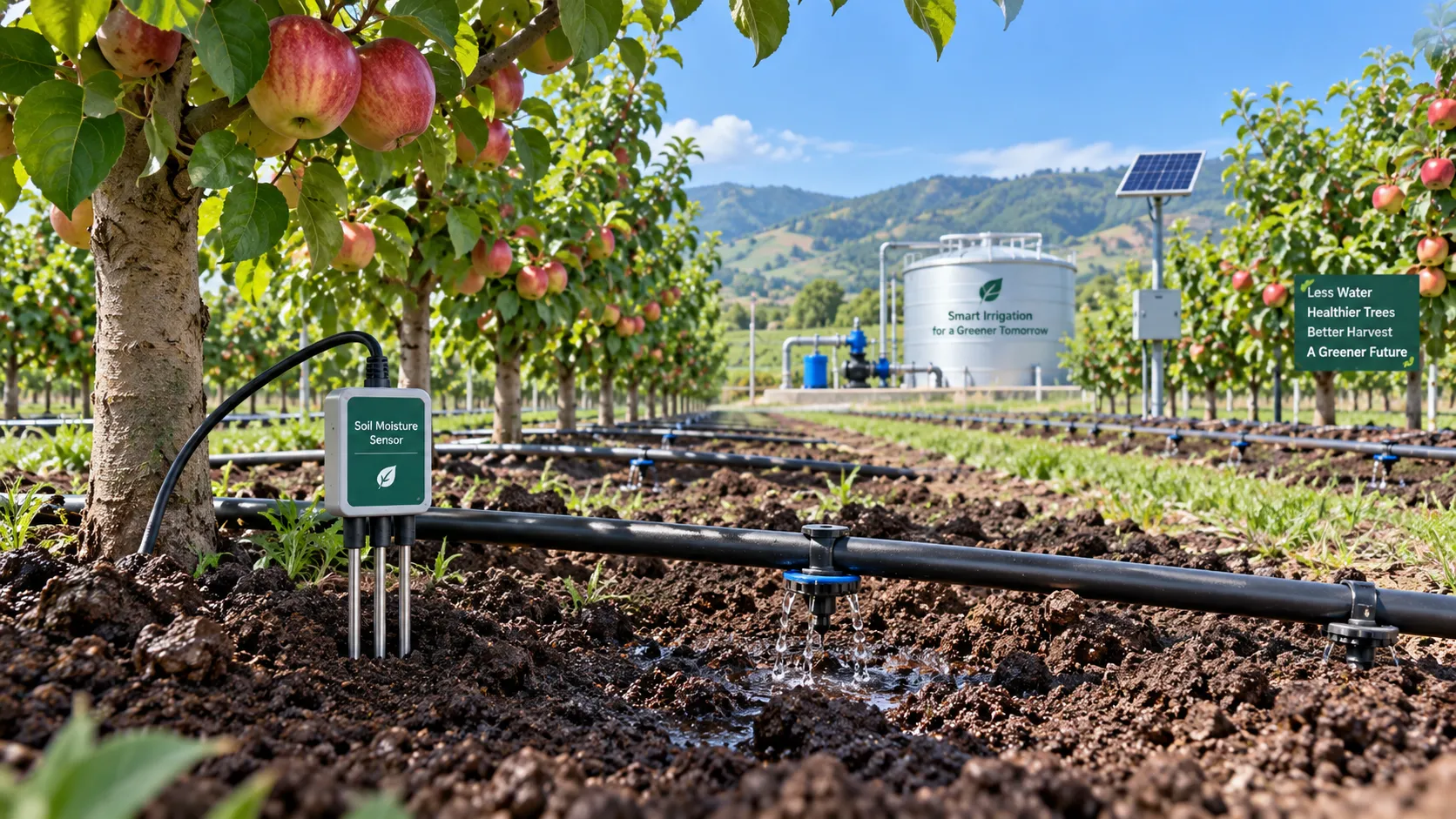
Orchard Water Management: Using Soil Moisture Data to Schedule Irrigation
Agricultural water management for orchards made practical: use soil moisture data to optimize irrigation timing, protect yield, reduce costs, and improve resilience.
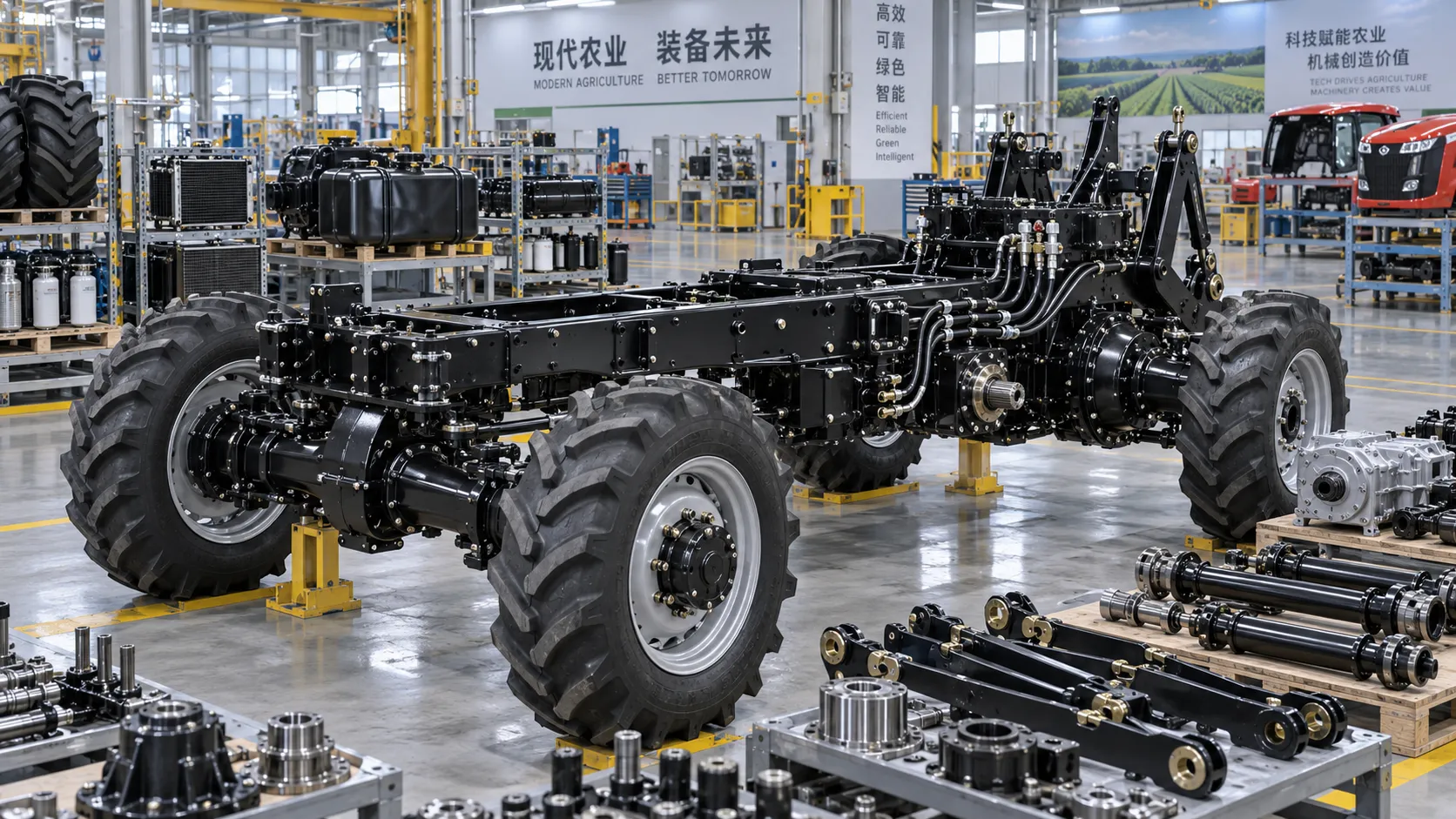
Tractor Chassis Price: What Buyers Should Compare Beyond the Initial Quote
Tractor chassis price is only the start. Compare load capacity, compatibility, durability, and lifecycle costs to choose a reliable, high-value chassis.
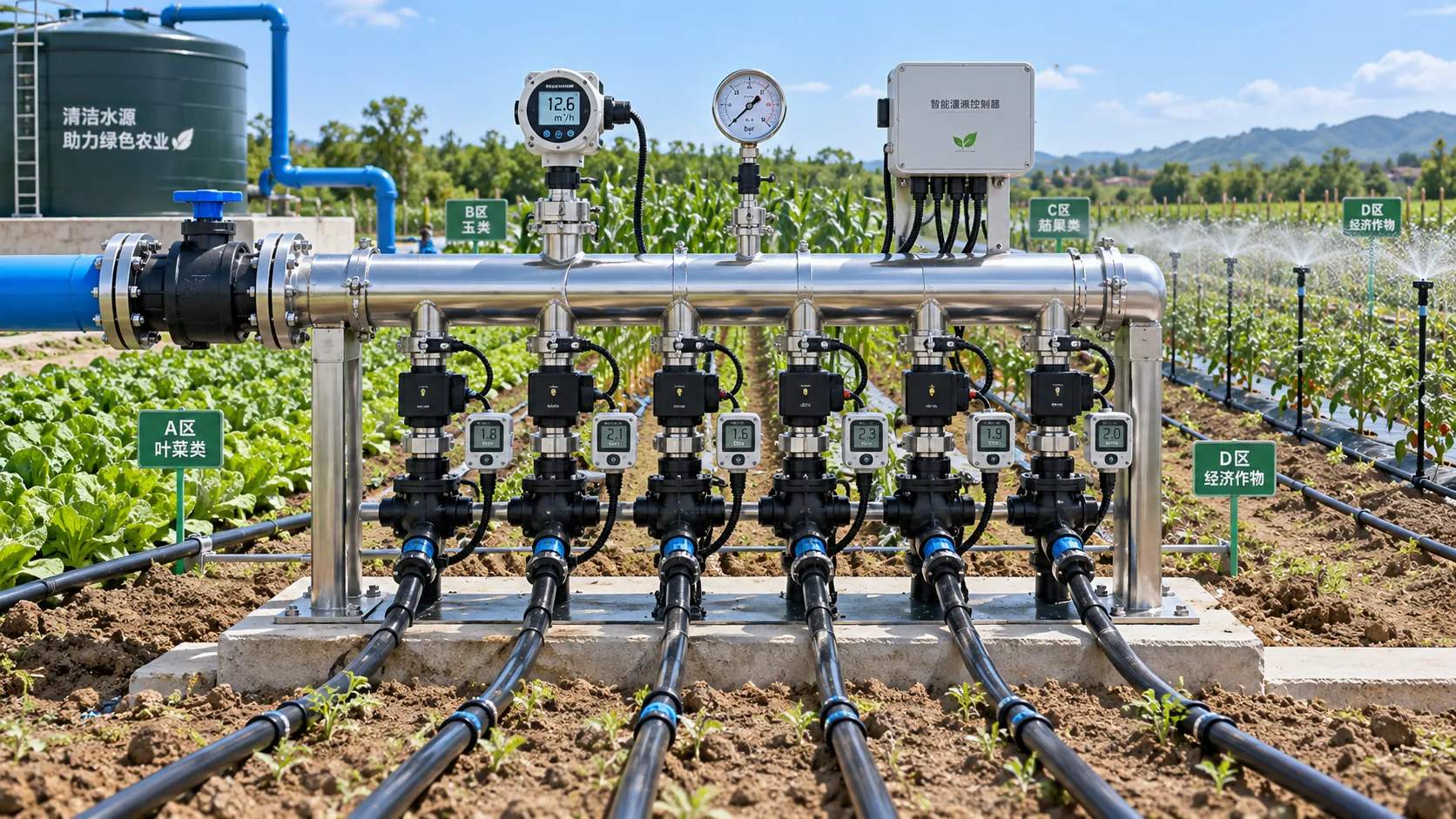
How to Select Smart Irrigation Valves for Multi-Zone Water Management?
Intelligent irrigation systems valves: learn how to match smart valves with multi-zone flow, pressure, control, feedback, and communication needs for reliable water management.

Climate-Smart Farming for Drought: A Practical Plan for Protecting Yields
Climate-smart farming for drought: build smarter water budgets, protect critical crop stages, improve irrigation uniformity, and safeguard yields with practical field-proven strategies.

How Digital Agriculture Platforms Turn Field Data Into Better Input Decisions
Digital agriculture platforms turn field data into smarter fertilizer, water, seed, and equipment decisions—helping farms cut risk, improve margins, and scale sustainability.

GPS-Guided Farm Machinery: Where It Delivers Measurable Field Efficiency Gains
Agri-mechanization GPS guided systems deliver measurable field efficiency gains through reduced overlap, precise planting, smarter inputs, and reliable farm data.

How Sensor Feedback Enables Accurate Variable-Rate Fertilization in Field Conditions
Precision fertilization systems with sensor feedback improve variable-rate accuracy by verifying flow, managing latency, and ensuring reliable field application.

How to Select Precision Crop Protection Equipment for Variable Field Conditions
Precision crop protection equipment selection made simple: compare terrain, canopy, weather, control accuracy, and data workflows for reliable applications.

When Does Agricultural Machinery Leasing Cost Less Than Owning Equipment?
Agricultural machinery leasing can lower farm costs when use is seasonal or uncertain. Compare utilization, maintenance, cash flow, and risk to make a smarter equipment decision.
Related News
- 00
0000-00
Fuel-Efficient Tractor Powertrain: Which Specs Matter Most for Total Operating Cost? - 00
0000-00
CVT Transmissions Price Explained: What Drives Cost in Agricultural Machinery? - 00
0000-00
Dedicated CVT Rail Link Signals New Export Execution Standard - 00
0000-00
TUV Rheinland Sets New ASIL-B Rule for CVT Systems - 00
0000-00
ANVISA Clears First China-Made Bio-Based CVT Fluid for Brazil
Popular Tags
Tractor Power Architect
Weekly Insights
Stay ahead with our curated technology reports delivered every Monday.