
Tractor Chassis Buying Guide: Key Load, Clearance, and Drivetrain Factors to Compare
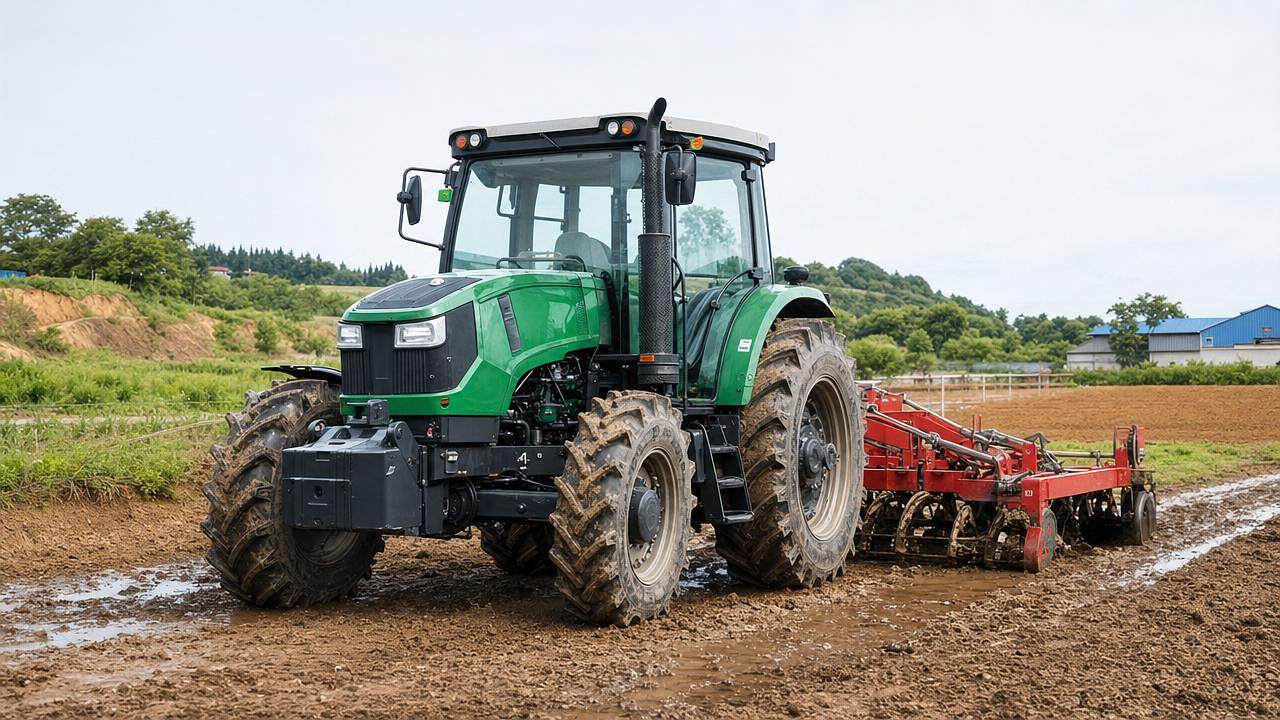




Tractor Chassis Buying Guide: Key Load, Clearance, and Drivetrain Factors to Compare
Choosing the right tractor chassis shapes field efficiency, service life, and cost control.
For most buying teams, the challenge is not finding options.
It is comparing each tractor chassis against real workloads, terrain limits, and lifetime operating pressure.
A good match improves traction, supports heavier implements, and reduces downtime during peak seasons.
A poor match often looks acceptable on paper, then struggles under load, mud, slopes, or transport conditions.
This guide breaks down the tractor chassis factors that matter most when comparing suppliers and configurations.
The focus stays on load capacity, ground clearance, drivetrain layout, maintenance demands, and long-term value.
Start with the real job profile
Before comparing any tractor chassis, define how the machine will actually work.
This step sounds basic, but it prevents expensive specification mistakes later.
List the primary implements, average field size, transport distance, and seasonal ground conditions.
Also note soil type, crop row spacing, slope range, and whether operations continue during wet windows.
A tractor chassis for broadacre tillage differs from one supporting spraying, seeding, or mixed transport work.
In practical buying situations, the best option is often the one with the fewest compromises in daily use.
- Define maximum payload, not only average payload.
- Measure typical underbody obstacles and crop clearance needs.
- Separate field work hours from road transport hours.
- Check whether future implements will raise axle or hitch demand.
Why load capacity matters more than brochure horsepower
Many buyers start with engine output, but the tractor chassis carries the operational burden.
If the chassis cannot handle weight distribution, horsepower alone does not protect productivity.
Focus first on gross vehicle weight rating, front and rear axle limits, and frame construction.
Then compare static load capacity with dynamic load performance during turning, braking, and uneven terrain.
Mounted implements can create sudden stress at the rear, especially with tanks, seed hoppers, or heavy toolbars.
A stronger tractor chassis helps maintain balance, protects components, and supports safer transport between fields.
Pay attention to ballast flexibility as well.
The right ballast setup lets one tractor chassis perform across multiple tasks without overloading key points.
Load questions worth asking suppliers
- What are the axle load limits at full implement lift?
- How does the tractor chassis handle repeated shock loads?
- Are frame and suspension components reinforced for heavy draft work?
- What operating margin is recommended below rated capacity?
Ground clearance affects more than obstacle avoidance
Ground clearance is often treated as a simple dimension.
In reality, it influences crop protection, residue handling, underbody safety, and field access after rain.
A tractor chassis with insufficient clearance can drag residue, damage crop rows, or strike uneven surfaces.
That problem becomes more obvious in row-crop work, conservation tillage, and irrigated plots with wheel ruts.
At the same time, more clearance is not automatically better.
Higher geometry can affect stability, step-in height, and center of gravity during transport or hillside operation.
The smarter comparison looks at usable clearance under full load, not empty-machine marketing numbers.
Also check where vulnerable lines, housings, and linkages sit beneath the tractor chassis.
Clearance checkpoints during evaluation
- Measure loaded clearance with standard tires and ballast installed.
- Inspect protection around hydraulic lines and driveline parts.
- Compare turning clearance in row-crop applications.
- Review stability impact if higher clearance is required.
Drivetrain choices shape traction, fuel use, and service cost
The drivetrain is where the tractor chassis turns engine power into usable pulling force.
This is also where operating efficiency can improve or erode over time.
Start by comparing two-wheel drive, mechanical front-wheel drive, and full four-wheel-drive layouts.
Each option changes traction behavior, tire wear, turning performance, and field compaction patterns.
For heavy draft work, a robust drivetrain usually delivers better power transfer and fewer slippage losses.
For mixed operations, transmission choice becomes equally important.
Powershift, CVT, and synchronized gear systems each have different cost and maintenance profiles.
A tractor chassis that works well with the wrong transmission still underperforms in daily use.
That is why drivetrain comparison should include torque delivery, shift smoothness, and field-speed control accuracy.
What to compare in the drivetrain package
- Differential lock response under slippery field conditions.
- Final drive durability under continuous heavy pulling.
- Transmission efficiency across working speed ranges.
- Service intervals, oil requirements, and technician availability.
Do not separate tractor chassis selection from implement compatibility
A tractor chassis should never be evaluated in isolation.
Its real value appears only when matched with the implements it must carry, pull, and control.
Check hitch category, lift capacity, wheelbase, hydraulic routing, and PTO alignment together.
A mismatch in any one area can limit performance even if the tractor chassis itself looks strong.
This becomes critical with planters, sprayers, subsoilers, and large mounted seed drills.
Longer implements alter turning radius and shift weight during road movement.
The safer purchasing approach is to validate compatibility using real implement dimensions and loaded operating data.
Look beyond purchase price to total cost of ownership
A lower upfront quote does not always produce the better procurement outcome.
The right tractor chassis should reduce avoidable cost across several seasons.
Review fuel efficiency under expected loads, not only under ideal test conditions.
Estimate tire replacement frequency, axle wear, drivetrain service cost, and average downtime exposure.
Ask suppliers for parts lead times and field service response commitments.
A capable tractor chassis loses value fast if key parts are slow to source during planting or harvest windows.
Residual value matters too, especially in fleets with planned renewal cycles.
Models with better service records and broader dealer support usually hold value more effectively.
A practical cost checklist
- Calculate cost per working hour at realistic utilization.
- Add preventive maintenance and wear-part forecasts.
- Model downtime risk during critical field periods.
- Include resale assumptions after the planned holding term.
Use a side-by-side comparison matrix before final approval
When several models appear similar, a structured matrix makes the decision clearer.
Score each tractor chassis against weighted operational priorities rather than headline specifications alone.
This helps reduce bias from brand familiarity or short-term discounting.
A matrix also creates a stronger record for internal review and supplier negotiation.
That is especially useful when the tractor chassis decision affects several locations or multi-year fleet plans.
Final buying takeaways for a smarter tractor chassis decision
The best tractor chassis is rarely the cheapest, tallest, or most powerful option.
It is the model that matches load reality, clearance demands, drivetrain needs, and service conditions without costly compromise.
Keep the evaluation tied to actual implements, field conditions, and annual workload peaks.
When comparing a tractor chassis, ask how it performs on the hardest day, not the easiest demonstration day.
That shift in perspective usually leads to a more resilient purchase decision.
In real operations, the right tractor chassis supports uptime, operator confidence, and better cost control season after season.
Use these comparison points to narrow options, challenge supplier claims, and move toward a purchase with fewer surprises later.
Related News
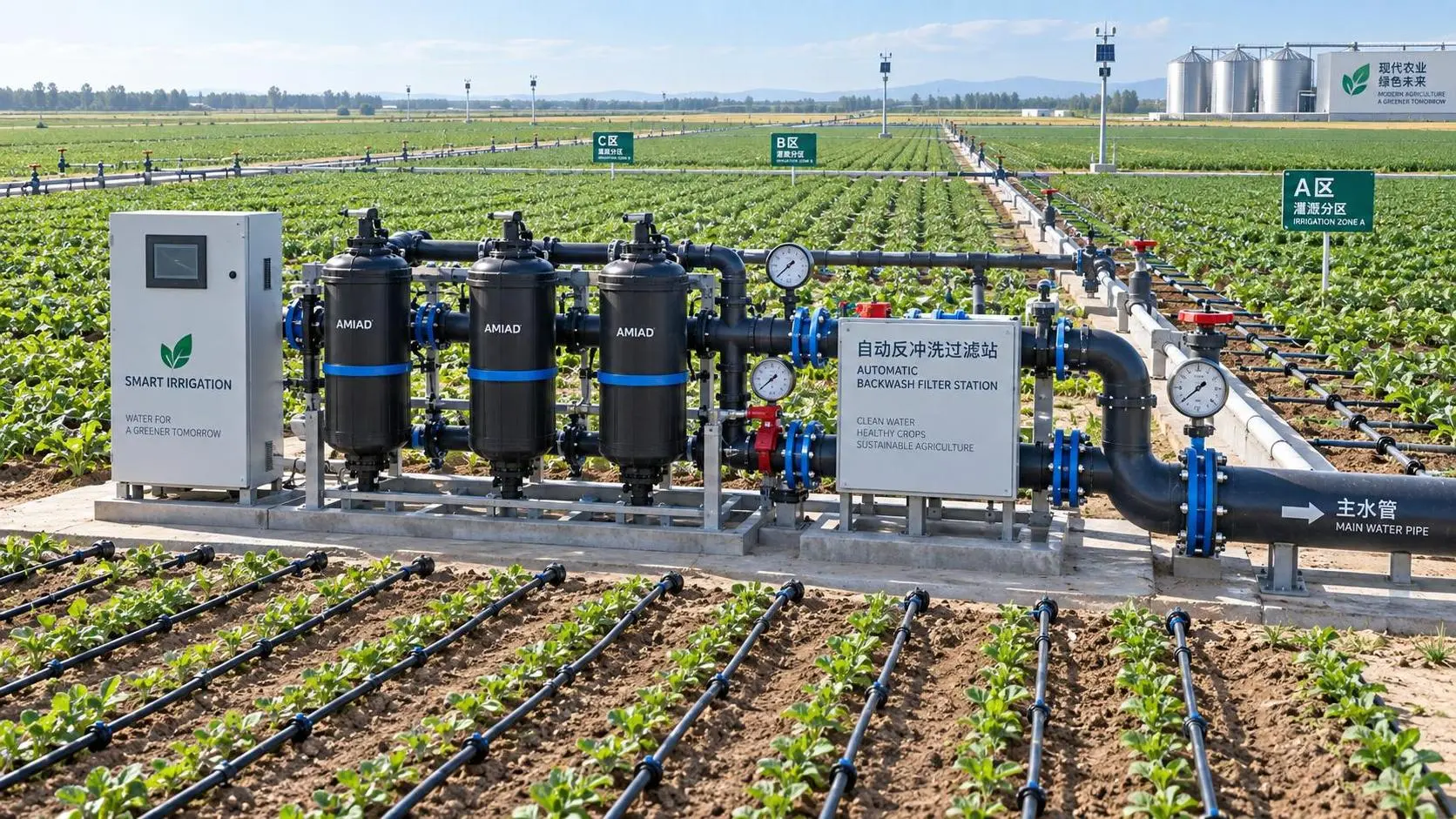
How to Evaluate Drip Irrigation System Manufacturers for Large Farm Projects
Drip irrigation systems manufacturer evaluation guide for large farms: compare hydraulic design, filtration, quality control, scalability, delivery, and support.
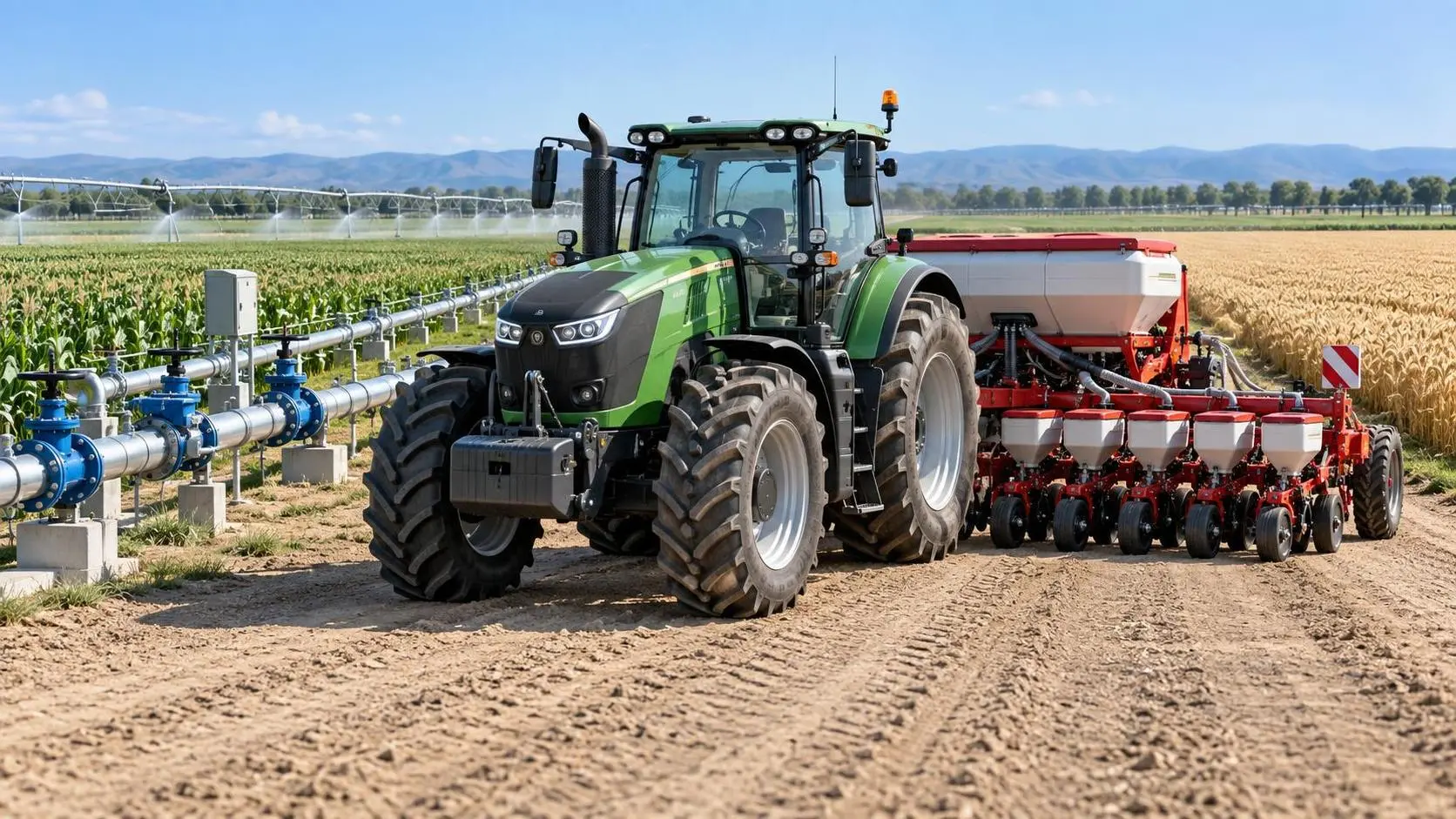
Specification Planning: A Practical Framework for Defining Equipment Requirements
Application guidance for specification planning: define measurable equipment requirements, prioritize performance, and avoid costly procurement mistakes.

How North American Farms Can Select Crop Monitoring Systems by Acreage and Connectivity
Crop monitoring systems North America: learn how to match acreage, connectivity, sensors, and data workflows for reliable, actionable farm decisions.

Where to Find Reliable Product Information for Comparing Farm Equipment
Product information resources agriculture buyers can trust: compare farm equipment with technical specs, manuals, field data, dealer support, and lifecycle insights.
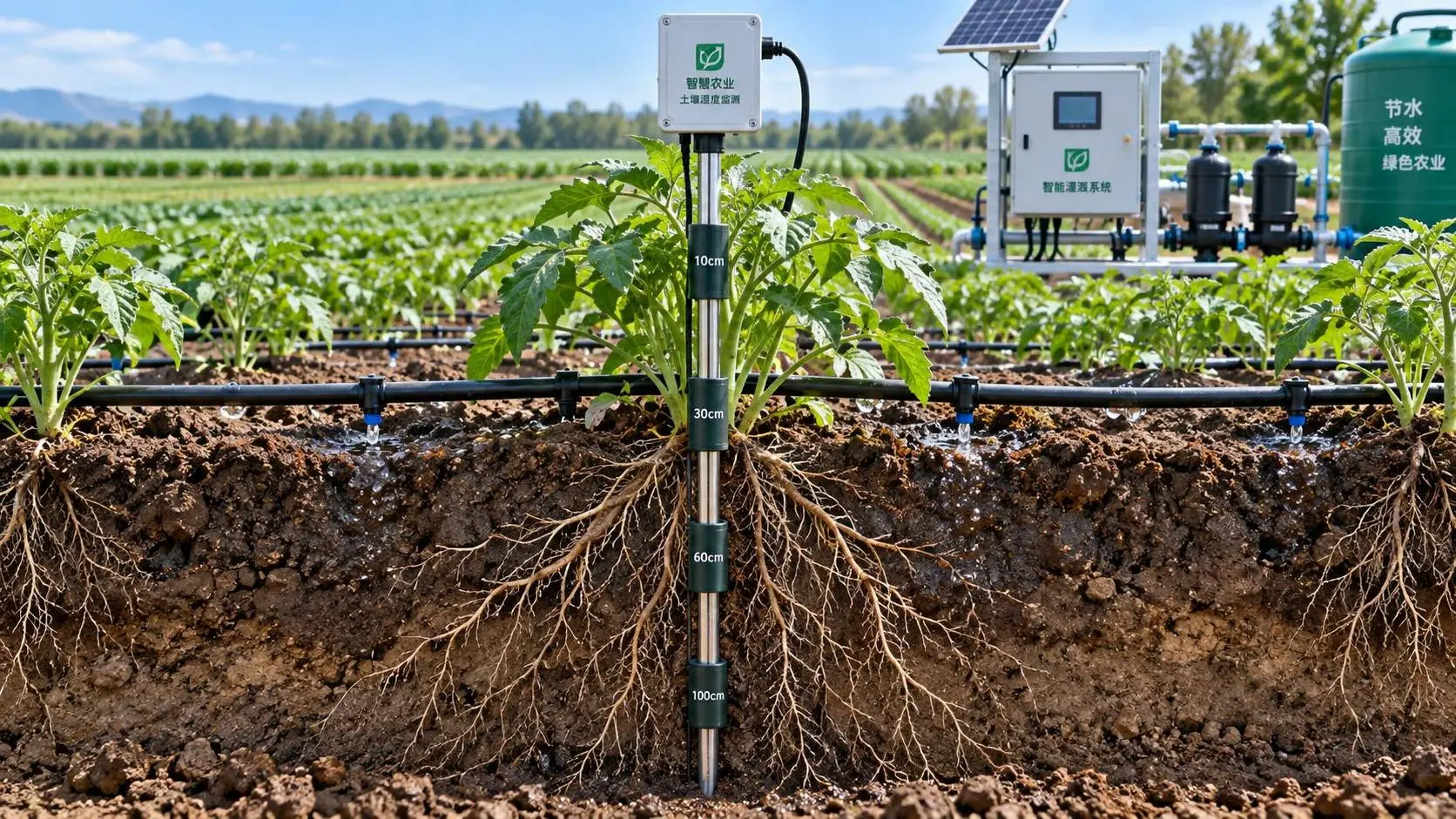
Selecting Real-Time Soil Moisture Sensors for Irrigation Zone Control
Soil moisture sensors real time: learn how to select reliable probes, optimize zone control, improve irrigation decisions, and scale precision water management.
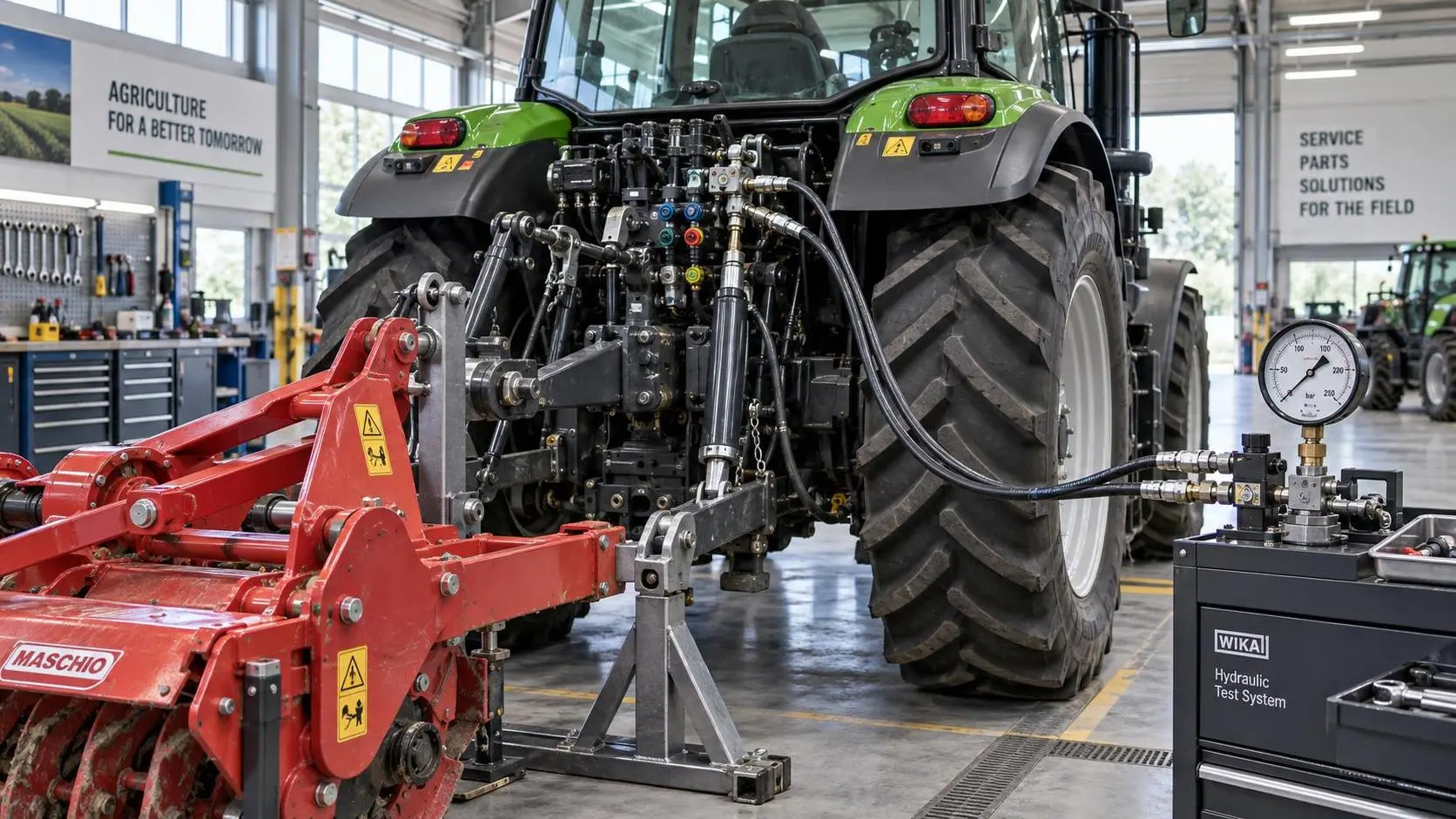
Tractor Hydraulic Systems Troubleshooting: Diagnosing Weak Lift and Slow Implements
Tractor hydraulic systems troubleshooting made practical: diagnose weak lifts and slow implements with proven pressure, flow, valve, and oil-supply checks.
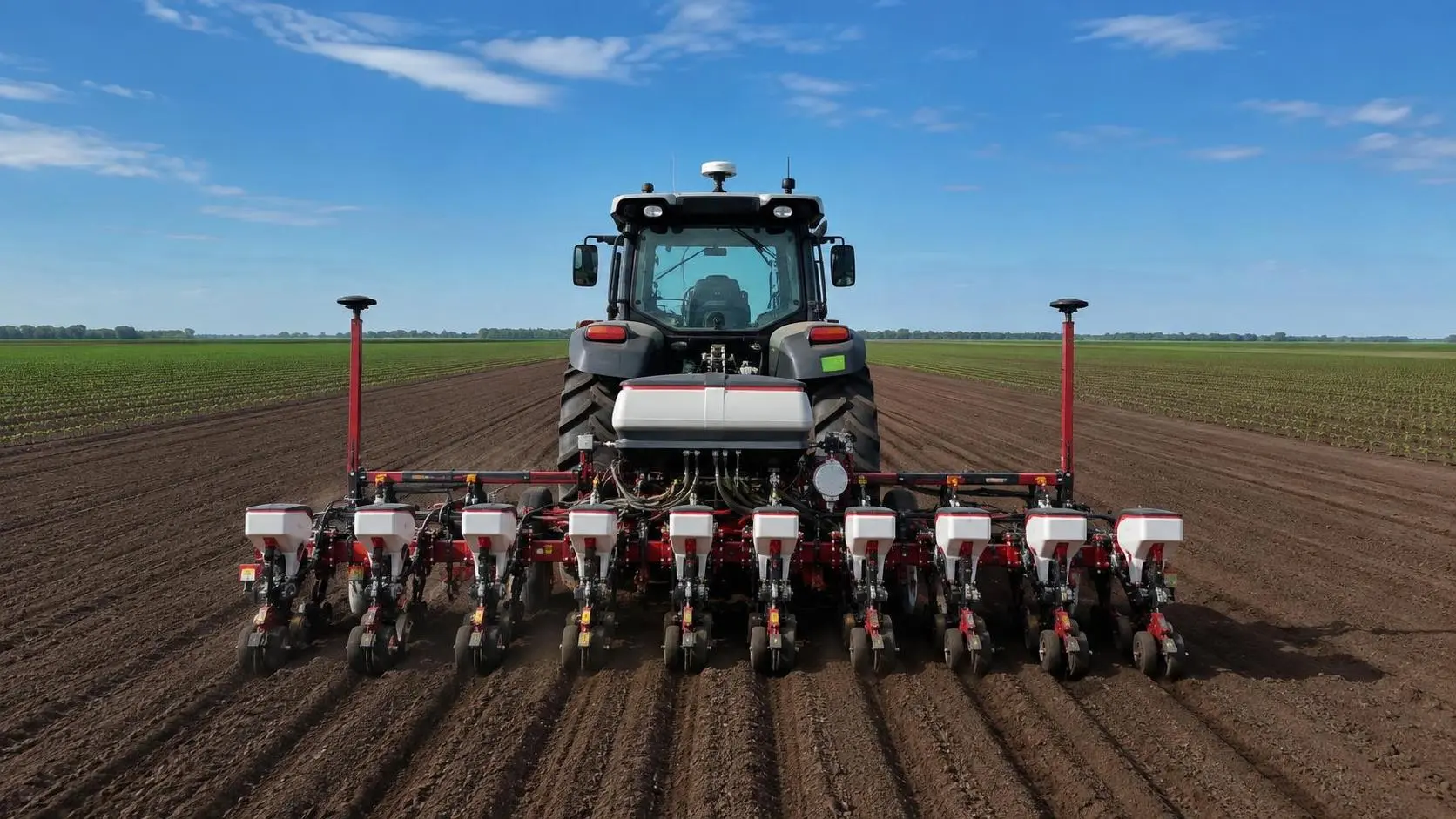
How Tractor Intelligence Systems Improve Field Efficiency and Input Accuracy
Agricultural machinery intelligence for tractors improves field efficiency, input accuracy, data traceability, and implement control. Explore smarter evaluation strategies.
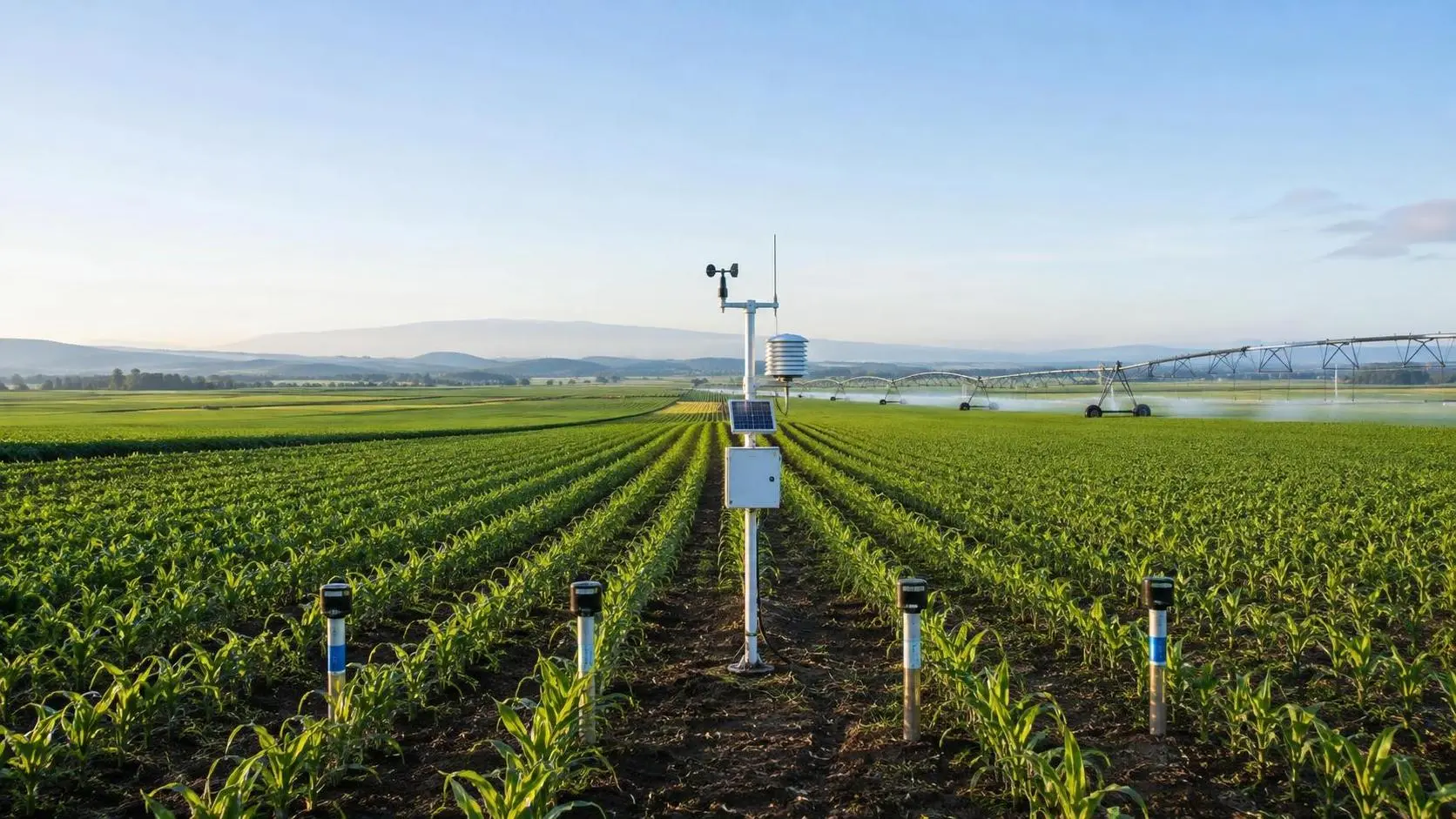
How to Evaluate Crop Monitoring System Manufacturers for Large-Scale Farms
Compare crop monitoring systems manufacturers for large-scale farms. Evaluate data quality, integration, durability, lifecycle costs, support, and pilots for smarter decisions.
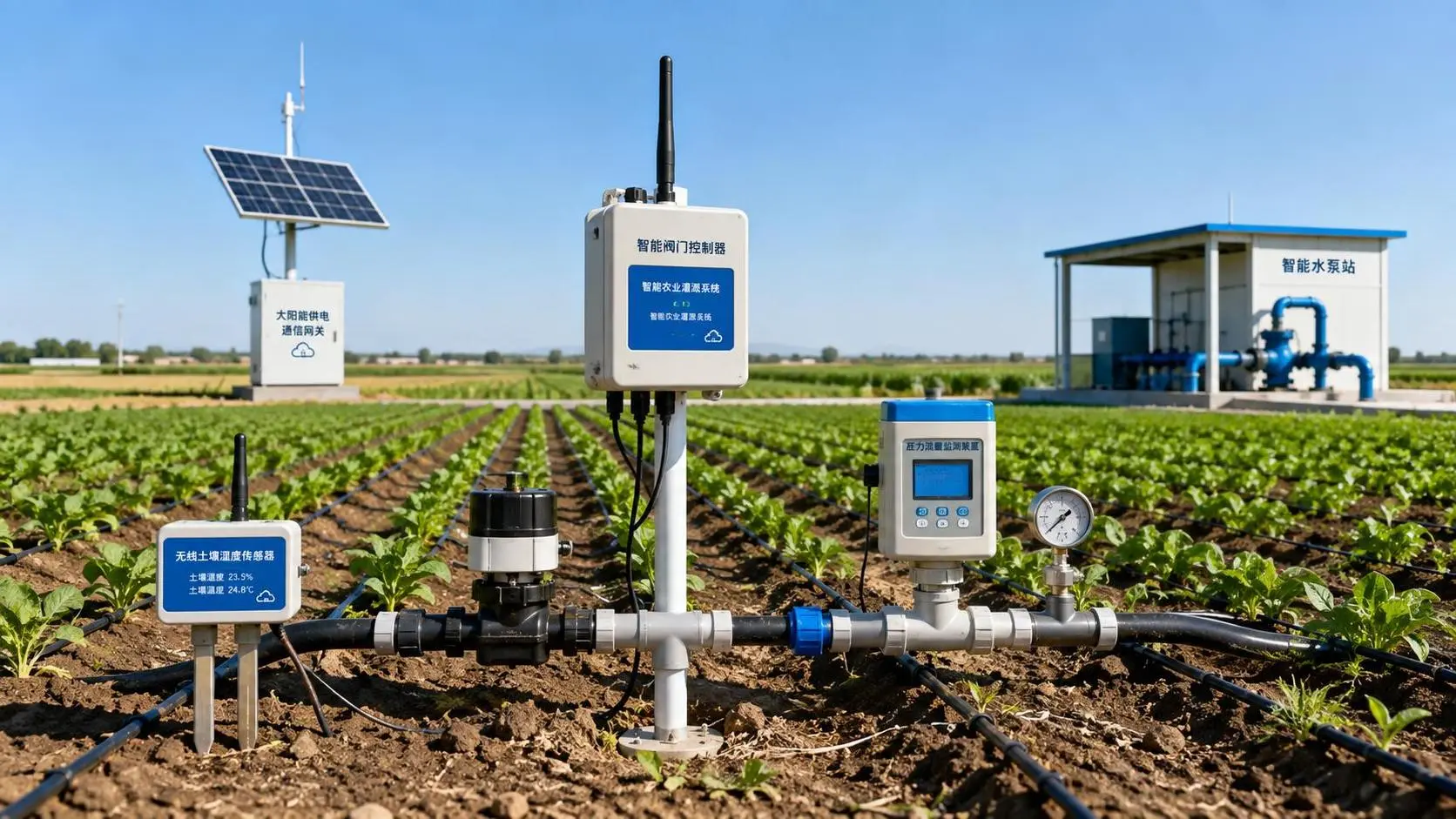
Wireless Agricultural Automation for Remote Irrigation and Field Monitoring
Agricultural automation wireless solutions improve remote irrigation with reliable field data, local control, flow verification, and smarter monitoring. Explore resilient deployment strategies.
Related News
- 00
0000-00
How to Choose a Tractor Chassis: Load Capacity, Ground Clearance, and Terrain Fit - 00
0000-00
Tractor Chassis Buying Guide: Key Load, Clearance, and Drivetrain Factors to Compare - 00
0000-00
Iran Conflict Drives Up Global Oil Prices, Raising AWD Tractor Shipping Costs by 18% - 00
0000-00
PSC Inspections Surge: Ust-Luga Port Requires On-Site Vibration/Noise Re-Testing for All-Wheel Drive Tractors - 00
0000-00
New Energy Hybrid Tractor Project Launched in Xinjiang
Popular Tags
Tractor Power Architect
Weekly Insights
Stay ahead with our curated technology reports delivered every Monday.