
How to Choose a Tractor Chassis: Load Capacity, Ground Clearance, and Terrain Fit
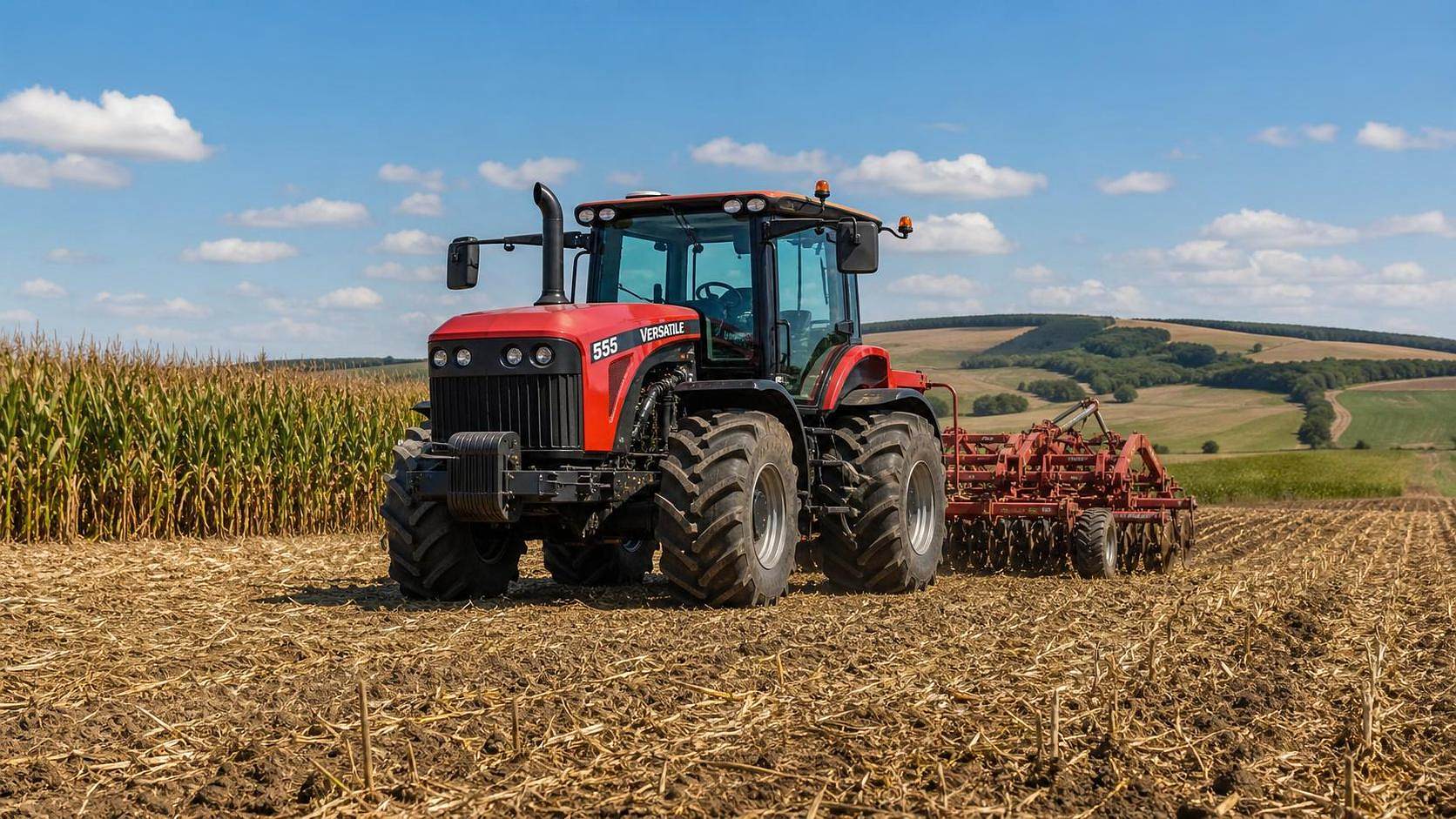




How to Choose a Tractor Chassis: Load Capacity, Ground Clearance, and Terrain Fit
Choosing the right tractor chassis is not a minor specification check.
It directly shapes uptime, field efficiency, operator confidence, and cost per working hour.
For heavy-duty farming, the tractor chassis is the structural base that carries power, load, and traction.
A poor match can cause instability, underperformance, soil damage, and faster component wear.
A good match improves implement control, transport safety, and long-term asset value.
This matters even more as farms push for larger implements, tighter labor planning, and more variable terrain conditions.
In practical buying decisions, three factors usually separate a strong tractor chassis choice from an expensive compromise: load capacity, ground clearance, and terrain fit.
Why the tractor chassis matters more than many buyers expect
Engine power often gets most of the attention.
But the tractor chassis determines how that power reaches the ground under real workload.
It supports the transmission, axles, hydraulic layout, ballast strategy, and mounted or towed equipment behavior.
That means the tractor chassis affects traction consistency and turning stability at the same time.
It also influences service life in high-shock applications such as tillage, hauling, and rough-field transport.
From a procurement view, chassis selection is not just technical.
It is a risk management decision tied to productivity, maintenance exposure, and fleet standardization.
Start with load capacity, not brochure horsepower
Load capacity is one of the first filters when comparing a tractor chassis.
Yet it is often misunderstood because suppliers may emphasize peak values instead of working reality.
A tractor chassis must carry static weight and dynamic load without excessive flex or axle stress.
This includes mounted implements, liquid tanks, seed loads, front ballast, and transport shock.
What to check in real operating terms
- Front and rear axle load ratings under full implement weight.
- Gross vehicle weight rating versus typical loaded field conditions.
- Three-point hitch lift interaction with chassis balance.
- Ballast flexibility for changing seasonal tasks.
- Transport load behavior on uneven farm roads.
A tractor chassis that looks adequate on paper may still struggle once heavy attachments are raised.
That is where weight transfer, center of gravity, and frame rigidity become visible.
More importantly, repeated overload shortens bearing life and increases tire wear.
Over time, that weakens total cost performance even if the purchase price looked attractive.
A simple load capacity evaluation method
- List the heaviest implement combinations used across one full season.
- Add working material loads such as seed, fertilizer, or spray volume.
- Include ballast needs for traction and stability.
- Apply a safety buffer for field shock and road transfer.
- Compare those numbers against axle and total chassis limits.
If the margin is too tight, the tractor chassis is likely undersized for serious mixed-duty work.
Ground clearance is about crop protection and underbody survival
Ground clearance is not only relevant for row-crop operations.
It also affects residue flow, underbody protection, drainage crossing, and rough-field passability.
A tractor chassis with insufficient clearance may bottom out in ruts or damage crop stands.
It can also collect mud and residue around driveline components.
That usually leads to extra cleaning time and greater wear risk.
Where clearance becomes a decision factor
- High-residue corn or wheat fields after harvest.
- Vegetable, cotton, or row-crop operations needing crop-safe passage.
- Wet ground with wheel ruts and uneven tracks.
- Fields with stones, raised beds, or drainage ridges.
- Transport routes with abrupt ramps or farmyard obstacles.
From recent buying shifts, more operations now want one tractor chassis for both field and transport roles.
That makes clearance more important than it was in single-task fleets.
The clearer signal is this: underbody geometry now matters almost as much as raw pulling power.
Terrain fit is the real test of a tractor chassis
A tractor chassis should match the land it works on, not an idealized test field.
Terrain fit combines slope stability, traction behavior, turning geometry, and ride control.
In real operations, terrain mismatch is one of the main reasons a machine feels inefficient.
Flat and large-acreage fields
In flatter regions, a tractor chassis should prioritize load carrying efficiency and high-speed stability.
Long wheelbase designs often support smoother pulling with large implements.
The tradeoff is wider turning space, which should be checked against field access patterns.
Rolling ground and mixed surfaces
In mixed terrain, the best tractor chassis usually balances articulation, stability, and suspension response.
Weight distribution becomes more important than maximum engine output.
A chassis that keeps tire contact more evenly can improve traction without adding excessive ballast.
Hilly or slope-intensive operations
On slopes, the tractor chassis needs a stable stance and predictable weight transfer.
Low-mounted mass, axle strength, and braking confidence become critical selection points.
This is where a narrow price comparison can become risky.
Key technical checkpoints before final comparison
A smart tractor chassis review should move beyond basic specification sheets.
Several details usually reveal whether a model is built for durable field use.
Common buying mistakes when selecting a tractor chassis
Several mistakes show up repeatedly in fleet expansion and replacement cycles.
- Choosing by horsepower alone while ignoring axle and frame limits.
- Using nominal implement weight instead of loaded operating weight.
- Assuming one tractor chassis fits every field type equally well.
- Overlooking road transport shock between distant blocks of land.
- Comparing price without measuring long-term wear exposure.
These issues usually do not appear on day one.
They emerge after repeated field cycles, rising service hours, and inconsistent job performance.
That is why a durable tractor chassis should be judged by work pattern, not just brochure position.
A practical decision framework for better chassis selection
A useful selection process should be simple enough to apply, but detailed enough to prevent expensive mismatch.
- Define the top three annual tasks by load severity.
- Map the dominant terrain types across all working zones.
- Set a minimum clearance requirement based on residue and rut conditions.
- Check tractor chassis ratings against loaded, not empty, attachments.
- Review turning needs, road travel, and service support access.
- Score each model on fit, not just initial price.
This approach usually produces clearer shortlists and fewer surprises after delivery.
It also supports more consistent communication between technical and commercial decision teams.
Final takeaway
The best tractor chassis is rarely the one with the biggest number in a sales sheet.
It is the one that carries load confidently, clears the field cleanly, and stays stable across real terrain.
When those three conditions align, performance tends to follow.
So before final comparison, bring the tractor chassis back to actual operating reality.
Check peak load, underbody clearance, and terrain behavior in one framework.
That is usually the fastest path to a smarter, safer, and more profitable investment decision.
Related News
How to Select Precision Crop Protection Equipment for Variable Field Conditions
Precision crop protection equipment selection made simple: compare terrain, canopy, weather, control accuracy, and data workflows for reliable applications.
When Does Agricultural Machinery Leasing Cost Less Than Owning Equipment?
Agricultural machinery leasing can lower farm costs when use is seasonal or uncertain. Compare utilization, maintenance, cash flow, and risk to make a smarter equipment decision.
How to Evaluate Precision Fertilization System Suppliers for Farm-Scale Deployment
Precision fertilization systems suppliers: learn how to compare accuracy, integration, uptime, service, and total cost for confident farm-scale deployment.
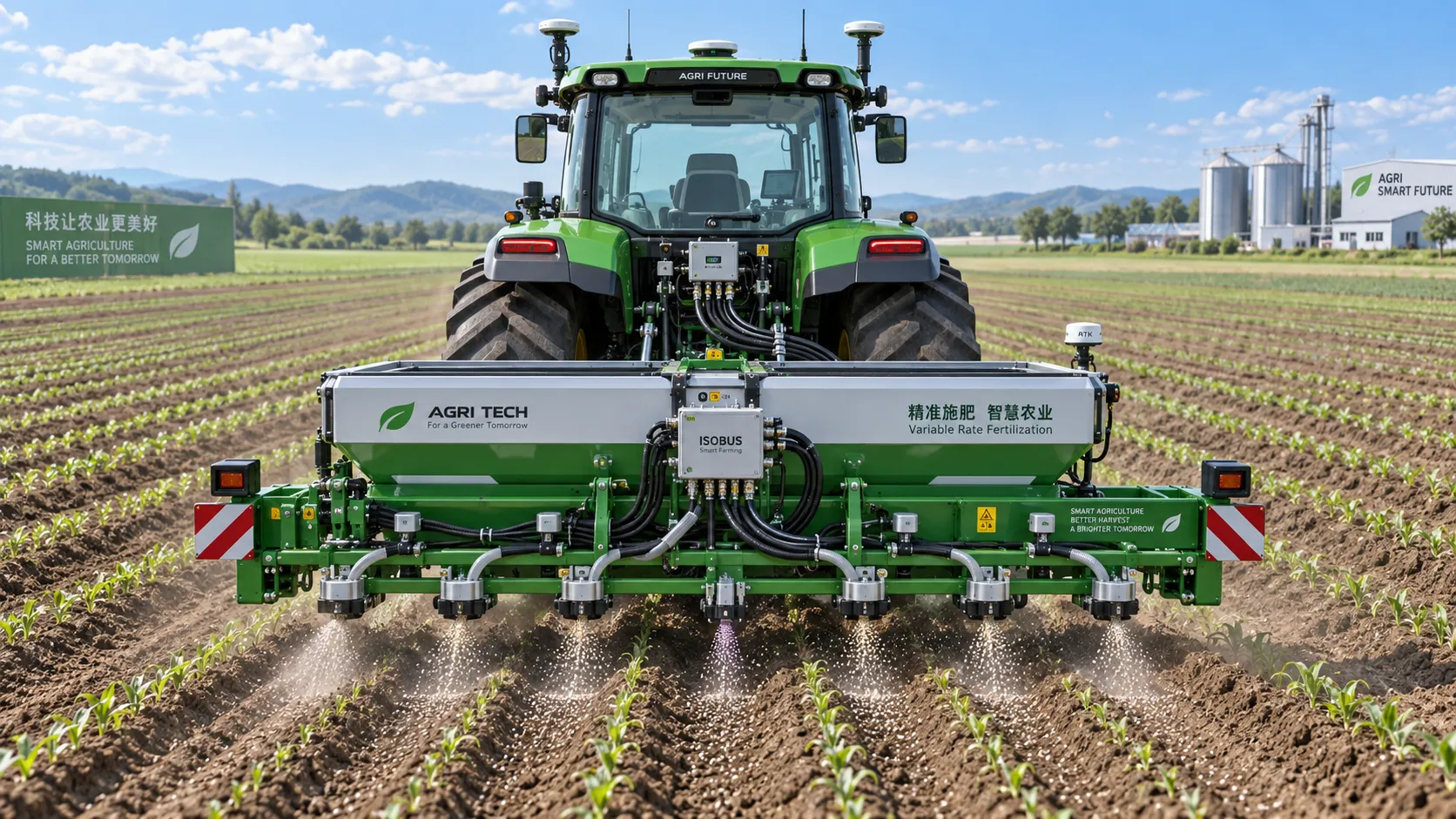
ISOBUS for Smart Agriculture: How It Connects Tractors, Implements, and Farm Data
ISOBUS for smart agriculture connects tractors, implements, terminals, and farm data—helping growers improve precision, documentation, and smarter field decisions.
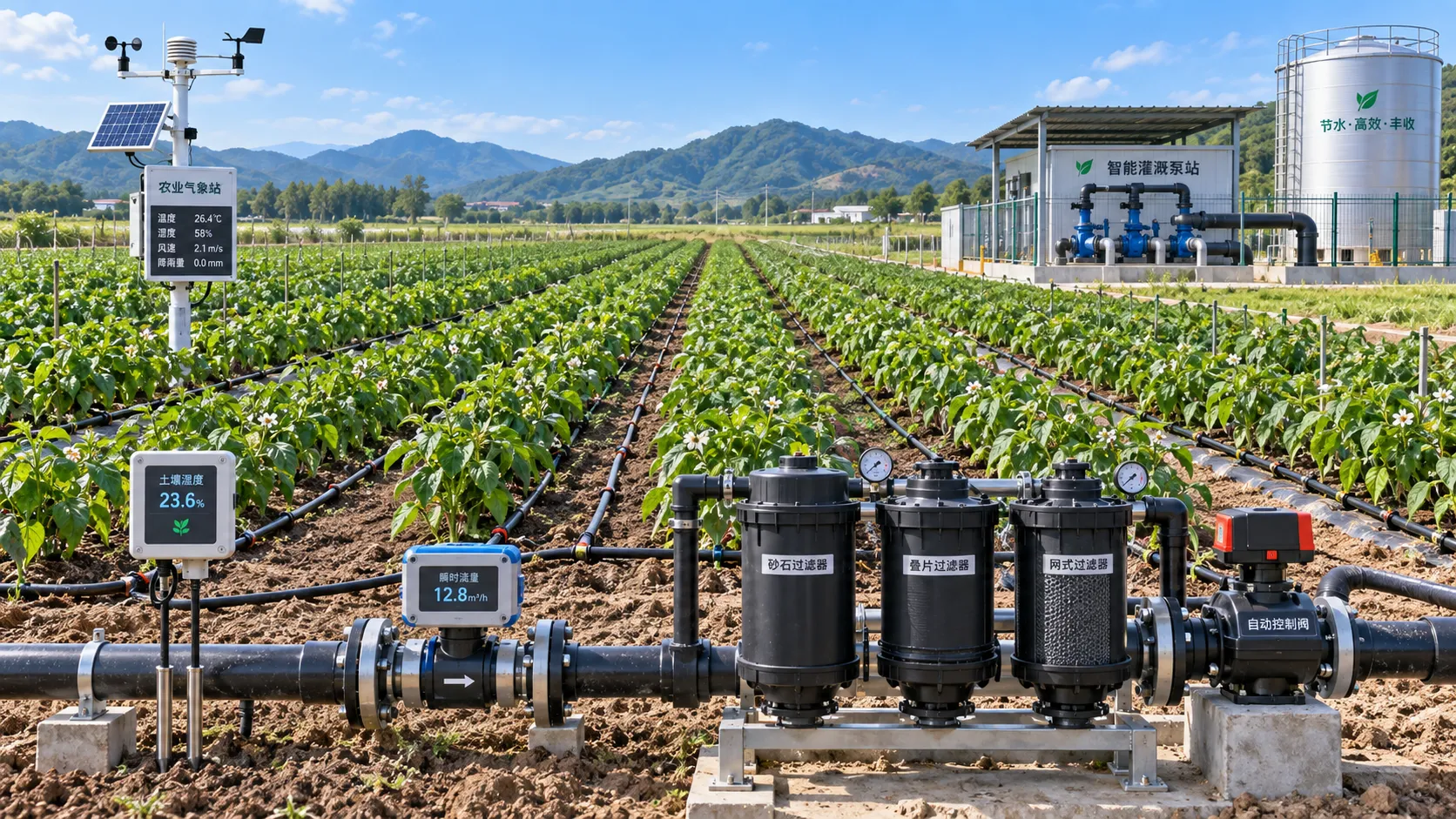
Automated Water-Saving Irrigation: How to Cut Water Use Without Reducing Crop Yields
Automated water-saving irrigation helps farms cut water use, protect crop yields, improve scheduling, and gain reliable control with sensors, flow monitoring, and smart zones.
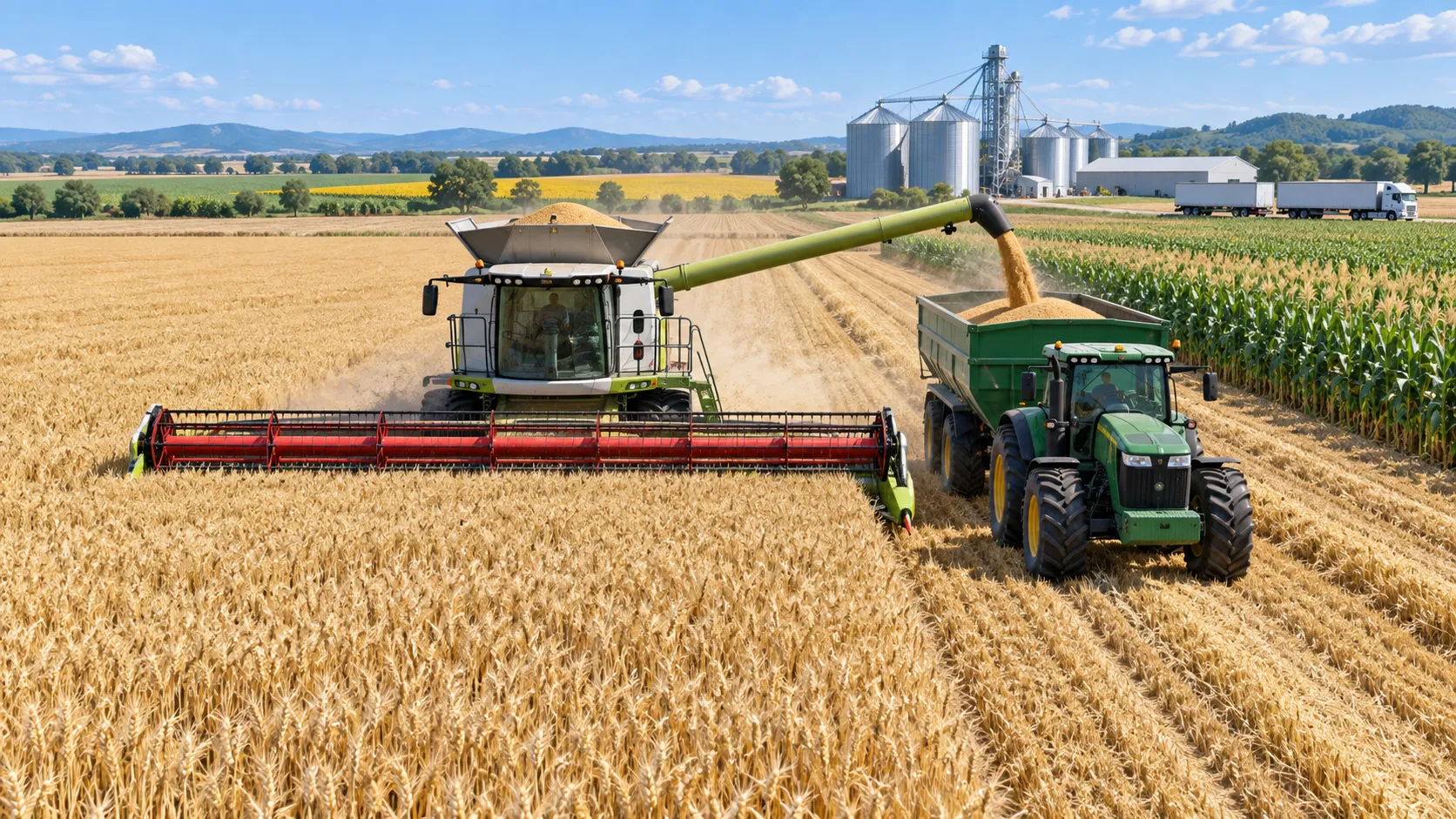
Selecting Grain Farm Equipment by Acreage, Crop Mix, and Harvest Window
Agricultural equipment selection for grain farming: match machinery to acreage, crop mix, and harvest windows to improve uptime, efficiency, and returns.
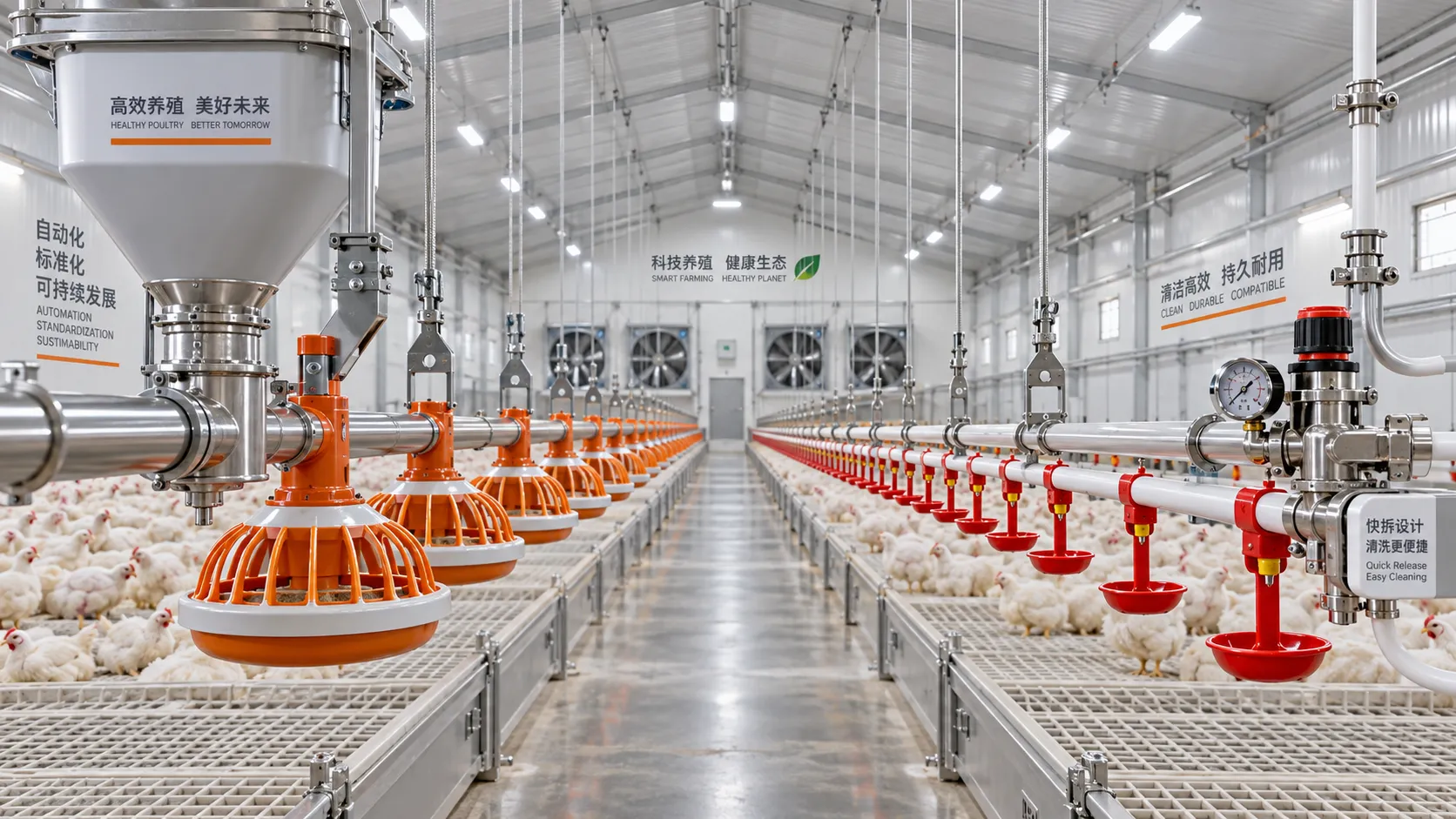
Poultry Equipment Selection: Evaluating Durability, Cleaning, and Compatibility
Poultry equipments selection guide: evaluate durability, cleaning access, and system compatibility to improve hygiene, reduce downtime, and support efficient flock management.
How to Select Heavy-Duty Farm Implements for High-Acreage, High-Horsepower Operations
Heavy duty farm implements: learn how to match draft, hydraulics, hitch capacity, frame strength, and field conditions for reliable high-acreage performance.
Smart Farming Technology for Dairy Farms: Where Automation Delivers Measurable ROI
Smart farming technology for dairy farms delivers measurable ROI through automation, precision feeding, health monitoring, and data-driven cost control.
Related News
- 00
0000-00
How to Choose a Tractor Chassis: Load Capacity, Ground Clearance, and Terrain Fit - 00
0000-00
Tractor Chassis Buying Guide: Key Load, Clearance, and Drivetrain Factors to Compare - 00
0000-00
Iran Conflict Drives Up Global Oil Prices, Raising AWD Tractor Shipping Costs by 18% - 00
0000-00
PSC Inspections Surge: Ust-Luga Port Requires On-Site Vibration/Noise Re-Testing for All-Wheel Drive Tractors - 00
0000-00
New Energy Hybrid Tractor Project Launched in Xinjiang
Popular Tags
Tractor Power Architect
Weekly Insights
Stay ahead with our curated technology reports delivered every Monday.