
PSC Inspections Surge: Ust-Luga Port Requires On-Site Vibration/Noise Re-Testing for All-Wheel Drive Tractors
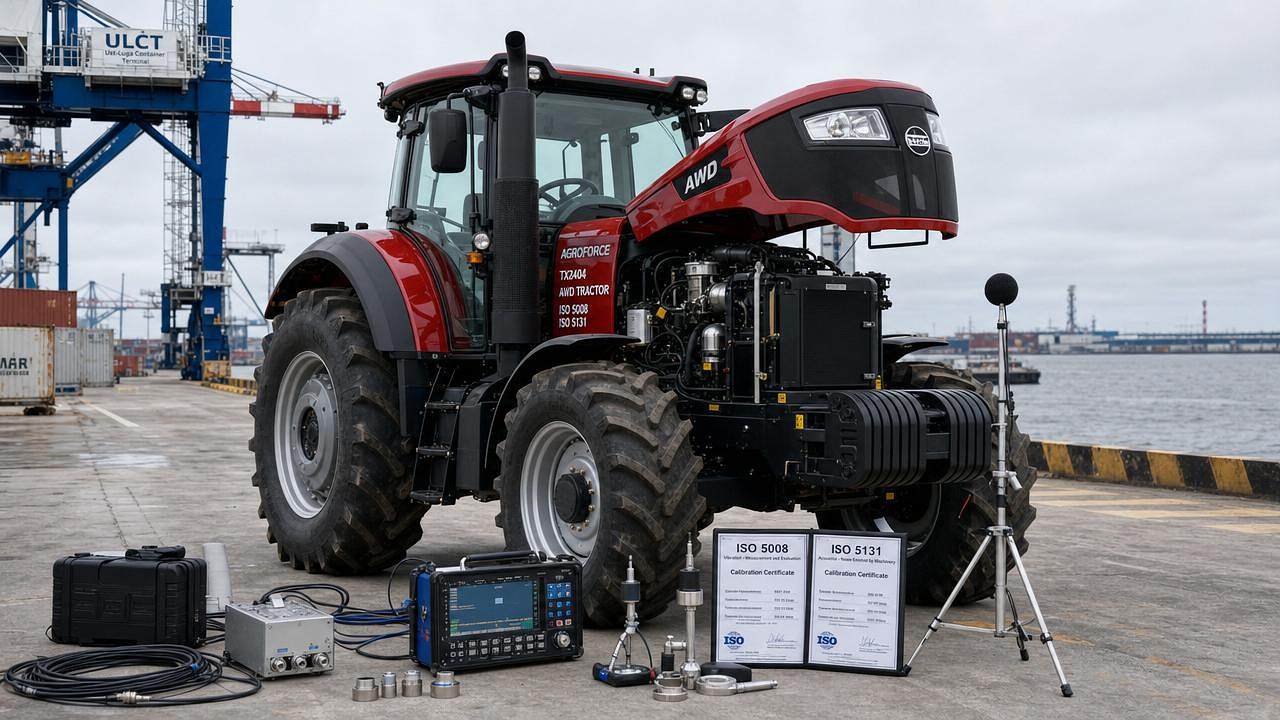




On April 18, 2026, Port State Control (PSC) inspectors at Russia’s Ust-Luga Port—operating under the Paris MoU—applied Annex XVII (newly adopted) to require on-site vibration and noise re-testing of all-wheel drive (AWD) systems on imported tractors. This marks the first documented enforcement of such a requirement at a Baltic Sea port, with implications for manufacturers, exporters, and logistics providers serving the Russia-Belarus-Kazakhstan (EAEU) market.
Event Overview
On April 18, 2026, PSC inspectors at Ust-Luga Port invoked the newly added Annex XVII of the Paris Memorandum of Understanding to mandate immediate, on-site vibration and noise verification of all-wheel drive systems on imported tractors. The test must be conducted using equipment compliant with ISO 5008 (vibration measurement) and ISO 5131 (noise measurement). This requirement was applied during routine inspection and has since been observed across multiple Baltic Sea ports.
Industries Affected
Direct Exporters & Trading Companies
Exporters of Chinese-made AWD tractors face delayed customs clearance in Ust-Luga and other Baltic ports due to the need for real-time, standards-compliant testing. Documentation previously accepted—such as factory test reports or third-party lab certificates—no longer suffices without on-site confirmation. Delays may trigger demurrage charges, contract penalties, or shipment rejection if testing fails or equipment is unavailable.
Tractor Manufacturers & OEMs
Manufacturers supplying AWD tractors to EAEU markets must now ensure that final units are not only designed to meet ISO 5008/ISO 5131 limits but also remain verifiably compliant after transport, storage, and pre-delivery handling. Factory calibration records and post-assembly verification logs may come under increased scrutiny—not just for conformity, but for traceability to specific units.
Supply Chain & Certification Service Providers
Third-party testing labs, classification societies, and technical documentation consultants serving tractor exporters are seeing rising demand for pre-shipment on-site verification support in transit hubs (e.g., Baltic ports or EU staging points). However, no official list of PSC-recognized field-test providers exists yet; service readiness remains fragmented and ad hoc.
What Enterprises Should Monitor and Do Now
Track official updates to Paris MoU Annex XVII implementation guidance
The Paris MoU Secretariat has not yet published operational guidelines or accreditation criteria for on-site vibration/noise testing under Annex XVII. Stakeholders should monitor announcements from the Paris MoU website and national maritime administrations (e.g., Russia’s Rosmorrechflot, Netherlands’ Human Environment and Transport Inspectorate) for clarifications on acceptable equipment, personnel qualifications, and appeal procedures.
Confirm port-specific enforcement scope and timing
While confirmed at Ust-Luga and observed in other Baltic ports (e.g., Klaipėda, Riga), enforcement is not yet uniform. Exporters should verify whether the requirement applies to all AWD tractors or only specific power classes, configurations, or model years—and whether it extends beyond the Baltic to Black Sea or Far East Russian ports.
Distinguish between regulatory signal and operational reality
This requirement reflects a tightening of technical verification—not a new safety standard. ISO 5008 and ISO 5131 have long applied to agricultural machinery; what is new is the shift from documentary compliance to real-time physical validation. Companies should avoid over-interpreting this as a de facto product ban or design overhaul mandate unless further non-conformities emerge.
Prepare for on-site verification capability at key entry points
Exporters and local agents should assess feasibility of deploying calibrated ISO-compliant test kits—or partnering with accredited local labs—within 24–48 hours of vessel arrival. Pre-positioning test equipment or signing standby service agreements at Ust-Luga or nearby ports (e.g., Saint Petersburg) may reduce dwell time, though no formal port-side testing infrastructure currently exists for this purpose.
Editorial Perspective / Industry Observation
Observably, this development signals a broader trend toward ‘verification-at-the-border’ for complex mechanical systems—not limited to marine equipment. While Annex XVII was introduced to address emerging concerns around automated and high-power agricultural machinery, its application to AWD tractors at Ust-Luga appears exploratory rather than systematic. Analysis shows it functions less as an established regulatory outcome and more as an early-stage enforcement experiment, likely influenced by recent incident reports or domestic maintenance concerns in the EAEU region. From an industry perspective, this is best understood not as a finalized barrier, but as a procedural stress test highlighting gaps in harmonized technical acceptance across trade corridors.
Consequently, sustained attention is warranted—not because the requirement is universally enforced today, but because its adoption pattern (first in Ust-Luga, then observed across the Baltic) suggests potential scalability within the Paris MoU framework. Its relevance will grow if similar requirements appear in other regional PSC regimes (e.g., Tokyo MoU) or are mirrored in national type-approval processes.
In summary, this event underscores a subtle but consequential shift: from certification-based trust to performance-based verification at point of entry. It does not invalidate existing ISO-compliant designs, but it does raise the bar for evidence continuity—from factory floor to port berth. For stakeholders, the current priority is not redesign, but documentation rigor, verification readiness, and jurisdictional awareness.
Source: Public PSC inspection records from Ust-Luga Port (April 18, 2026); Paris MoU Annex XVII text (adopted January 2026); Observational reports from Baltic port authorities (unpublished, April–May 2026).
Note: Implementation scope beyond Ust-Luga and select Baltic ports remains under observation; no formal expansion to other regions has been confirmed.
Related News

How to Specify Combine Harvester Systems for High-Moisture Grain and Variable Field Conditions
Combine harvester systems for high-moisture grain: learn how to specify threshing, cleaning, headers, traction, and automation for reliable harvests in variable fields.

How to Compare Agricultural Equipment Platforms for Fleet Management and ROI
Agricultural equipment platform comparison: evaluate fleet data, maintenance, precision workflows, and ROI to choose a system that delivers measurable results.
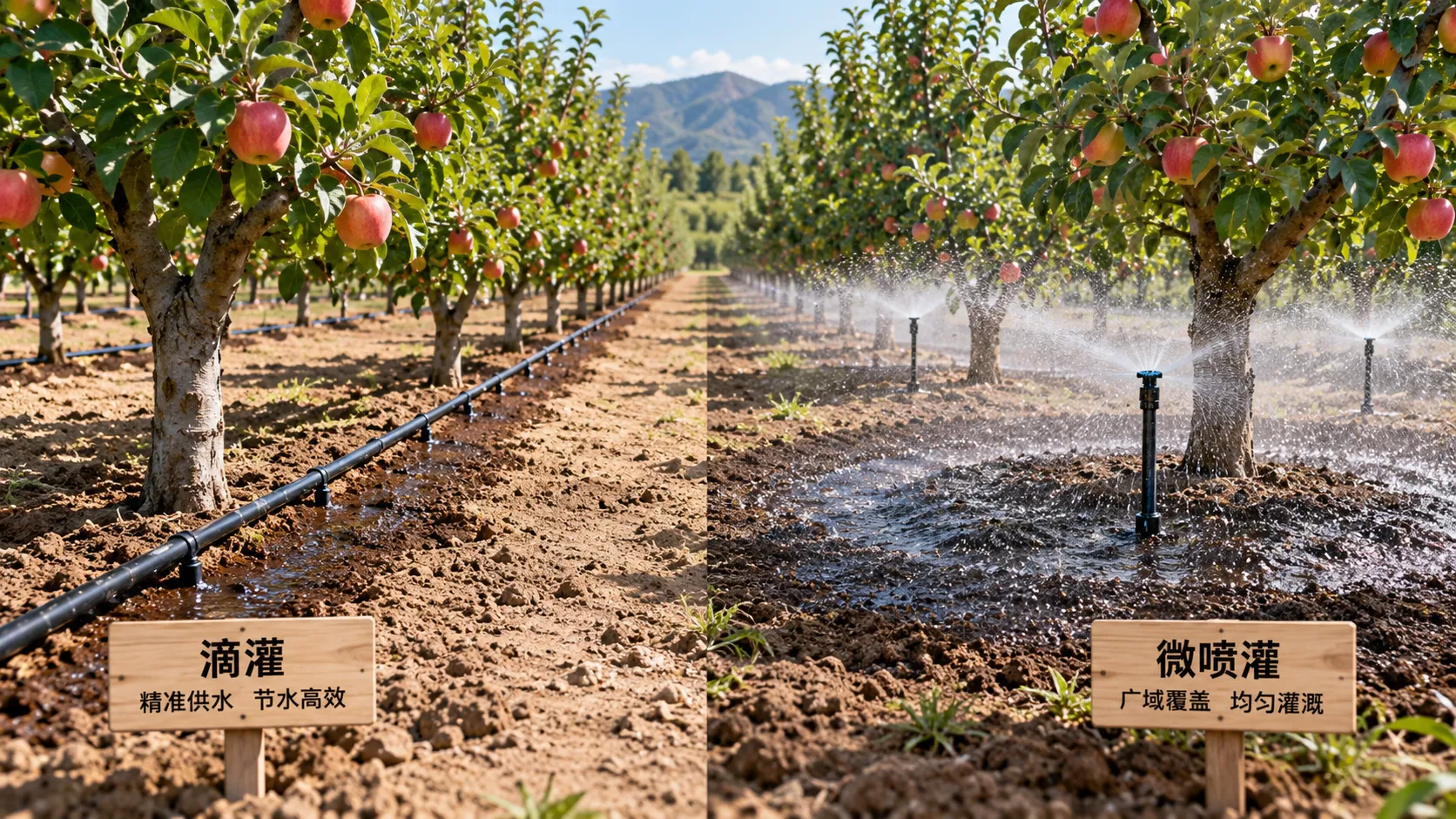
Drip vs. Micro-Sprinkler Irrigation: Which System Fits Your Orchard?
Irrigation solution comparison for orchards: discover whether drip or micro-sprinklers best match your water, soil, roots, fertigation, and frost needs.
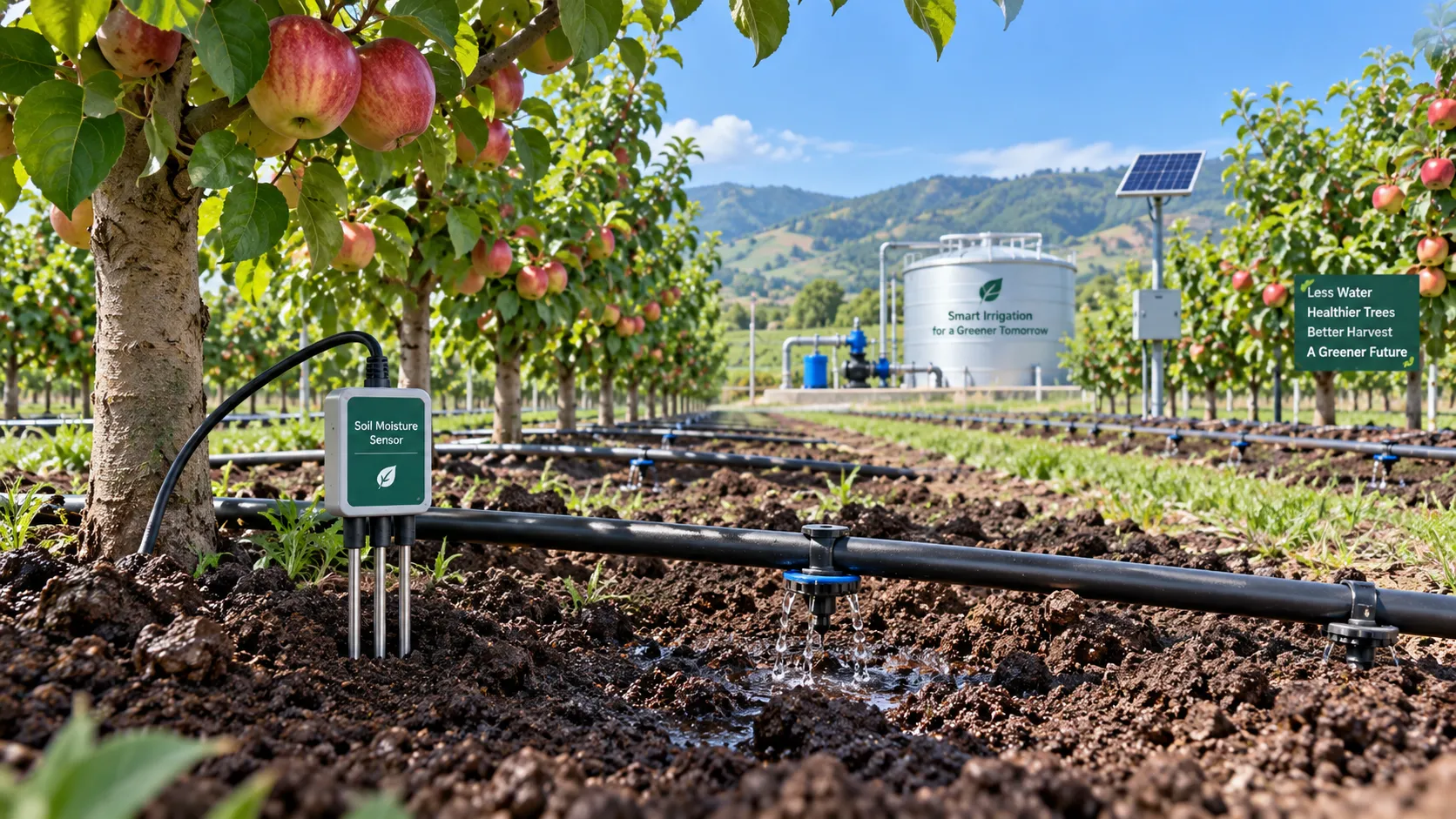
Orchard Water Management: Using Soil Moisture Data to Schedule Irrigation
Agricultural water management for orchards made practical: use soil moisture data to optimize irrigation timing, protect yield, reduce costs, and improve resilience.
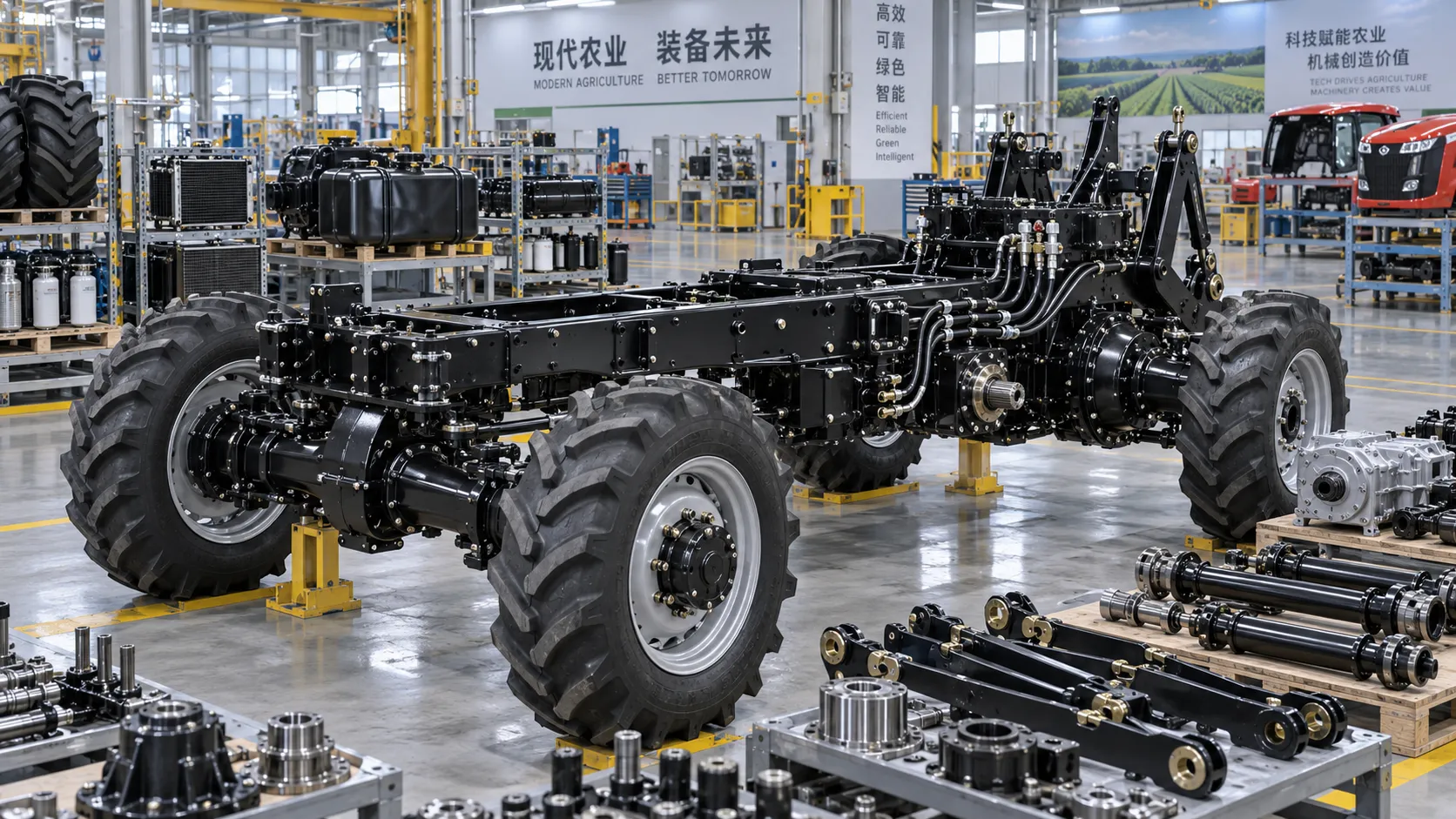
Tractor Chassis Price: What Buyers Should Compare Beyond the Initial Quote
Tractor chassis price is only the start. Compare load capacity, compatibility, durability, and lifecycle costs to choose a reliable, high-value chassis.
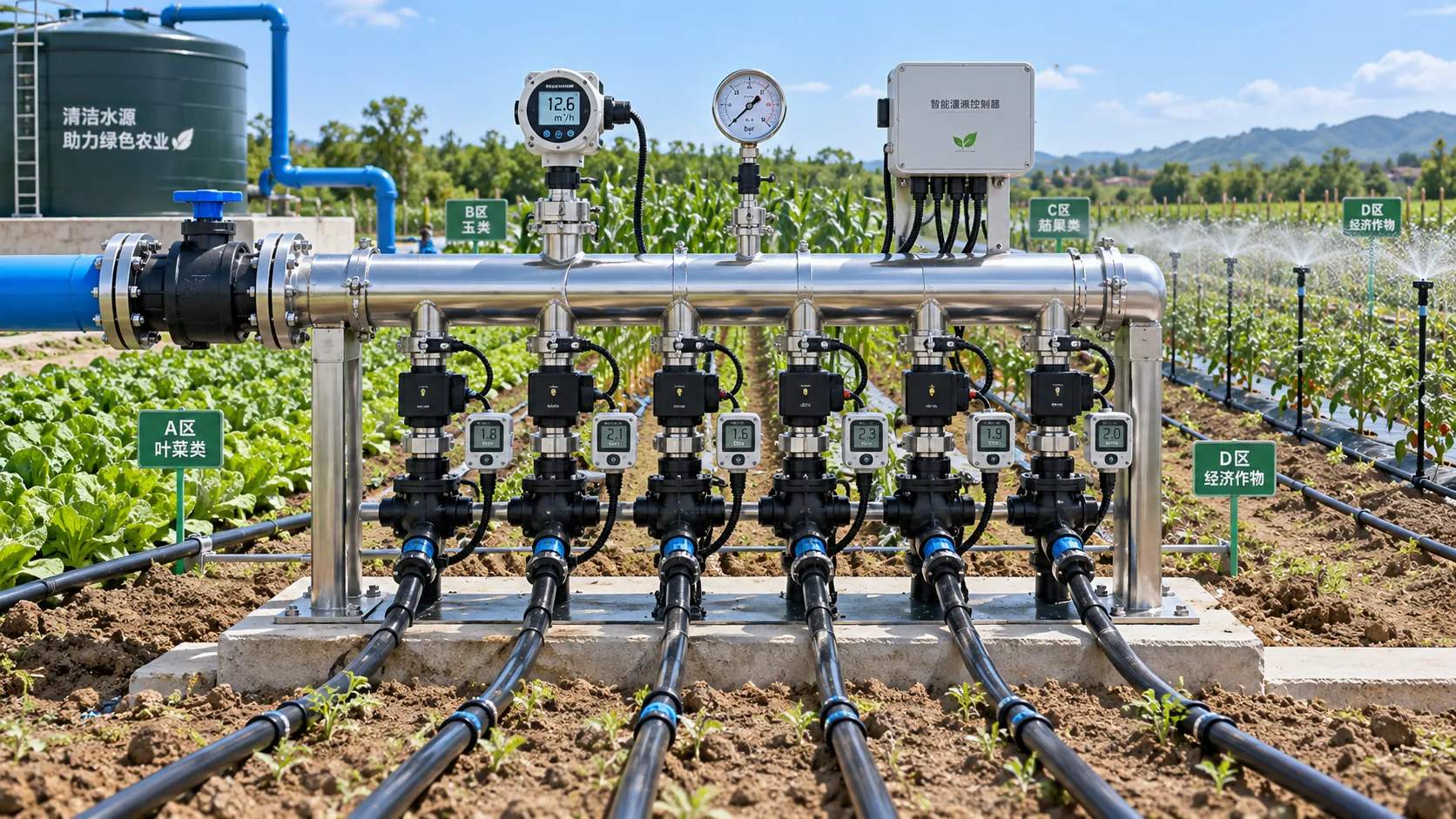
How to Select Smart Irrigation Valves for Multi-Zone Water Management?
Intelligent irrigation systems valves: learn how to match smart valves with multi-zone flow, pressure, control, feedback, and communication needs for reliable water management.

Climate-Smart Farming for Drought: A Practical Plan for Protecting Yields
Climate-smart farming for drought: build smarter water budgets, protect critical crop stages, improve irrigation uniformity, and safeguard yields with practical field-proven strategies.

How Digital Agriculture Platforms Turn Field Data Into Better Input Decisions
Digital agriculture platforms turn field data into smarter fertilizer, water, seed, and equipment decisions—helping farms cut risk, improve margins, and scale sustainability.

GPS-Guided Farm Machinery: Where It Delivers Measurable Field Efficiency Gains
Agri-mechanization GPS guided systems deliver measurable field efficiency gains through reduced overlap, precise planting, smarter inputs, and reliable farm data.
Related News
- 00
0000-00
How to Choose a Tractor Chassis: Load Capacity, Ground Clearance, and Terrain Fit - 00
0000-00
Tractor Chassis Buying Guide: Key Load, Clearance, and Drivetrain Factors to Compare - 00
0000-00
Iran Conflict Drives Up Global Oil Prices, Raising AWD Tractor Shipping Costs by 18% - 00
0000-00
PSC Inspections Surge: Ust-Luga Port Requires On-Site Vibration/Noise Re-Testing for All-Wheel Drive Tractors - 00
0000-00
New Energy Hybrid Tractor Project Launched in Xinjiang
Popular Tags
Tractor Power Architect
Weekly Insights
Stay ahead with our curated technology reports delivered every Monday.