
How to compare heavy-duty farm machinery for harsh terrain
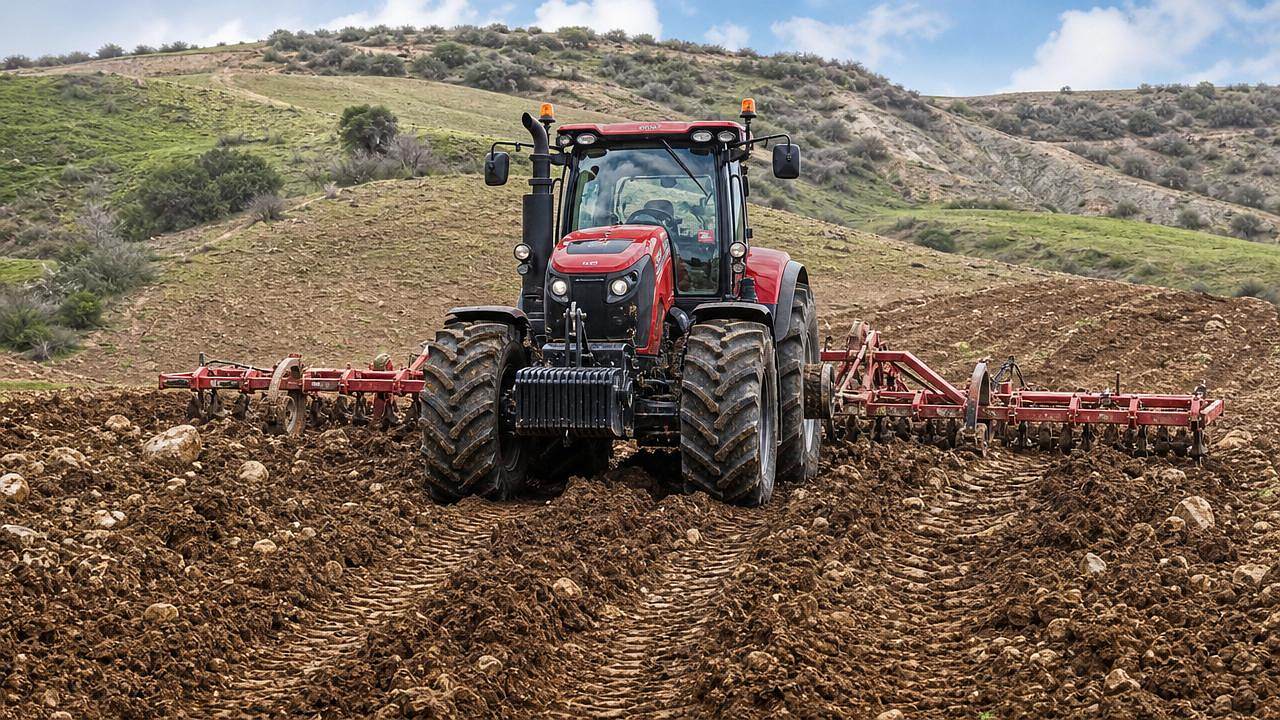




Choosing heavy-duty farm machinery for harsh terrain is more than a spec-sheet exercise—it directly affects uptime, fuel efficiency, operator safety, and project delivery. For large agricultural operations, a smart comparison method should weigh chassis strength, traction, hydraulic control, serviceability, and lifecycle return. This guide explains how to compare heavy-duty farm machinery in rugged conditions with a practical, decision-ready framework.
What counts as harsh terrain for heavy-duty farm machinery?
Harsh terrain includes steep grades, wet ground, rocky fields, deep ruts, sandy soil, and uneven surfaces. Each condition stresses heavy-duty farm machinery in different ways.
Rocky land challenges undercarriage protection and tire durability. Wet soils increase slip, compaction risk, and hydraulic load. Slopes test stability, braking, and power transfer.
The first comparison step is matching machine design to field reality. A machine that performs well on flat, dry land may fail quickly in demanding terrain.
When evaluating heavy-duty farm machinery, document field gradients, average moisture, soil texture, obstacle frequency, and haul distance. This baseline prevents costly overbuying or under-specification.
Key terrain stress factors to record
- Maximum and average slope percentage
- Seasonal mud depth and drainage quality
- Soil bearing capacity and compaction sensitivity
- Stone density, stumps, and hidden obstacles
- Turning radius limits in narrow field sections
- Travel distance between plots and service points
How should you compare chassis, traction, and driveline performance?
The backbone of heavy-duty farm machinery is the chassis. In rough terrain, frame rigidity and fatigue resistance matter more than headline horsepower alone.
Look for reinforced frame sections, protected routing for hoses and wiring, and high-clearance geometry. These features reduce impact damage and unplanned downtime.
Traction should be judged by more than tire size. Compare axle load distribution, differential lock response, transmission ratios, tire options, and track availability.
Machines with balanced weight transfer usually perform better on hills and soft ground. They maintain grip without excessive wheel slip or harmful soil disturbance.
For heavy-duty farm machinery on difficult land, driveline cooling is also essential. Long pulling cycles under low-speed, high-load work can overheat weak systems.
Comparison checklist for mobility systems
- Frame material strength and fatigue design
- Ground clearance and breakover angle
- Mechanical versus automatic differential locks
- CVT, powershift, or torque-converter suitability
- Tire flotation, lug pattern, or track footprint
- Cooling capacity for sustained heavy draft work
Which hydraulic and implement factors matter most in rugged fields?
Many heavy-duty farm machinery comparisons fail because they focus only on engine output. In harsh terrain, hydraulic stability is equally important for safe and accurate field work.
Rough ground increases shock loads on implements, linkages, and lift arms. A capable hydraulic system must maintain flow, pressure, and smooth control despite repeated jolts.
Check pump type, flow rate, pressure stability, remote valve configuration, and hitch lift capacity. Also assess hydraulic oil cooling and contamination protection.
If the machine will power planters, sprayers, tillage tools, or intelligent farm tools, confirm compatibility with ISOBUS, guidance systems, and precision control functions.
Heavy-duty farm machinery should not only pull the implement. It should keep it operating consistently across slopes, vibration, and variable soil resistance.
Questions to ask during equipment comparison
- Can the hydraulics hold stable pressure on steep inclines?
- Are hoses and couplers shielded from debris and impacts?
- Does the hitch geometry preserve implement balance?
- Can the control system support precision farming upgrades?
- Is field calibration simple under changing conditions?
How do you compare durability, maintenance, and uptime risk?
In severe operating environments, durable heavy-duty farm machinery delivers value through uptime, not just initial performance. Reliability should be verified component by component.
Inspect filtration protection, seal quality, bearing size, underbody guards, and service point accessibility. Harsh terrain accelerates wear on vulnerable assemblies.
Daily service time matters. Easy-access filters, centralized lubrication, and diagnostic visibility reduce interruptions during narrow working windows.
Telematics can strengthen comparison accuracy. Machines with fault alerts, load monitoring, and fuel-use tracking often support better preventive maintenance planning.
Also compare dealer support, spare part lead time, and field technician availability. The best heavy-duty farm machinery can still become a poor investment without service continuity.
Common durability mistakes
- Choosing the lowest purchase price without wear analysis
- Ignoring undercarriage and hose protection details
- Overlooking service interval demands in remote areas
- Assuming all high-horsepower models are equally robust
- Skipping real-field demonstrations on similar terrain
What does total cost of ownership reveal beyond purchase price?
A true heavy-duty farm machinery comparison must include lifecycle economics. Purchase price is only one part of the decision.
Fuel use, tire wear, track replacement, hydraulic repairs, operator training, software updates, and seasonal downtime all influence total cost of ownership.
Higher-priced machines may generate better returns if they reduce slip, protect soil structure, and finish tasks within weather-sensitive windows.
Residual value is another major factor. Heavy-duty farm machinery with strong parts support and recognized reliability often retains better market value over time.
Use a five-year model that compares fuel, maintenance, parts, downtime hours, financing, resale value, and expected productivity under actual field conditions.
Simple ROI comparison dimensions
How can you test and shortlist heavy-duty farm machinery with confidence?
The most reliable comparison combines technical review, field testing, and operational scoring. Avoid making decisions from brochures alone.
Build a weighted scorecard covering traction, stability, hydraulic control, service access, comfort, digital integration, and ownership cost. Score each machine on the same route.
Field trials should include wet sections, inclines, transport runs, and implement engagement. Record slip rate, fuel burn, turning ease, and operator visibility.
If possible, test with the same implement set. Heavy-duty farm machinery often behaves differently when matched with varying loads and hydraulic demands.
Review the results with practical thresholds, not marketing claims. The best machine is the one that delivers repeatable output with acceptable cost and lower risk.
Shortlisting framework
Final takeaway: what is the smartest way to compare heavy-duty farm machinery?
The smartest comparison starts with terrain reality, not engine headlines. Harsh ground rewards balanced machines with durable chassis design, dependable traction, stable hydraulics, and manageable upkeep.
Use a structured scorecard, test under real conditions, and model five-year ownership cost. That process makes heavy-duty farm machinery decisions more accurate and more defensible.
For operations tracking Agriculture 4.0 trends, it also helps to compare digital diagnostics, precision compatibility, and service intelligence alongside mechanical strength.
A disciplined evaluation today can protect uptime, improve field efficiency, and support more resilient equipment investments across demanding agricultural environments.
Related News
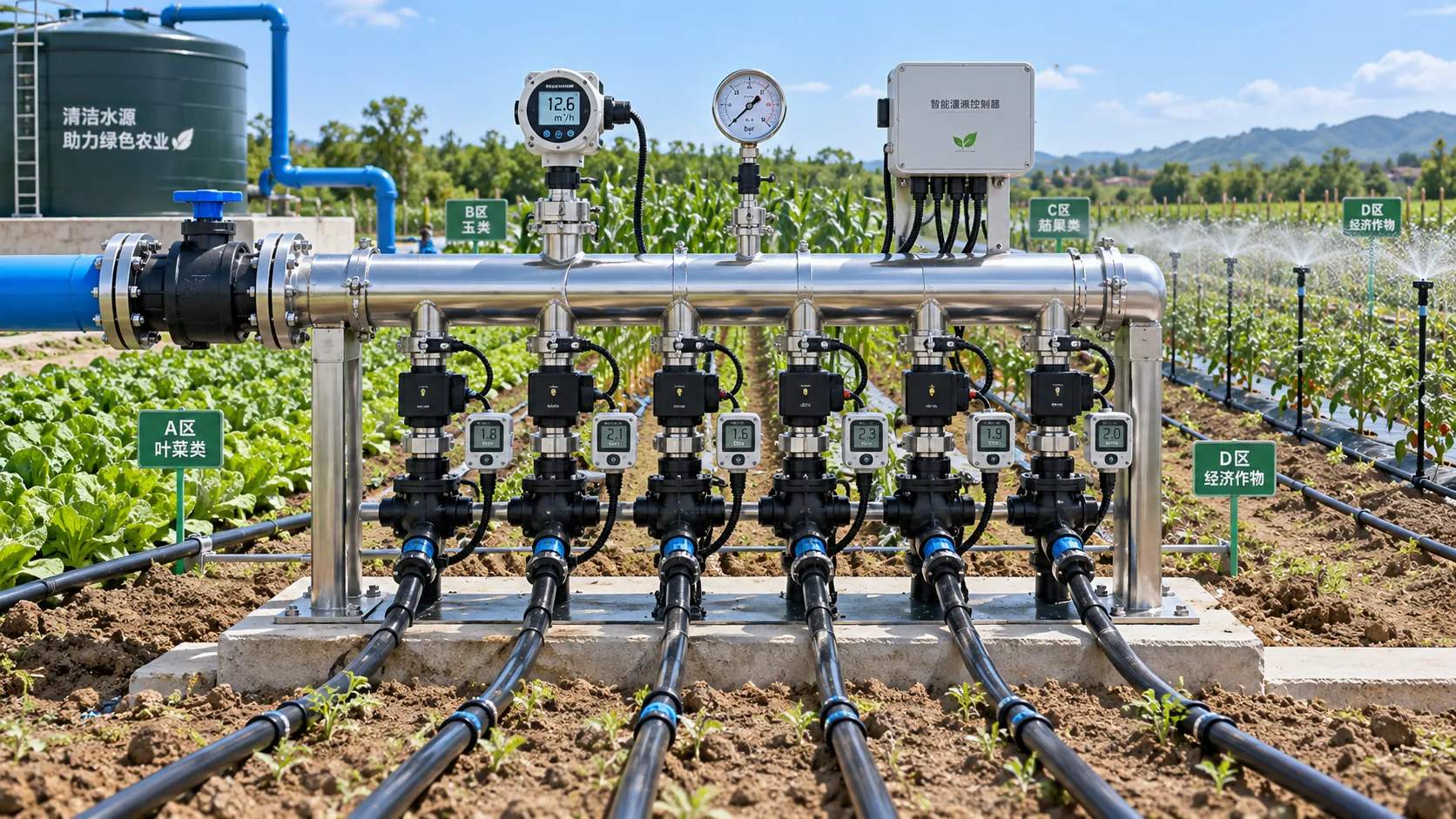
How to Select Smart Irrigation Valves for Multi-Zone Water Management?
Intelligent irrigation systems valves: learn how to match smart valves with multi-zone flow, pressure, control, feedback, and communication needs for reliable water management.
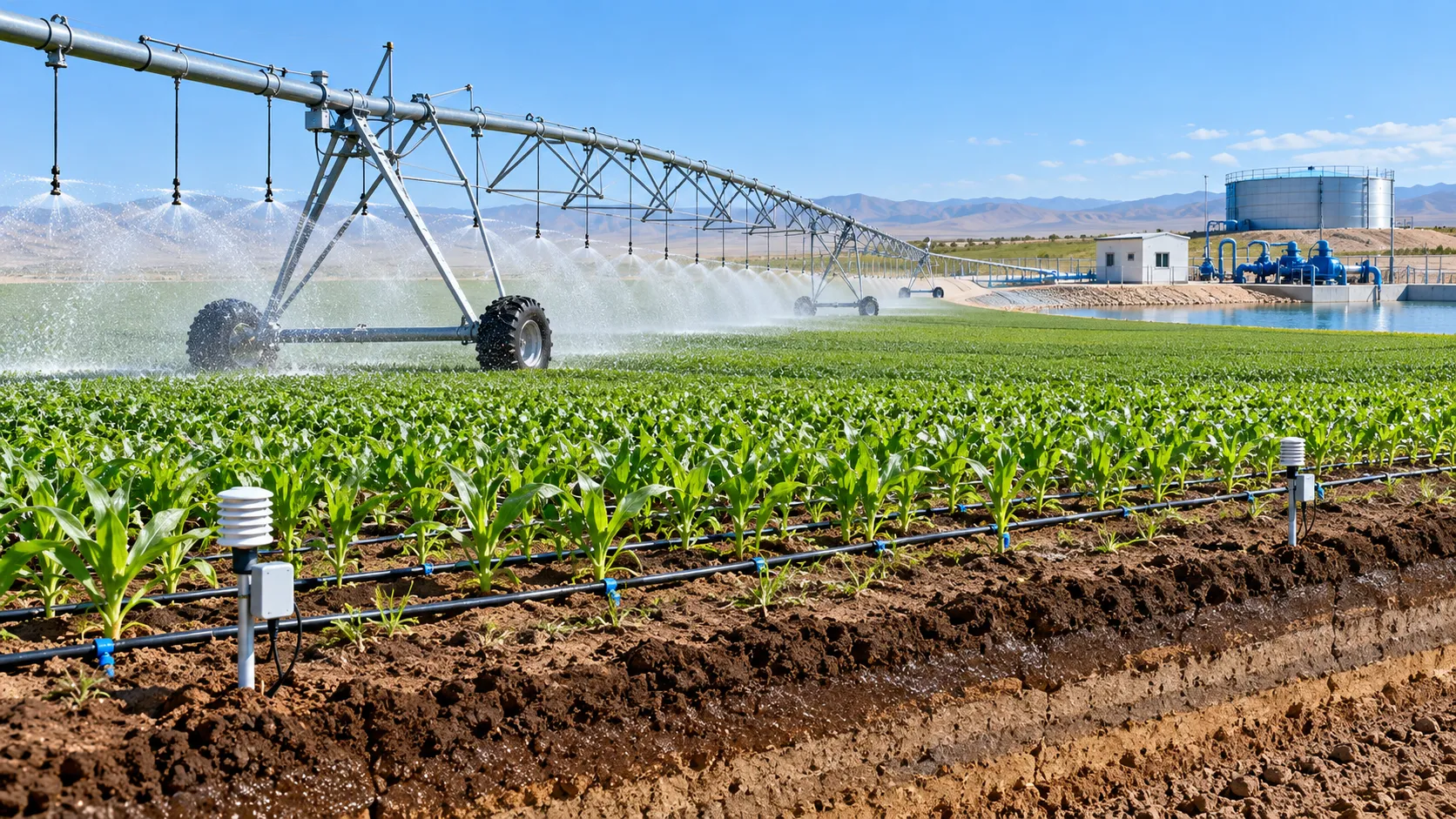
Climate-Smart Farming for Drought: A Practical Plan for Protecting Yields
Climate-smart farming for drought: build smarter water budgets, protect critical crop stages, improve irrigation uniformity, and safeguard yields with practical field-proven strategies.
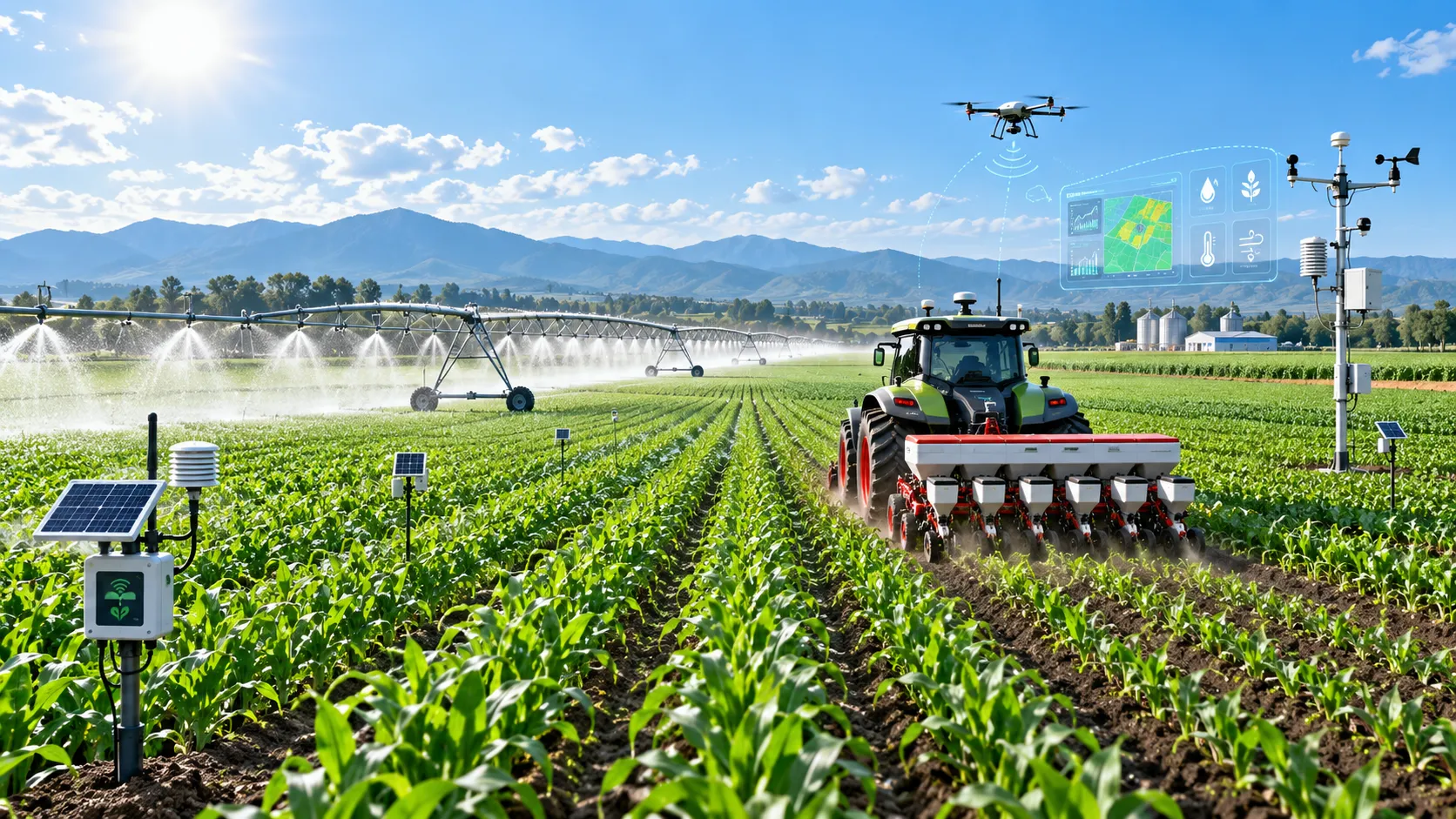
How Digital Agriculture Platforms Turn Field Data Into Better Input Decisions
Digital agriculture platforms turn field data into smarter fertilizer, water, seed, and equipment decisions—helping farms cut risk, improve margins, and scale sustainability.
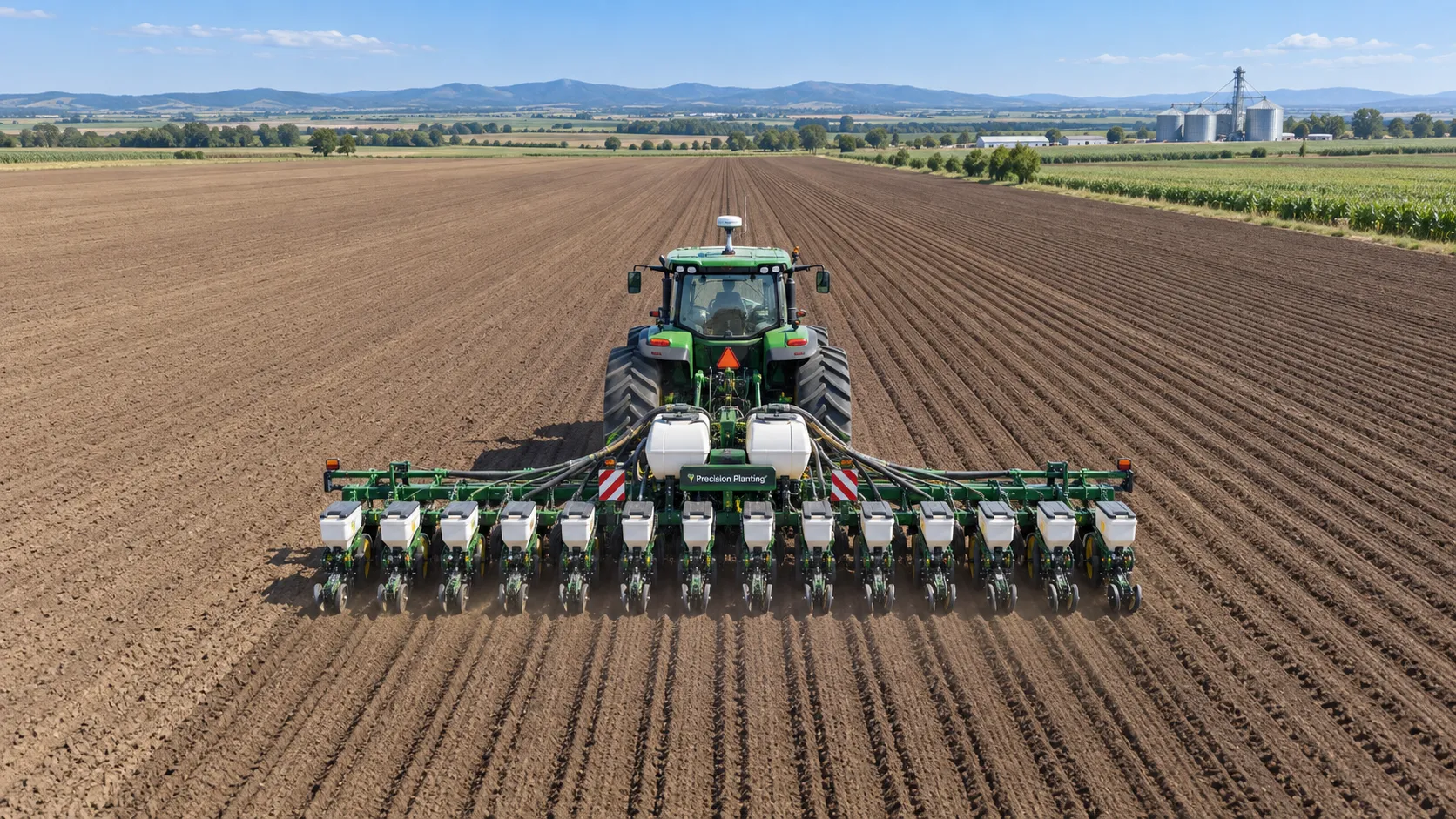
GPS-Guided Farm Machinery: Where It Delivers Measurable Field Efficiency Gains
Agri-mechanization GPS guided systems deliver measurable field efficiency gains through reduced overlap, precise planting, smarter inputs, and reliable farm data.
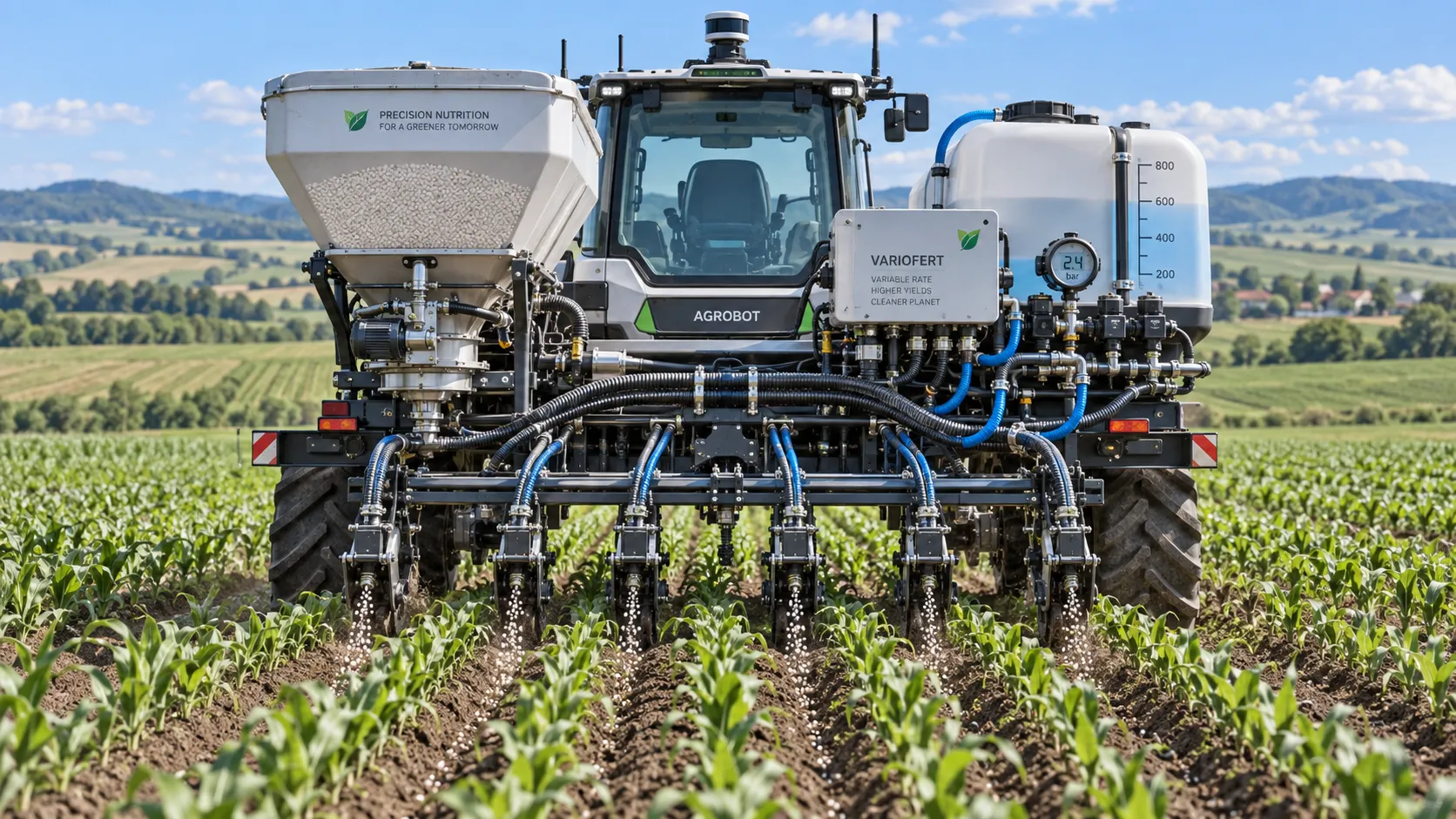
How Sensor Feedback Enables Accurate Variable-Rate Fertilization in Field Conditions
Precision fertilization systems with sensor feedback improve variable-rate accuracy by verifying flow, managing latency, and ensuring reliable field application.
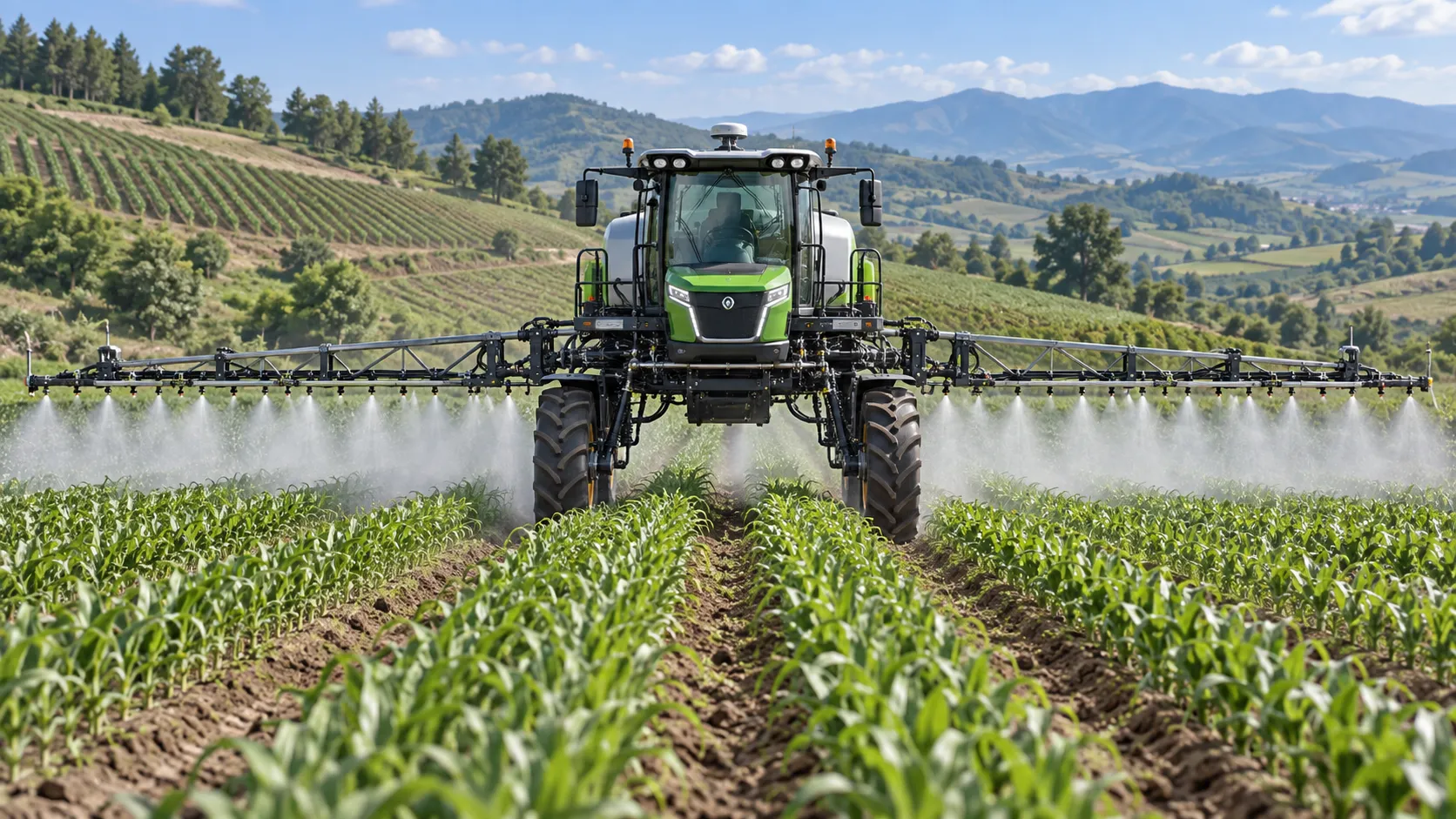
How to Select Precision Crop Protection Equipment for Variable Field Conditions
Precision crop protection equipment selection made simple: compare terrain, canopy, weather, control accuracy, and data workflows for reliable applications.

When Does Agricultural Machinery Leasing Cost Less Than Owning Equipment?
Agricultural machinery leasing can lower farm costs when use is seasonal or uncertain. Compare utilization, maintenance, cash flow, and risk to make a smarter equipment decision.

How to Evaluate Precision Fertilization System Suppliers for Farm-Scale Deployment
Precision fertilization systems suppliers: learn how to compare accuracy, integration, uptime, service, and total cost for confident farm-scale deployment.
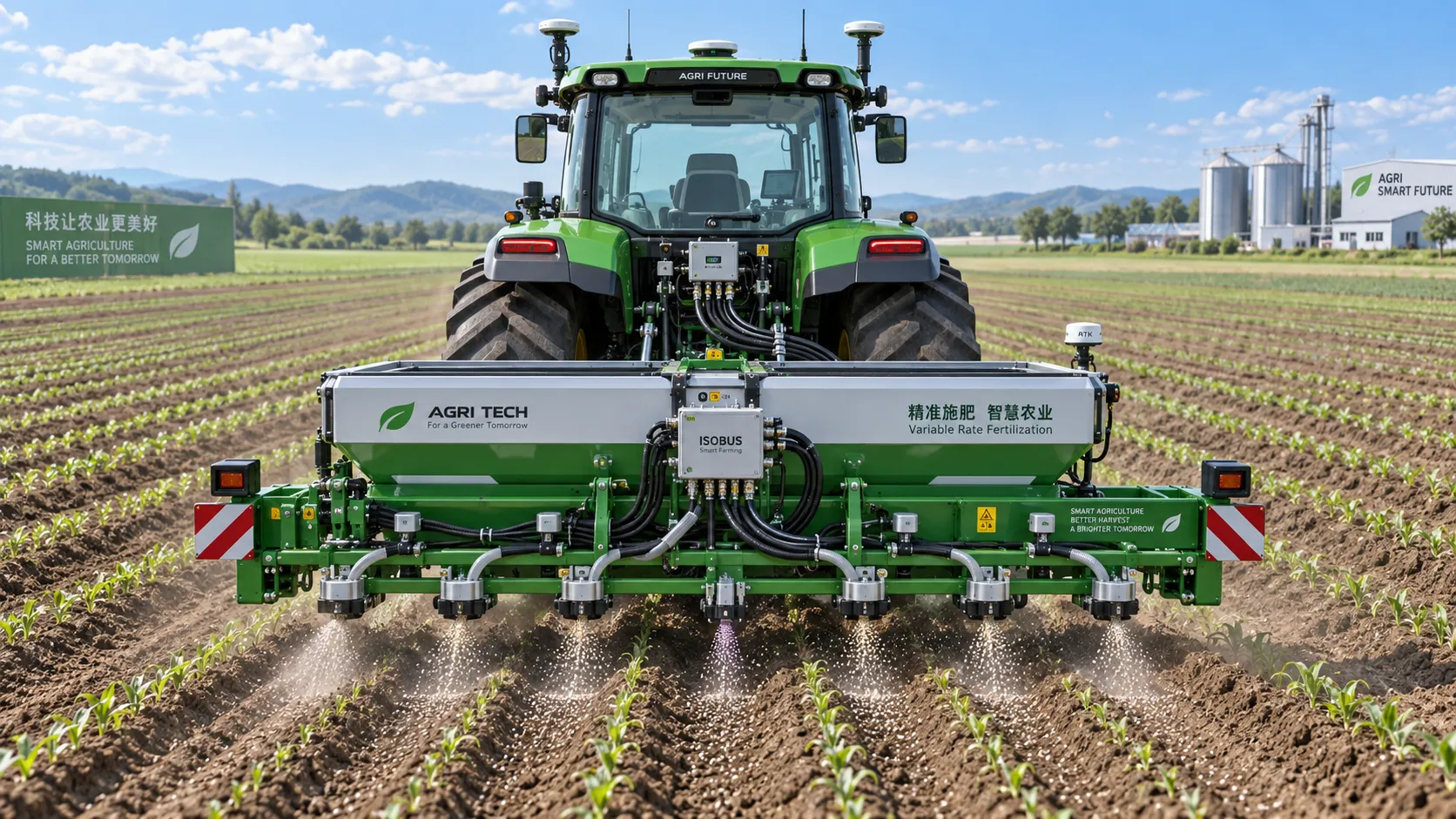
ISOBUS for Smart Agriculture: How It Connects Tractors, Implements, and Farm Data
ISOBUS for smart agriculture connects tractors, implements, terminals, and farm data—helping growers improve precision, documentation, and smarter field decisions.
Related News
- 00
0000-00
How to Choose a Tractor Chassis: Load Capacity, Ground Clearance, and Terrain Fit - 00
0000-00
Tractor Chassis Buying Guide: Key Load, Clearance, and Drivetrain Factors to Compare - 00
0000-00
Iran Conflict Drives Up Global Oil Prices, Raising AWD Tractor Shipping Costs by 18% - 00
0000-00
PSC Inspections Surge: Ust-Luga Port Requires On-Site Vibration/Noise Re-Testing for All-Wheel Drive Tractors - 00
0000-00
New Energy Hybrid Tractor Project Launched in Xinjiang
Popular Tags
Tractor Power Architect
Weekly Insights
Stay ahead with our curated technology reports delivered every Monday.