
New Energy Hybrid Tractor Project Launched in Xinjiang
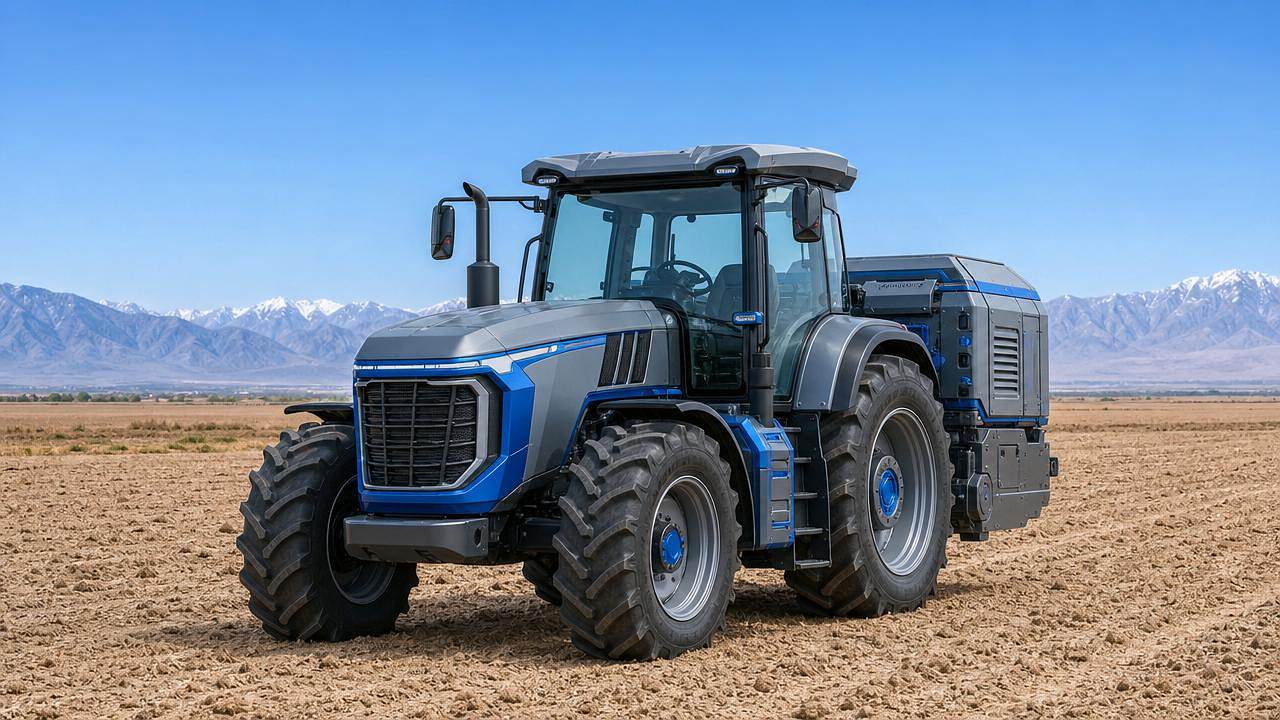




On May 19, 2026, the Ministry of Agriculture and Rural Affairs of China launched the New Energy Hybrid Tractor Maturation and Finalization Project in Xinjiang — a strategic initiative targeting high-temperature, arid agricultural environments. Its implications extend beyond domestic mechanization upgrades to global export competitiveness, particularly in regions with extreme climatic conditions and growing demand for low-carbon farm power solutions.
Event Overview
On May 19, 2026, the Ministry of Agriculture and Rural Affairs initiated the New Energy Hybrid Tractor Maturation and Finalization Project in Xinjiang. The first prototype is specifically engineered for ambient temperatures exceeding 45°C and high-dust operational conditions, featuring enhanced thermal management and battery protection systems. The tractor complies with ISO 11783 (ISOBUS) standards, enabling seamless integration with globally deployed smart irrigation and variable-rate fertilization platforms. Mass production is scheduled for Q4 2026.
Industries Affected
Direct Trade Enterprises: Export-oriented machinery traders face recalibrated market entry timelines and technical compliance requirements. The ISOBUS compatibility lowers integration barriers in mature precision agriculture markets (e.g., Middle East, North Africa), but certification timelines for regional safety and emissions standards — especially under desert thermal stress — may delay commercial rollout. Revenue visibility improves only after Q4 2026, contingent on successful field validation.
Raw Material Procurement Firms: Suppliers of lithium iron phosphate (LFP) cells, aluminum alloy enclosures, and high-temperature-resistant thermal interface materials may see revised volume forecasts. Demand signals remain conditional: current procurement planning reflects pilot-phase quantities, not full-scale production ramp-up. No binding supply agreements have been publicly disclosed.
Manufacturing Enterprises: Domestic OEMs engaged in final assembly or subsystem integration (e.g., hybrid drivetrain calibration, ISOBUS gateway development) are likely adjusting production line readiness and workforce upskilling schedules. However, no official announcements confirm new capital expenditures or joint venture formations tied to this project as of May 2026.
Supply Chain Service Providers: Logistics firms specializing in heavy equipment transport and after-sales technical support networks must assess infrastructure readiness in target export regions — particularly cooling capacity at inland depots and availability of certified technicians trained on hybrid powertrain diagnostics. These capabilities remain unverified in public disclosures.
Key Focus Areas and Recommended Actions
Monitor Q4 2026 Production Milestones Closely
Commercial viability hinges on timely mass production. Stakeholders should track official progress reports from the Ministry and participating manufacturers — delays would compress time-to-market windows for export partners.
Evaluate Regional Certification Pathways Early
ISOBUS compliance alone does not satisfy regulatory requirements in Gulf Cooperation Council (GCC) or North African markets. Trade entities should initiate pre-assessment dialogues with local type-approval bodies before Q3 2026.
Assess Thermal Validation Data Transparency
The claimed 45°C+ operational reliability requires independent verification under real-world sand-dust load. Procurement and manufacturing firms should request access to third-party test summaries — not just internal engineering reports — prior to committing to scale-up plans.
Review Smart Platform Integration Documentation
While ISOBUS compliance is confirmed, interoperability with specific irrigation or fertilizer control software (e.g., Trimble Ag Software, Topcon Agriculture) remains unspecified. Integrators should request API-level compatibility statements ahead of pilot deployments.
Editorial Perspective / Industry Observation
Observably, this project signals a pivot from generic electrification rhetoric toward context-specific engineering — prioritizing environmental resilience over headline-range metrics. Analysis shows that success will be measured less by battery kWh ratings and more by mean time between failures (MTBF) in sustained 45°C operation. From an industry perspective, it represents a rare alignment of policy mandate, climatic adaptation, and export strategy — yet its scalability depends entirely on whether thermal durability translates into service-life economics acceptable to smallholder cooperatives in arid zones. Current evidence suggests strong technical intent; commercial traction remains unproven.
Conclusion
This initiative marks a concrete step toward climate-adapted agricultural machinery — one that treats heat and dust not as edge cases, but as design imperatives. It does not replace conventional diesel tractors overnight, nor does it guarantee export wins. Rather, it establishes a technically grounded benchmark: if validated, it may redefine minimum reliability thresholds for power units sold in >30% of the world’s cropland area classified as arid or semi-arid. A rational interpretation is that this is a capability-building milestone — not a market disruption event.
Source Attribution
Official announcement issued by the Ministry of Agriculture and Rural Affairs of the People’s Republic of China, May 19, 2026. Technical specifications referenced from the project briefing document (unclassified summary version). Ongoing developments — including regional certification status, production yield rates, and field trial outcomes — remain subject to official updates and third-party verification.
Related News
How to Select Smart Irrigation Valves for Multi-Zone Water Management?
Intelligent irrigation systems valves: learn how to match smart valves with multi-zone flow, pressure, control, feedback, and communication needs for reliable water management.
Climate-Smart Farming for Drought: A Practical Plan for Protecting Yields
Climate-smart farming for drought: build smarter water budgets, protect critical crop stages, improve irrigation uniformity, and safeguard yields with practical field-proven strategies.
How Digital Agriculture Platforms Turn Field Data Into Better Input Decisions
Digital agriculture platforms turn field data into smarter fertilizer, water, seed, and equipment decisions—helping farms cut risk, improve margins, and scale sustainability.
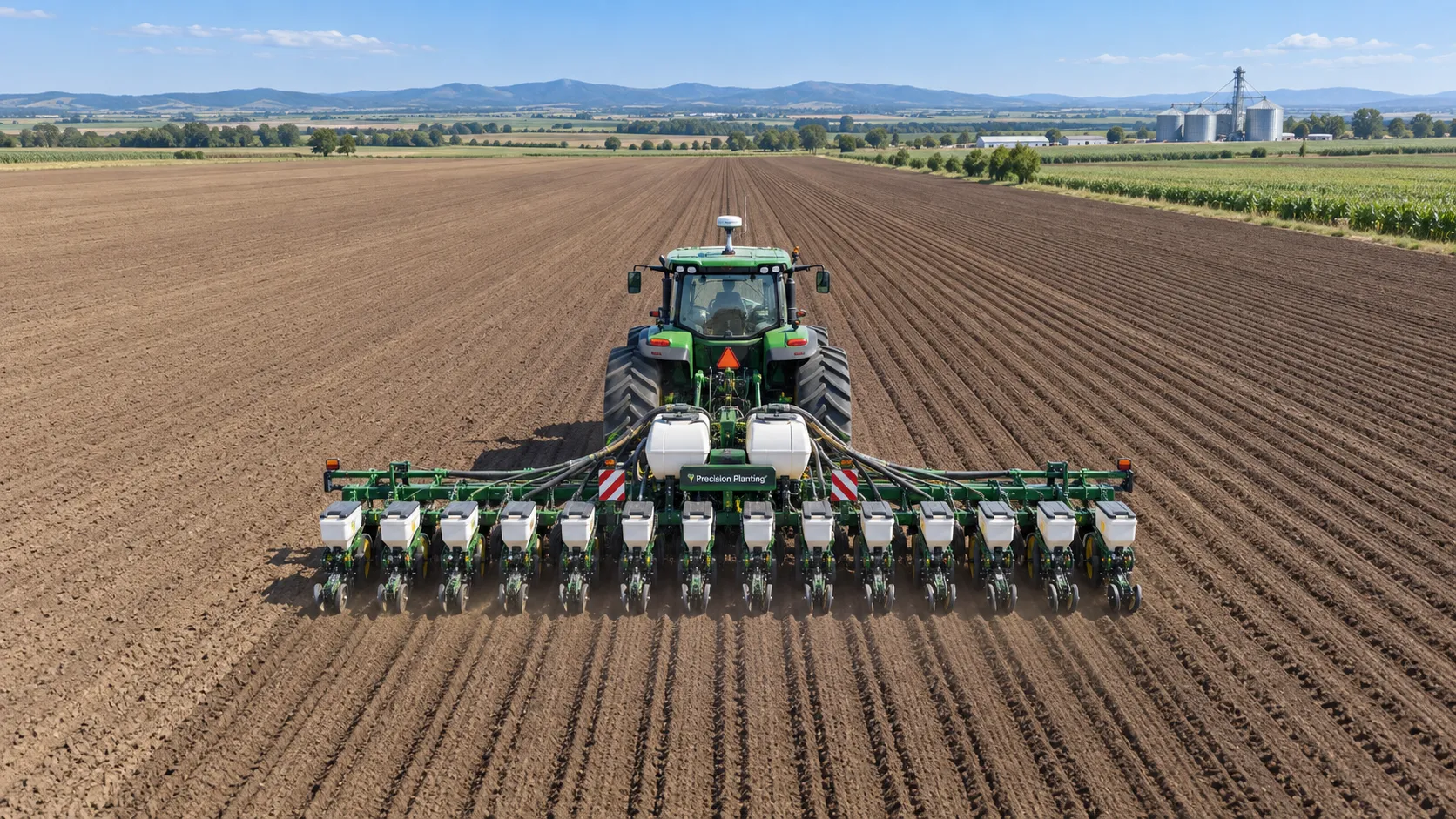
GPS-Guided Farm Machinery: Where It Delivers Measurable Field Efficiency Gains
Agri-mechanization GPS guided systems deliver measurable field efficiency gains through reduced overlap, precise planting, smarter inputs, and reliable farm data.
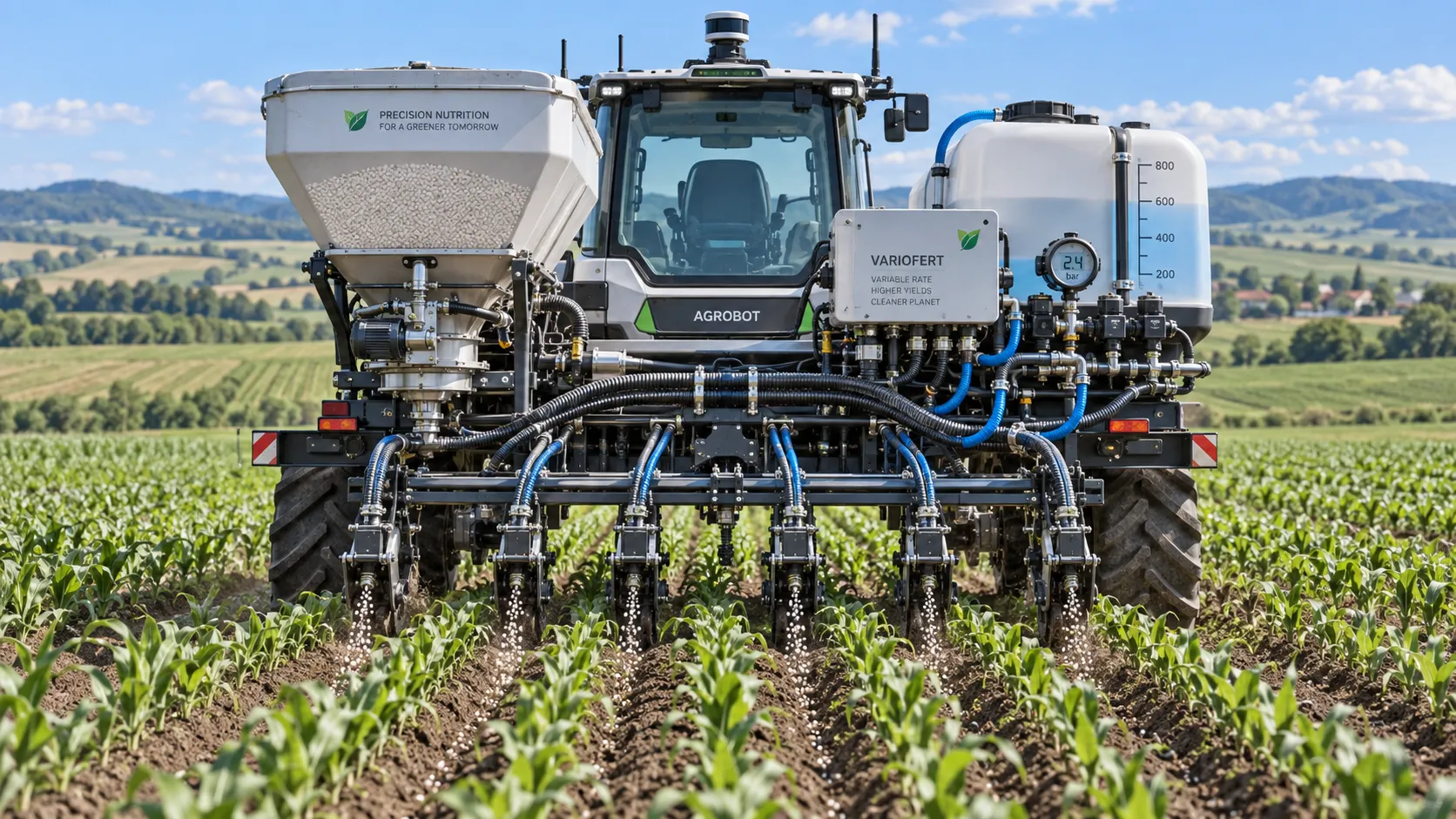
How Sensor Feedback Enables Accurate Variable-Rate Fertilization in Field Conditions
Precision fertilization systems with sensor feedback improve variable-rate accuracy by verifying flow, managing latency, and ensuring reliable field application.
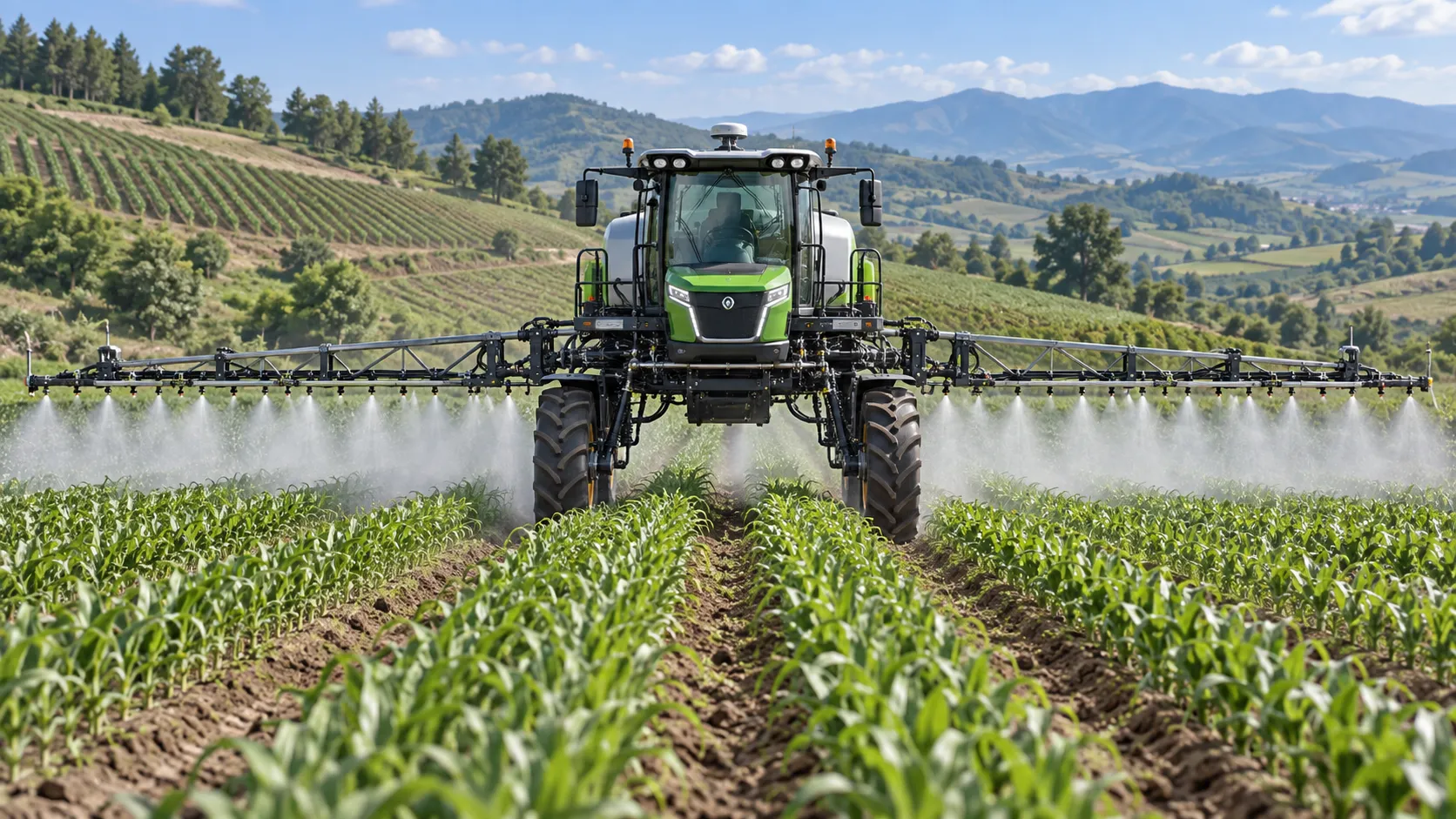
How to Select Precision Crop Protection Equipment for Variable Field Conditions
Precision crop protection equipment selection made simple: compare terrain, canopy, weather, control accuracy, and data workflows for reliable applications.
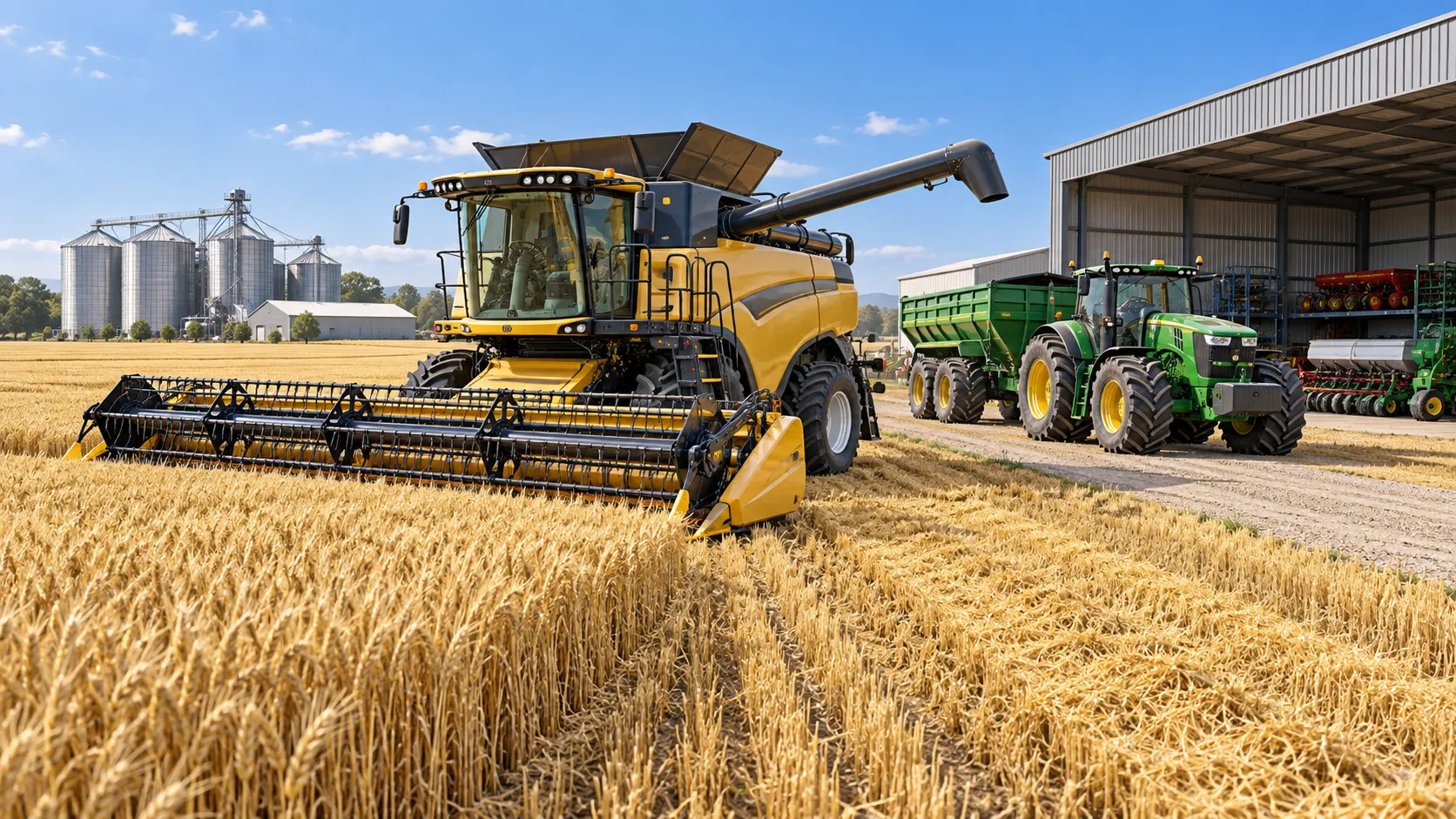
When Does Agricultural Machinery Leasing Cost Less Than Owning Equipment?
Agricultural machinery leasing can lower farm costs when use is seasonal or uncertain. Compare utilization, maintenance, cash flow, and risk to make a smarter equipment decision.
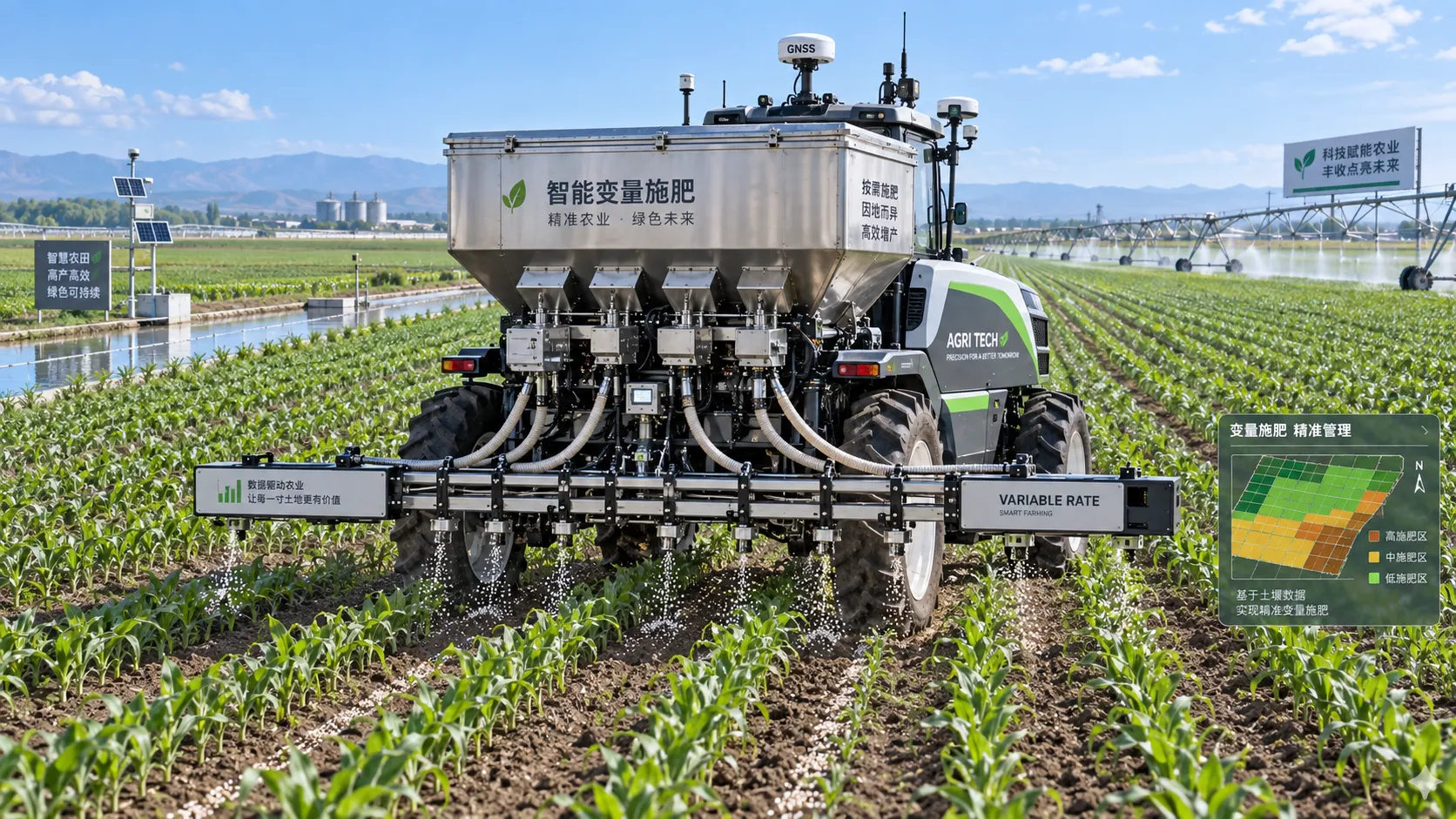
How to Evaluate Precision Fertilization System Suppliers for Farm-Scale Deployment
Precision fertilization systems suppliers: learn how to compare accuracy, integration, uptime, service, and total cost for confident farm-scale deployment.
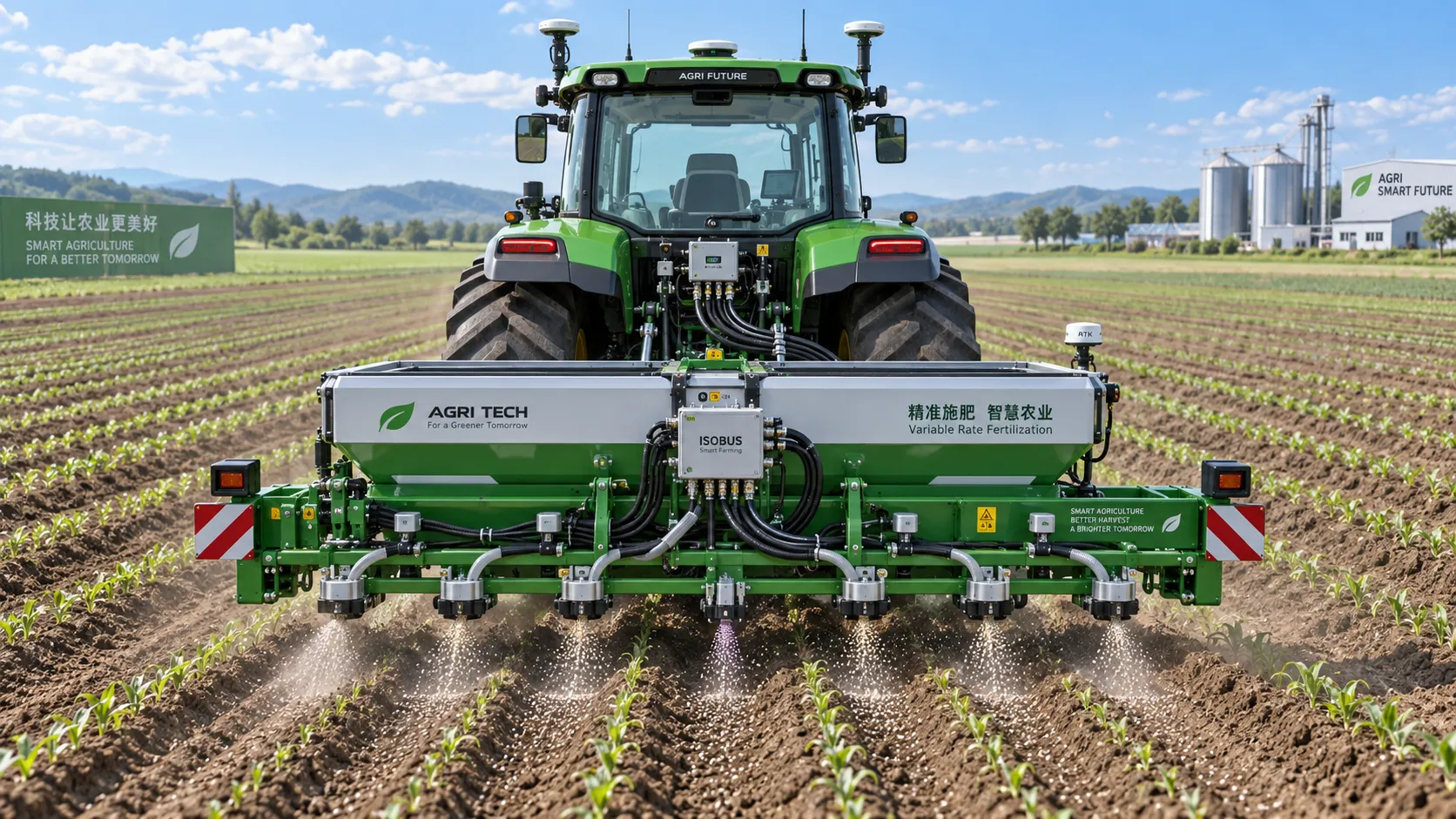
ISOBUS for Smart Agriculture: How It Connects Tractors, Implements, and Farm Data
ISOBUS for smart agriculture connects tractors, implements, terminals, and farm data—helping growers improve precision, documentation, and smarter field decisions.
Related News
- 00
0000-00
How to Choose a Tractor Chassis: Load Capacity, Ground Clearance, and Terrain Fit - 00
0000-00
Tractor Chassis Buying Guide: Key Load, Clearance, and Drivetrain Factors to Compare - 00
0000-00
Iran Conflict Drives Up Global Oil Prices, Raising AWD Tractor Shipping Costs by 18% - 00
0000-00
PSC Inspections Surge: Ust-Luga Port Requires On-Site Vibration/Noise Re-Testing for All-Wheel Drive Tractors - 00
0000-00
New Energy Hybrid Tractor Project Launched in Xinjiang
Popular Tags
Tractor Power Architect
Weekly Insights
Stay ahead with our curated technology reports delivered every Monday.