
Iran Conflict Drives Up Global Oil Prices, Raising AWD Tractor Shipping Costs by 18%
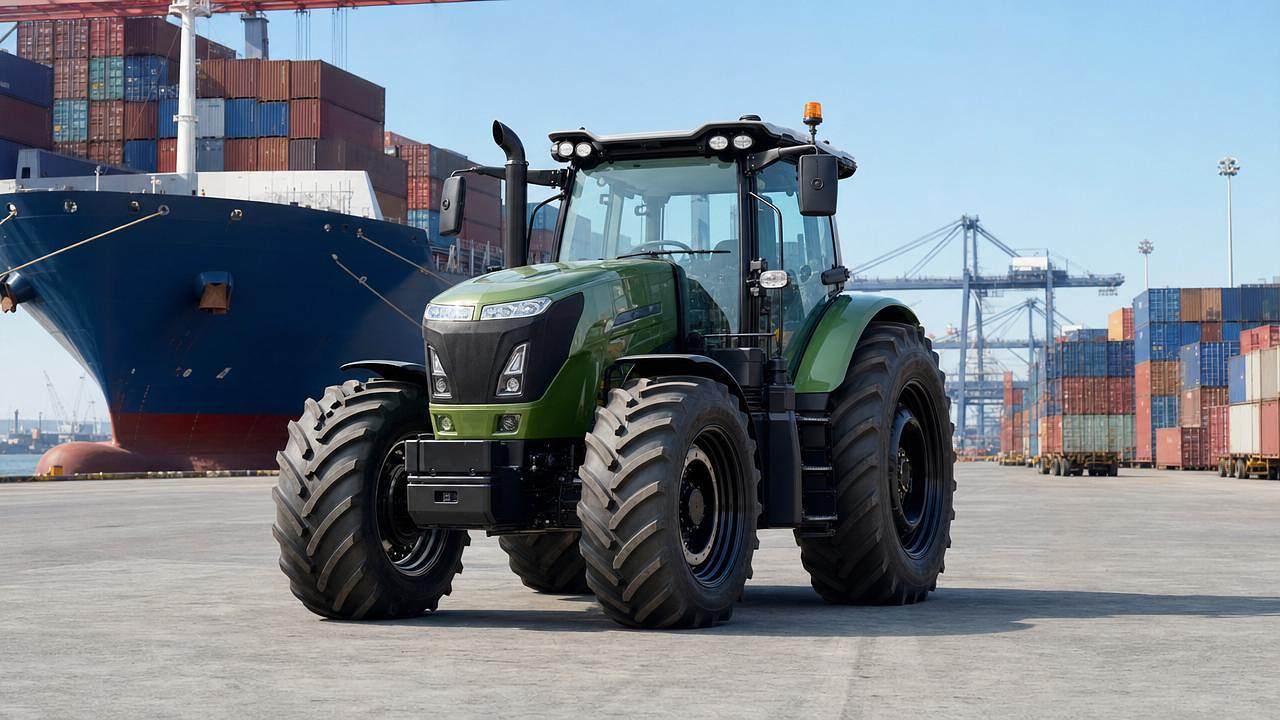




Global agricultural machinery trade faces new cost and timeline pressures amid escalating Middle East tensions. On May 22, 2026, sustained U.S.–Israel–Iran hostilities triggered a sharp rise in crude oil prices and freight volatility, directly impacting the export economics of all-wheel drive (AWD) heavy-duty tractors — a high-value, weight- and volume-sensitive equipment segment.
Event Overview
On May 22, 2026, the University of Michigan Consumer Sentiment Index fell to a historic low of 44.8. Concurrently, global crude oil futures surged past USD 92 per barrel. Shipping data confirmed a 11% weekly increase in container freight rates on Asia–Europe routes. Combined with revised fuel surcharges, this pushed the full-container-load (FCL) ocean freight cost for AWD heavy tractors up by 18% month-on-month. Average delivery lead times extended by 2–3 weeks.
Industries Affected
Direct Exporters & Trading Firms: Companies shipping assembled AWD tractors internationally face immediate margin compression. Since ocean freight constitutes 12–18% of landed cost for such machinery (per 2025 OECD Trade in Machinery report), an 18% hike translates to non-trivial pricing recalibration — especially in price-competitive markets like Southeast Asia and Eastern Europe. Contract renegotiation and Incoterms reassessment (e.g., shifting from CIF to FOB) are now occurring in real time.
Raw Material Procurement Teams: While not directly exposed to shipping costs, procurement units sourcing steel forgings, hydraulic components, or tires from offshore suppliers are seeing secondary inflation: upstream logistics surcharges and energy-linked material premiums (e.g., +5.2% for hot-rolled coil in Q2 2026, per CRU Group). These compound input cost uncertainty ahead of annual supplier contract renewals.
Manufacturing & Assembly Plants: OEMs operating just-in-time (JIT) logistics models report increased buffer stock requirements for finished goods warehousing. Delayed vessel sailings and port congestion at Rotterdam and Hamburg are forcing production scheduling adjustments — notably in final inspection and pre-shipment documentation workflows, where lead-time variability has risen by ~37% (based on April–May 2026 DHL Logistics Outlook).
Logistics & Freight Forwarding Providers: Third-party providers specializing in heavy machinery transport are revising service-level agreements (SLAs) to include fuel-indexed clauses and extended force majeure windows. Capacity allocation for oversized cargo (e.g., AWD tractors exceeding 12m length) is tightening, with booking lead times now averaging 14 days versus the prior 7-day norm.
Key Considerations and Response Measures
Evaluate Incoterm Flexibility
Exporters should assess whether transitioning from CIF to FCA or FOB terms better isolates freight risk — particularly when serving distributors with regional warehousing capability. This shift requires updated compliance training for sales and logistics staff.
Stress-Test Lead-Time Assumptions
Manufacturers must revise internal delivery promise windows using real-time AIS vessel tracking and port congestion indices (e.g., Port Optimizer Dashboard, World Bank Logistics Performance Index updates). Buffer allowances should reflect observed 2–3 week delays — not historical averages.
Reassess Fuel Surcharge Mechanisms
Forwarders and shippers should audit current BAF (Bunker Adjustment Factor) calculation methodologies: many still rely on lagging 30-day average benchmarks, while spot bunker prices now swing >15% week-on-week. Adopting rolling 7-day weighted averages improves cost predictability.
Editorial Perspective / Industry Observation
Observably, this episode highlights how geopolitical shocks no longer impact only commodity exporters or energy-intensive sectors — they cascade into precision-engineered capital goods through layered logistics dependencies. Analysis shows that AWD tractor exports are disproportionately sensitive to maritime cost spikes due to their low unit-to-volume ratio and strict dimensional constraints. Current volatility is better understood not as a transient freight anomaly, but as a structural stress test for global agri-machinery supply chain resilience. From an industry perspective, the 18% cost increase may accelerate regional assembly strategies — e.g., CKD (completely knocked down) kits shipped to EU or LATAM partners for local final assembly — though tariff and certification barriers remain significant.
Conclusion
This event underscores that geopolitical risk is no longer peripheral to agricultural machinery trade — it is embedded in freight economics, delivery reliability, and strategic sourcing decisions. Rational interpretation suggests that short-term cost absorption is unsustainable; medium-term adaptation — including modal diversification, localized inventory buffers, and contractual innovation — will define competitive differentiation among exporters and OEMs alike.
Source Attribution
University of Michigan Surveys of Consumers (May 2026 release); ICE Brent Crude Futures Settlement Data (May 22, 2026); Drewry World Container Index (Week ending May 22, 2026); DHL Global Forwarding Heavy Equipment Logistics Pulse Report (Q2 2026); OECD Trade in Machinery Statistics Database (2025 edition). Note: Ongoing monitoring of U.S. Treasury OFAC sanctions updates, IMO bunker fuel regulation enforcement timelines, and EU’s proposed Carbon Border Adjustment Mechanism (CBAM) phase-in for heavy machinery imports remains critical.
Related News
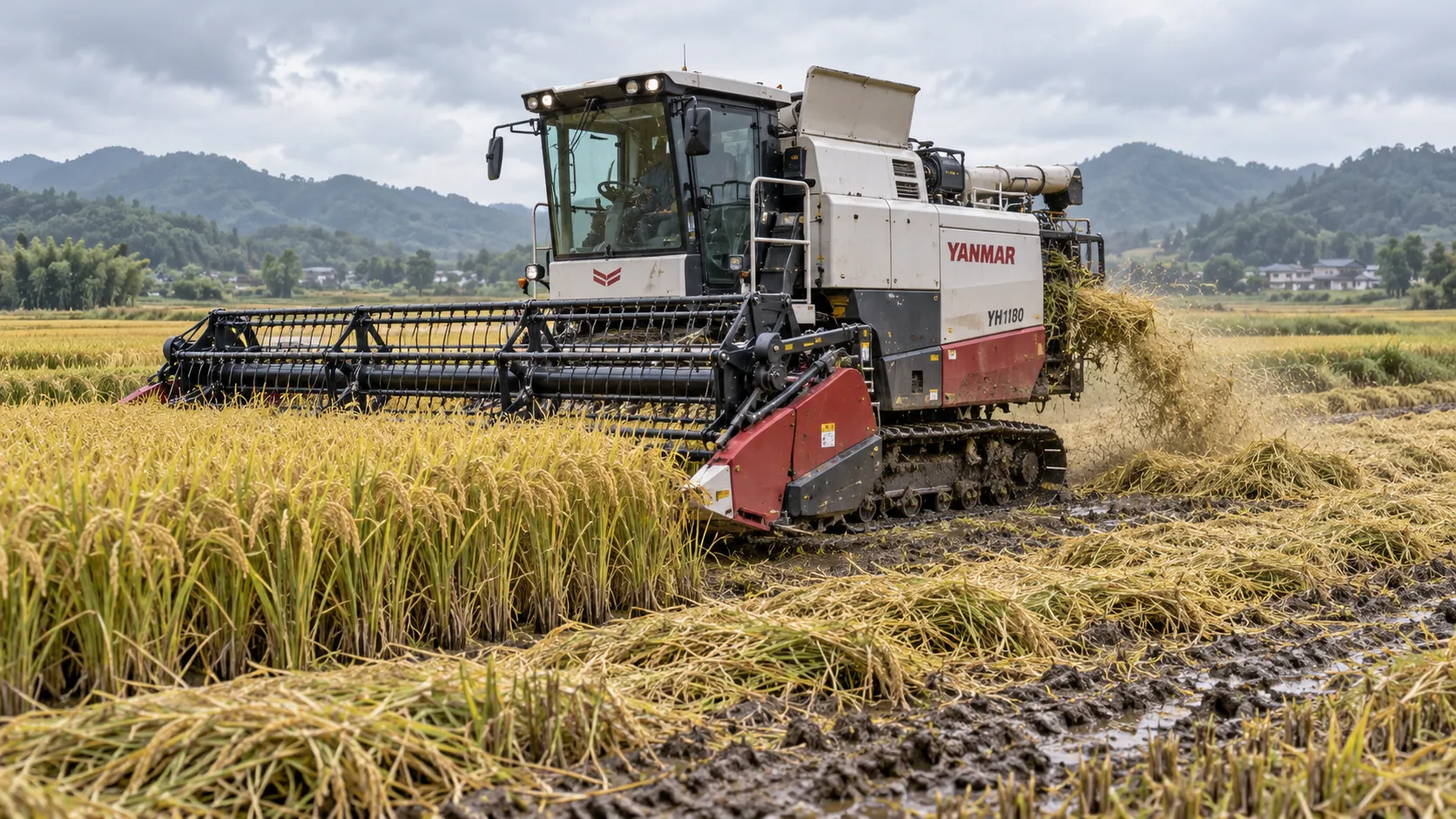
How to Specify Combine Harvester Systems for High-Moisture Grain and Variable Field Conditions
Combine harvester systems for high-moisture grain: learn how to specify threshing, cleaning, headers, traction, and automation for reliable harvests in variable fields.
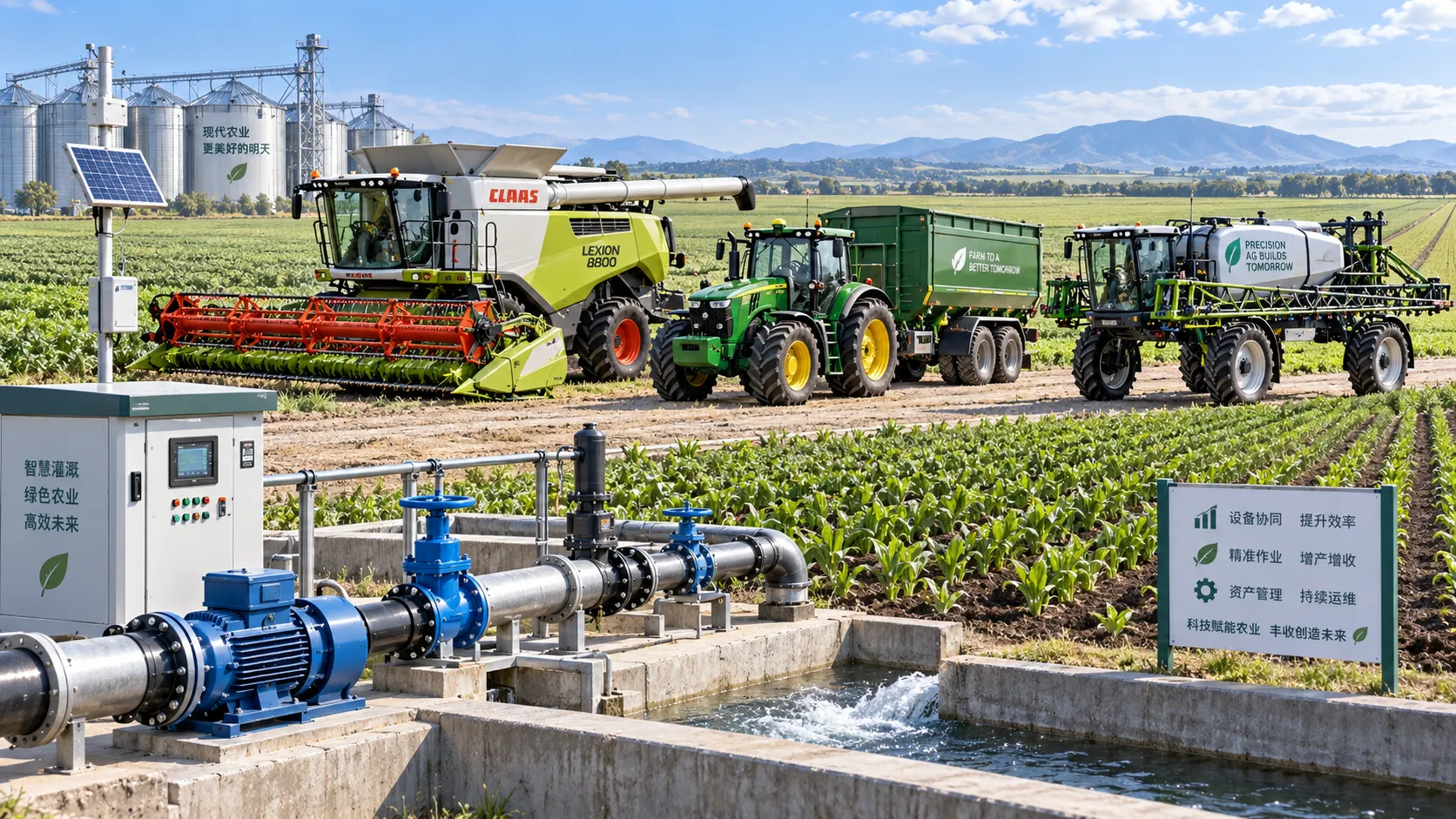
How to Compare Agricultural Equipment Platforms for Fleet Management and ROI
Agricultural equipment platform comparison: evaluate fleet data, maintenance, precision workflows, and ROI to choose a system that delivers measurable results.
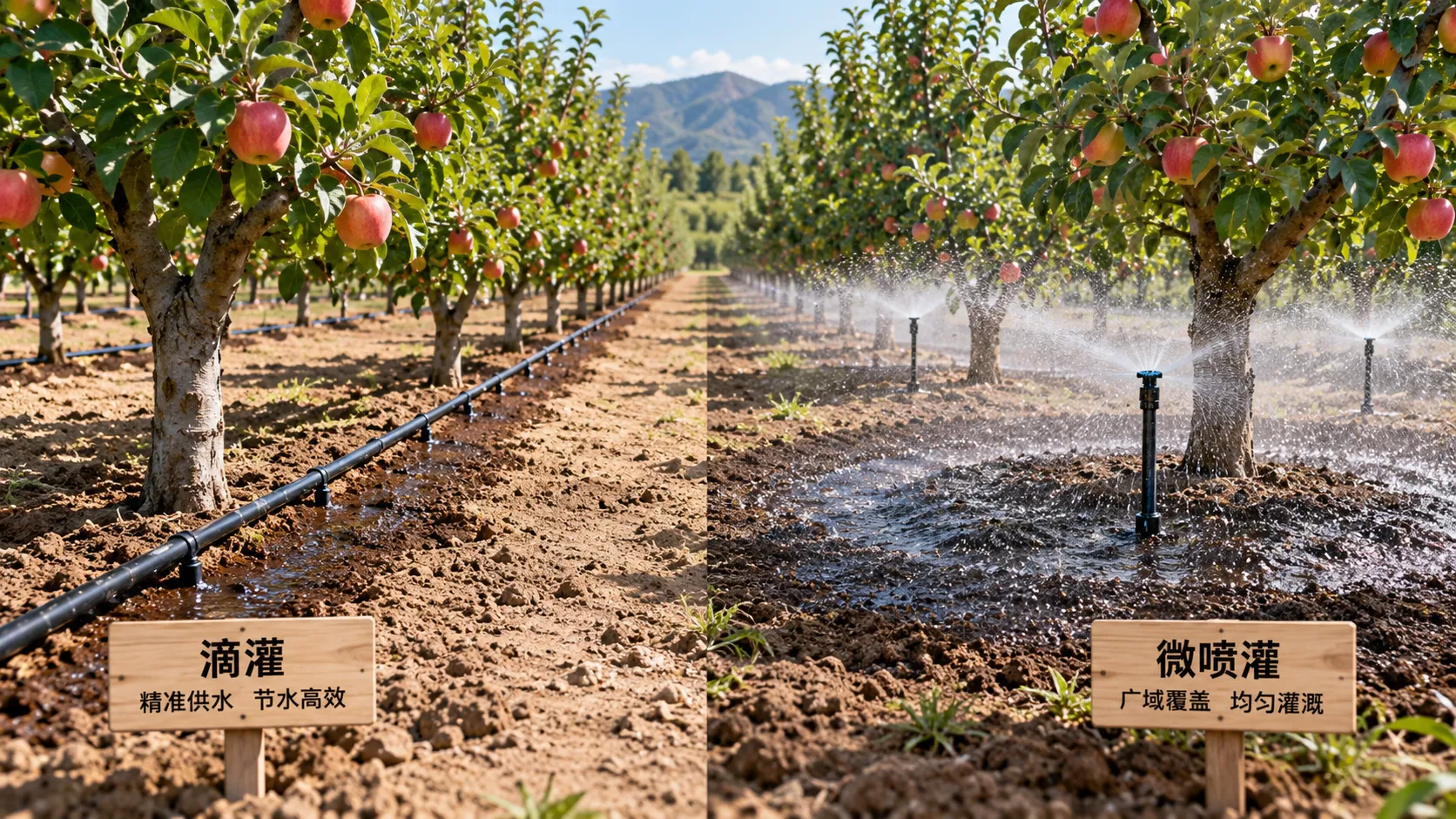
Drip vs. Micro-Sprinkler Irrigation: Which System Fits Your Orchard?
Irrigation solution comparison for orchards: discover whether drip or micro-sprinklers best match your water, soil, roots, fertigation, and frost needs.
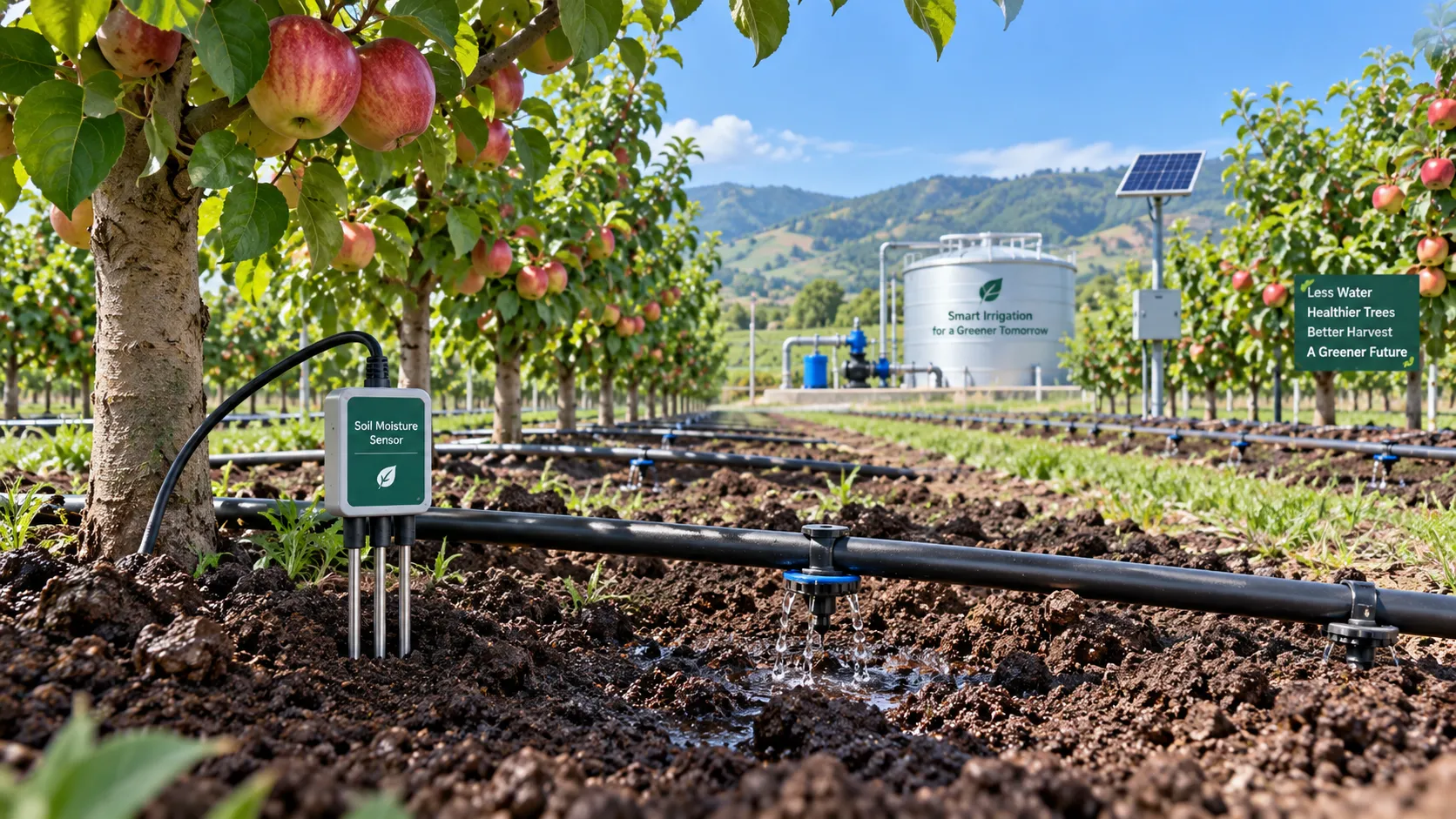
Orchard Water Management: Using Soil Moisture Data to Schedule Irrigation
Agricultural water management for orchards made practical: use soil moisture data to optimize irrigation timing, protect yield, reduce costs, and improve resilience.
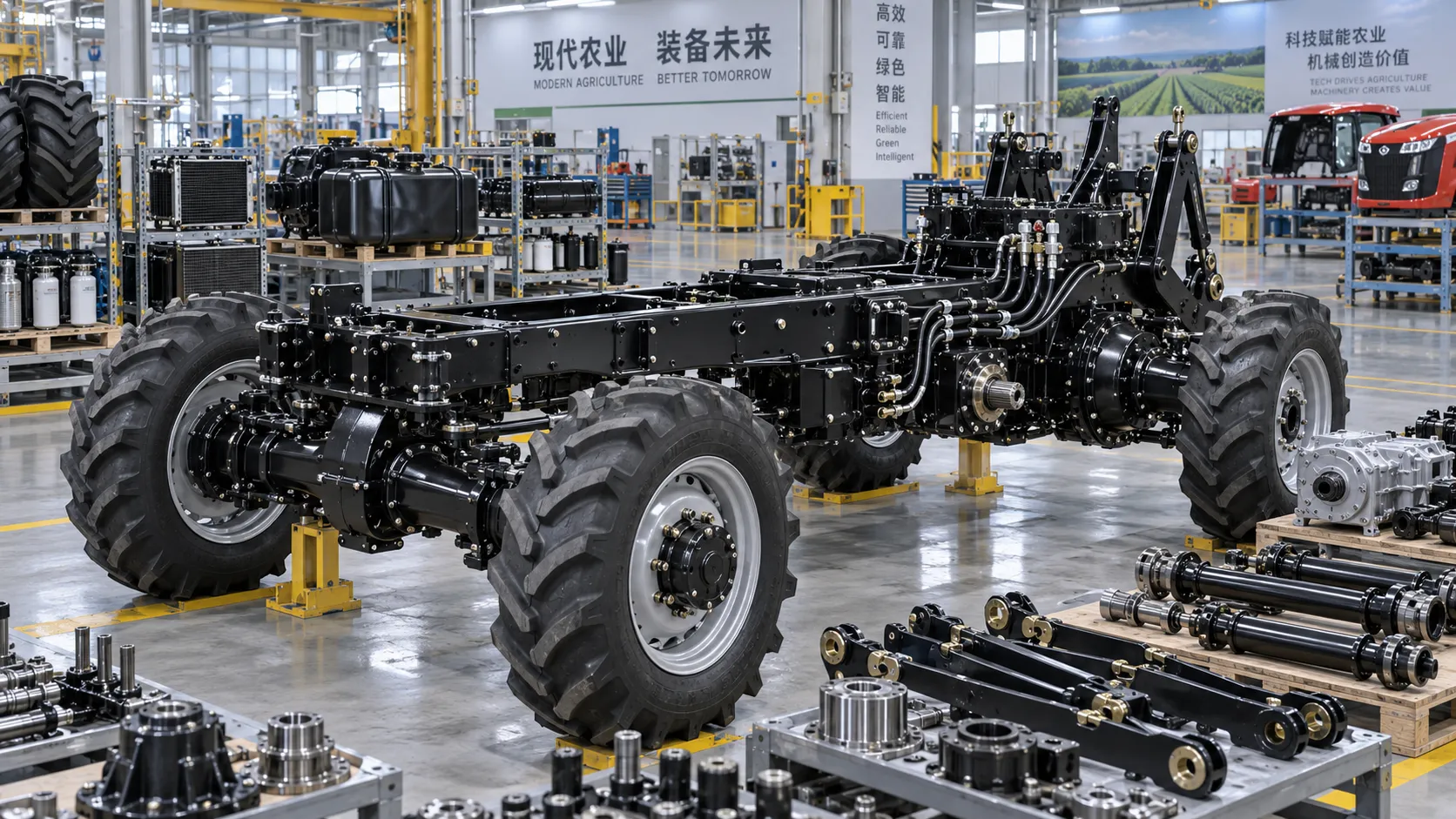
Tractor Chassis Price: What Buyers Should Compare Beyond the Initial Quote
Tractor chassis price is only the start. Compare load capacity, compatibility, durability, and lifecycle costs to choose a reliable, high-value chassis.
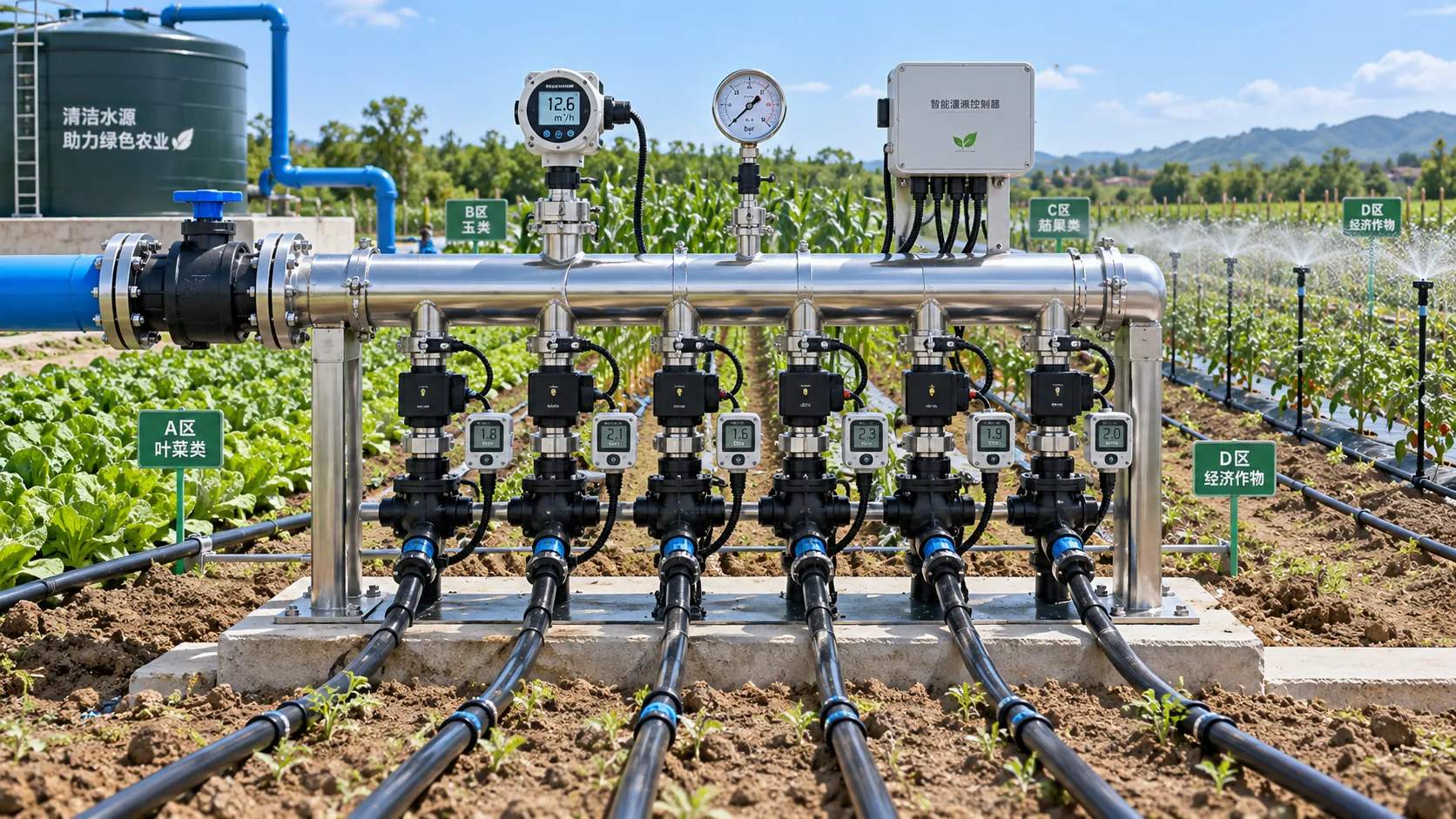
How to Select Smart Irrigation Valves for Multi-Zone Water Management?
Intelligent irrigation systems valves: learn how to match smart valves with multi-zone flow, pressure, control, feedback, and communication needs for reliable water management.
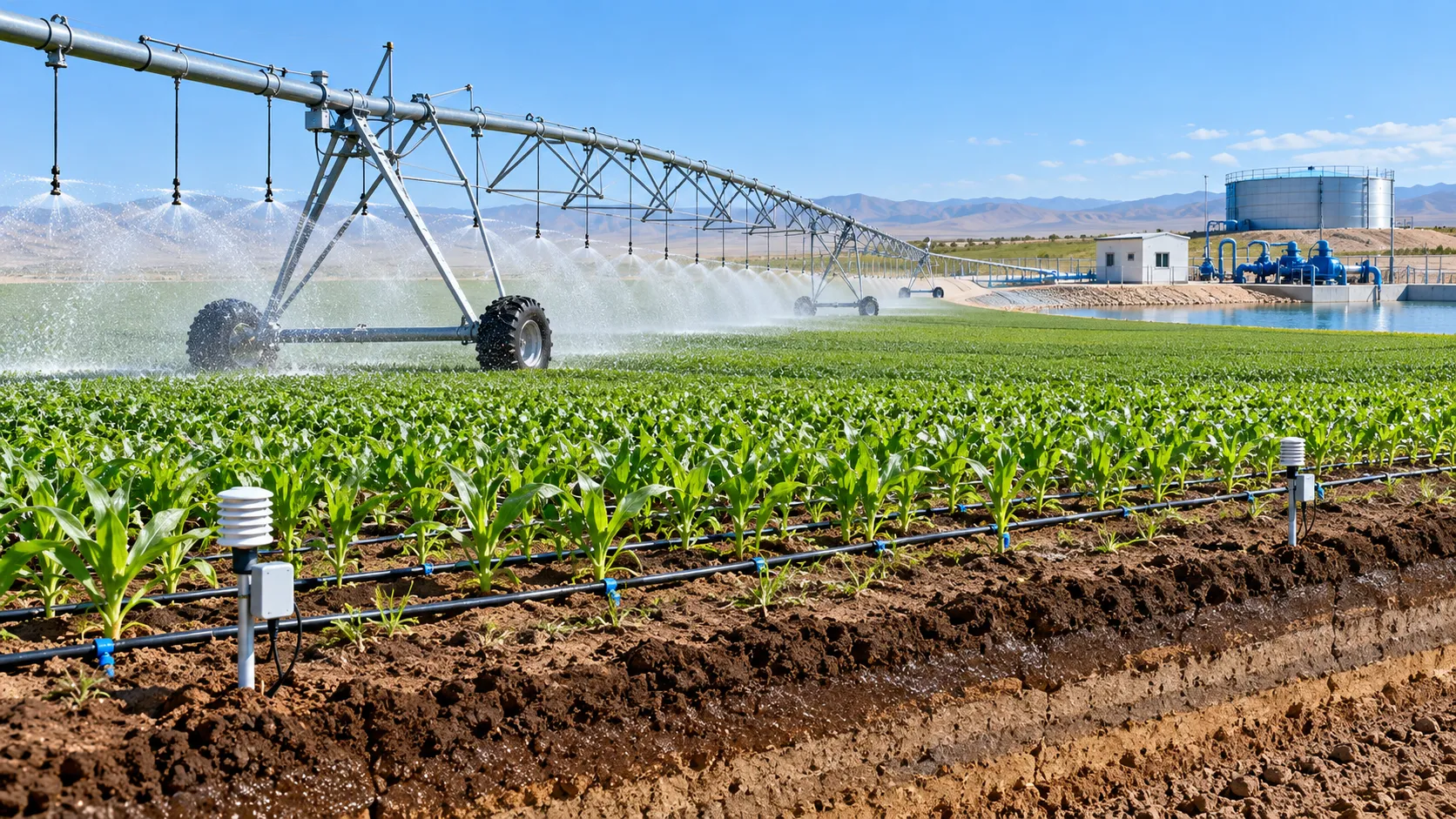
Climate-Smart Farming for Drought: A Practical Plan for Protecting Yields
Climate-smart farming for drought: build smarter water budgets, protect critical crop stages, improve irrigation uniformity, and safeguard yields with practical field-proven strategies.
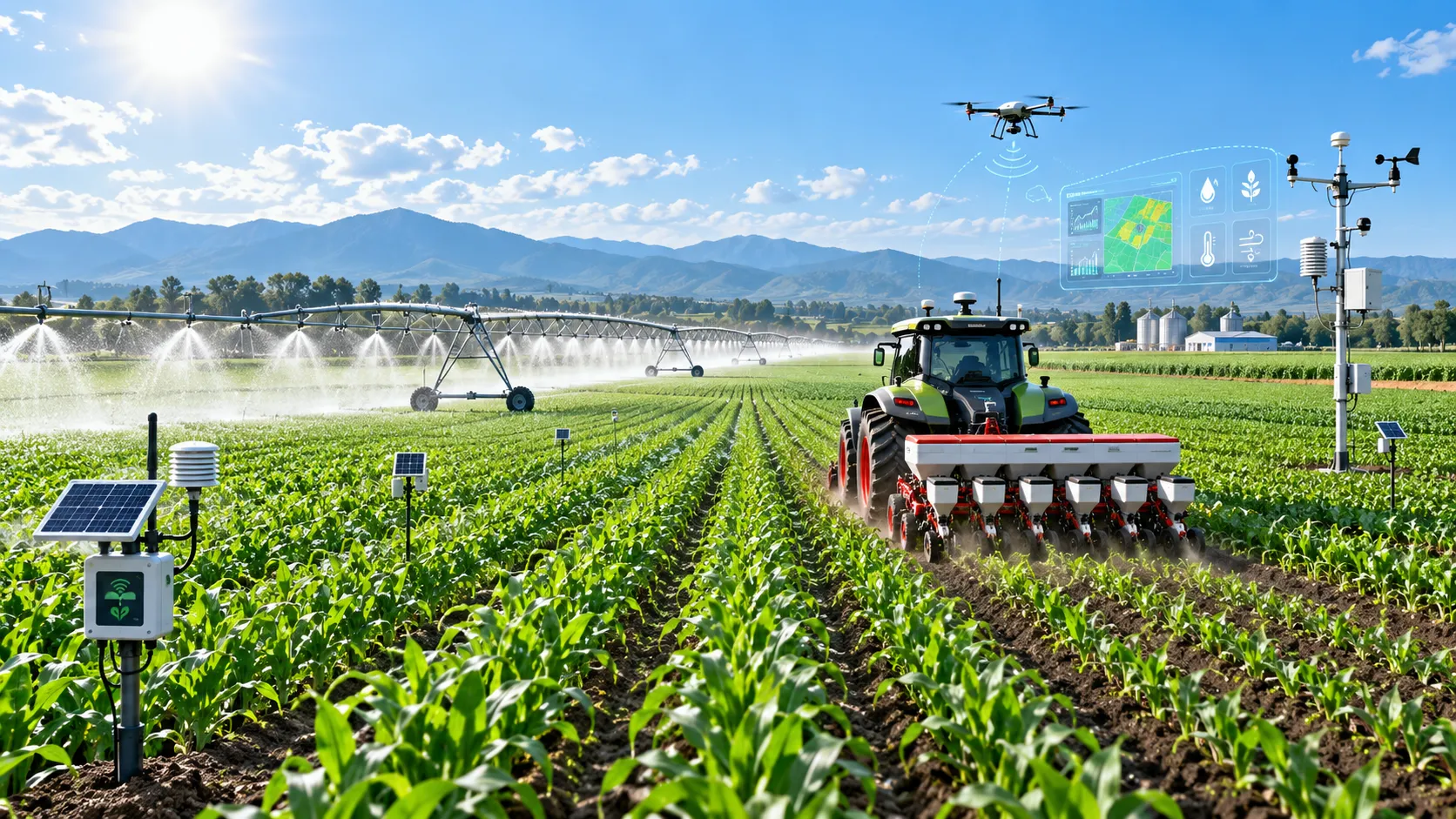
How Digital Agriculture Platforms Turn Field Data Into Better Input Decisions
Digital agriculture platforms turn field data into smarter fertilizer, water, seed, and equipment decisions—helping farms cut risk, improve margins, and scale sustainability.
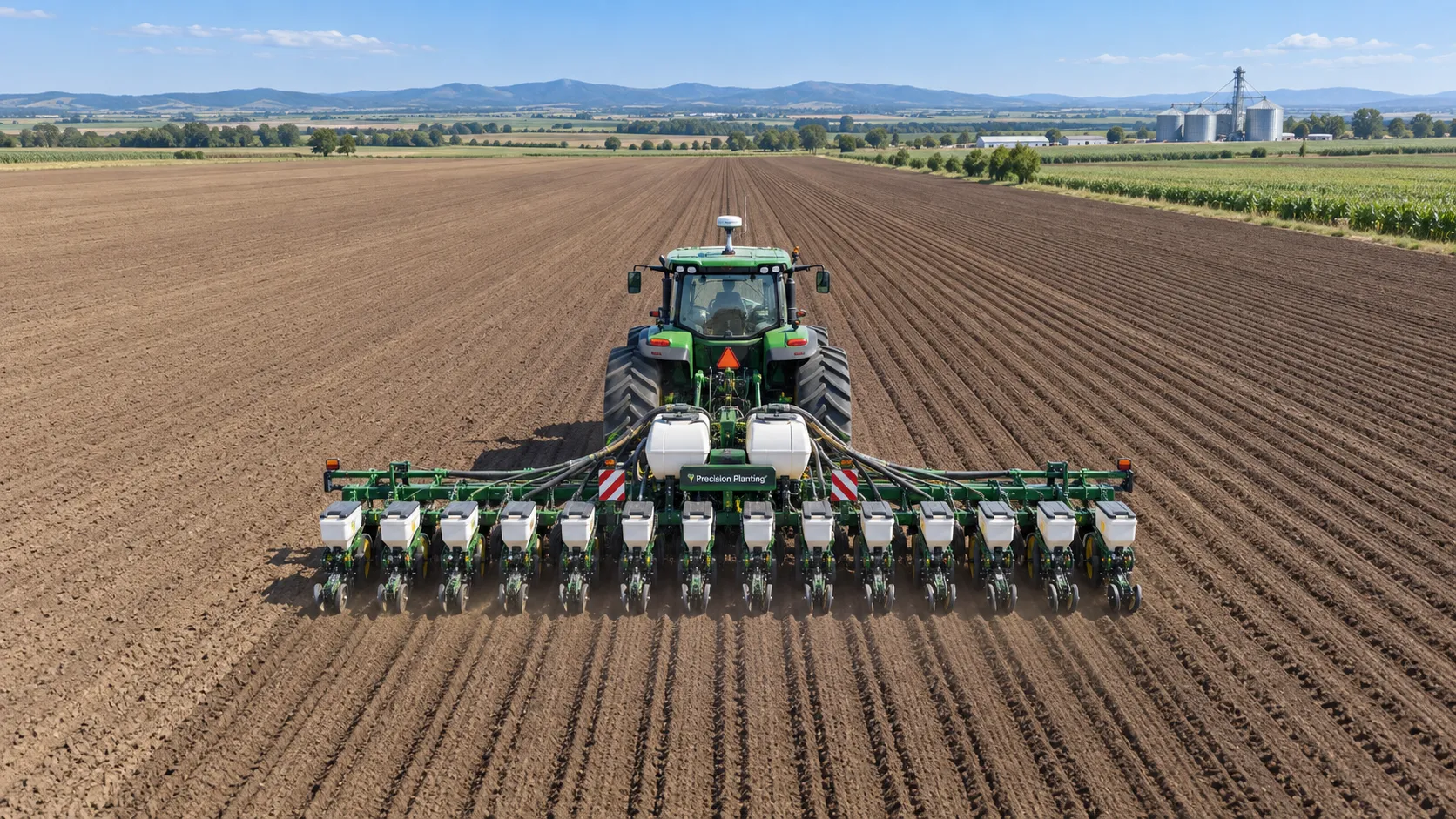
GPS-Guided Farm Machinery: Where It Delivers Measurable Field Efficiency Gains
Agri-mechanization GPS guided systems deliver measurable field efficiency gains through reduced overlap, precise planting, smarter inputs, and reliable farm data.
Related News
- 00
0000-00
How to Choose a Tractor Chassis: Load Capacity, Ground Clearance, and Terrain Fit - 00
0000-00
Tractor Chassis Buying Guide: Key Load, Clearance, and Drivetrain Factors to Compare - 00
0000-00
Iran Conflict Drives Up Global Oil Prices, Raising AWD Tractor Shipping Costs by 18% - 00
0000-00
PSC Inspections Surge: Ust-Luga Port Requires On-Site Vibration/Noise Re-Testing for All-Wheel Drive Tractors - 00
0000-00
New Energy Hybrid Tractor Project Launched in Xinjiang
Popular Tags
Tractor Power Architect
Weekly Insights
Stay ahead with our curated technology reports delivered every Monday.