
USDA Widens GPS Guidance Tax Credit Access for Smaller Farms
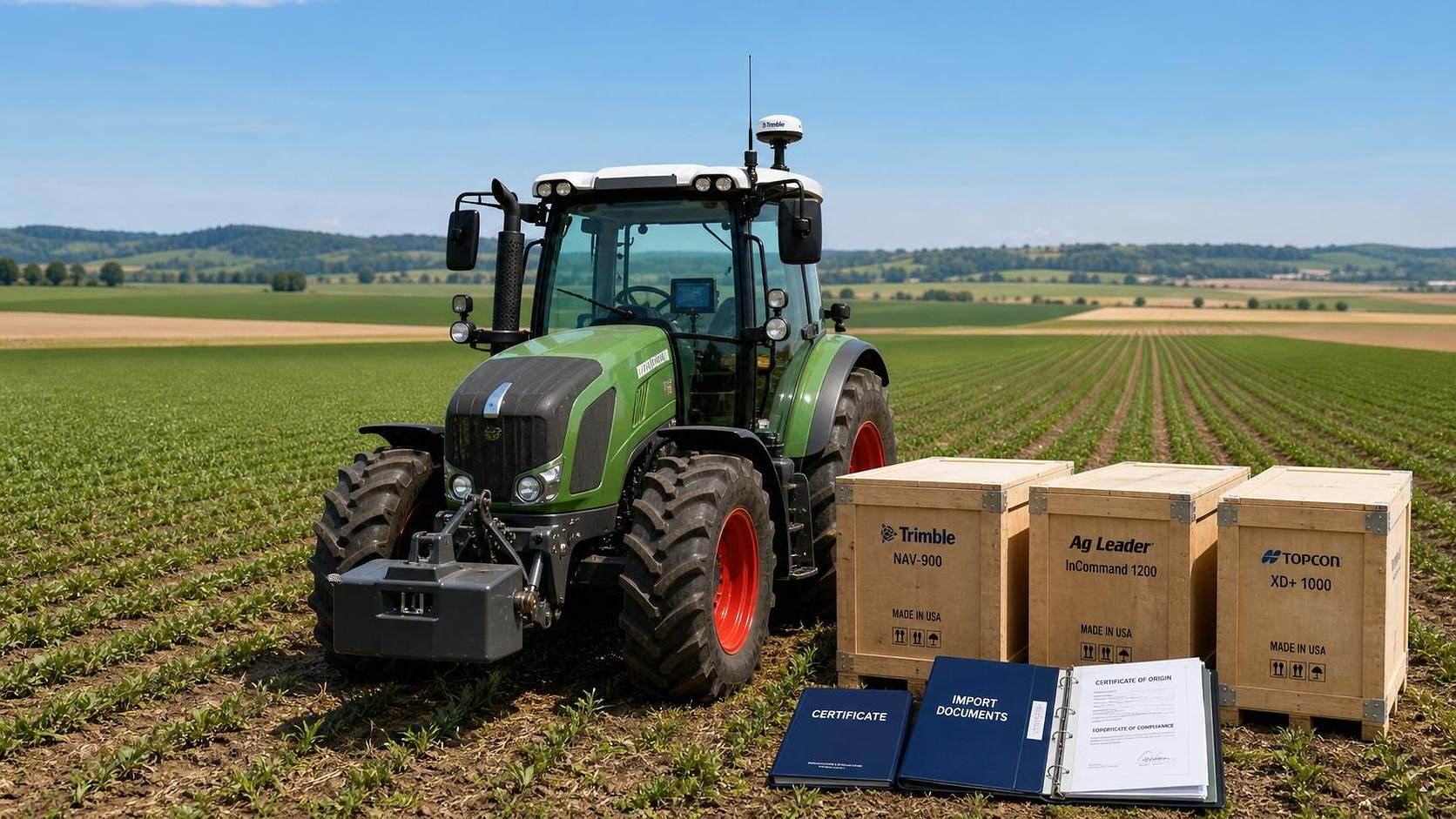




On June 26, 2026, the USDA lowered the eligibility threshold under the Precision Agriculture Equipment Tax Credit, expanding GPS Guidance Systems purchase support from farms of at least 1,000 acres to those at or above 200 acres. Because the change took effect immediately and applies during fiscal year 2026 to USDA-certified imported equipment, it matters not only to farm buyers but also to importers, equipment suppliers, certification-related parties, procurement teams, and after-sales operators that may now face a broader group of qualifying transactions.
What the rule change confirms
The confirmed change is limited but commercially relevant. The USDA announced on June 26, 2026 that the farm-size threshold tied to the Precision Agriculture Equipment Tax Credit was reduced. For GPS Guidance Systems, the coverage of the purchase subsidy moved from farms with at least 1,000 acres to farms with at least 200 acres.
The policy became effective immediately on the date of announcement. The provided information also states that it applies to all USDA-certified imported equipment in fiscal year 2026.
Where the operational effects may surface first
A wider addressable buyer group for equipment suppliers
From an industry perspective, suppliers and import-focused sellers of GPS Guidance Systems may be affected because the rule change expands the set of farms that can potentially qualify for supported purchases. The practical effect is likely to appear in quotation activity, eligibility screening during sales discussions, and procurement coordination around whether a given imported product is USDA-certified for the stated fiscal-year scope.
What deserves closer attention is not just demand interest, but transaction readiness. Sellers may need to pay closer attention to how product status, equipment descriptions, and supporting paperwork are presented during procurement and delivery discussions.
Import and distribution channels may face more compliance-sensitive transactions
Direct trade companies and channel operators may be affected because the summary explicitly includes USDA-certified imported equipment. Analysis shows that this makes certification status and supporting import-side documentation more visible in commercial handling, especially where buyers want to confirm whether a purchase falls within the policy scope described in the announcement.
The effect may be less about customs procedure in itself and more about whether importers and distributors can consistently align product records, certification references, and sales documentation with the policy language now in force for fiscal year 2026.
Procurement teams may need to revisit qualification checks
For farm procurement personnel and purchasing intermediaries, the threshold change may alter which buying projects are worth advancing now rather than later. Observably, the key business impact is at the front end of procurement: acreage-based eligibility review, supplier qualification checks, and documentation preparation tied to equipment certification status.
Where execution risk may emerge is in assumptions. If internal procurement files, tender language, or approval steps still reflect the older 1,000-acre threshold, buyers and coordinators may need to update those references before placing orders or validating support eligibility.
After-sales and service providers may see a different customer mix
After-sales service providers may also be indirectly affected if smaller farms begin entering the purchase pipeline for GPS Guidance Systems in greater numbers. Analysis shows that the immediate policy change can influence not only initial sales but also installation planning, service coverage, and traceability expectations tied to imported and certified equipment.
At this stage, the confirmed fact is the broader eligibility threshold, not a measured change in service volume. Still, service operators may need to prepare for more questions around supported equipment status, delivery timing, and product documentation.
What businesses should check now
Review certification references in product and transaction files
Because the policy applies to USDA-certified imported equipment for fiscal year 2026, companies involved in supply, import, and resale should review how certification status is recorded in product files, quotations, order documentation, and customer communications. The available information does not provide detailed execution criteria, so businesses should avoid assuming that broad product-category inclusion alone is enough without document support.
Update procurement language that may still reflect the previous threshold
Companies handling bids, purchase approvals, or customer-facing sales documents should examine whether existing templates still refer to the earlier minimum farm size. Where those references remain unchanged, they may create avoidable confusion in deal qualification, internal review, or buyer expectations.
Watch for further clarification on implementation language
The announcement is already effective, but the provided information does not include detailed operating guidance. What deserves closer attention is whether later official wording, certification interpretations, or procurement instructions add more precision on how eligibility should be evidenced in practice.
Coordinate delivery and support commitments carefully
For suppliers and service teams, it is prudent to align sales commitments with documentation readiness. Analysis shows that when a rule change becomes effective immediately, transaction timing, delivery planning, and customer support discussions can move faster than internal compliance updates. That gap is where avoidable execution friction often appears.
How this development is best understood at this stage
Observably, this is more than a general policy signal because the change is stated as effective immediately and tied to a defined fiscal-year scope. At the same time, it should not yet be treated as a fully mapped execution framework, since the provided information does not include detailed procedures, evidentiary requirements, or downstream procurement instructions.
From an industry perspective, the announcement is best understood as an implemented eligibility expansion with immediate commercial relevance, while the finer points of execution still warrant close monitoring. That distinction matters for firms deciding whether to adjust sales positioning, procurement screening, and compliance review processes now.
Why the market should keep this in practical focus
The main significance of this development is that a narrower access condition for supported GPS Guidance Systems purchases has been relaxed within a stated USDA tax credit framework. For the market, that can affect who is considered an eligible buyer, how imported certified equipment is positioned, and which documentation becomes more important during procurement and delivery.
Current observation suggests this should be read as a live rule change with near-term operational implications, rather than as a distant policy proposal. Even so, the most responsible reading remains measured: the headline change is confirmed, while execution detail, market uptake, and administrative interpretation still need continued attention.
Basis of this article and points still to verify
This article is based on the user-provided news title, event date, and event summary concerning the USDA expansion of support coverage for GPS Guidance Systems on June 26, 2026.
For developments of this type, relevant source categories typically include official agency announcements, regulator publications, trade or customs authority updates, industry association notices, standard-setting or certification-related documents, and reporting by established professional media. A specific official source link was not provided in the input, so the exact official publication should still be verified on an ongoing basis.
Further observation is still needed on any detailed implementation language, certification interpretation, procurement document changes, market feedback, and how affected companies operationalize the policy during fiscal year 2026.
Related News
When Does Agricultural Machinery Leasing Cost Less Than Owning Equipment?
Agricultural machinery leasing can lower farm costs when use is seasonal or uncertain. Compare utilization, maintenance, cash flow, and risk to make a smarter equipment decision.
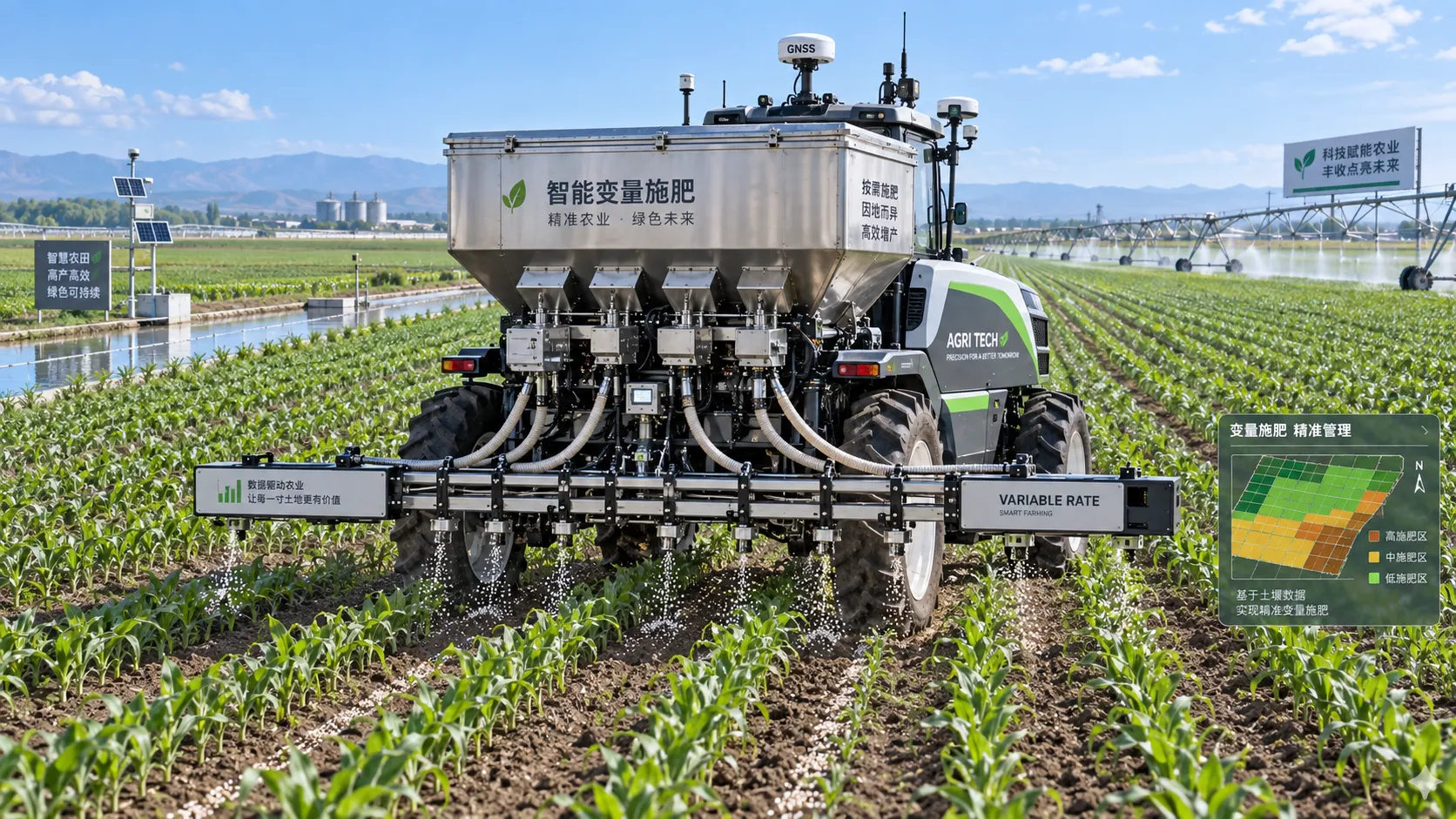
How to Evaluate Precision Fertilization System Suppliers for Farm-Scale Deployment
Precision fertilization systems suppliers: learn how to compare accuracy, integration, uptime, service, and total cost for confident farm-scale deployment.
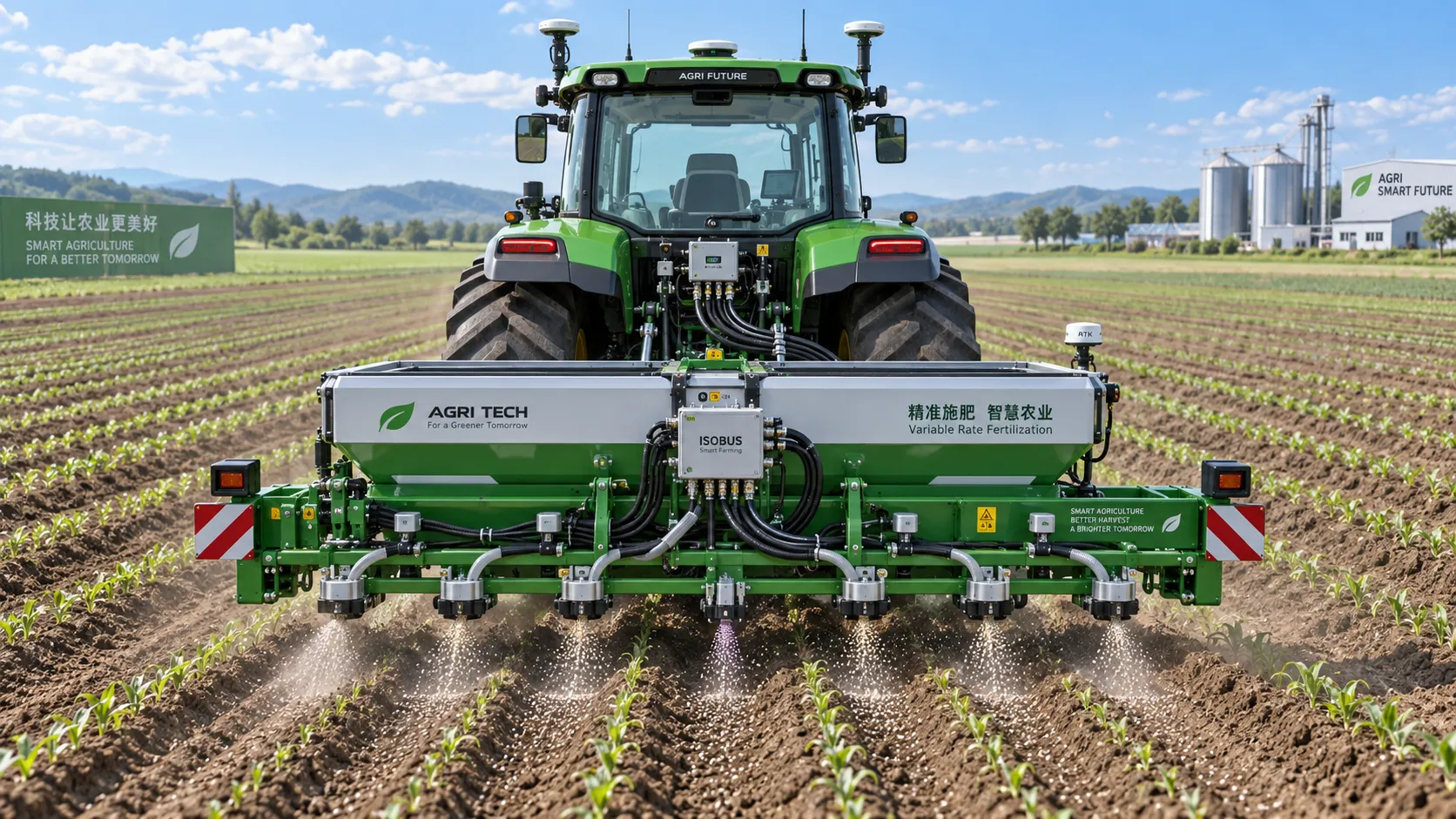
ISOBUS for Smart Agriculture: How It Connects Tractors, Implements, and Farm Data
ISOBUS for smart agriculture connects tractors, implements, terminals, and farm data—helping growers improve precision, documentation, and smarter field decisions.
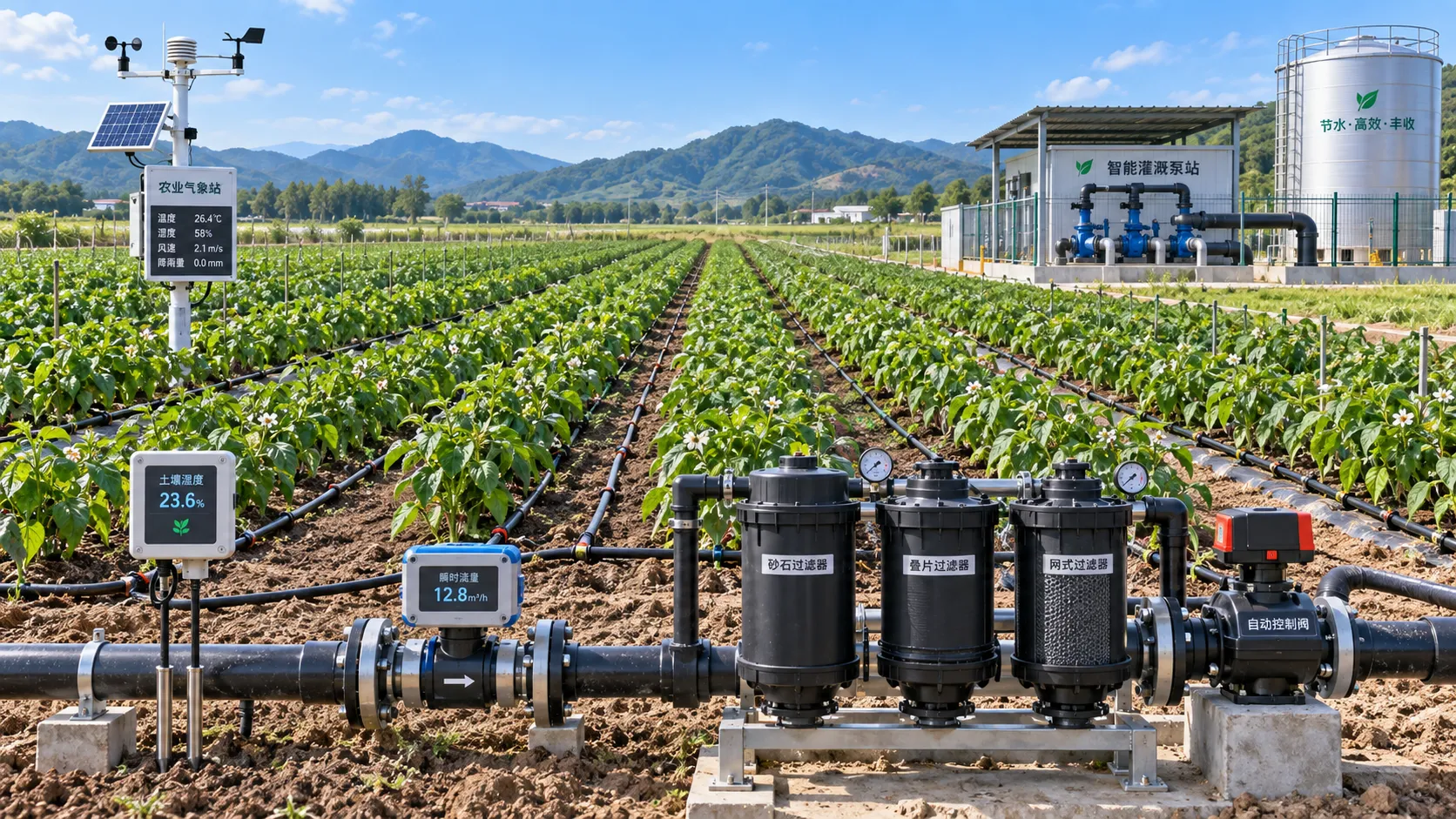
Automated Water-Saving Irrigation: How to Cut Water Use Without Reducing Crop Yields
Automated water-saving irrigation helps farms cut water use, protect crop yields, improve scheduling, and gain reliable control with sensors, flow monitoring, and smart zones.
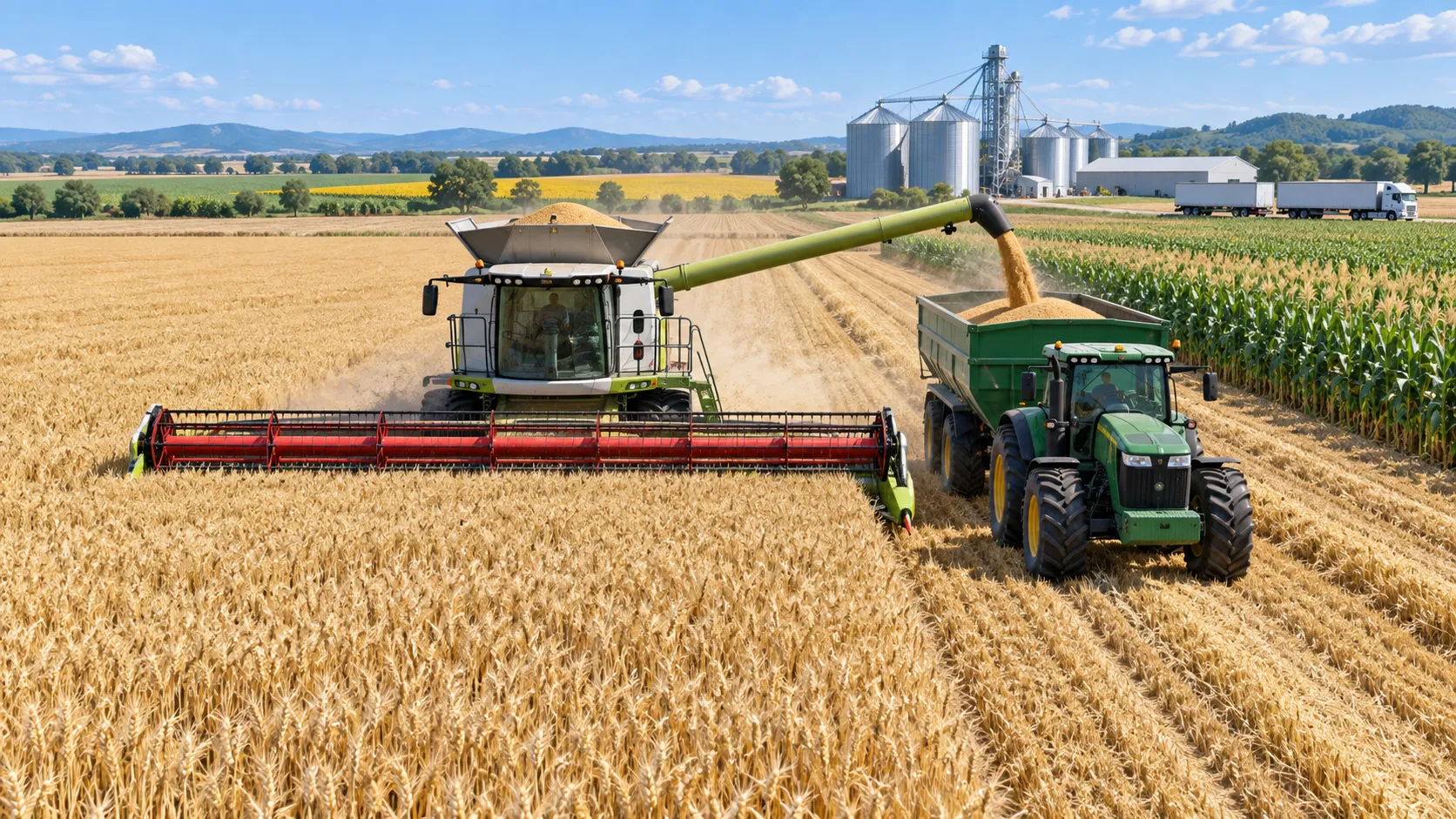
Selecting Grain Farm Equipment by Acreage, Crop Mix, and Harvest Window
Agricultural equipment selection for grain farming: match machinery to acreage, crop mix, and harvest windows to improve uptime, efficiency, and returns.
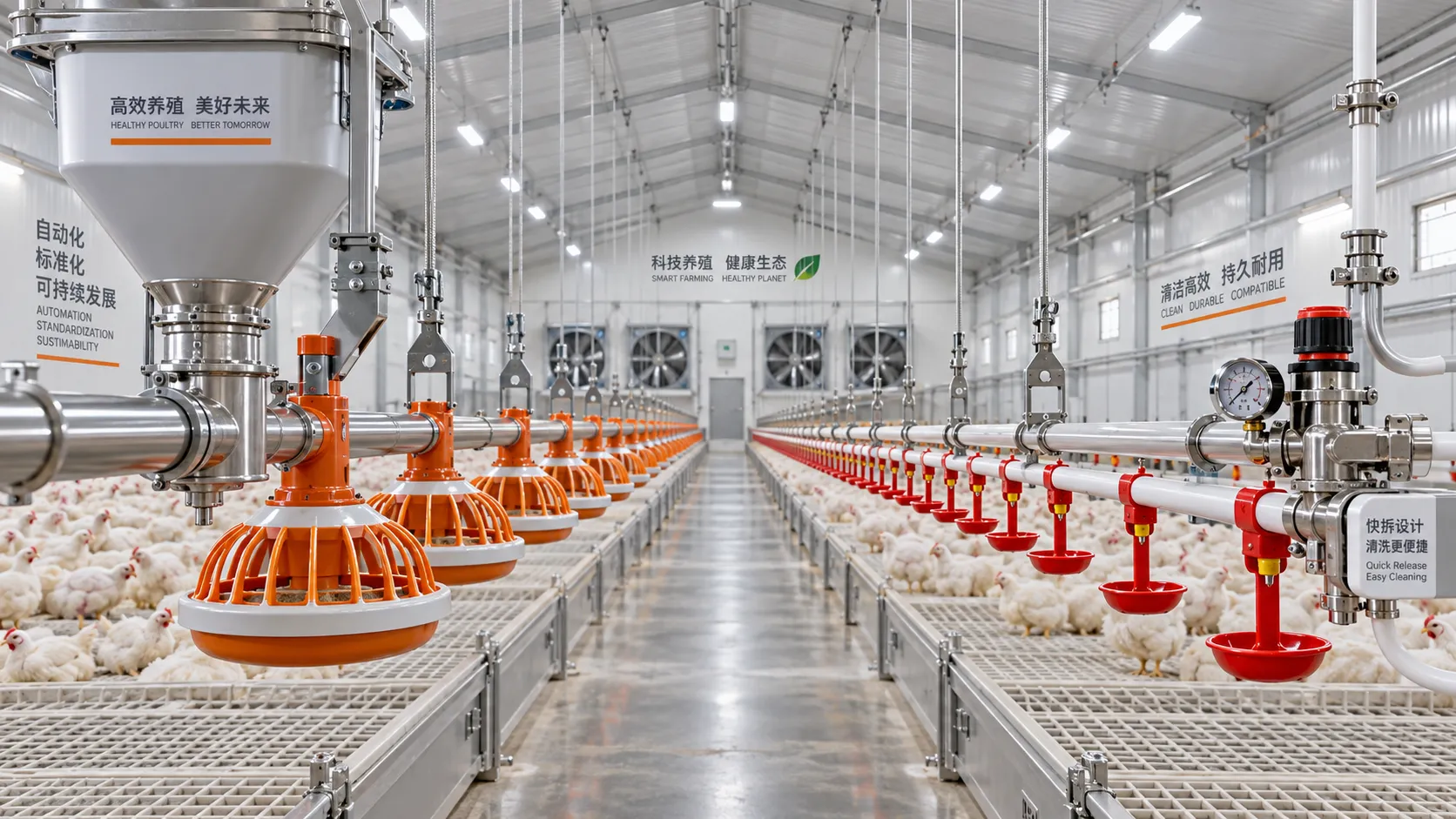
Poultry Equipment Selection: Evaluating Durability, Cleaning, and Compatibility
Poultry equipments selection guide: evaluate durability, cleaning access, and system compatibility to improve hygiene, reduce downtime, and support efficient flock management.
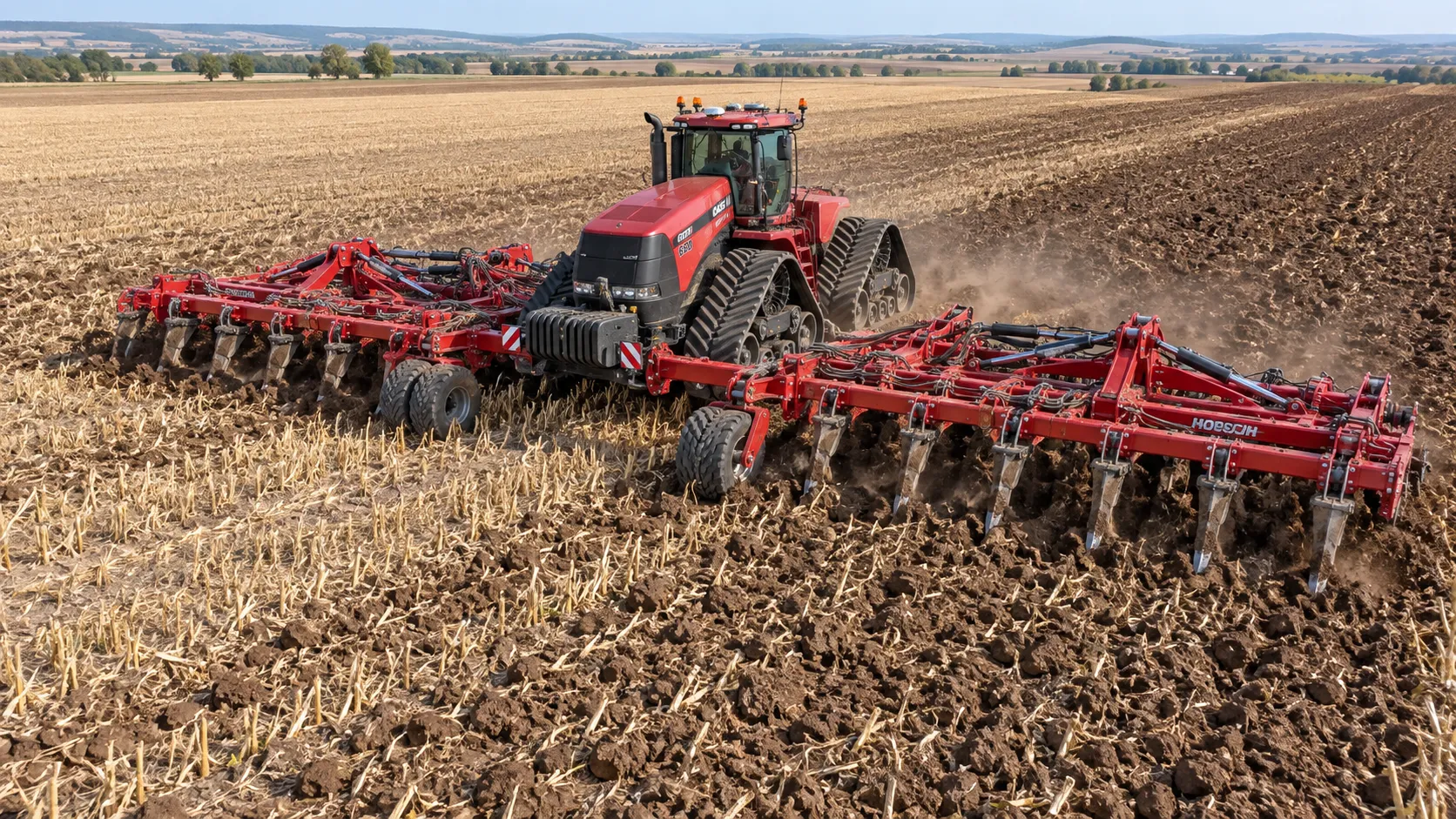
How to Select Heavy-Duty Farm Implements for High-Acreage, High-Horsepower Operations
Heavy duty farm implements: learn how to match draft, hydraulics, hitch capacity, frame strength, and field conditions for reliable high-acreage performance.
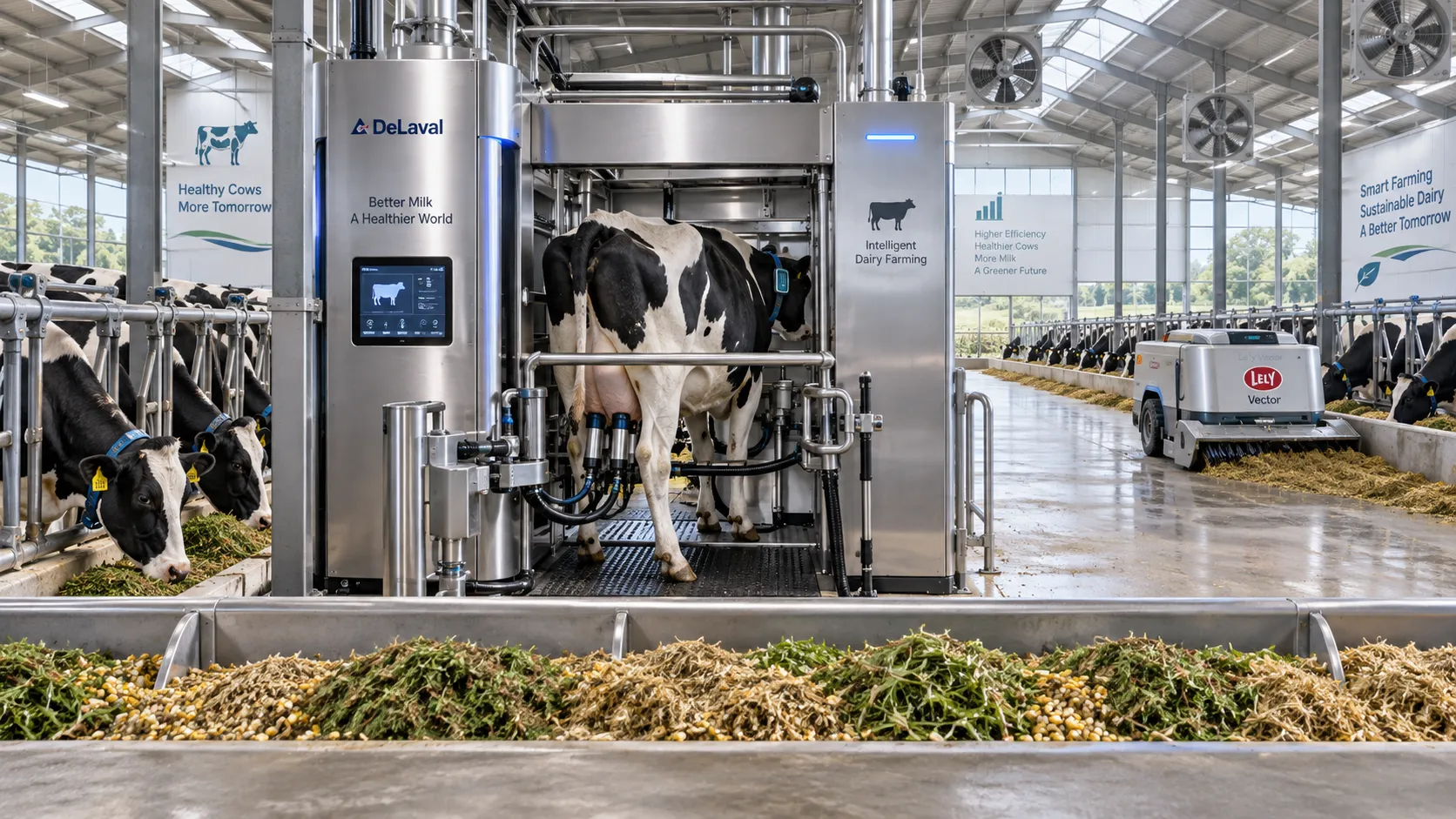
Smart Farming Technology for Dairy Farms: Where Automation Delivers Measurable ROI
Smart farming technology for dairy farms delivers measurable ROI through automation, precision feeding, health monitoring, and data-driven cost control.
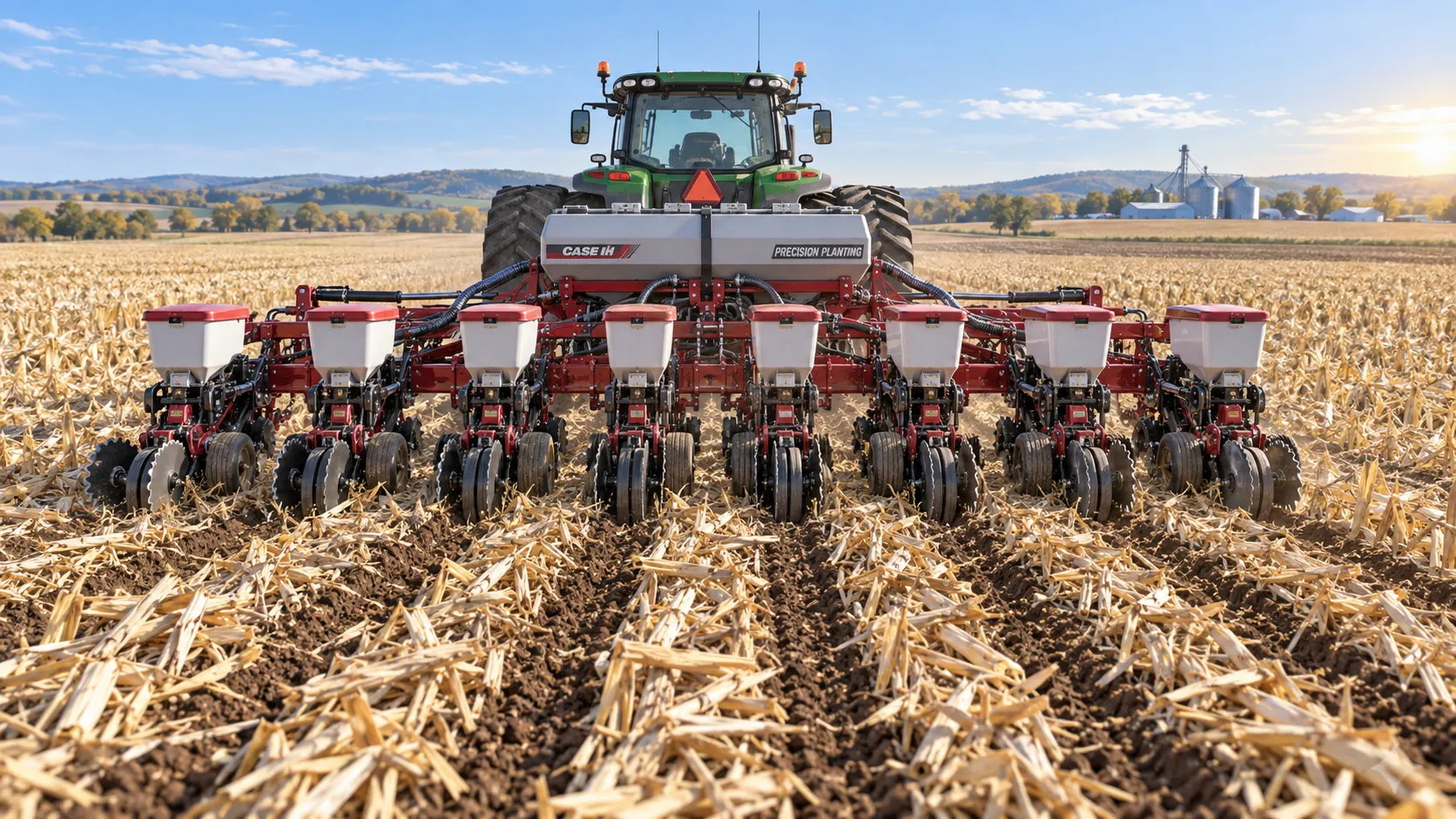
How to Select a Heavy-Duty Seeder for Large Acreage and High-Residue Fields
Heavy duty seeders for large acreage: compare residue handling, depth control, downforce, metering accuracy, and precision features to select the right model.
Related News
- 00
0000-00
ISOBUS for Smart Agriculture: How It Connects Tractors, Implements, and Farm Data - 00
0000-00
How North American Farms Can Select Crop Monitoring Systems by Acreage and Connectivity - 00
0000-00
How Tractor Intelligence Systems Improve Field Efficiency and Input Accuracy - 00
0000-00
Which equipment for larger fields maintains accuracy at higher speeds? - 00
0000-00
What should a digital ag platform integrate before a farm-wide rollout?
Popular Tags
Tractor Power Architect
Weekly Insights
Stay ahead with our curated technology reports delivered every Monday.