
Tianjin Farm Machinery Show Adds BRI Test Station
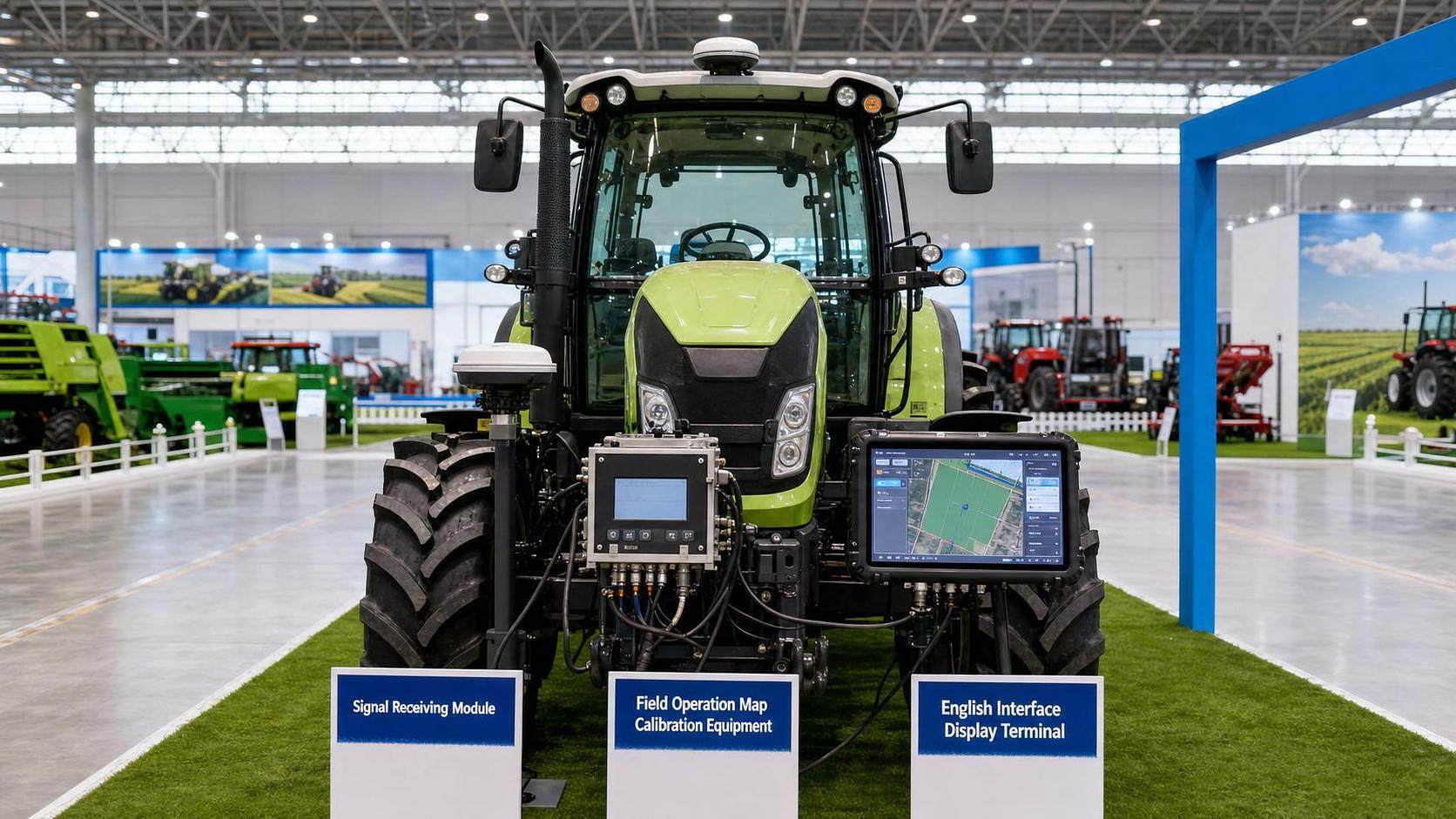




On October 26, 2026, the China International Agricultural Machinery Exhibition in Tianjin opened with a compliance-related signal for exporters of GPS guidance systems: a dedicated compatibility test station for Belt and Road markets was introduced in the exhibition area. The move matters not simply as a show feature, but as an indication that market access reviews for agricultural equipment are increasingly tied to signal interoperability, field map accuracy, and localized user interfaces. For manufacturers, exporters, testing providers, and procurement teams, the practical issue is whether technical readiness can be checked earlier in the delivery process before products enter target-country admission assessments.
What the Tianjin announcement confirms
The confirmed facts are limited but clear. The 2026 China International Agricultural Machinery Exhibition is scheduled for October 26–28 in Tianjin. In the GPS Guidance Systems section, the event announced a Belt and Road compatibility test station. The initiative is organized together with the BeiDou international application center and ISO/TC23. According to the event summary, export-oriented companies can access three free pre-screening services: multi-constellation signal stability testing covering BDS, GPS, and Galileo; calibration for farmland operation map offset; and local-language UI adaptation checks. The stated purpose is to help products move more quickly through agricultural machinery admission assessments in destination markets.
Where the compliance impact is most likely to appear
Export preparation moves closer to technical pre-checks
From an industry perspective, exporters of guidance-equipped agricultural machinery may be the first group affected because the announced services are directly tied to admission readiness in overseas markets. The likely impact is not a new law by itself, but a stronger operational link between export preparation and documented technical compatibility. What deserves closer attention is whether companies will now need to prepare signal performance records, map calibration materials, and interface localization evidence earlier in the quotation, certification, or shipment planning cycle.
Manufacturing and integration teams face tighter alignment demands
For manufacturers and system integrators, the announcement points to compliance pressure at the product configuration stage. If multi-constellation stability, map offset calibration, and localized interfaces are being screened before market entry review, then hardware, software, and field-operation data may need closer alignment before products are presented to buyers or submitted for assessment. Analysis shows that this can affect design validation, technical file preparation, and handoff between engineering and export compliance teams, even though the detailed execution criteria have not been disclosed in the input.
Testing and certification service providers may see a shift in client demand
Testing-related firms and certification support providers may also be affected because the announced free pre-screening services highlight the areas that exporters are likely to treat as admission-sensitive. Observably, this can shift demand toward earlier-stage diagnostic checks rather than only end-stage certification support. The business implication is less about immediate rule change and more about where clients may start concentrating compliance budgets, documentation requests, and corrective actions.
Procurement and delivery planning could become more documentation-driven
For procurement teams, distributors, and supply-chain coordinators, the announcement suggests that acceptance of guidance-related products may increasingly depend on whether technical adaptation work has been completed before dispatch. Analysis shows that delivery schedules, supplier review, and after-sales preparation may need to account for localization status and calibration readiness, especially where tenders or buyer specifications refer to operational accuracy or interface usability. That does not confirm a mandatory new document set, but it does indicate where market-access scrutiny may intensify.
What companies should monitor next
Track how pre-screening results are referenced in market entry work
Companies should watch whether the three announced pre-check items begin to influence the supporting materials expected in admission reviews, bid submissions, or buyer technical evaluations. The current input confirms the services exist, but it does not define how the resulting findings will be recognized by each destination market.
Review technical files for interoperability and localization evidence
Exporters should examine whether their existing technical documentation can clearly explain multi-constellation operation, field map offset handling, and local-language interface adaptation. This is not yet proof of a universal filing requirement, but it is a practical compliance question raised by the event announcement.
Reassess delivery timing for export-bound models
Where products are being prepared for overseas agricultural machinery assessments, businesses should consider whether pre-check activity could alter internal sequencing for testing, packaging of technical documents, and shipment commitments. What deserves closer attention is the risk of treating compatibility issues as a late-stage problem when the event itself frames them as an earlier screening step.
Watch for changes in buyer-side technical specifications
Manufacturers and channel partners should also monitor whether procurement documents, distributor requests, or after-sales preparation begin placing more emphasis on signal stability, mapping accuracy, and UI localization. The input does not confirm such changes have already occurred, so this remains an area for follow-up rather than a settled compliance outcome.
Why this looks more like an execution signal than a finished rule change
Analysis shows that this development is better understood as an execution signal around market-access readiness rather than a fully defined new regulatory regime. The presence of a compatibility testing station, together with participation by the BeiDou international application center and ISO/TC23, indicates that interoperability and usability checks are being brought closer to export practice. At the same time, the available facts do not establish binding criteria, country-specific recognition, or mandatory filing rules. For that reason, the industry should treat the announcement as a practical indicator of where compliance expectations may be heading, while continuing to distinguish announced support measures from confirmed regulatory obligations.
How the market should read this development now
The most balanced reading is that the Tianjin exhibition announcement highlights a more operational approach to agricultural machinery admission readiness for export-oriented GPS guidance systems. It points attention to technical compatibility, map calibration, and localization as issues that can influence trade execution and product acceptance, but it does not by itself prove that new mandatory rules have already taken full effect across destination markets. At this stage, it is more appropriate to understand the news as a meaningful market-access and compliance signal that deserves close follow-up as implementation details and market responses become clearer.
Basis of this article and what still needs verification
This article is based on the user-provided news title, event date, and event summary. For developments of this type, relevant source categories would typically include official event announcements, regulator or trade authority releases, industry association communications, standards organization materials, customs or trade administration information, and reporting by authoritative sector media. A specific official source link was not provided in the input, so further verification is still needed. What should continue to be monitored includes detailed implementation language, certification and admission review practice, changes in tender documentation, industry feedback, and how exporting companies apply the announced pre-screening services in actual delivery and compliance workflows.
Related News
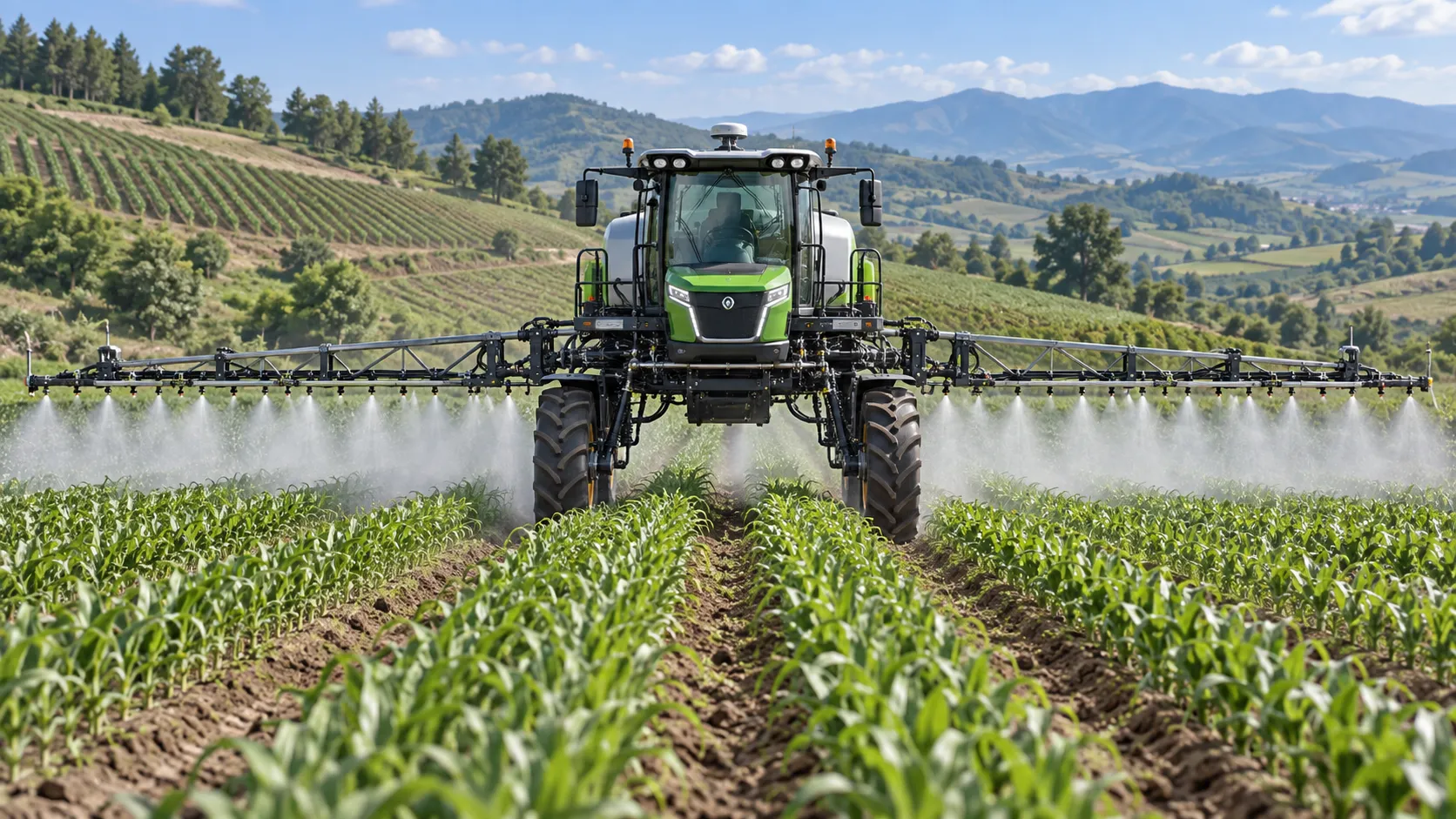
How to Select Precision Crop Protection Equipment for Variable Field Conditions
Precision crop protection equipment selection made simple: compare terrain, canopy, weather, control accuracy, and data workflows for reliable applications.

When Does Agricultural Machinery Leasing Cost Less Than Owning Equipment?
Agricultural machinery leasing can lower farm costs when use is seasonal or uncertain. Compare utilization, maintenance, cash flow, and risk to make a smarter equipment decision.
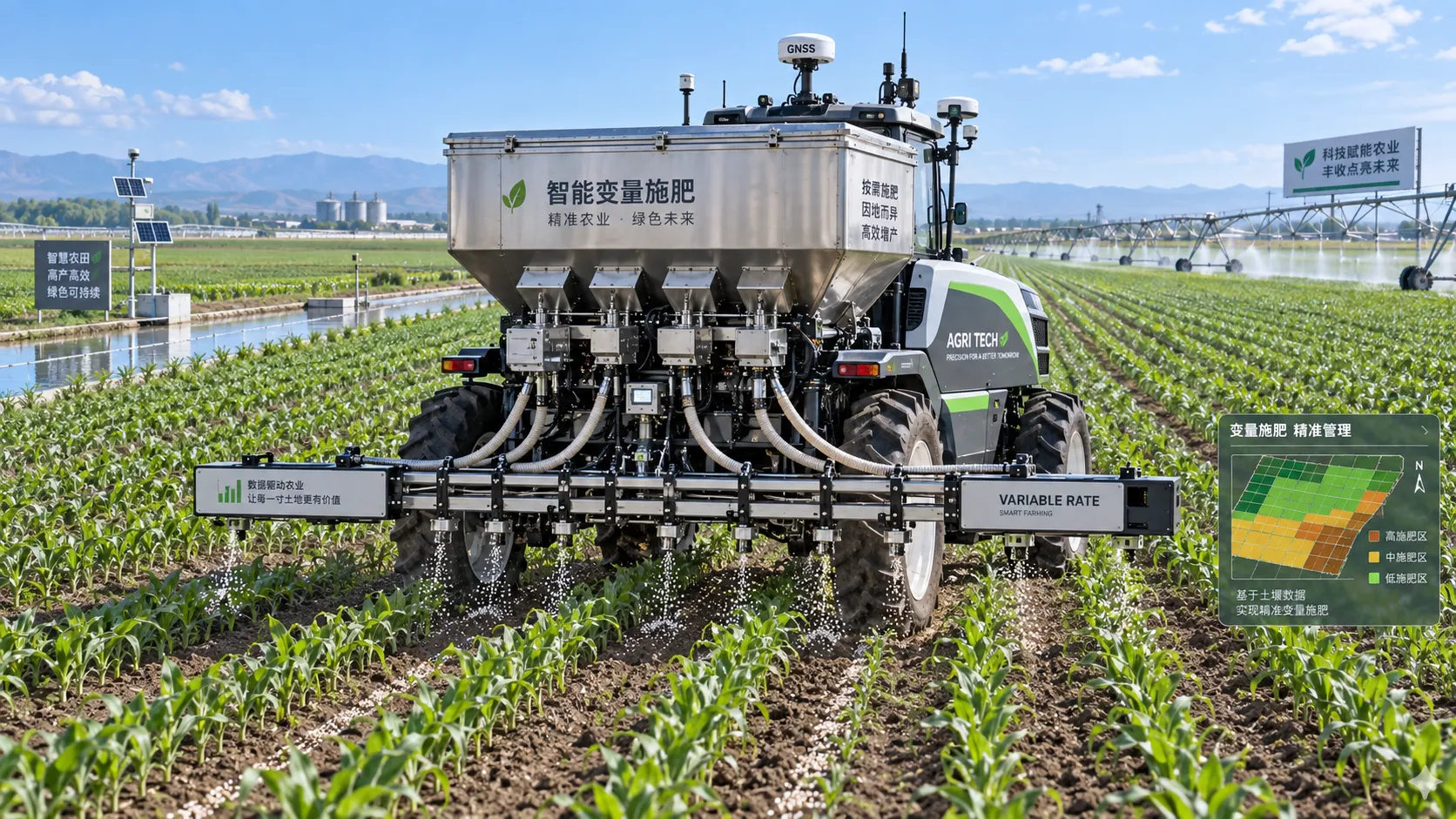
How to Evaluate Precision Fertilization System Suppliers for Farm-Scale Deployment
Precision fertilization systems suppliers: learn how to compare accuracy, integration, uptime, service, and total cost for confident farm-scale deployment.
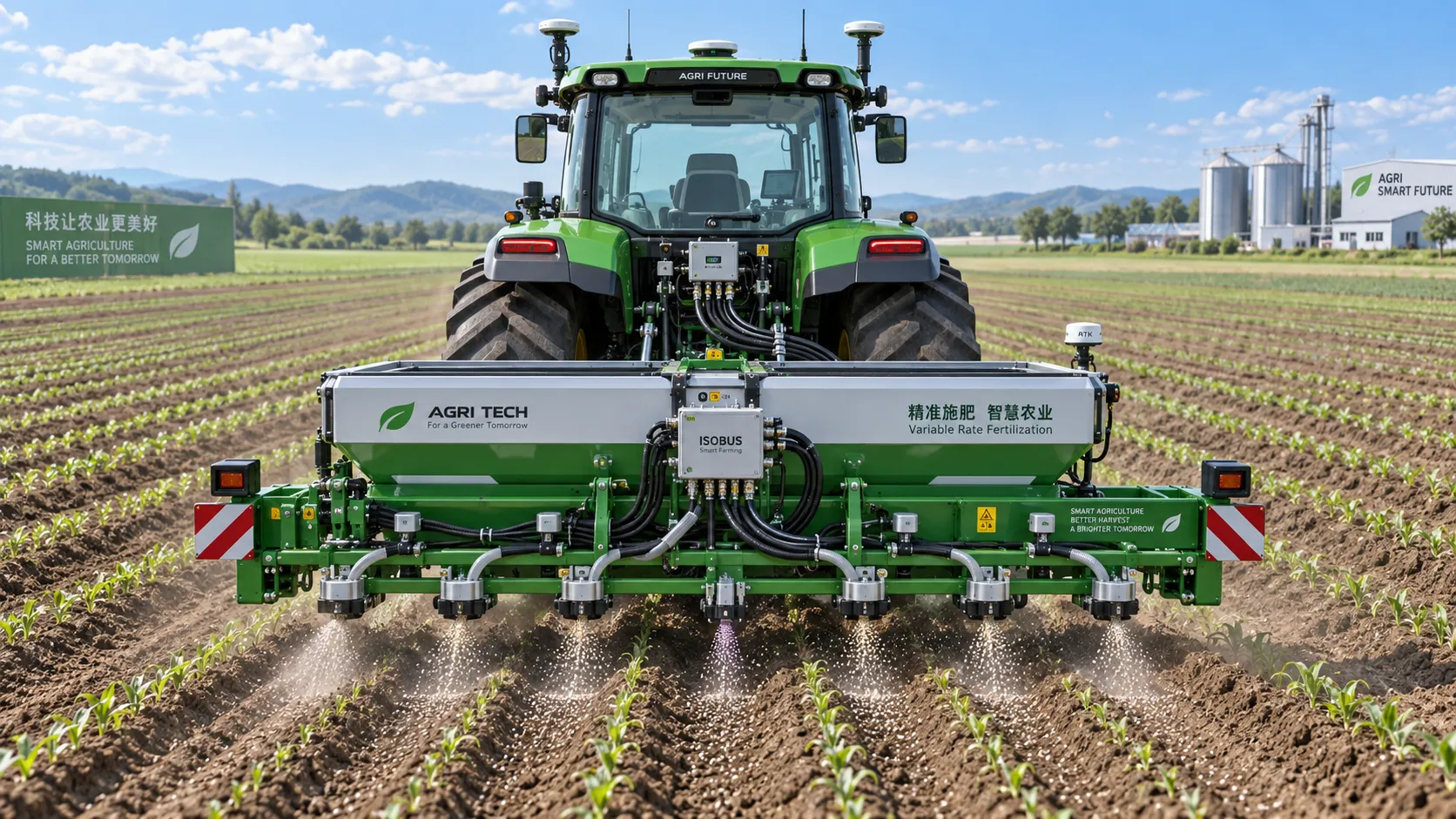
ISOBUS for Smart Agriculture: How It Connects Tractors, Implements, and Farm Data
ISOBUS for smart agriculture connects tractors, implements, terminals, and farm data—helping growers improve precision, documentation, and smarter field decisions.
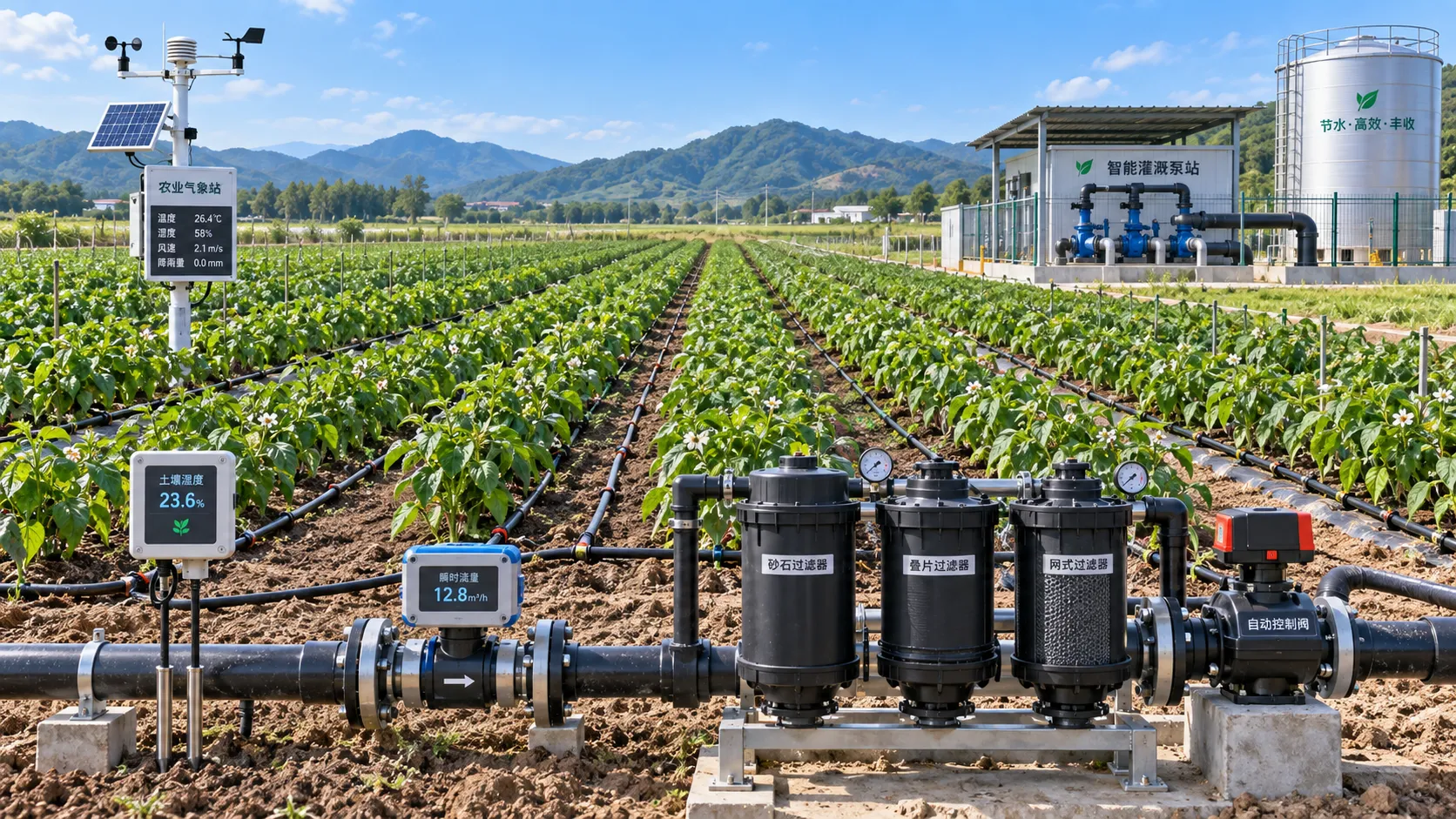
Automated Water-Saving Irrigation: How to Cut Water Use Without Reducing Crop Yields
Automated water-saving irrigation helps farms cut water use, protect crop yields, improve scheduling, and gain reliable control with sensors, flow monitoring, and smart zones.
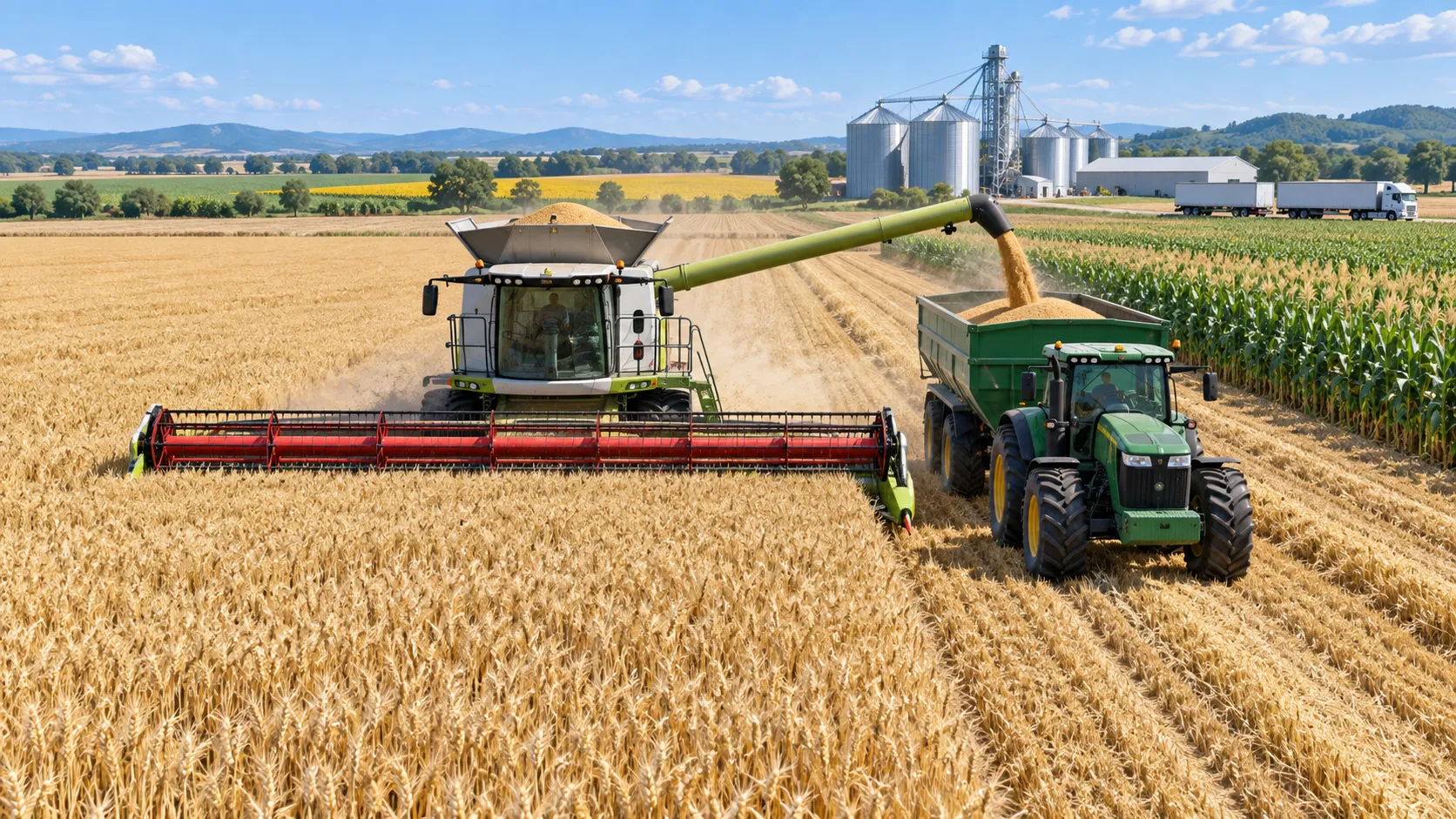
Selecting Grain Farm Equipment by Acreage, Crop Mix, and Harvest Window
Agricultural equipment selection for grain farming: match machinery to acreage, crop mix, and harvest windows to improve uptime, efficiency, and returns.
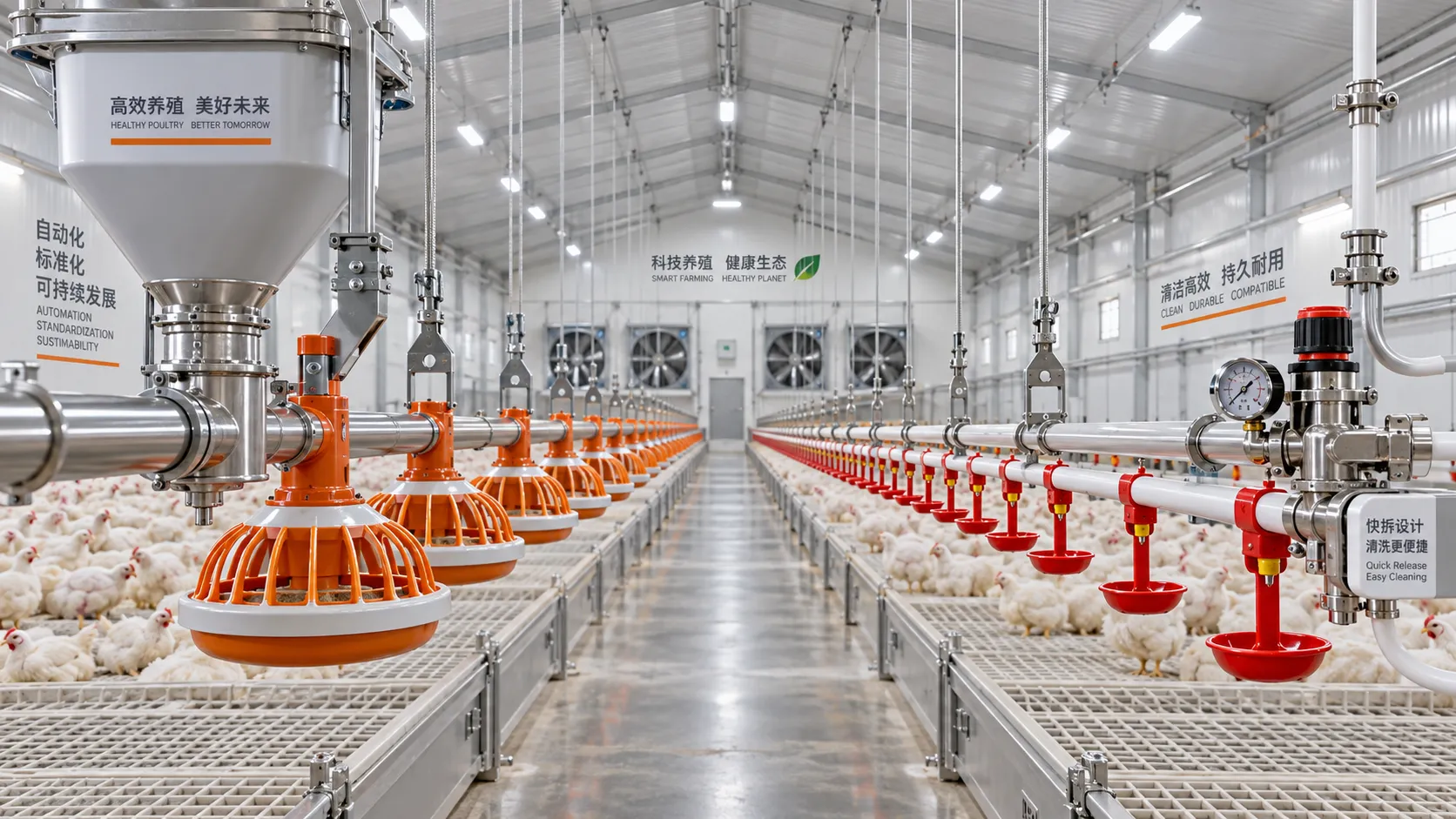
Poultry Equipment Selection: Evaluating Durability, Cleaning, and Compatibility
Poultry equipments selection guide: evaluate durability, cleaning access, and system compatibility to improve hygiene, reduce downtime, and support efficient flock management.
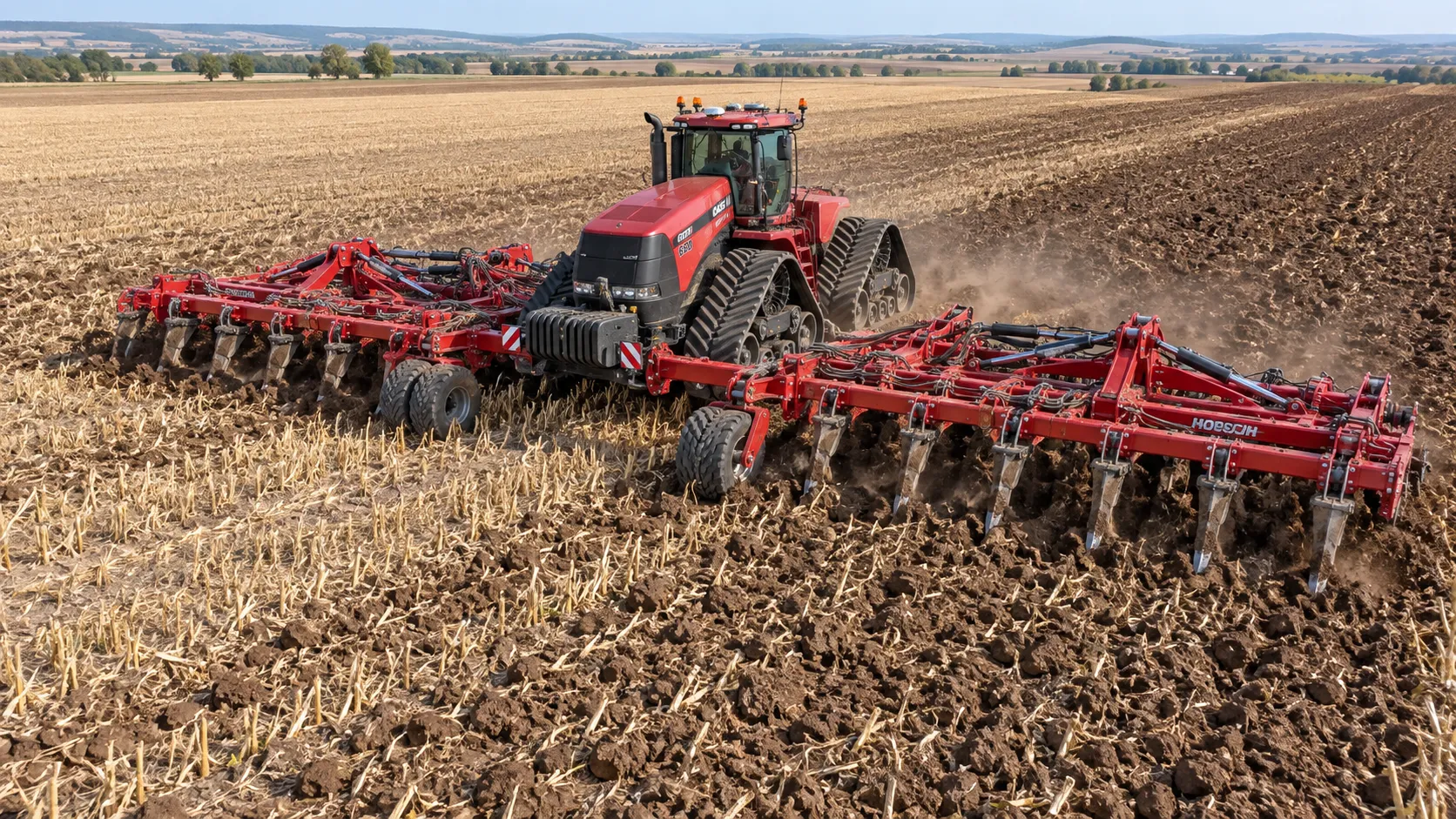
How to Select Heavy-Duty Farm Implements for High-Acreage, High-Horsepower Operations
Heavy duty farm implements: learn how to match draft, hydraulics, hitch capacity, frame strength, and field conditions for reliable high-acreage performance.
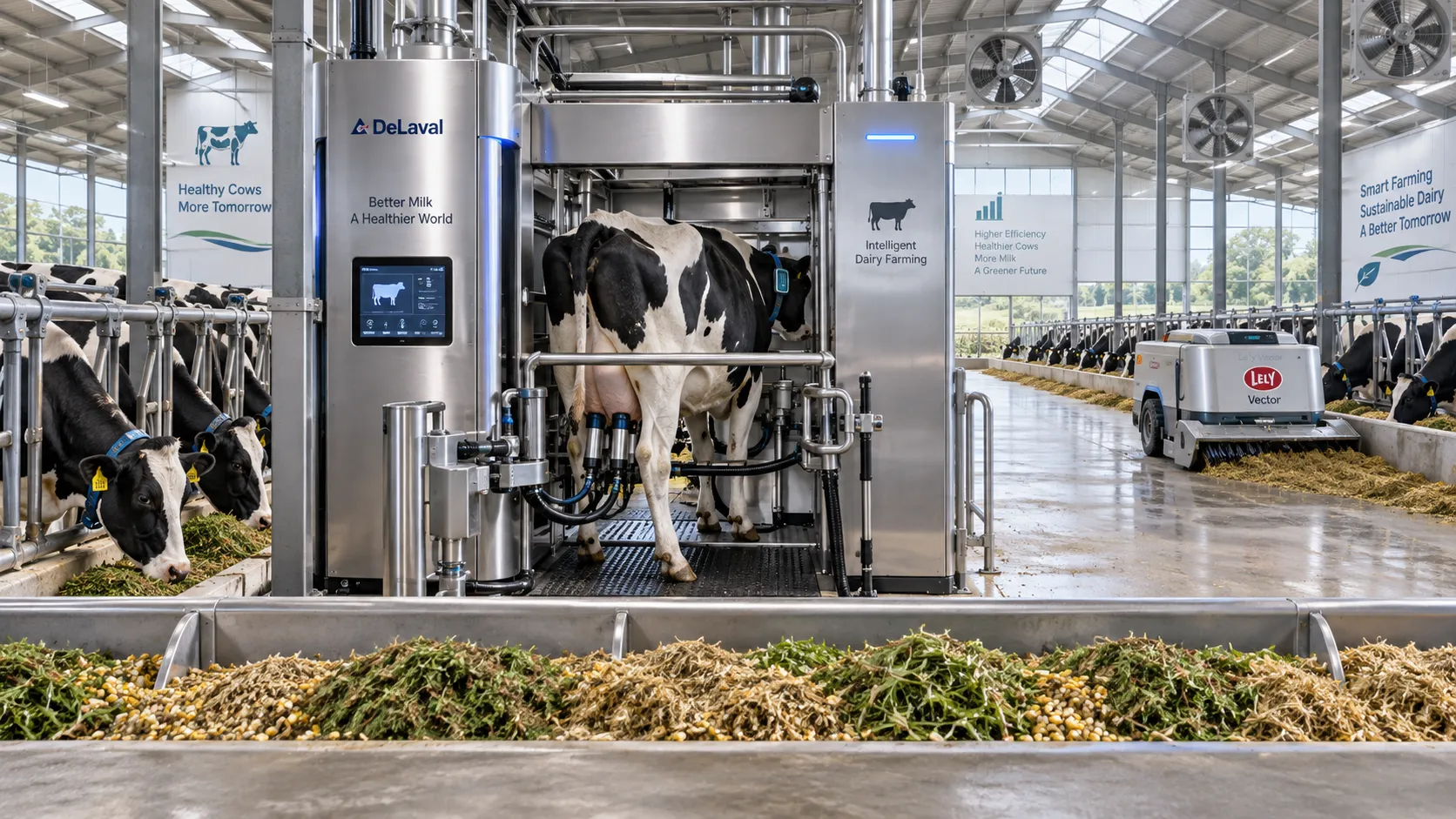
Smart Farming Technology for Dairy Farms: Where Automation Delivers Measurable ROI
Smart farming technology for dairy farms delivers measurable ROI through automation, precision feeding, health monitoring, and data-driven cost control.
Related News
- 00
0000-00
ISOBUS for Smart Agriculture: How It Connects Tractors, Implements, and Farm Data - 00
0000-00
How North American Farms Can Select Crop Monitoring Systems by Acreage and Connectivity - 00
0000-00
How Tractor Intelligence Systems Improve Field Efficiency and Input Accuracy - 00
0000-00
Which equipment for larger fields maintains accuracy at higher speeds? - 00
0000-00
What should a digital ag platform integrate before a farm-wide rollout?
Popular Tags
Tractor Power Architect
Weekly Insights
Stay ahead with our curated technology reports delivered every Monday.