
Precision Agriculture Technology for Climate Resilience: Key Systems and Integration Limits
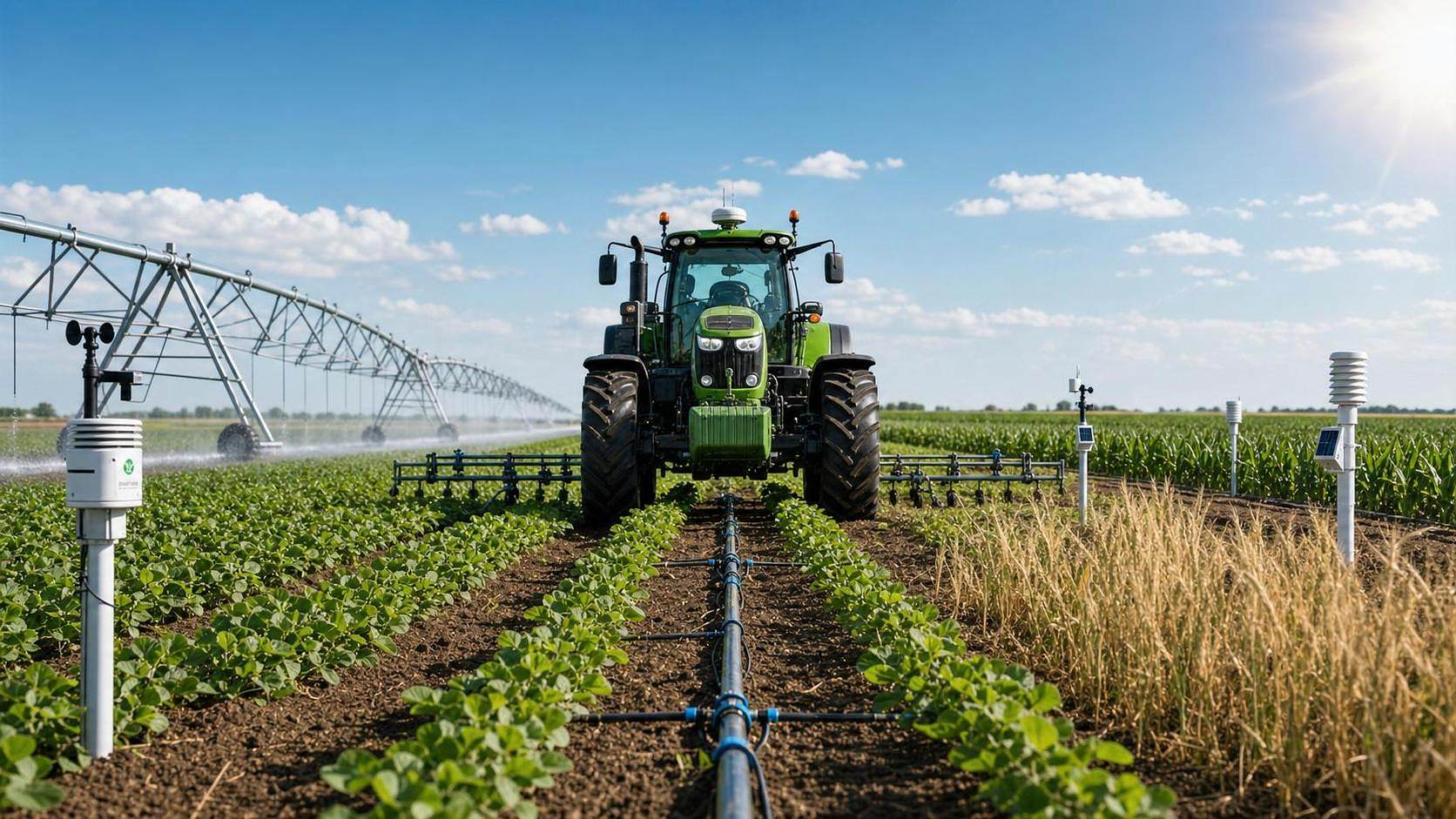




Precision agriculture technology for climate resilience has moved from a specialist concept to an operating priority across the global farm economy.
Erratic rainfall, heat stress, input inflation, and tighter environmental rules are changing how field performance is measured.
Yield still matters, but stability now matters just as much.
That is why the discussion is no longer about adding isolated sensors or buying one more digital tool.
The harder question is how machinery, agronomic data, and irrigation intelligence work together under real climate pressure.
For platforms such as AP-Strategy, this topic sits at the center of Agriculture 4.0 because resilience depends on both mechanical capability and decision quality.
What climate resilience means in precision farming
In practical terms, resilience is the ability to protect output, control losses, and keep assets productive when weather patterns become less predictable.
Precision agriculture technology for climate resilience supports that goal by turning variability into measurable operating signals.
Those signals may come from satellite positioning, soil moisture probes, evapotranspiration models, machine telematics, or harvester loss monitoring.
Used well, they help field teams apply water, seed, nutrients, fuel, and labor with more accuracy.
Used poorly, they create dashboards without operational change.
This distinction is important because climate resilience is not achieved by data collection alone.
It is achieved when data changes machine settings, irrigation timing, route planning, and input rates at the right moment.
Why the market is paying closer attention
Three pressures are converging across agriculture.
First, climate volatility is widening the gap between average performance and worst-case seasonal outcomes.
Second, the cost of water, energy, fertilizer, and machine downtime has become more visible in operating margins.
Third, governments and supply chains increasingly expect traceable resource efficiency.
As a result, precision agriculture technology for climate resilience is now evaluated as infrastructure, not as a side innovation.
This is especially true in large-scale operations where a small improvement in timing or loss control can affect a wide acreage base.
AP-Strategy’s coverage of combine harvesting technology, tractor chassis evolution, and intelligent irrigation reflects this shift.
The most resilient operations are usually not the most digital on paper.
They are the ones where field equipment, agronomic prescriptions, and water management are aligned.
The core systems shaping resilient operations
Intelligent irrigation networks
Water-saving irrigation systems are often the clearest entry point for climate adaptation.
They combine moisture sensing, weather inputs, flow control, and predictive irrigation scheduling.
The business value is not only lower water use.
More important is the ability to avoid stress periods that reduce crop quality or create uneven development across zones.
Guidance, mapping, and prescription tools
Satellite positioning and field mapping make climate variability visible at a management scale.
Variable-rate seeding, fertilization, and crop protection become more defensible when tied to location-specific risk.
In dry years, that may mean protecting yield potential in priority zones instead of spreading inputs uniformly.
High-performance machinery and telematics
Large-scale machinery remains fundamental to precision agriculture technology for climate resilience.
A connected tractor chassis, stable hydraulic control, and efficient power transmission support timely field execution.
When weather windows narrow, timing becomes a resilience factor in itself.
Telematics also helps compare fuel burn, idle time, field efficiency, and maintenance risk across fleets.
Harvest monitoring and loss control
Combine harvesters are often discussed in productivity terms, yet climate resilience also depends on harvest recovery quality.
Variable crop moisture, lodging, and uneven maturity increase the risk of field losses.
Sensor-based cleaning feedback and machine setting optimization can protect output when conditions turn unstable late in the season.
Where integration usually breaks down
The strongest promise of precision agriculture technology for climate resilience lies in integration.
That is also where many deployments stall.
A common problem is data fragmentation.
Irrigation platforms, machine control systems, agronomic software, and weather services often operate in separate environments.
When systems do not share formats or update cycles, decisions arrive too late for field use.
Another limit is uneven machine capability across fleets.
A prescription map has little value if the implement cannot apply rates accurately or if the tractor control stack lacks consistency.
Connectivity also matters more than many capital plans assume.
Remote fields, unstable signal conditions, and patchy cloud sync can interrupt decisions that depend on live data.
Then there is the human layer.
Operators may trust proven mechanical settings more than algorithmic recommendations, especially during short weather windows.
That reluctance is not irrational.
If models are not transparent, adoption stays partial.
How to judge value beyond the technology pitch
The right evaluation lens is operational fit, not feature volume.
A resilient system should improve decisions under field constraints, not only under ideal demos.
Several questions usually reveal real value.
- Does the system reduce exposure to a specific climate risk such as drought, delayed planting, or harvest loss?
- Can it connect with existing machinery, irrigation assets, and agronomic records without expensive custom work?
- Are the output metrics tied to actions such as rate adjustment, route changes, or maintenance planning?
- Will the platform remain useful when field conditions, crop mix, or regulation change?
- Is there enough service support to keep calibration, updates, and training current?
AP-Strategy’s intelligence model is relevant here because strategic decisions rarely depend on one technology category alone.
Machinery performance, hydrological planning, and precision algorithms need to be read together.
Typical deployment paths across farm operations
In water-constrained regions, smart irrigation often leads because the savings are measurable and immediate.
In high-acreage grain systems, guidance accuracy, telematics, and combine loss control may come first.
Where fleet renewal is already planned, climate resilience can be built into the investment cycle through connected tractor platforms and compatible implements.
The best sequence usually follows the highest exposure point.
If water is the binding constraint, irrigation intelligence should anchor the roadmap.
If harvest volatility is driving losses, combine optimization deserves earlier attention.
If operating windows are shrinking, fleet coordination and chassis performance become strategic issues.
The next decision is usually integration discipline
Precision agriculture technology for climate resilience is not a single purchase category.
It is a layered operating model that connects field intelligence, machine execution, and resource control.
The immediate opportunity is to identify where climate volatility creates the highest financial exposure, then map technologies against that pressure point.
From there, integration standards, data compatibility, and operator usability should be reviewed before expansion.
That approach creates a more durable foundation than chasing digital breadth.
For organizations tracking Agriculture 4.0 through AP-Strategy, the most useful next step is to compare systems by resilience outcome, not by novelty.
When machinery capability, irrigation intelligence, and agronomic logic are judged as one operating system, investment choices become clearer.
Related News
When Does Agricultural Machinery Leasing Cost Less Than Owning Equipment?
Agricultural machinery leasing can lower farm costs when use is seasonal or uncertain. Compare utilization, maintenance, cash flow, and risk to make a smarter equipment decision.
How to Evaluate Precision Fertilization System Suppliers for Farm-Scale Deployment
Precision fertilization systems suppliers: learn how to compare accuracy, integration, uptime, service, and total cost for confident farm-scale deployment.
ISOBUS for Smart Agriculture: How It Connects Tractors, Implements, and Farm Data
ISOBUS for smart agriculture connects tractors, implements, terminals, and farm data—helping growers improve precision, documentation, and smarter field decisions.
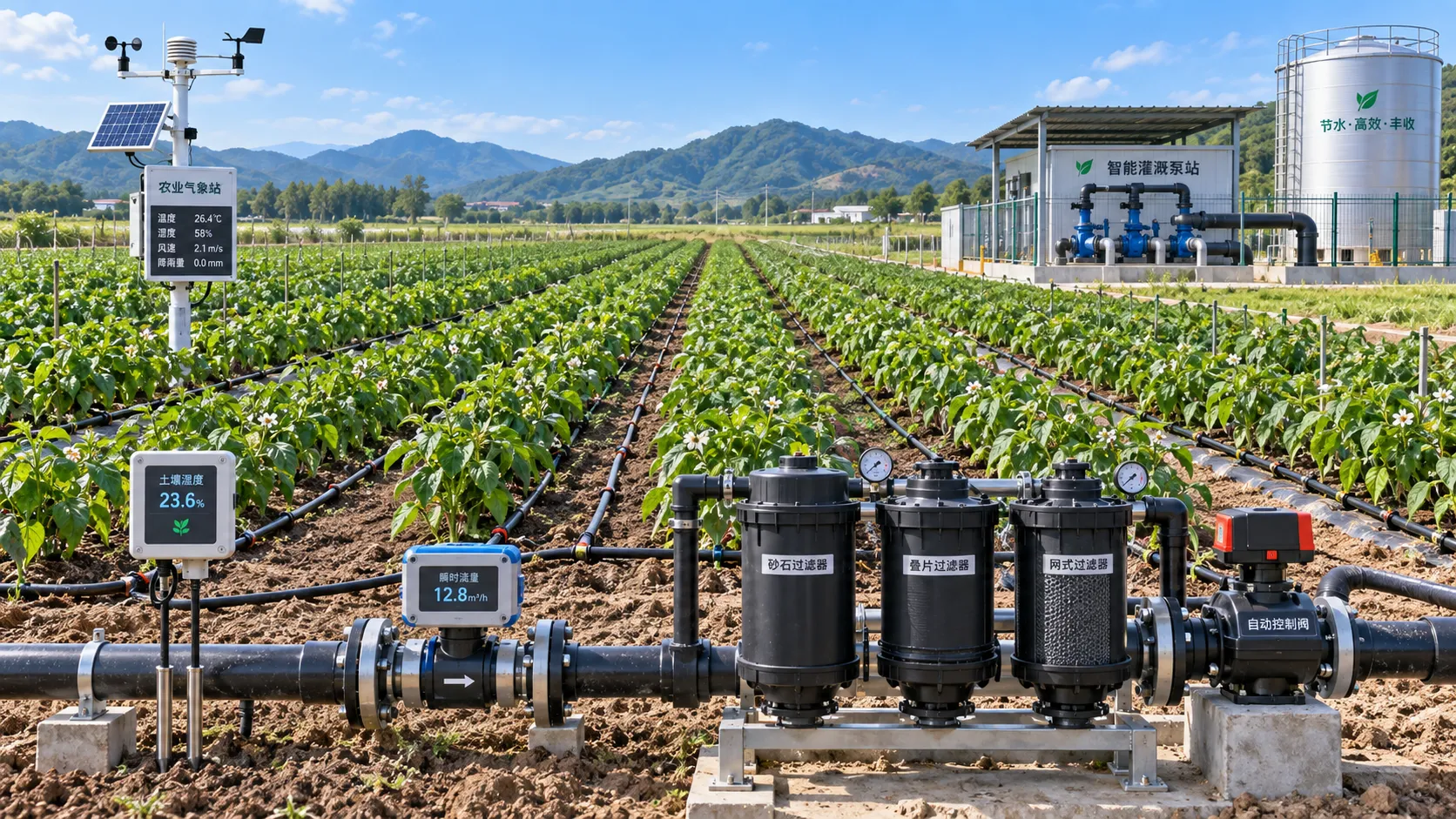
Automated Water-Saving Irrigation: How to Cut Water Use Without Reducing Crop Yields
Automated water-saving irrigation helps farms cut water use, protect crop yields, improve scheduling, and gain reliable control with sensors, flow monitoring, and smart zones.
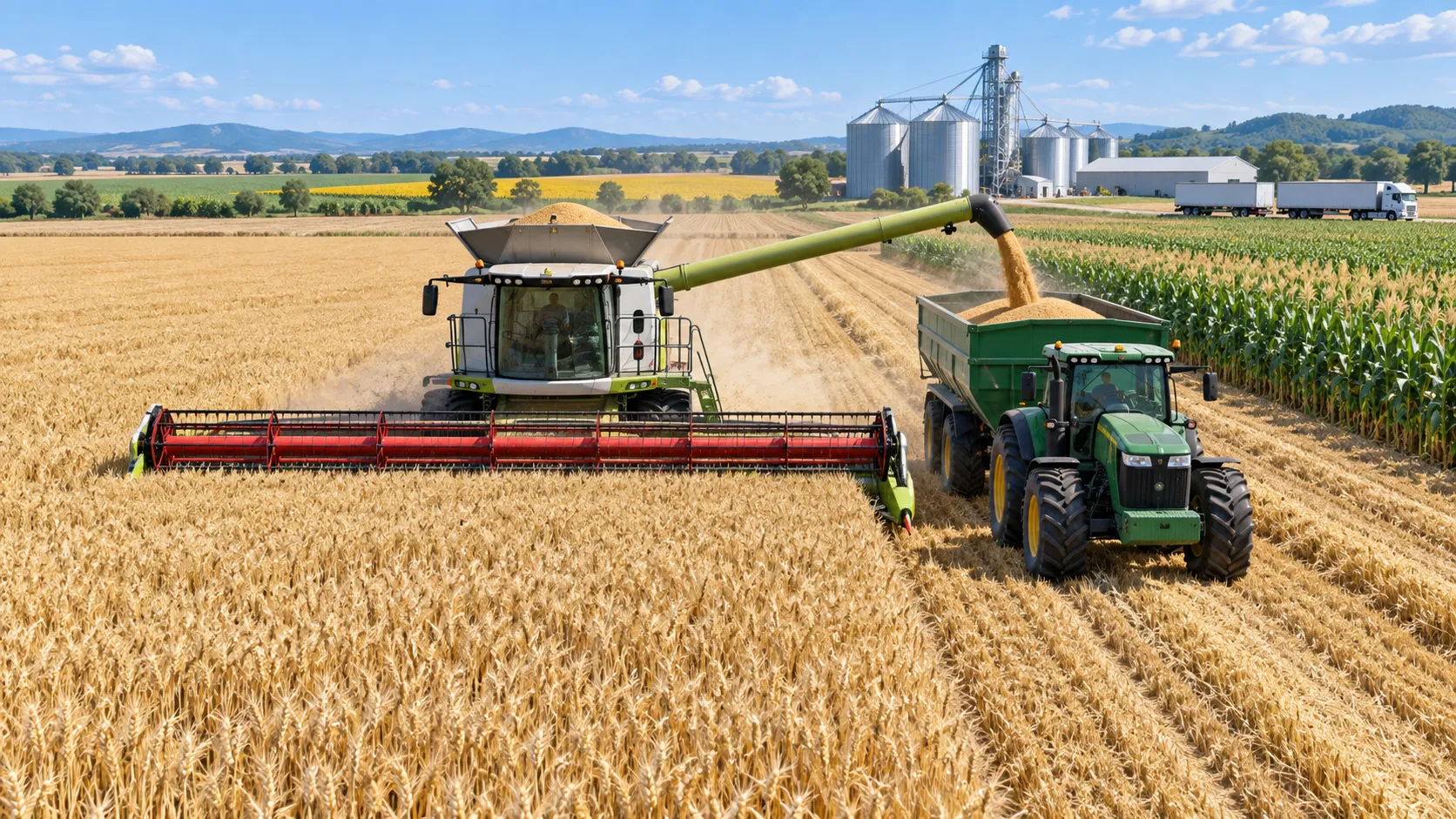
Selecting Grain Farm Equipment by Acreage, Crop Mix, and Harvest Window
Agricultural equipment selection for grain farming: match machinery to acreage, crop mix, and harvest windows to improve uptime, efficiency, and returns.
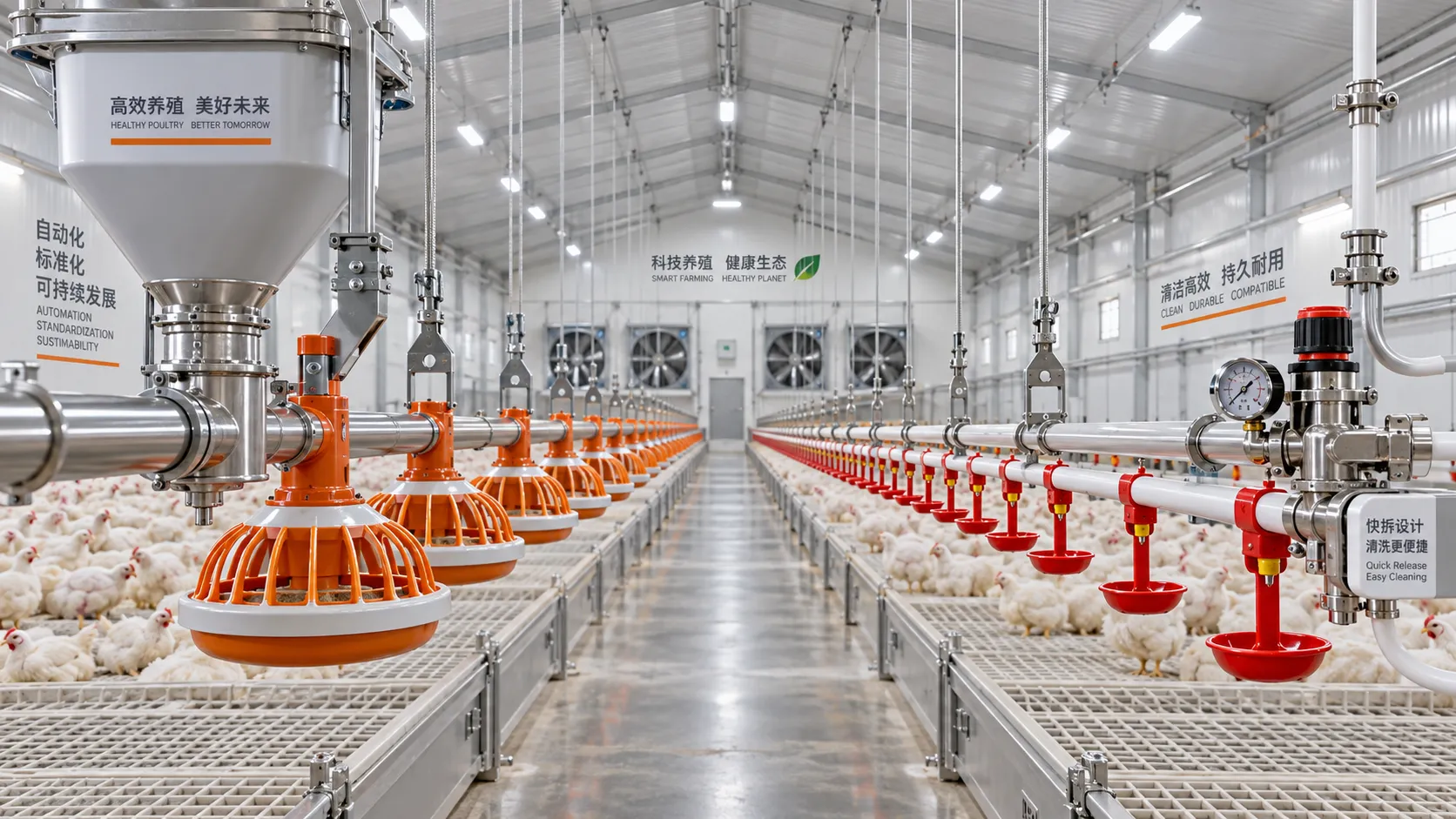
Poultry Equipment Selection: Evaluating Durability, Cleaning, and Compatibility
Poultry equipments selection guide: evaluate durability, cleaning access, and system compatibility to improve hygiene, reduce downtime, and support efficient flock management.
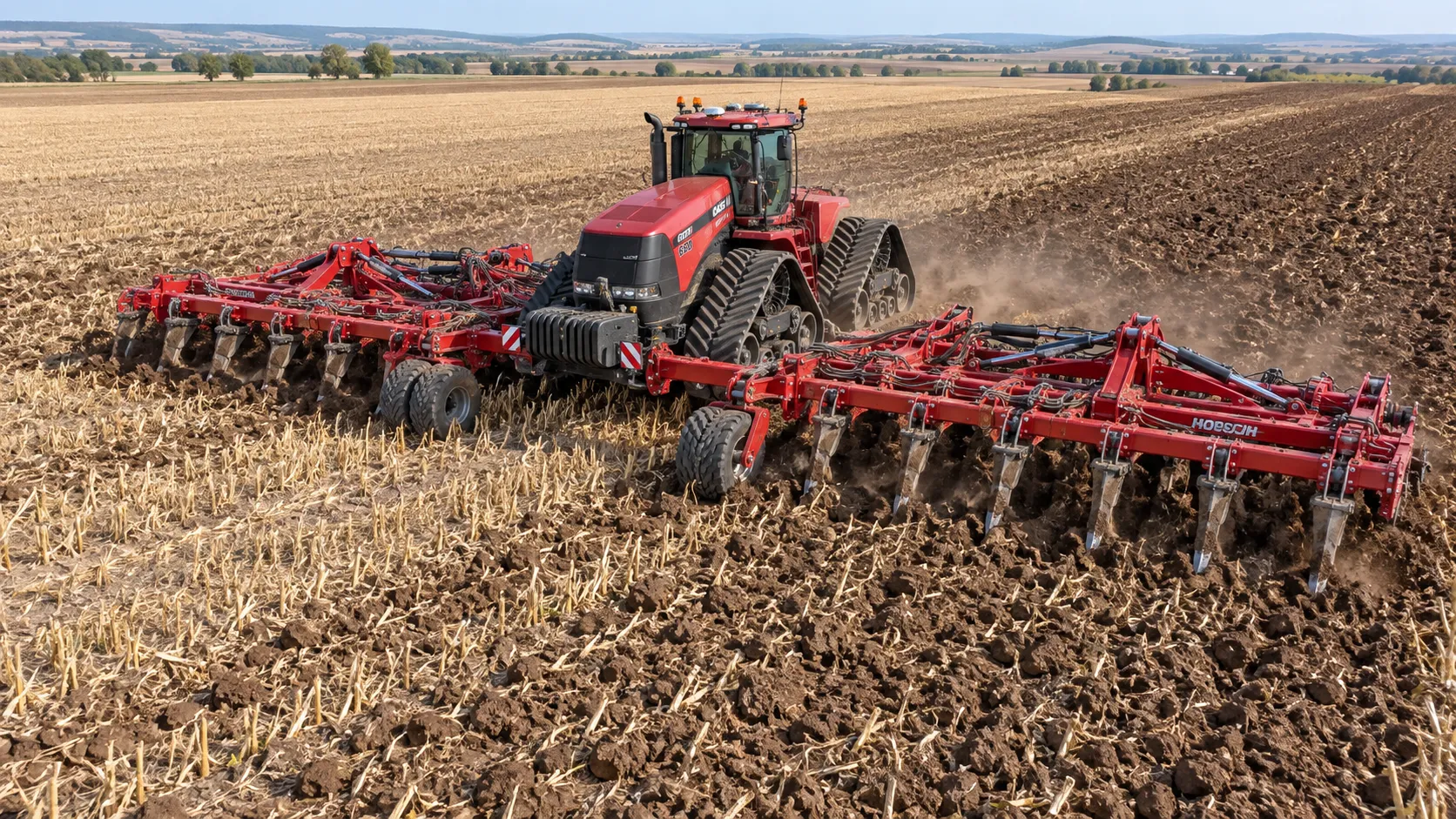
How to Select Heavy-Duty Farm Implements for High-Acreage, High-Horsepower Operations
Heavy duty farm implements: learn how to match draft, hydraulics, hitch capacity, frame strength, and field conditions for reliable high-acreage performance.
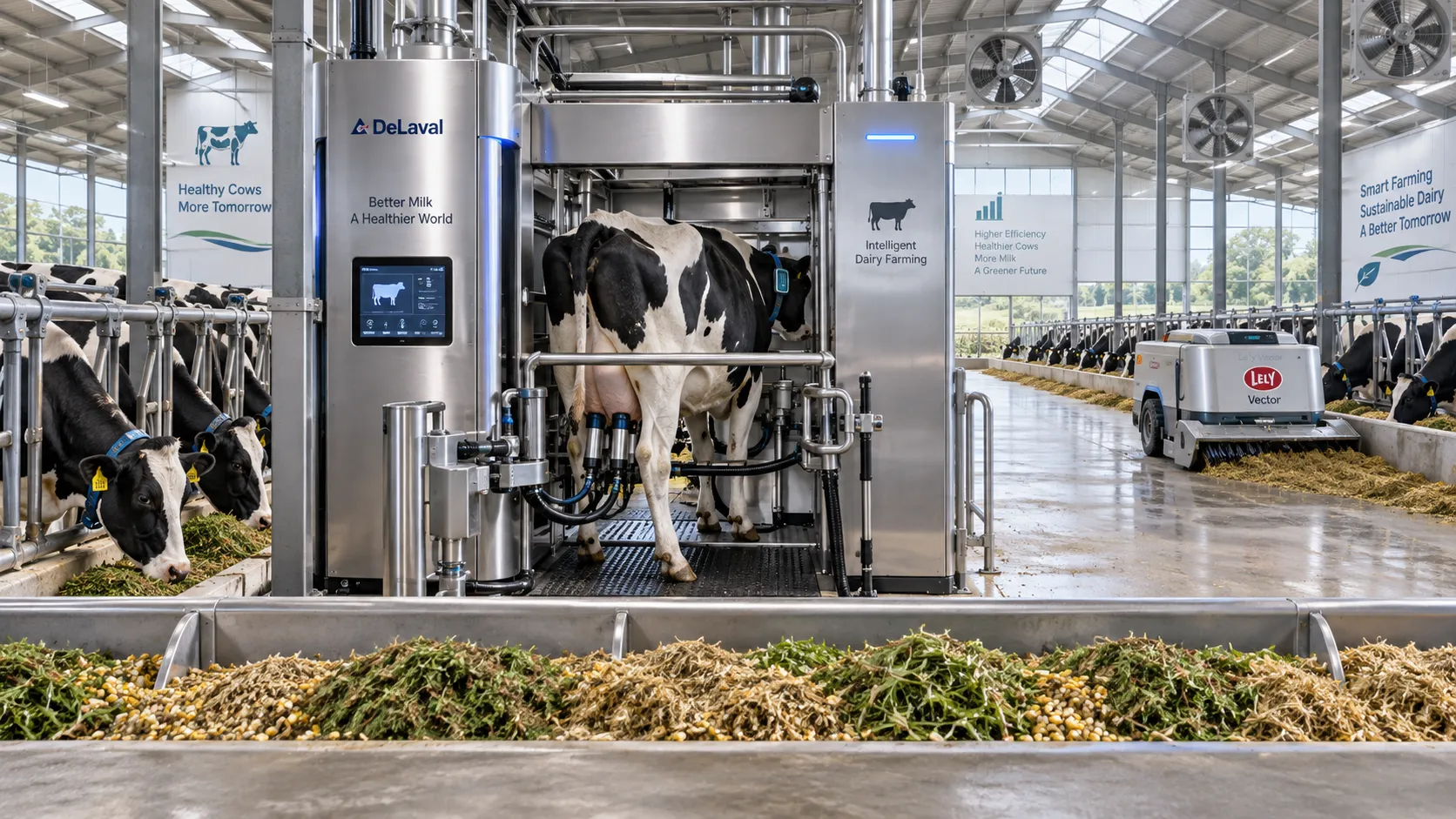
Smart Farming Technology for Dairy Farms: Where Automation Delivers Measurable ROI
Smart farming technology for dairy farms delivers measurable ROI through automation, precision feeding, health monitoring, and data-driven cost control.
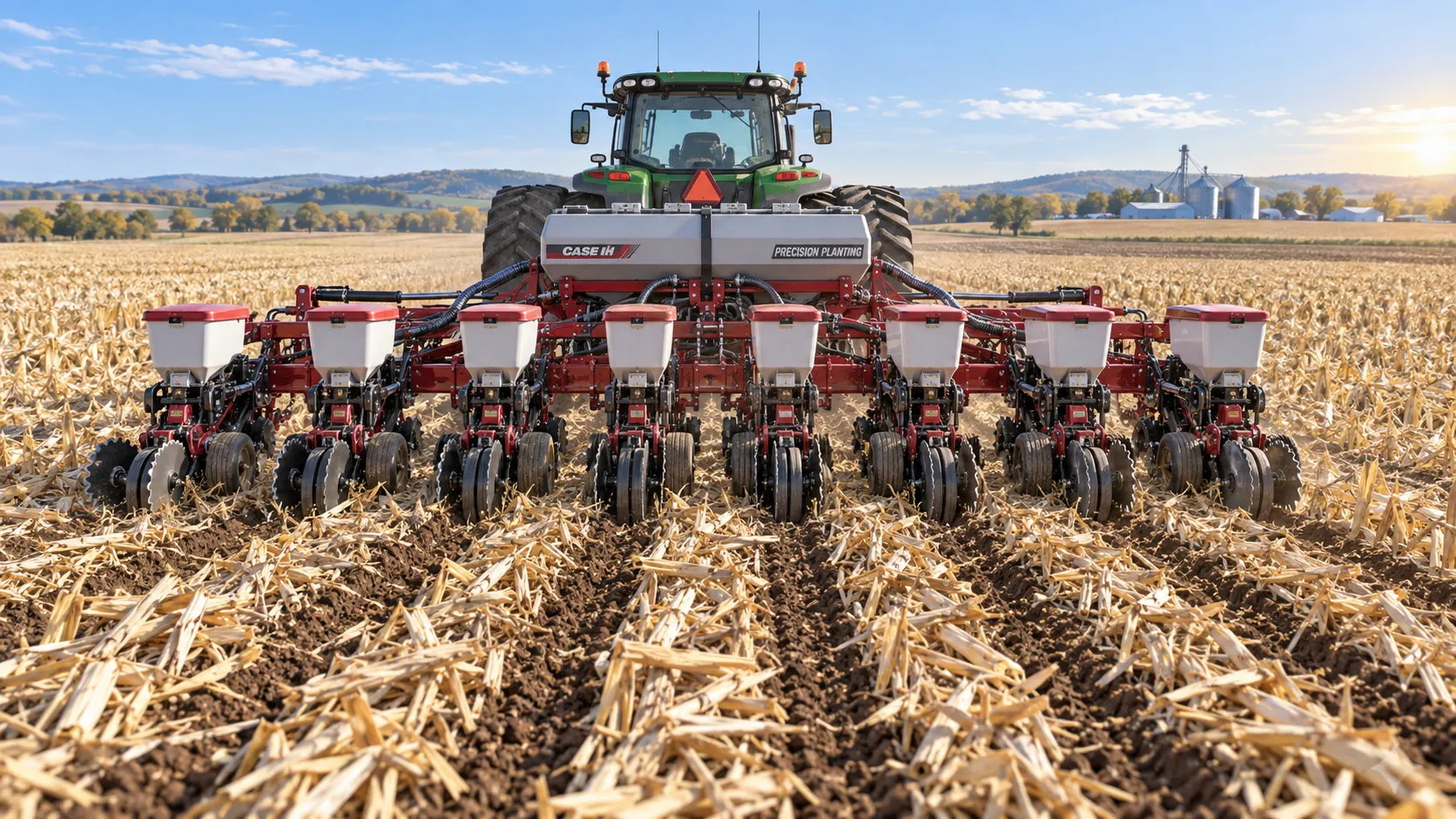
How to Select a Heavy-Duty Seeder for Large Acreage and High-Residue Fields
Heavy duty seeders for large acreage: compare residue handling, depth control, downforce, metering accuracy, and precision features to select the right model.
Related News
- 00
0000-00
ISOBUS for Smart Agriculture: How It Connects Tractors, Implements, and Farm Data - 00
0000-00
How North American Farms Can Select Crop Monitoring Systems by Acreage and Connectivity - 00
0000-00
How Tractor Intelligence Systems Improve Field Efficiency and Input Accuracy - 00
0000-00
Which equipment for larger fields maintains accuracy at higher speeds? - 00
0000-00
What should a digital ag platform integrate before a farm-wide rollout?
Popular Tags
Tractor Power Architect
Weekly Insights
Stay ahead with our curated technology reports delivered every Monday.