
Satellite Positioning in Agriculture Explained: Accuracy Levels, Signal Limits, and Setup Basics
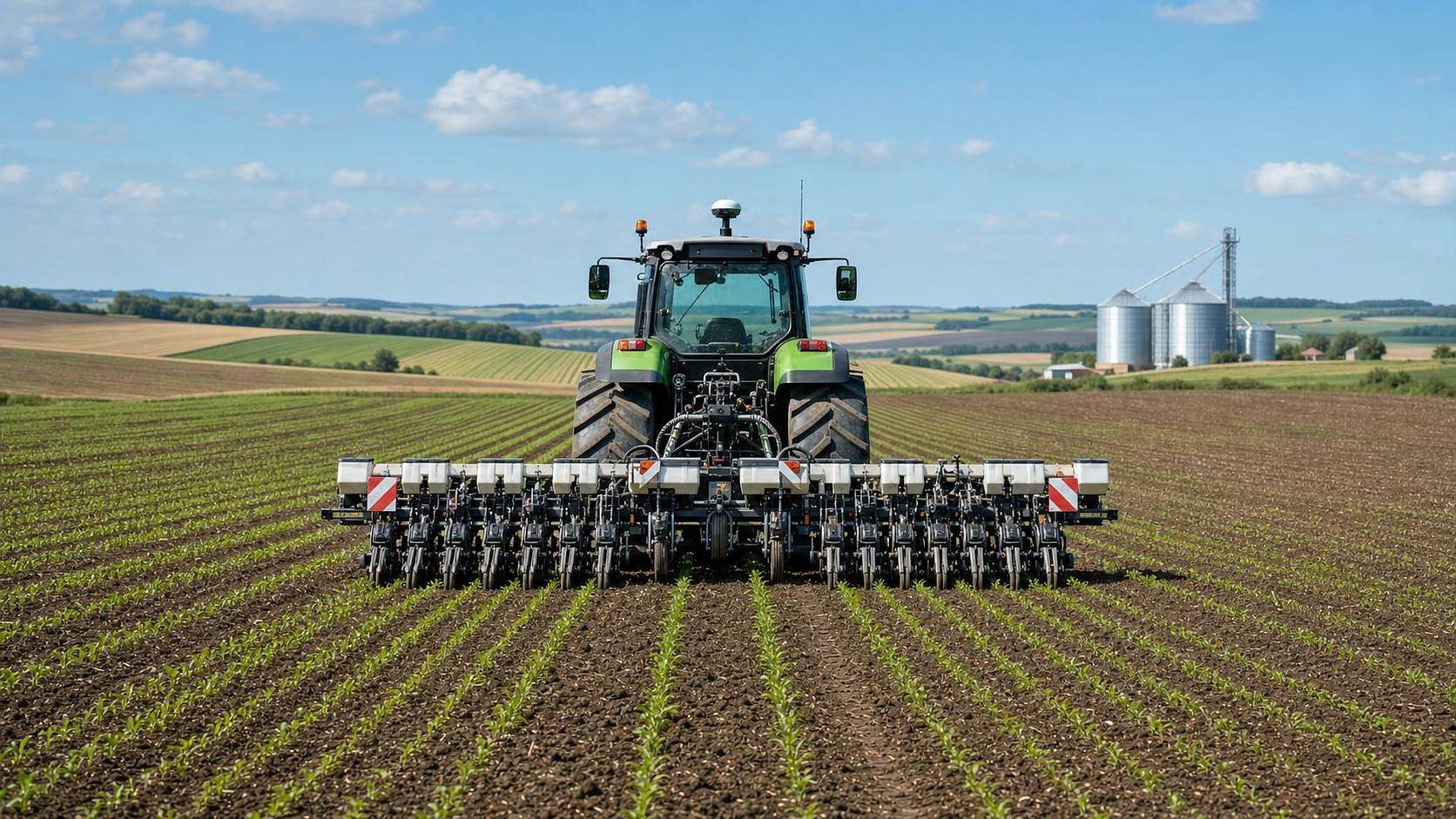




Satellite Positioning in Agriculture Explained: Accuracy Levels, Signal Limits, and Setup Basics
Satellite positioning is now central to modern field operations, but many teams still wonder what accuracy numbers really mean once the machine enters the field.
That question matters because guidance quality affects overlap, skips, fuel use, operator fatigue, and the final placement of seed, fertilizer, and crop protection inputs.
In practical terms, satellite positioning is not just about finding location. It is about repeatable machine movement, stable line tracking, and dependable data for precision agriculture decisions.
This guide breaks down how satellite positioning works in agriculture, which accuracy levels fit which jobs, where signals fail, and how to set up a system correctly from day one.
How satellite positioning works in the field
At the core, satellite positioning uses signals from global navigation satellite systems, including GPS, GLONASS, Galileo, and BeiDou.
A receiver on the machine calculates its position by measuring signal travel time from several satellites at once.
In agriculture, that raw position is rarely enough. Field work often needs correction data to improve accuracy and reduce drift over time.
That is why many systems use SBAS, local base stations, network RTK, or PPP correction services.
The receiver sends position data to the display, guidance controller, or autosteer unit. From there, the machine follows a target path across the field.
This also means satellite positioning supports more than steering. It can drive section control, variable-rate application, drainage mapping, and controlled traffic farming.
What accuracy levels really mean
Accuracy figures often sound simple, but they can be misleading if they are taken out of operating context.
In satellite positioning, two ideas matter most: pass-to-pass accuracy and repeatability.
Pass-to-pass accuracy describes how closely one machine pass follows the previous pass within a short period.
Repeatability describes whether the machine returns to the same exact line days, weeks, or seasons later.
That difference is critical. A system can look good for spraying today, yet still fail row matching for planting next month.
Common satellite positioning tiers
- Basic GNSS: often suitable for rough navigation, mapping, and low-precision spreading.
- SBAS corrected: useful for broad-acre spraying and tillage where moderate overlap is acceptable.
- Decimeter-level correction: better for tasks needing tighter spacing and more stable guidance lines.
- RTK-level correction: typically required for strip-till, precision planting, bed forming, and repeat traffic lanes.
The best choice depends on the operation, not just the advertised number. Buying excess precision for a low-value task raises cost without improving outcomes.
On the other hand, under-specifying satellite positioning can cause hidden losses through missed rows, doubled inputs, and poor machine coordination.
Matching accuracy to actual farm tasks
From an operations view, satellite positioning should be matched to agronomic risk and machine workload.
For example, spreading lime across a large open field usually tolerates more error than precision drilling or transplanting.
Likewise, harvest guidance may accept small deviations that would be unacceptable during controlled traffic setup.
A practical fit guide
- Tillage: moderate satellite positioning accuracy is often enough unless traffic lanes must remain permanent.
- Spraying: tighter guidance reduces overlap, especially where chemical cost or crop sensitivity is high.
- Seeding and planting: high repeatability matters more than headline accuracy alone.
- Harvesting: stable guidance supports cleaner passes, lower fatigue, and better machine flow.
- Irrigation layout and drainage work: line consistency often justifies higher-grade correction services.
This is where experienced managers usually save money. They define the required outcome first, then choose the satellite positioning level that protects that outcome.
Why signal limits still disrupt good equipment
Even premium receivers cannot ignore physics. Satellite positioning quality changes with the sky view, atmospheric conditions, and correction signal availability.
A field may look open, yet nearby tree lines, grain bins, hills, or metal structures can still disturb signal reception.
Multipath is another common issue. That happens when signals reflect off surfaces before reaching the antenna.
The result can be line wandering, delayed convergence, or abrupt shifts in displayed position.
Typical causes of satellite positioning errors
- Blocked sky view near trees, sheds, silos, or steep terrain.
- Weak mobile data connection for network-based correction services.
- Poor antenna mounting position on the machine roof.
- Interference from damaged cables, connectors, or power supply instability.
- Long convergence times with some correction methods after startup.
In real operations, signal limits usually appear as inconsistency, not total failure. That makes them easy to overlook until overlap or placement errors become visible.
Setup basics that make the biggest difference
Many satellite positioning problems start with setup, not hardware quality. A well-specified system can still perform badly if the installation is rushed.
The first priority is antenna placement. It should sit where movement is stable, centered when possible, and clear of obstructions or vibrating accessories.
Next comes measurement accuracy. Entering incorrect offsets for antenna position, implement width, hitch geometry, or axle location will distort every guidance line.
Correction source settings also need attention. If the wrong service, mount point, or datum is selected, the machine may look stable while remaining spatially wrong.
Core setup checklist
- Confirm antenna mounting location and cable integrity.
- Measure machine and implement offsets carefully.
- Select the correct correction source and coordinate settings.
- Calibrate steering response on flat ground before heavy work begins.
- Check pass-to-pass performance in a test area, not during production work.
- Save profiles clearly for each tractor, tool, and field condition.
These basics sound small, but they shape the daily reliability of satellite positioning more than many buyers expect.
Common mistakes and how to avoid them
One frequent mistake is trusting the screen too quickly. A displayed line can appear smooth even when correction quality has not fully stabilized.
Another issue is moving receivers or antennas between machines without updating all stored dimensions and tool profiles.
Operators also lose performance when they ignore software updates, steering recalibration, or seasonal changes in tire setup and ballast.
- Do not assume centimeter claims apply in every field and every season.
- Do not skip convergence time before beginning precision tasks.
- Do not mix field boundaries, guidance lines, and correction sources without checking compatibility.
- Do not treat satellite positioning as separate from machine maintenance and implement adjustment.
The most reliable operations build a short pre-field routine. That routine catches alignment issues before they turn into expensive hectares of error.
How to judge system performance over time
A useful satellite positioning system should be evaluated over several jobs, not one clean demonstration pass.
Look at overlap reduction, row consistency, input savings, and how well lines are recovered after interruptions.
Also review how the system behaves at headlands, on slopes, and in partial signal environments. Those moments reveal more than ideal straight runs.
Over time, this operational view gives a far better picture than a brochure specification alone.
Final takeaways for better field results
Satellite positioning has become a working foundation for precision agriculture, not a premium add-on.
Still, strong results depend on three things working together: the right accuracy tier, realistic expectations about signal limits, and disciplined setup.
If the task is matched correctly, satellite positioning can reduce overlap, protect inputs, improve guidance comfort, and support smarter machine decisions across the season.
If the setup is careless, even advanced systems can underperform.
Start with the field task, verify the correction method, measure every offset carefully, and test before production. That approach keeps satellite positioning practical, reliable, and worth the investment.
Related News
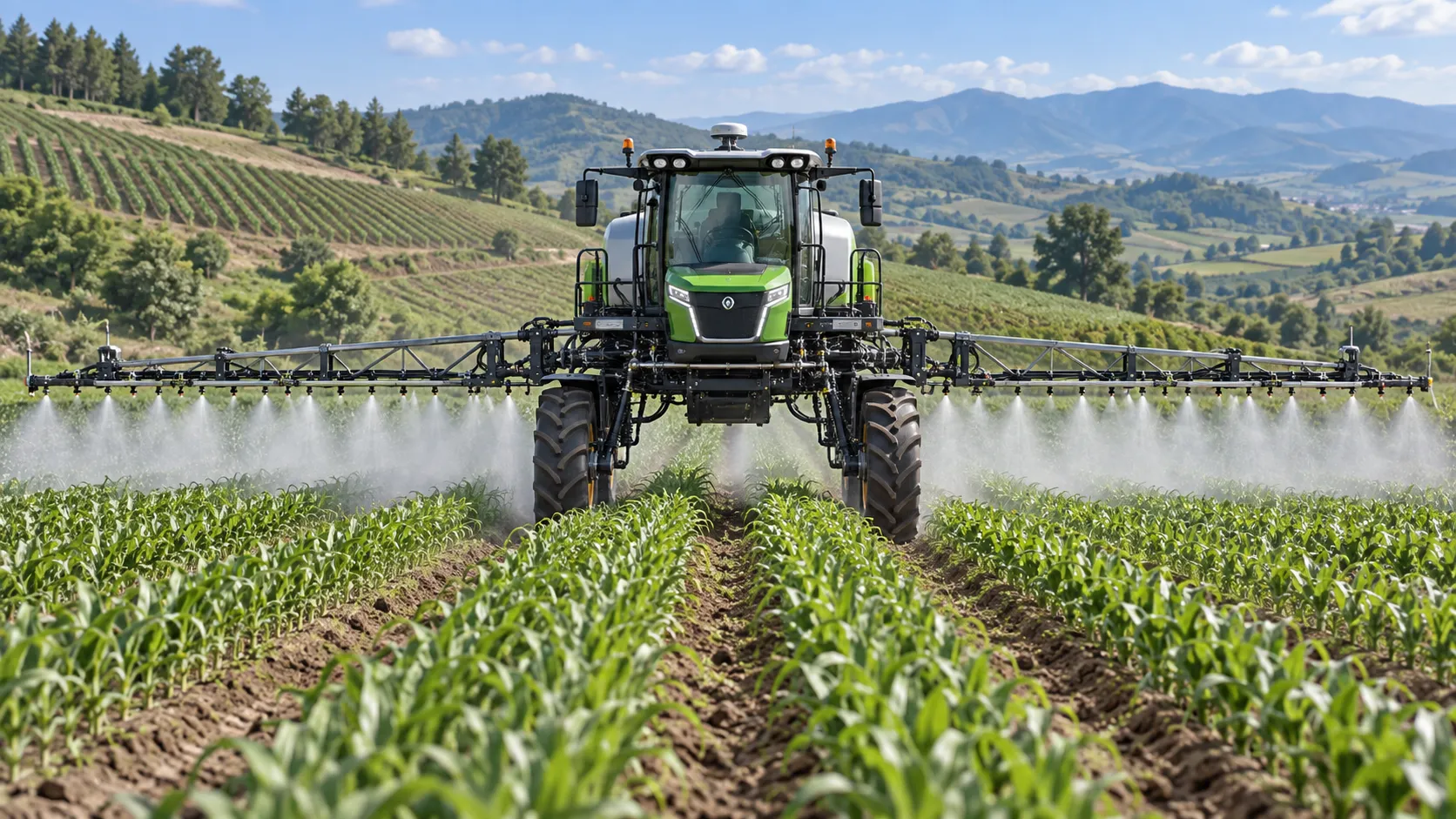
How to Select Precision Crop Protection Equipment for Variable Field Conditions
Precision crop protection equipment selection made simple: compare terrain, canopy, weather, control accuracy, and data workflows for reliable applications.

When Does Agricultural Machinery Leasing Cost Less Than Owning Equipment?
Agricultural machinery leasing can lower farm costs when use is seasonal or uncertain. Compare utilization, maintenance, cash flow, and risk to make a smarter equipment decision.

How to Evaluate Precision Fertilization System Suppliers for Farm-Scale Deployment
Precision fertilization systems suppliers: learn how to compare accuracy, integration, uptime, service, and total cost for confident farm-scale deployment.

ISOBUS for Smart Agriculture: How It Connects Tractors, Implements, and Farm Data
ISOBUS for smart agriculture connects tractors, implements, terminals, and farm data—helping growers improve precision, documentation, and smarter field decisions.
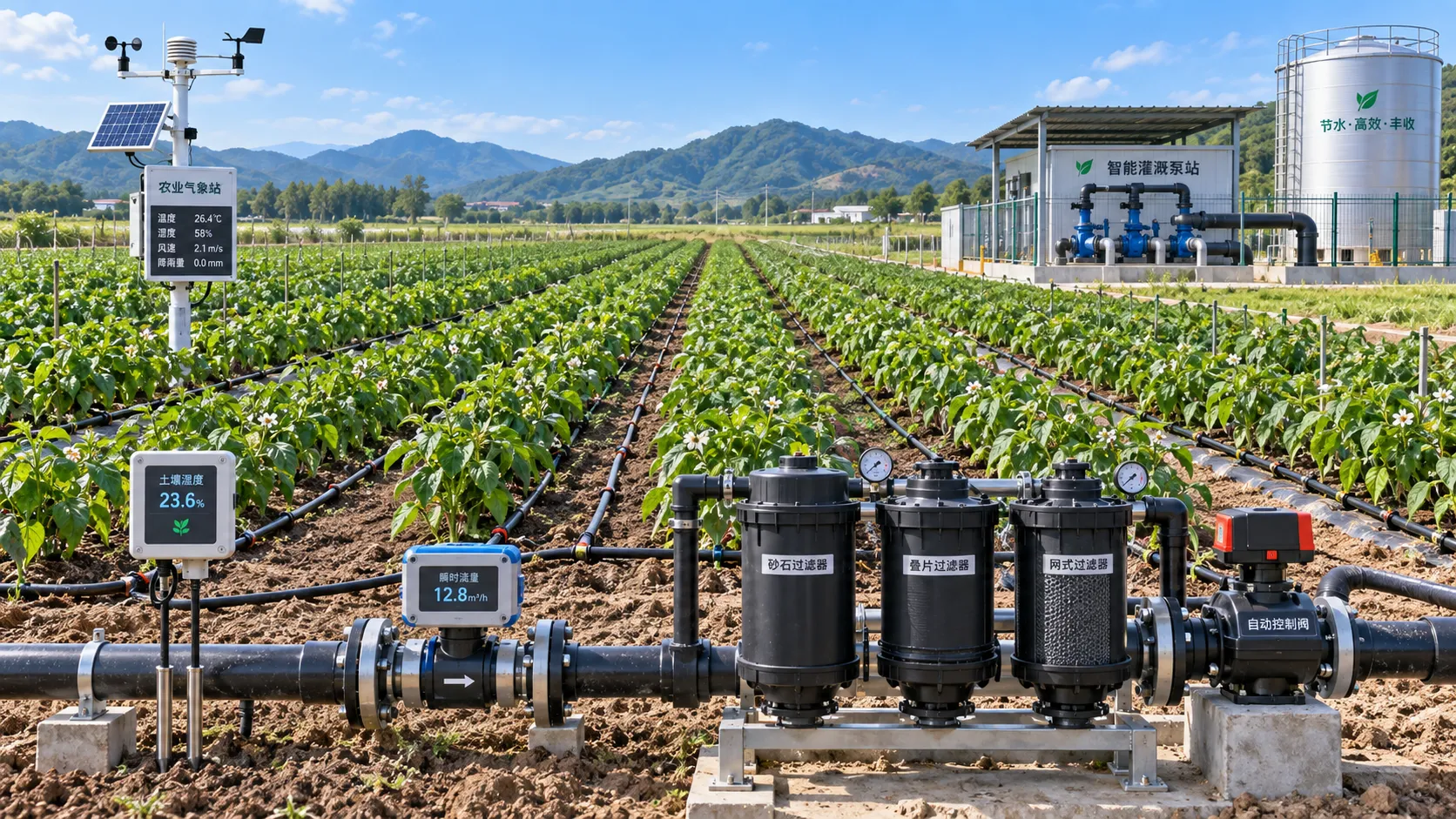
Automated Water-Saving Irrigation: How to Cut Water Use Without Reducing Crop Yields
Automated water-saving irrigation helps farms cut water use, protect crop yields, improve scheduling, and gain reliable control with sensors, flow monitoring, and smart zones.
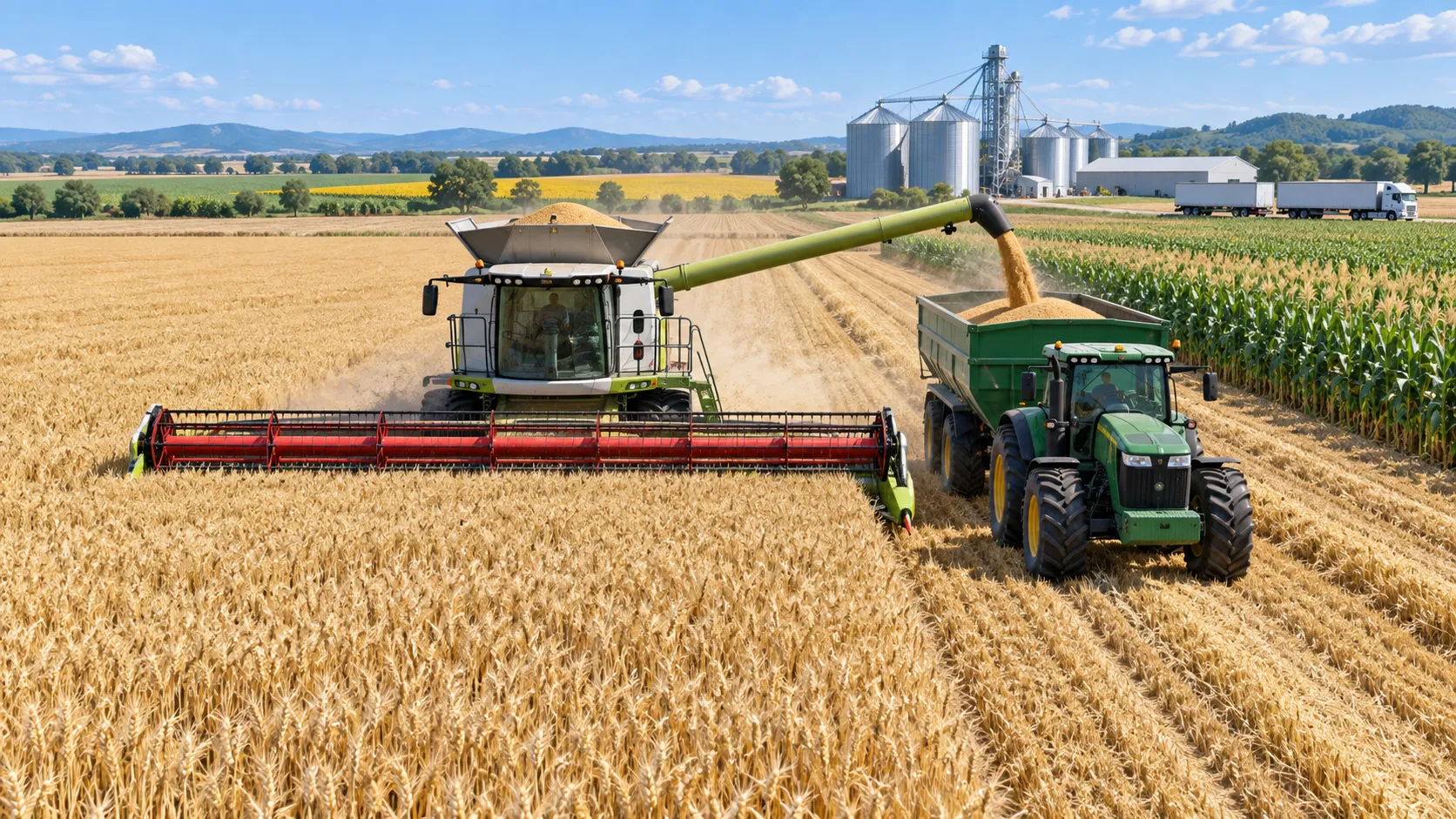
Selecting Grain Farm Equipment by Acreage, Crop Mix, and Harvest Window
Agricultural equipment selection for grain farming: match machinery to acreage, crop mix, and harvest windows to improve uptime, efficiency, and returns.
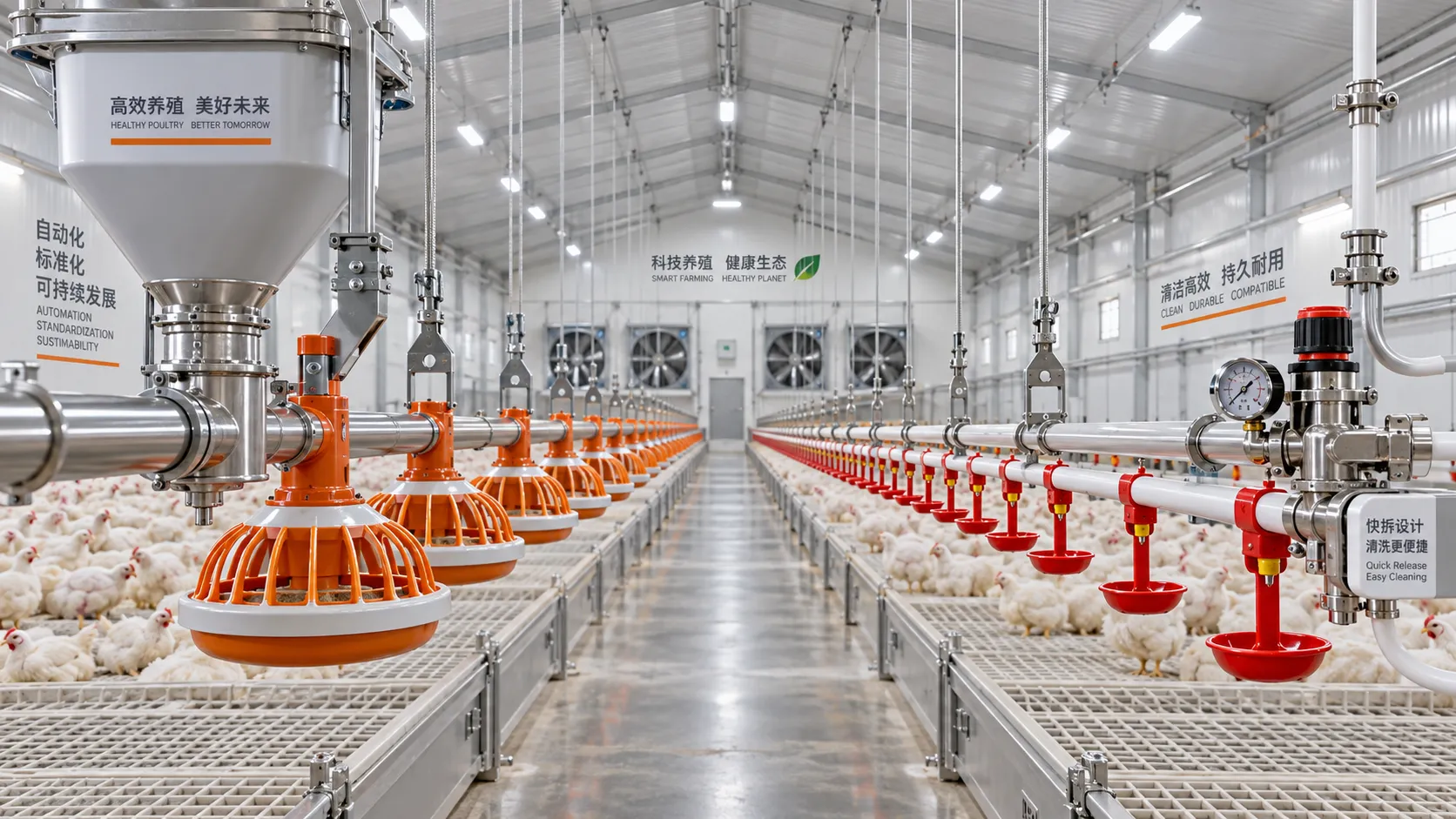
Poultry Equipment Selection: Evaluating Durability, Cleaning, and Compatibility
Poultry equipments selection guide: evaluate durability, cleaning access, and system compatibility to improve hygiene, reduce downtime, and support efficient flock management.
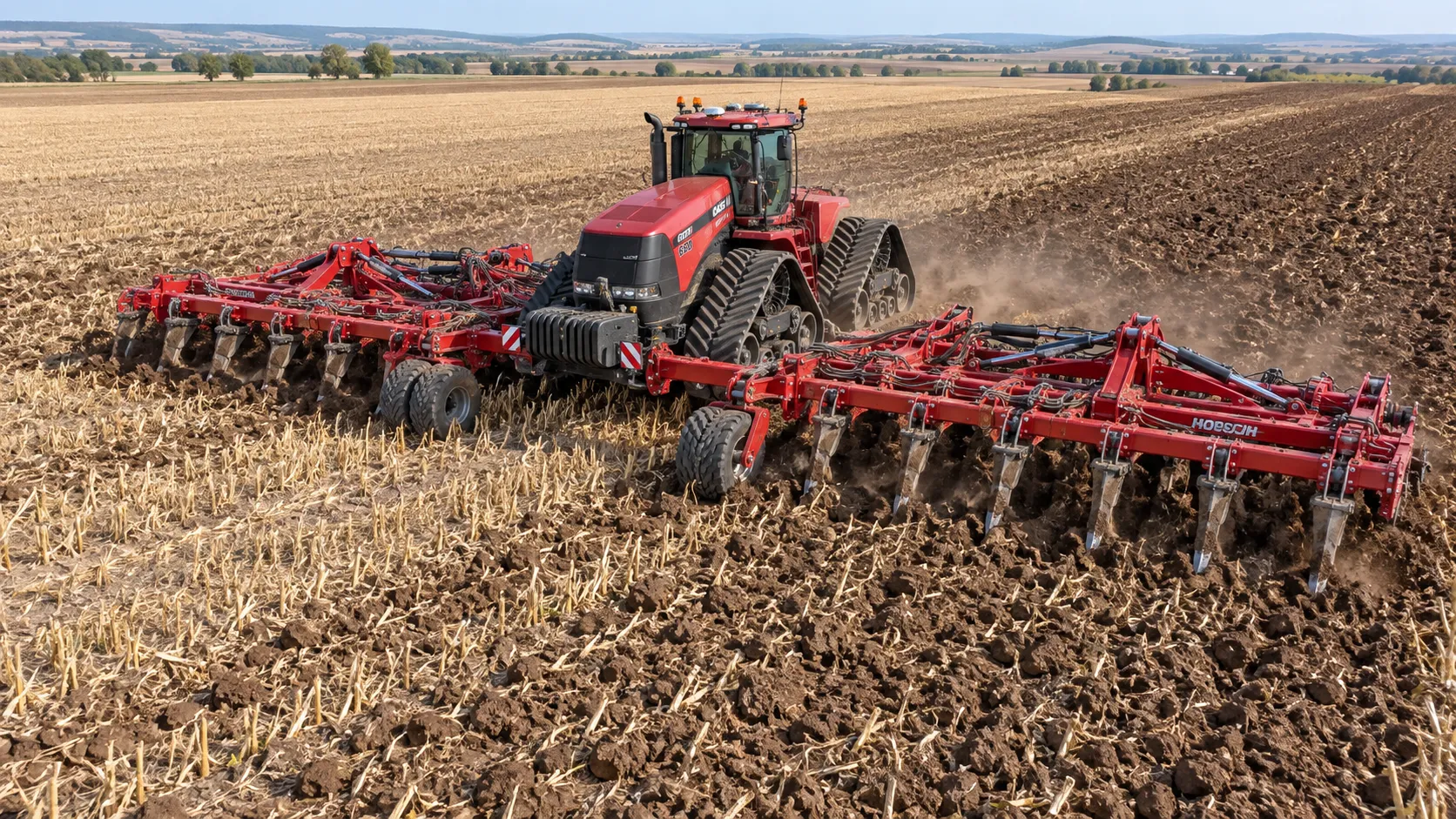
How to Select Heavy-Duty Farm Implements for High-Acreage, High-Horsepower Operations
Heavy duty farm implements: learn how to match draft, hydraulics, hitch capacity, frame strength, and field conditions for reliable high-acreage performance.
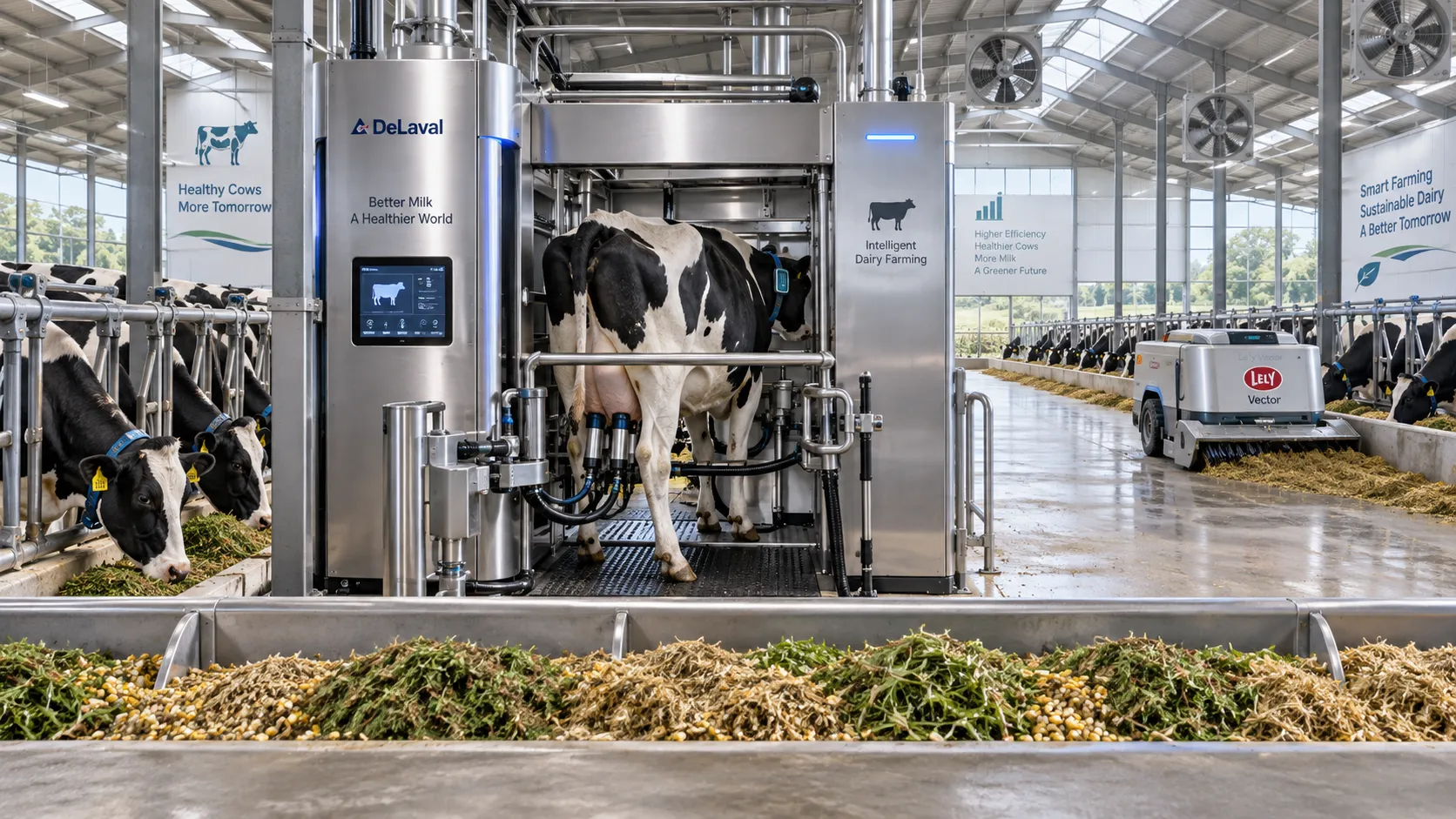
Smart Farming Technology for Dairy Farms: Where Automation Delivers Measurable ROI
Smart farming technology for dairy farms delivers measurable ROI through automation, precision feeding, health monitoring, and data-driven cost control.
Related News
- 00
0000-00
ISOBUS for Smart Agriculture: How It Connects Tractors, Implements, and Farm Data - 00
0000-00
How North American Farms Can Select Crop Monitoring Systems by Acreage and Connectivity - 00
0000-00
How Tractor Intelligence Systems Improve Field Efficiency and Input Accuracy - 00
0000-00
Which equipment for larger fields maintains accuracy at higher speeds? - 00
0000-00
What should a digital ag platform integrate before a farm-wide rollout?
Popular Tags
Tractor Power Architect
Weekly Insights
Stay ahead with our curated technology reports delivered every Monday.