
Kenya Requires Pre-Certification for GPS and Soil Moisture Imports
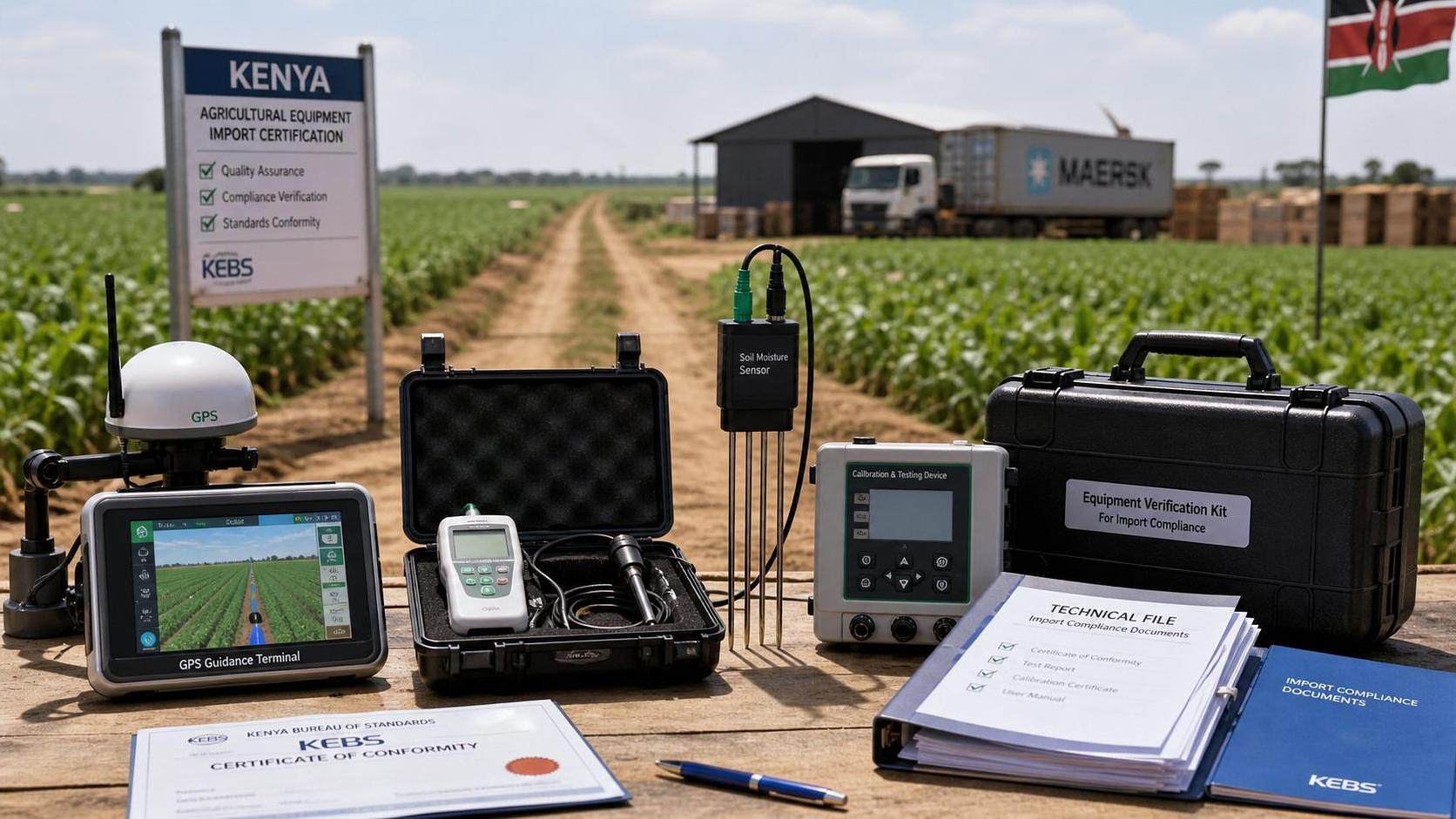




On June 18, 2026, Kenya began enforcing a mandatory pre-certification rule for imported smart agricultural equipment that includes GPS guidance systems or soil moisture sensors. The change matters not only to agricultural machinery and irrigation equipment suppliers, but also to exporters, manufacturers, compliance teams, and delivery planners, because clearance now depends on local technical filing, data interface verification, and sensor accuracy calibration before import procedures can move forward.
What the New Requirement Covers
According to the information provided, the Kenya Bureau of Standards (KEBS) has formally implemented a mandatory pre-certification order for imported intelligent agricultural equipment. The rule applies to agricultural machinery, irrigation equipment, and smart farming tools that contain GPS guidance systems and soil moisture sensor functions.
Before customs clearance, affected products must complete three compliance steps through a locally authorized institution: technical parameter filing, data interface verification, and sensor accuracy calibration certification. The policy is stated to directly affect product adaptation design, factory testing procedures, and delivery timelines for Chinese exporters serving the East African market.
Where the Operational Pressure Is Likely to Appear
Export-side product teams may face earlier design checks
From an industry perspective, exporters shipping eligible products to Kenya are likely to feel the impact first at the product definition stage. If a machine or tool includes GPS guidance or soil moisture sensing functions, compliance can no longer be treated as a final shipping step alone. The practical focus shifts upstream to whether technical parameters, interfaces, and sensor performance can match pre-certification expectations before the goods are dispatched.
Manufacturing and factory inspection workflows may need adjustment
Analysis shows that production and quality teams are also likely to be affected because the rule directly touches factory testing procedures. Where export models are intended for East Africa, manufacturers may need to pay closer attention to whether testing records, calibration preparation, and technical documentation are organized in a way that supports the required local review process.
Delivery and supply chain coordination may become more sensitive
For supply chain service providers, the main issue is not only compliance itself but timing. Because the requirement must be completed before customs clearance, any gap in documentation, interface verification, or calibration readiness could affect scheduling and handover arrangements. What deserves closer attention is the link between certification readiness and promised delivery windows.
Buyers and channel partners may focus more on import readiness
Procurement parties, distributors, and local partners may also need to pay closer attention to whether imported equipment is prepared for the new process in advance. In business terms, the key question is no longer limited to product availability, but whether the equipment is documentation-ready and certification-ready for import execution.
What Companies Should Watch Now
Separate confirmed requirements from later interpretation
The confirmed requirement is clear: products with the specified functions must complete local pre-certification before customs clearance. Observably, companies should avoid assuming that every practical detail has already been clarified. A key task is to track whether later official wording further defines product scope, submission standards, or review expectations.
Recheck affected product categories instead of using broad assumptions
Businesses should review which export models actually fall within the rule based on the presence of GPS guidance systems or soil moisture sensors. This matters because the regulatory trigger is tied to product functionality, not simply to a broad industry label such as agricultural machinery or irrigation equipment.
Prepare technical files and testing logic earlier in the shipment cycle
Analysis shows that technical parameter records, interface-related materials, and calibration-related evidence are now more relevant to shipment planning than before. Companies involved in exports to Kenya should pay particular attention to whether internal document preparation and factory test sequencing align with the pre-clearance requirement.
Adjust customer communication around lead time risk
Because the policy is stated to affect delivery cycles, exporters and channel-facing teams should watch for mismatches between commercial promises and compliance timing. In practical terms, customer communication may need to reflect the possibility that certification-related preparation becomes part of the lead time calculation.
Why This Looks Like More Than a One-Off Customs Detail
As an editorial observation, this development is better understood as an operational compliance signal rather than a routine documentation update. The rule does not merely add paperwork; it places technical parameters, interface compatibility, and sensor accuracy into the import compliance path. That makes it relevant to engineering, testing, logistics, and sales coordination at the same time.
It is more appropriate to understand this as a concrete near-term change with possible longer-term significance, while still leaving room for further observation. The confirmed fact is that the rule has taken effect. What still requires attention is how consistently it will be implemented in day-to-day trade execution and whether follow-up clarifications reshape the actual compliance workload.
How to Read the Development at This Stage
At this stage, the Kenya measure should be read as an active compliance requirement with immediate practical implications for affected smart agricultural equipment imports. The most rational interpretation is neither to overstate it as a market-shaping conclusion nor to dismiss it as a narrow customs formality. For companies tied to product adaptation, factory verification, and export delivery into East Africa, it is a rule change that already matters operationally and still merits continued monitoring.
Basis of This Article
This article is based on the user-provided news title, event date, and event summary regarding Kenya's pre-certification requirement for imports containing GPS guidance systems and soil moisture sensors. Typical source types for this kind of development may include official notices, company statements, industry association updates, authoritative media coverage, and standards-related documents. No specific official source link was provided in the input, so the exact source document still requires ongoing verification. Continued attention should be paid to any later official clarification on product scope, implementation details, and procedural requirements.
Related News
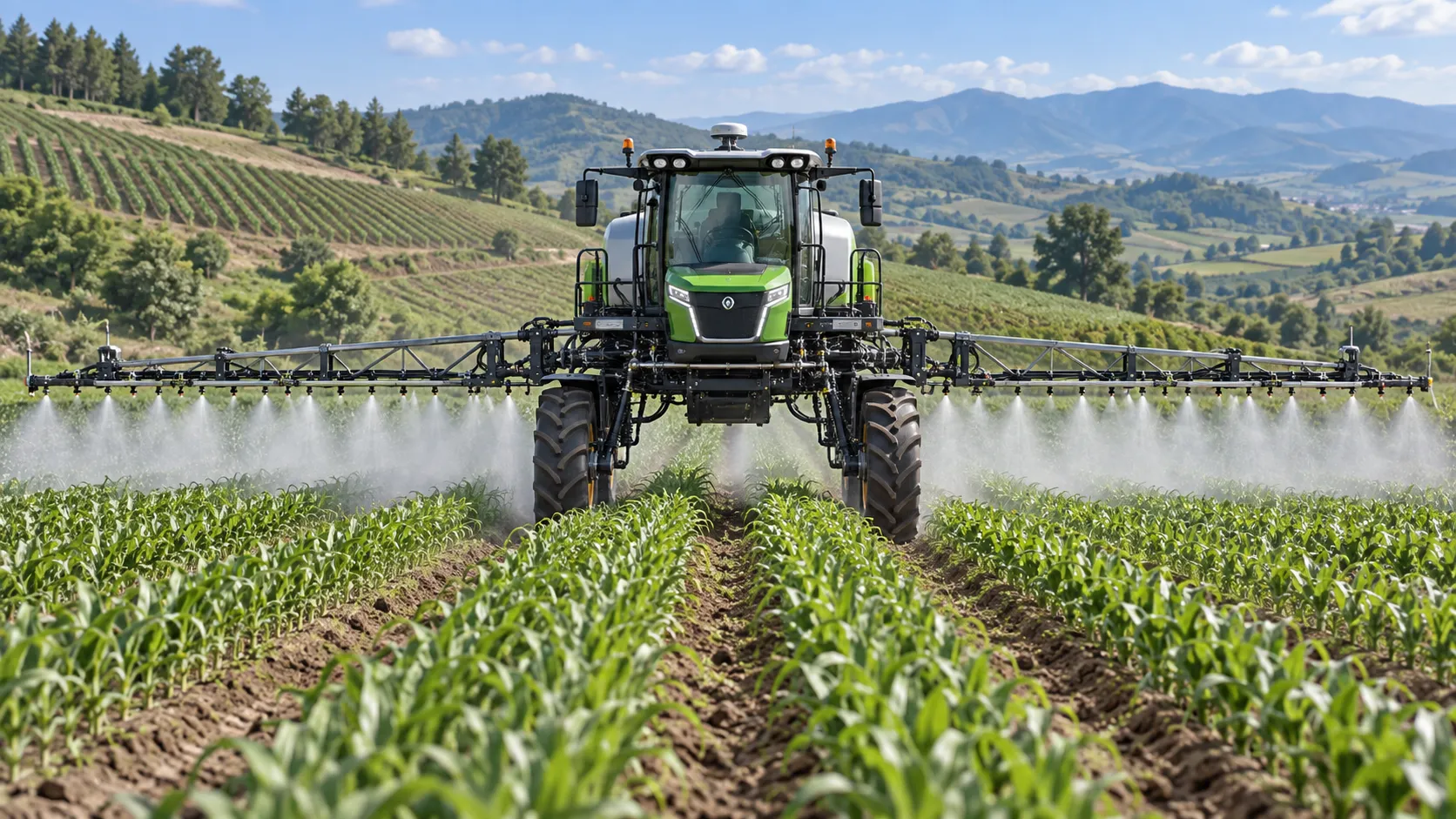
How to Select Precision Crop Protection Equipment for Variable Field Conditions
Precision crop protection equipment selection made simple: compare terrain, canopy, weather, control accuracy, and data workflows for reliable applications.

When Does Agricultural Machinery Leasing Cost Less Than Owning Equipment?
Agricultural machinery leasing can lower farm costs when use is seasonal or uncertain. Compare utilization, maintenance, cash flow, and risk to make a smarter equipment decision.
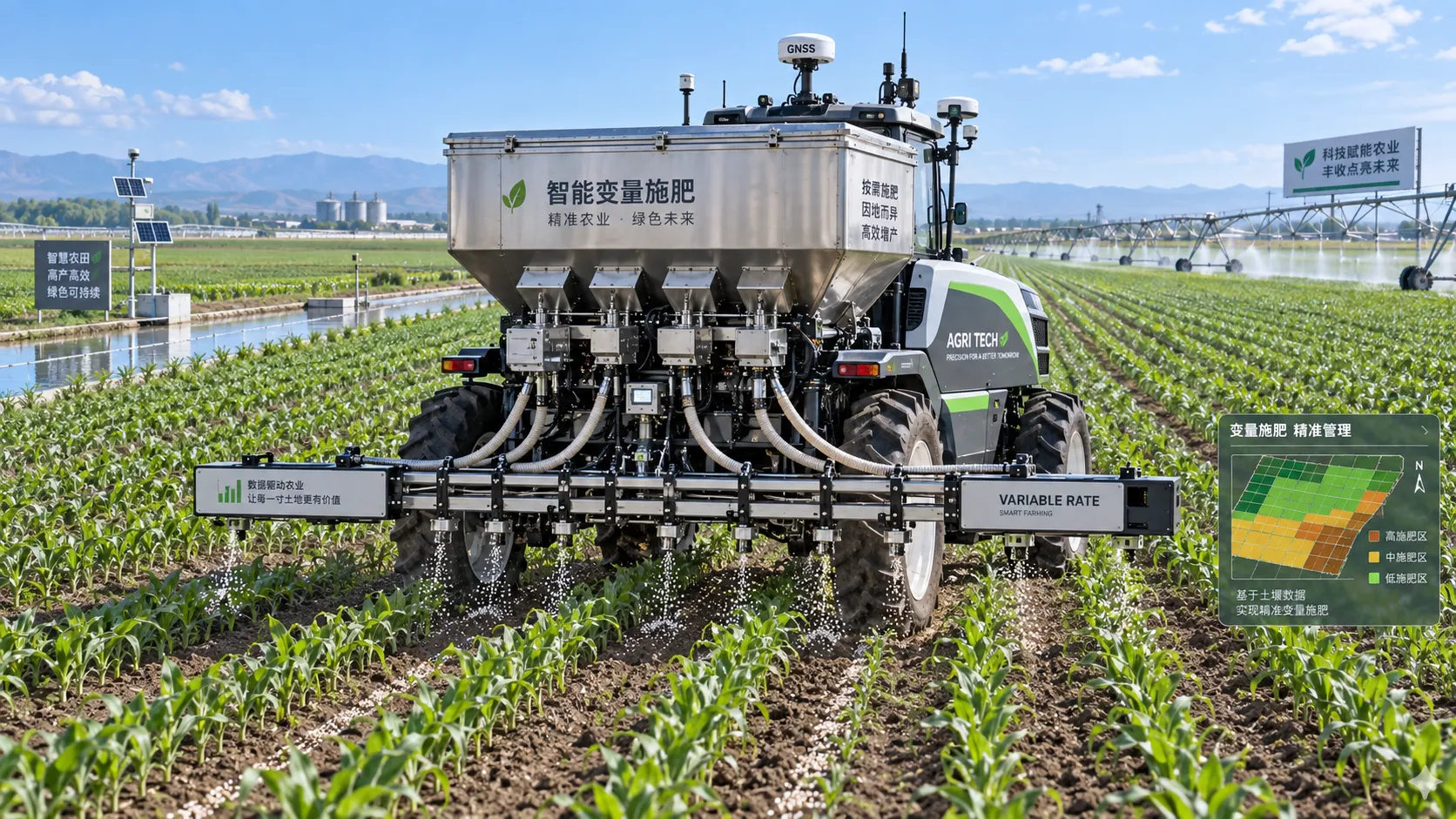
How to Evaluate Precision Fertilization System Suppliers for Farm-Scale Deployment
Precision fertilization systems suppliers: learn how to compare accuracy, integration, uptime, service, and total cost for confident farm-scale deployment.
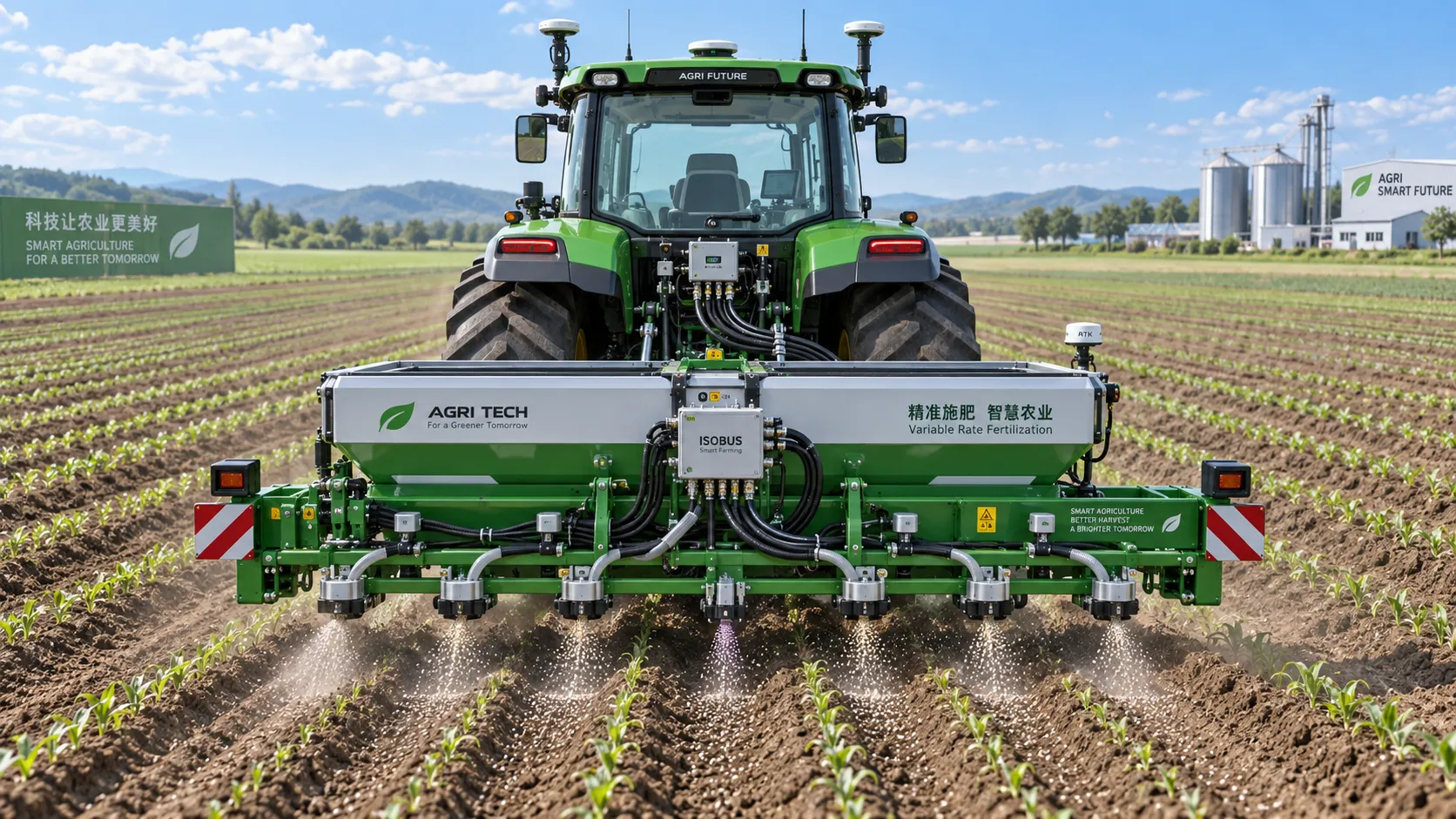
ISOBUS for Smart Agriculture: How It Connects Tractors, Implements, and Farm Data
ISOBUS for smart agriculture connects tractors, implements, terminals, and farm data—helping growers improve precision, documentation, and smarter field decisions.
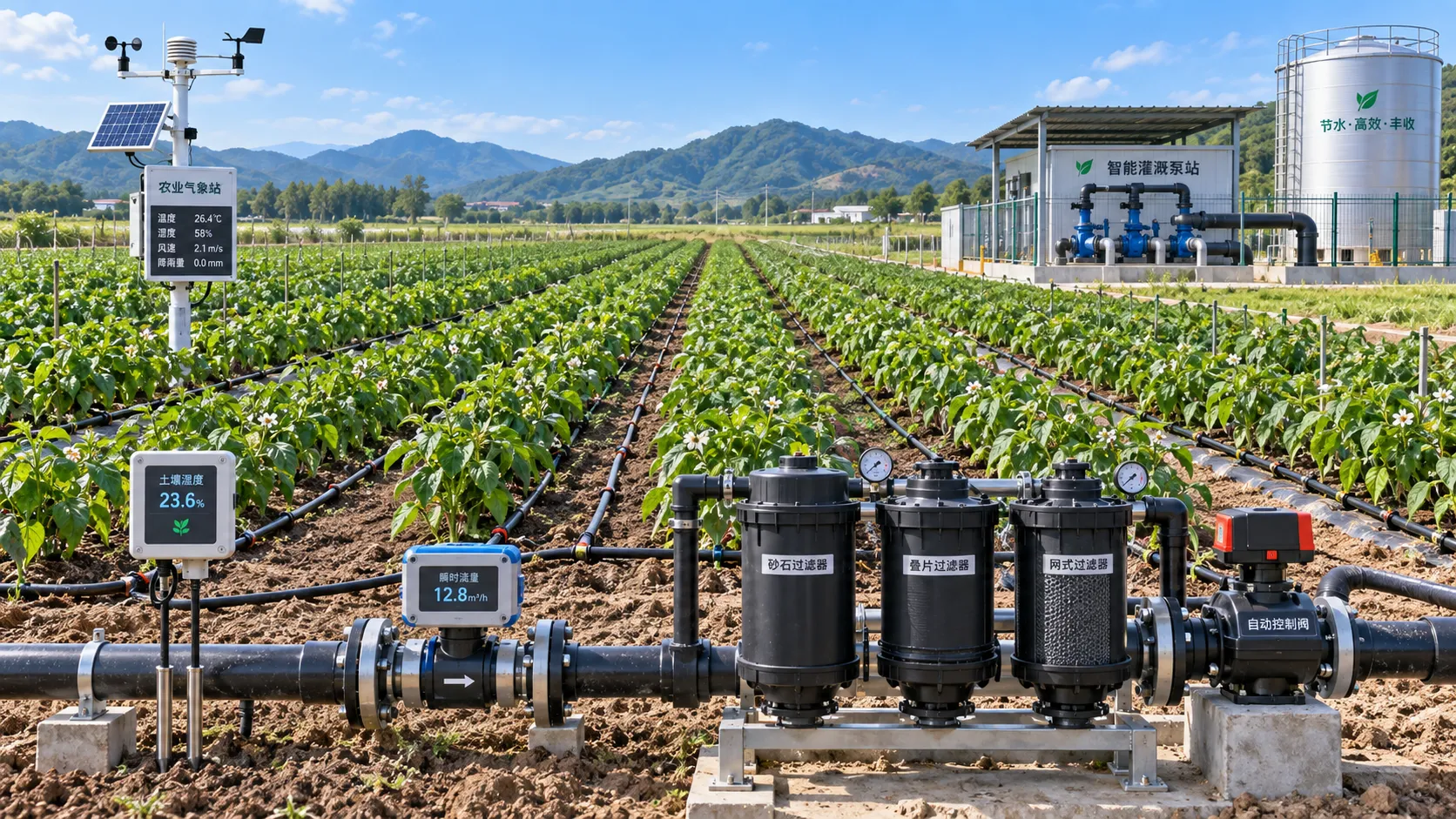
Automated Water-Saving Irrigation: How to Cut Water Use Without Reducing Crop Yields
Automated water-saving irrigation helps farms cut water use, protect crop yields, improve scheduling, and gain reliable control with sensors, flow monitoring, and smart zones.

Selecting Grain Farm Equipment by Acreage, Crop Mix, and Harvest Window
Agricultural equipment selection for grain farming: match machinery to acreage, crop mix, and harvest windows to improve uptime, efficiency, and returns.
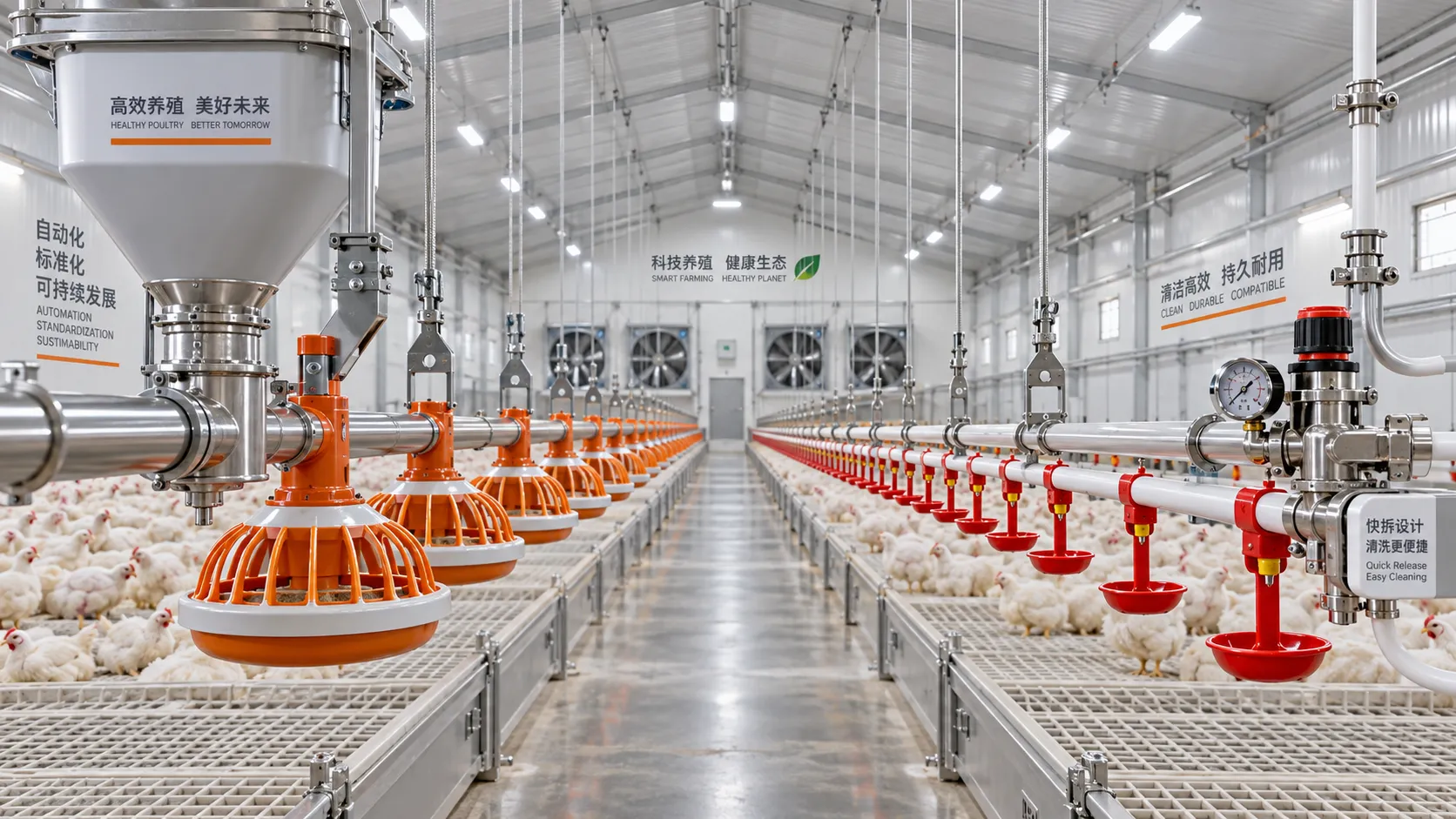
Poultry Equipment Selection: Evaluating Durability, Cleaning, and Compatibility
Poultry equipments selection guide: evaluate durability, cleaning access, and system compatibility to improve hygiene, reduce downtime, and support efficient flock management.

How to Select Heavy-Duty Farm Implements for High-Acreage, High-Horsepower Operations
Heavy duty farm implements: learn how to match draft, hydraulics, hitch capacity, frame strength, and field conditions for reliable high-acreage performance.
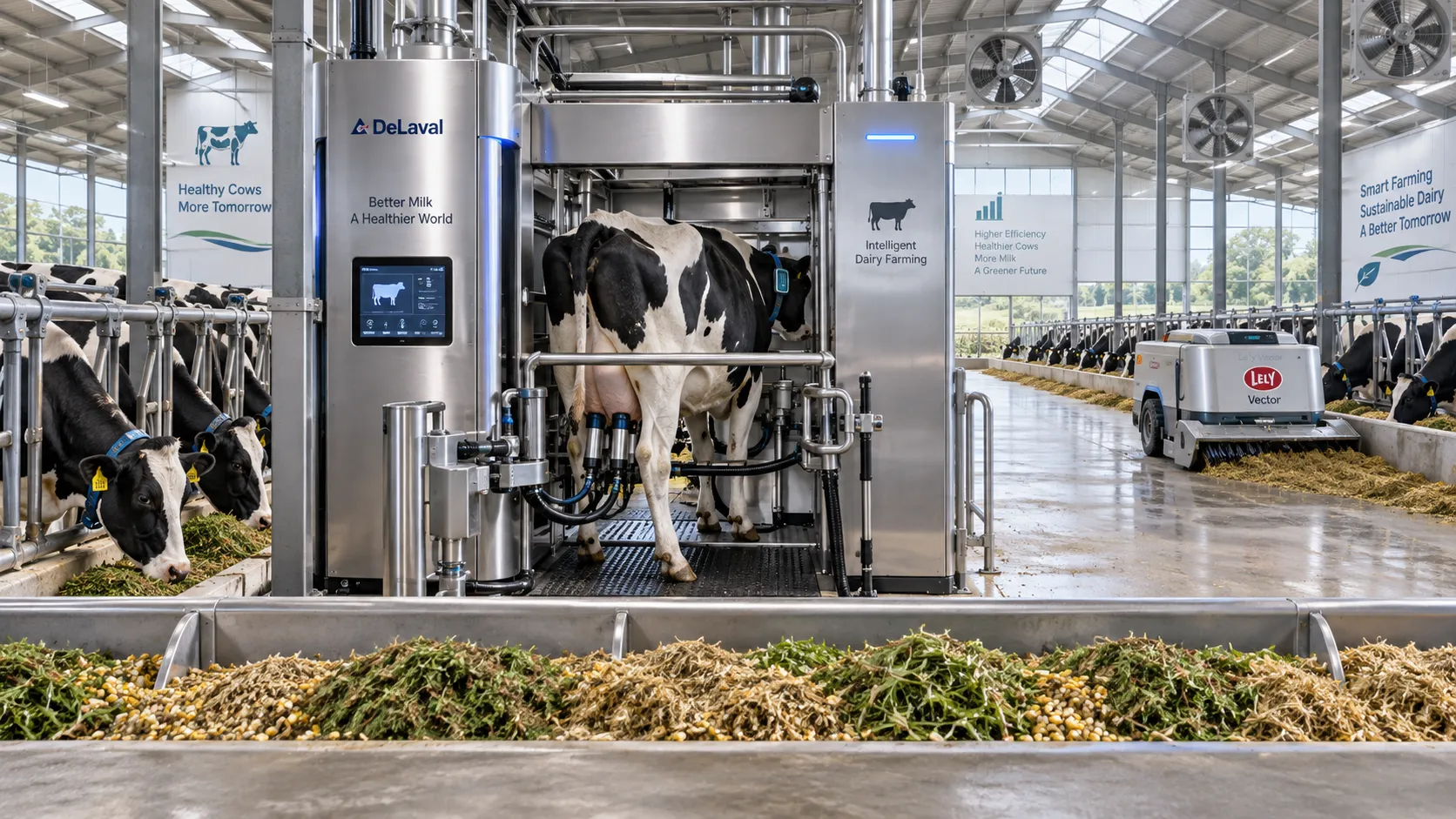
Smart Farming Technology for Dairy Farms: Where Automation Delivers Measurable ROI
Smart farming technology for dairy farms delivers measurable ROI through automation, precision feeding, health monitoring, and data-driven cost control.
Related News
- 00
0000-00
ISOBUS for Smart Agriculture: How It Connects Tractors, Implements, and Farm Data - 00
0000-00
How North American Farms Can Select Crop Monitoring Systems by Acreage and Connectivity - 00
0000-00
How Tractor Intelligence Systems Improve Field Efficiency and Input Accuracy - 00
0000-00
Which equipment for larger fields maintains accuracy at higher speeds? - 00
0000-00
What should a digital ag platform integrate before a farm-wide rollout?
Popular Tags
Tractor Power Architect
Weekly Insights
Stay ahead with our curated technology reports delivered every Monday.