
Farm Machinery Intelligence in the Field: Use Cases, Sensor Logic, and Integration Limits
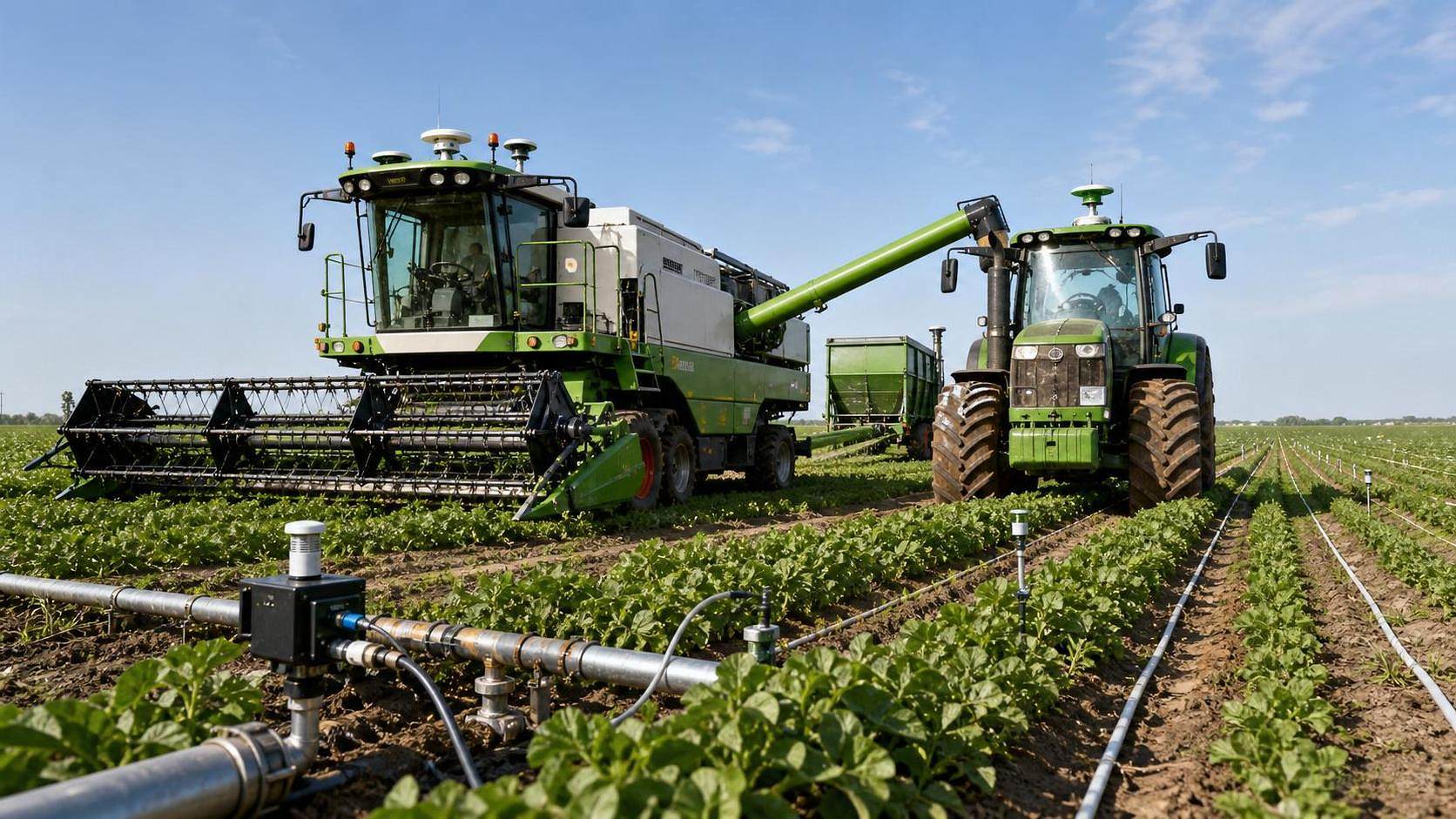




Farm Machinery Intelligence in the Field: Use Cases, Sensor Logic, and Integration Limits
Farm machinery intelligence is no longer a future concept. It now shapes how field work is measured, adjusted, and verified in real time.
The real question is not whether machines are connected. It is whether the sensing, logic, and control chain actually improves outcomes under field pressure.
That distinction matters across harvesters, tractors, implements, and irrigation. A smart interface means little if signal quality, calibration, or interoperability falls short.
From AP-Strategy’s perspective, farm machinery intelligence should be judged as an operating system for field productivity, not as a feature checklist.
In practical terms, value appears when machines detect variability early, apply stable decision rules, and support repeatable action at scale.
This also means integration limits must be examined with the same rigor as performance claims. Weak links usually appear in data fusion, actuator response, or service support.
Why Farm Machinery Intelligence Starts with Sensor Credibility
Every farm machinery intelligence stack begins with sensing. If raw inputs drift, every downstream recommendation becomes less trustworthy.
Field machines often combine GNSS, inertial sensors, wheel speed, hydraulic pressure, engine load, optical crop sensing, and moisture detection.
On paper, that looks comprehensive. In practice, each sensor sees only one slice of a changing physical environment.
Dust, vibration, slope, residue flow, canopy density, and water quality all affect measurement reliability. That is where farm machinery intelligence either proves itself or starts to fail.
A strong evaluation should check five basics:
- Signal stability during load changes
- Calibration frequency and field procedures
- Latency between sensing and control action
- Failure behavior when one input drops out
- Consistency across crop, soil, and weather conditions
More importantly, farm machinery intelligence should not depend on a single premium condition. It should remain usable when the field is uneven, noisy, and partially unpredictable.
Use Cases That Show Real Operational Value
The strongest use cases are usually not the most dramatic ones. They are the ones that cut loss, reduce operator burden, and improve repeatability.
Combine Harvesting
In combines, farm machinery intelligence often centers on grain loss control, feed rate balancing, cleaning optimization, and auto steering.
Here, sensor logic links crop flow, rotor load, sieve pressure, tailings volume, and terrain compensation into continuous machine adjustments.
The best systems do not simply react late. They anticipate instability before visible loss appears at the rear of the machine.
This matters in mixed-moisture zones, lodged crops, and short harvest windows. Small improvements in loss control can quickly outweigh the software premium.
Tractor and Chassis Control
For tractors, farm machinery intelligence becomes visible in traction management, slip control, transmission behavior, and hydraulic load coordination.
A capable system can reduce fuel waste by matching engine torque, ballast response, and working depth more precisely.
This is especially valuable in heavy tillage, seeding, and transport transitions. The machine spends less time working against itself.
Intelligent Implements
Prescription seeding, variable-rate fertilization, and section control are mature examples of farm machinery intelligence at the implement level.
The real advantage appears when geospatial maps, live sensor readings, and machine speed are aligned with stable application logic.
If one part of that chain lags, placement accuracy and input efficiency both deteriorate. This is a common source of hidden underperformance.
Irrigation Systems
In irrigation, farm machinery intelligence works through flow sensors, pressure monitoring, soil moisture data, weather feeds, and evapotranspiration models.
This allows a shift from schedule-based watering to condition-based control. That shift is becoming more important under water scarcity and energy cost pressure.
Still, irrigation intelligence only performs well when field heterogeneity, emitter health, and hydraulic losses are built into the control framework.
How Sensor Logic Turns Data into Decisions
Sensor logic is the layer that decides what matters now, what can wait, and which action is safest.
In advanced farm machinery intelligence, this usually follows a four-step path: detect, validate, interpret, and act.
- Detect raw field and machine signals.
- Validate signal quality against thresholds or historical patterns.
- Interpret whether the change is agronomic, mechanical, or environmental.
- Act through alerts, automation, or parameter adjustment.
That sounds straightforward, but field logic is rarely clean. One abnormal signal may have several possible causes.
For example, rising grain loss may point to speed, crop moisture, rotor overload, sieve setup, or terrain variation.
A robust farm machinery intelligence platform must separate correlation from causation well enough to avoid unstable corrections.
This is why rule design matters as much as hardware. Poor logic can turn good sensors into noisy automation.
The better systems also keep operators in the loop. They show why a recommendation appears, not just what button to press.
Where Integration Limits Still Constrain Performance
Integration remains the most overlooked weakness in farm machinery intelligence. Machines may be individually smart yet operationally fragmented.
One common problem is mixed communication architecture. Different controllers, sensors, and terminals may follow incompatible data structures or update cycles.
Another issue is actuator mismatch. Even if analytics are accurate, a hydraulic or electric subsystem may respond too slowly for the intended correction.
A third limit is data portability. Historical machine data often stays trapped inside brand-specific platforms, reducing fleet-wide learning.
From recent market movement, the clearer signal is this: integration quality increasingly decides whether farm machinery intelligence scales beyond pilot success.
Three evaluation questions help expose weak integration early:
- Can the system exchange useful data across brands and implement types?
- Does control performance stay stable during peak load or poor connectivity?
- Can service teams diagnose sensor, software, and actuator faults without vendor lock delays?
These limits are not minor details. They shape uptime, ownership cost, and long-term digital compatibility.
A Practical Evaluation Framework for Field Deployment
A useful farm machinery intelligence review should connect technical design to field economics. Looking at one without the other gives a distorted picture.
The following framework keeps the assessment grounded:
- Sensor layer: Check accuracy, survivability, calibration effort, and redundancy.
- Logic layer: Review decision rules, transparency, threshold design, and fallback behavior.
- Control layer: Measure response speed, repeatability, and actuator authority.
- Integration layer: Test interoperability, data export, software updates, and remote diagnostics.
- Value layer: Link system performance to loss reduction, labor efficiency, fuel, water, and input savings.
This also means trial design should mirror real operations. A perfect demo day proves very little.
Run comparisons across varying moisture, residue, slope, traffic, and operator habits. That is where resilient farm machinery intelligence separates itself from marketing language.
At AP-Strategy, that broader lens is essential because Agriculture 4.0 performance must work under commercial pressure, not only under controlled conditions.
What the Next Development Cycle Will Likely Reward
The next wave of farm machinery intelligence will likely reward systems that combine simpler operator workflows with deeper machine self-awareness.
In other words, intelligence will matter less as a display feature and more as a silent performance multiplier.
The strongest platforms will probably share four traits:
- Cross-platform data continuity
- More explainable control logic
- Lower calibration burden
- Stronger agronomic and mechanical co-optimization
That trend is especially relevant for large-scale harvesting, autonomous field operations, and resource-sensitive irrigation networks.
As machinery fleets become more connected, farm machinery intelligence will increasingly be judged by how well it links field variation, machine behavior, and business decisions.
The practical takeaway is clear. Do not evaluate intelligence as software alone.
Evaluate it as a full operating chain, from signal capture to final field result. That is where real reliability, scalability, and return become visible.
For teams tracking the future of mechanization, that approach offers the most reliable way to distinguish meaningful farm machinery intelligence from expensive digital noise.
Related News
When Does Agricultural Machinery Leasing Cost Less Than Owning Equipment?
Agricultural machinery leasing can lower farm costs when use is seasonal or uncertain. Compare utilization, maintenance, cash flow, and risk to make a smarter equipment decision.
How to Evaluate Precision Fertilization System Suppliers for Farm-Scale Deployment
Precision fertilization systems suppliers: learn how to compare accuracy, integration, uptime, service, and total cost for confident farm-scale deployment.
ISOBUS for Smart Agriculture: How It Connects Tractors, Implements, and Farm Data
ISOBUS for smart agriculture connects tractors, implements, terminals, and farm data—helping growers improve precision, documentation, and smarter field decisions.
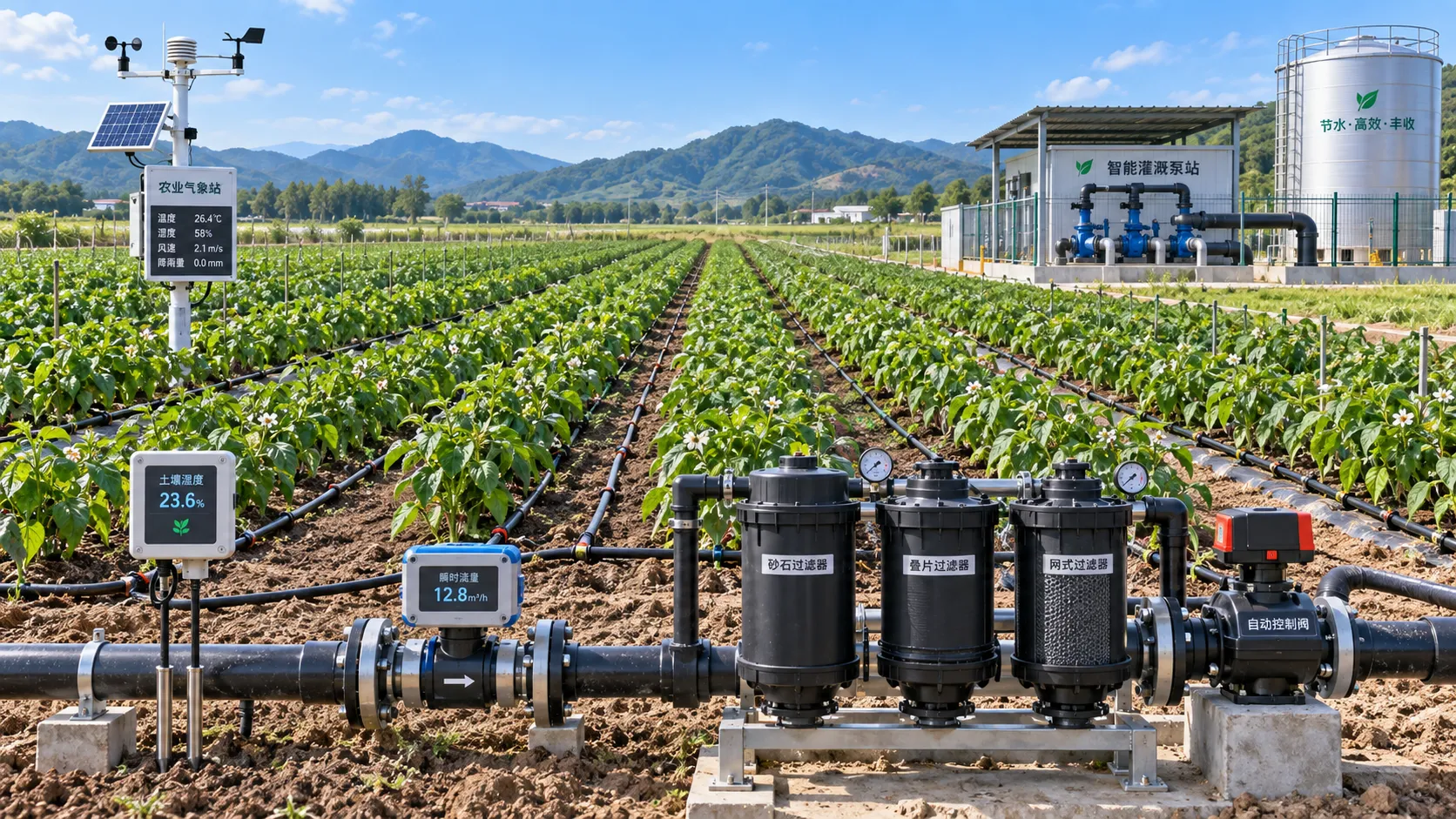
Automated Water-Saving Irrigation: How to Cut Water Use Without Reducing Crop Yields
Automated water-saving irrigation helps farms cut water use, protect crop yields, improve scheduling, and gain reliable control with sensors, flow monitoring, and smart zones.
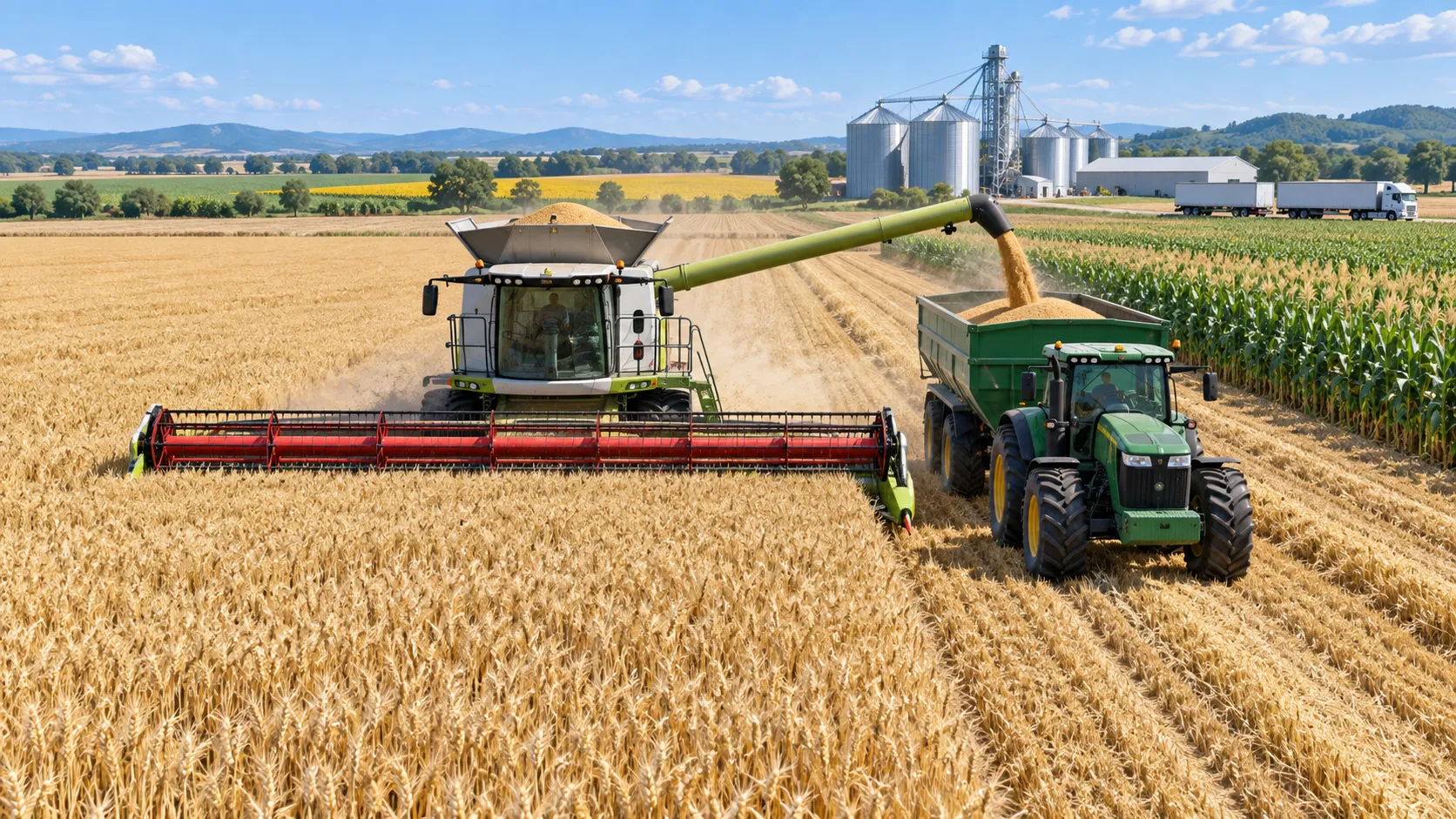
Selecting Grain Farm Equipment by Acreage, Crop Mix, and Harvest Window
Agricultural equipment selection for grain farming: match machinery to acreage, crop mix, and harvest windows to improve uptime, efficiency, and returns.
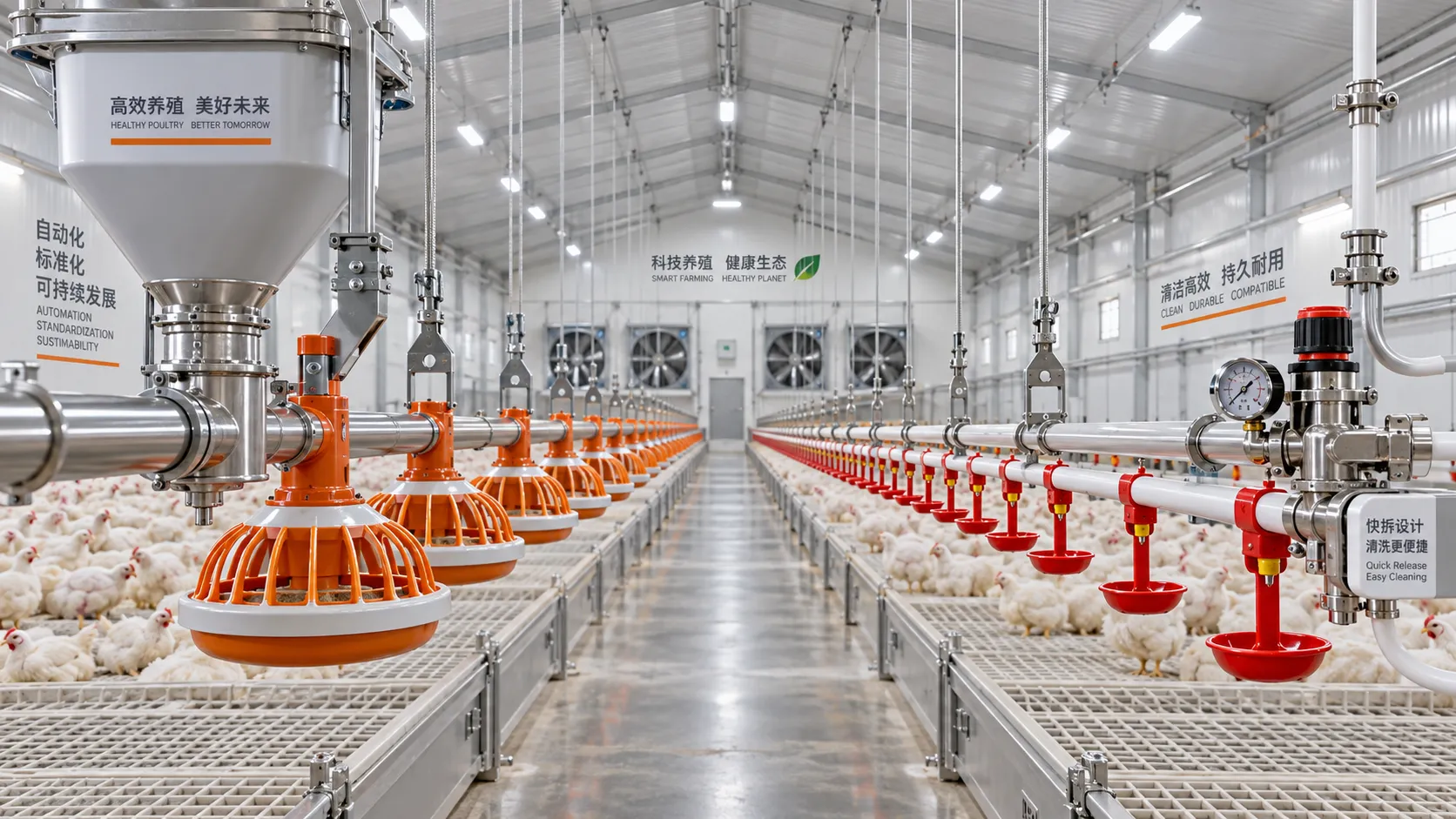
Poultry Equipment Selection: Evaluating Durability, Cleaning, and Compatibility
Poultry equipments selection guide: evaluate durability, cleaning access, and system compatibility to improve hygiene, reduce downtime, and support efficient flock management.
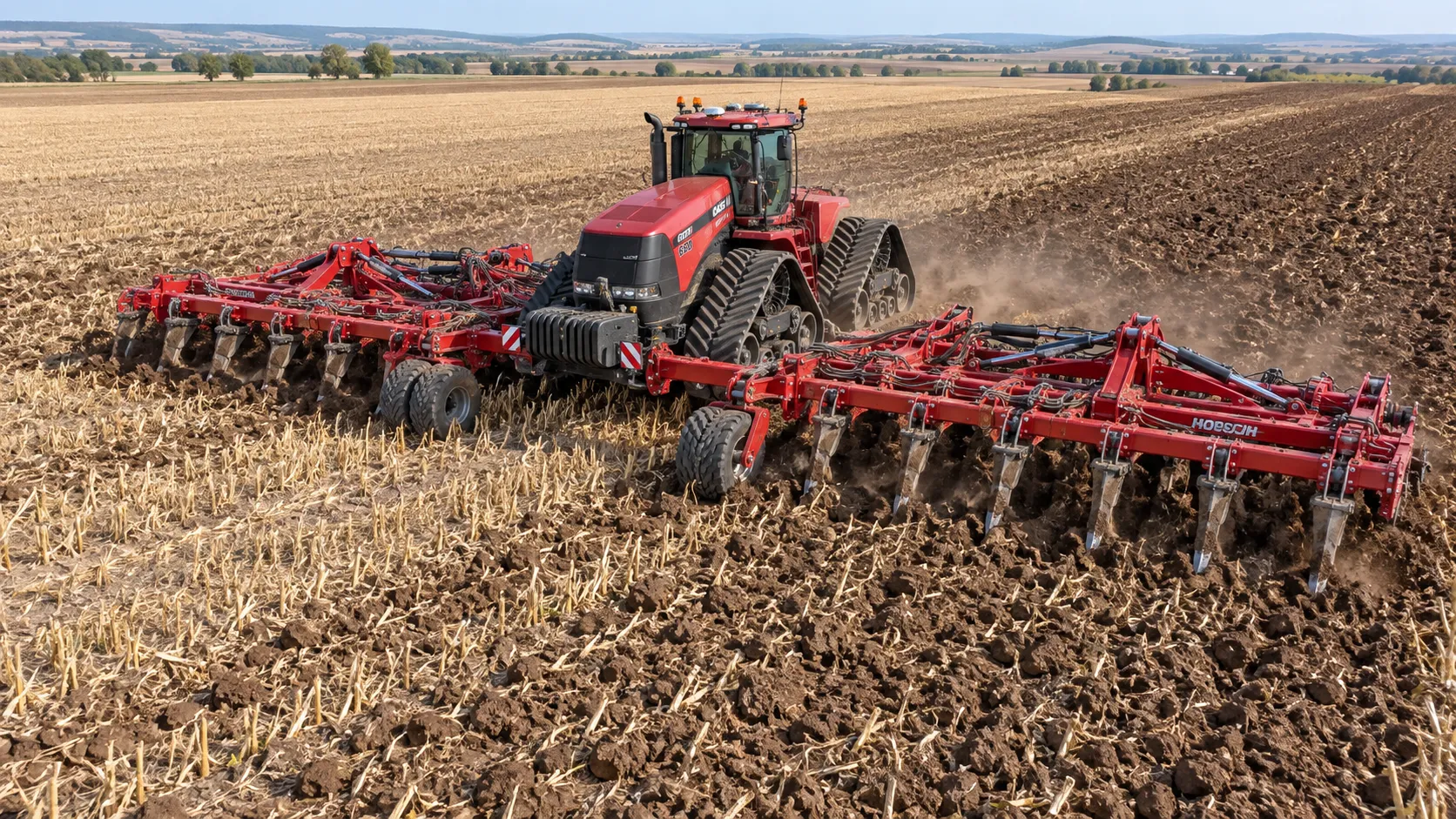
How to Select Heavy-Duty Farm Implements for High-Acreage, High-Horsepower Operations
Heavy duty farm implements: learn how to match draft, hydraulics, hitch capacity, frame strength, and field conditions for reliable high-acreage performance.
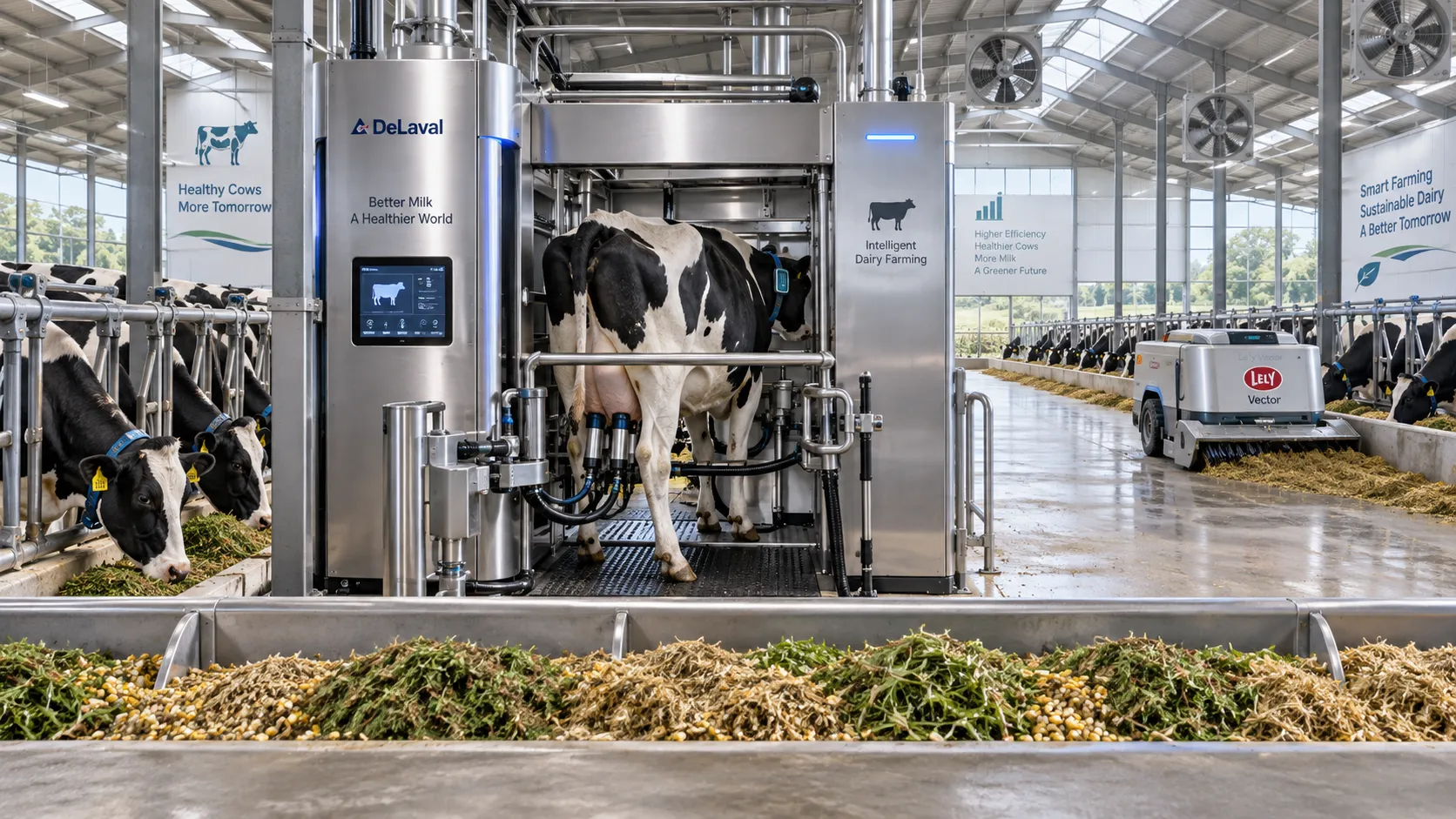
Smart Farming Technology for Dairy Farms: Where Automation Delivers Measurable ROI
Smart farming technology for dairy farms delivers measurable ROI through automation, precision feeding, health monitoring, and data-driven cost control.
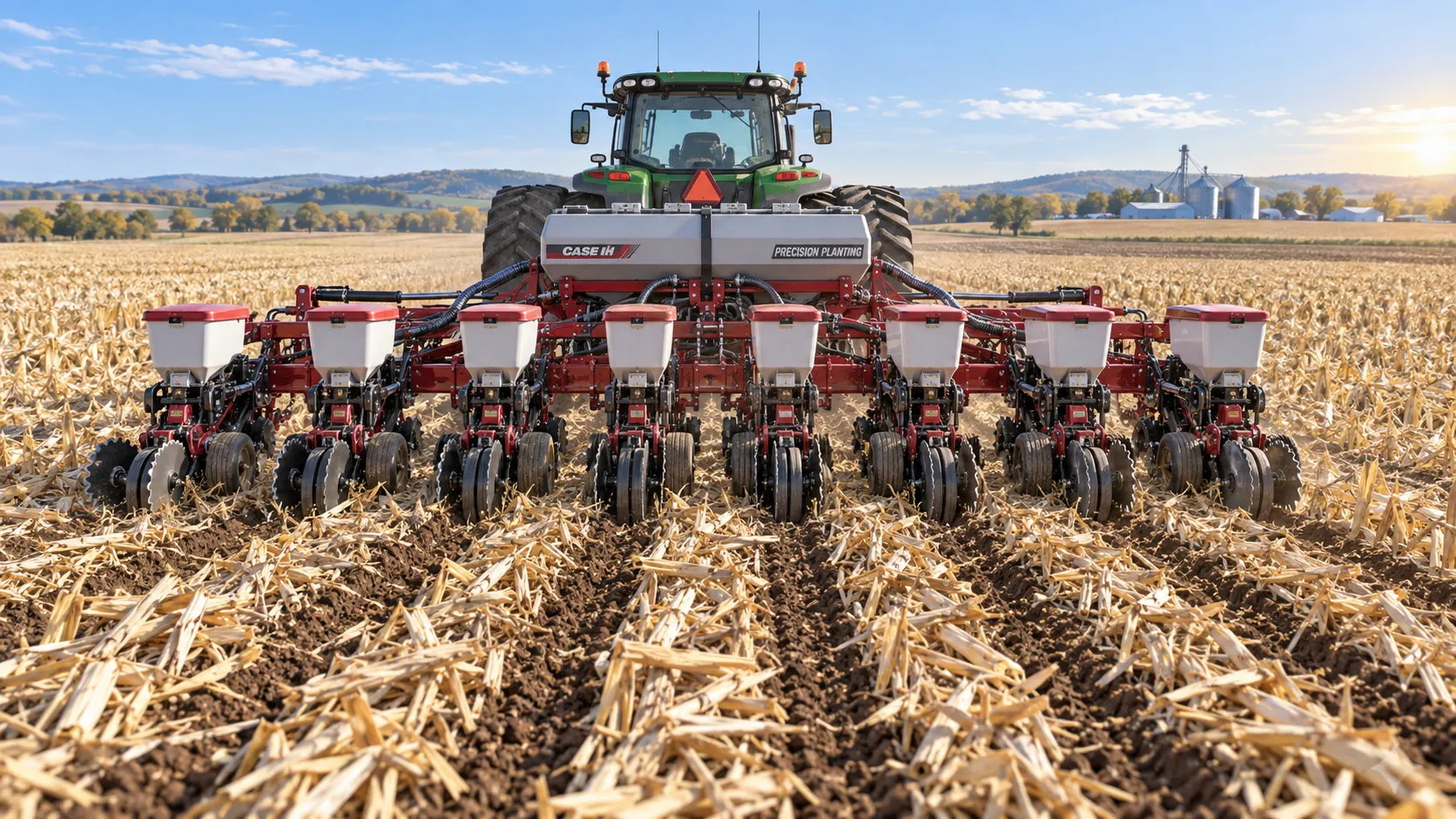
How to Select a Heavy-Duty Seeder for Large Acreage and High-Residue Fields
Heavy duty seeders for large acreage: compare residue handling, depth control, downforce, metering accuracy, and precision features to select the right model.
Related News
- 00
0000-00
ISOBUS for Smart Agriculture: How It Connects Tractors, Implements, and Farm Data - 00
0000-00
How North American Farms Can Select Crop Monitoring Systems by Acreage and Connectivity - 00
0000-00
How Tractor Intelligence Systems Improve Field Efficiency and Input Accuracy - 00
0000-00
Which equipment for larger fields maintains accuracy at higher speeds? - 00
0000-00
What should a digital ag platform integrate before a farm-wide rollout?
Popular Tags
Tractor Power Architect
Weekly Insights
Stay ahead with our curated technology reports delivered every Monday.