
How to Compare Satellite-Guided Farm Equipment for Row Crops by Accuracy and Field Fit
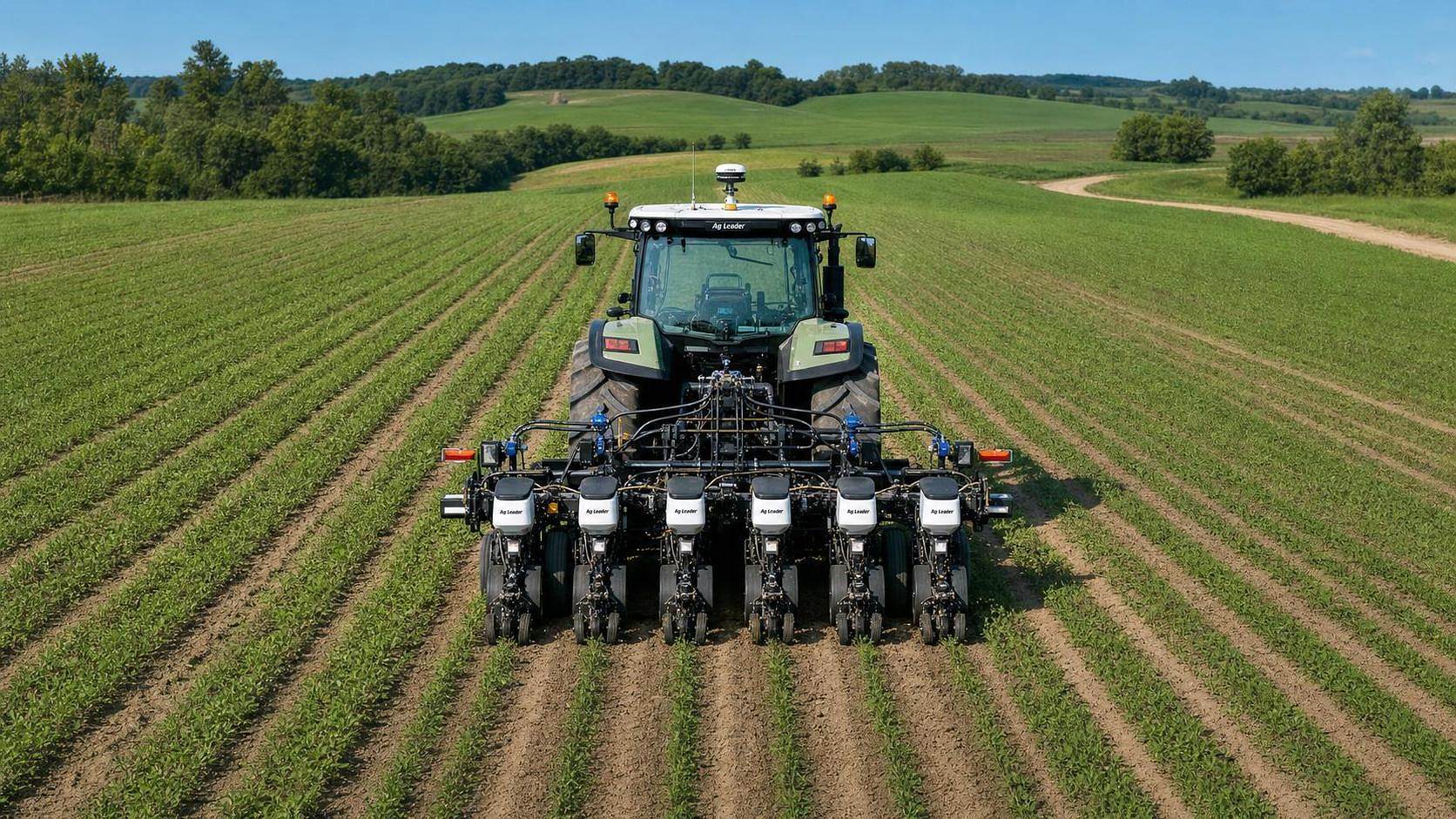




Comparing satellite-guided farm equipment for row crops now requires more than checking a brochure accuracy claim. Real performance depends on how guidance stability, field shape, crop spacing, terrain response, and machine integration work together during actual passes.
That shift matters across the broader Agriculture 4.0 landscape. Precision steering influences seeding quality, input placement, harvest alignment, fuel use, and even how irrigation and crop protection plans connect with field data.
For organizations following large-scale machinery trends, including intelligence platforms such as AP-Strategy, the issue is practical. Better comparison methods help separate nominal precision from field-fit performance that holds up across seasons, operators, and row-crop systems.
What the comparison is really measuring
At a basic level, satellite-guided farm equipment for row crops combines GNSS positioning, correction signals, steering control, and implement guidance. The goal is not only straight driving. The goal is repeatable placement.
That placement affects several operations. Planting needs row-to-row consistency. Side-dressing needs alignment with established rows. Spraying needs overlap control. Harvest needs header tracking that respects previous passes.
A useful comparison therefore asks one central question: can the system maintain intended path quality under the field conditions where it will actually be used?
Accuracy is not one number
Manufacturers often highlight centimeter-level accuracy. That figure can be meaningful, but only in context. Technical review should separate absolute accuracy, pass-to-pass accuracy, and repeatability over time.
Pass-to-pass performance usually matters most for row-crop operations. A system may look precise on paper, yet drift enough during long runs to affect seed placement or fertilizer bands.
Seasonal repeatability matters when guidance lines must remain valid from planting through cultivation and harvest. If lines cannot be trusted months later, field efficiency falls quickly.
Why field fit matters as much as signal precision
Two guidance systems with similar correction services may perform differently in the same region. The reason is often field fit rather than raw satellite quality.
Row-crop fields are rarely uniform. Slopes, terraces, irregular headlands, narrow access points, soft soil zones, and residue conditions change how steering controllers behave.
Satellite-guided farm equipment for row crops should therefore be judged against operational geometry. A wide planter on rectangular land demands different tuning from a sprayer running contour edges or a cultivator working on rolling ground.
Field fit also includes visibility, hydraulic responsiveness, and implement behavior. Guidance can hold the tractor on line while the tool drifts behind it. In row crops, that gap can erase the value of nominal steering precision.
The hidden cost of poor fit
Misfit systems usually show up as overlap, skips, row damage, and operator correction fatigue. Those losses may look small per pass, but they compound across seed, chemical, fuel, and labor cycles.
In large-scale operations, even minor steering instability can distort agronomic data layers. That weakens later decisions tied to variable-rate application, water management, and harvest analysis.
Core dimensions for comparing systems
A comparison framework becomes more reliable when it separates field results into a few measurable dimensions. That keeps the review grounded in machine behavior rather than marketing language.
This is where satellite-guided farm equipment for row crops becomes a systems decision. Steering performance, agronomic timing, and data continuity are tightly linked.
Where comparison standards often break down
One common mistake is comparing systems only on correction tier. RTK, PPP, or subscription-based services matter, but signal type alone does not predict row-crop success.
Another mistake is testing on ideal fields only. Flat and open land can hide controller lag, implement sway, and terrain compensation errors that appear elsewhere.
A third weakness is ignoring machine pairing. The same guidance package may perform well on one tractor chassis and noticeably worse on another because of steering valve behavior, wheelbase, or hydraulic tuning.
This broader view aligns with the intelligence approach seen across AP-Strategy coverage. Mechanical performance, sensor logic, and sustainability targets should be assessed together rather than in isolation.
Operational conditions worth simulating
- Long straight planting passes with variable traction
- Curved headlands and irregular field edges
- High-residue surfaces after harvest
- Night work and reduced-visibility conditions
- Mixed operations using different implements on shared guidance lines
How to judge fit by crop, machine, and task
Not every row-crop operation needs the same level of guidance control. Planters usually set the highest standard because early row placement influences all later passes.
Sprayers may tolerate slightly different error patterns, but boom width and section control make overlap expensive. Cultivation and side-dressing demand reliable alignment with existing rows, especially at tighter spacing.
Harvest adds another layer. Guidance quality can influence header tracking, traffic patterns, and how well yield maps align with planting zones. That matters for future field prescriptions.
When reviewing satellite-guided farm equipment for row crops, it helps to compare system fit across these three intersections: crop geometry, machine architecture, and operation timing.
Practical review points
- Match guidance tolerance to row spacing, not to generic accuracy labels
- Check whether implement steering is needed, not only tractor autosteer
- Review correction coverage by operating region and season
- Measure line reacquisition after turns and signal interruptions
- Test compatibility with existing displays, ISOBUS tools, and farm data platforms
Business value beyond steering performance
The strongest value case for satellite-guided farm equipment for row crops is cumulative rather than dramatic. Better placement reduces small losses that repeat across every field pass.
Those gains can appear in cleaner stand establishment, tighter input control, lower operator stress, and more consistent datasets for later agronomic analysis.
There is also a wider strategic angle. As machinery fleets become more autonomous and resource efficiency becomes more important, guidance systems sit at the center of equipment interoperability.
That is why many global reviews no longer treat steering as a standalone accessory. It is increasingly part of a decision chain that includes tractor chassis behavior, intelligent tools, and water-saving field management.
A sensible next step for evaluation
A strong assessment starts with field conditions, not vendor categories. List row spacing, terrain profile, correction access, implement mix, and required repeatability across the season.
Then compare satellite-guided farm equipment for row crops using the same operational test path. Keep metrics consistent, especially lateral deviation, reacquisition time, implement drift, and data compatibility.
The most useful result is rarely the system with the highest advertised precision. It is the one that delivers dependable line control, fits the machine fleet, and supports the broader precision workflow without creating new friction.
For ongoing review, it is worth tracking not only hardware updates, but also correction services, software revisions, and integration standards. In row-crop operations, those details often determine whether precision remains theoretical or becomes operational.
Related News
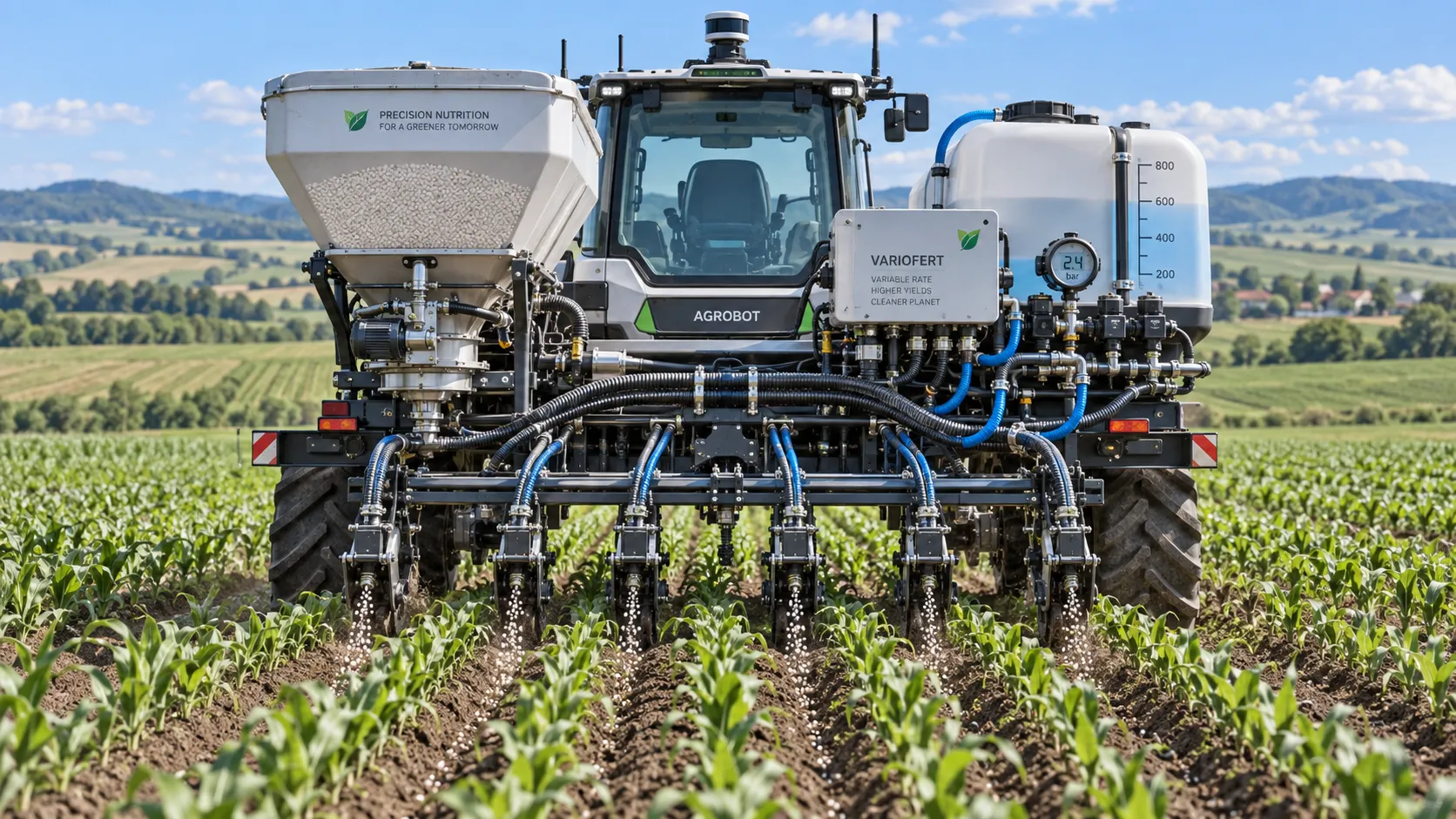
How Sensor Feedback Enables Accurate Variable-Rate Fertilization in Field Conditions
Precision fertilization systems with sensor feedback improve variable-rate accuracy by verifying flow, managing latency, and ensuring reliable field application.
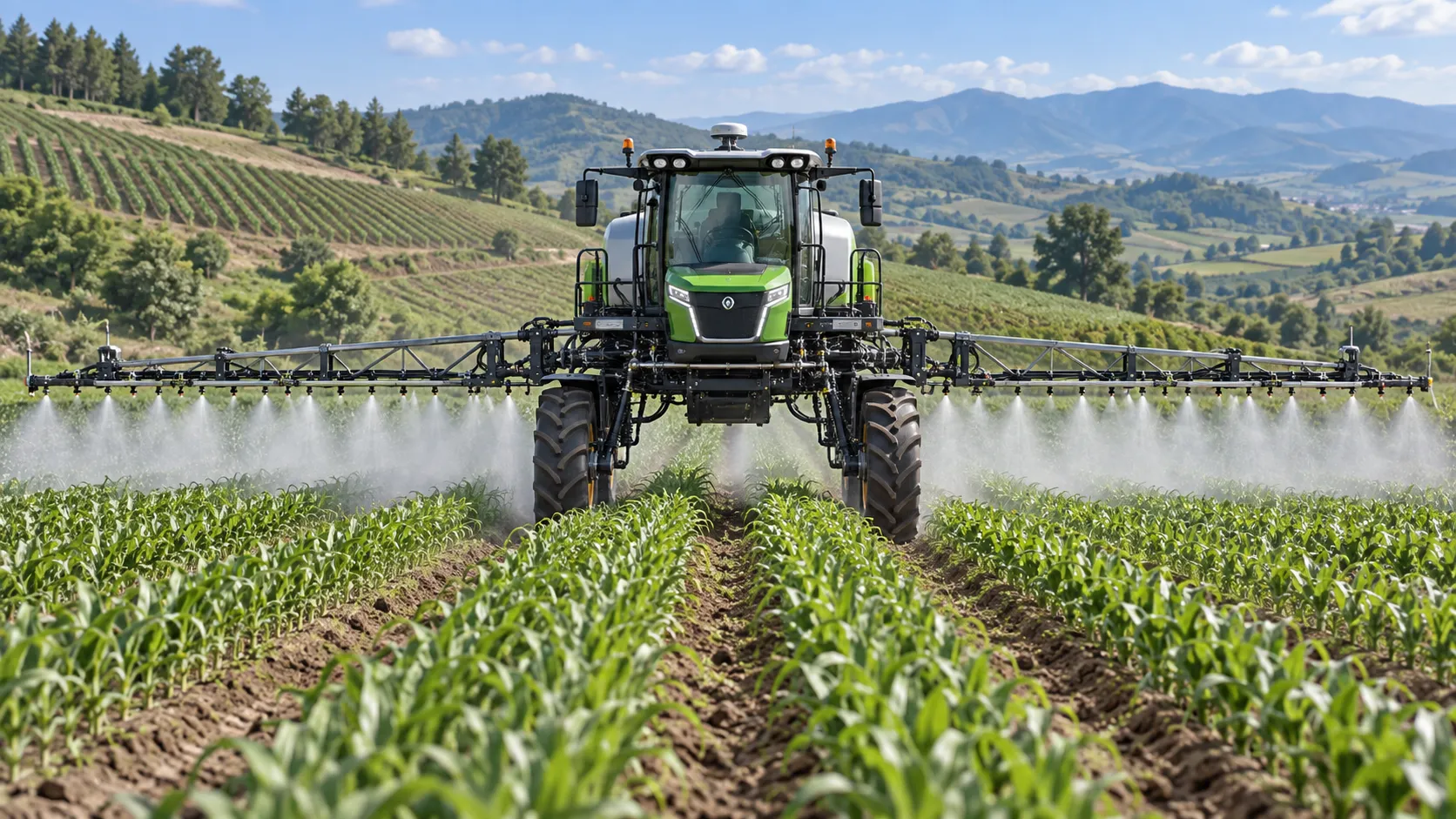
How to Select Precision Crop Protection Equipment for Variable Field Conditions
Precision crop protection equipment selection made simple: compare terrain, canopy, weather, control accuracy, and data workflows for reliable applications.

When Does Agricultural Machinery Leasing Cost Less Than Owning Equipment?
Agricultural machinery leasing can lower farm costs when use is seasonal or uncertain. Compare utilization, maintenance, cash flow, and risk to make a smarter equipment decision.
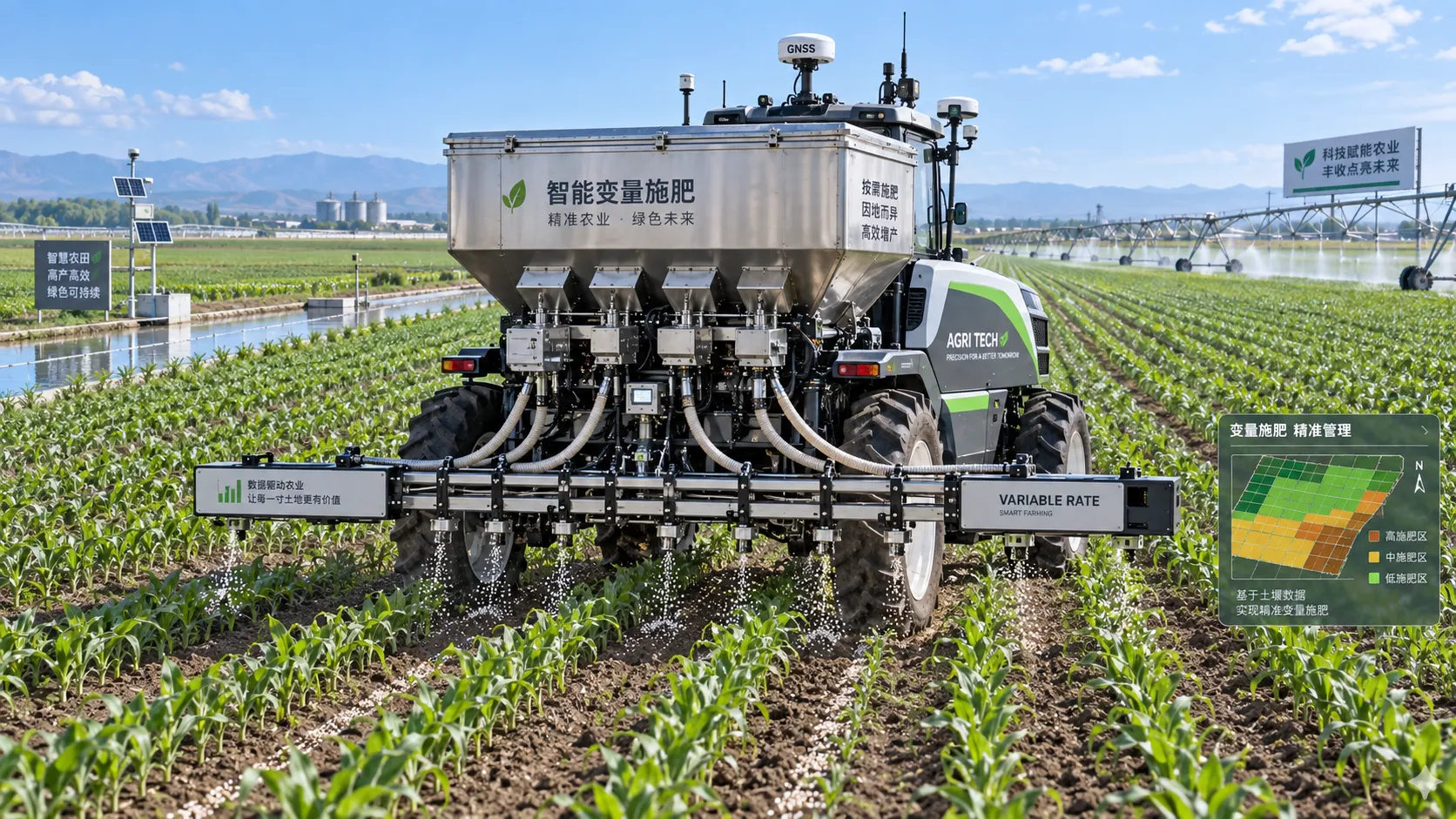
How to Evaluate Precision Fertilization System Suppliers for Farm-Scale Deployment
Precision fertilization systems suppliers: learn how to compare accuracy, integration, uptime, service, and total cost for confident farm-scale deployment.
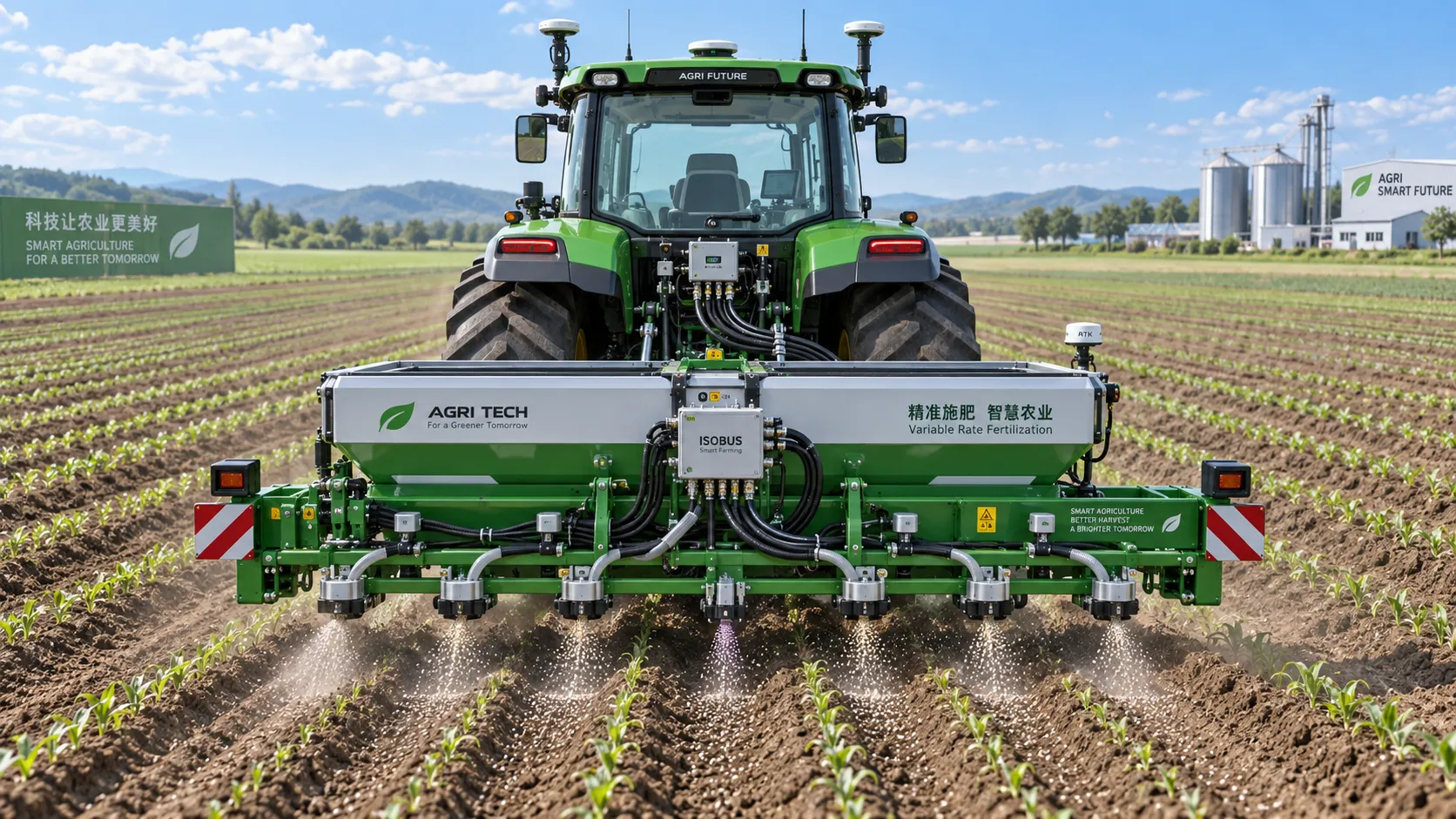
ISOBUS for Smart Agriculture: How It Connects Tractors, Implements, and Farm Data
ISOBUS for smart agriculture connects tractors, implements, terminals, and farm data—helping growers improve precision, documentation, and smarter field decisions.
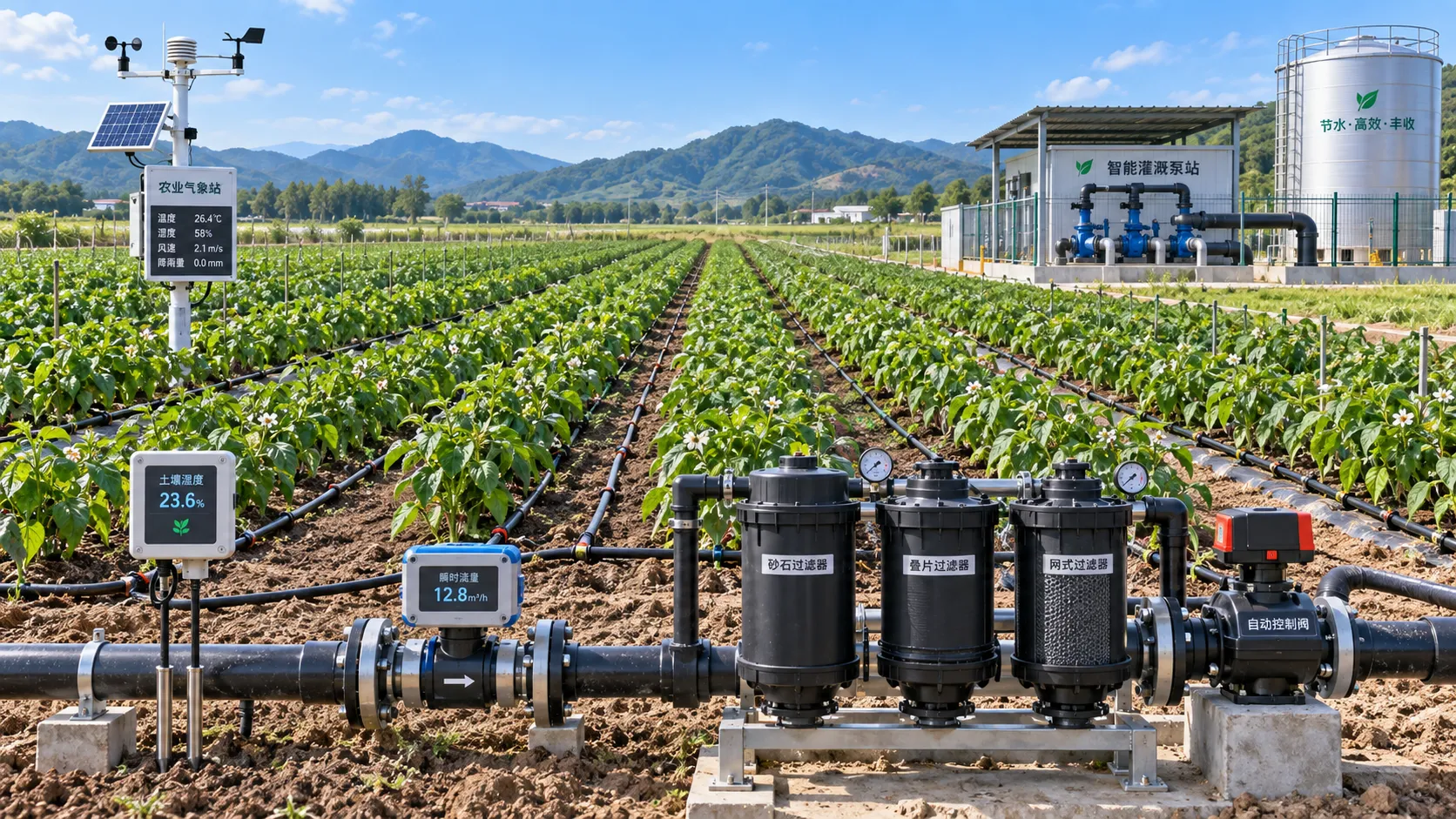
Automated Water-Saving Irrigation: How to Cut Water Use Without Reducing Crop Yields
Automated water-saving irrigation helps farms cut water use, protect crop yields, improve scheduling, and gain reliable control with sensors, flow monitoring, and smart zones.
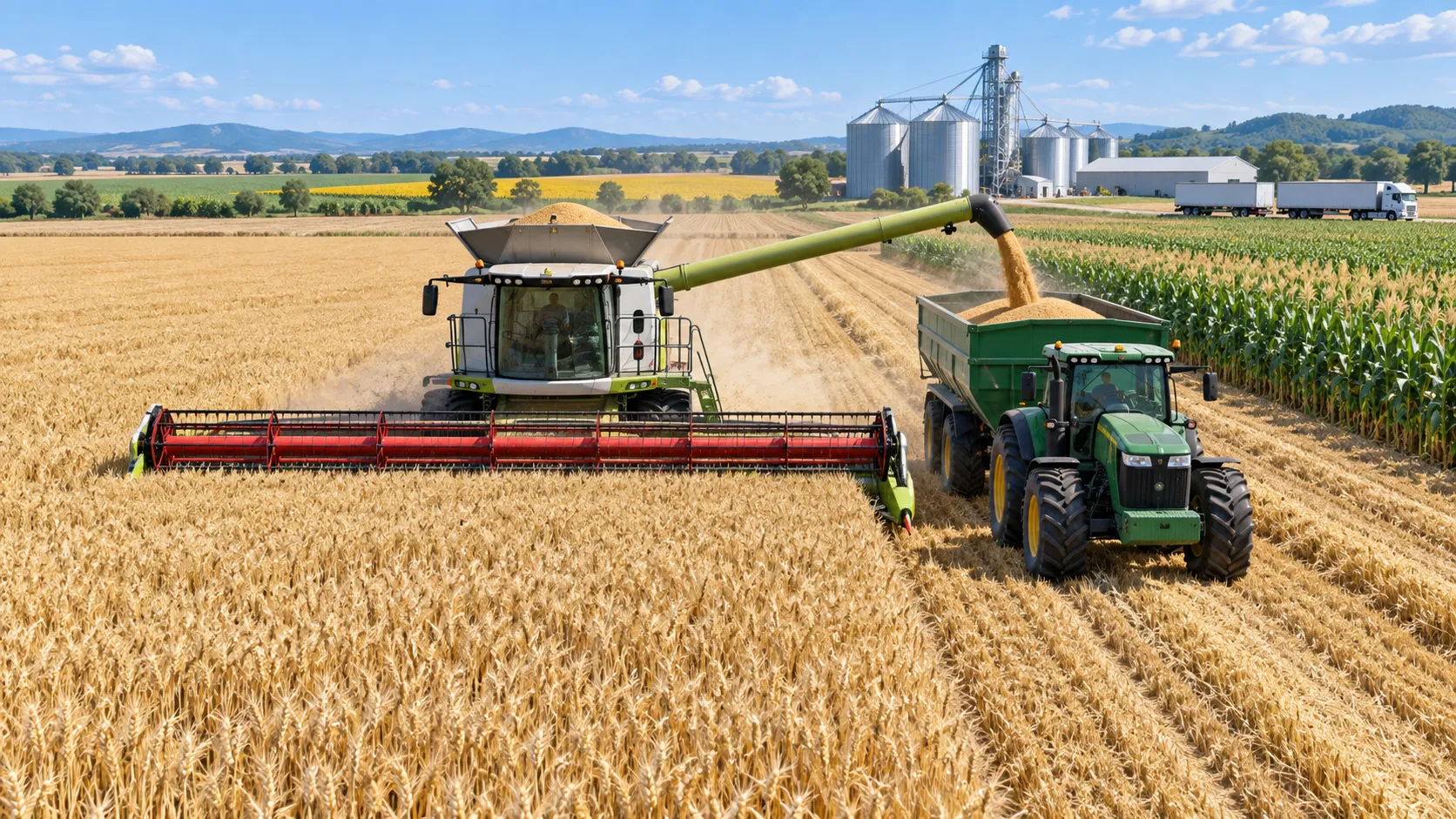
Selecting Grain Farm Equipment by Acreage, Crop Mix, and Harvest Window
Agricultural equipment selection for grain farming: match machinery to acreage, crop mix, and harvest windows to improve uptime, efficiency, and returns.
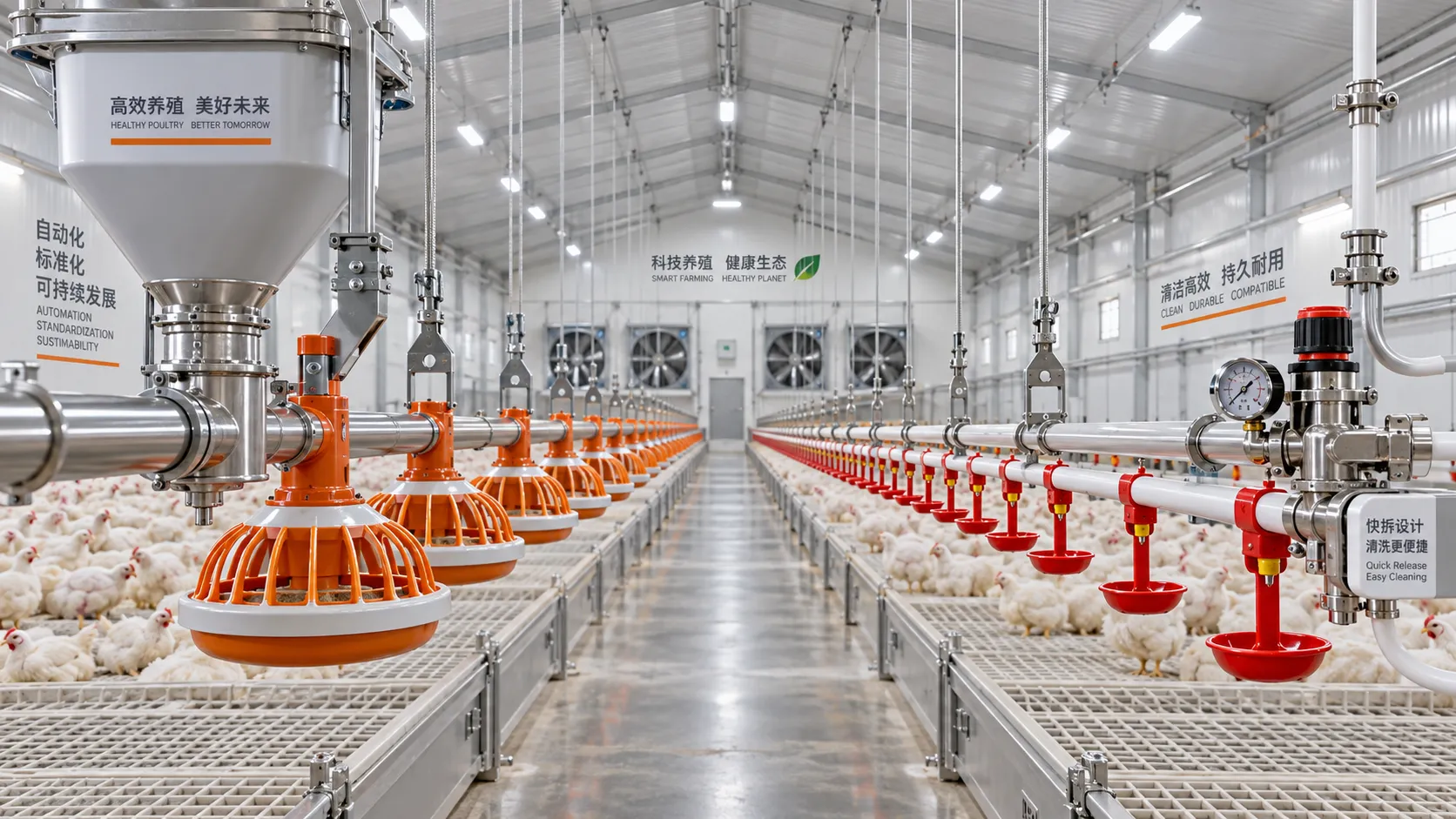
Poultry Equipment Selection: Evaluating Durability, Cleaning, and Compatibility
Poultry equipments selection guide: evaluate durability, cleaning access, and system compatibility to improve hygiene, reduce downtime, and support efficient flock management.
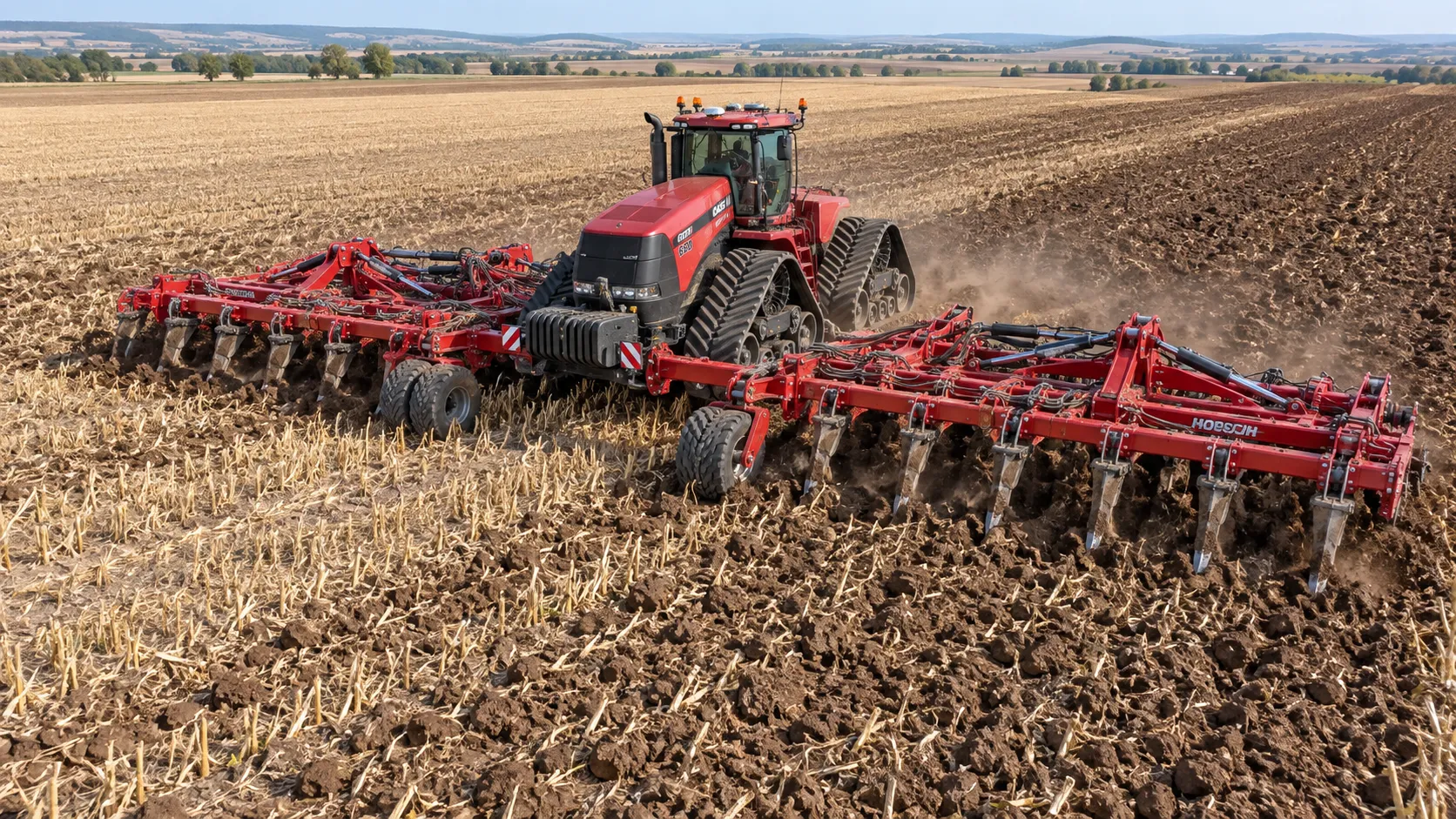
How to Select Heavy-Duty Farm Implements for High-Acreage, High-Horsepower Operations
Heavy duty farm implements: learn how to match draft, hydraulics, hitch capacity, frame strength, and field conditions for reliable high-acreage performance.
Related News
- 00
0000-00
ISOBUS for Smart Agriculture: How It Connects Tractors, Implements, and Farm Data - 00
0000-00
How North American Farms Can Select Crop Monitoring Systems by Acreage and Connectivity - 00
0000-00
How Tractor Intelligence Systems Improve Field Efficiency and Input Accuracy - 00
0000-00
Which equipment for larger fields maintains accuracy at higher speeds? - 00
0000-00
What should a digital ag platform integrate before a farm-wide rollout?
Popular Tags
Tractor Power Architect
Weekly Insights
Stay ahead with our curated technology reports delivered every Monday.