
USDA Opens GPS Guidance Subsidies to Non-US Suppliers
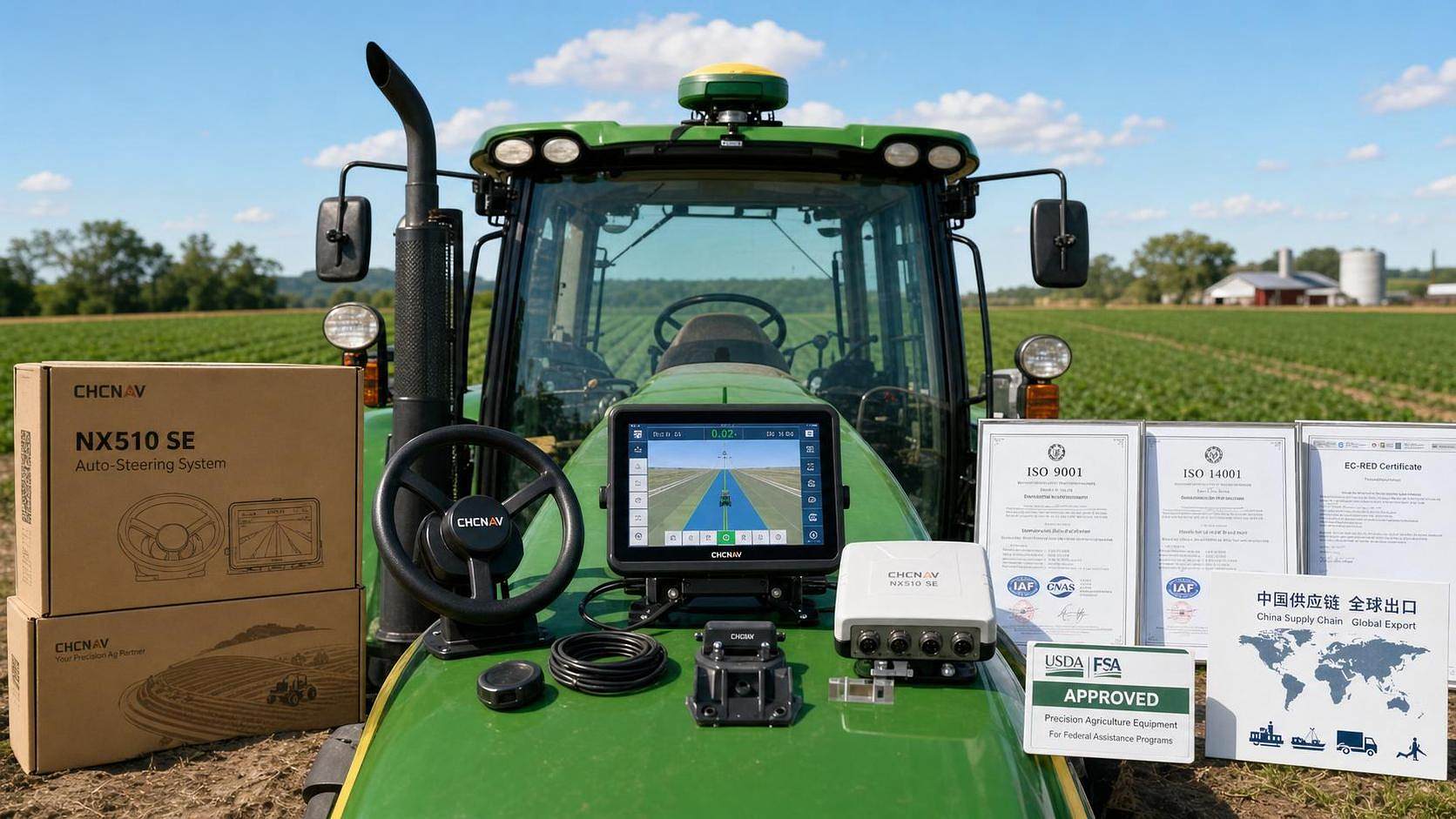




On June 28, 2026, the USDA expanded the scope of its Precision Ag Equipment Incentive Program (PAEIP) to include non-US-made GPS Guidance Systems that have passed ISO 11783-12:2025 certification. The update is especially relevant to Chinese manufacturers, North American distributors, procurement teams, and precision agriculture equipment channels because interoperability documentation from CNAS-accredited laboratories can now be used for direct subsidy applications of up to $12,000 per unit. For the market, the immediate point of attention is not only subsidy access itself, but also the resulting change in total cost of ownership for channel buyers sourcing smart guidance systems from China.
What the USDA Announcement Confirms
According to the information provided, the USDA announced on June 28, 2026 that PAEIP coverage has been extended to non-US-manufactured GPS Guidance Systems that meet ISO 11783-12:2025 certification requirements. The same information states that Chinese manufacturers may directly apply for subsidies of up to $12,000 per unit by submitting interoperability reports issued by CNAS-accredited laboratories. The confirmed business implication in the source material is that this policy change significantly reduces the total cost of ownership for North American channel partners purchasing Chinese intelligent navigation systems.
Where the Pressure and Opportunity May Appear First
Channel purchasing decisions may shift fastest
From an industry perspective, distributors and channel operators in North America are among the first groups likely to feel the practical effect of this change. The reason is straightforward: subsidy eligibility can alter landed commercial economics even when product selection criteria remain unchanged. The business impact is most likely to appear in sourcing evaluation, product portfolio planning, and pricing discussions with downstream customers. What deserves closer attention is whether buyers begin treating interoperability documentation and subsidy eligibility as a standard screening condition alongside product performance and delivery readiness.
Chinese equipment manufacturers face a more documentation-driven entry path
Analysis shows that for Chinese manufacturers, the announcement matters less as a broad market statement and more as a clearer compliance-based route into subsidy-linked sales opportunities. The affected business steps are likely to include certification preparation, lab report readiness, application document management, and coordination with channel partners. The key issue to watch is whether internal commercial teams and overseas partners can translate eligibility into executable sales processes without delays caused by incomplete technical or compliance files.
Procurement and supply chain service teams may need to adjust workflows
Observably, procurement teams and supply chain service providers may also be affected because subsidy access changes the structure of deal evaluation. The impact may show up in quotation logic, order timing, and supporting documentation checks. What they need to monitor is the gap between formal eligibility and smooth execution: even when a product qualifies, transaction speed can still depend on how consistently reports, certification references, and application materials are prepared across suppliers and channel partners.
What Companies Should Watch Now
Track whether official wording is followed by further rule detail
Analysis shows that the current announcement establishes expanded coverage and a direct application route based on CNAS-accredited interoperability reports. What companies should watch next is whether additional operational detail appears around document interpretation, application handling, or implementation practice. For commercial teams, the practical issue is that policy direction and transaction execution are not always synchronized.
Prioritize products that can clearly match the certification threshold
For manufacturers and channel partners, attention should center on the specific GPS Guidance Systems that can be aligned clearly with the stated ISO 11783-12:2025 requirement. This is not simply a marketing issue; it affects which SKUs can be positioned for subsidy-linked procurement conversations and which ones may require more preparatory work before entering active discussions.
Prepare subsidy-related files as a sales enablement tool
What deserves closer attention is the role of documentation in deal conversion. The information provided specifically points to interoperability reports from CNAS-accredited laboratories, which means technical and compliance records may become part of frontline business preparation rather than a back-office afterthought. Suppliers and distributors should therefore pay attention to document completeness, consistency, and handoff speed in customer-facing workflows.
Separate cost advantage from full delivery readiness
Observably, a lower total cost of ownership can improve purchasing interest, but it does not automatically resolve every business variable. Companies should distinguish between subsidy-enhanced price competitiveness and actual readiness across ordering, delivery, customer communication, and after-sales coordination. In practice, that distinction may shape whether the policy change creates short-term inquiries only or translates into stable channel business.
Why This Looks Like a Strong Signal, but Not Yet a Final Market Outcome
Analysis shows that this development is best understood as a meaningful policy and market-access signal rather than as a completed competitive outcome. The confirmed facts point to broader subsidy eligibility and a direct compliance route for Chinese manufacturers, which is material for procurement economics. At the same time, the available information does not by itself confirm the pace of adoption, the volume of approved applications, or the extent of downstream sales conversion. That is why the industry still needs to watch execution, not just announcement language.
How to Read the Development at This Stage
At this stage, it is more appropriate to understand the USDA move as a practical reduction in entry friction for eligible non-US GPS Guidance Systems, especially those supplied from China with the required interoperability documentation. Its industry significance lies in how it may reshape procurement evaluation and channel cost calculations, not in any guaranteed market result already achieved. For manufacturers, distributors, and sourcing teams, the immediate value is in clarifying qualification pathways and preparing for implementation details that could determine whether the policy shift becomes real business momentum.
About the Basis of This Article
This article is based on the user-provided news title, event date, and event summary. For this type of development, relevant source categories typically include official government announcements, company statements, industry association updates, standards organization documents, and reporting from authoritative trade media. A specific official source link was not provided in the input, so the exact wording and subsequent implementation details still require ongoing verification. Further attention should be given to any follow-up official clarification related to application practice, certification interpretation, and subsidy execution.
Related News

How to Select Precision Crop Protection Equipment for Variable Field Conditions
Precision crop protection equipment selection made simple: compare terrain, canopy, weather, control accuracy, and data workflows for reliable applications.

When Does Agricultural Machinery Leasing Cost Less Than Owning Equipment?
Agricultural machinery leasing can lower farm costs when use is seasonal or uncertain. Compare utilization, maintenance, cash flow, and risk to make a smarter equipment decision.
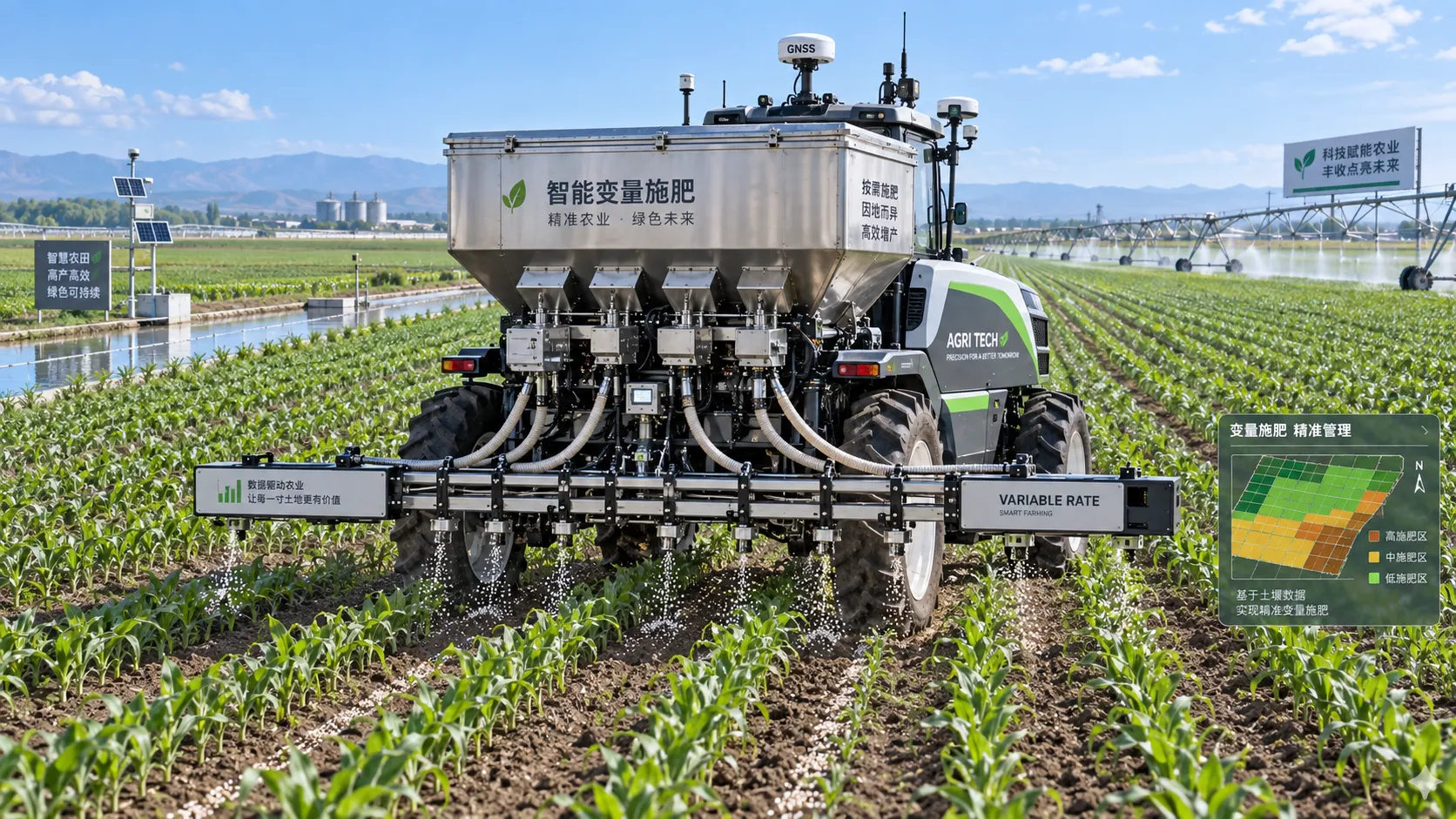
How to Evaluate Precision Fertilization System Suppliers for Farm-Scale Deployment
Precision fertilization systems suppliers: learn how to compare accuracy, integration, uptime, service, and total cost for confident farm-scale deployment.

ISOBUS for Smart Agriculture: How It Connects Tractors, Implements, and Farm Data
ISOBUS for smart agriculture connects tractors, implements, terminals, and farm data—helping growers improve precision, documentation, and smarter field decisions.
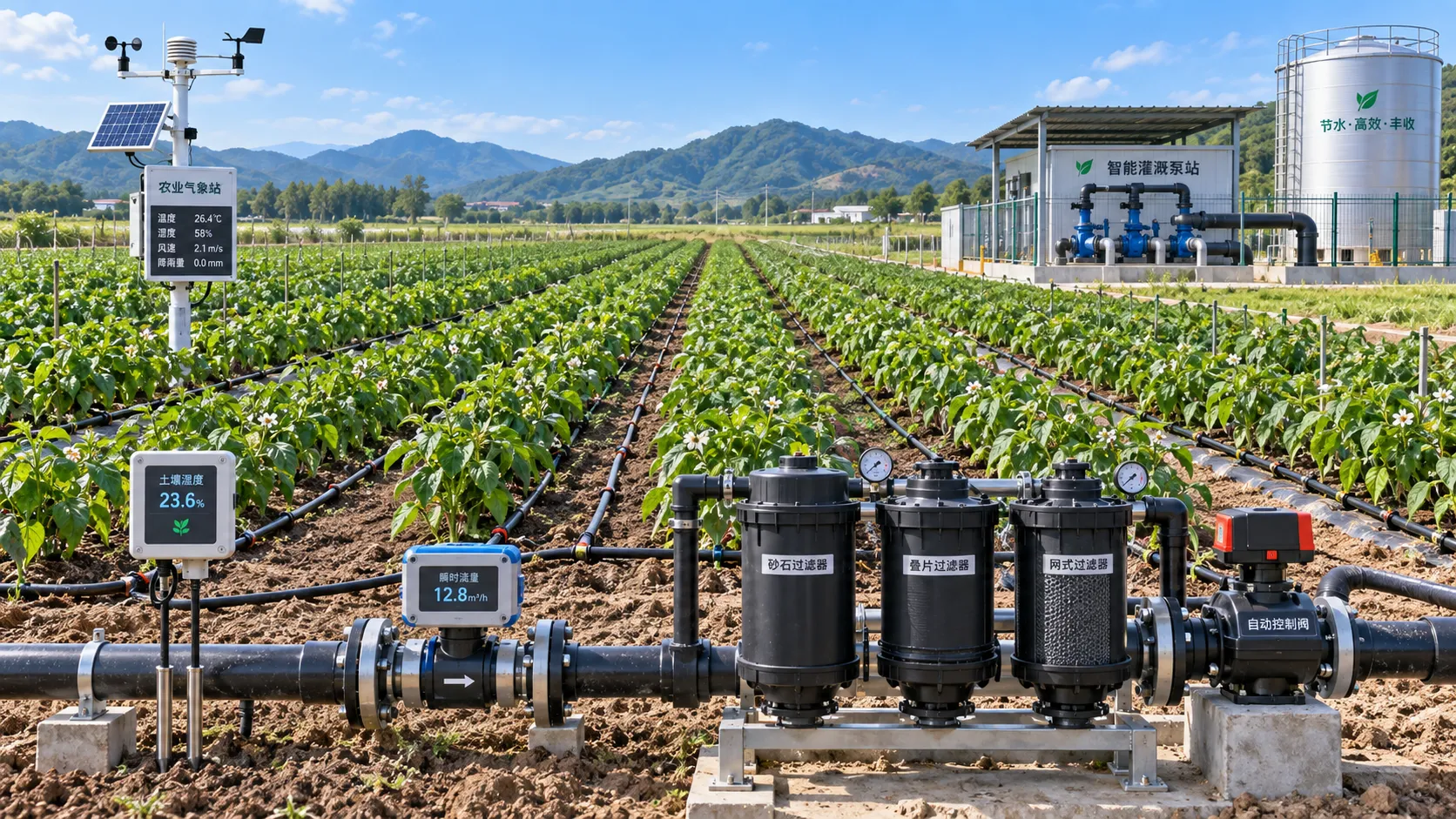
Automated Water-Saving Irrigation: How to Cut Water Use Without Reducing Crop Yields
Automated water-saving irrigation helps farms cut water use, protect crop yields, improve scheduling, and gain reliable control with sensors, flow monitoring, and smart zones.

Selecting Grain Farm Equipment by Acreage, Crop Mix, and Harvest Window
Agricultural equipment selection for grain farming: match machinery to acreage, crop mix, and harvest windows to improve uptime, efficiency, and returns.
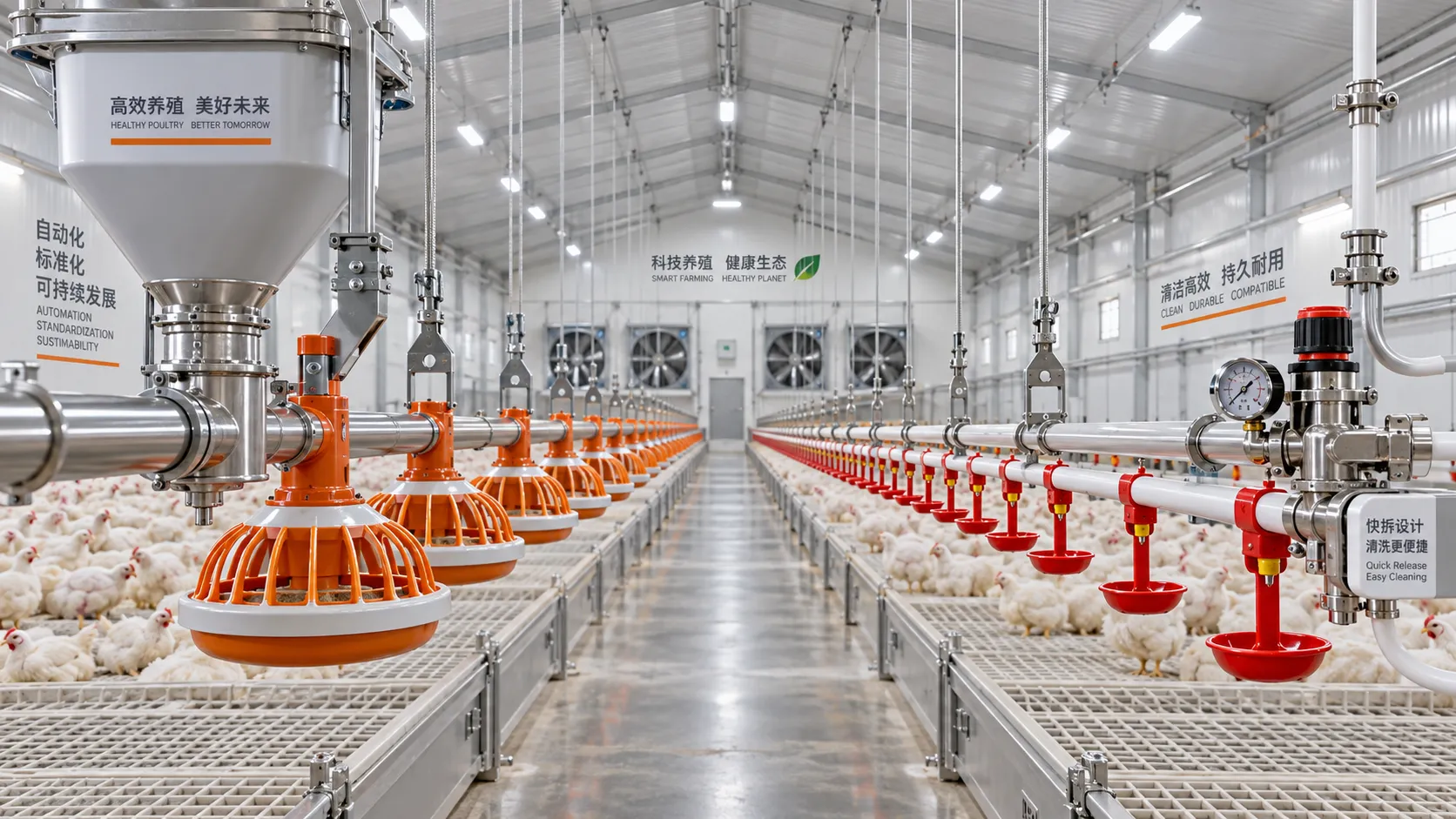
Poultry Equipment Selection: Evaluating Durability, Cleaning, and Compatibility
Poultry equipments selection guide: evaluate durability, cleaning access, and system compatibility to improve hygiene, reduce downtime, and support efficient flock management.

How to Select Heavy-Duty Farm Implements for High-Acreage, High-Horsepower Operations
Heavy duty farm implements: learn how to match draft, hydraulics, hitch capacity, frame strength, and field conditions for reliable high-acreage performance.
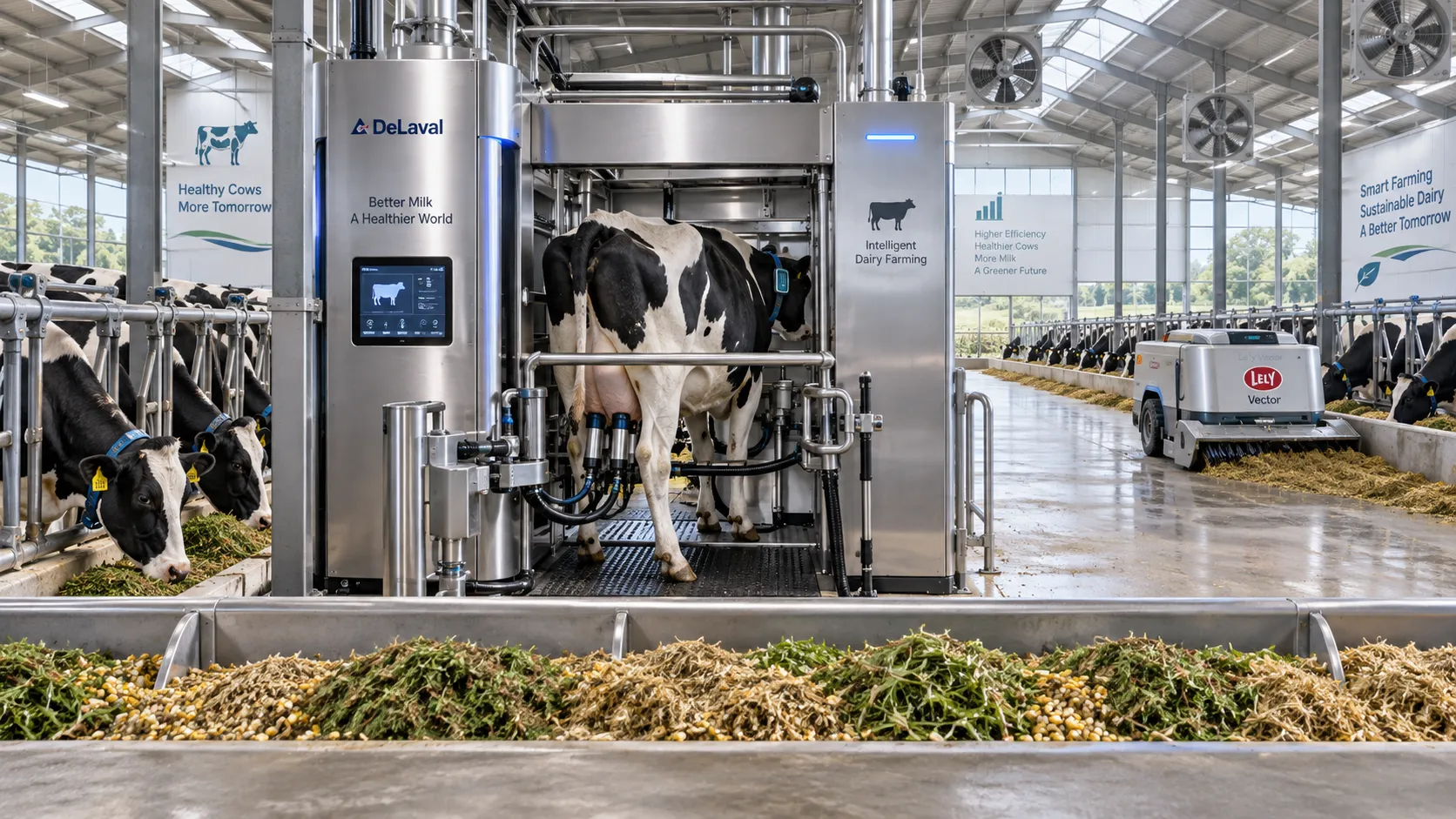
Smart Farming Technology for Dairy Farms: Where Automation Delivers Measurable ROI
Smart farming technology for dairy farms delivers measurable ROI through automation, precision feeding, health monitoring, and data-driven cost control.
Related News
- 00
0000-00
ISOBUS for Smart Agriculture: How It Connects Tractors, Implements, and Farm Data - 00
0000-00
How North American Farms Can Select Crop Monitoring Systems by Acreage and Connectivity - 00
0000-00
How Tractor Intelligence Systems Improve Field Efficiency and Input Accuracy - 00
0000-00
Which equipment for larger fields maintains accuracy at higher speeds? - 00
0000-00
What should a digital ag platform integrate before a farm-wide rollout?
Popular Tags
Tractor Power Architect
Weekly Insights
Stay ahead with our curated technology reports delivered every Monday.