
EU Launches Transition Review for Smart Tractor CE Rules
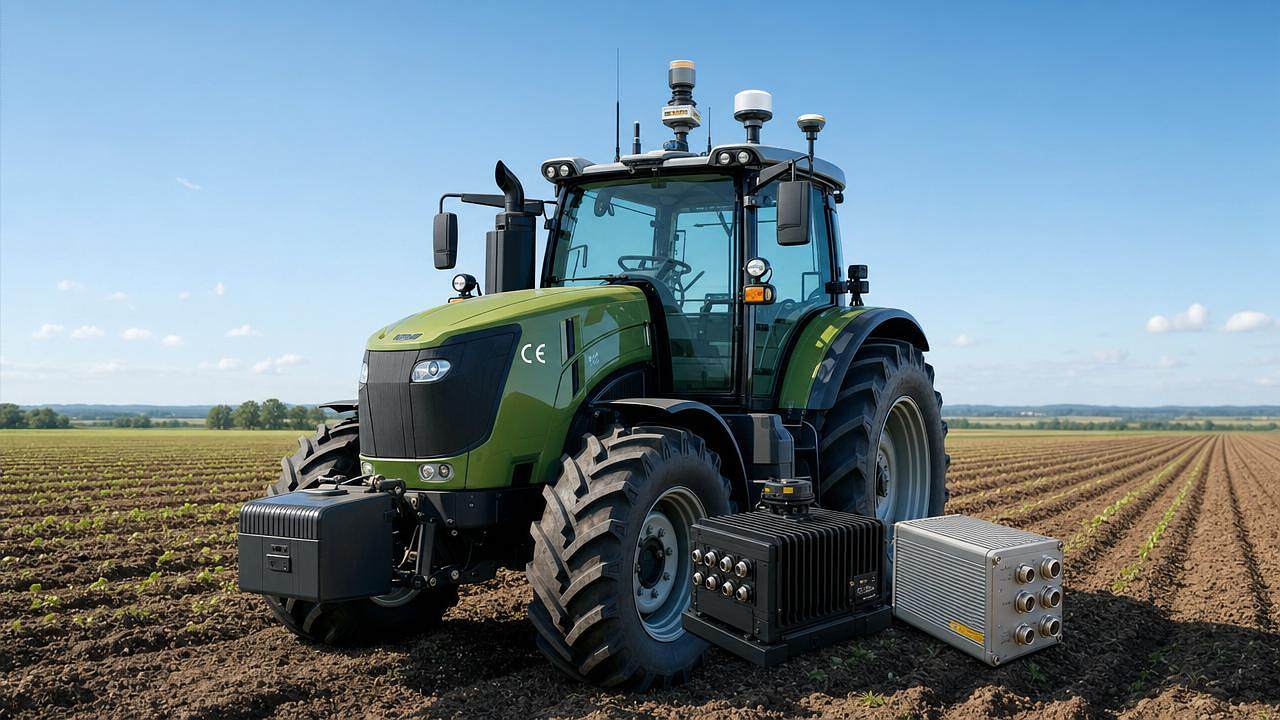




Brussels, May 21, 2026 — The European Commission has initiated a formal transition period review of the revised Machinery Regulation (EU) 2026/892, introducing new conformity requirements for autonomous agricultural machinery entering the EU market. Effective January 1, 2027, GPS-guided seeders and variable-rate fertilizer applicators must integrate on-device data storage modules compliant with GDPR’s localization principles. The move signals a structural shift from functional safety toward data sovereignty as a core CE compliance criterion — impacting global supply chains for precision farming equipment.
Event Overview
The European Commission announced on May 21, 2026 that, under Regulation (EU) 2026/892, all autonomous navigation seeders and variable-rate fertilizer applicators placed on the EU market from January 1, 2027 onward must be equipped with built-in local data storage modules meeting GDPR-compliant data localization standards. Chinese OEMs have commenced adaptation efforts; however, firmware and hardware integration is expected to extend delivery timelines by six to eight weeks. Importers in the EU are advised to verify device firmware versions and data architecture compatibility prior to shipment.
Industries Affected
Direct Trading Enterprises
Export-oriented distributors and EU-based importers face heightened pre-market verification burdens. Non-compliant units risk customs detention or refusal of CE marking. Since data architecture validation requires firmware-level testing — not just documentation — lead time for import clearance may increase by 10–14 days per batch. Contractual liability clauses in distribution agreements now require explicit data storage compliance warranties.
Raw Material Procurement Enterprises
Suppliers of embedded storage components (e.g., industrial-grade eMMC modules, secure microcontrollers with TPM 2.0 support) report rising demand for GDPR-aligned firmware stacks and certified write-locking capabilities. However, no new component certifications have been issued under the regulation yet; procurement teams must now prioritize vendors offering traceable, auditable data handling logs — not just capacity or endurance specs.
Manufacturing Enterprises
OEMs and contract manufacturers must redesign PCB layouts and firmware architectures to accommodate tamper-resistant local storage, including power-fail-safe write protocols and encrypted metadata indexing. This affects both Tier-1 system integrators and Tier-2 module assemblers. Notably, the requirement applies only to machines with autonomous navigation functions — manual or semi-auto variants remain exempt, creating a product segmentation challenge in production planning.
Supply Chain Service Providers
Certification bodies and notified bodies face capacity constraints: only 12 EU-accredited labs currently offer combined EMC + data sovereignty testing per Annex IV of 2026/892/EU. Logistics providers must now retain firmware version records and storage module serial traceability across consignments — adding documentation layers to standard customs declarations.
Key Focus Areas and Recommended Actions
Verify firmware version against Annex VI technical specifications
Importers must obtain signed declarations from manufacturers confirming firmware build dates and storage module firmware revision numbers. Version mismatches — especially those lacking GDPR-mandated audit log rotation intervals — trigger mandatory retesting.
Assess data architecture compatibility before order placement
Buyers should request architectural schematics showing data flow paths between GNSS receivers, control units, and storage modules. Systems relying on cloud-synced buffers without local persistence — even if temporarily cached — fail compliance.
Factor in extended lead times for CE renewal cycles
Re-certification under the new rule requires full Type Examination, not just supplementary reports. Manufacturers report average renewal cycles extending from 4 to 12 weeks — making Q4 2026 deliveries particularly vulnerable to delays.
Editorial Perspective / Industry Observation
Analysis shows this is not merely a data privacy extension but a deliberate calibration of regulatory leverage: by anchoring CE conformity to localized data handling, the EU effectively raises the barrier for non-EU software-defined machinery. Observably, the timing aligns with ongoing negotiations on the EU-US Data Privacy Framework — suggesting strategic alignment between trade policy and digital sovereignty goals. From an industry perspective, the requirement favors vertically integrated OEMs over modular platform providers, as firmware-hardware co-design becomes non-negotiable. Current more relevant than compliance timelines is the precedent set: future revisions may extend similar localization mandates to telemetry, AI model weights, or edge inference logs.
Conclusion
This regulation marks a material inflection point — shifting CE certification from mechanical interoperability to data governance maturity. It does not signal protectionism per se, but rather institutionalizes data residency as infrastructure, much like electromagnetic compatibility or noise emission limits were decades ago. For global manufacturers, adapting is less about cost than about redefining what constitutes ‘finished’ hardware in the age of embedded intelligence.
Source Attribution
Official text: Regulation (EU) 2026/892 of the European Parliament and of the Council amending Directive 2006/42/EC on machinery (OJ L 152, 21.5.2026, p. 1).
Implementation guidance: European Commission Notice C/2026/3217 (May 21, 2026), Annex IV & Annex VI.
Notified body list: NANDO database, updated May 20, 2026 (reference code M0042).
Note: Final interpretation of ‘real-time data’ scope and acceptable encryption standards remains pending EC interpretative guidance — scheduled for release Q3 2026.
Related News
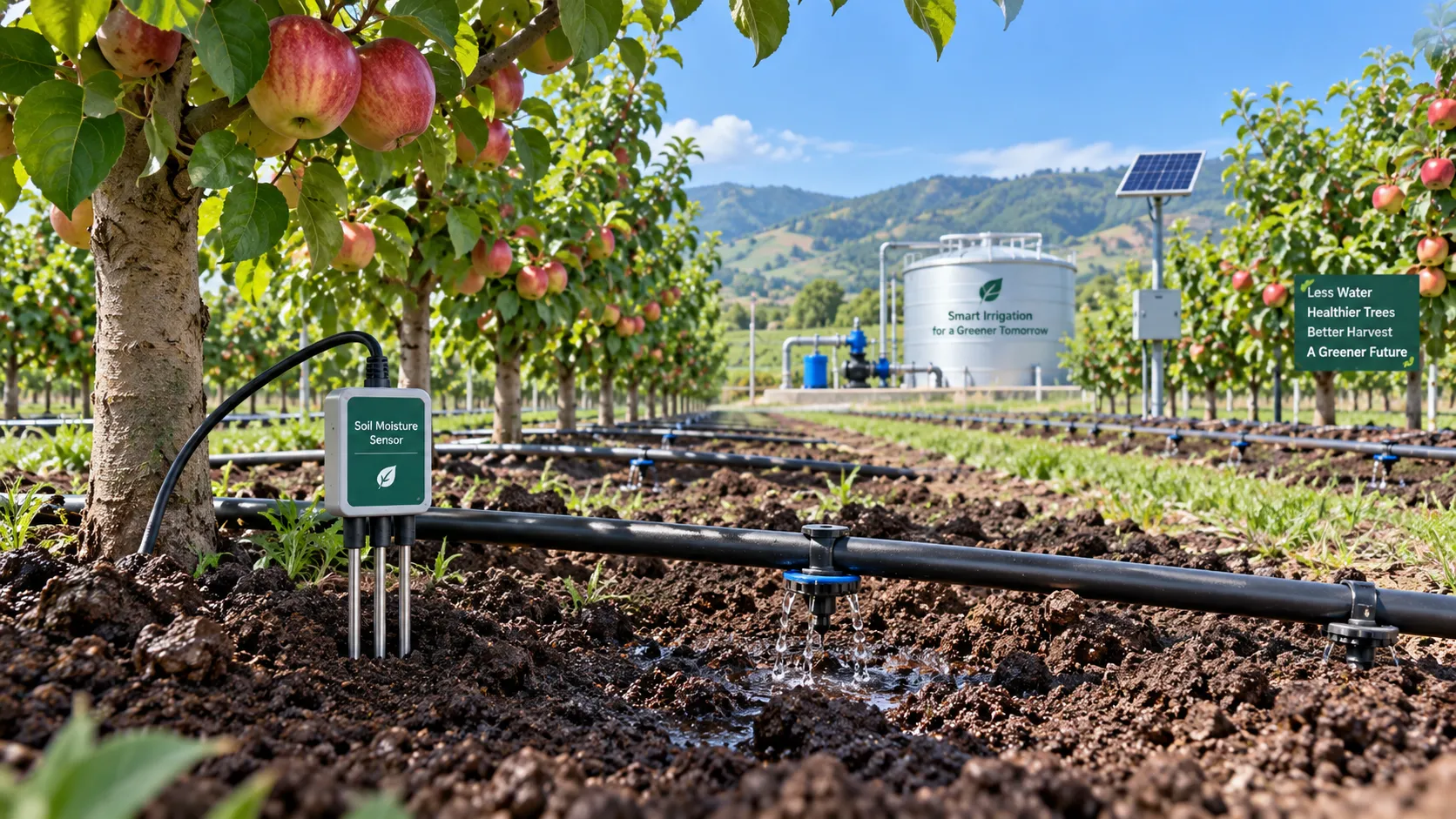
Orchard Water Management: Using Soil Moisture Data to Schedule Irrigation
Agricultural water management for orchards made practical: use soil moisture data to optimize irrigation timing, protect yield, reduce costs, and improve resilience.
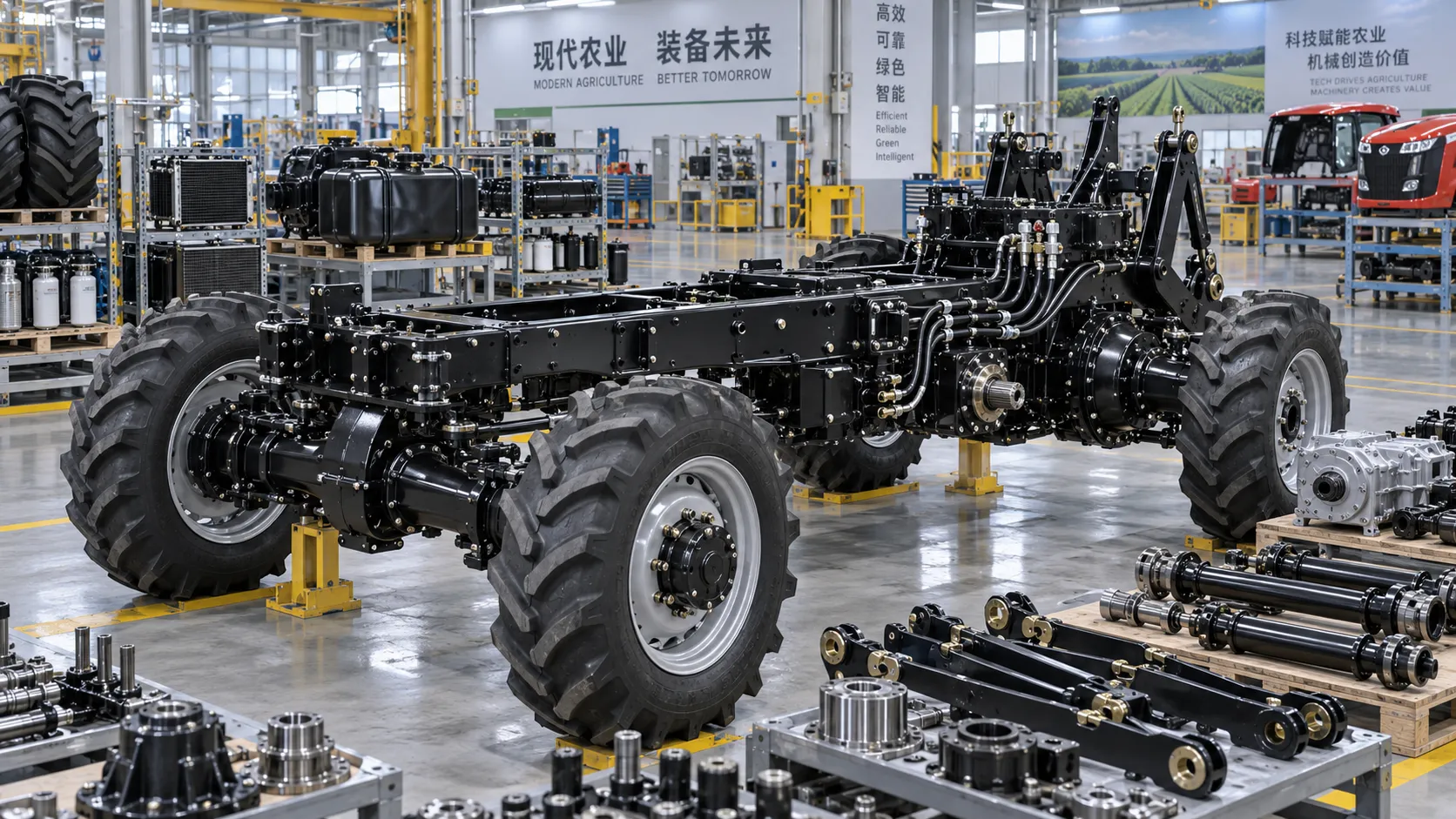
Tractor Chassis Price: What Buyers Should Compare Beyond the Initial Quote
Tractor chassis price is only the start. Compare load capacity, compatibility, durability, and lifecycle costs to choose a reliable, high-value chassis.
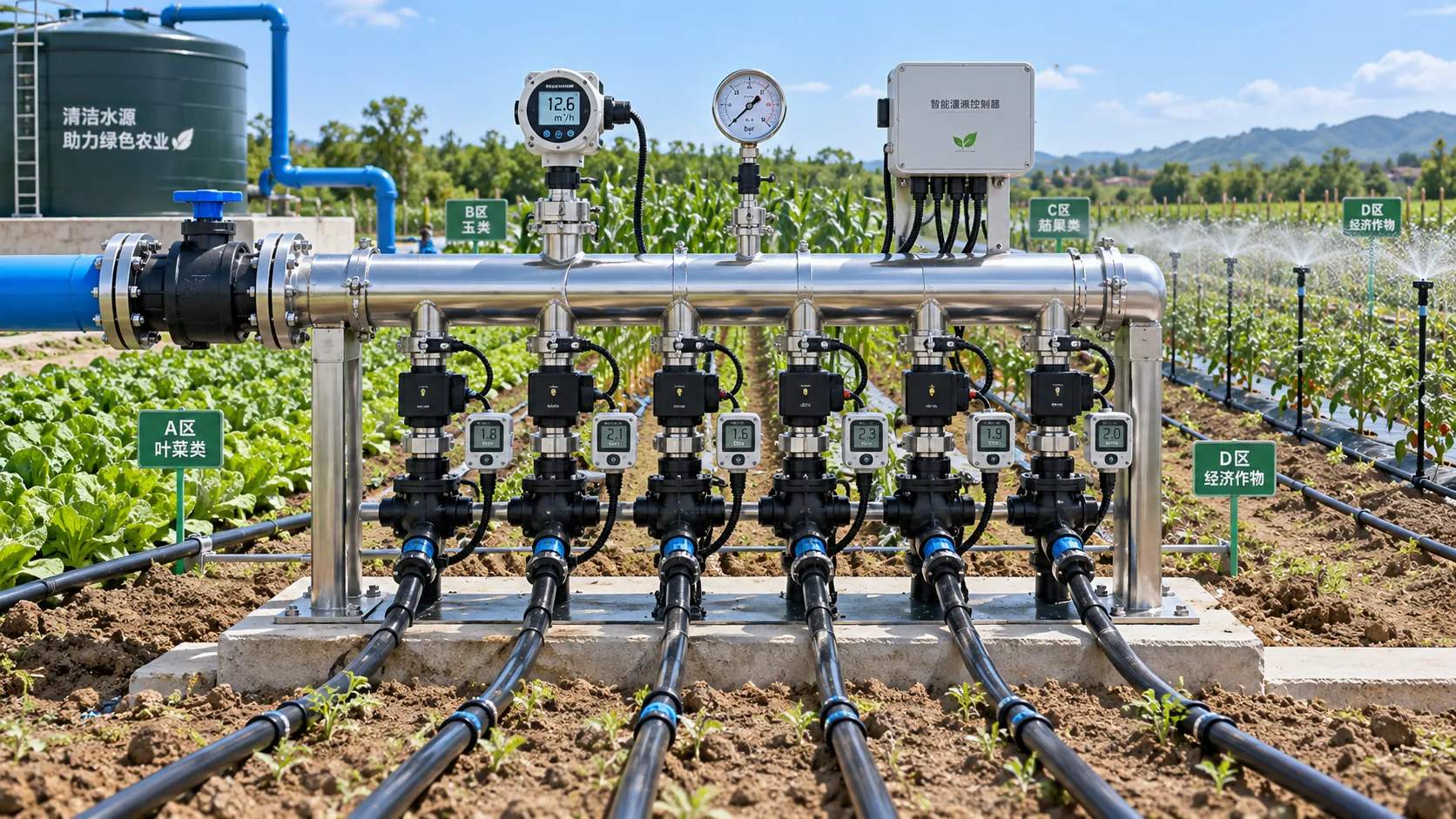
How to Select Smart Irrigation Valves for Multi-Zone Water Management?
Intelligent irrigation systems valves: learn how to match smart valves with multi-zone flow, pressure, control, feedback, and communication needs for reliable water management.
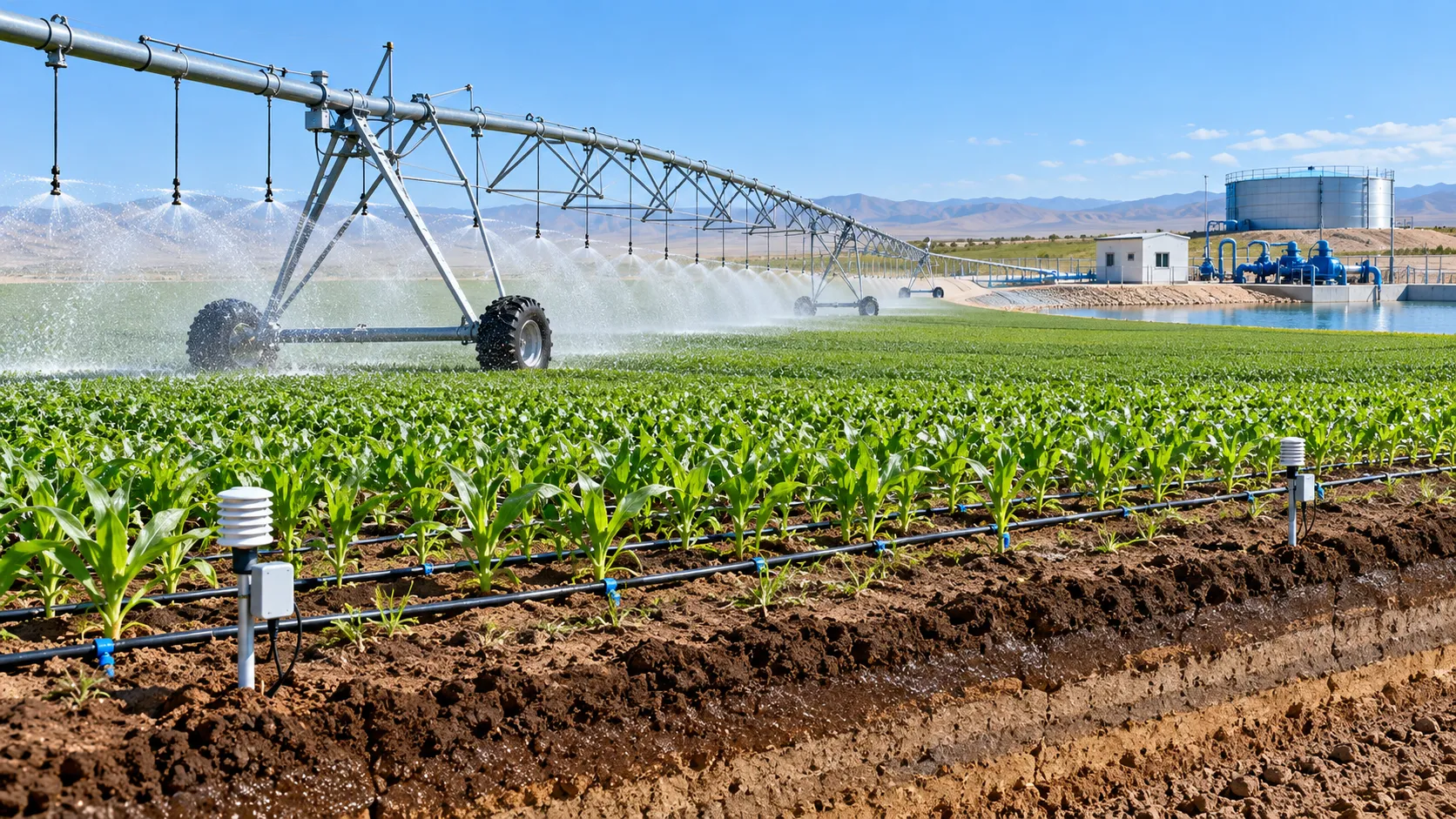
Climate-Smart Farming for Drought: A Practical Plan for Protecting Yields
Climate-smart farming for drought: build smarter water budgets, protect critical crop stages, improve irrigation uniformity, and safeguard yields with practical field-proven strategies.
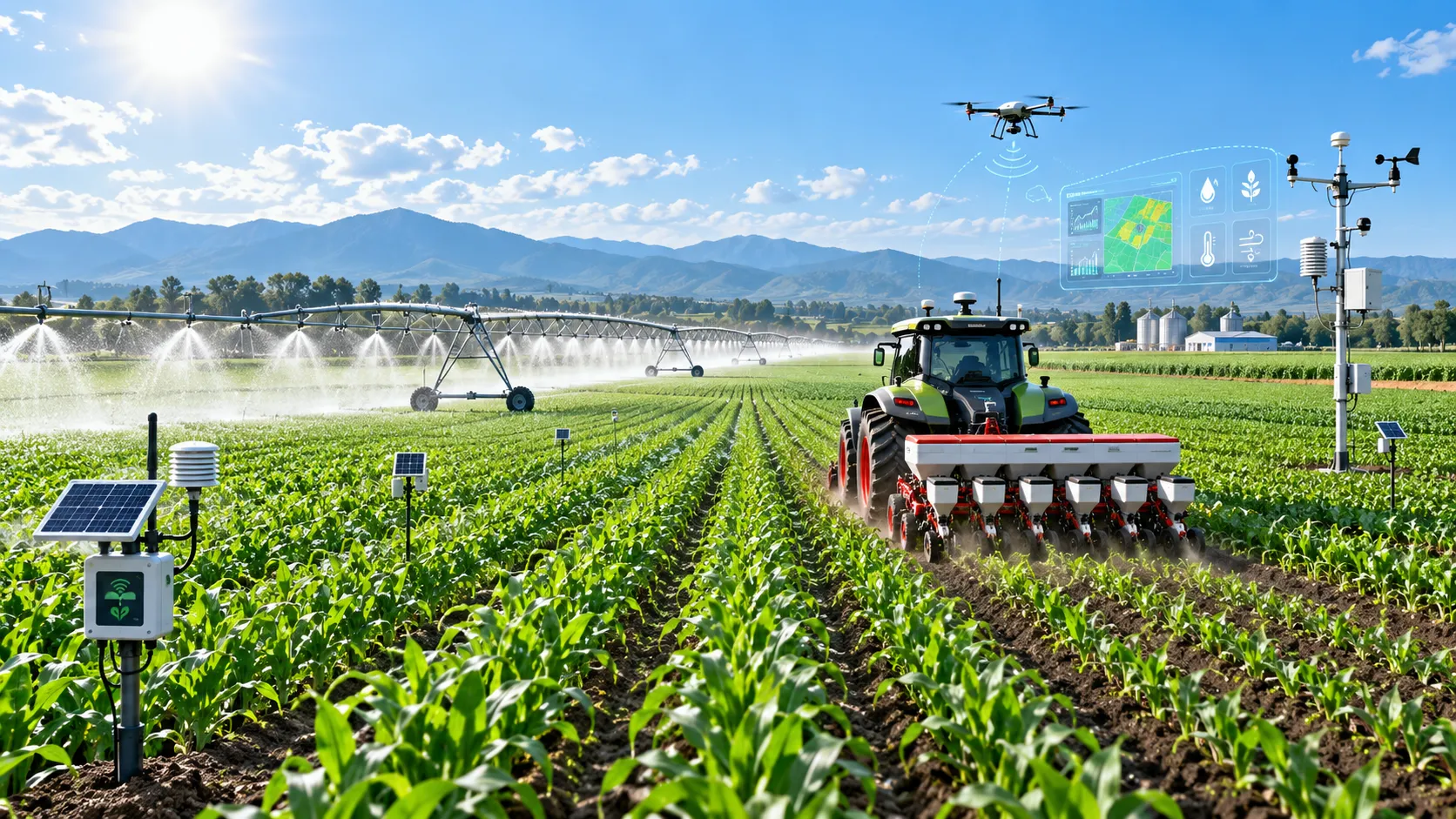
How Digital Agriculture Platforms Turn Field Data Into Better Input Decisions
Digital agriculture platforms turn field data into smarter fertilizer, water, seed, and equipment decisions—helping farms cut risk, improve margins, and scale sustainability.
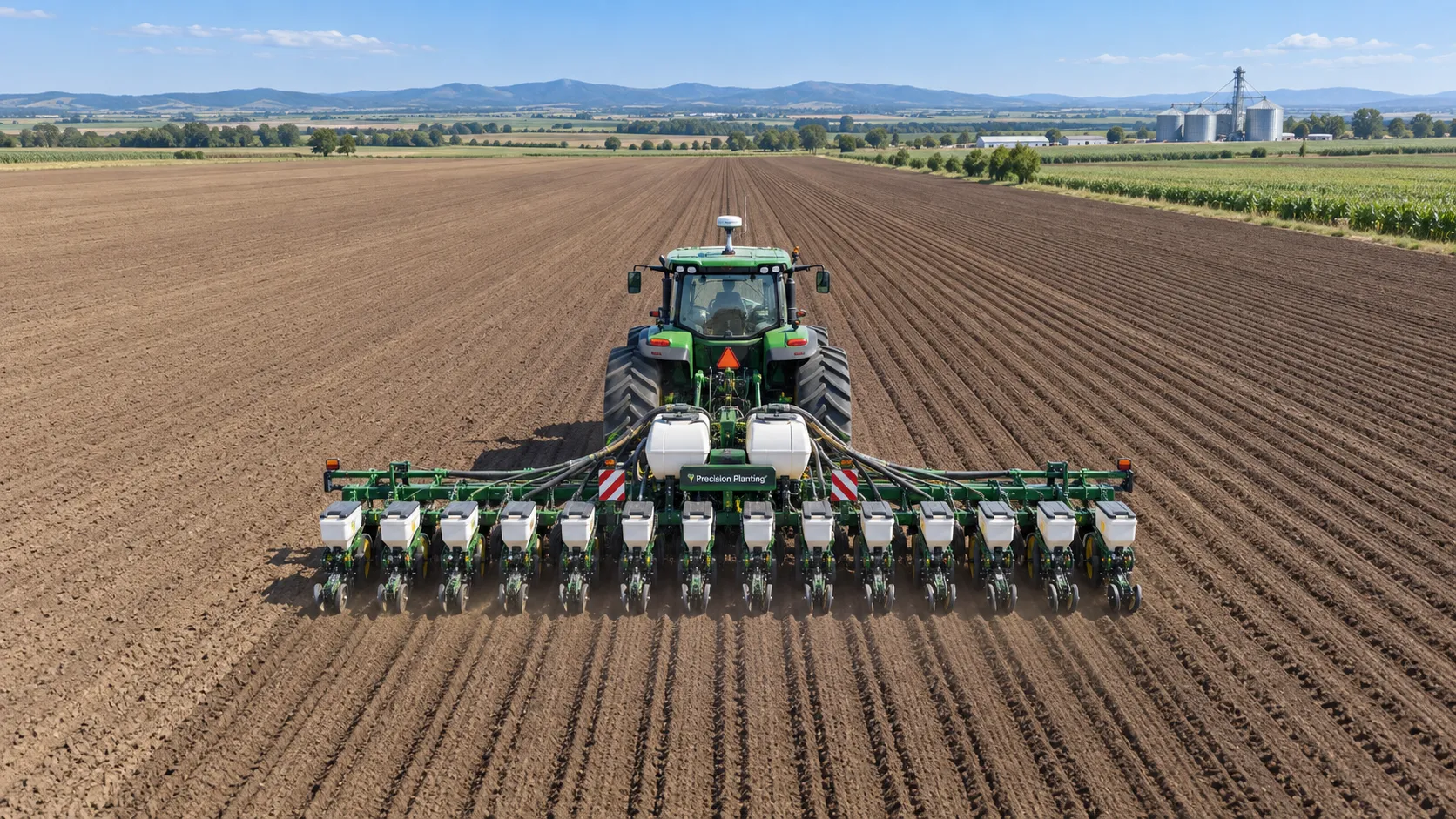
GPS-Guided Farm Machinery: Where It Delivers Measurable Field Efficiency Gains
Agri-mechanization GPS guided systems deliver measurable field efficiency gains through reduced overlap, precise planting, smarter inputs, and reliable farm data.
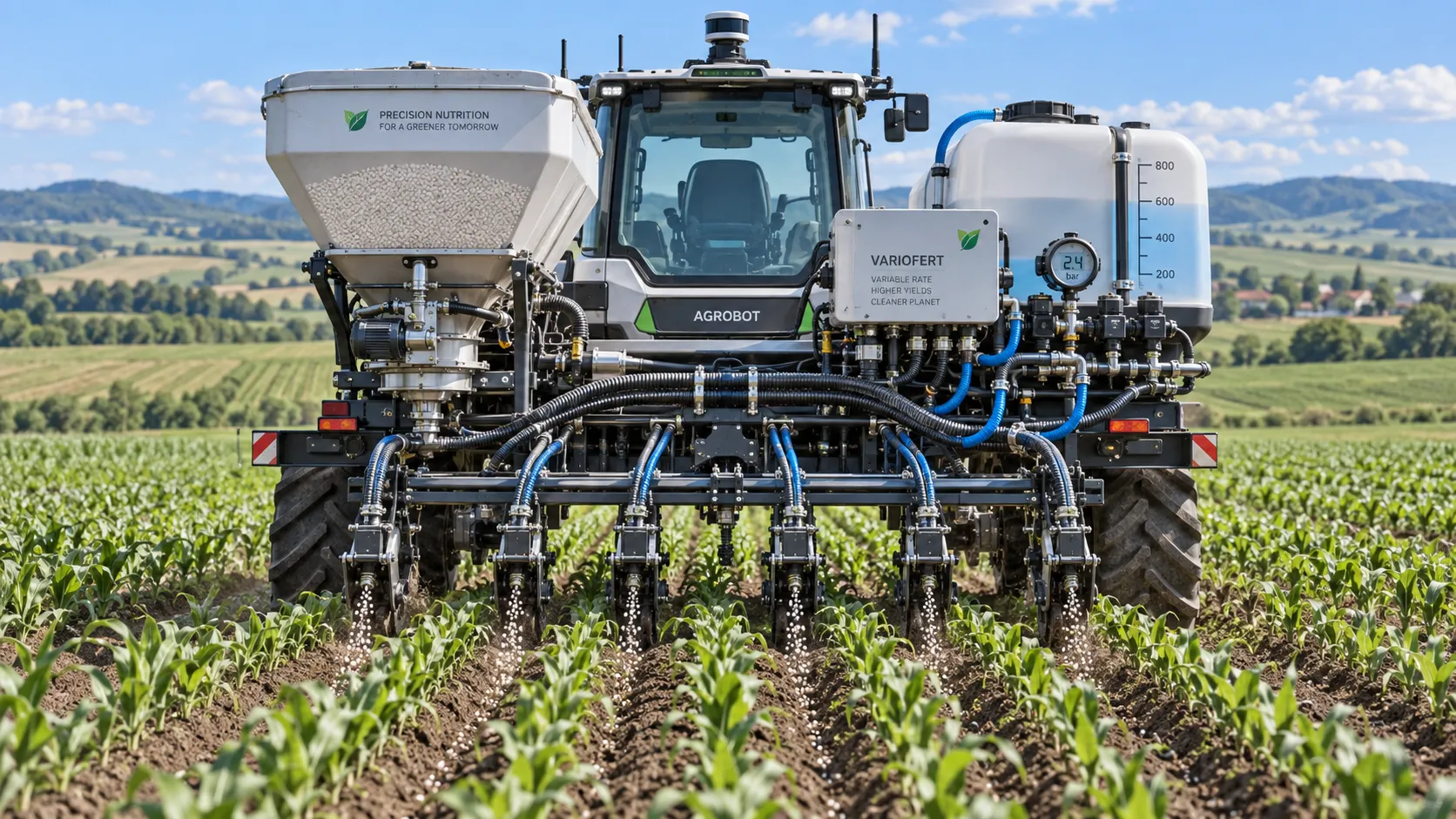
How Sensor Feedback Enables Accurate Variable-Rate Fertilization in Field Conditions
Precision fertilization systems with sensor feedback improve variable-rate accuracy by verifying flow, managing latency, and ensuring reliable field application.

How to Select Precision Crop Protection Equipment for Variable Field Conditions
Precision crop protection equipment selection made simple: compare terrain, canopy, weather, control accuracy, and data workflows for reliable applications.

When Does Agricultural Machinery Leasing Cost Less Than Owning Equipment?
Agricultural machinery leasing can lower farm costs when use is seasonal or uncertain. Compare utilization, maintenance, cash flow, and risk to make a smarter equipment decision.
Related News
- 00
0000-00
GPS-Guided Farm Machinery: Where It Delivers Measurable Field Efficiency Gains - 00
0000-00
ISOBUS for Smart Agriculture: How It Connects Tractors, Implements, and Farm Data - 00
0000-00
How North American Farms Can Select Crop Monitoring Systems by Acreage and Connectivity - 00
0000-00
How Tractor Intelligence Systems Improve Field Efficiency and Input Accuracy - 00
0000-00
Which equipment for larger fields maintains accuracy at higher speeds?
Popular Tags
Tractor Power Architect
Weekly Insights
Stay ahead with our curated technology reports delivered every Monday.