
EPA Rule Requires RTK Interference Certification for Imported GPS Guidance Systems
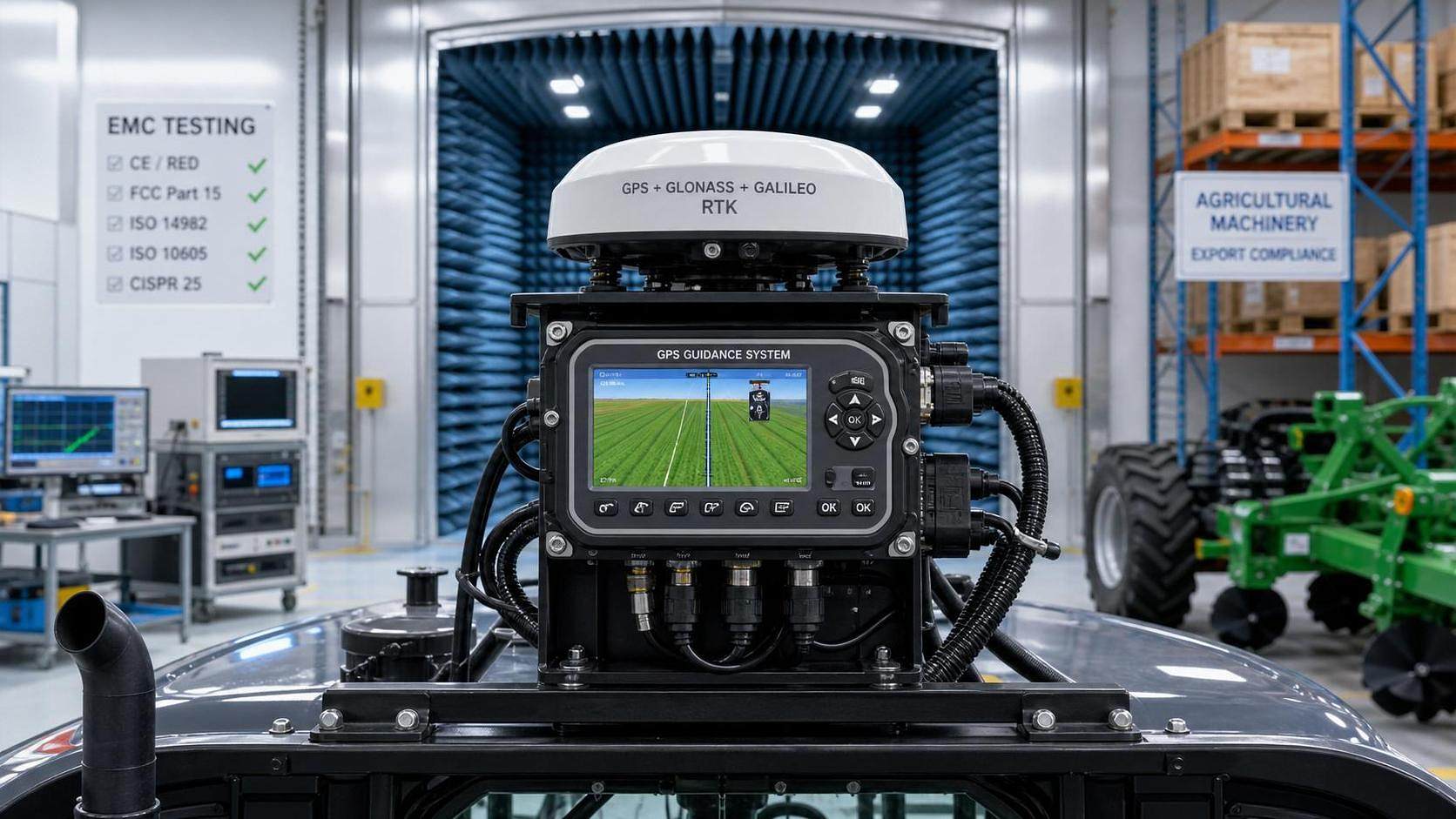




Effective July 1, 2026, a new U.S. Environmental Protection Agency rule brings an immediate compliance requirement for imported GPS Guidance Systems: products must pass a newly added EMC-RTK-2026 test covering RTK real-time kinematic signal resistance to multipath interference and electromagnetic compatibility. This matters not only for import clearance and EPA registration, but also for North American distributor access, compliance in end-use agricultural machinery integration, and the legality of after-sales OTA upgrades. For exporters, distributors, integrators, and service-linked businesses, the development deserves close attention because it affects market entry and post-delivery compliance at the same time.
What the new requirement changes
According to the provided information, the EPA rule took effect on July 1, 2026. Under the new requirement, all imported GPS Guidance Systems must pass a mandatory EMC-RTK-2026 test. The test adds two compliance dimensions: anti-multipath interference performance for RTK real-time kinematic signals and electromagnetic compatibility.
If a product does not complete this certification, it cannot finish EPA registration or customs clearance. The information provided also states that the requirement directly affects distributor access in the North American market, compliance for integration into end-use agricultural machinery, and the legality of after-sales OTA upgrades. In addition, Chinese OEM manufacturers are required to complete third-party laboratory pre-testing before export.
Where the impact is likely to be felt first
Pressure shifts upstream for export-oriented manufacturers
From an industry perspective, manufacturers that ship GPS Guidance Systems into North America are likely to face the earliest impact because the rule applies before products can complete registration and clearance. The operational effect is concentrated in export preparation, testing arrangements, technical documentation, and shipment timing. What deserves closer attention is whether products intended for the U.S. market are aligned with the new testing requirement before dispatch.
Distributor access becomes tied more closely to compliance status
North American distributors may be affected because the information provided links the new certification directly to market access. In practical terms, distributor onboarding, product listing decisions, and inventory planning could become more dependent on whether imported units have passed the required EMC-RTK-2026 process. The key change to monitor is the shift from product availability to certifiable product availability.
Machinery integrators face a downstream compliance check
For companies integrating GPS Guidance Systems into agricultural machinery, the issue is not only product performance but also whether the integrated system remains compliant in the target market. Analysis shows that the impact is likely to appear in project selection, component approval, and delivery readiness for agricultural equipment using imported guidance systems.
After-sales and software-linked services also come into scope
The provided information specifically notes the legality of after-sales OTA upgrades. That means service providers and brands operating update-based support models may need to treat compliance as an ongoing commercial condition rather than a one-time import formality. Observably, the rule reaches beyond the initial sale and into post-sale operational support.
What companies should monitor now
Separate confirmed rule content from later implementation detail
Companies should first distinguish between the confirmed requirement and any later operational interpretation. The confirmed fact is that the new test is mandatory for imported GPS Guidance Systems and is tied to EPA registration and customs clearance. What still requires continued attention is whether future official wording, implementation notices, or procedural clarifications further define documentation, review flow, or enforcement practice.
Review which product lines are exposed to the U.S. import path
Businesses should identify which GPS Guidance Systems are intended for the U.S. market and whether those products are tied to RTK-based positioning, machinery integration programs, or OTA-enabled service models. This is a practical priority because the compliance consequence is linked not only to import entry but also to downstream distribution and service legality.
Recheck testing schedules and third-party laboratory readiness
The information provided states that Chinese OEM manufacturers need third-party laboratory pre-testing before export. For affected suppliers, this makes testing capacity, scheduling, and report readiness a near-term operational issue. The business concern here is not abstract policy awareness but whether export plans can proceed with complete pre-shipment compliance preparation.
Prepare customer and channel communication around delivery conditions
For exporters, distributors, and integration partners, the rule may affect delivery commitments, approval timelines, and post-sale support expectations. Analysis shows that companies should be prepared to communicate clearly with customers and channel partners about certification status, documentation readiness, and any compliance conditions attached to shipment or software support.
Why this should be read as more than a routine import update
Observably, this development is not limited to a narrow customs formality. It connects import eligibility, market access, integration compliance, and OTA-related legality in one rule path. That combination suggests a broader compliance threshold for GPS Guidance Systems entering the North American market.
At the same time, it is more appropriate to understand this as a confirmed regulatory change with ongoing implementation questions, rather than as a fully closed outcome with every operational detail already settled. The rule itself is in effect, but its practical impact on timing, workflows, and channel behavior still needs continued observation through official follow-up and market execution.
How the market is likely to frame this development
Based on the provided facts, the immediate significance lies in compliance gating: products that fail the new EMC-RTK-2026 requirement cannot complete EPA registration or clear customs. From an industry perspective, that makes this a concrete short-term operating issue for affected shipments.
At the same time, the linkage to distributor access, agricultural machinery integration, and after-sales OTA legality gives the update a longer policy signal. It is more appropriate to understand this as both an active compliance requirement and a sign that technical certification expectations around imported guidance systems are becoming more closely tied to commercial access and lifecycle support.
Basis of this article and points for continued verification
This article is based on the user-provided news title, event date, and event summary. The facts cited here are limited to the provided information: the EPA rule effective date of July 1, 2026, the mandatory EMC-RTK-2026 testing requirement for imported GPS Guidance Systems, the consequence for EPA registration and customs clearance, the stated impact on North American distributor access, agricultural machinery integration compliance, after-sales OTA upgrade legality, and the pre-export third-party laboratory pre-testing requirement for Chinese OEM manufacturers.
For developments of this kind, relevant source types usually include official agency notices, company announcements, industry association releases, authoritative media coverage, and standard or testing-related documents. A specific official source link was not provided in the input, so the exact underlying publication still needs continued verification. Follow-up attention should focus on any official clarification of implementation procedures, compliance documentation expectations, and downstream enforcement in distribution, integration, and OTA-related business activities.
Related News

Climate-Smart Farming for Drought: A Practical Plan for Protecting Yields
Climate-smart farming for drought: build smarter water budgets, protect critical crop stages, improve irrigation uniformity, and safeguard yields with practical field-proven strategies.

How Digital Agriculture Platforms Turn Field Data Into Better Input Decisions
Digital agriculture platforms turn field data into smarter fertilizer, water, seed, and equipment decisions—helping farms cut risk, improve margins, and scale sustainability.
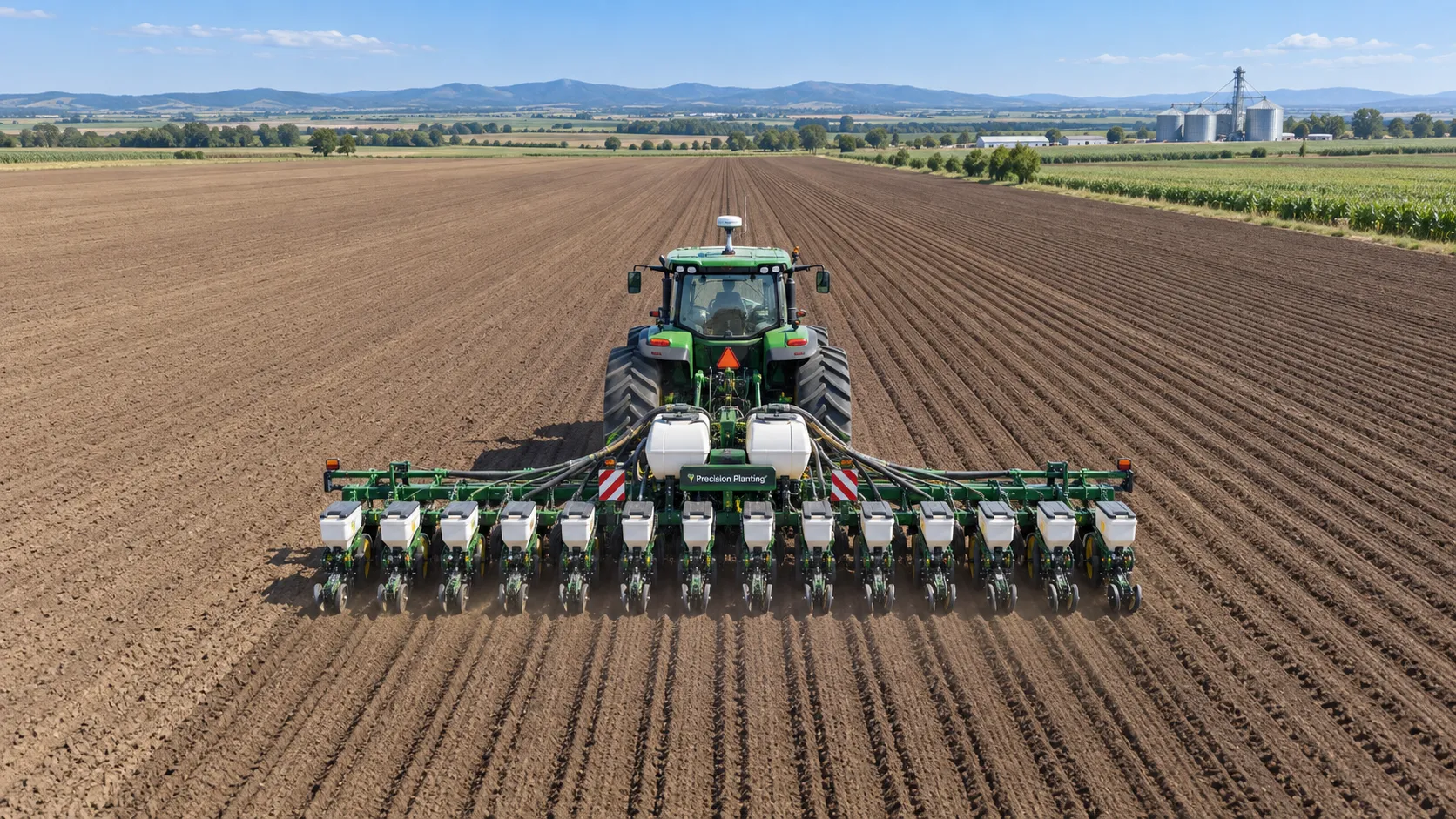
GPS-Guided Farm Machinery: Where It Delivers Measurable Field Efficiency Gains
Agri-mechanization GPS guided systems deliver measurable field efficiency gains through reduced overlap, precise planting, smarter inputs, and reliable farm data.
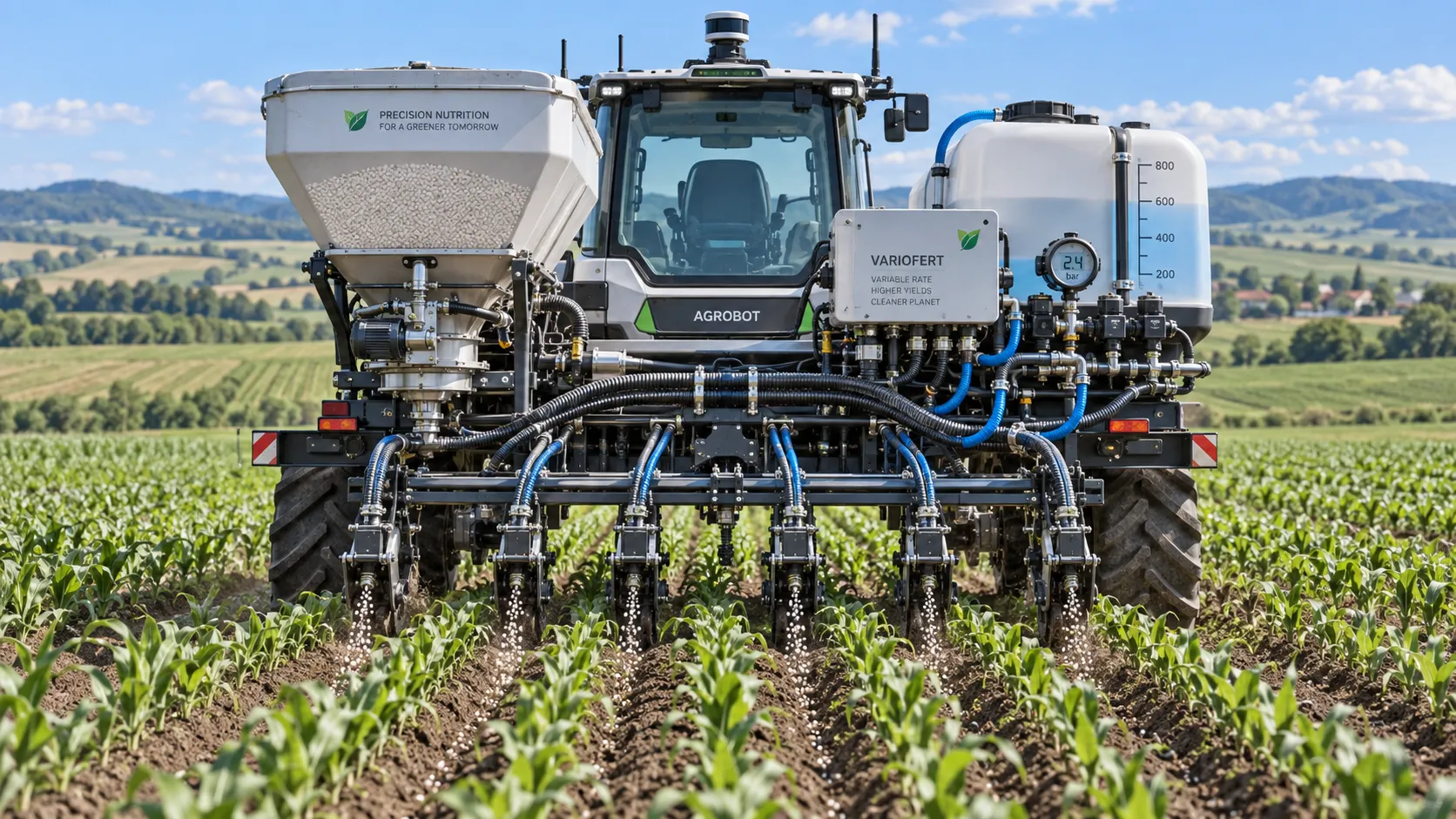
How Sensor Feedback Enables Accurate Variable-Rate Fertilization in Field Conditions
Precision fertilization systems with sensor feedback improve variable-rate accuracy by verifying flow, managing latency, and ensuring reliable field application.

How to Select Precision Crop Protection Equipment for Variable Field Conditions
Precision crop protection equipment selection made simple: compare terrain, canopy, weather, control accuracy, and data workflows for reliable applications.

When Does Agricultural Machinery Leasing Cost Less Than Owning Equipment?
Agricultural machinery leasing can lower farm costs when use is seasonal or uncertain. Compare utilization, maintenance, cash flow, and risk to make a smarter equipment decision.
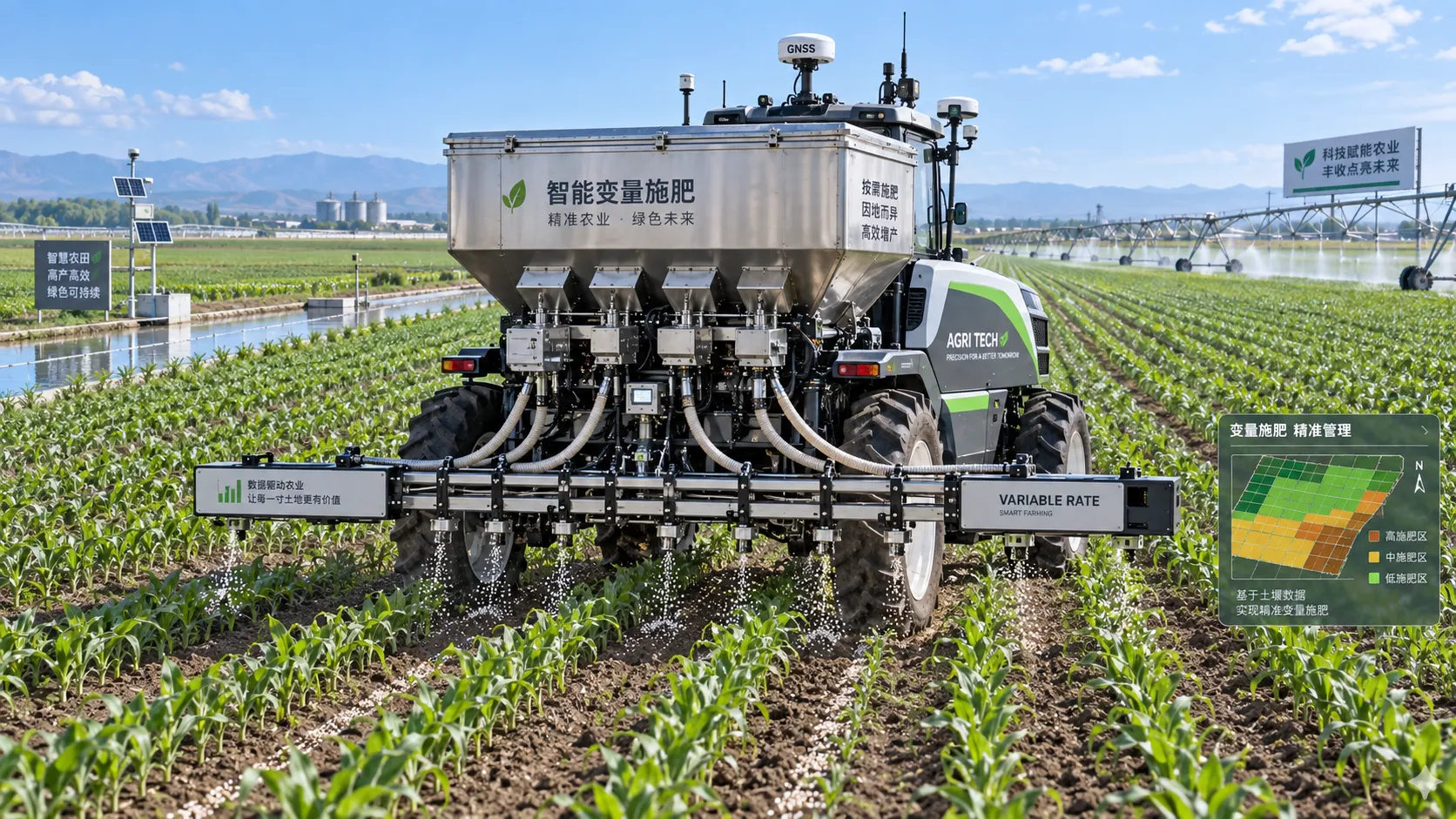
How to Evaluate Precision Fertilization System Suppliers for Farm-Scale Deployment
Precision fertilization systems suppliers: learn how to compare accuracy, integration, uptime, service, and total cost for confident farm-scale deployment.
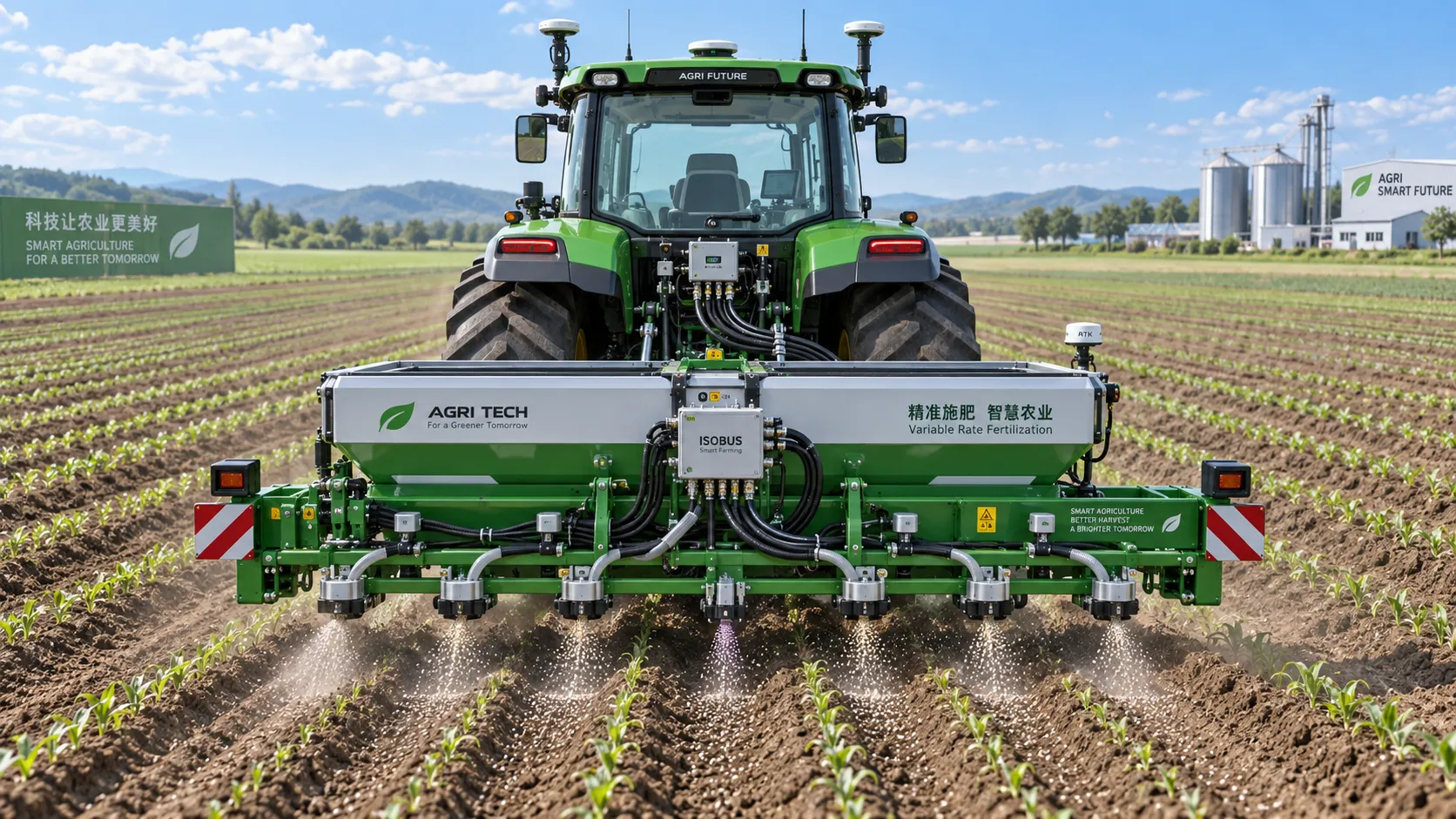
ISOBUS for Smart Agriculture: How It Connects Tractors, Implements, and Farm Data
ISOBUS for smart agriculture connects tractors, implements, terminals, and farm data—helping growers improve precision, documentation, and smarter field decisions.
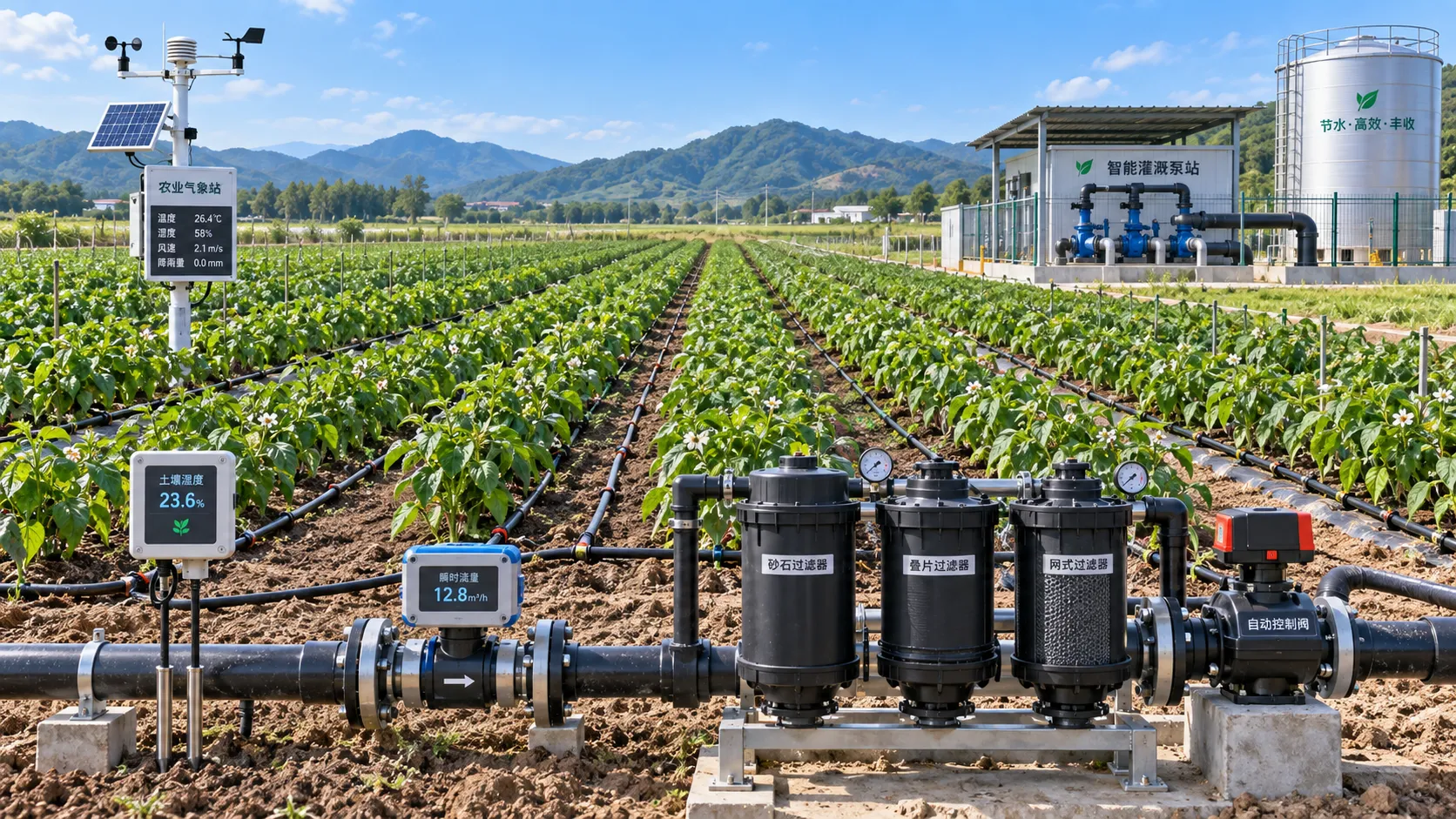
Automated Water-Saving Irrigation: How to Cut Water Use Without Reducing Crop Yields
Automated water-saving irrigation helps farms cut water use, protect crop yields, improve scheduling, and gain reliable control with sensors, flow monitoring, and smart zones.
Related News
- 00
0000-00
GPS-Guided Farm Machinery: Where It Delivers Measurable Field Efficiency Gains - 00
0000-00
ISOBUS for Smart Agriculture: How It Connects Tractors, Implements, and Farm Data - 00
0000-00
How North American Farms Can Select Crop Monitoring Systems by Acreage and Connectivity - 00
0000-00
How Tractor Intelligence Systems Improve Field Efficiency and Input Accuracy - 00
0000-00
Which equipment for larger fields maintains accuracy at higher speeds?
Popular Tags
Tractor Power Architect
Weekly Insights
Stay ahead with our curated technology reports delivered every Monday.