
Smart Farm Equipment Wireless Control: Common Signal Failures and How to Fix Them
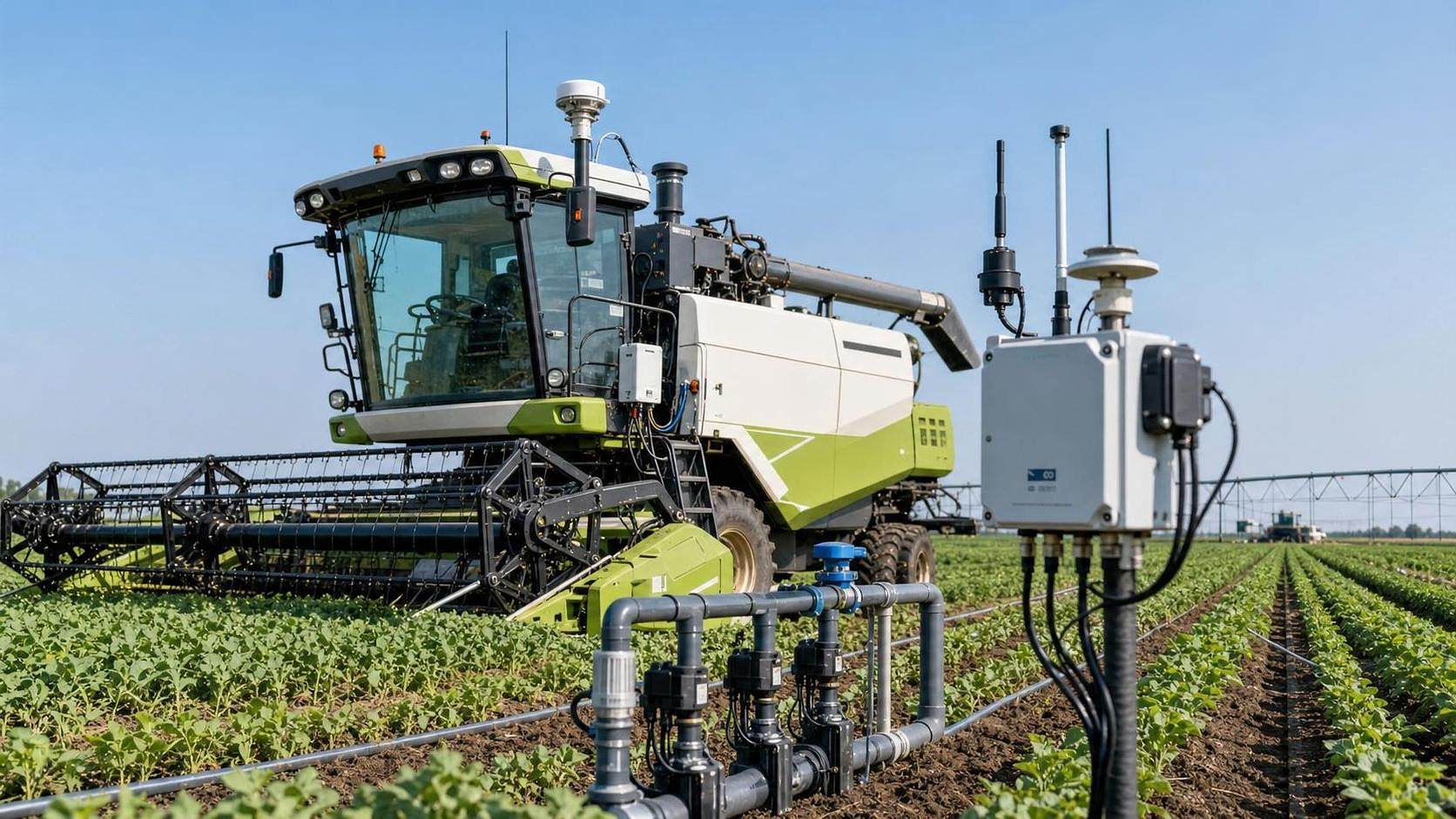




When wireless control fails, the field problem is rarely just a signal bar
Smart farm equipment wireless control is now tied to steering commands, irrigation timing, harvest coordination, and machine-to-machine status updates.
When the link becomes unstable, the real loss often appears elsewhere.
A combine may miss an optimized route.
A sprayer may pause in the wrong zone.
A smart irrigation controller may fail to react to pressure or moisture feedback.
In practice, smart farm equipment wireless control failures are not all the same, even when operators describe them as “random dropouts.”
The cause changes with terrain, crop density, machine layout, power stability, and software design.
That is why a useful diagnosis starts with context, not guesswork.
This operational view aligns with the way AP-Strategy tracks Agriculture 4.0 systems.
Mechanical performance, control logic, and field conditions must be read together.
Actual operating conditions shape smart farm equipment wireless control needs
A tractor working open dry land faces a different wireless environment than a harvester moving through dense grain or an irrigation node placed near pump motors.
The same controller can behave reliably in one place and poorly in another.
More important, the tolerance for signal interruption also changes.
Guidance assistance may survive short latency spikes.
Remote boom section control or pump switching may not.
A short outage during telemetry upload is inconvenient.
The same outage during synchronized machine movement can become a safety and productivity issue.
A better way to assess smart farm equipment wireless control is to ask three questions first.
- Is the link carrying command traffic, monitoring data, or both?
- Does failure occur near specific machines, zones, or times of day?
- Does the fault follow the network, the device, or the working environment?
In harvesting zones, interference and machine geometry often hide behind “weak signal” complaints
Combine harvesters create one of the most complex settings for smart farm equipment wireless control.
Large metal surfaces, rotating assemblies, dust, engine vibration, and varying crop mass all affect transmission quality.
A common mistake is replacing the radio module too early.
In many cases, the failure starts with antenna placement.
If the antenna sits behind a grain tank edge, close to a cab frame, or near high-current wiring, packet loss can rise under load.
The machine may still connect in the yard, then fail while harvesting.
Dust and residue create another pattern.
Not because dust blocks radio waves directly, but because it accelerates connector contamination, heat buildup, and sealing problems.
When smart farm equipment wireless control drops only after several hours, thermal drift and contaminated connectors deserve attention before firmware changes.
In this setting, practical checks should include antenna line continuity, ground integrity, enclosure temperature, and cable routing near alternators or electric actuators.
Tractor and implement combinations usually expose power and compatibility faults
Tractors connected to intelligent implements create moving networks.
The wireless issue may appear to belong to one machine, while the real trigger sits at the interface between both.
Voltage fluctuation is especially common.
Hydraulic demand changes, lighting loads, or startup surges can momentarily destabilize control modules.
The result looks like random disconnection, but the radio is only reacting to poor supply quality.
Compatibility is another recurring fault line.
Different controllers may support similar wireless standards yet handle roaming, encryption, or timeout recovery differently.
That matters when smart farm equipment wireless control spans guidance terminals, section controllers, and retrofit sensor nodes from multiple vendors.
In actual service work, a stable bench test does not prove field compatibility.
The useful test is whether reconnection remains fast during turns, implement lifting, and speed variation.
Smart irrigation networks fail differently because the environment changes more slowly
Wireless control in irrigation systems usually works over wider distributed areas with lower mobility.
That shifts the diagnosis.
The problem is less about vibration and more about coverage planning, node density, and seasonal environmental change.
A network that performs well after installation may weaken when crop canopy grows, when moisture increases around enclosures, or when pumps introduce electromagnetic noise.
This is where smart farm equipment wireless control should be evaluated over time, not only at commissioning.
Another overlooked factor is latency tolerance.
A moisture sensor can often tolerate delayed reporting.
A valve command tied to pressure balancing may require a stricter response window.
Treating both as identical traffic leads to poor network settings.
For distributed irrigation, useful fixes often involve repeater repositioning, channel reassignment, enclosure sealing review, and separating command traffic from routine monitoring traffic.
The failure pattern often points to the cause faster than the error code
Field technicians usually solve smart farm equipment wireless control issues faster when they map the failure pattern first.
Certain symptoms are more diagnostic than others.
This pattern-based approach is more useful than treating every dropout as a generic network weakness.
Different field scenarios demand different priorities
Not every smart farm equipment wireless control system should be optimized in the same way.
The right tradeoff depends on what the equipment must protect or coordinate.
- For autonomous or semi-autonomous movement, prioritize low latency, fast reconnection, and interference isolation.
- For combine data sharing, prioritize stable throughput and reliable operation in dusty, high-vibration conditions.
- For irrigation nodes, prioritize network reach, seasonal resilience, and low-power stability.
- For mixed-brand toolchains, prioritize protocol compatibility, firmware governance, and recoverability after updates.
AP-Strategy often frames this as a systems question.
The wireless layer should match the real agronomic task, not just the radio specification sheet.
What gets misjudged most often before and after deployment
One repeated misjudgment is assuming signal strength equals link quality.
Strong RSSI can still hide packet retries, channel congestion, or unstable timing.
Another is treating two similar farms as identical deployment cases.
Soil moisture, field shape, elevation, and equipment mix change network behavior more than many installation plans assume.
A third error is focusing only on initial hardware cost.
In smart farm equipment wireless control, long-term value depends heavily on diagnostics, spare strategy, firmware discipline, and the time needed to restore service during narrow field windows.
Ignoring these factors usually turns a minor communication problem into a seasonal operations problem.
A practical way to restore reliable smart farm equipment wireless control
Start by separating environment, hardware, power, and software variables.
Do not change all of them at once.
Record where the dropout appears, what load condition exists, and whether reconnection is automatic or manual.
Then confirm the basics in sequence.
- Inspect antenna mounting, cable damage, sealing, and connector cleanliness.
- Check power quality during real operating load, not idle conditions.
- Review channel settings, firmware versions, encryption, and timeout parameters.
- Test communication at the exact field locations where failure repeats.
- Build a small fault history so recurring seasonal patterns become visible.
Reliable smart farm equipment wireless control is not achieved by chasing one universal fix.
It comes from matching the network to the machine, the crop environment, and the response time the task actually needs.
The next sensible step is to map each operating scenario, compare failure patterns, and define a field-ready troubleshooting standard before the next critical work window arrives.
Related News
GPS-Guided Farm Machinery: Where It Delivers Measurable Field Efficiency Gains
Agri-mechanization GPS guided systems deliver measurable field efficiency gains through reduced overlap, precise planting, smarter inputs, and reliable farm data.
How Sensor Feedback Enables Accurate Variable-Rate Fertilization in Field Conditions
Precision fertilization systems with sensor feedback improve variable-rate accuracy by verifying flow, managing latency, and ensuring reliable field application.
How to Select Precision Crop Protection Equipment for Variable Field Conditions
Precision crop protection equipment selection made simple: compare terrain, canopy, weather, control accuracy, and data workflows for reliable applications.

When Does Agricultural Machinery Leasing Cost Less Than Owning Equipment?
Agricultural machinery leasing can lower farm costs when use is seasonal or uncertain. Compare utilization, maintenance, cash flow, and risk to make a smarter equipment decision.

How to Evaluate Precision Fertilization System Suppliers for Farm-Scale Deployment
Precision fertilization systems suppliers: learn how to compare accuracy, integration, uptime, service, and total cost for confident farm-scale deployment.

ISOBUS for Smart Agriculture: How It Connects Tractors, Implements, and Farm Data
ISOBUS for smart agriculture connects tractors, implements, terminals, and farm data—helping growers improve precision, documentation, and smarter field decisions.
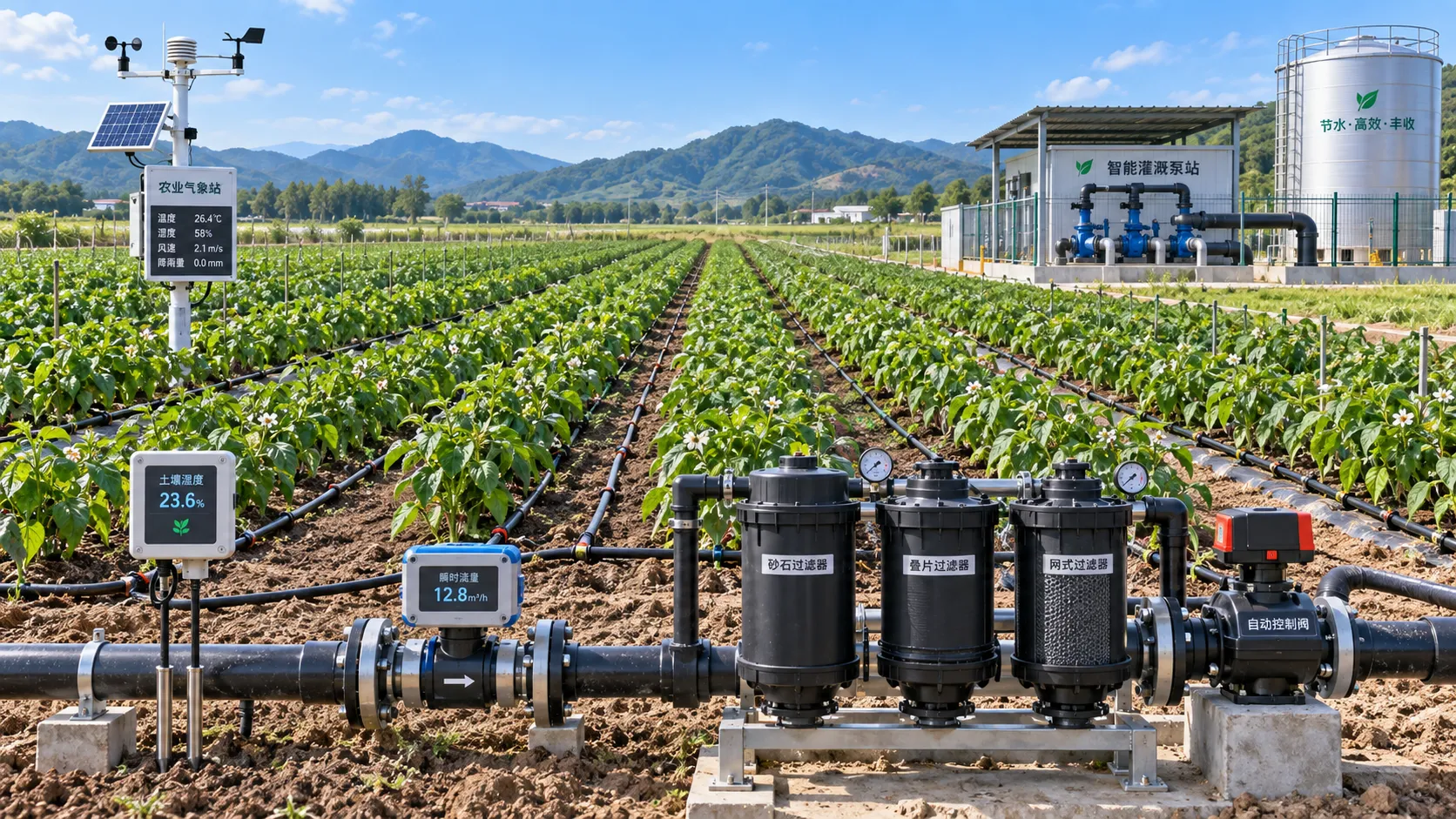
Automated Water-Saving Irrigation: How to Cut Water Use Without Reducing Crop Yields
Automated water-saving irrigation helps farms cut water use, protect crop yields, improve scheduling, and gain reliable control with sensors, flow monitoring, and smart zones.
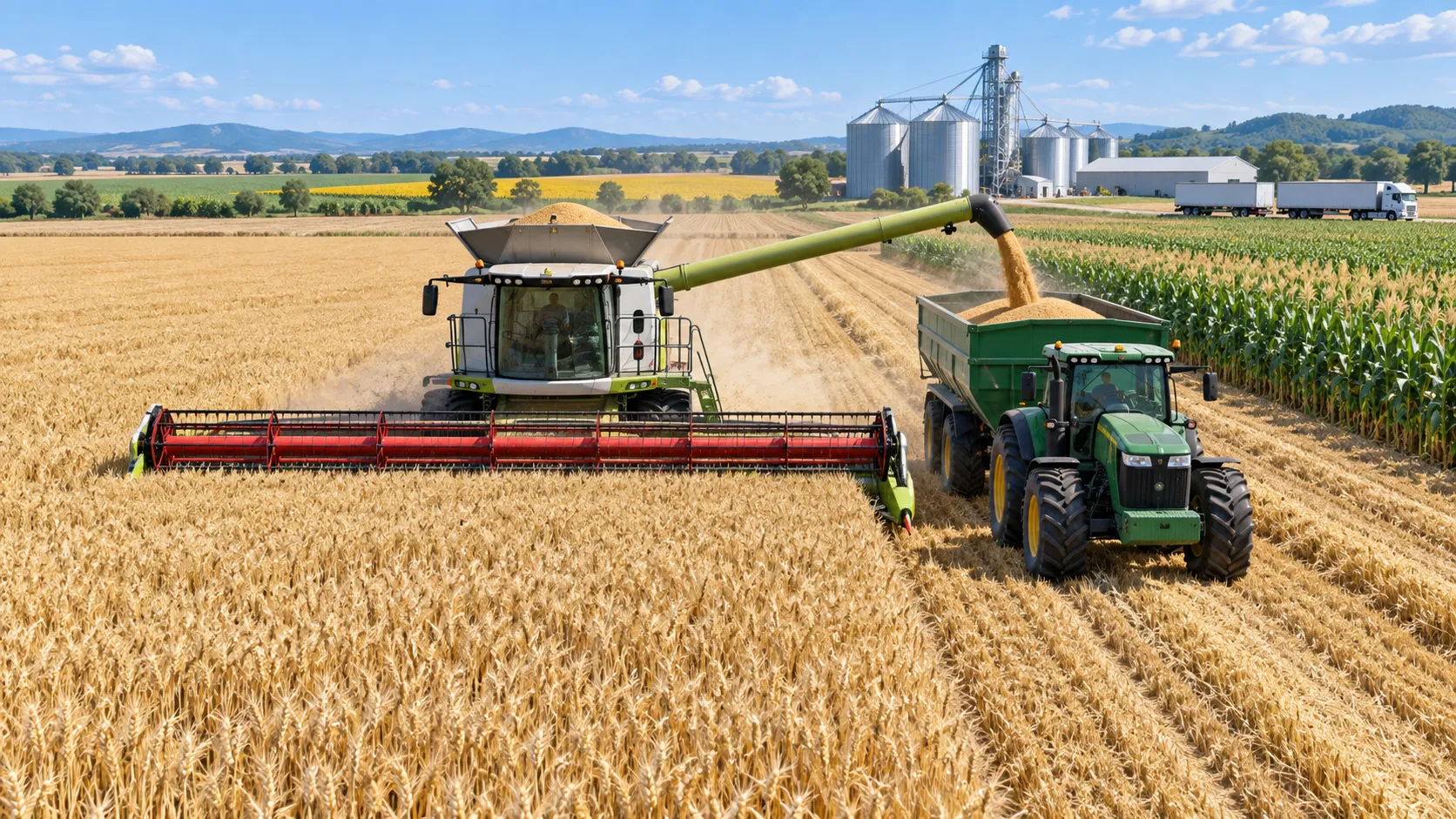
Selecting Grain Farm Equipment by Acreage, Crop Mix, and Harvest Window
Agricultural equipment selection for grain farming: match machinery to acreage, crop mix, and harvest windows to improve uptime, efficiency, and returns.
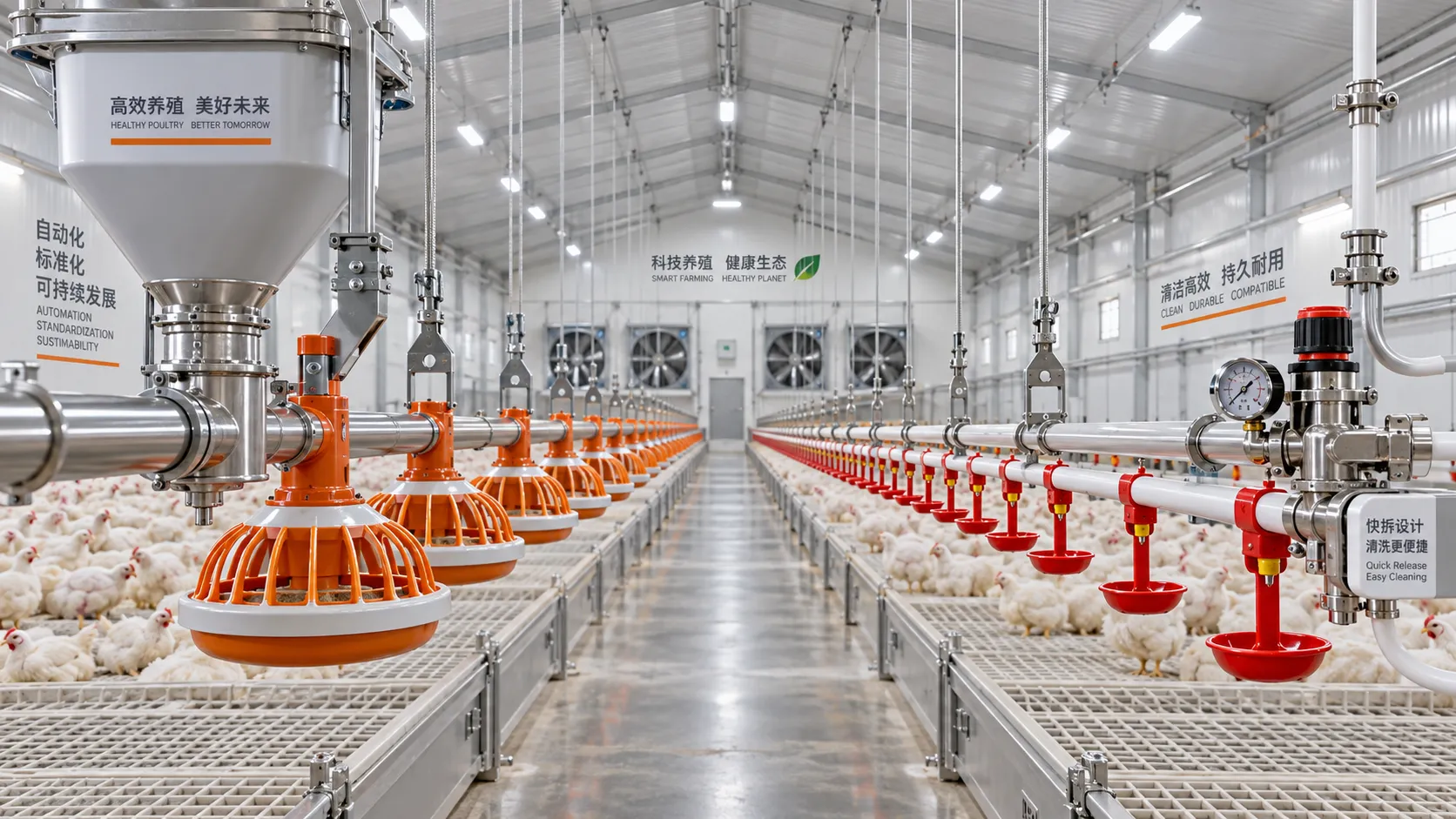
Poultry Equipment Selection: Evaluating Durability, Cleaning, and Compatibility
Poultry equipments selection guide: evaluate durability, cleaning access, and system compatibility to improve hygiene, reduce downtime, and support efficient flock management.
Related News
- 00
0000-00
GPS-Guided Farm Machinery: Where It Delivers Measurable Field Efficiency Gains - 00
0000-00
ISOBUS for Smart Agriculture: How It Connects Tractors, Implements, and Farm Data - 00
0000-00
How North American Farms Can Select Crop Monitoring Systems by Acreage and Connectivity - 00
0000-00
How Tractor Intelligence Systems Improve Field Efficiency and Input Accuracy - 00
0000-00
Which equipment for larger fields maintains accuracy at higher speeds?
Popular Tags
Tractor Power Architect
Weekly Insights
Stay ahead with our curated technology reports delivered every Monday.