
Vietnam Waives Import Duty on GPS Guidance Systems Through 2026
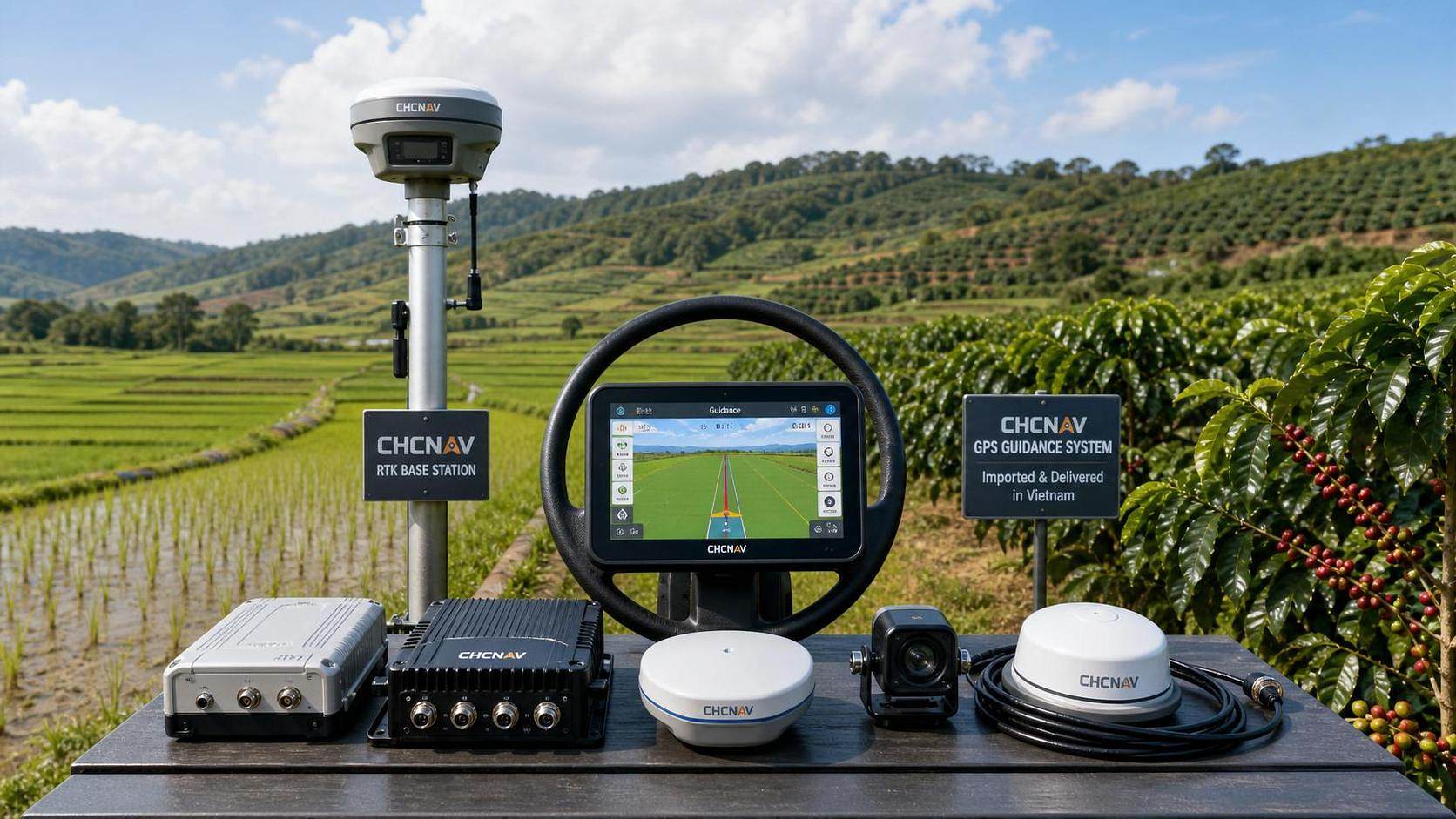




On July 1, 2026, Vietnam’s Ministry of Agriculture and Rural Development signed Notice No. 88/MARD-TTCP to temporarily reduce the import tariff on GPS Guidance Systems used in major rice and coffee production areas to zero through December 31, 2026. The measure matters beyond a tariff adjustment alone: it affects equipment sourcing, import planning, localization work, software readiness, and delivery compliance for suppliers, distributors, farm equipment integrators, and service providers involved in precision agriculture systems.
What the notice changes in practical terms
The confirmed change is a temporary zero-tariff treatment for GPS Guidance Systems intended for major rice and coffee producing regions in Vietnam. The notice was signed by the Ministry of Agriculture and Rural Development on July 1, 2026, and remains effective until December 31, 2026. The stated scope covers RTK base stations, agricultural machinery terminals, and related map service subscriptions. The notice also sets a condition: the covered products must provide a Vietnamese-language operating interface and localized agronomic parameter packages.
Where the immediate pressure points may appear
Importers and market-entry suppliers face a narrower compliance path
From an industry perspective, the tariff waiver may improve the commercial attractiveness of covered systems, but only for products that can meet the stated localization conditions. For importers and foreign suppliers, the impact is likely to show up in product configuration, technical documentation, and offer preparation. What deserves closer attention is whether the imported package clearly aligns with the notice’s scope, especially where hardware, software subscription, and service components are sold together.
Equipment integrators and distributors may need to adjust delivery packages
For distributors and integration partners, the rule change may affect quotation structure, procurement timing, and delivery commitments. Analysis shows that the tariff waiver is not simply about the physical device; the inclusion of map service subscriptions means commercial packages may need clearer treatment of bundled elements. The requirement for a Vietnamese interface and localized agronomic settings also places practical pressure on pre-delivery readiness, not just customs clearance.
Procurement teams and end users may shift attention to technical eligibility
For buyers, including those sourcing systems for rice and coffee production areas, the lower tariff may change procurement calculations, but eligibility will likely depend on whether the offered system matches the notice’s coverage and localization conditions. Observably, purchasing decisions may need to place more weight on software language support, agronomic parameter adaptation, and the completeness of supporting technical materials rather than focusing only on equipment price.
After-sales and service providers may see localization become part of acceptance
Service and support providers may also be affected because the Vietnamese-language interface and localized agronomic parameter package are presented as conditions tied to the waiver’s applicability. This means after-sales preparation, operator training materials, update management, and field support workflows may become more important in delivery and acceptance discussions, even though the notice summary does not provide a full execution framework.
What companies should review now
Check whether product scope and package structure are clearly aligned
Companies should first review whether their offering fits the described scope of RTK base stations, machinery terminals, and related map service subscriptions. Where products are sold as combined hardware-and-service packages, it is more appropriate to understand documentation alignment as a near-term priority, because the summary confirms coverage categories but does not spell out detailed treatment for every commercial structure.
Prepare localization evidence before shipment or bidding
The stated requirement for a Vietnamese-language operating interface and localized agronomic parameter packages deserves immediate attention. Analysis shows that suppliers may need to prepare technical descriptions, interface evidence, product specifications, and service materials that demonstrate localization readiness. Where tenders, distributor onboarding, or customer acceptance procedures are involved, those materials may become central to proving eligibility.
Watch for execution language in customs, procurement, and technical files
The notice summary confirms the rule change, but it does not provide the full operational wording for customs treatment, procurement interpretation, or acceptance standards. Companies should therefore monitor how the requirement is reflected in import paperwork, technical schedules, bid documents, and customer-side specification sheets. This is particularly relevant where the commercial offer includes subscriptions or software-linked functions.
Plan around the temporary validity period
The waiver runs only through December 31, 2026. Observably, this makes timing a practical issue for procurement planning, shipment scheduling, and contract execution. Businesses should treat the effective window as an active commercial and compliance constraint rather than assuming that current tariff treatment will automatically extend beyond the stated date.
Why this looks like both a landed measure and an execution signal
Analysis shows that this development is best read in two layers. First, it is already a concrete rule change because the notice was signed and the tariff treatment is described with a defined validity period and product scope. Second, it also acts as an execution signal because access to the waiver is tied to localization conditions, and the summary does not yet answer every practical question that suppliers and buyers may face in implementation. That is why continued attention to official wording, procurement practice, and field-level acceptance remains necessary.
How the market is likely to interpret it for now
At this stage, the measure is more appropriate to understand as a targeted, time-bound policy adjustment aimed at specific agricultural-use scenarios rather than a broad sector-wide deregulation. Its practical importance lies in the combination of tariff relief and localization conditions. For the industry, the main takeaway is not only that imports may become easier on paper, but that commercial eligibility may depend on how well products, interfaces, agronomic settings, and supporting documents match the stated requirements.
Basis of this article and what still needs verification
This article is based on the user-provided news title, event date, and event summary. For developments of this type, relevant source categories typically include official ministry notices, regulatory releases, customs or trade authority information, industry association updates, standard-setting documents, and reporting by established trade media. A specific official source link was not provided in the input, so the exact text and subsequent implementation details still need ongoing verification. What still deserves close monitoring includes any detailed implementation guidance, compliance interpretation, procurement document changes, acceptance criteria, and market feedback from companies executing under the temporary waiver period.
Related News
Climate-Smart Farming for Drought: A Practical Plan for Protecting Yields
Climate-smart farming for drought: build smarter water budgets, protect critical crop stages, improve irrigation uniformity, and safeguard yields with practical field-proven strategies.
How Digital Agriculture Platforms Turn Field Data Into Better Input Decisions
Digital agriculture platforms turn field data into smarter fertilizer, water, seed, and equipment decisions—helping farms cut risk, improve margins, and scale sustainability.
GPS-Guided Farm Machinery: Where It Delivers Measurable Field Efficiency Gains
Agri-mechanization GPS guided systems deliver measurable field efficiency gains through reduced overlap, precise planting, smarter inputs, and reliable farm data.

How Sensor Feedback Enables Accurate Variable-Rate Fertilization in Field Conditions
Precision fertilization systems with sensor feedback improve variable-rate accuracy by verifying flow, managing latency, and ensuring reliable field application.

How to Select Precision Crop Protection Equipment for Variable Field Conditions
Precision crop protection equipment selection made simple: compare terrain, canopy, weather, control accuracy, and data workflows for reliable applications.

When Does Agricultural Machinery Leasing Cost Less Than Owning Equipment?
Agricultural machinery leasing can lower farm costs when use is seasonal or uncertain. Compare utilization, maintenance, cash flow, and risk to make a smarter equipment decision.
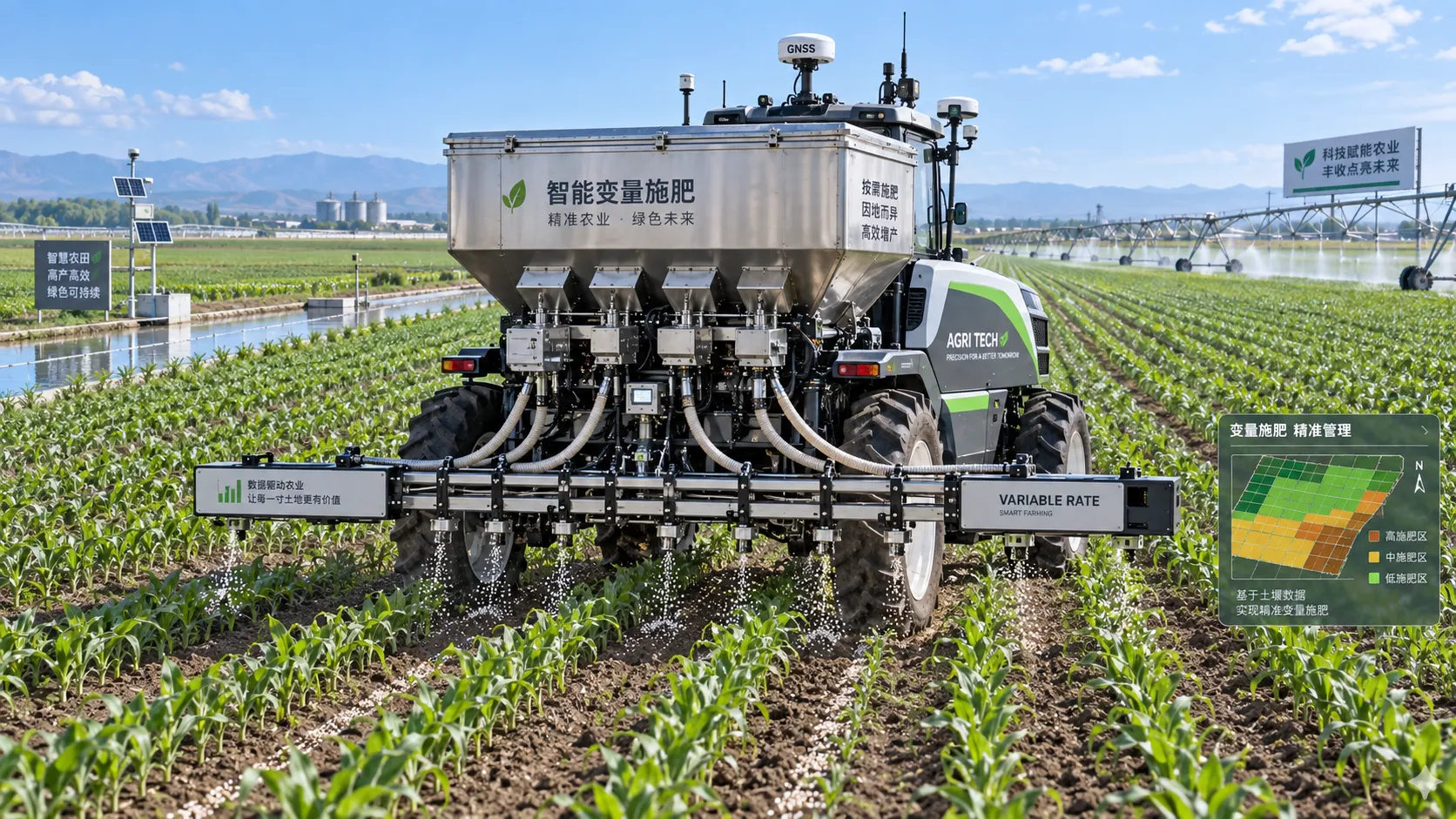
How to Evaluate Precision Fertilization System Suppliers for Farm-Scale Deployment
Precision fertilization systems suppliers: learn how to compare accuracy, integration, uptime, service, and total cost for confident farm-scale deployment.
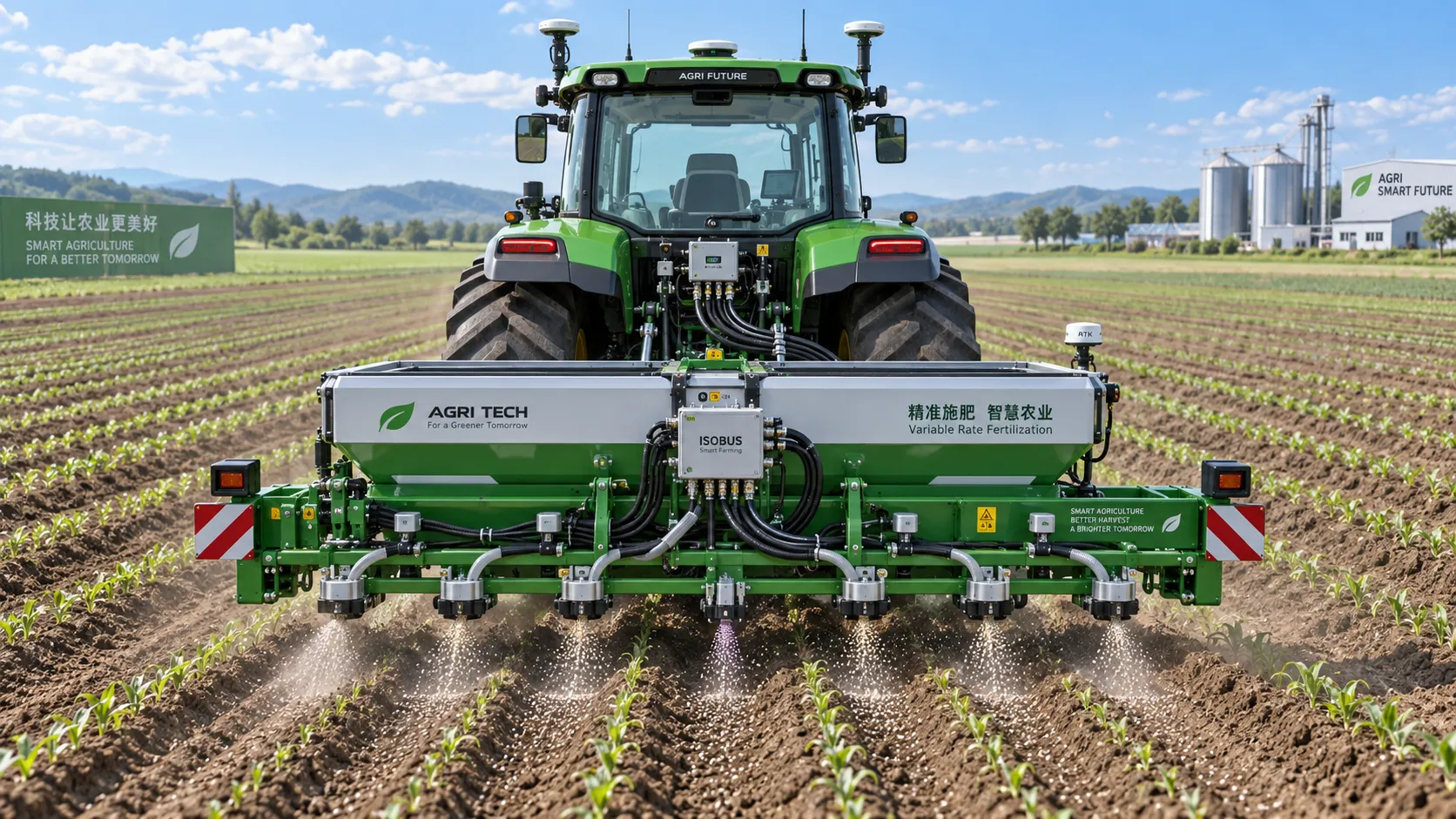
ISOBUS for Smart Agriculture: How It Connects Tractors, Implements, and Farm Data
ISOBUS for smart agriculture connects tractors, implements, terminals, and farm data—helping growers improve precision, documentation, and smarter field decisions.
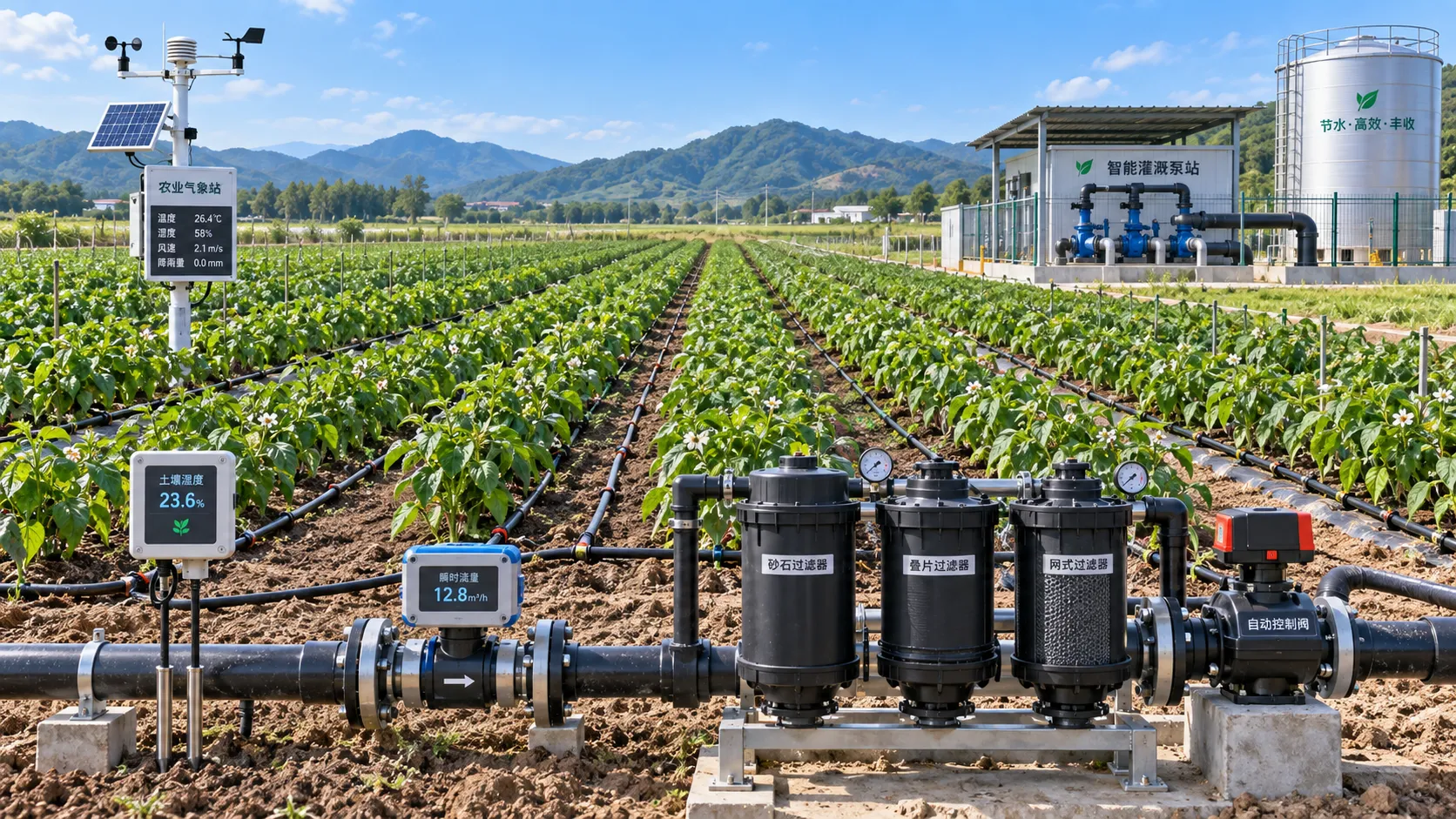
Automated Water-Saving Irrigation: How to Cut Water Use Without Reducing Crop Yields
Automated water-saving irrigation helps farms cut water use, protect crop yields, improve scheduling, and gain reliable control with sensors, flow monitoring, and smart zones.
Related News
- 00
0000-00
GPS-Guided Farm Machinery: Where It Delivers Measurable Field Efficiency Gains - 00
0000-00
ISOBUS for Smart Agriculture: How It Connects Tractors, Implements, and Farm Data - 00
0000-00
How North American Farms Can Select Crop Monitoring Systems by Acreage and Connectivity - 00
0000-00
How Tractor Intelligence Systems Improve Field Efficiency and Input Accuracy - 00
0000-00
Which equipment for larger fields maintains accuracy at higher speeds?
Popular Tags
Tractor Power Architect
Weekly Insights
Stay ahead with our curated technology reports delivered every Monday.