
ASTM F2100-26 Effective May 2026 Raises Export Bar for Ag-GPS Guidance Systems




Lead
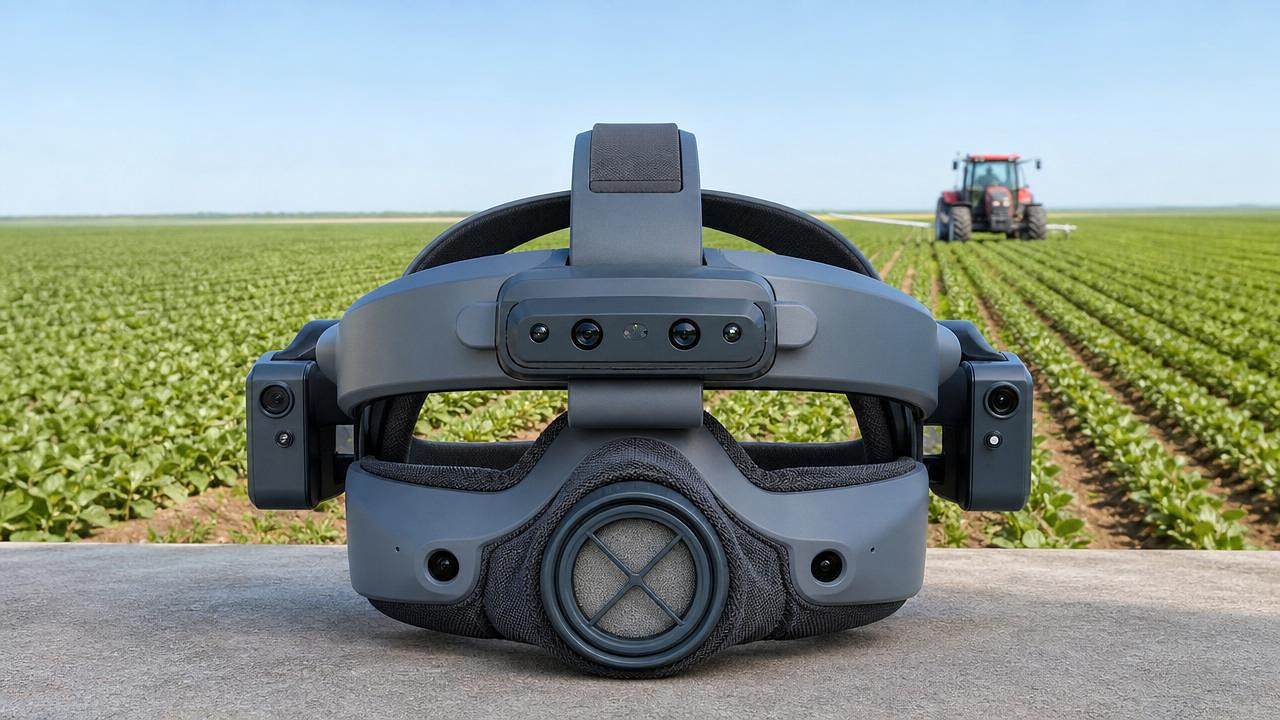
Effective May 1, 2026, the updated ASTM F2100-26 standard for medical face masks enters force in the United States. Though formally scoped to healthcare respiratory protection, its technical requirements—particularly on electrostatic decay and particulate filtration efficiency—are now being referenced by U.S. Occupational Safety and Health Administration (OSHA) guidance and multiple state-level agricultural safety frameworks. This cross-domain regulatory linkage indirectly elevates certification expectations for integrated ag-tech hardware, specifically smart head-mounted GPS Guidance Systems with built-in bio-respiratory modules used in large-scale farming operations.
Event Overview
The ASTM F2100-26 standard, published by ASTM International, became effective on May 1, 2026. It introduces stricter performance thresholds for electrostatic charge decay time (≤ 0.5 seconds) and submicron particle filtration efficiency (≥ 98% at 0.1 μm under specified airflow conditions). While the standard explicitly applies to surgical and procedure masks, official OSHA technical bulletins and agricultural safety advisories from California, Iowa, and Texas have cited F2100-26 as a benchmark for evaluating electromagnetic compatibility (EMC), thermal management, and anthropometric fit of wearable farm automation devices that combine GPS-guided navigation with respiratory protection functionality.
Industries Affected
Direct Exporters and Trade Enterprises
Exporters of GPS-enabled smart headsets or AR-integrated guidance systems targeting U.S. agricultural end-users must now anticipate revised pre-market conformity assessments. Previously, CE marking or FCC ID sufficed for device-level EMC; under current guidance, regulators increasingly require full-system test reports referencing F2100-26’s human-interface and charge-dissipation protocols—especially when the device includes fabric-based or electrostatic-filtering facial interfaces. This extends lead times for U.S. market entry and increases third-party testing costs by an estimated 15–22%.
Raw Material Suppliers
Suppliers of conductive textiles, nanofiber filter media, and antistatic polymer composites used in headset-integrated respirator components face tighter specification alignment demands. Buyers are now requesting material-level validation against F2100-26’s electrostatic decay clause (Section 7.3.2), even though those materials are not classified as medical devices. This shifts procurement criteria toward traceable, ISO 13485-aligned production batches—and away from generic industrial-grade alternatives.
Contract Manufacturers and OEMs
Manufacturers assembling GPS Guidance Systems with dual-purpose (navigation + respiratory) form factors must revise mechanical and electrical design controls. The F2100-26 linkage triggers new requirements for grounding continuity between metallic sensor housings and electrostatically dissipative face seals, as well as revised thermal derating for battery modules near filter zones. Design validation now requires synchronized testing across IEC 60601-1-2 (EMC), ANSI/ISEA Z87.1 (eye/face protection), and F2100-26-derived interface metrics—adding complexity to existing NPI workflows.
Supply Chain Service Providers
Testing laboratories, certification bodies, and regulatory consultants supporting ag-tech exporters report increased demand for hybrid assessment packages combining medical-device adjacent protocols with industrial IoT standards (e.g., UL 62368-1 + ASTM F2100-26 Annex D interpretation). Notably, no single accredited lab currently offers end-to-end F2100-26–referenced system-level certification for non-medical wearables; clients must coordinate parallel tests across three or more labs—raising coordination overhead and documentation reconciliation risk.
Key Considerations and Recommended Actions
Review product architecture for F2100-26–relevant interface points
Identify all physical contact surfaces between user and device (e.g., forehead pads, cheek seals, temple straps) that may be interpreted as ‘respiratory interface zones’ under current OSHA-agricultural guidance. Prioritize electrostatic decay and skin-contact biocompatibility testing for those zones—even if the device lacks active filtration.
Engage early with U.S.-accredited labs offering cross-domain test planning
Select labs capable of mapping IEC/UL/ANSI test plans to F2100-26’s performance logic—not just literal clause compliance. Confirm whether the lab maintains documented precedent for applying F2100-26 metrics to non-medical wearable systems, as this significantly reduces interpretive risk during FDA or OSHA review.
Update technical files to reflect ‘intended use context’ rigorously
Explicitly define operational environment (e.g., ‘dusty field conditions with prolonged exposure to airborne organic particulates’) and user profile (e.g., ‘adult operators wearing safety glasses and hearing protection’) in technical documentation. Avoid generic phrasing like ‘for agricultural applications’—regulators are citing contextual specificity as grounds for invoking F2100-26 analogies.
Editorial Perspective / Industry Observation
Observably, this is not a formal regulatory expansion—but a de facto harmonization through guidance layering. Analysis shows that U.S. agricultural safety authorities are leveraging medical-grade standards as proxy benchmarks where dedicated ag-tech PPE standards remain under development. From an industry perspective, this reflects growing institutional recognition of convergence between occupational health and precision agriculture hardware. However, it also reveals fragmentation: no central authority governs how F2100-26 should be adapted for non-medical electronics, leaving manufacturers to navigate inconsistent interpretations across states and certifiers. Current more relevant concern is not whether F2100-26 applies, but how its clauses are operationally translated into testable acceptance criteria for mixed-function devices.
Conclusion
This development signals a broader shift: regulatory boundaries between medical, industrial, and agricultural technology domains are softening—not through legislation, but through applied guidance and enforcement precedent. For exporters, the implication is structural: compliance strategy must evolve from siloed standard adherence toward contextual system assurance. A rational conclusion is that firms investing in modular, test-ready hardware architectures—and maintaining transparent dialogue with U.S. regulatory support partners—will gain measurable advantage in certification predictability and time-to-market resilience.
Sources and Notes
- ASTM International: Standard Specification for Performance of Materials Used in Medical Face Masks, ASTM F2100-26 (Approved April 1, 2026)
- U.S. OSHA Technical Bulletin TB-2025-08: Respiratory Protection Considerations for Wearable Precision Agriculture Devices (Issued March 12, 2026)
- California Department of Industrial Relations: Agricultural Safety Alert No. 26-03 (Published February 28, 2026)
- Note: No federal rulemaking has amended 29 CFR 1910.134 to include GPS Guidance Systems; applicability remains guidance-based and subject to state-level enforcement discretion. Continued monitoring of OSHA’s FY2026 Enforcement Focus List is recommended.
Related News

How to Specify Combine Harvester Systems for High-Moisture Grain and Variable Field Conditions
Combine harvester systems for high-moisture grain: learn how to specify threshing, cleaning, headers, traction, and automation for reliable harvests in variable fields.
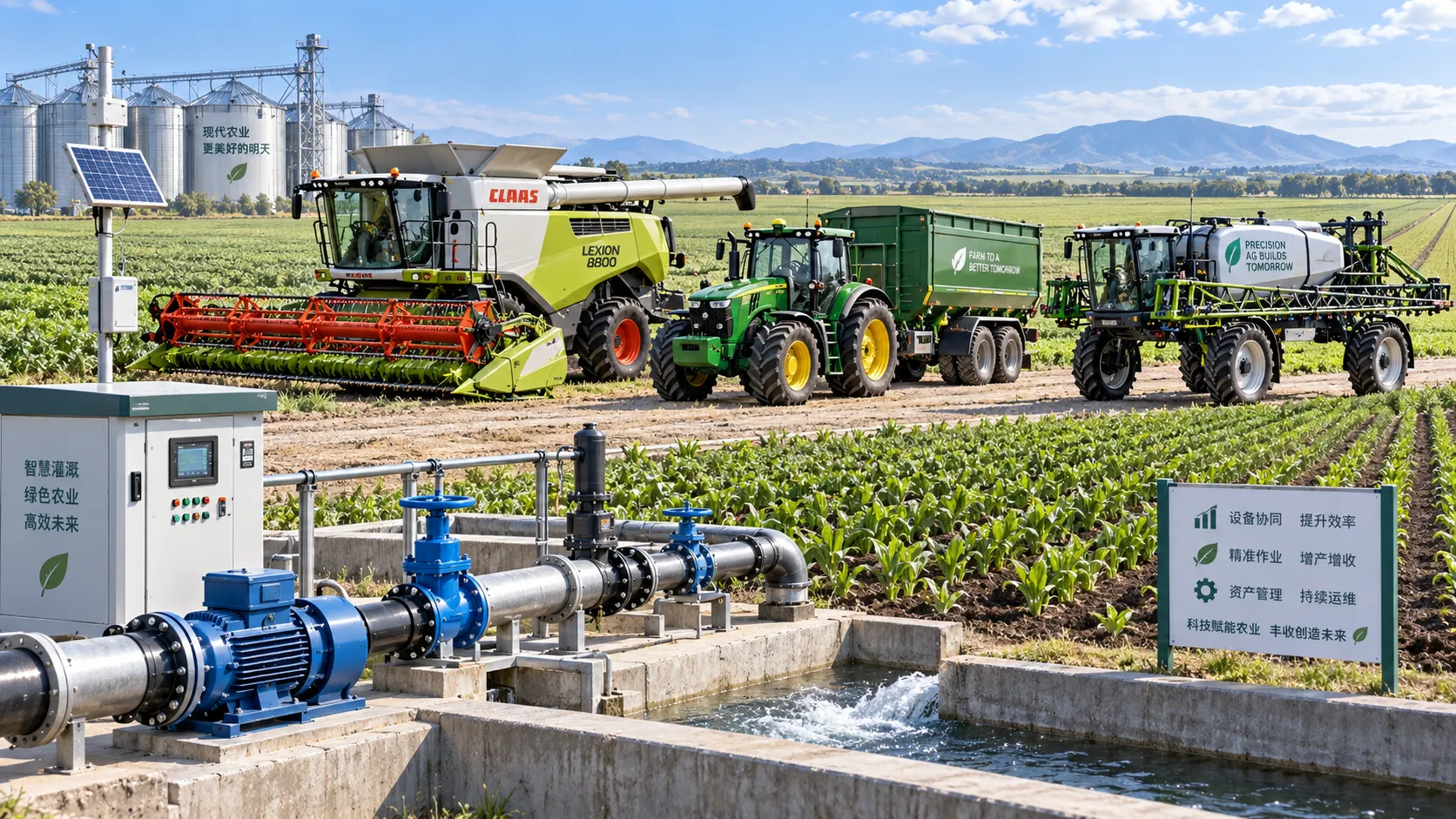
How to Compare Agricultural Equipment Platforms for Fleet Management and ROI
Agricultural equipment platform comparison: evaluate fleet data, maintenance, precision workflows, and ROI to choose a system that delivers measurable results.
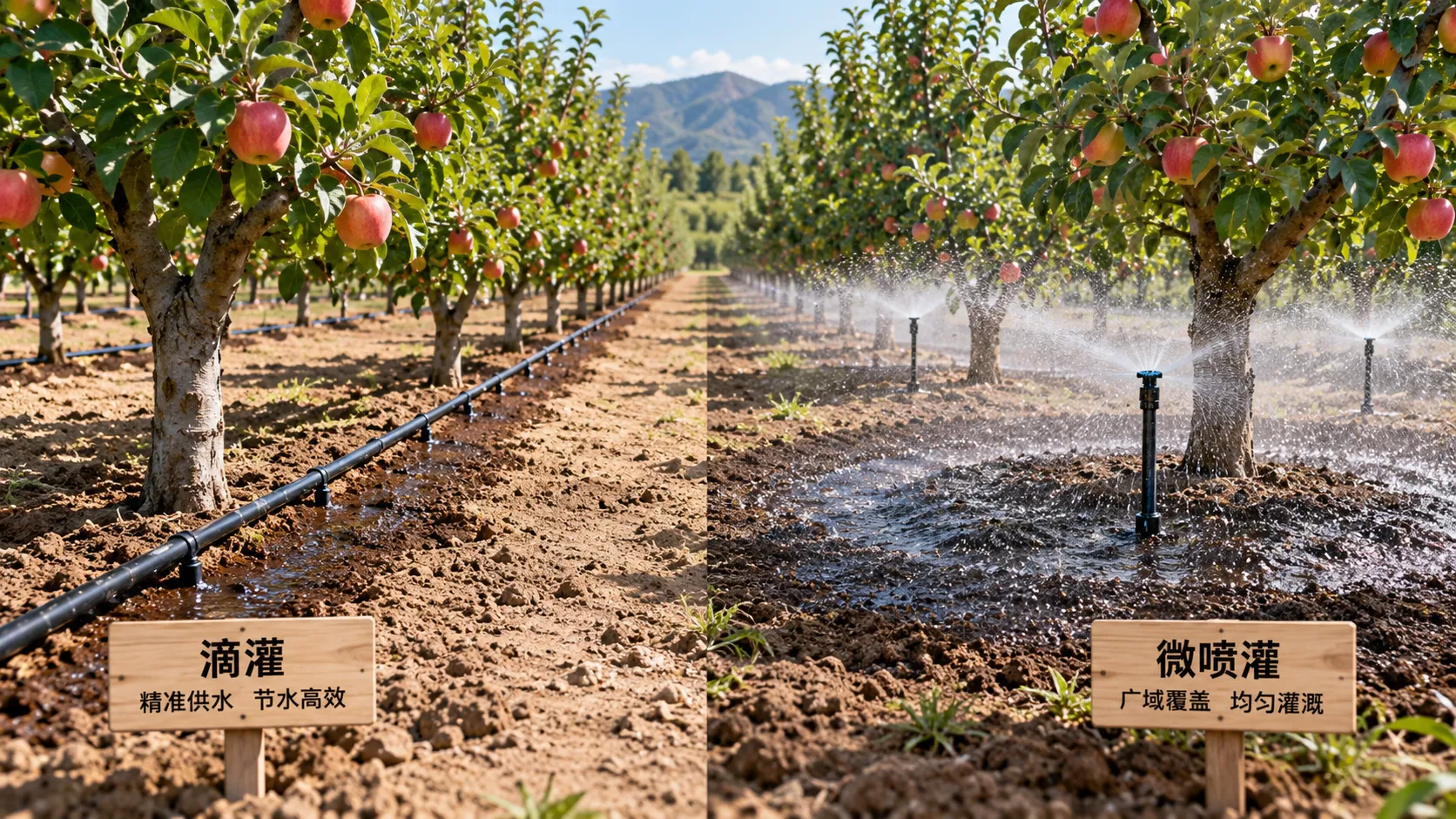
Drip vs. Micro-Sprinkler Irrigation: Which System Fits Your Orchard?
Irrigation solution comparison for orchards: discover whether drip or micro-sprinklers best match your water, soil, roots, fertigation, and frost needs.
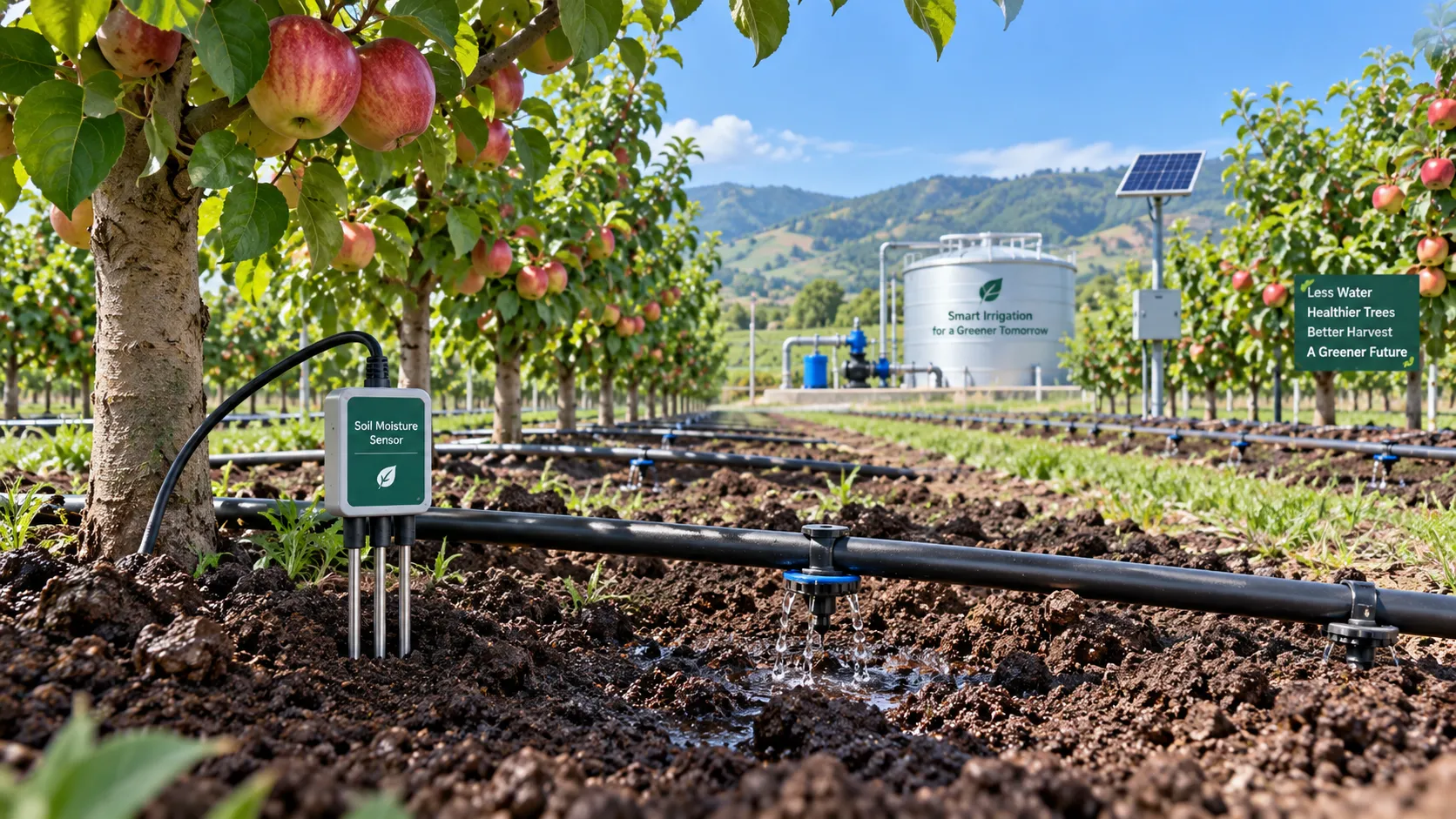
Orchard Water Management: Using Soil Moisture Data to Schedule Irrigation
Agricultural water management for orchards made practical: use soil moisture data to optimize irrigation timing, protect yield, reduce costs, and improve resilience.
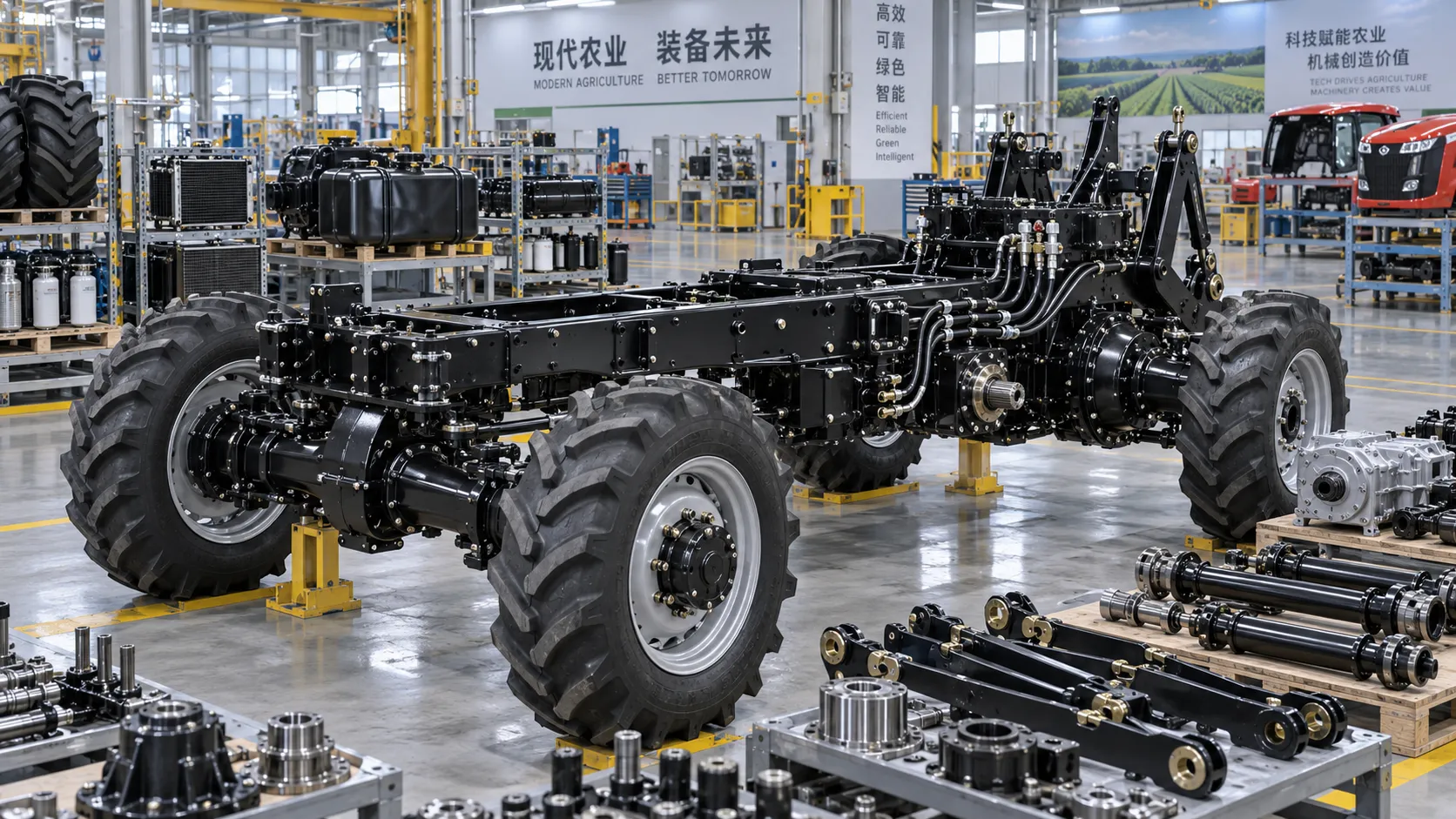
Tractor Chassis Price: What Buyers Should Compare Beyond the Initial Quote
Tractor chassis price is only the start. Compare load capacity, compatibility, durability, and lifecycle costs to choose a reliable, high-value chassis.
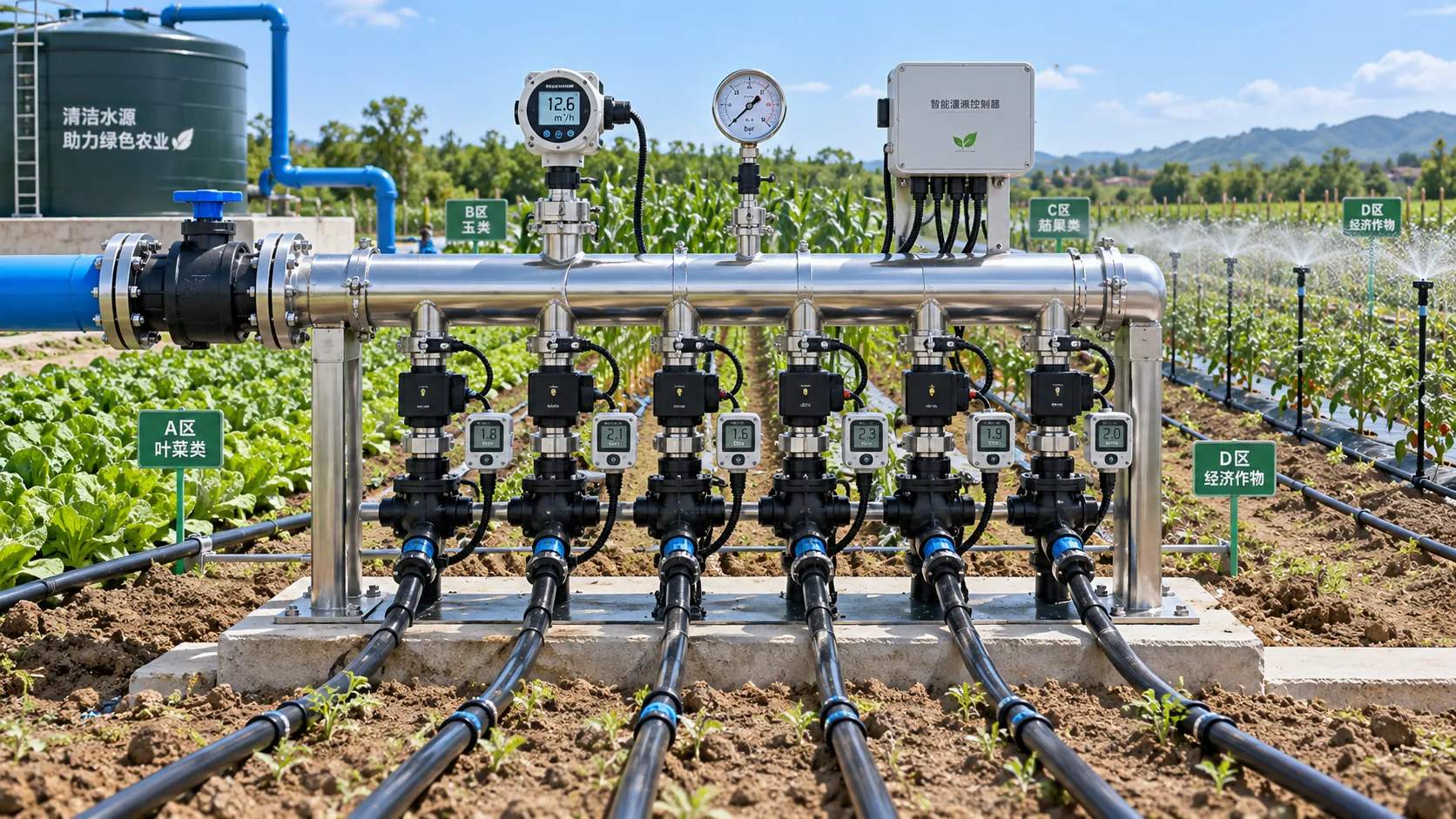
How to Select Smart Irrigation Valves for Multi-Zone Water Management?
Intelligent irrigation systems valves: learn how to match smart valves with multi-zone flow, pressure, control, feedback, and communication needs for reliable water management.
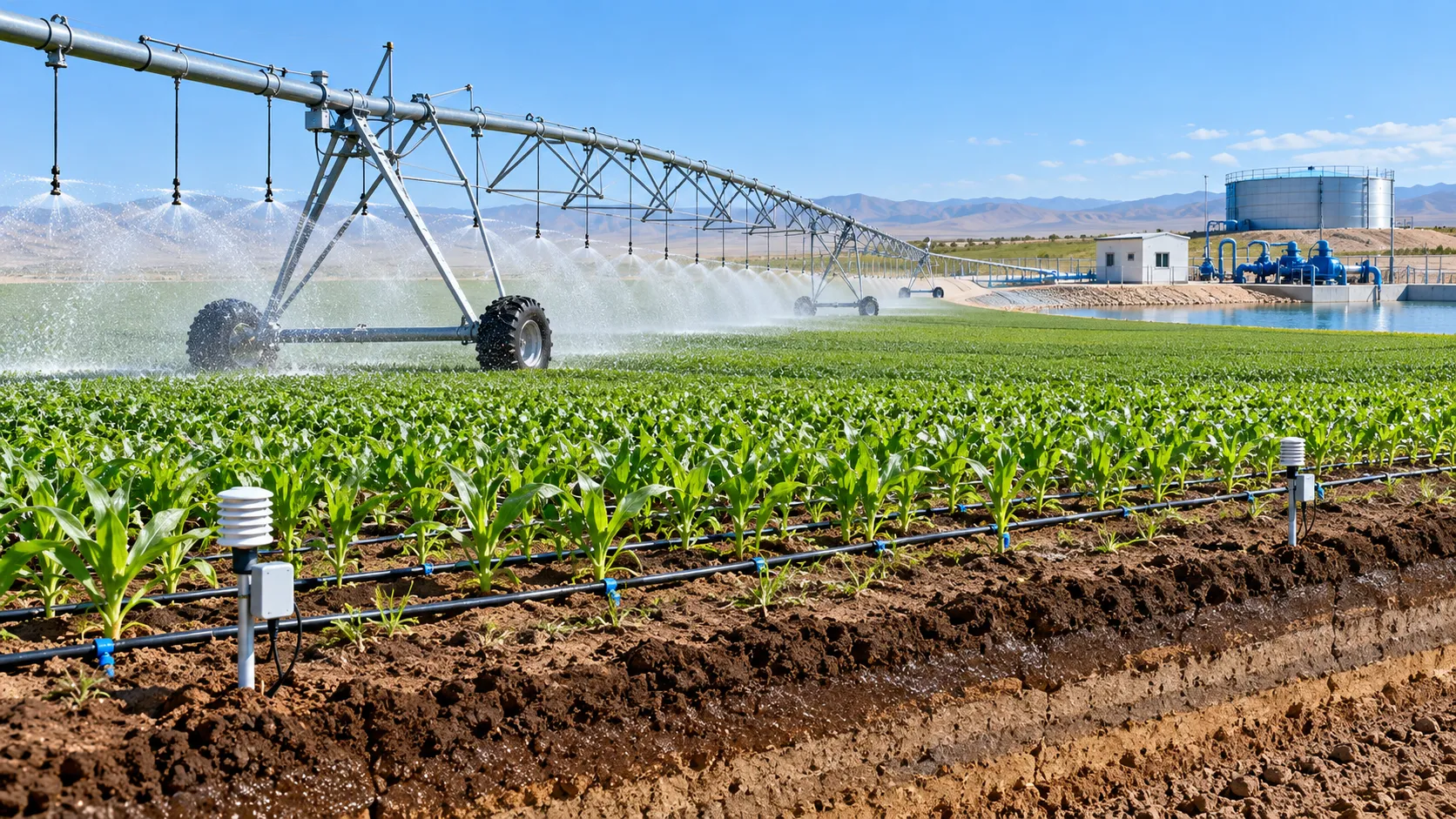
Climate-Smart Farming for Drought: A Practical Plan for Protecting Yields
Climate-smart farming for drought: build smarter water budgets, protect critical crop stages, improve irrigation uniformity, and safeguard yields with practical field-proven strategies.
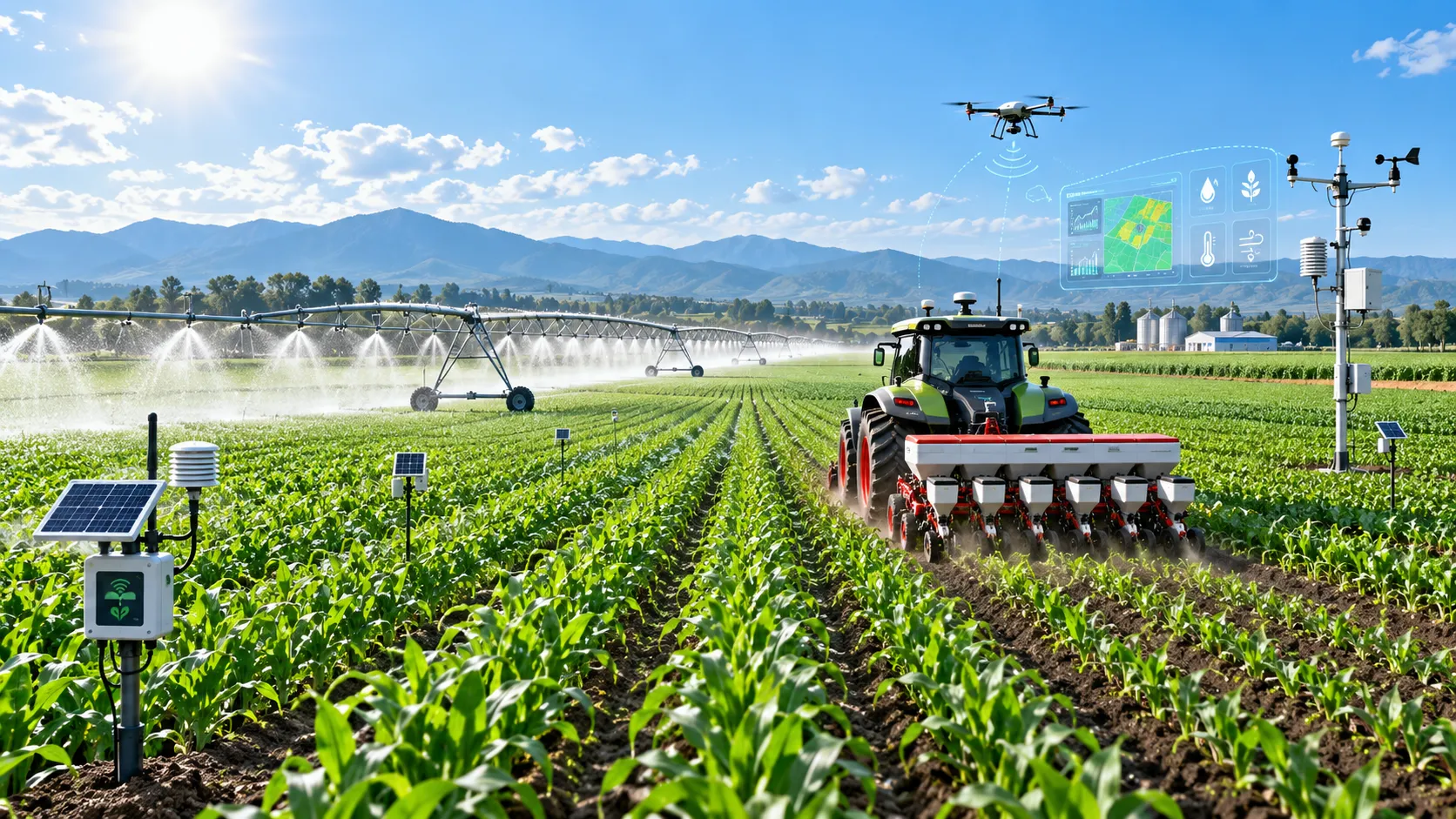
How Digital Agriculture Platforms Turn Field Data Into Better Input Decisions
Digital agriculture platforms turn field data into smarter fertilizer, water, seed, and equipment decisions—helping farms cut risk, improve margins, and scale sustainability.
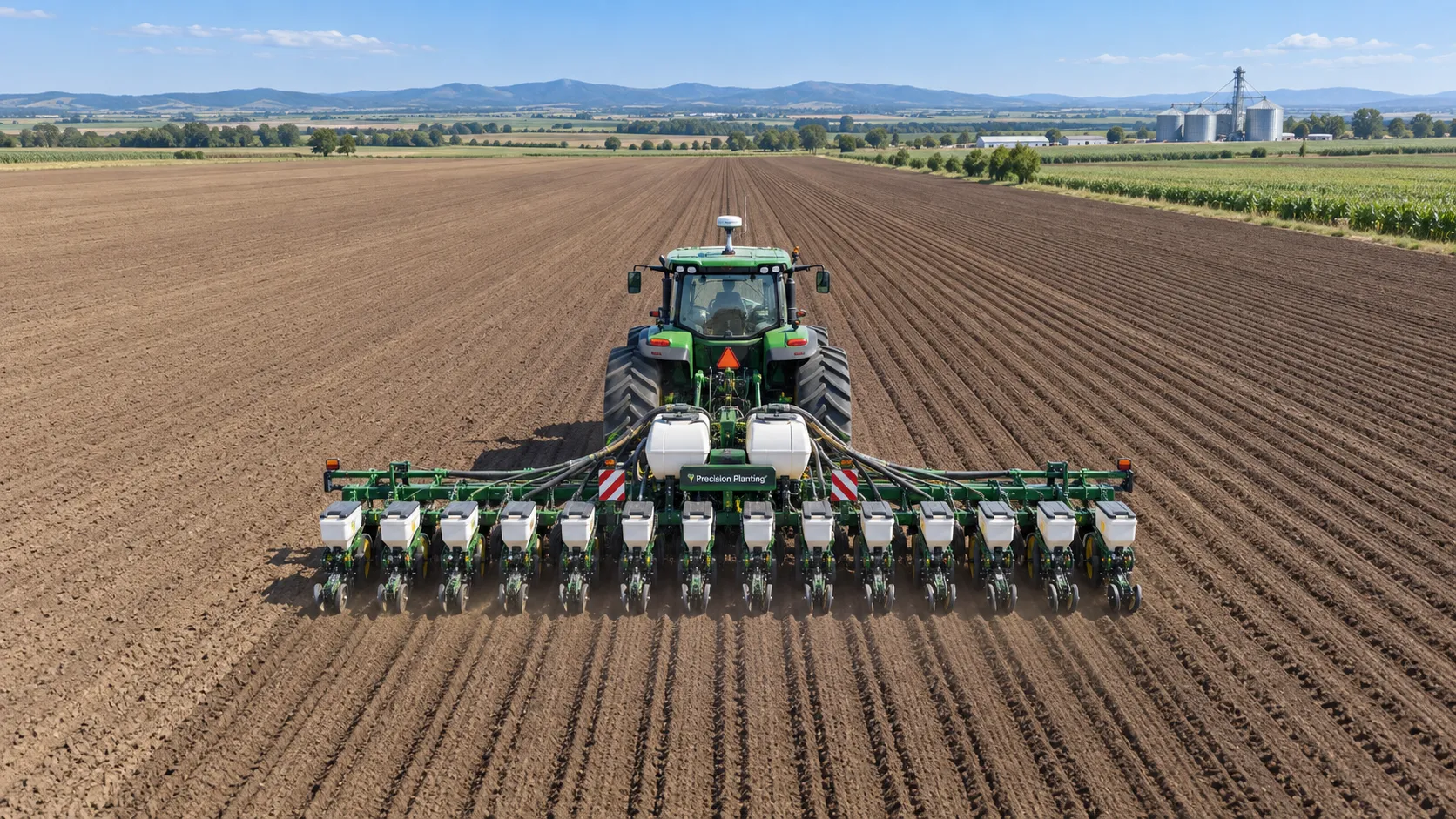
GPS-Guided Farm Machinery: Where It Delivers Measurable Field Efficiency Gains
Agri-mechanization GPS guided systems deliver measurable field efficiency gains through reduced overlap, precise planting, smarter inputs, and reliable farm data.
Related News
- 00
0000-00
GPS-Guided Farm Machinery: Where It Delivers Measurable Field Efficiency Gains - 00
0000-00
ISOBUS for Smart Agriculture: How It Connects Tractors, Implements, and Farm Data - 00
0000-00
How North American Farms Can Select Crop Monitoring Systems by Acreage and Connectivity - 00
0000-00
How Tractor Intelligence Systems Improve Field Efficiency and Input Accuracy - 00
0000-00
Which equipment for larger fields maintains accuracy at higher speeds?
Popular Tags
Tractor Power Architect
Weekly Insights
Stay ahead with our curated technology reports delivered every Monday.