
What causes recurring tractor downtime during peak fieldwork?
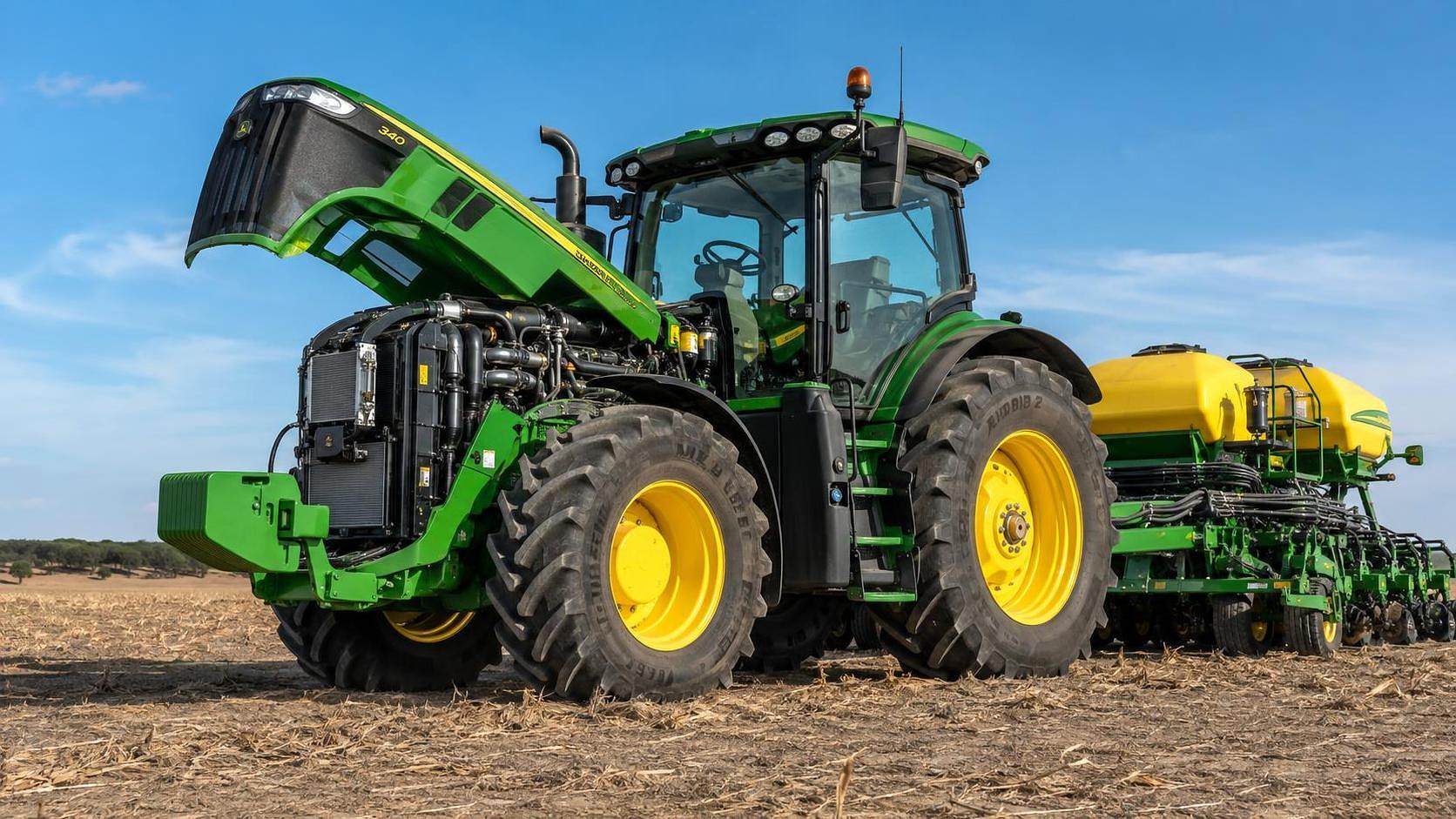




What Causes Recurring Tractor Downtime During Peak Fieldwork?
Recurring tractor downtime rarely comes from one dramatic failure. More often, it is the result of several small weaknesses meeting the worst possible operating conditions: long workdays, dust, heat, heavy implements, uneven soil, rushed service intervals, and little tolerance for diagnostic delays. During planting, spraying, forage harvesting, or grain harvest support, a tractor that stops for an hour can interrupt much more than one machine. It can idle operators, delay implements, disrupt logistics, and narrow an already limited weather window.
For maintenance teams, the important question is not simply why a tractor stopped today. It is why the same unit, system, or fault category keeps returning. Replacing a failed part may restore operation, but it does not necessarily remove the operating condition that caused the failure. A repeat hydraulic warning, transmission derate, overheating event, or intermittent sensor code should be treated as a pattern to investigate rather than an isolated repair ticket.
The most reliable approach combines mechanical inspection, fault-code history, operating context, and a clear view of what changed before the first interruption. Peak-season tractor downtime is often preventable, but only when the maintenance process looks beyond the component that happened to fail.
Peak Workload Exposes Problems That Routine Use Can Hide
A tractor may appear dependable during lighter transport work or short daily shifts, then become unreliable when pulling a deep tillage tool, grain cart, slurry applicator, mower combination, or large planter for extended hours. This does not always mean the tractor is undersized. It may mean that a marginal cooling circuit, restricted filter, worn connector, contaminated fluid, or weakened clutch pack has reached the point where sustained load makes the defect visible.
The operating profile matters. High ambient temperature, low forward speed, frequent headland turns, steep terrain, heavy draft load, and hydraulic-demanding implements create different stresses. A tractor operating a precision planter may spend much of the day supporting hydraulic fans, seed delivery systems, guidance electronics, and hydraulic folding functions. Another tractor may suffer only while hauling because road travel exposes a transmission or braking issue that does not appear in field work.
When a breakdown repeats, record the implement, crop or soil condition, engine speed, travel speed, hydraulic functions in use, warning lamps, fault codes, fuel level, and outside temperature. The operator’s description is especially valuable when an electronic code disappears after a restart. “It happens after three hours with the oil warm” is often more useful than “the tractor lost power.”
Hydraulic Failures Often Begin With Heat, Contamination, or Demand Mismatch
Hydraulic systems are a frequent source of recurring tractor downtime because they serve both core tractor functions and increasingly complex implements. A hydraulic fault can appear as slow lift response, erratic steering, weak remote valves, elevated oil temperature, repeated filter warnings, implement malfunction, or a protective derate. The visible symptom does not always identify the source.
Contaminated oil is a common underlying issue. Dirt introduced during hose connection, water ingress, incorrect fluid handling, deteriorating hose material, or internal component wear can circulate through pumps, valves, and couplers. Replacing a filter without identifying the contamination source may only delay the next interruption. If a filter is cut open during inspection, the material found inside can help distinguish ordinary service debris from abnormal metallic particles, friction material, or seal fragments. Findings should be handled according to the manufacturer’s service procedure and warranty process.
Heat is equally important. Restricted oil coolers, blocked radiator stacks, damaged fan components, low oil level, wrong fluid specification, or sustained operation near the hydraulic system’s capacity can lead to rising temperatures and degraded performance. On modern equipment, the implement’s hydraulic demand should be reviewed alongside tractor pump flow, pressure requirements, remote-valve configuration, return-line routing, and oil-cooling capacity. A tractor can be mechanically sound yet repeatedly overheat hydraulically when paired with an attachment that creates continuous high-flow demand beyond the intended duty cycle.
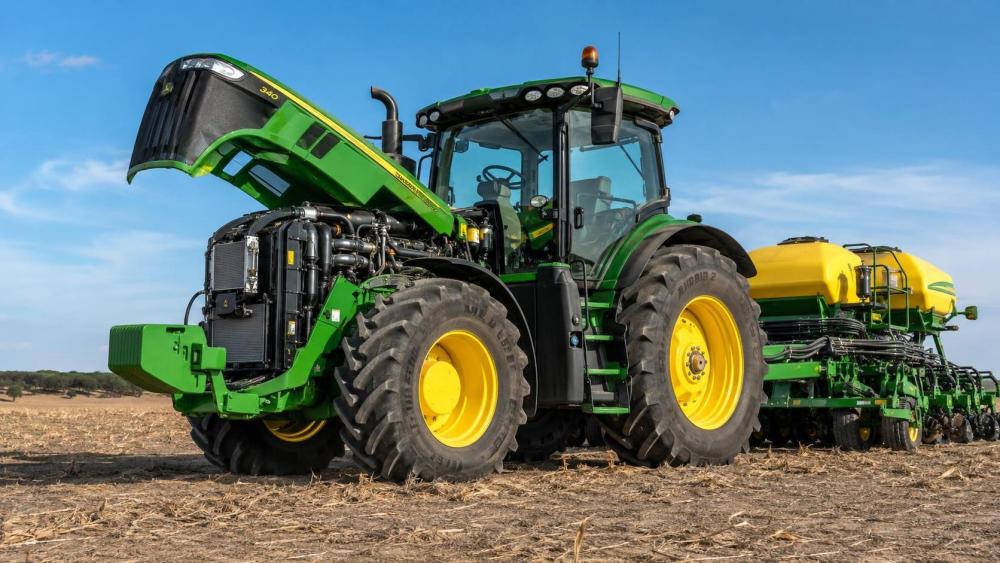
Quick-connect couplers deserve attention as well. A partially seated coupler, damaged seal, restricted return connection, or incompatible connection arrangement can cause heat, pressure spikes, leakage, and poor implement response. These issues are easy to miss when crews are changing attachments under time pressure. Before assuming a pump or valve failure, confirm the basics: correct connection, clean coupler faces, unrestricted return flow, suitable oil level, and proper implement setup.
Transmission and Driveline Stress Can Produce Intermittent Failures
Transmission-related downtime is often misdiagnosed because symptoms can be intermittent. Delayed engagement, harsh shifts, loss of drive when hot, repeated calibration messages, unusual noise, or a fault that clears after the tractor cools may indicate more than a software issue. Fluid condition, pressure stability, clutch-pack wear, wiring integrity, sensor feedback, and calibration status can all be involved.
Peak workloads increase the risk. Heavy towing, frequent direction changes, aggressive shuttle use, loader work, prolonged low-speed draft operations, and repeated transport cycles all place different loads on the driveline. Tire mismatch or incorrect inflation can also affect front-to-rear rolling relationship on tractors using mechanical front-wheel drive. That relationship should be checked using the manufacturer’s approved procedures, because unsuitable tire combinations or excessive wear differences can contribute to driveline wind-up and unnecessary stress.
Avoid treating a transmission warning as a reason to simply reset the control unit and release the machine. Retrieve stored and active diagnostic codes, review the conditions under which they were logged, inspect connectors and harness routing, verify fluid specification and level, and determine whether the fault follows temperature, load, direction changes, or a particular range. If a calibration is needed, it should be performed under the conditions specified by the equipment manufacturer. An incomplete or improperly timed calibration can create more inconsistency, not less.
Electrical and Sensor Faults Become More Likely in Dust, Moisture, and Vibration
Modern tractors depend on networks of sensors and controllers for engine protection, emissions systems, hitch control, transmission management, steering, implement communication, and precision guidance. This improves capability, but it also means a damaged wire, corroded connector, weak ground, low charging voltage, or failed sensor can stop work even when the mechanical systems appear normal.
Recurring electronic faults often emerge after vibration or heat. Harnesses can rub against brackets, connectors can loosen, and moisture can enter at a seal that looks intact from the outside. Rodent damage and previous repairs are also worth checking. A wire repaired with an unsuitable splice may work temporarily, then fail under vibration or when temperatures rise. Battery terminals, chassis grounds, alternator output, fuse-box condition, and connector pin tension are unglamorous checks, but they frequently separate a durable repair from repeated callouts.
Diagnostic tools should not be used only to read the latest active code. Review historic codes, timestamp sequences where available, sensor plausibility, supply-voltage events, and communication faults across related controllers. A pressure sensor code, for example, may be caused by the sensor itself, its circuit, a poor ground, or an actual pressure problem. Replacing sensors repeatedly without confirming the signal path can consume scarce peak-season time and leave the root cause untouched.
Cooling and Airflow Problems Are Usually Maintenance Problems Before They Become Engine Problems
Overheating is one of the clearest causes of lost field hours, yet many cooling failures develop gradually. Chaff, crop residue, insects, mud, and oily dust accumulate across radiator, charge-air cooler, hydraulic oil cooler, air-conditioning condenser, and protective screens. A surface that looks reasonably clean can still have a packed layer between coolers. In dry crop residues or high-dust tillage conditions, daily cleaning may be necessary; the correct frequency depends on the machine design and environment.
Cooling system checks should include more than the coolant level. Inspect fan operation, belt condition, hose integrity, cap condition where applicable, coolant quality, radiator fin damage, and signs of leakage. Engine air filtration also deserves attention. A restricted air filter can reduce power and increase fuel use, while damaged intake plumbing can allow abrasive dust into the engine. Do not clean or replace filters purely by habit if the machine has a restriction indicator and the manufacturer specifies a service approach; unnecessary handling can introduce contamination.
If overheating occurs only with one implement or in one crop environment, investigate airflow and load together. Cleaning the cooling pack may solve the immediate symptom, but it is also necessary to ask why loading became excessive: a slipping fan drive, a hydraulic circuit running continuously, a blocked exhaust treatment system, or an operating technique that keeps the engine in an unsuitable speed range may be part of the picture.
Preventive Maintenance Fails When It Is Treated as a Calendar Exercise
A service schedule is essential, but recurring downtime often shows that maintenance has become too generic for the equipment’s actual duty cycle. A tractor on light seasonal work and a tractor supporting high-acreage operations do not accumulate wear in the same way. Hour intervals matter, yet field conditions matter too. Dusty conditions may demand more frequent cooling-pack and cab-filtration checks. Intensive hydraulic work may justify closer monitoring of oil condition and hose wear. Long road transport may call for more attention to tires, brakes, axle components, and lighting connections.
The best pre-season inspection is not a broad checklist completed once and forgotten. It should be linked to the tractor’s likely jobs. Review known fault history, prior repairs, pending service campaigns from the manufacturer or dealer, wear parts with long procurement lead times, and attachments planned for the season. Confirm that operators understand daily checks and warning indications, but do not expect operators to compensate for unresolved technical defects.
A practical maintenance record should connect each intervention to the machine’s condition: what was found, what was measured, what was replaced, what fluid was used, which fault codes were present, and whether the repair was verified under load. This protects continuity when different technicians handle the same machine. It also makes repeat failures visible sooner.
A Better Diagnostic Order Reduces Repeat Callouts
When the tractor is needed immediately, there is pressure to restore movement as fast as possible. That is understandable. Still, a disciplined triage sequence usually saves time over the full season. Begin with safety: secure the implement, depressurize hydraulic systems where required, isolate electrical power when appropriate, and follow the manufacturer’s lockout and service guidance.
Then separate the event into four questions:
- What exactly stopped working: propulsion, hydraulics, PTO, steering, guidance, engine power, or an implement function?
- Under what conditions did it occur: cold or hot, light or heavy load, stationary or moving, field or road, one implement or every task?
- What evidence remains: fault codes, fluid leaks, abnormal temperatures, contamination, damaged wiring, unusual noise, or operator observations?
- What previous repair or operating change happened shortly before the fault pattern started?
This sequence helps prevent “parts cannon” repairs, where multiple likely parts are changed without proving the failure mechanism. In a high-pressure field season, that approach can produce expensive repeat downtime and leave the maintenance team with little confidence in the machine’s readiness.
From Individual Repairs to Fleet-Level Reliability
For larger operations, dealers, and service networks, recurring failures should be reviewed across the fleet rather than tractor by tractor alone. If several machines experience blocked cooling packs, connector failures at the same location, hose abrasion, or hydraulic overheating with a certain implement type, the issue may involve work practice, attachment compatibility, parts quality, or a shared maintenance gap. A simple fault log sorted by system, operating hour range, season, and application can reveal patterns that remain invisible in isolated work orders.
This wider perspective is increasingly relevant as tractors become part of connected field systems. Guidance, implement control, telematics, water management, harvesting logistics, and crop-timing decisions now intersect. AP-Strategy follows this broader Agriculture 4.0 environment through its work on large-scale machinery, tractor chassis, intelligent farm tools, combine technology, and water-saving irrigation systems. The useful lesson for service planning is straightforward: machine reliability is no longer only a workshop issue. It depends on how power, implements, data systems, operator routines, and seasonal planning fit together.
The next time a tractor returns with the same complaint, resist the urge to define the job solely by the failed component. Verify the load profile, inspect the surrounding system, preserve diagnostic evidence, and test the repair under conditions close to the original failure. Peak fieldwork leaves little room for assumptions, but it rewards maintenance teams that turn every interruption into a clearer reliability decision.
Related News

How to Evaluate Agricultural Product Information Sources for Reliable Farm Decisions
Agricultural product information reference guide: evaluate reliable farm data, verify claims, and make smarter machinery, irrigation, and crop decisions.
Farm Machinery Guide: Matching Tractor Horsepower and Implements to Farm Size
Farm machinery guide for tractors: match horsepower, implement width, hydraulics, traction, and fleet capacity to farm size for lower costs and reliable field performance.
How to Evaluate Drip Irrigation System Manufacturers for Large Farm Projects
Drip irrigation systems manufacturer evaluation guide for large farms: compare hydraulic design, filtration, quality control, scalability, delivery, and support.
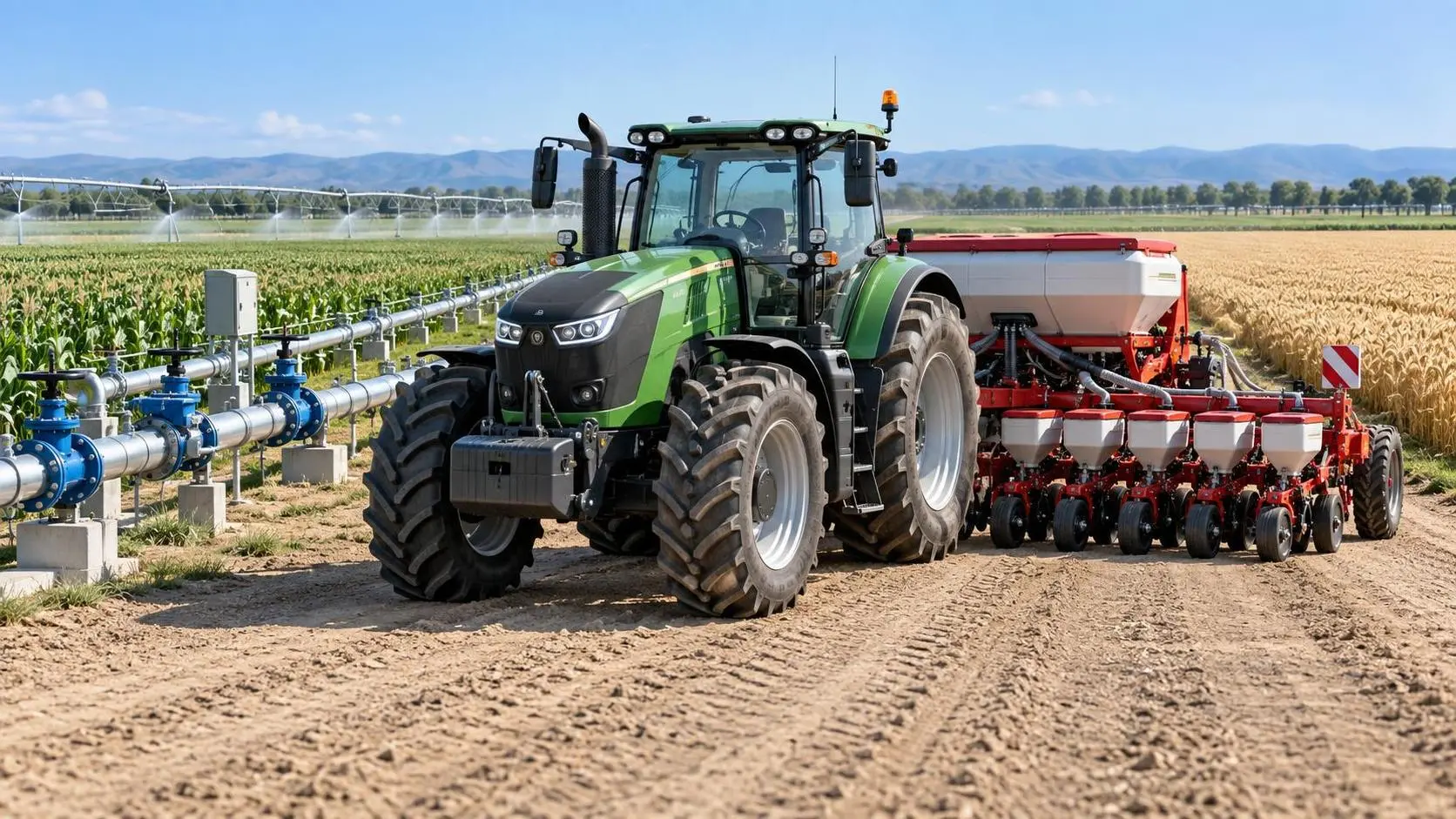
Specification Planning: A Practical Framework for Defining Equipment Requirements
Application guidance for specification planning: define measurable equipment requirements, prioritize performance, and avoid costly procurement mistakes.

How North American Farms Can Select Crop Monitoring Systems by Acreage and Connectivity
Crop monitoring systems North America: learn how to match acreage, connectivity, sensors, and data workflows for reliable, actionable farm decisions.

Where to Find Reliable Product Information for Comparing Farm Equipment
Product information resources agriculture buyers can trust: compare farm equipment with technical specs, manuals, field data, dealer support, and lifecycle insights.
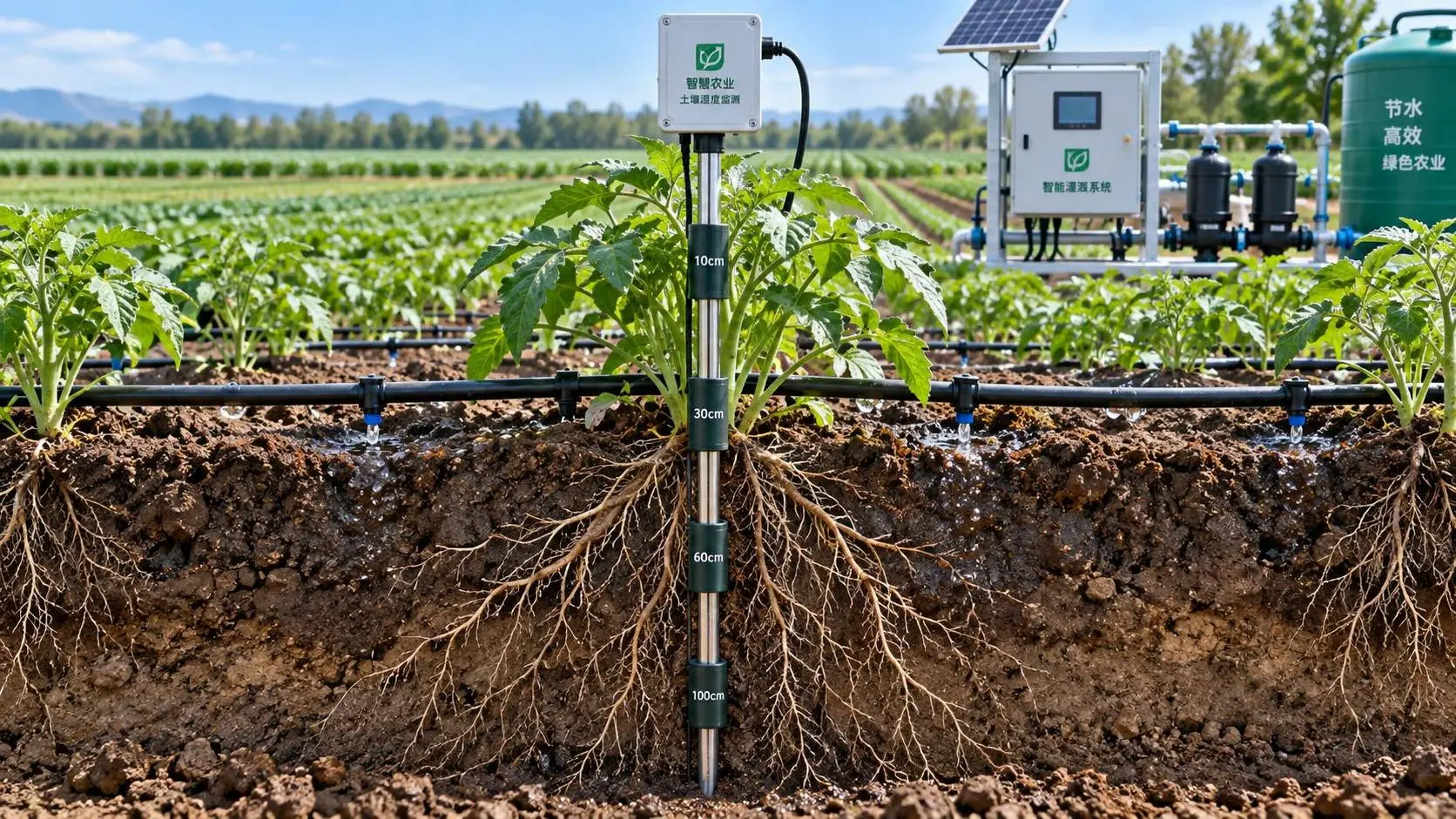
Selecting Real-Time Soil Moisture Sensors for Irrigation Zone Control
Soil moisture sensors real time: learn how to select reliable probes, optimize zone control, improve irrigation decisions, and scale precision water management.
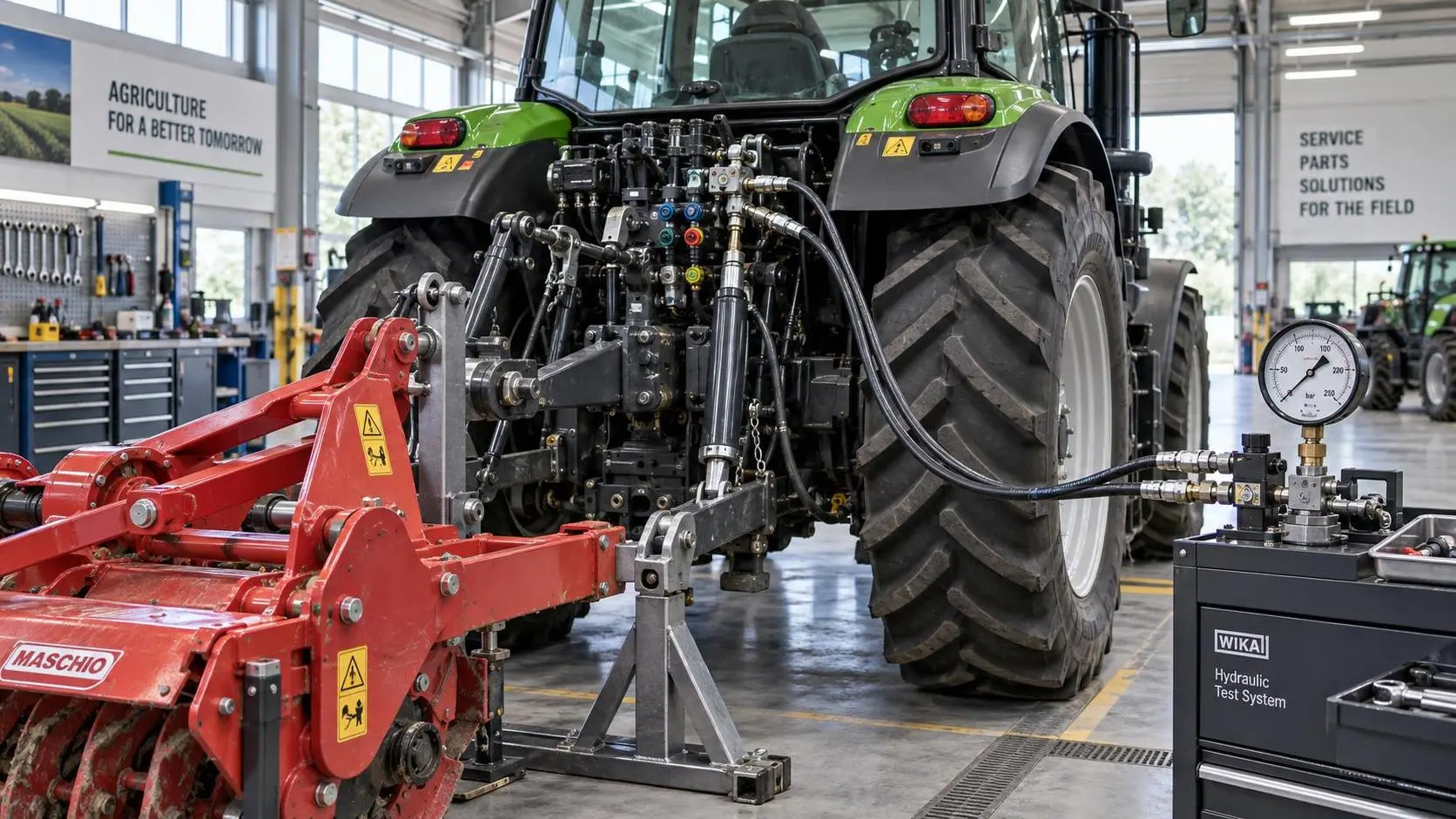
Tractor Hydraulic Systems Troubleshooting: Diagnosing Weak Lift and Slow Implements
Tractor hydraulic systems troubleshooting made practical: diagnose weak lifts and slow implements with proven pressure, flow, valve, and oil-supply checks.
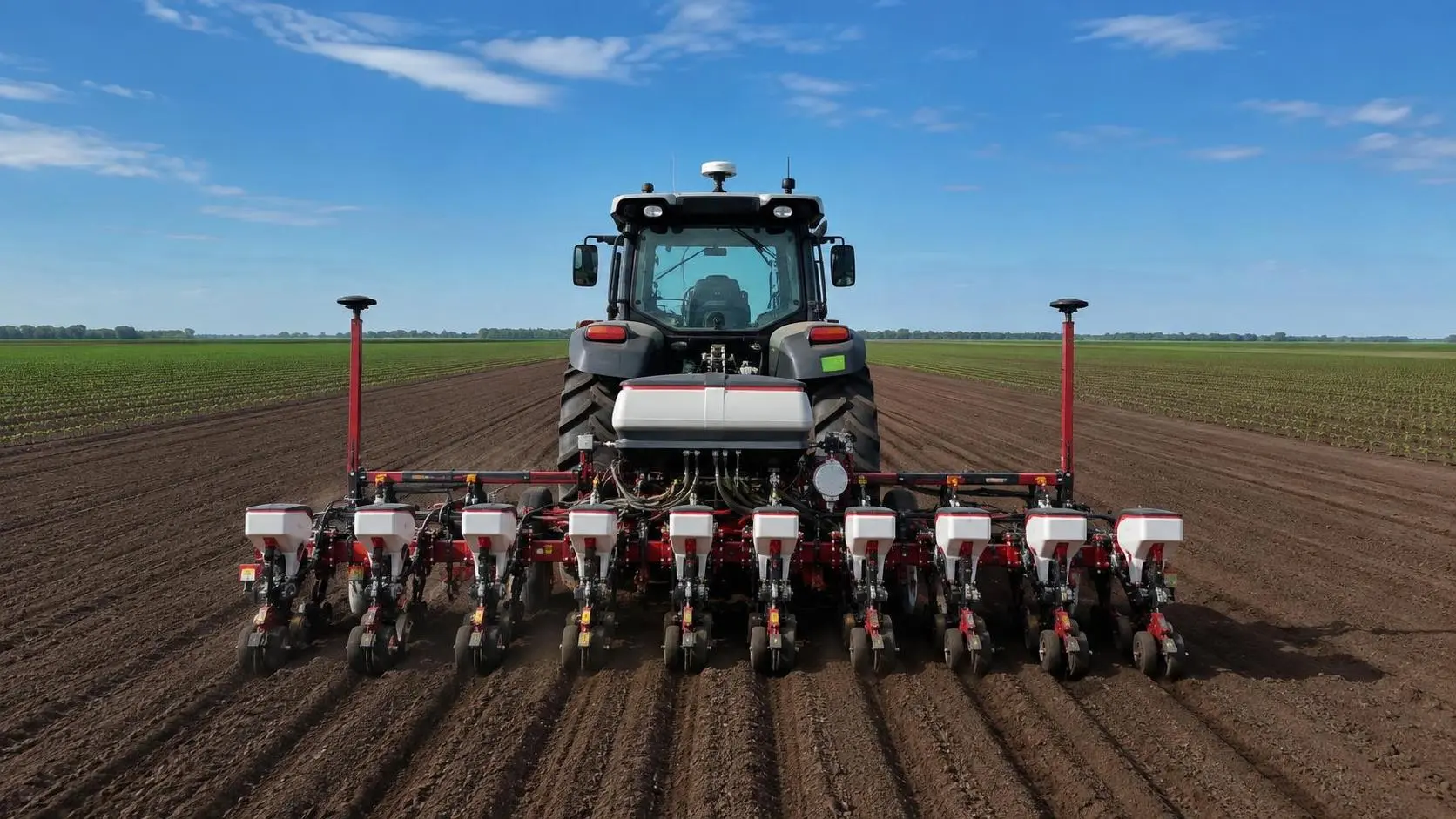
How Tractor Intelligence Systems Improve Field Efficiency and Input Accuracy
Agricultural machinery intelligence for tractors improves field efficiency, input accuracy, data traceability, and implement control. Explore smarter evaluation strategies.
Related News
- 00
0000-00
How to Evaluate Agricultural Product Information Sources for Reliable Farm Decisions - 00
0000-00
Farm Machinery Guide: Matching Tractor Horsepower and Implements to Farm Size - 00
0000-00
Specification Planning: A Practical Framework for Defining Equipment Requirements - 00
0000-00
Where to Find Reliable Product Information for Comparing Farm Equipment - 00
0000-00
How to Evaluate Crop Monitoring System Manufacturers for Large-Scale Farms
Popular Tags
Ms. Elena Rodriguez
Weekly Insights
Stay ahead with our curated technology reports delivered every Monday.