
When does standardizing tractor fleets reduce seasonal operating costs?
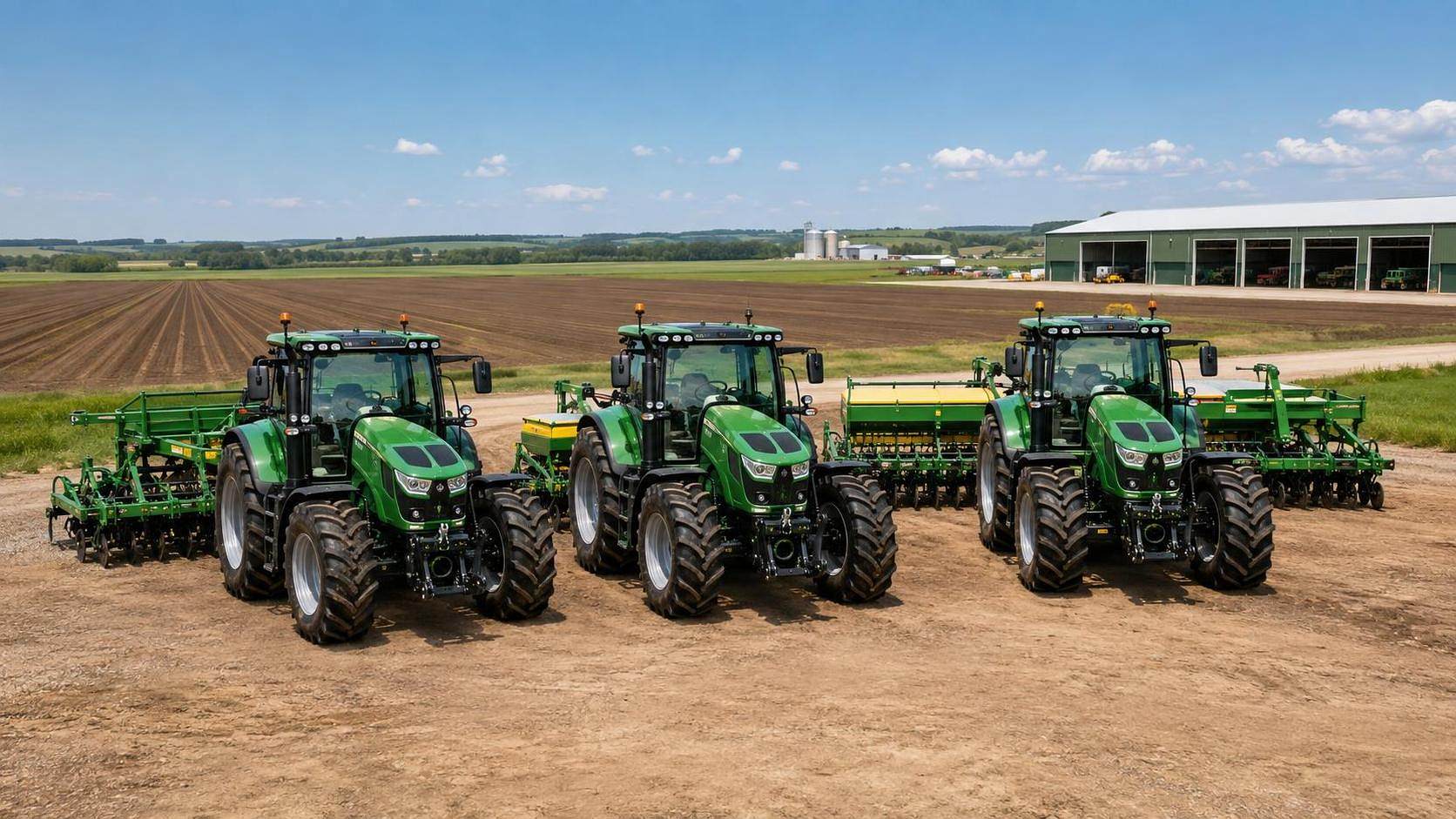




Seasonal cost pressure rarely arrives as a single invoice. It shows up as a planter waiting for a tractor with the right hydraulic couplers, a technician searching across three parts catalogs, an operator losing time adapting to an unfamiliar transmission, or a rented replacement machine arriving halfway through a narrow weather window. On large farms, these small interruptions can become expensive very quickly.
That is why the question is not simply whether standardized tractor fleets cost less to own. The more useful question is: at what point does fleet standardization reduce the cost and risk of getting critical seasonal work done?
For enterprise decision-makers, standardization becomes compelling when machinery availability matters more than isolated purchase price, when equipment is used intensively during short operational windows, and when the farm has enough scale to turn common parts, shared skills, and compatible data into repeatable savings. It is not the right answer for every operation. A diverse enterprise with highly specialized terrain, crops, or implements may need a mixed fleet. But unmanaged diversity is often far more costly than it first appears.
The seasonal economics behind tractor fleet standardization
A tractor may work moderate hours across a full year, yet generate most of its economic value in a few concentrated weeks. Tillage, planting, fertilizer placement, forage harvest, grain hauling, and post-harvest fieldwork all have deadlines shaped by soil conditions, crop maturity, labor availability, and weather. Missing those windows can affect yield, fuel use, crop quality, and contractor dependence.
In this setting, a fleet’s real cost is not limited to depreciation, finance, fuel, and repairs. It also includes the operational friction created by variation:
- Parts that cannot be shared between models or generations;
- Different diagnostic systems, software subscriptions, and dealer service procedures;
- Operator time lost switching between control layouts and guidance interfaces;
- Implements that require adapters, extra calibration, or different hydraulic settings;
- Uneven machine utilization, where one unit is overloaded while another is poorly matched to the task;
- Delayed repairs caused by uncertain fault diagnosis or unavailable components.
Standardizing tractor fleets reduces seasonal operating costs when these hidden costs have become recurring rather than occasional. A single unusual machine can be manageable. Five different machine families, each with different filters, electronics, tire specifications, and service needs, can turn routine maintenance into a logistical project.
Four signs the fleet has reached the standardization threshold
There is no universal tractor count at which standardization automatically pays off. The threshold depends on operating hours, crop calendar, distance between sites, workshop capability, and dependence on precision technology. Still, several conditions are strong indicators that a planned fleet strategy deserves serious consideration.
1. Downtime is occurring during agronomic deadlines
If a breakdown in peak season forces the business to postpone planting, hire a contractor at short notice, or move labor away from other essential work, the issue is not simply maintenance cost. It is lost operational capacity. Standardized tractor fleets help by making preventive maintenance more predictable and replacement planning more practical. A common platform can allow technicians to identify faults faster, stock the most relevant wear parts, and redeploy operators with less disruption.
The important measure is not annual downtime alone. Review downtime during critical field days: the hours when soil moisture is right, a crop needs to be established, or harvest conditions are acceptable. This is where standardization often produces its strongest financial return.
2. The farm holds an expanding “just in case” parts inventory
Parts inventory is frequently treated as a workshop issue, but it is an asset-allocation issue. Farms with mixed tractor brands and age profiles may carry multiple oil filters, belts, sensors, seals, electronic modules, hydraulic fittings, and tire sizes simply because no one can afford to be caught unprepared in season.
Some inventory is sensible insurance. Excessive inventory, however, ties up capital and increases the chance of obsolete stock. Where a core group of tractors shares engines, transmissions, filters, telematics hardware, and hydraulic architecture, the farm can stock a smaller, more deliberate list of high-risk items. It also becomes easier to agree service-level expectations with dealers and suppliers.
3. Operators are working around machines rather than with them
Operator familiarity is often underestimated in procurement models. During long shifts, differences in headland management, shuttle controls, PTO settings, guidance displays, visibility, and loader functions create small but repeated inefficiencies. More importantly, unfamiliarity can lead to setup errors, poor fuel discipline, premature wear, and avoidable safety events.
A standardized fleet does not mean every tractor must have identical horsepower. It means machines within a class should have a consistent operating logic. Operators can move from a row-crop tractor to a heavy draft unit without relearning core controls and display workflows. Training becomes easier to schedule, and the business is less dependent on one person who “knows that particular tractor.”
4. Precision agriculture data is fragmented
As farms adopt guidance, implement control, remote monitoring, variable-rate operations, and machine performance analysis, platform compatibility becomes a cost issue. Different tractor systems may export data in different formats, require separate subscriptions, or create gaps between field records and fleet-management reports.
For a business pursuing Agriculture 4.0 capabilities, standardizing tractor fleets can provide a more stable foundation for connected operations. Consistent telematics and guidance ecosystems make it easier to compare idle time, fuel burn, engine load, route efficiency, and maintenance alerts across units. The objective is not to collect more data; it is to make decisions from data that can be compared with confidence.
Where the savings actually come from
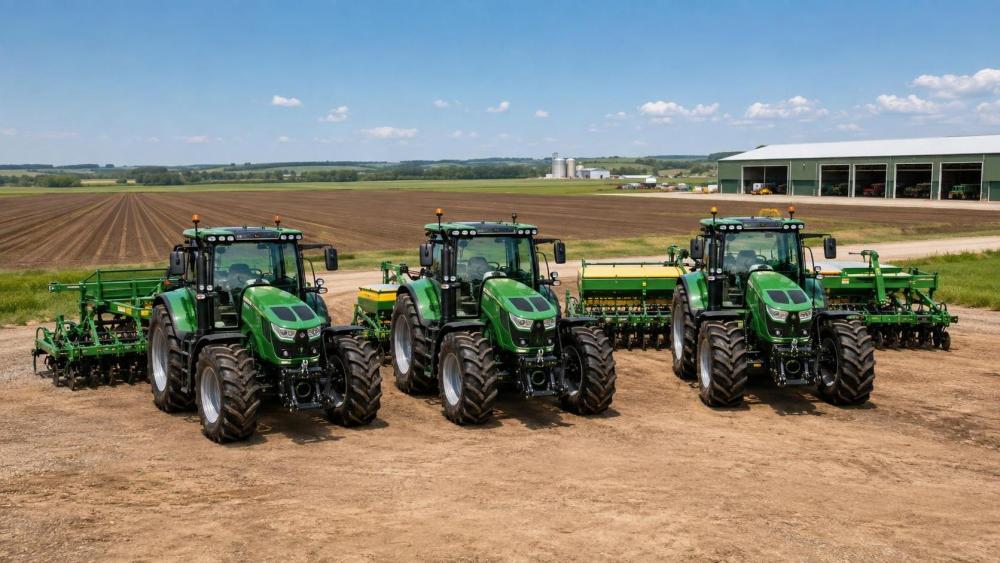
Procurement teams should be cautious about claims that one brand or one fleet architecture always delivers lower cost. Savings depend on local dealer coverage, tractor specification, financing terms, and the farm’s own operating discipline. Still, the mechanisms behind a successful standardization program are well understood.
Notice that many of these gains depend on management processes. Buying similar tractors but continuing to operate with inconsistent maintenance records, weak operator training, and no utilization review will not unlock the full value. Standardization is an operating model, not merely a purchasing preference.
Do not standardize every horsepower category blindly
A common procurement mistake is to interpret standardization as “one tractor model for everything.” That can create a new set of inefficiencies. A tractor optimized for heavy cultivation may be too large, expensive, or soil-compacting for spraying, feeding, loader work, or light transport. Conversely, a utility tractor pressed into high-draft work may consume more fuel per hectare and accumulate wear at an unsustainable rate.
A better approach is to standardize by operating family. For example, a large enterprise may define a heavy-draft group, a planting-and-row-crop group, a utility-and-loader group, and a transport-support group. Within each group, establish a preferred platform with common controls, data systems, service requirements, and selected options.
This creates useful interchangeability without forcing every job into the same machine. It also clarifies where exceptions are justified. A vineyard, orchard, steep-slope operation, controlled-traffic system, or irrigation-pumping application may require a specialized tractor. The exception should be deliberate, documented, and evaluated against its own lifecycle economics—not allowed to become another unmanaged fleet category.
Calculate the decision around seasonal capacity, not acquisition price
When comparing alternatives, begin with a baseline of how the current fleet performs under pressure. A three-year record is often more revealing than a single season because weather and crop programs vary. Build the review around field capacity and reliability, then connect those measures to financial outcomes.
Useful questions include:
- Which tractor and implement combinations are essential during the busiest two to four weeks of the year?
- How many hours of repair-related delay occurred during those periods?
- Which parts were urgently sourced, borrowed, or purchased at premium cost?
- How often were operators reassigned because only one person could run a particular machine efficiently?
- Which tractors have compatible guidance, implement control, and remote-monitoring systems?
- Are machines being selected for jobs according to true capacity, or simply according to what is available?
- What is the cost of hired backup capacity when an internal machine is unavailable?
Then model the proposed future fleet in terms of total seasonal capacity. Include planned maintenance, expected repair exposure, operator learning time, transport between fields, fuel use by operation, and the practical ability to substitute one machine for another. Avoid assuming zero downtime; the more resilient plan is the one that remains workable when a machine is out of service.
For large-scale operations, this is also the point to examine tractor chassis and hydraulic compatibility closely. A fleet may look standardized on paper while its drawbar capacity, rear linkage configuration, hydraulic flow, tire setup, or ballast options limit implement interchangeability. Real flexibility comes from matching the tractor platform to the implement portfolio already doing the work.
Replacement timing can determine whether the strategy pays
Fleet standardization is easiest and usually least disruptive when it is aligned with natural replacement cycles. Replacing every tractor at once may create a large capital requirement and unnecessarily dispose of productive assets. Waiting until all machines are at the end of life can prolong the inefficiencies the strategy was meant to solve.
Many businesses use a phased approach: identify the most costly outliers, set a preferred platform for each operating family, and migrate as leases expire or major repairs become uneconomic. This protects cash flow while gradually reducing complexity. It also gives managers time to test dealer support, data integration, operator acceptance, and actual service performance before committing the entire fleet.
However, a gradual plan needs discipline. If every replacement is treated as a separate negotiation, the fleet can drift back into diversity. Procurement policy should define acceptable specifications, approved configurations, required connectivity, and the conditions under which an exception is permitted.
Dealer support is part of the fleet design
Even the most carefully selected tractor fleet will not reduce seasonal operating costs if local support is weak. Decision-makers should assess the dealer network as part of the asset, particularly where farms operate across large distances or have limited internal workshop capacity.
Ask practical questions: Can the dealer support peak-season callouts? Are mobile technicians trained on the selected transmission and precision systems? Which components are typically held locally? Is remote diagnostics available and usable? Can the supplier provide temporary capacity when a critical unit is down? The answers may matter more than a marginal difference in quoted purchase price.
AP-Strategy’s broader view of mechanization trends points to the same conclusion: connected machinery, autonomous functions, and more sophisticated hydraulic and electronic systems increase the value of a coherent support ecosystem. As tractors become data-generating power platforms rather than purely mechanical assets, fragmented fleet choices become harder to manage.
A practical decision rule for enterprise buyers
Standardize tractor fleets when the farm can demonstrate that complexity is reducing availability during high-value field windows, when multiple machines perform overlapping duties, and when common platforms will simplify maintenance, labor, data, and implement management without compromising specialized work.
Delay or limit standardization when the proposed common platform cannot meet distinct agronomic requirements, when dealer coverage is uncertain, or when the existing fleet still has productive assets whose early replacement would outweigh near-term operating gains. The answer is rarely total uniformity. It is controlled complexity: enough consistency to make the operation reliable, enough specialization to protect field performance.
In procurement terms, the best fleet is not the one with the lowest sticker price or the most impressive specification sheet. It is the one that can keep work moving when weather narrows the window, labor is stretched, and every operational hour has consequences. That is the moment when standardized tractor fleets move from an administrative preference to a measurable seasonal cost strategy.
Related News
How to Evaluate Agricultural Product Information Sources for Reliable Farm Decisions
Agricultural product information reference guide: evaluate reliable farm data, verify claims, and make smarter machinery, irrigation, and crop decisions.
Farm Machinery Guide: Matching Tractor Horsepower and Implements to Farm Size
Farm machinery guide for tractors: match horsepower, implement width, hydraulics, traction, and fleet capacity to farm size for lower costs and reliable field performance.
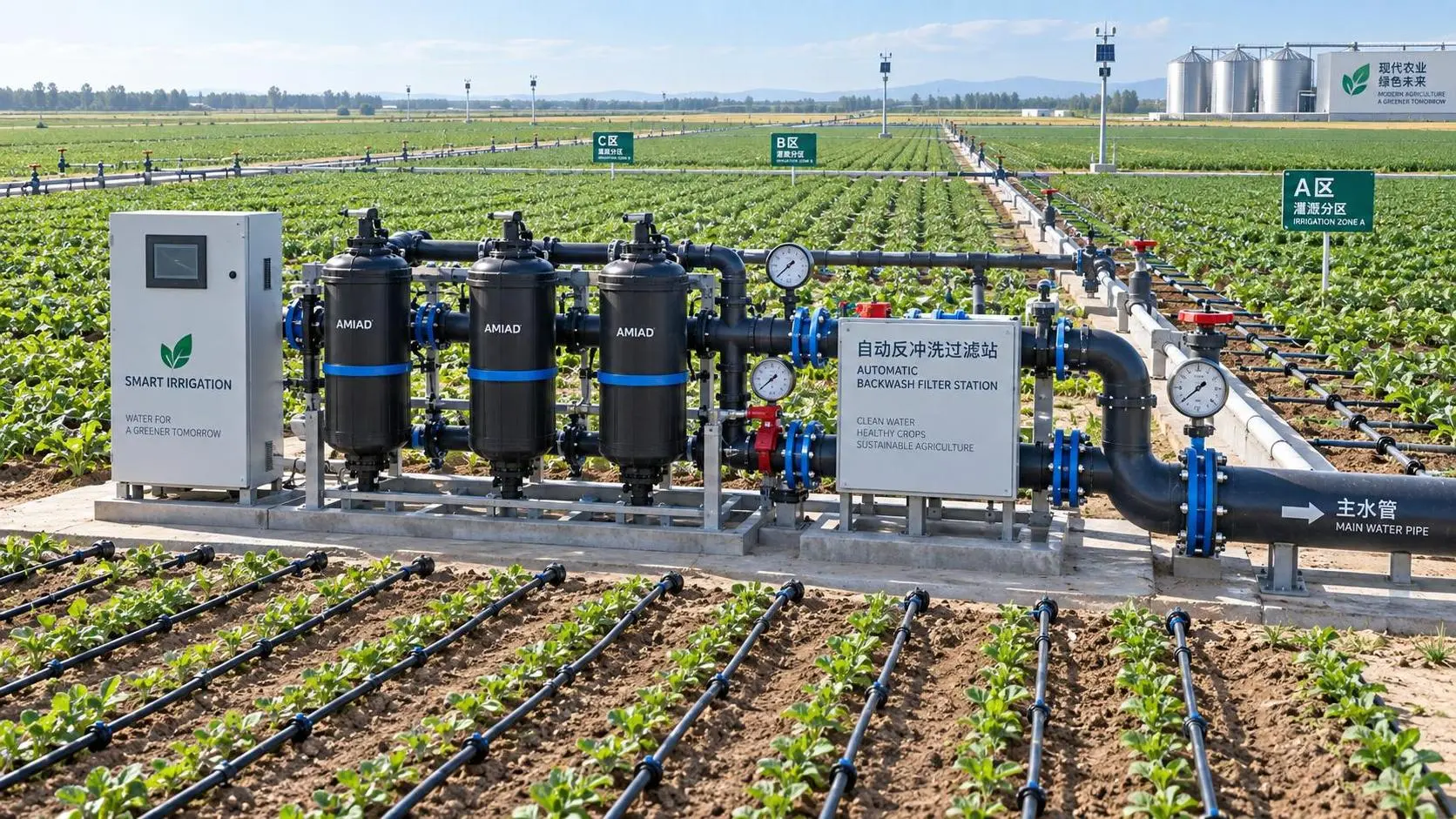
How to Evaluate Drip Irrigation System Manufacturers for Large Farm Projects
Drip irrigation systems manufacturer evaluation guide for large farms: compare hydraulic design, filtration, quality control, scalability, delivery, and support.
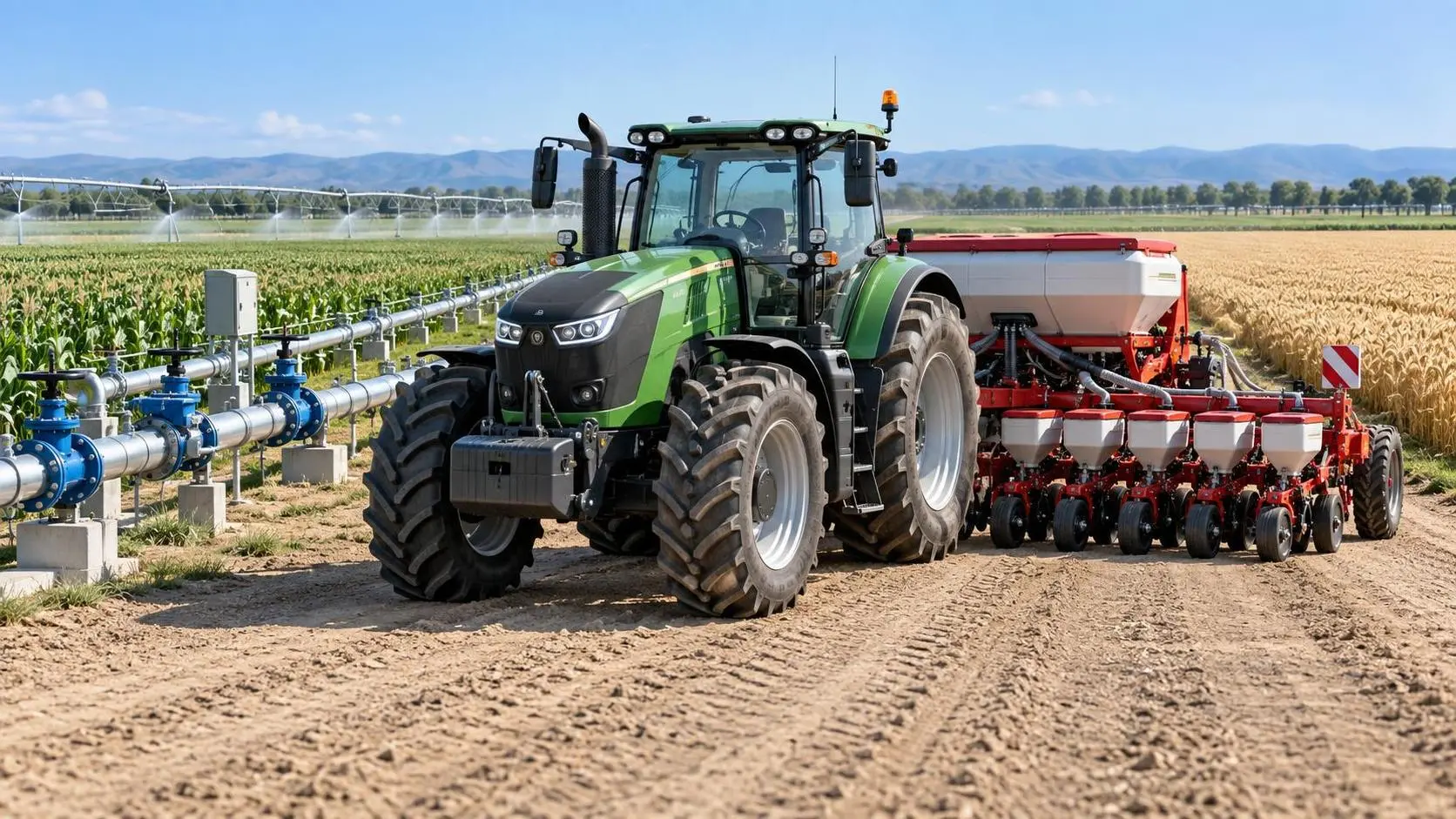
Specification Planning: A Practical Framework for Defining Equipment Requirements
Application guidance for specification planning: define measurable equipment requirements, prioritize performance, and avoid costly procurement mistakes.

How North American Farms Can Select Crop Monitoring Systems by Acreage and Connectivity
Crop monitoring systems North America: learn how to match acreage, connectivity, sensors, and data workflows for reliable, actionable farm decisions.

Where to Find Reliable Product Information for Comparing Farm Equipment
Product information resources agriculture buyers can trust: compare farm equipment with technical specs, manuals, field data, dealer support, and lifecycle insights.
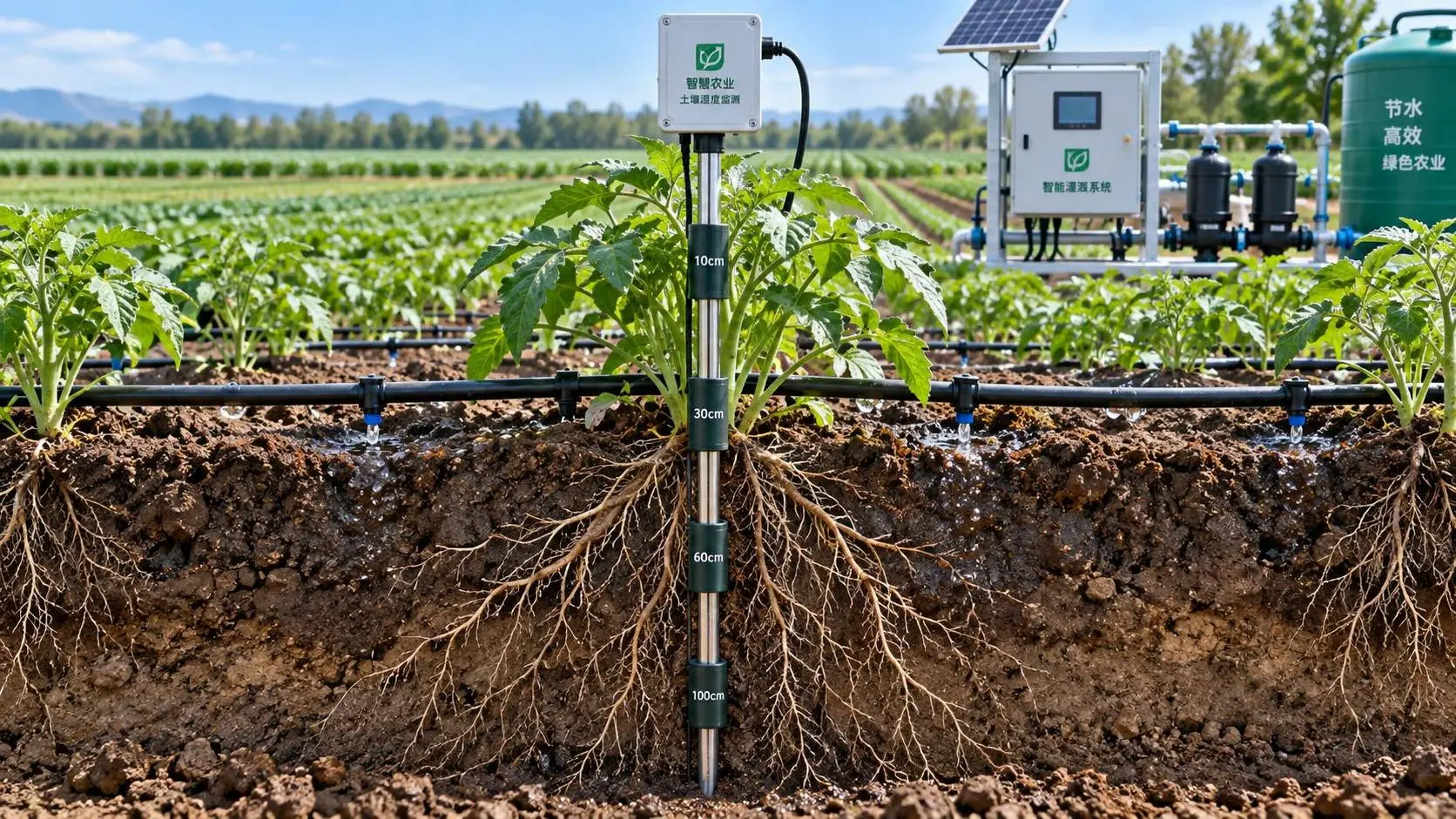
Selecting Real-Time Soil Moisture Sensors for Irrigation Zone Control
Soil moisture sensors real time: learn how to select reliable probes, optimize zone control, improve irrigation decisions, and scale precision water management.
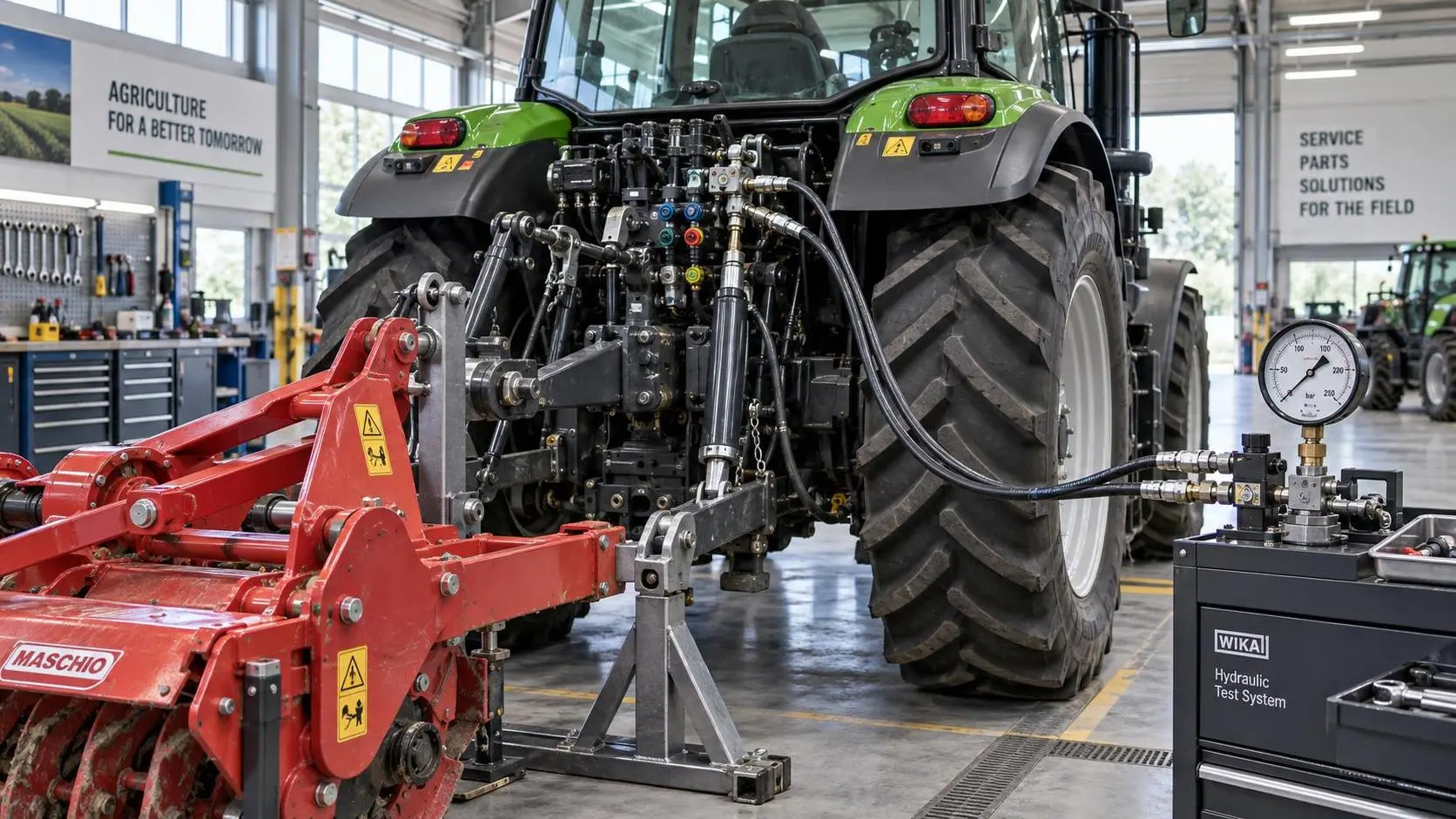
Tractor Hydraulic Systems Troubleshooting: Diagnosing Weak Lift and Slow Implements
Tractor hydraulic systems troubleshooting made practical: diagnose weak lifts and slow implements with proven pressure, flow, valve, and oil-supply checks.
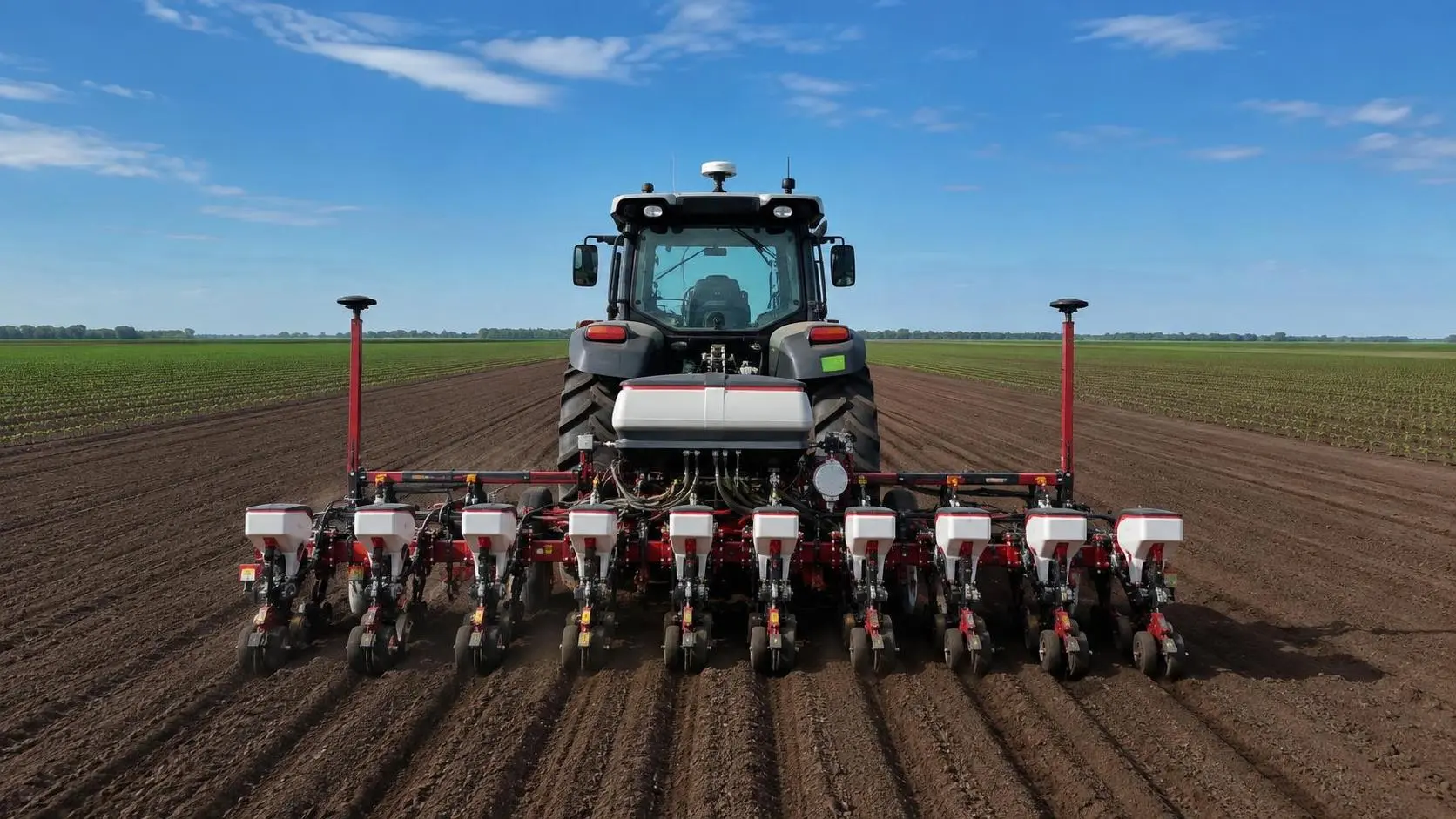
How Tractor Intelligence Systems Improve Field Efficiency and Input Accuracy
Agricultural machinery intelligence for tractors improves field efficiency, input accuracy, data traceability, and implement control. Explore smarter evaluation strategies.
Related News
- 00
0000-00
How to Evaluate Agricultural Product Information Sources for Reliable Farm Decisions - 00
0000-00
Farm Machinery Guide: Matching Tractor Horsepower and Implements to Farm Size - 00
0000-00
Specification Planning: A Practical Framework for Defining Equipment Requirements - 00
0000-00
Where to Find Reliable Product Information for Comparing Farm Equipment - 00
0000-00
How to Evaluate Crop Monitoring System Manufacturers for Large-Scale Farms
Popular Tags
Ms. Elena Rodriguez
Weekly Insights
Stay ahead with our curated technology reports delivered every Monday.