What Is Market Insight Content, and How Does It Differ From Market Data?




Market insight content explains what market evidence means, why a change may be happening, and how that change could affect a decision. Market data provides the underlying observations: equipment sales, crop prices, dealer inventories, irrigation installations, or customer survey responses. Insight connects those observations with relevant context and a reasoned interpretation.
The distinction matters because the same data can support different explanations. Rising tractor sales might reflect stronger farm investment, replacement purchases, favorable financing, or orders delayed from an earlier period. A sales chart establishes the increase. Useful analysis investigates its causes and explains whether those causes are likely to continue.
For agricultural equipment and technology markets, that means connecting commercial signals with conditions in the field: harvesting windows, machinery compatibility, water availability, service capacity, and farm economics. A credible insight makes that connection visible while keeping evidence, interpretation, and uncertainty separate.
What counts as market insight content?
Market insight content is an article, report, briefing, or other publication that uses evidence to explain a market condition and its implications. Its value comes from the reasoning it provides, rather than its format or length. A short analysis of dealer inventory can contain more useful insight than a lengthy report filled with charts.
A well-supported piece usually connects four elements:
- An observation: What changed, or what pattern appears in the evidence?
- An explanation: Which factors could account for that pattern?
- An implication: What could it mean for buyers, suppliers, distributors, or investment decisions?
- A boundary: Under which conditions would that interpretation hold or need to change?
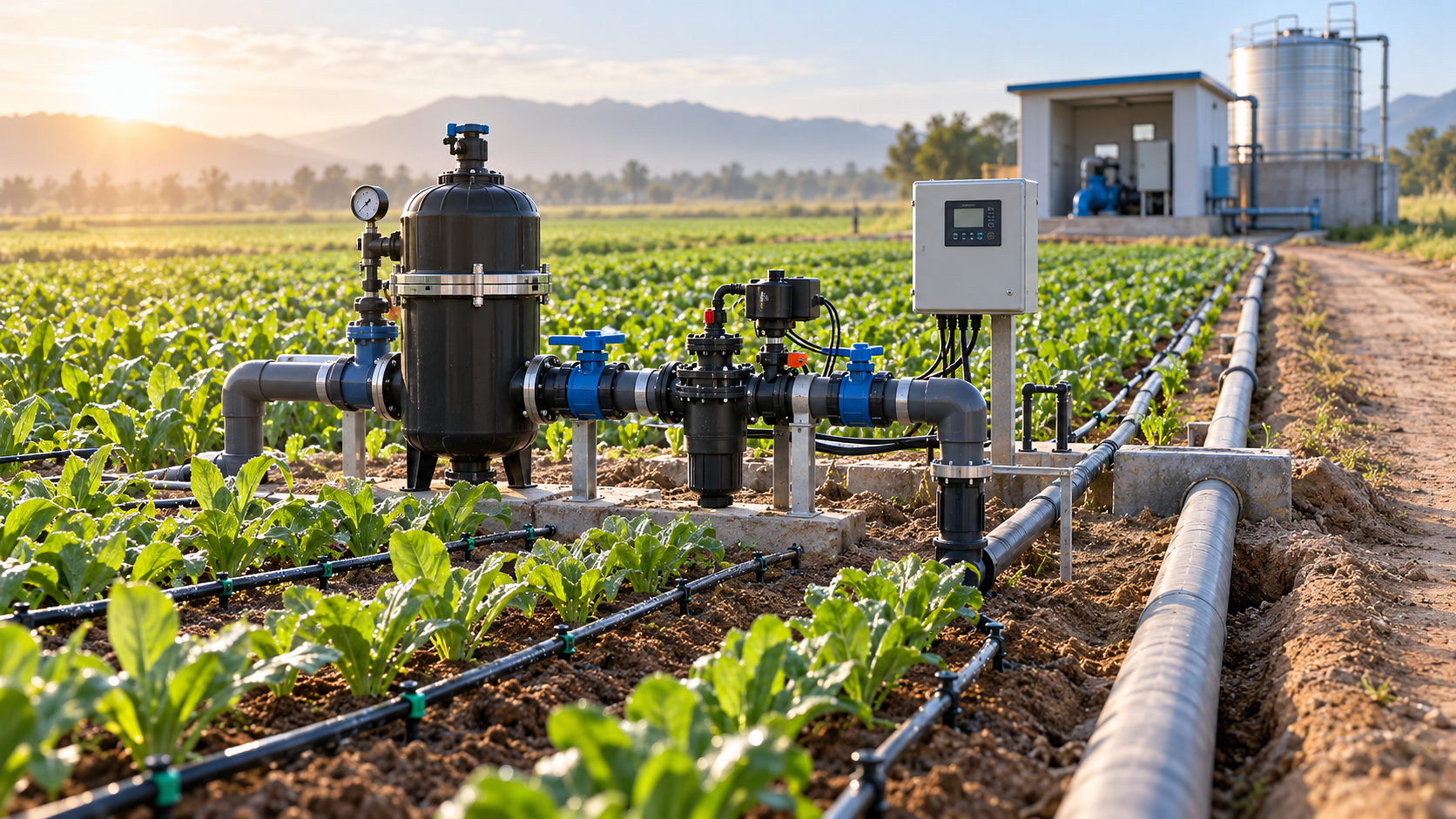
Consider a hypothetical increase in inquiries about precision irrigation. Reporting the increase provides a demand signal. Analyzing whether those inquiries come from farms facing water constraints, higher pumping costs, or crop quality problems begins to explain it. Assessing whether the farms have suitable infrastructure, technical support, and purchasing capacity makes the analysis more useful.
The resulting insight might be that near-term demand is concentrated among farms already equipped to act on irrigation recommendations. That is a narrower conclusion than “smart irrigation demand is growing,” but it provides a clearer basis for planning.
Market data and market insight answer different questions
Market data can be quantitative or qualitative. Shipment totals and commodity prices are data, but so are documented interviews, purchasing objections, and service complaints. Qualitative evidence does not automatically become insight simply because it includes opinions.
Neither replaces the other. Reliable data is essential when calculating market share, comparing prices, or measuring historical change. Insight becomes especially useful when the decision depends on interpreting those measurements.
A report can also contain both. A combine harvester market report might present shipment data, compare changes across regions, and then assess how crop conditions or contractor purchasing cycles could explain the differences. The quality question is whether the interpretation follows from the evidence.
How agricultural market signals become useful intelligence
Agricultural equipment provides a useful test of analytical quality because purchasing decisions depend on several interacting systems. Mechanical capability matters, but so do seasonal workloads, financing, operator skills, field conditions, and access to repairs.
A machinery sales increase needs a demand explanation
Suppose recorded combine harvester sales rise in a particular market. Before treating that as evidence of sustained expansion, an analyst needs to understand what the sales measure represents. Manufacturer shipments to dealers, dealer sales to farms, and equipment registrations describe different stages of the purchasing process.
Shipments may rise while machines remain in inventory. Retail sales may strengthen because buyers are replacing aging equipment, even when the number of farms purchasing machinery is unchanged. A shift toward larger machines can also affect revenue differently from unit volumes.
Useful market insight connects those distinctions to a practical implication. If demand mainly reflects replacement purchases, parts support, trade-in arrangements, and fleet compatibility may deserve more attention than an assumption that the customer base is expanding. If contractors are increasing capacity, seasonal utilization and service coverage may become more relevant.
Irrigation interest does not establish purchasing readiness
Water pressure can create interest in irrigation technology, but interest alone does not establish an accessible market. A farm may recognize the value of better scheduling while lacking suitable pumps, filtration, reliable power, or the ability to maintain sensors and control equipment.
Analysis should also distinguish between different outcomes. Better scheduling may reduce unnecessary applications, improve timing, or support crop management. Changes in water withdrawals and crop water consumption are separate measures, and neither should be assumed from the installation of digital controls alone.
A useful report therefore asks which problem the buyer needs to solve and what must already be in place. It may identify opportunities for monitoring tools in one segment and infrastructure upgrades in another. That distinction helps explain why similar levels of expressed interest can produce different purchasing behavior.
A technical improvement needs an operating context
A more capable transmission, improved harvesting control, or a precision guidance feature can create commercial value. The size and relevance of that value depend on the work being done.
For example, a harvesting feature designed to manage losses under changing crop conditions may matter more where operators face variable material flow and limited harvesting time. Its commercial potential also depends on setup requirements, operator understanding, maintenance, and compatibility with existing equipment.
Technical news describes the feature. Market analysis explains which users have a reason to pay for it, what could prevent adoption, and which supporting services may influence the purchase.
How to recognize insight grounded in evidence
The most useful question to ask while reading is: Can I follow the path from the evidence to the conclusion? A confident tone, an attractive chart, or a specialist vocabulary cannot supply a missing connection.
Start with the source and scope. A report should make clear whether it draws on official statistics, company disclosures, interviews, surveys, or another identifiable evidence base. Those sources have different strengths. Dealer interviews may explain local buying objections, while a consistent statistical series may be better suited to tracking change over time.
Then check whether the comparison is meaningful. An increase from an unusually weak period can look more dramatic than the underlying recovery. Figures expressed in money may reflect price changes or product mix as well as purchasing volume. Regional totals can conceal differences between crop systems and farm sizes.
Causal explanations deserve particular attention. Two developments occurring together do not establish that one caused the other. If machinery demand rises alongside grain prices, other influences may still matter, including financing conditions, equipment age, deliveries carried over from earlier orders, and buyer expectations.
Good analysis considers credible alternatives and explains why one interpretation appears stronger. It also identifies evidence that would change the assessment. An expectation of stronger irrigation demand, for example, becomes less persuasive if inquiries fail to progress into funded projects or if installation capacity becomes a constraint.
Publication timing matters as well. Recent commentary can rely on older observations. That may be reasonable for a slow replacement cycle, but less useful when assessing current dealer availability or financing conditions. The evidence needs to fit the timing of the decision.
Where weak market commentary goes wrong
A common problem is describing a chart in words and presenting the description as insight. “Sales increased, demonstrating strong demand” may simply repeat the observation. It leaves unanswered whether the increase reflects final purchases, inventory movements, pricing, or a temporary backlog.
Another problem is treating a technology category as a single market. Autonomous machinery can include applications with very different supervision needs, operating environments, and support requirements. A broad statement about adoption may hide commercially important differences between controlled tasks and operations involving unpredictable field conditions.
Promotional material can blur similar distinctions. A product announcement establishes that a supplier is offering or developing something. It does not, by itself, establish widespread adoption, customer satisfaction, or commercial viability. Those claims need different evidence.
Excessive certainty also weakens an otherwise useful analysis. A forecast should explain the assumptions behind the expected outcome. For equipment markets, those might include access to financing, stable demand for farm output, suitable infrastructure, and the availability of trained service personnel. If those conditions change, the forecast should change with them.
Use the content to sharpen a specific decision
Market insight content becomes more useful when read against a defined question. “What is happening in precision agriculture?” is a reasonable starting point, but “Which farms can adopt irrigation controls without replacing their existing infrastructure?” gives the research a clearer purpose.
A distributor evaluating a machinery segment may need evidence about purchasing cycles, installed equipment, service demands, and parts availability. A manufacturer exploring a new application may need to understand task requirements, compatibility barriers, and the buyer’s economic justification. A general market overview can orient both readers, but it cannot resolve every operational question.
When reviewing an article or report, extract three things: the finding, the conditions that support it, and the decision it could affect. Then identify the missing information that would materially alter that decision. This prevents a broad trend from becoming an unjustified purchasing or expansion recommendation.
For a specialist portal such as AP-Strategy, the opportunity is to connect machinery performance, precision farming, irrigation, and commercial conditions where those subjects actually intersect. A report on intelligent farm tools becomes more useful when it explains how compatibility and support influence adoption. Coverage of tractor chassis technology gains commercial relevance when it connects engineering changes with operating requirements and ownership considerations.
Before relying on any market conclusion, ask what action it supports and why. A statement such as “demand is growing” offers limited direction. An explanation of where demand is emerging, what enables purchases, and what could interrupt them gives you something concrete to investigate and use.
Related News
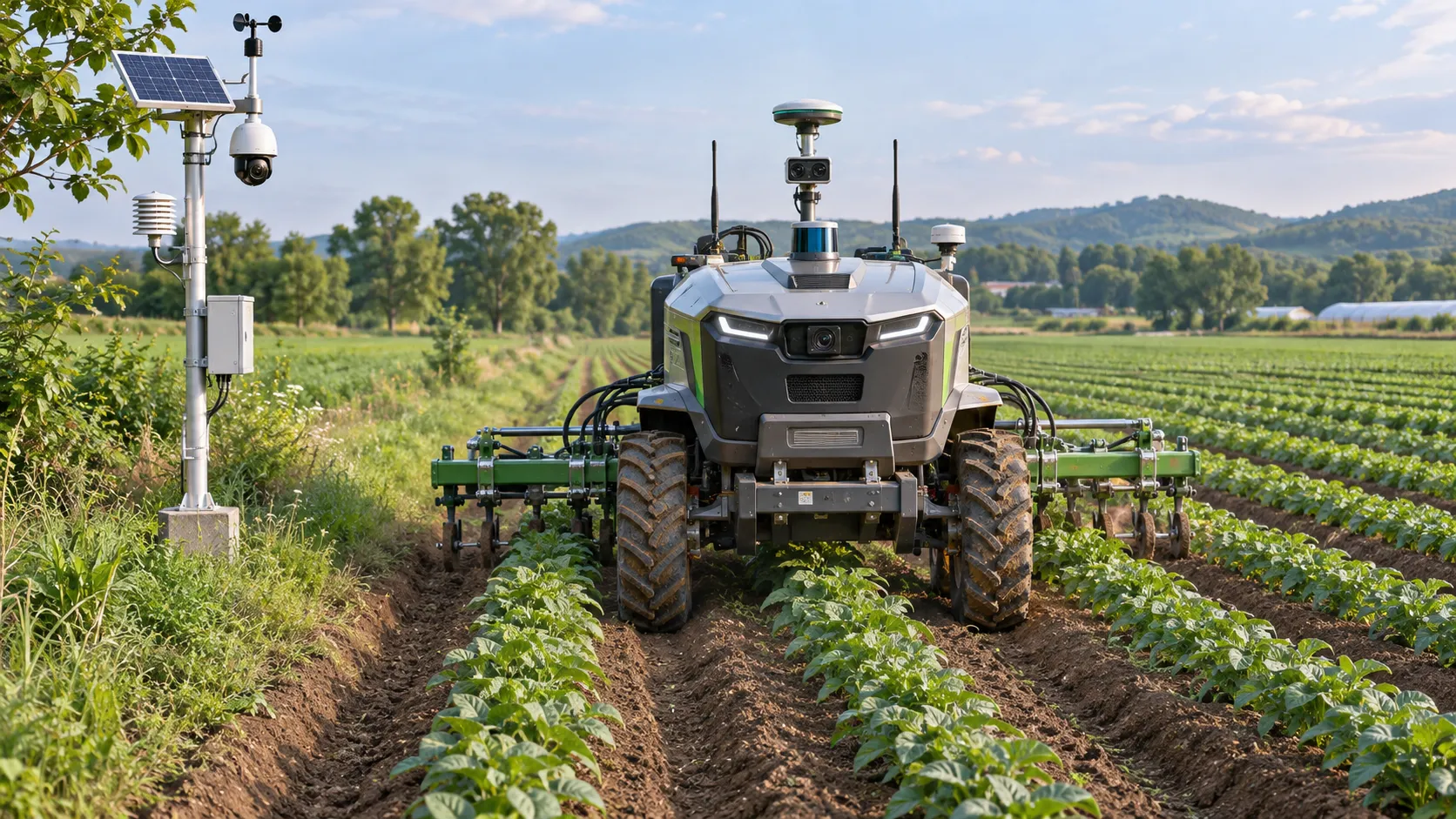
Agricultural Automation Still Needs Human Oversight, Study Finds
Agricultural automation still needs human oversight. Discover how AI and smart equipment are reshaping farm jobs, skills, and decisions.
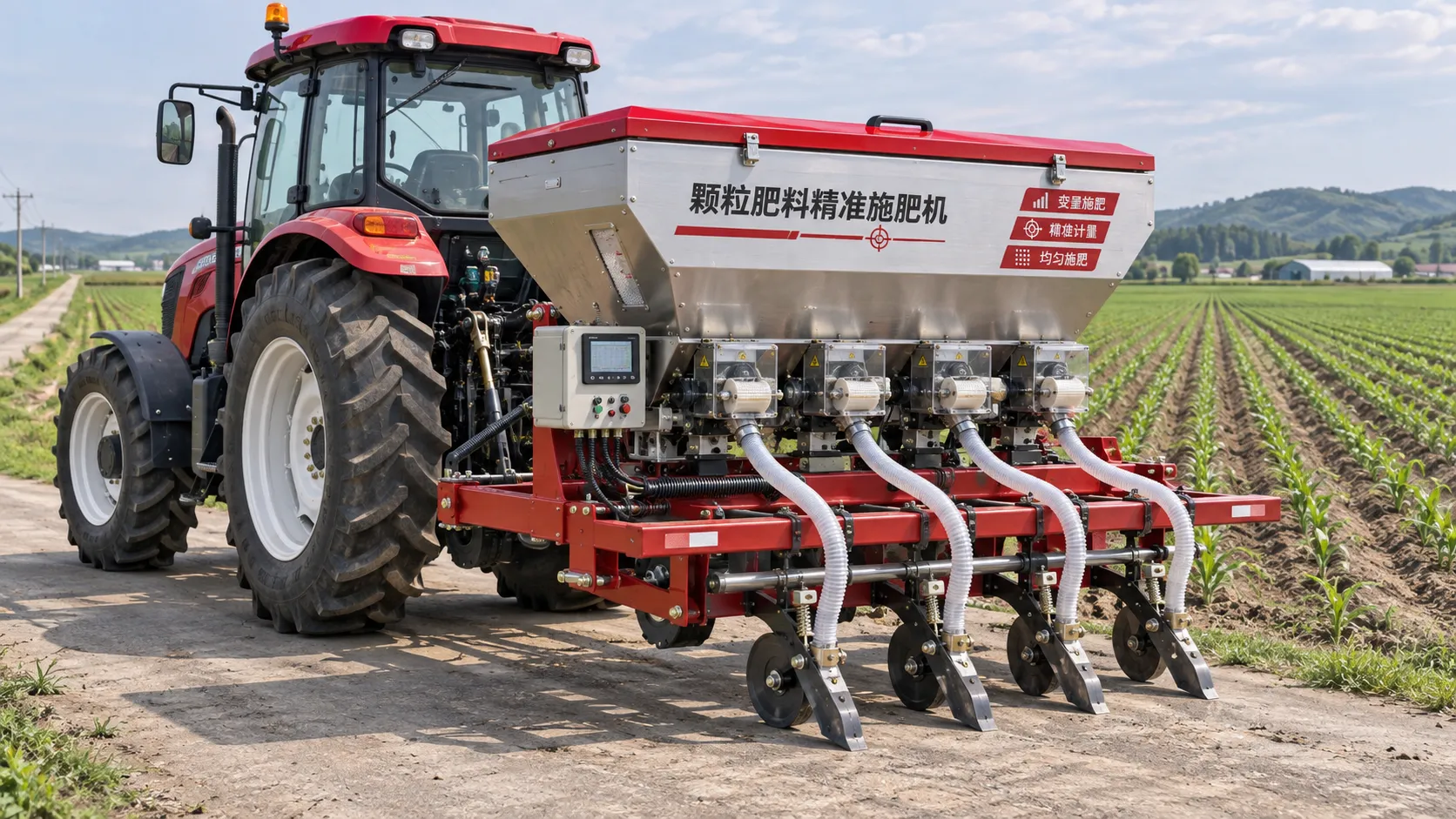
Choosing a Precision Fertilization Equipment Manufacturer: What to Check
Choose a precision fertilization equipment manufacturer with confidence. Compare accuracy, compatibility, service and total ownership costs before you buy.
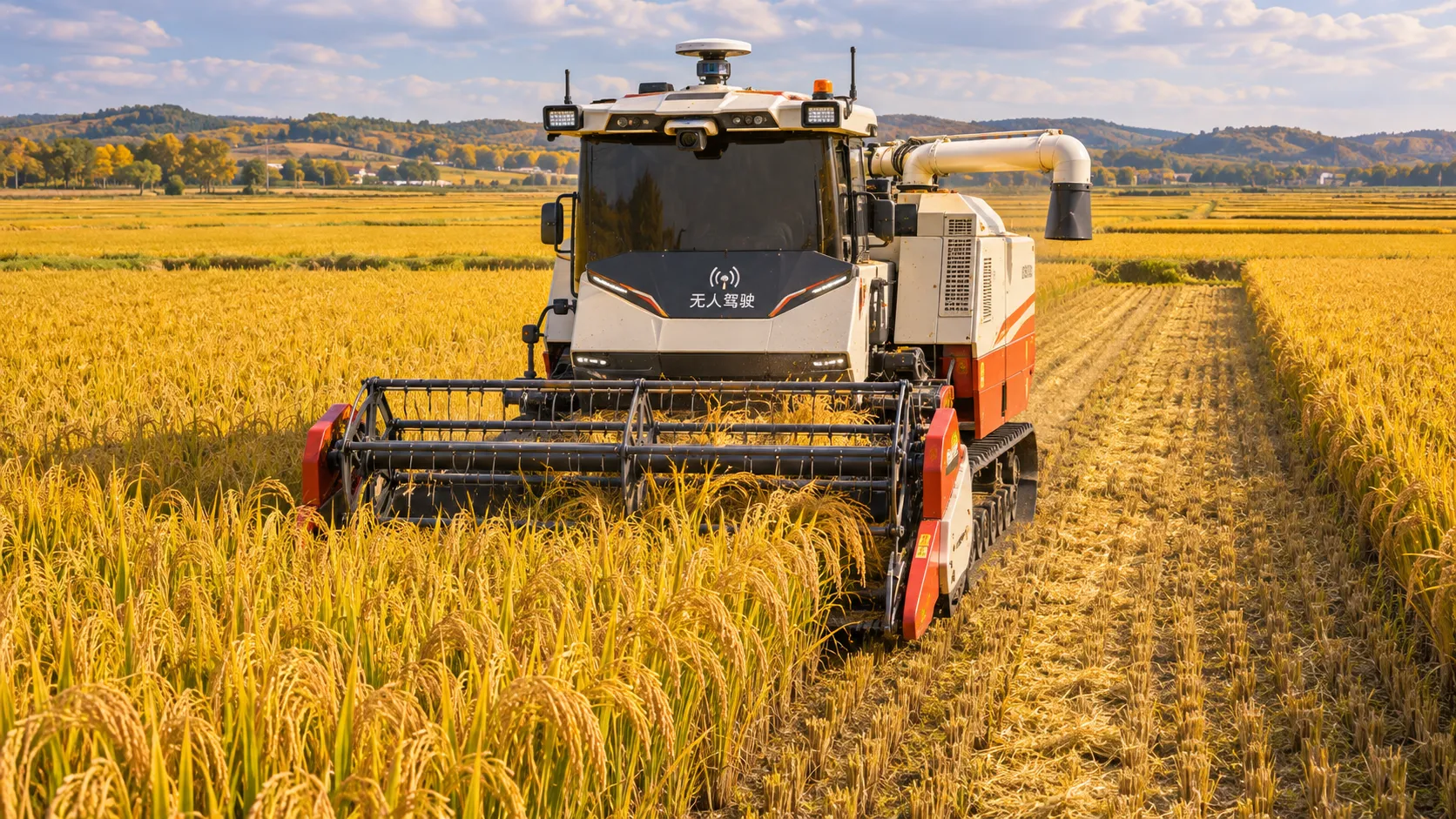
China's Autumn Grain Harvest Highlights Role of Machinery and Precision Farming
China's autumn grain harvest highlights machinery and precision farming. Explore how coordinated practices support harvesting and yield improvement.
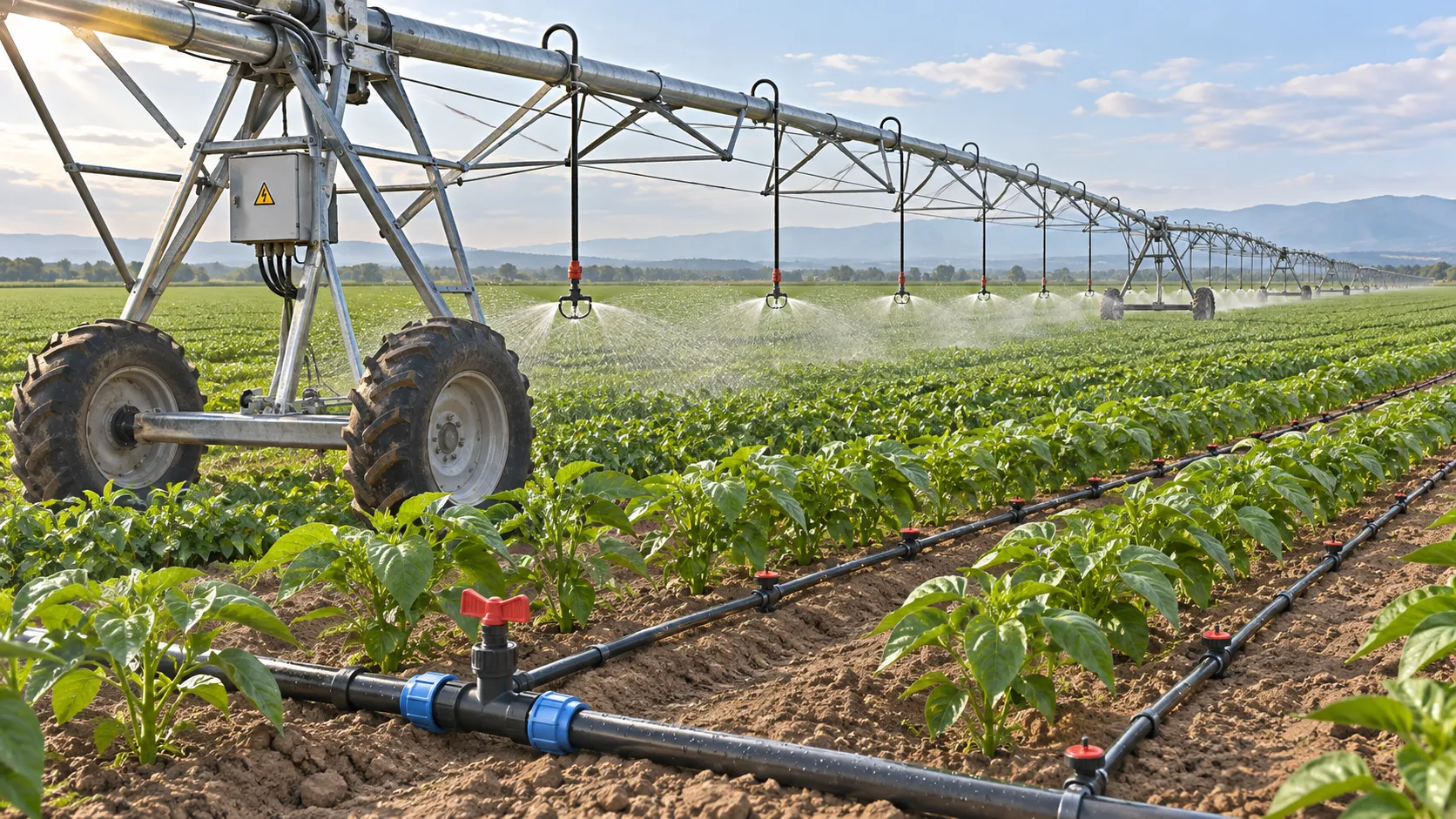
Drip vs. Center Pivot Irrigation: Maintenance Tasks and Costs Compared
Use this irrigation solution comparison by maintenance to weigh drip vs. center pivot tasks, costs and downtime—and choose the best fit for your field.
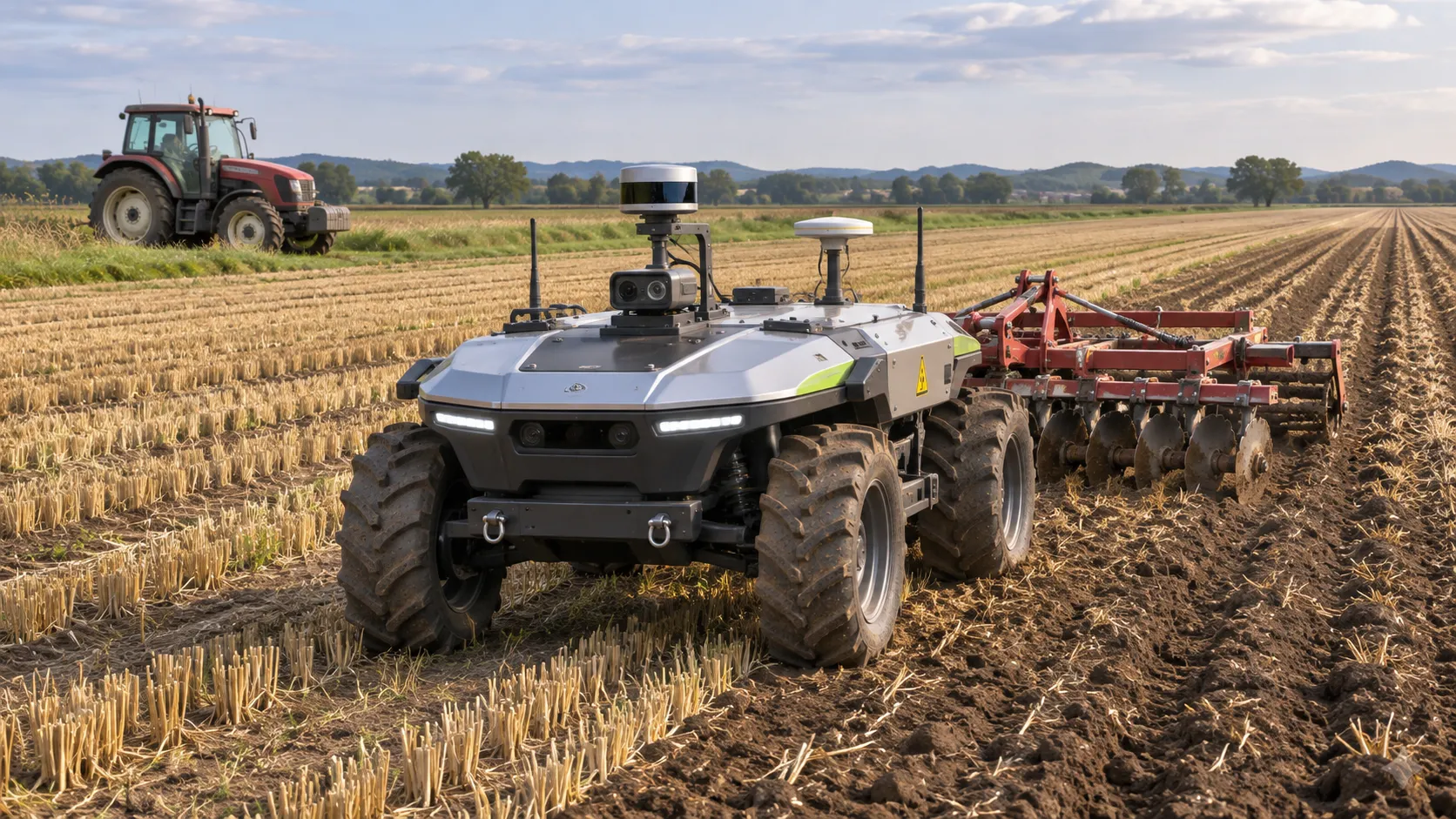
EIMA 2026: Six Tractor of the Year Awards Include Autonomous Robot
Explore the Tractor of the Year awards at EIMA 2026, featuring six winners, including the AgXeed autonomous robot and leading tractor models.
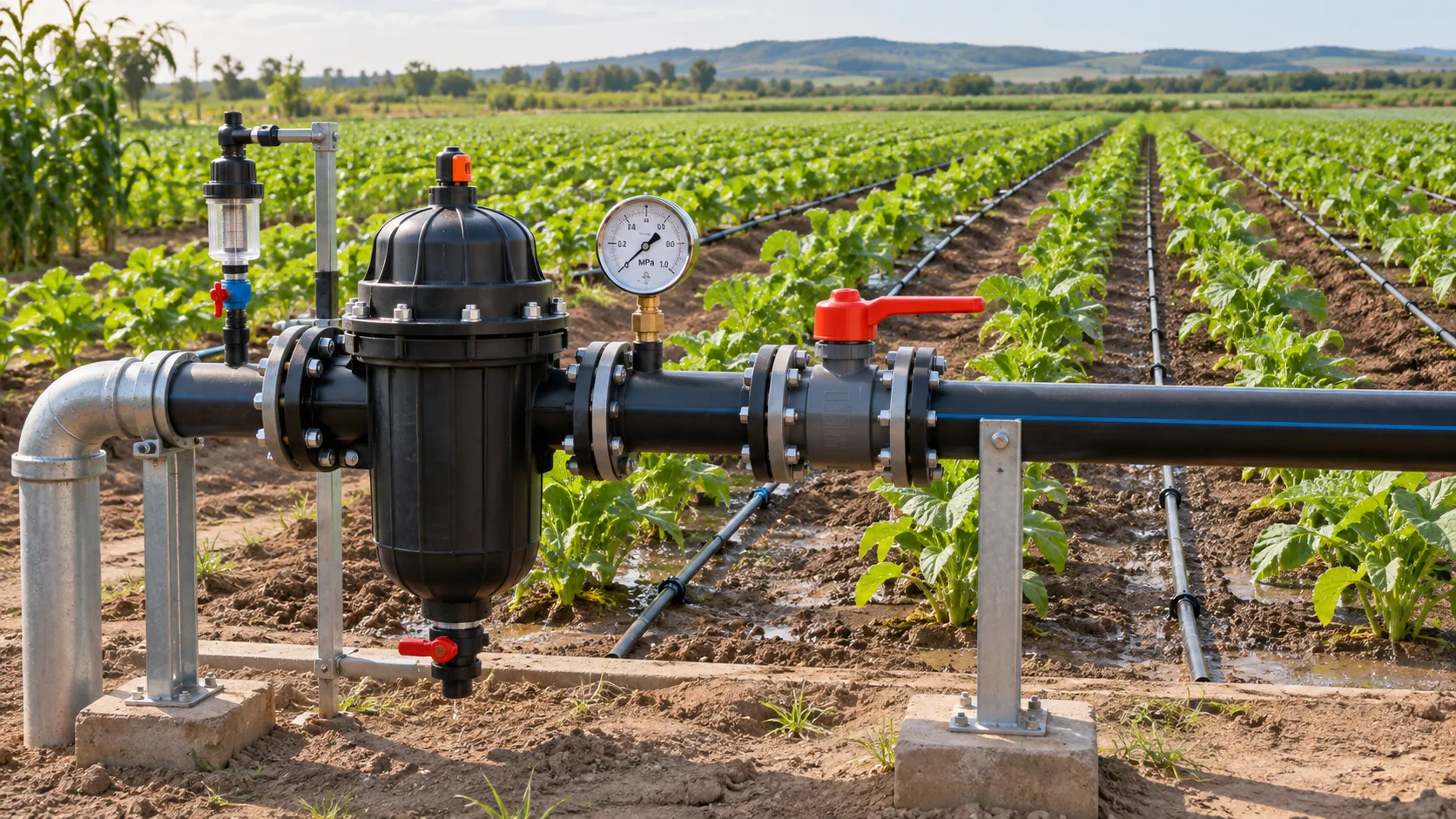
Choosing Irrigation Systems for Government Projects: Water, Cost and Compliance
What factors affect irrigation system selection for government projects? Explore water supply, lifecycle costs and compliance to make a confident, well-informed choice.
Choosing an Agricultural Machinery Platform: Listings, Pricing, and Support
Choosing an agricultural machinery platform? Compare listings, pricing, supplier verification, and support to make a more confident equipment purchase.
Ofwat Launches £8 Million Agri-Water Innovation Challenge
Ofwat’s £8 million Agri-Water Innovation Challenge supports smart irrigation, water reuse and water-saving solutions. Explore the funding and its potential impact.
Choosing a Water-Saving Irrigation Supplier: 5 Key Procurement Criteria
Choose a water-saving irrigation systems supplier with confidence. Explore five procurement criteria to reduce risk and maximize long-term value.
Related News
- 00
0000-00
Choosing Irrigation Systems for Government Projects: Water, Cost and Compliance - 00
0000-00
Choosing an Agricultural Machinery Platform: Listings, Pricing, and Support - 00
0000-00
Choosing a Water-Saving Irrigation Supplier: 5 Key Procurement Criteria - 00
0000-00
304 vs 316 Stainless Steel for Ingredient Processing Equipment - 00
0000-00
Choosing a Large Farm Equipment Exporter: Parts, Shipping and Warranty
0000-00
Popular Tags
Ms. Elena Rodriguez
Weekly Insights
Stay ahead with our curated technology reports delivered every Monday.